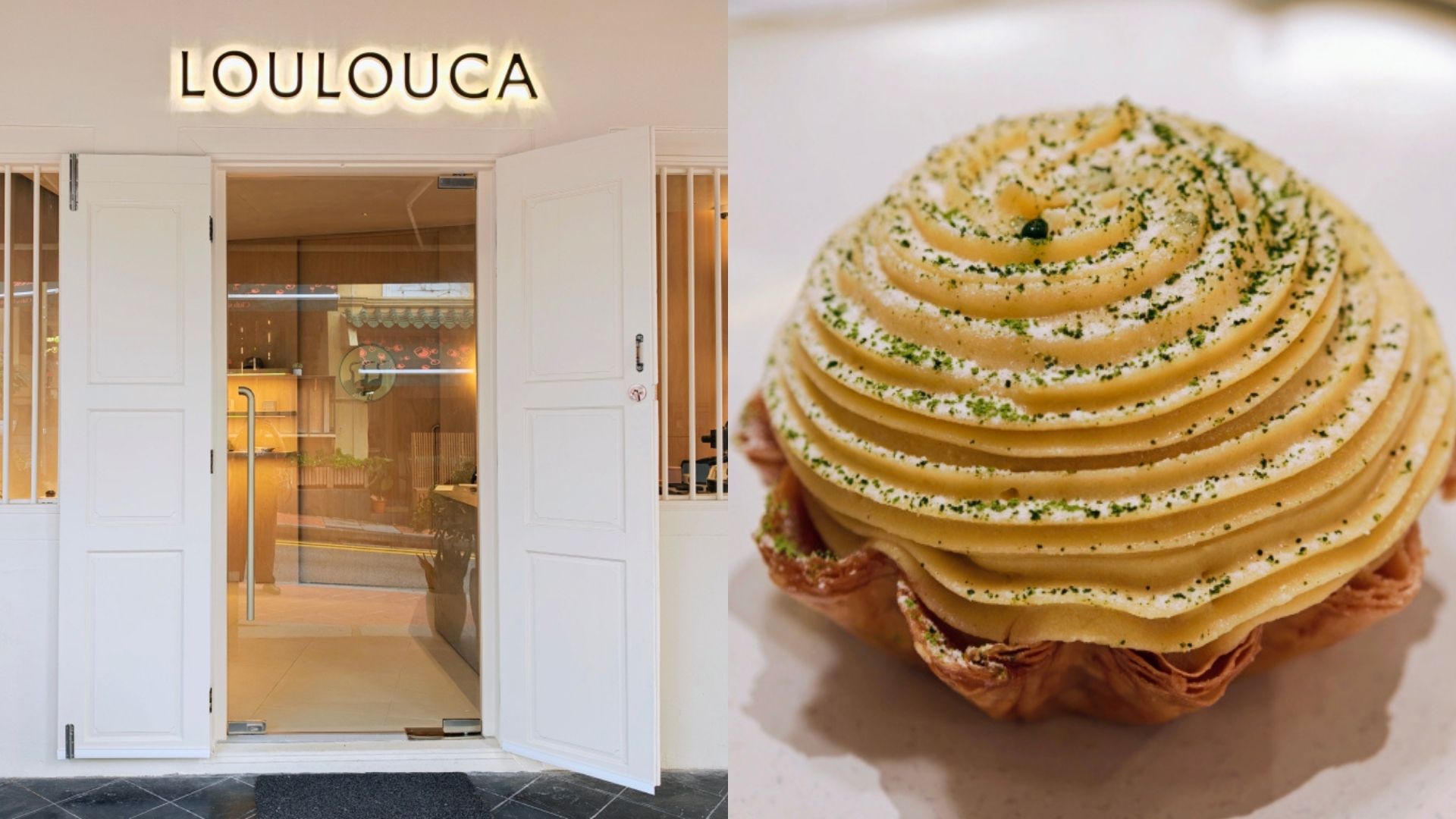
Review: Ex-Odette pastry chef Louisa Lim’s solo debut is confident, with one soft note

- Ex-Odette pastry chef Louisa Lim opens her first solo venture, Loulouca, a dessert atelier with a day cafe and evening plated-dessert menu.
- A tight, well-priced daytime menu (with nothing over S$16) delivers genuine surprises, including a standout kaya and tropical fruit desserts.
- The cacao, while technically sound, felt safe and familiar next to the rest of the menu’s more distinctive flavour pairings.
There’s a particular kind of courage in walking away from a sure thing to build something that might not work. Singapore’s F&B scene has had a rough stretch of it lately — rents climbing, margins thinning, closures making as much news as openings — and yet a handful of the industry’s most decorated names keep choosing this exact moment to bet on themselves.
It’s these sorts of business moves that deserve a second look, if only because it’s so much easier not to make it. And chef Louisa Lim’s Loulouca is one to watch.
The backstory
Chef Louisa spent seven years shaping the pastry programme at Odette, a tenure that, in a kitchen with three Michelin stars attached to its name, tends to calcify into a career.
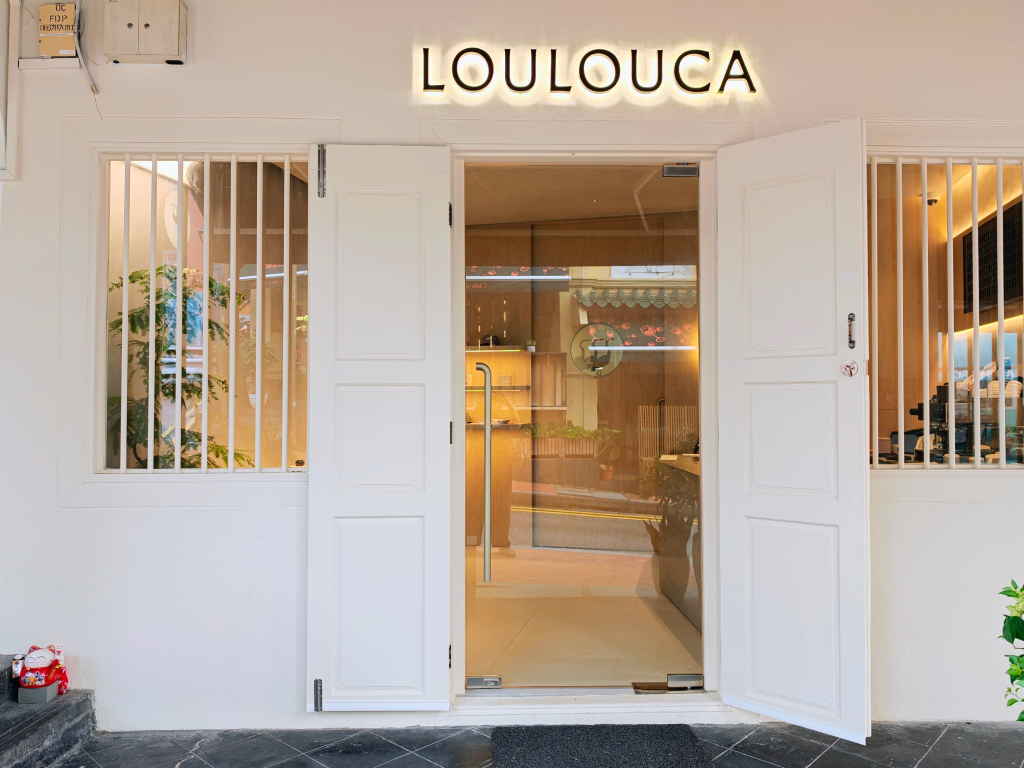
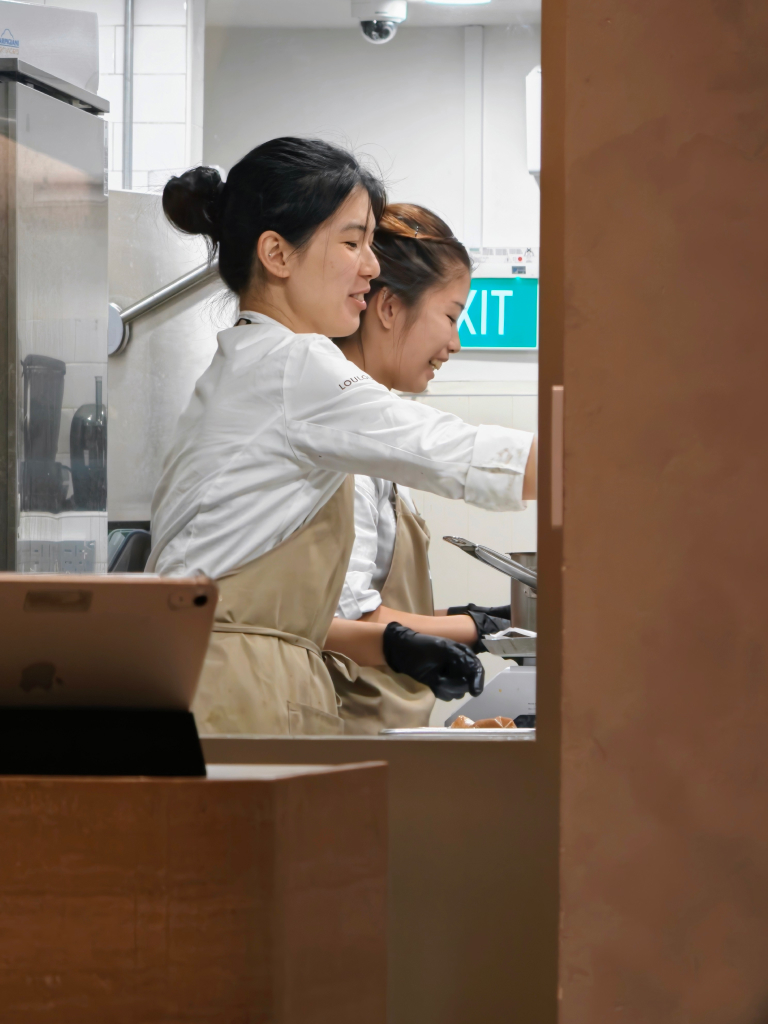
In March, however, she forged her own kitchen in a 20-seat shophouse on Ann Siang Hill.
That shophouse is Loulouca, which opened its doors in late July. It’s chef Louisa’s first solo venture, arriving on the back of a resume that includes Asia’s Best Pastry Chef honours from Asia’s 50 Best Restaurants in 2023 and a Tatler Asia pastry chef title the following year.
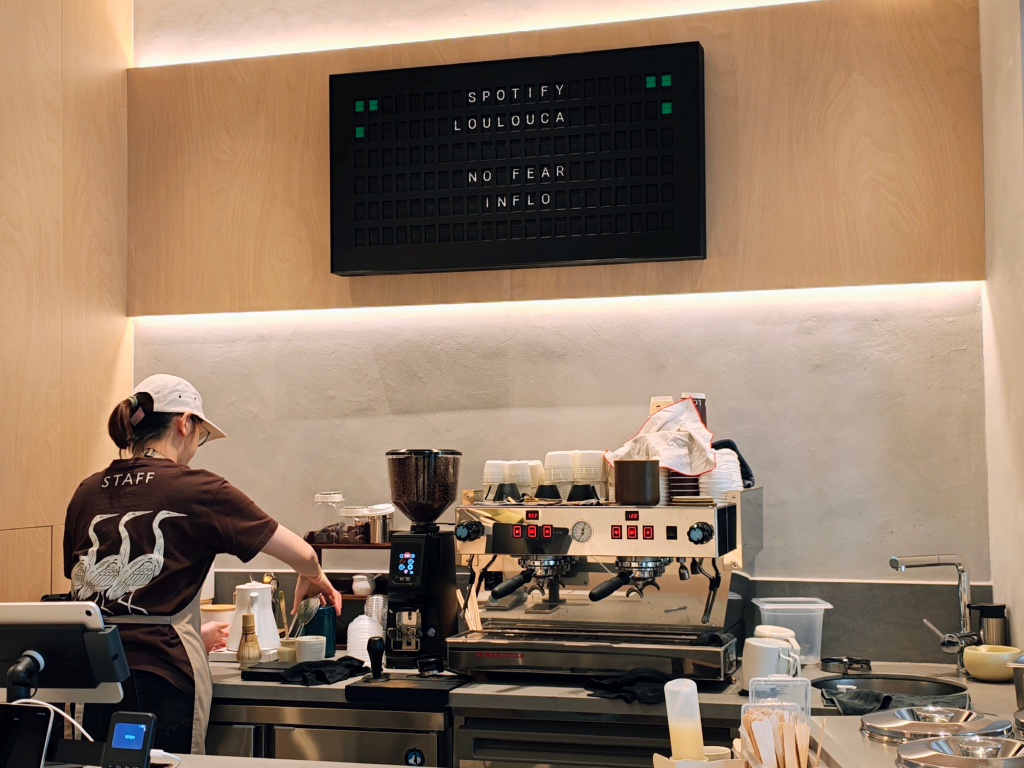
The space, designed by Studio Rascal, is built around a genuine day-night split, and that duality gives Loulouca its shape.
By day, it runs as a patisserie and cafe: A rotating line-up of individual entremets, whole cakes available by advance order, and a short list of coffee, tea, and housemade ice cream.
Currently, the daytime menu consists of a lean selection of four desserts and two ice cream flavours, with the most affordable dessert at just S$14.
Come evening (from 7pm onwards), an even leaner a la carte menu of plated desserts is served, finished tableside at an open counter. Both menus rotate with the season, using only the freshest ingredients available at the time.
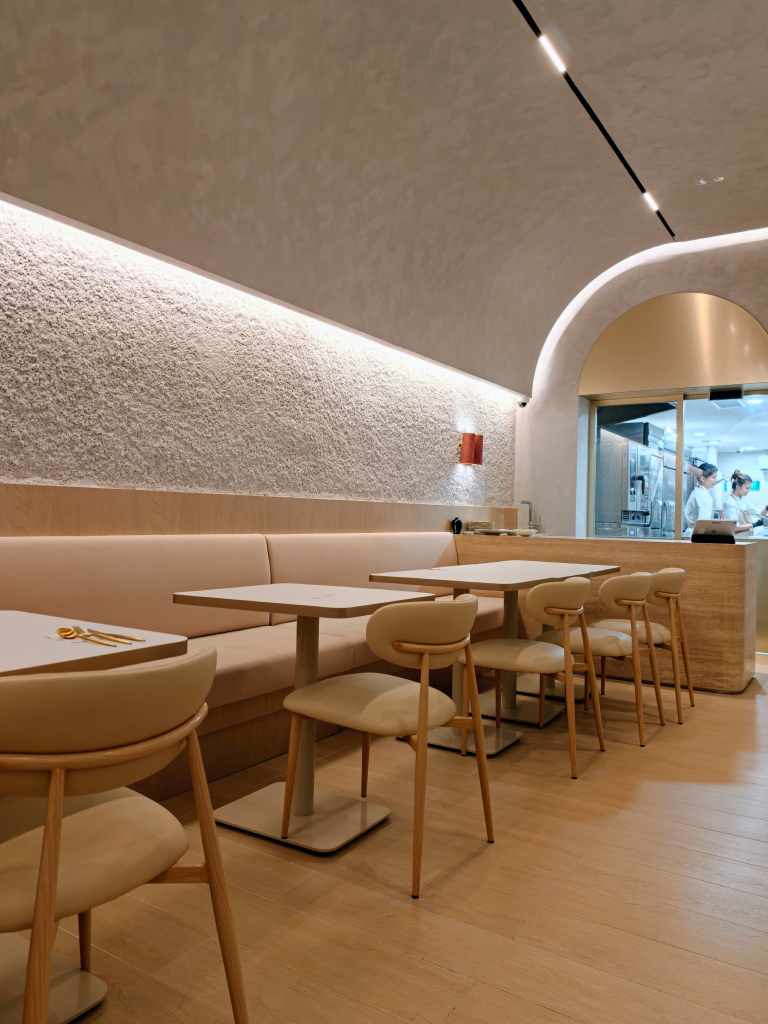
It’s a structure that treats dessert less as a sweet finish and more as the whole story, with French technique doing the heavy lifting, using seasonal produce and the occasional nod to Singaporean flavours.
Our verdict
I’d braced myself for a fight to get a table; Loulouca’s name has been impossible to avoid these past few weeks, and I made a reservation days in advance, assuming a weekday afternoon walk-in was wishful thinking. Turns out, I needn’t have worried.
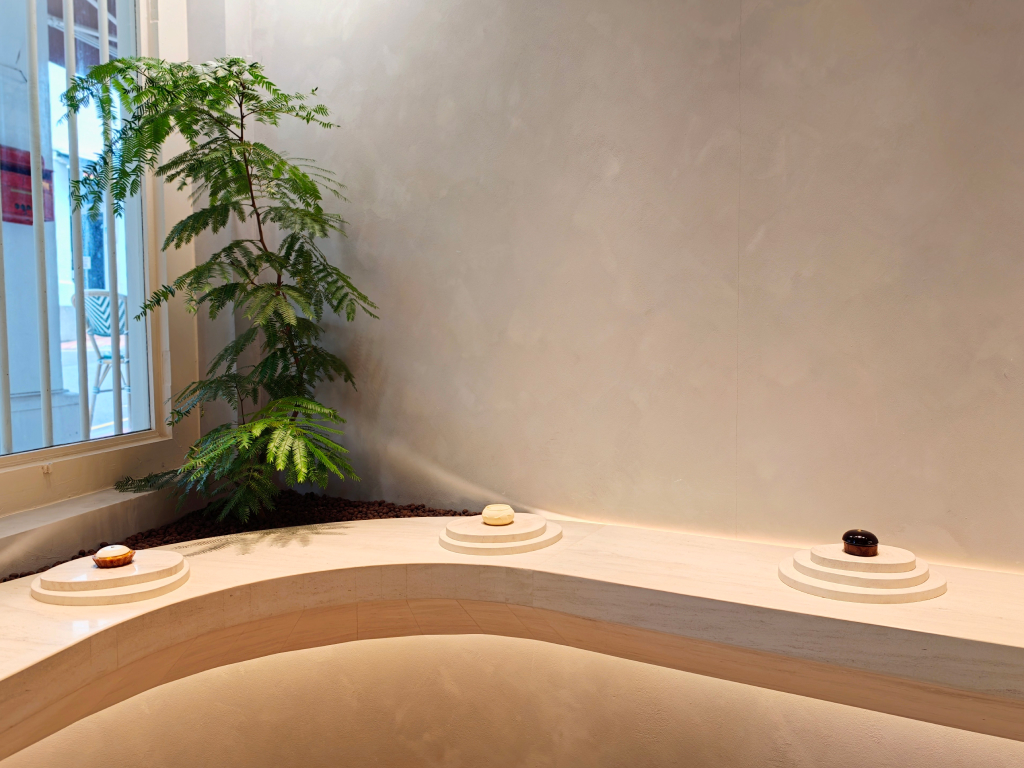
When I arrived, no more than three tables were occupied. Take that as your cue: If spontaneity is how you typically roll, an unbooked afternoon here is very much still on the table.
What struck me most, though, was how little friction there is, once seated.
The daytime menu keeps it to four desserts and two ice-cream flavours — the latter served either by the scoop or worked into an affogato — which means there’s no real decision to agonise over.
It also means that if you’re the type to want to try everything — I was — you can simply order the entire lineup and turn it into a family-style spread without much fuss. Drinks follow the same restraint: A short, curated list of wine, coffee, and tea, with tea pairings suggested alongside each dessert for anyone who wants to lean into the full experience.
That restraint carries through to the pricing, which might be one of the most notable things about Loulouca. Nothing on the daytime menu runs past S$16 — a number that turns the cafe from a destination you plan a trip around into somewhere you could, in theory, duck into on a whim between errands.
Related Articles:
What it’s good for
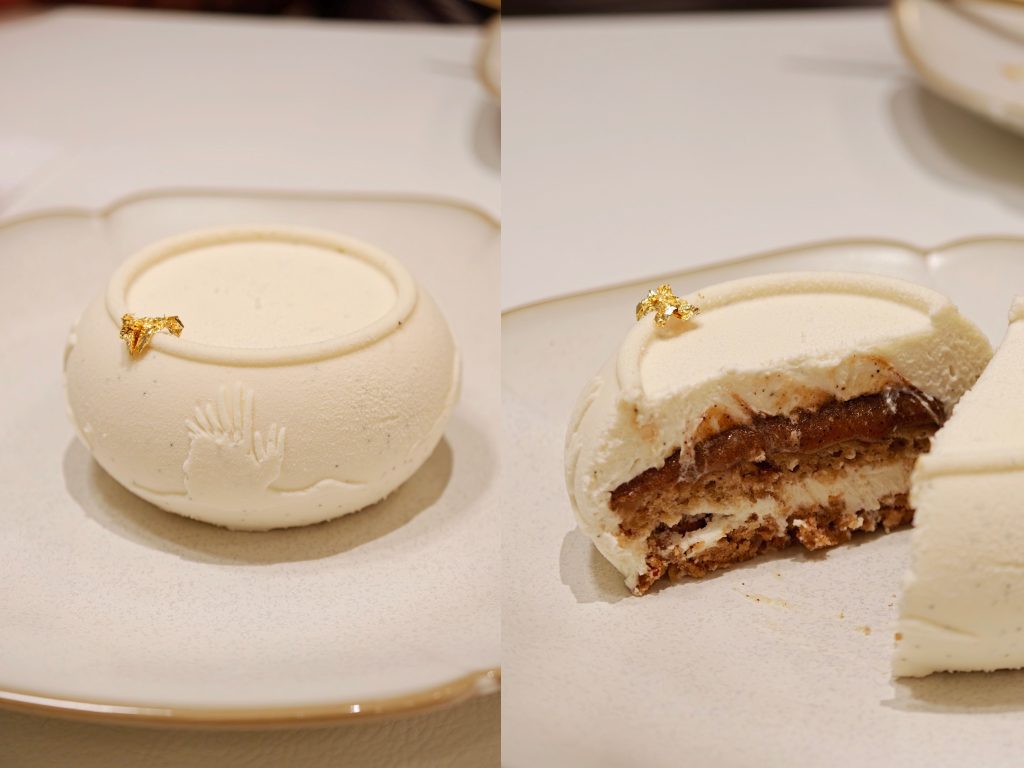
I’ll admit I went in slightly wary of the Loulouca (S$16); when a dessert shares its name with the cafe, it’s carrying a lot of pressure to be the best thing on the table, and that kind of pressure can be risky.
But Louisa’s tiramisu reinterpretation, built on buckwheat tea, Vanuatu vanilla, and a coffee praline, actually earned its billing. It’s lighter than the tiramisu I know, and the maple cremeux (a dense, smooth French dessert made with custard and other flavourings) and pecan sable gave it a nuttiness I kept going back for.
If you’re new here and can’t decide, order this alongside the matcha pistachio kaya (S$14) and let the two argue it out. I don’t think you’ll regret either one.
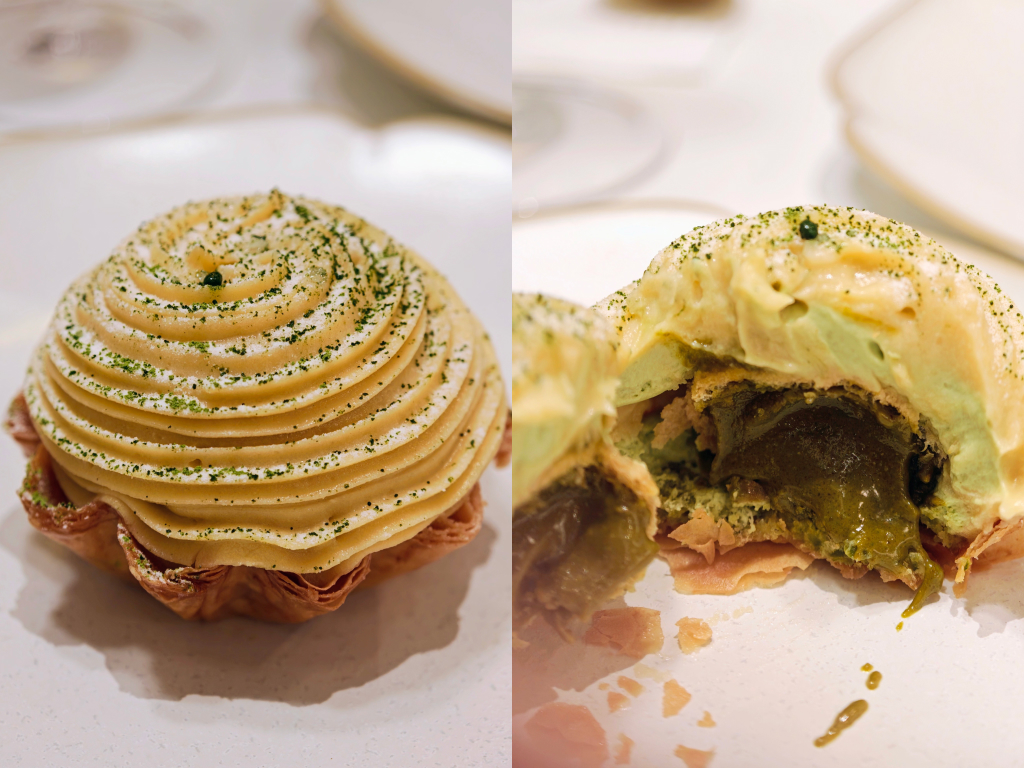
The kaya dessert, in particular, surprised me. I went in expecting the matcha to dominate, as it usually does, but its presence was subtle — and I appreciated the restraint.
What stood out, instead, was how the roasted pistachios cut through the kaya’s sweetness, to the point where I think this dessert would be even more satisfying when eaten alone. Though, if I’m being honest, I kept wishing I’d ordered a coffee alongside it.
The acidity would’ve rounded off those roasted notes beautifully — but that’s a very personal craving, not a flaw in the dish.
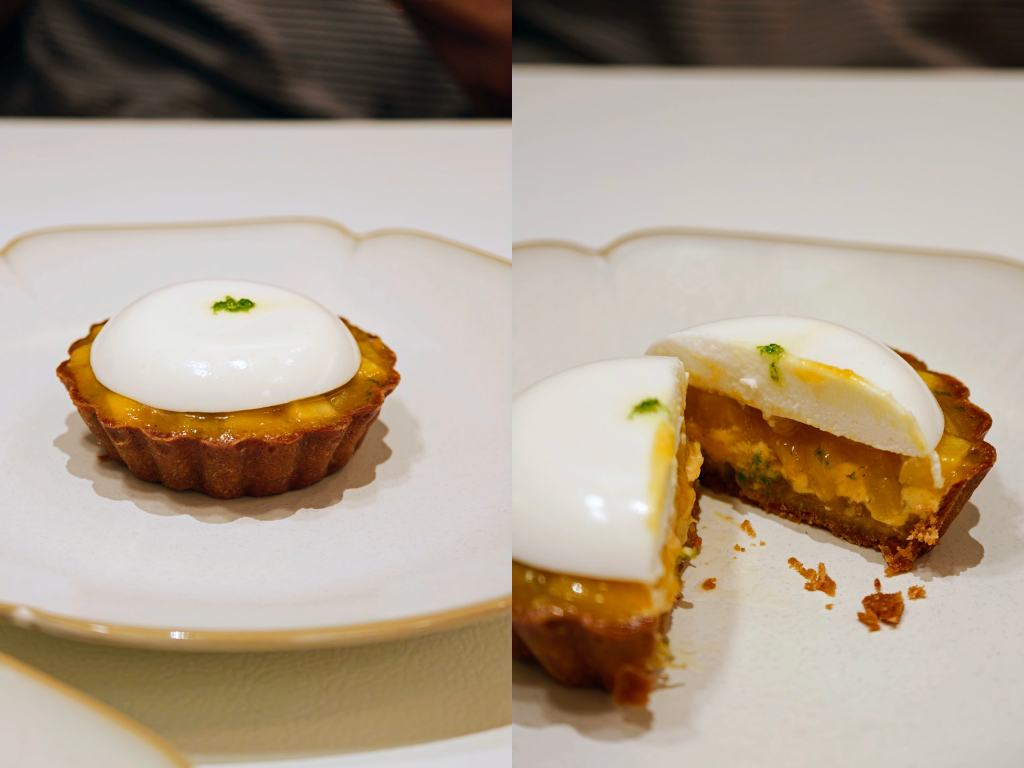
Then there’s the Tropical Exotic (S$14), which did something I genuinely didn’t expect from a fruit-forward dessert: It refreshed me. And that’s not just because it was “fruity”, as one might expect; mango, passionfruit, and pineapple gave it real range between sweet and tart, and the coconut kept it from falling into the trap of being “just another” fruit tart.
There was actual depth there.
Additionally, its crust stayed with me the longest. Buttery, almost cookie-like, snapping beneath my fork. If someone from the kitchen had handed me a plate of just that crust, I would’ve happily eaten it on its own.
Now, I’m not usually a tea-ice cream person. It tends to go so light and fragrant that it becomes forgettable, which is probably why I actively avoid ordering it.
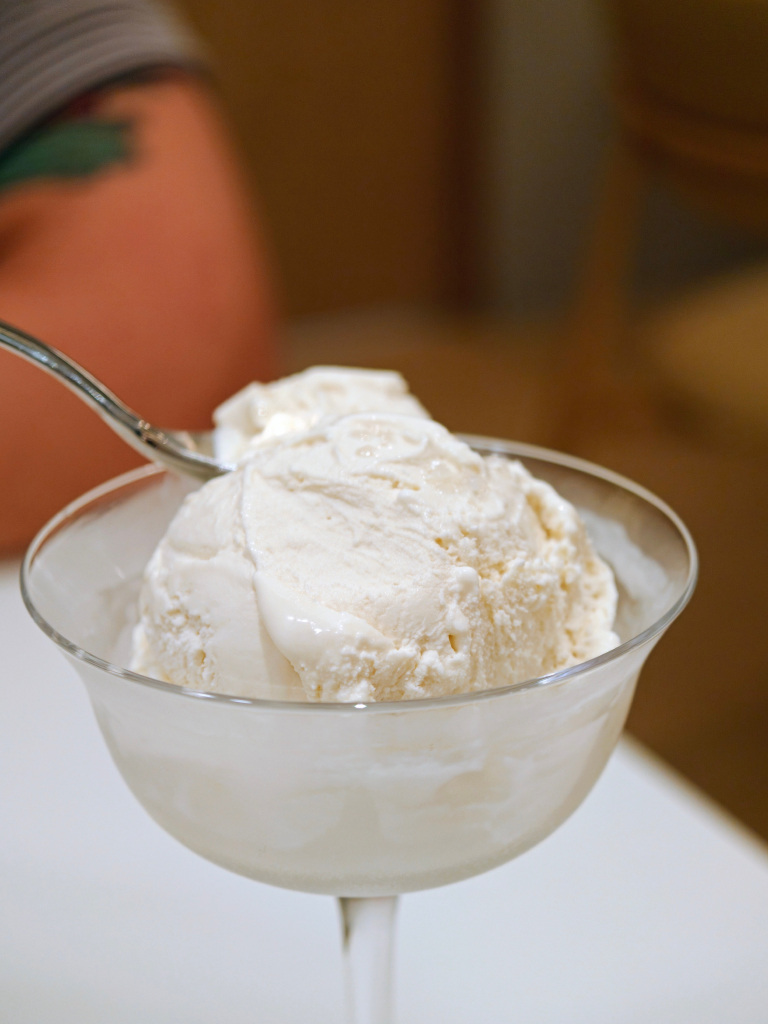
The sobacha ice cream (buckwheat tea, from S$7 for a single scoop or S$8 for an affogato) here changed my mind. It’s well-perfumed, floral without tipping into cloying, and addictive enough that I kept returning for scoop after scoop.
My one regret was not ordering it as an affogato; I think that would’ve turned it into the kind of punchy, can’t-skip dessert worth stopping for, even on a day I hadn’t planned to enter Loulouca for a brief sit-down.
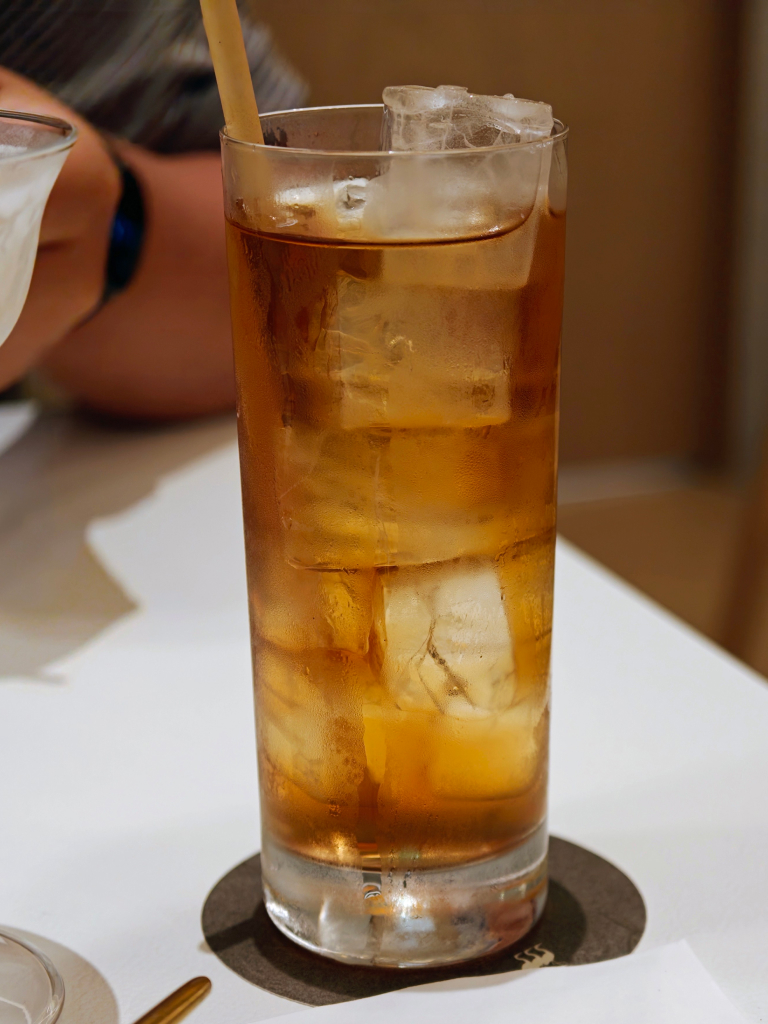
And if you’re someone who takes tea seriously, don’t skip the pairings. I tried the Pu’jicha (S$10.50) — a house blend of pu’erh tea and hojicha, served casually over ice — alongside the Loulouca, and the caramel notes it carried made more sense with the dessert than I expected.
Caramel and coffee is a reliable combination, and this tea leaned into it without ever tasting like an afterthought.
What it could improve on
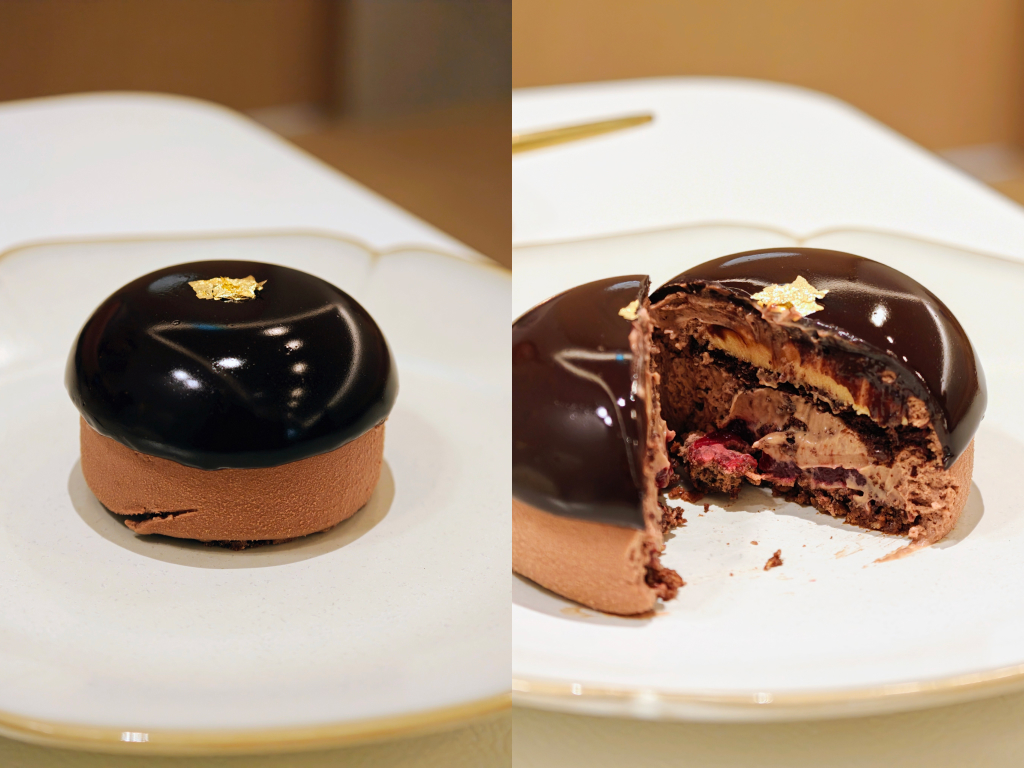
If there’s one dessert that didn’t quite move me, it was the cacao (S$15) — and I say that fully aware of how that sounds, given who’s behind the kitchen.
Now, nothing about it was poorly made.
The dark chocolate and caramel were rich without being heavy-handed; the earl grey and berries cut through nicely, and the Piedmont hazelnut feuilletine gave it the crunch it needed.
But somewhere in all that competence, I didn’t feel the same spark I did with the rest of the menu. It tasted like something I could find at any number of good dessert spots in the city — and knowing Louisa’s pedigree, I wanted this one to surprise me the way the Loulouca or the kaya did.
It didn’t quite get there.
However, of course, if you’re a committed chocolate person, don’t let my hesitation talk you out of trying it.
Walking out, what stayed with me wasn’t any single dessert, but the sense that chef Louisa knows exactly what kind of cafe she wanted to build, and has largely built it.
Most of what I tried felt considered in a way that comes from someone who’s spent years earning the right to be this deliberate — the kaya’s restraint, the sobacha’s confidence, even the crust I couldn’t stop thinking about.
The cacao may be the one plate that plays it safe, but, hey, not being a fan of only one dish out of an entire menu is already a huge win for a new opening. It’s a soft note in an otherwise assured debut — and reason enough for anyone to return, sooner rather than later.
Our quick takes
Is it conducive to conversation? Yes. The ambience is very laid-back, and as the dining area is intimate, most conversations are held in hushed voices anyway.
Is a reservation necessary? If you’re dropping in on a weekday afternoon (like I did), plenty of tables are available. However, you might want to reserve a spot if you’re coming for evening seating or on a weekend.
How to get there? Loulouca is a three-minute walk from Maxwell MRT Exit 1.
HungryGoWhere paid for its meal at this restaurant for this review.
For the latest eats, read our story on La Casetta, a homely Italian spot serving handmade pasta and pizza for under S$30 in Kampong Bahru, and our take on September Coffee’s new home at Craig Road.
Thu 11am - 11pm
Fri 11am - 11pm
Sat 11am - 11pm
Sun 11am - 11pm
- Maxwell



Wani is a cat lady who loves a good sweat session in the gym, and is still tracking the lead to the elusive cure for wanderlust.
Read more stories from this writer.