Hong Lim Market & Food Centre guide: 19 hawkers you can’t miss

- 1. Outram Park Fried Kway Teow Mee
- 2. Mei Jing Sandakan Fried Pork Noodle
- 3. High Street Tai Wah Pork Noodle
- 4. Ji Ji Noodle House
- 5. Famous Sungei Road Trishaw Laksa
- 6. Tang Kay Kee Fish Head Bee Hoon
- 7. Heng Kee Curry Chicken Bee Hoon Mee
- 8. The Noodle Memories
- 9. The Old Stall Hokkien Street Famous Prawn Mee
- 10. Tuck Kee (Ipoh) Sah Hor Fun
- 11. Cantonese Delights
- 12. Ah Heng Duck Rice
- 13. Nanyang Fried Chicken Rice
- 14. Teo Heng Teochew Porridge
- 15. Heritage Tanglin Puff Since 1952
- 16. Eddy’s
- 17. DDSD
- 18. Generation Coffee Roasters — Hong Lim
- 19. Hiong Kee Dumplings
Chinatown is a mecca for great food, be it hawker favourites, international cuisines or modern fare, and Hong Lim Market & Food Centre, which is accessible from Chinatown or Clarke Quay MRT stations, is no different.
One of the oldest hawker centres around with a history dating back to 1978, its two storeys are home to some of Singapore’s best culinary treasures as well as new-gen hawkers with evolving offerings.
Though it’s been around for decades and is close to more popular dining neighbors, It remains popular, thanks to its over-100 stores feeding hungry locals and tourists alike.
Ready your appetite as we give you the lowdown on our favorite hawkers within this bustling complex. Here are 19 hawker stalls we know you’ll love at Hong Lim Market & Food Centre:
1. Outram Park Fried Kway Teow Mee
Why visit? Outram Park Fried Kway Teow Mee began as a pushcart right outside the now-defunct Metropole Cinema, now known as the Fairfield Methodist Church, in 1939. It relocated to Outram Park in 1973, before eventually settling down at Hong Lim Market & Food Centre.
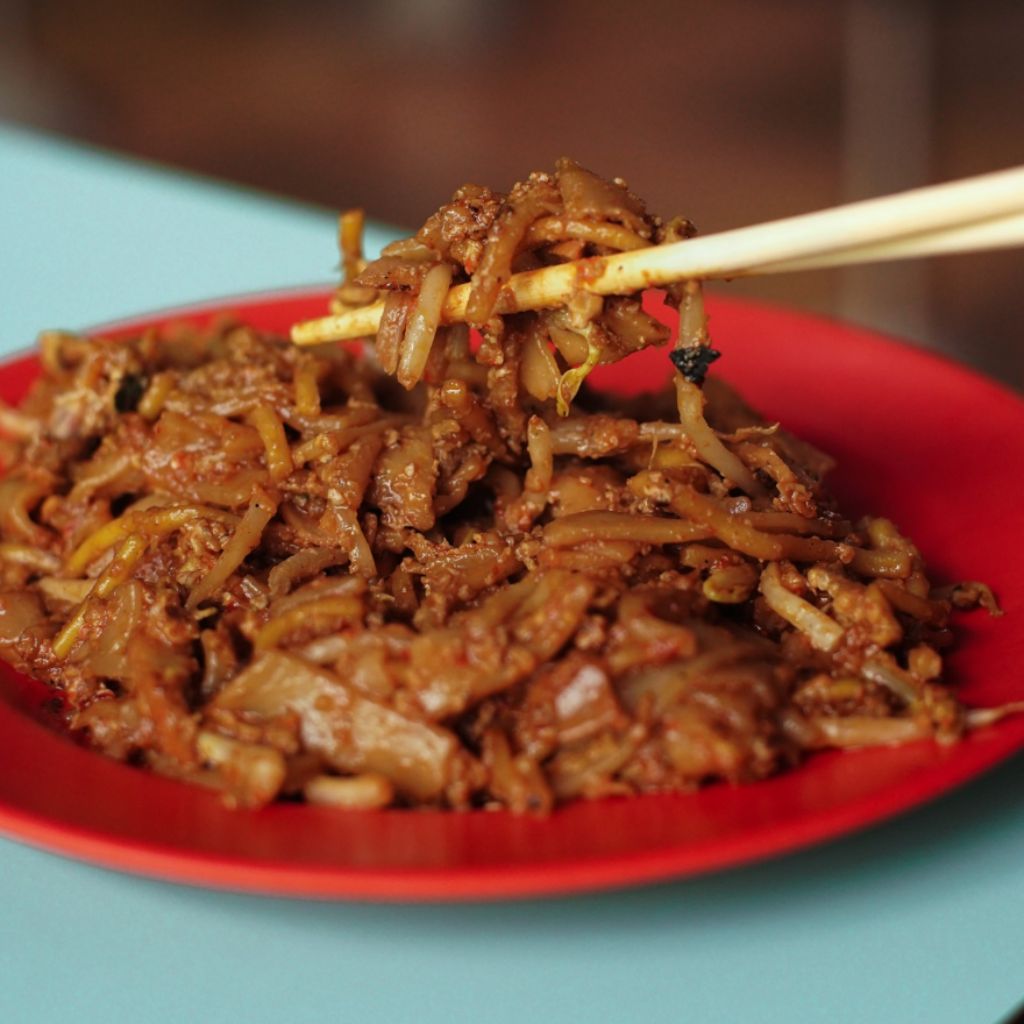
Today, its second generation, Ng Chin Chye, runs the store with his wife. They continue to dole out Teochew-style fried kway teow, loaded with fresh cockles, bean sprouts, fish cake slices and crispy pork lard. Chin Chye learned from his father through experience, carving out his own technique and fan base for his rendition.
Hint: The queue starts early, and doesn’t ever seem to slow down. Expect to wait anywhere between 45 minutes to an hour for a plate.
Crowd favourites: There’s only one item on the menu and that’s its char kway teow (from S$5). Ng presents a wetter version, redolent with the charred aroma we call wok hei. This is all thanks to Ng’s perfect control of fire and dedicatedly scraping right to the bottom of the wok with every fry up.
Sweet, savory, smoky and spicy (though this is optional), with a crunch from the crispy pork lard Ng fries up daily and the plump cockles, this dish alone is worth visiting Hong Lim Market & Food Centre for.
2. Mei Jing Sandakan Fried Pork Noodle
Why visit? Mei Jing Sandakan Fried Pork Noodle may be a new-ish addition to Hong Lim Market & Food Centre, but the concept has been in the business of serving up fried pork noodle since 1972. Owners and couple Max So and Victoria Wong have their grandfather to thank; he was the owner of the original store Mei Jing Restaurant in Sandakan, Sabah.
Max mastered the recipe with the help of his aunt, who apprenticed under his grandfather. While ingredients are slightly different in Singapore, his stringent sourcing process has ensured that the flavours are as close to the original as possible.
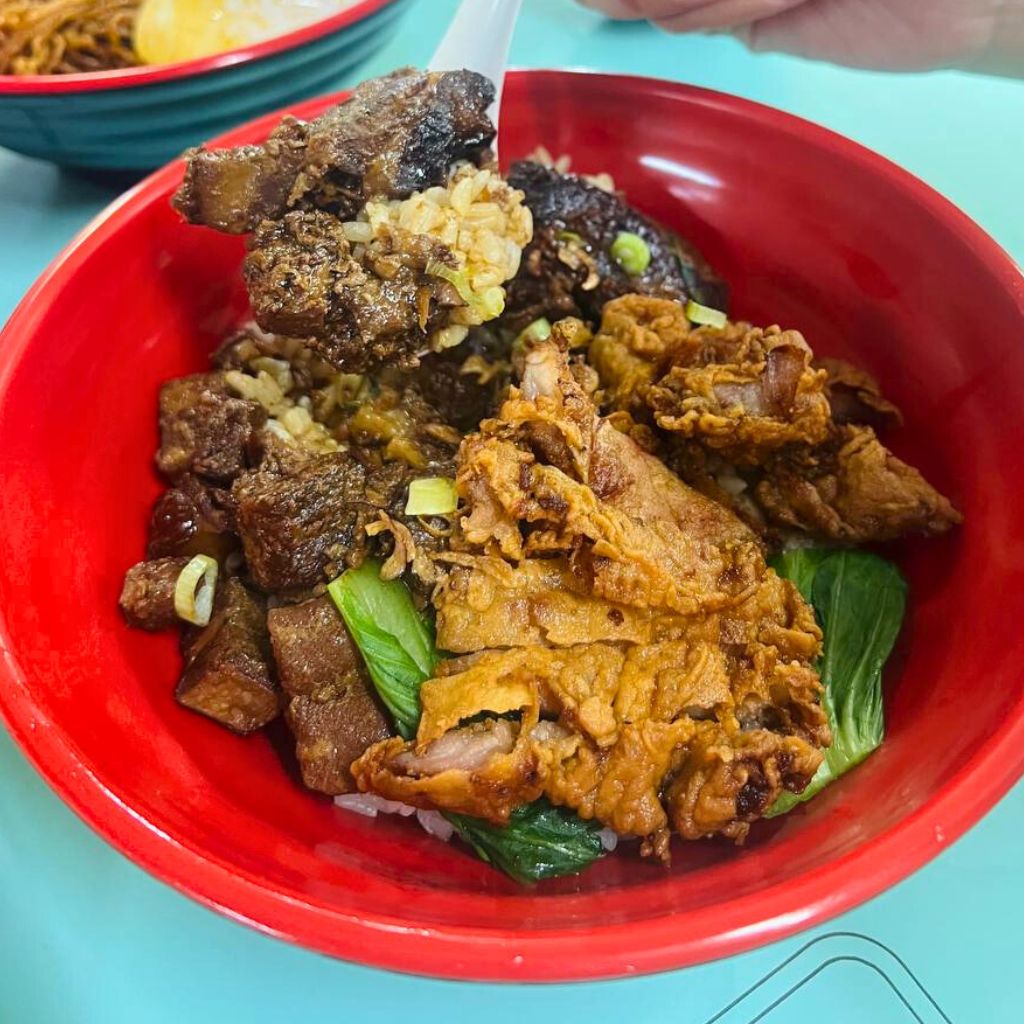
Crowd favourites: Go straight for its Sandakan signature fried pork noodle, dry (S$4.80). The heaping bowl comes with yellow noodles tossed in a dark sauce that’s equal parts sweet and savoury, with the option of going spicy (and you should). The highlight here is, of course, the slab of fried pork that comes with a pink hue. Marinated for one to two days in fermented bean curd (nan ru) to get that salty funk, much like a mild blue cheese, that brings out the sweetness of the pork.
For the best of both worlds, opt for the pork trio noodle (S$5.80). The same noodle base gets some of that fried pork, alongside braised pork belly and pork ribs. The braised meats are tender with a hint of soy, on purpose, to not overpower the bowl. It truly gels with the addition of its shrimpy sambal.
Check out our in-depth review of Mei Jing Sandakan Fried Pork Noodle here.
3. High Street Tai Wah Pork Noodle
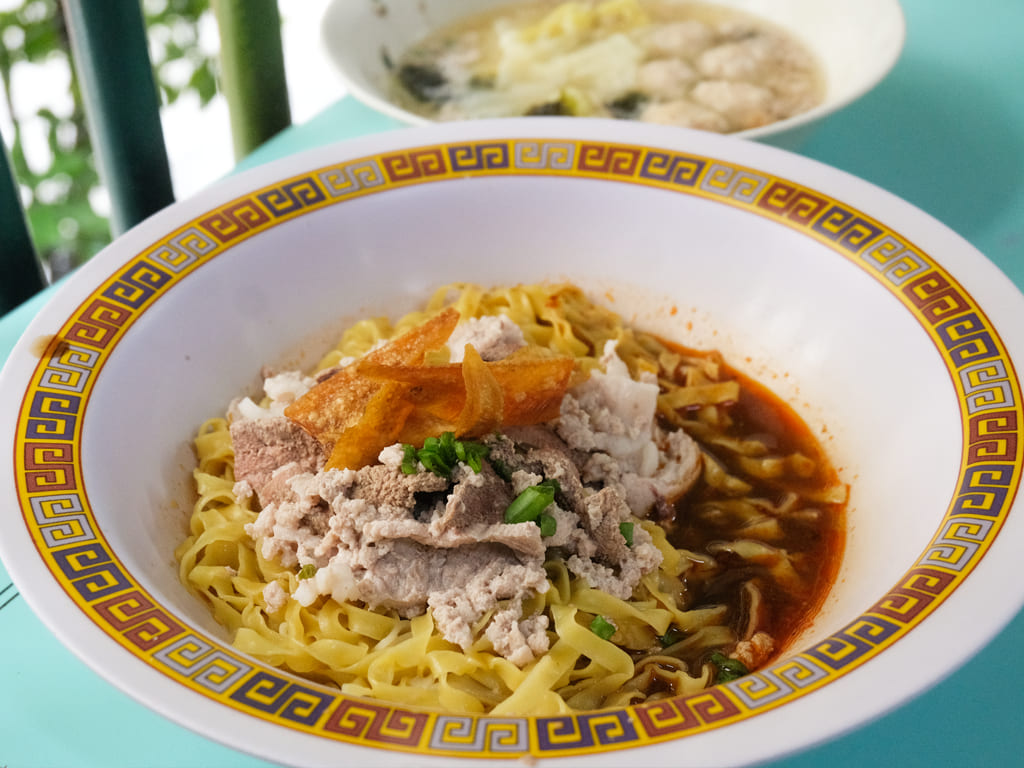
Why visit? There’s no shortage of bak chor mee in Singapore, but few bowls are as satisfying as those at High Street Tai Wah Pork Noodle. Founded in 1939 by the late Tang Joon Teo at Taiwah Coffee Shop along Hill Street (hence the name), the business was eventually passed down to his sons.
Tang Chay Seng runs the famous Hill Street Tai Hwa Pork Noodles at Crawford Lane, and Tang Chai Chye, runs the aforementioned store at Hong Lim Market & Food Centre.
Chai Chye is now supported by his two sons, who can often be spotted assisting him with the store’s daily operations. He has also expanded the brand beyond just the hawker store, with multiple branches across Singapore.
Crowd favourites: There’s only one thing on the menu — the bak chor mee (soup or dry, from S$7). The dry version is the crowd favourite, thanks to its winning combination of vinegar, chilli and soy sauce. Mee pok is my go-to, though the mee kia is just as good.
The springy noodles are coated in a savoury sauce and fragrant with pork broth and fried sole fish. Toppings are equally generous, with fresh pork slices, liver, pork balls and handmade wontons rounding out every bowl.
Find out which Tai Wah Pork Noodle branch ranks superior here.
4. Ji Ji Noodle House
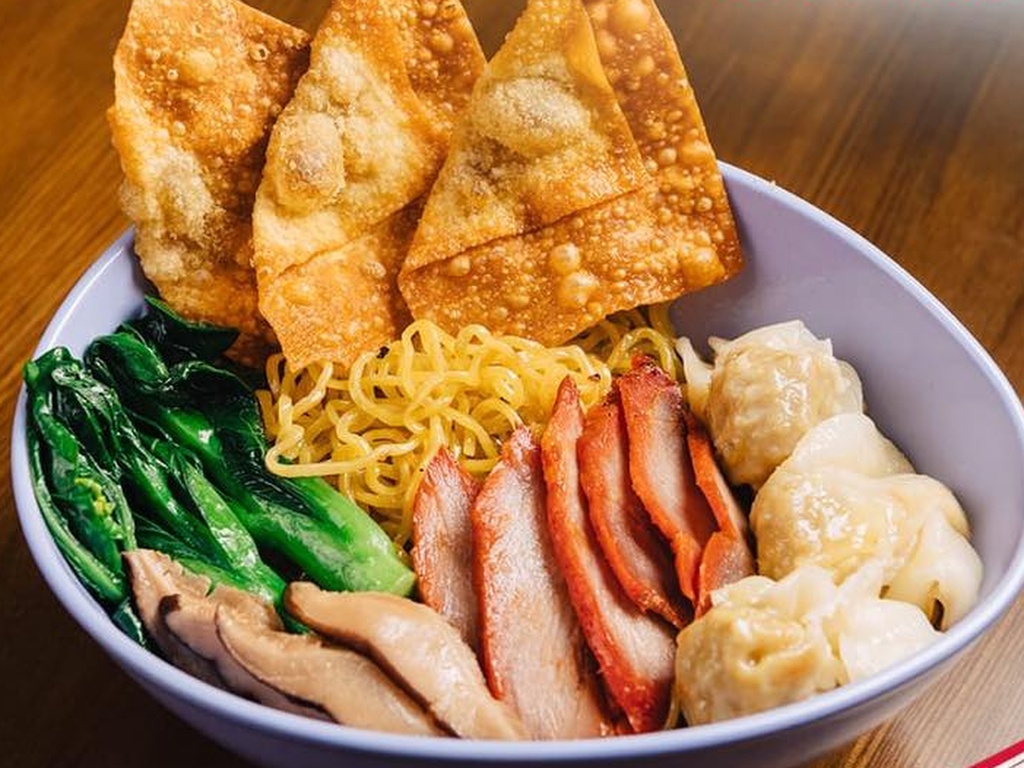
Why visit? Founded as a pushcart along Chulia Street in 1965, Ji Ji Noodle House is now run by third-generation hawkers, sisters Kristen and Jill. The business moved into Hong Lim Market & Food Centre in 1978 and has remained there ever since.
You’ll spot it easily on the second floor thanks to its prominent purple signboard. Spanning two units — one dedicated to prep work and the other solely for cooking — the setup reflects the owners’ belief that keeping ingredients away from the heat helps preserve their freshness.
Crowd favourites: There’s no better introduction to Ji Ji Noodle House than with its loaded Ji Ji signature char siew wanton noodle (from S$4.500). The noodles are thicker than your typical wanton mee and almost ramen-like in texture, giving them a distinctive chew. They’re tossed in a savoury mix of dark soy sauce, braised mushroom sauce, lard, shallot oil and chilli, and have enough character to stand on their own.
Come hungry, too — even the smallest portion is generously loaded with char siew, boiled wantons, fried wantons and braised mushrooms.
Another highlight is the crispy chicken cutlet noodles (from S$4.50). The same springy noodles are paired with a thick, juicy chicken cutlet that arrives crisp and golden, and tastes even better after soaking up some of the sauce.
5. Famous Sungei Road Trishaw Laksa
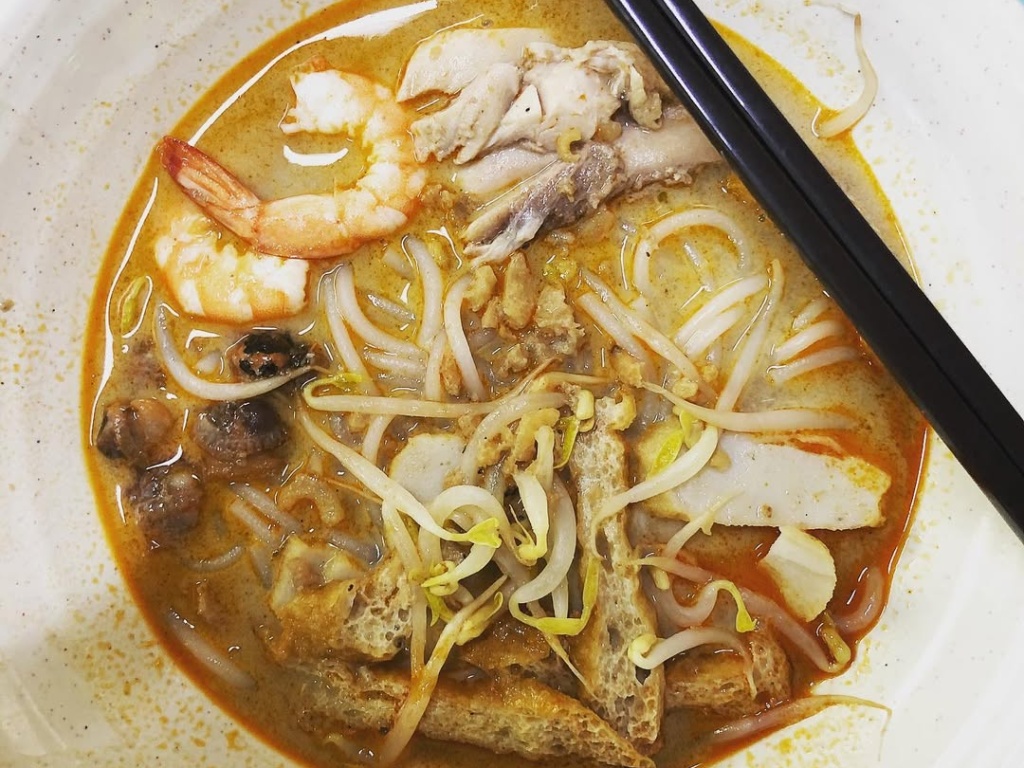
Why visit? Opening a laksa stall at Hong Lim Market & Food Centre is no easy feat, but David Soo was confident he had a winning recipe. He opened Famous Sungei Road Trishaw Laksa in 2000, quickly building a following for his laksa and distinctive fruit-juice mee siam.
David still starts his day in the wee hours alongside his wife, preparing the stall’s three stocks from scratch. The hard work has paid off — the stall has since earned a place on numerous travel guides and occasionally, the Michelin Bib Gourmand list.
Crowd favourites: The Asia Delight laksa comes in two sizes: S$7 for a small bowl or S$12 with crayfish. The broth is rich and flavourful without being overly heavy, thanks to David’s use of less coconut milk and a stock fortified with ingredients such as dried scallops, dried oysters and fresh prawns. Spice levels are fully customisable with its chunky sambal served on the side.
Many regulars also swear by the fruit-juice mee siam (from S$6). Instead of tamarind water, David uses a proprietary blend of fruit juices to achieve the dish’s signature sweet-tangy profile, while adding a subtle fruity fragrance of its own.
Check out the Michelin Bib Gourmand list winners in 2025 here.
6. Tang Kay Kee Fish Head Bee Hoon
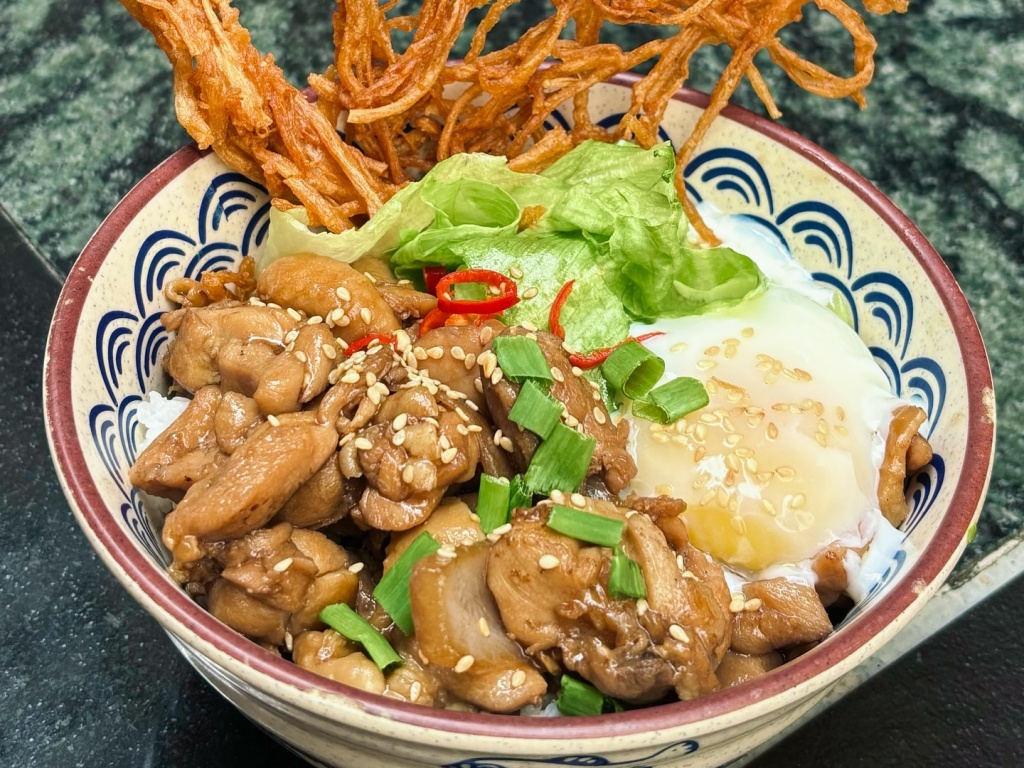
Why visit? Tang Kay Kee Fish Head Bee Hoon is best known for its fish head bee hoon and Cantonese-style tze char (available only during dinner), but fourth-generation owner Debbie Yam has breathed new life into the brand with a new lunch concept. It offers hearty rice and noodle bowls featuring the stall’s beloved tze char signatures, tailored for time-starved diners.
The stall has been around since 1946 and is now run by the fourth generation. While it continues to serve its loyal fan base with classic favourites at dinner, Debbie has refreshed the lunch menu with new flavour combinations. Many diners may initially be surprised to see a younger Debbie at the wok, but her hard work and skill have won over both old and new customers.
Crowd favourites: For lunch, the har cheong gai rice bowl (S$7) is a must. The har cheong gai comes in bite-sized, boneless morsels that have been marinated in umami-rich prawn paste. Juicy and crisp, they pair wonderfully with the gooey onsen egg, shredded cucumber, and homemade tangy chilli sauce.
Dinner brings a much wider range of a la carte zi char dishes. A favourite is the fish slice or fish head bee hoon (from S$7). Made with snakehead murrel fish, it lends a natural sweetness to the milky, lightly herbal broth — a comforting classic that warms the soul.
7. Heng Kee Curry Chicken Bee Hoon Mee
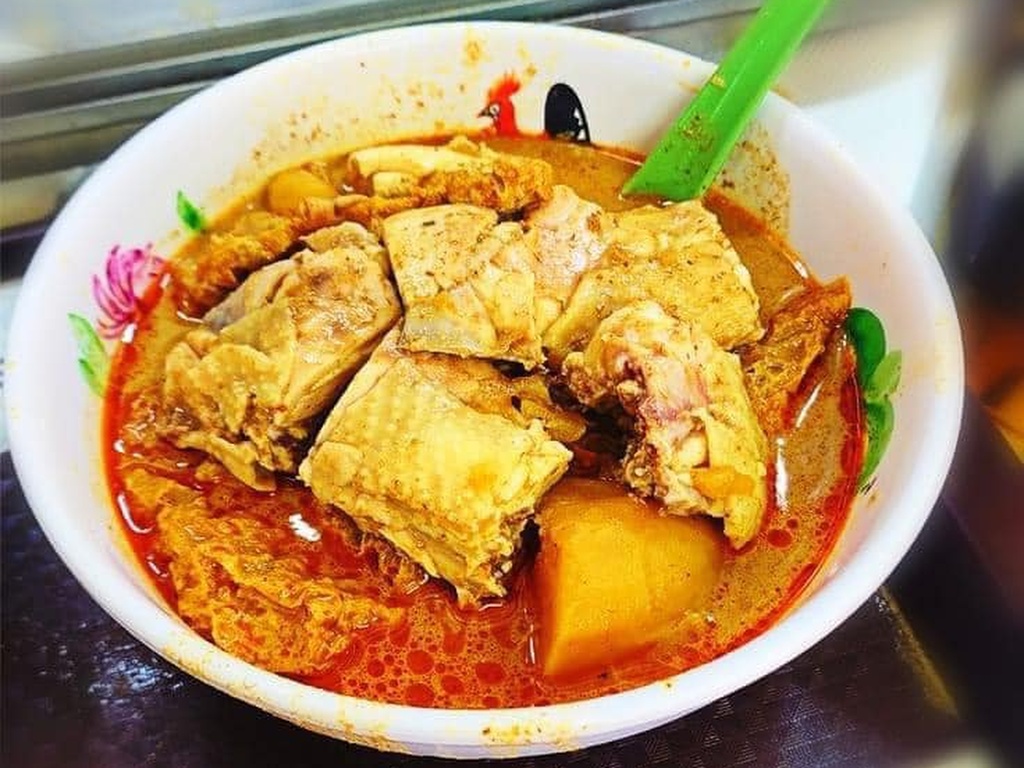
Why visit? Ask anyone where to find the best curry chicken noodles in Singapore and chances are they’ll point you to Heng Kee Curry Chicken Bee Hoon Mee. Its Teochew-style curry is based on an original recipe created by Tay Yong Heng, who first sold his noodles from a pushcart along Synagogue Street near Boat Quay.
He remained there until 1979, when he moved into Hong Lim Market & Food Centre. Today, the stall is run by his son, affectionately known as Ah Huat, who works alongside his mother and follows his father’s recipe closely. He still fries his own rempah, preparing a large batch each month using specially sourced coconut milk.
Crowd favourites: Ah Huat sticks to what he does best and offers just one item on the menu — the curry chicken noodles (from S$7). You can choose between yellow noodles or bee hoon, both of which pair beautifully with the fragrant, moreish curry.
The chicken is poached Hainanese-style and served in thick slices atop the fiery broth. Dip a piece into the curry and enjoy it with a slurp of noodles, and you’ll pick up the sweet notes of the chicken stock that forms the foundation of the rich curry.
The perennial favourite, however, is the tau pok (fried bean curd), which soaks up the curry beautifully and bursts with flavour with every bite. Be sure to add some of its hei bee hiam sambal, too.
8. The Noodle Memories
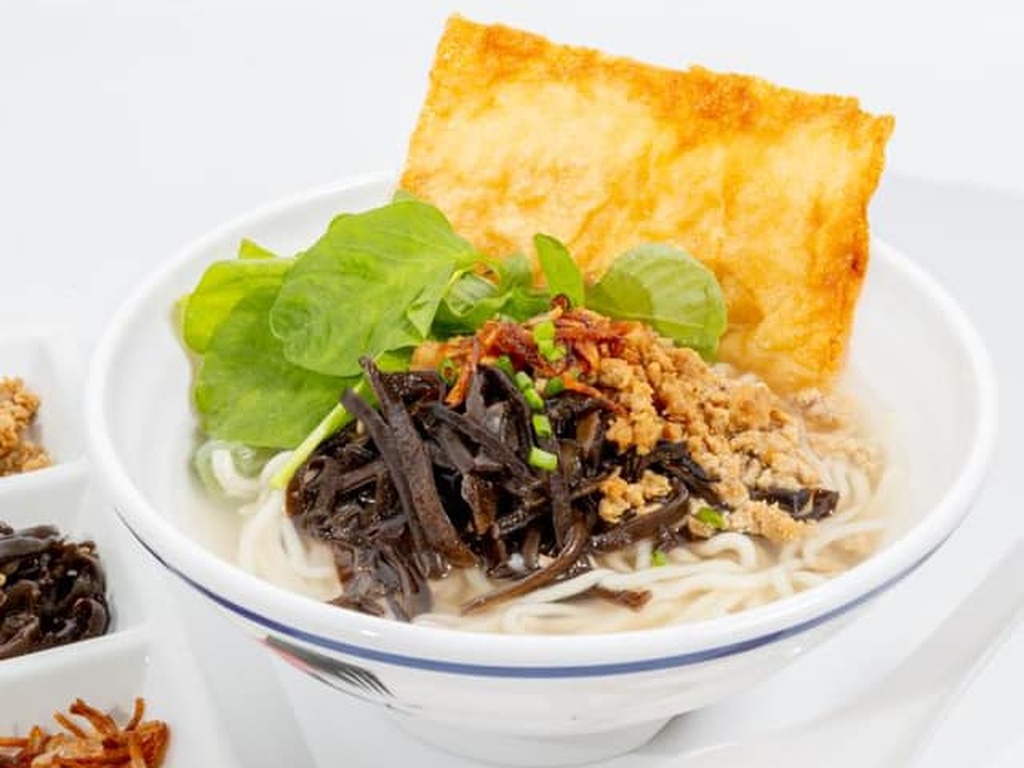
Why visit? Our neighbours across the Causeway certainly know how to make a good bowl of chilli ban mian, and thankfully for us, Kuala Lumpur-born sisters-in-law Ewa Lim and Kong Su Teng have brought their version of the popular noodle dish to central Singapore.
The Noodle Memories opened in 2017, backed by decades of experience. Ewa’s mother ran several ban mian stalls in Kuala Lumpur for more than 30 years, and the duo spent about a decade helping out before deciding to bring the concept to Singapore. While the recipe has been tweaked slightly for the local palate, it remains largely authentic.
Crowd favourites: First-timers should go straight for the speciality dry chilli noodle (S$5.50), available in three spice levels: Low, medium, or spicy. While there are a few noodle options, the signature handmade noodles are the way to go. The bowl comes loaded with chewy noodles coated in a sweet-savoury dark sauce, then topped with minced pork, black fungus, fish paste beancurd, a poached egg, and a generous dollop of crispy chilli with dried shrimp. It packs quite a punch, so choose your spice level wisely.
If you’re feeling extra hungry, go for the speciality jumbo noodles (S$7.50), which comes with all of the above plus a juicy chicken cutlet. There’s no spice-level option for this version, but you can always add its signature dry chilli for S$0.50 more — something we highly recommend.
9. The Old Stall Hokkien Street Famous Prawn Mee
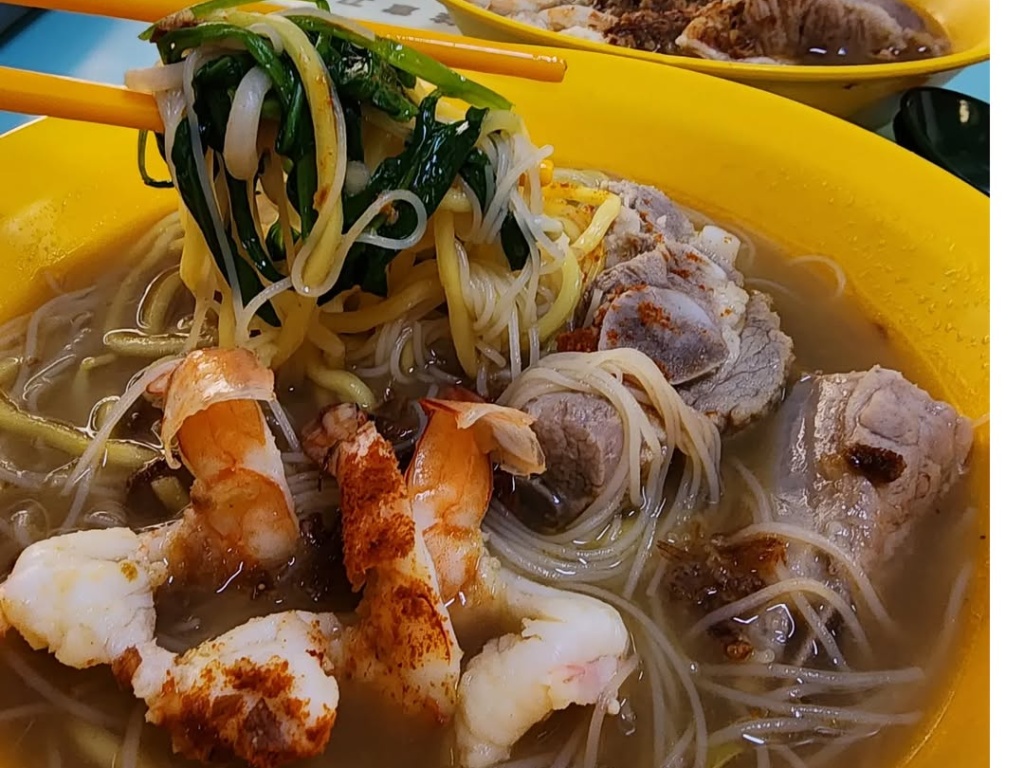
Why visit? The Old Stall Hokkien Street Famous Prawn Mee traces its roots to a pushcart along Hokkien Street. Today, the business operates two stalls: One at Alexandra Village Food Centre run by fourth-generation hawkers Stan and Madeline Tan, and another at Hong Lim Market & Food Centre run by their parents, Michael and Michelle Tan.
The family’s prawn noodle legacy began in 1943, when their predecessors arrived in Singapore from Jingmen, China. Back then, the stall opened only at night to feed labourers and workers, attracting such a loyal following that customers would stand and eat, rain or shine. In 1978, the business moved into Hong Lim Market & Food Centre.
Crowd favourites: A must-have is the pork rib noodle with prawns (from S$5.80). Preparation begins from the wee hours of the morning, when fresh prawns from the port are simmered with garlic, pork bones, pork tail and pork skin to create the broth. The result is an aromatic orange broth that’s rich in umami, silky and naturally sweet.
For the dry version, go for a mix of yellow noodles and kway teow for the best texture. The noodles are tossed with pork lard oil, crispy lard, fried shallots and homemade sambal. Give everything a good mix, and add a sprinkle of its signature dried shrimp chilli powder if you’d like an extra kick.
The pig tail noodle with prawns (from S$5.80) is another favourite and often sells out before closing time. After hours of simmering, the gelatinous pork tail becomes wonderfully tender and carries all the richness of the broth.
10. Tuck Kee (Ipoh) Sah Hor Fun
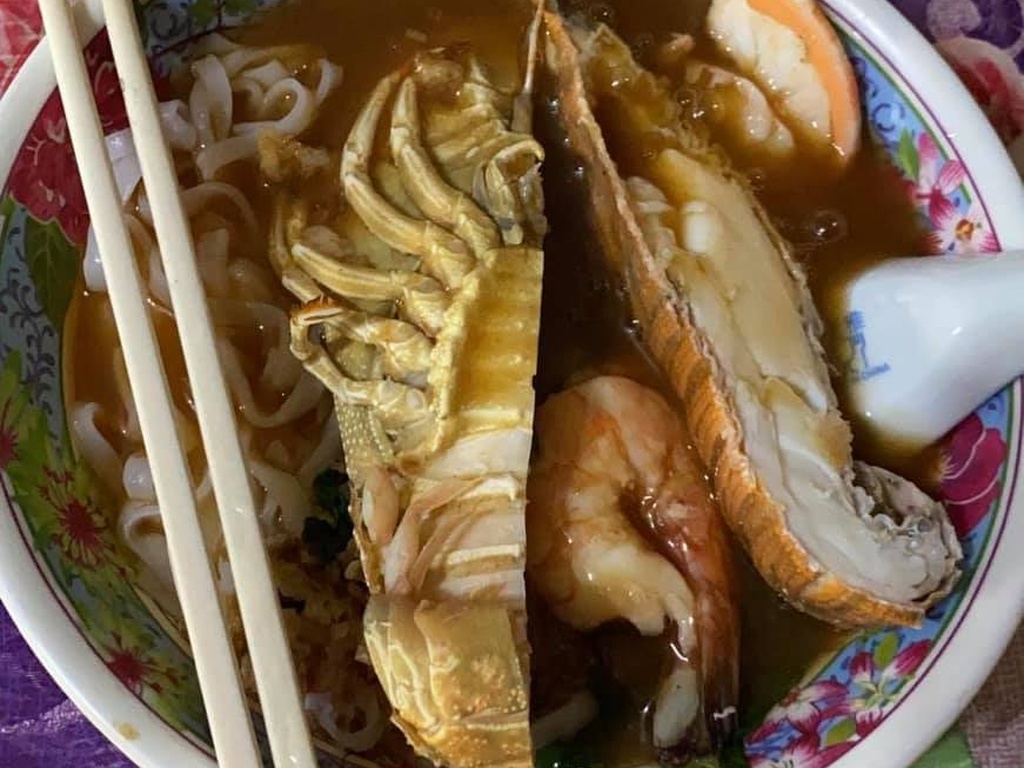
Why visit? If you’re after a more indulgent take on hor fun, Tuck Kee Ipoh Sah Hor Fun, which has been around since the 1970s, is known for its signature crayfish and prawn hor fun, a decadent rendition loaded with fresh seafood and silky Ipoh-style hor fun. The stall is especially popular for its labour-intensive preparation and generous portions, so expect a queue before opening and come early if you want to avoid missing out.
Prep work starts at the break of dawn: Hours are spent poaching prawns, crayfish and chicken, preparing the broth, and meticulously deshelling and de-veining the seafood that goes into the stall’s signature dishes.
Crowd favourites: If you’ve managed to work your way through the queue, go big and order the crayfish and prawn hor fun (S$13). S$13). The thick gravy coats the silky ribbons of Ipoh-style hor fun beautifully, carrying the flavours of the chicken and seafood stock, lifted by pepper and fried shallots. Despite its richness, the dish remains surprisingly balanced and easy to finish. The prawns and crayfish are fresh, sweet and perfectly poached, making it excellent value for money.
Its commitment to sourcing fresh seafood also means the fresh prawn wanton (from S$3) is worth ordering. The plump dumplings are lightly seasoned, allowing the sweetness of the prawns to take centre stage.
11. Cantonese Delights
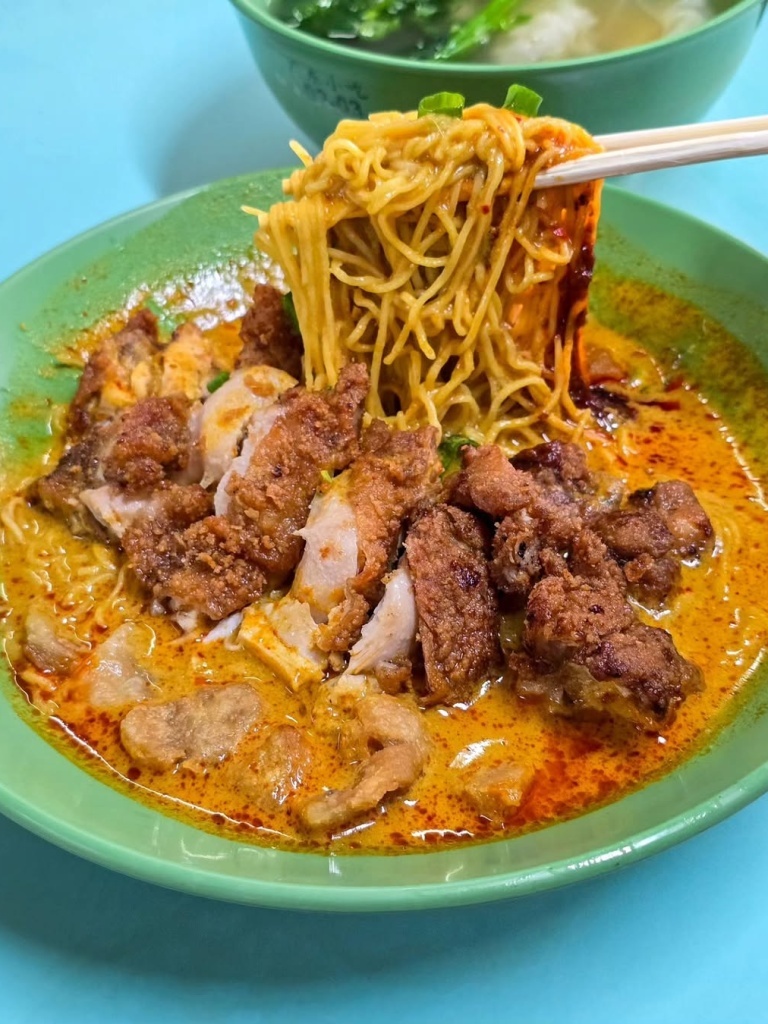
Why visit? Cantonese Delights is a great option if you’re dining with indecisive friends. The husband-and-wife-run stall serves a range of Cantonese comfort-food staples, from wanton mee to its crowd-favourite curry chicken cutlet noodles, all at wallet-friendly prices.
Like many of its neighbours, the stall often draws a queue, but service moves quickly. The couple works seamlessly together, with the husband preparing each order while the wife garnishes, packs and handles payments.
Crowd favourites: You can do no wrong with the Cantonese classic of dry char siew wanton mee (S$4.50). The stall isn’t shy with the lard — both the oil and crispy lard bits — which brings the sauce together into a lip-smacking bowl of noodles. The wantons are filled with minced pork and shrimp wrapped in delicate skins, while the char siew carries a subtle smokiness that elevates the dish.
The fried chicken curry noodles (S$5.50) are just as popular. Freshly fried to a shatteringly crisp finish, the chicken cutlet soaks up the creamy Hainanese-style curry beautifully. The owners are generous with both the homemade rempah and coconut milk, resulting in a rich, spicy gravy that coats every strand of Hong Kong-style egg noodles.
12. Ah Heng Duck Rice
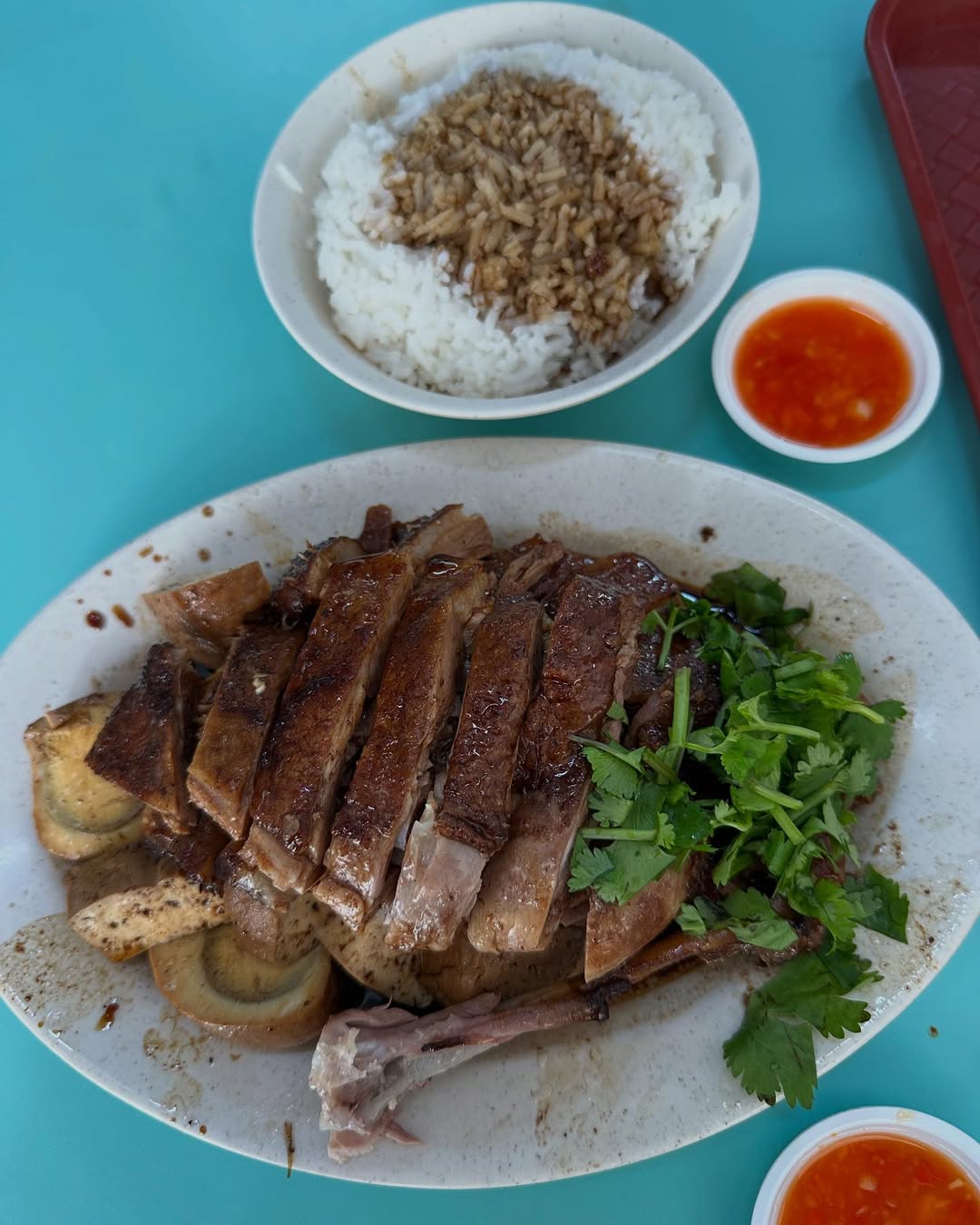
Why visit? Ah Heng Duck Rice is a go-to at Hong Lim Market & Food Centre for Teochew-style braised duck and offals, with a menu that goes beyond duck rice to include kway chap, pork belly, pig head meat, beancurd and more.
The stall traces its roots to the legendary lor ark (braised duck) pushcart at Old Thong Chai Medical Institute along Wayang Street in the 1960s and 1970s, with owner Madam Tan having learnt the craft from one of its disciples.
Today, she runs the stall with an assistant, overseeing both the cooking and chopping herself.
Crowd favourites: The easiest way to enjoy Ah Heng Duck Rice is through its duck rice (from S$3.50). The duck is chopped bone-in, except for the breast meat, and coated in a glossy dark braise. Flavours lean savoury with gentle herbal notes, while generous spoonfuls of braising sauce help keep everything moist and flavourful. Be sure to ask for some of the same sauce over your rice.
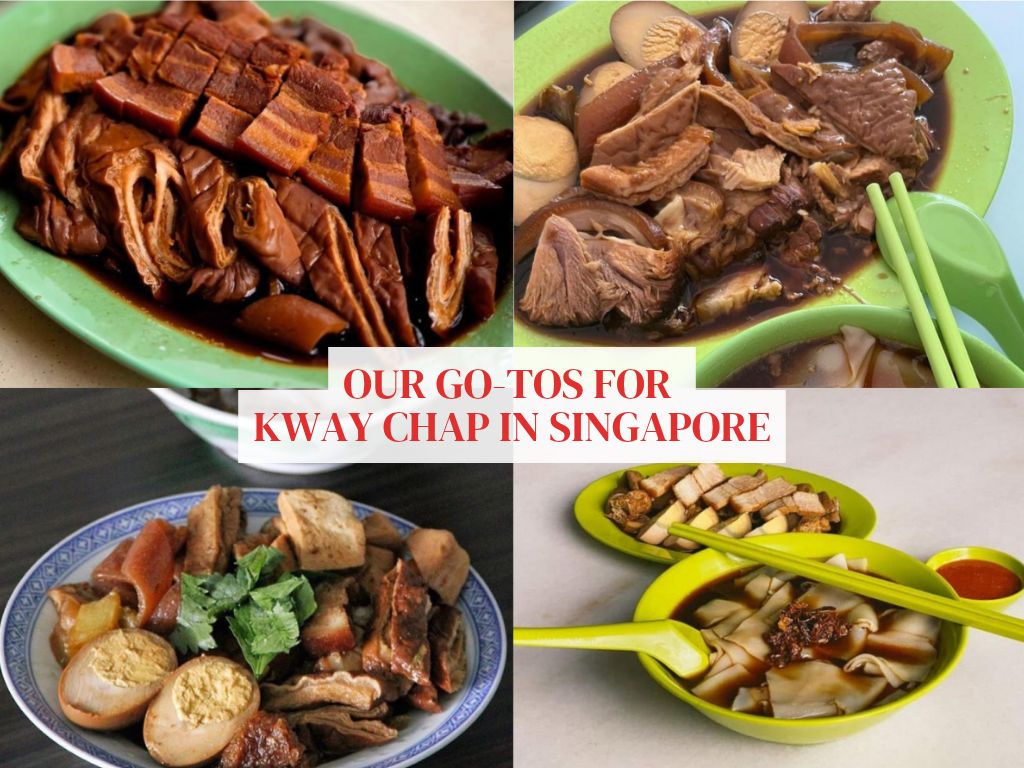
Those who enjoy braised offals should not miss the kway chap (S$4). The accompanying platter of braised ingredients is excellent, but the standout is the big intestine head (additional serving for S$4). Chewy, fatty and packed with braising flavour, it pairs wonderfully with the homemade chilli.
The pig skin (from S$1) is another favourite, though it tends to sell out quickly.
13. Nanyang Fried Chicken Rice
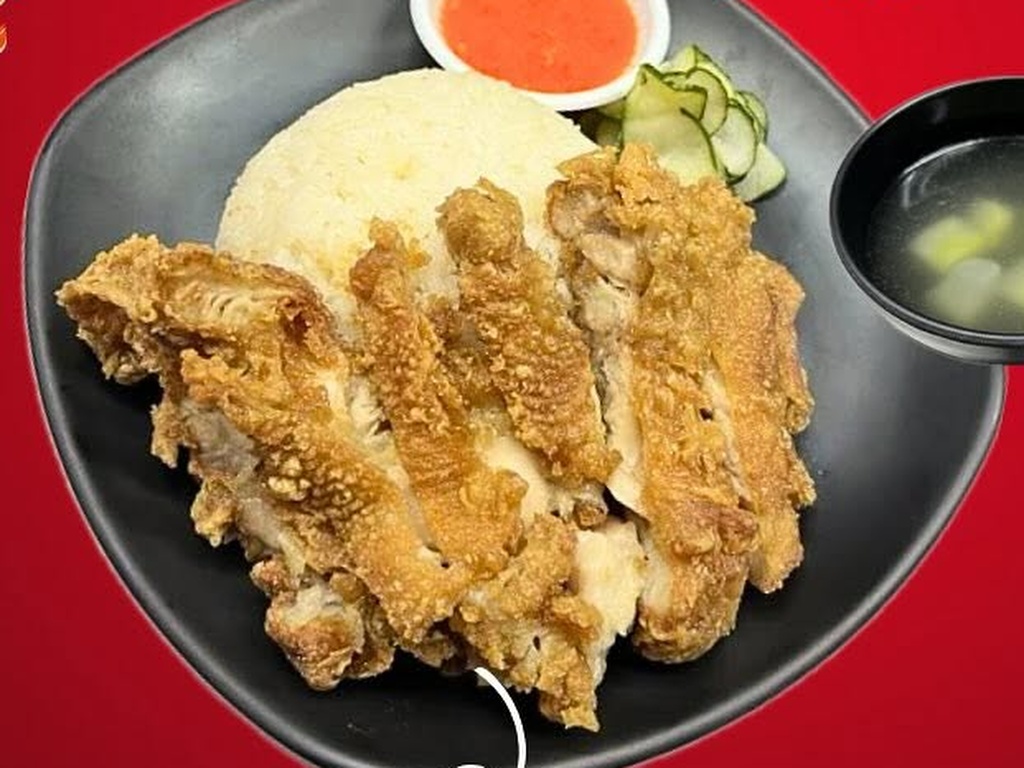
Why visit? If you’re a fried chicken fan, Nanyang Fried Chicken Rice is worth seeking out for its juicy, crispy fried chicken paired with fragrant chicken rice. Owner Louis Saw spent six months perfecting his fried chicken recipe, experimenting with different flours and seasonings to create a version that’s crisp, flavourful and never greasy.
Before opening the stall, Louis honed his skills at establishments such as Prive, Mama Mia Trattoria E Caffe, Josh’s Grill and Quan Ji at Amoy Street Food Centre. His love for food was also shaped by his maternal grandmother, who inspired him to pursue a culinary career after National Service.
Crowd favourites: Louis’ cutlet meal (S$7) is the best place to start. The light, crispy batter encases a juicy chicken thigh seasoned simply with white pepper and sesame oil. It comes with Louis’ take on chicken rice, a lava egg, chicken melon broth and pickled cucumber to balance out the richness.
A more affordable option is the wings meal (S$5.50), which comes with two wings and two drumlets. Just as juicy, it offers even more of that addictive crispy batter. For the ultimate bite, pair the chicken with some pickled cucumber and a dab of its zesty chilli. You can also add on extra chicken wings at S$2 each.
14. Teo Heng Teochew Porridge
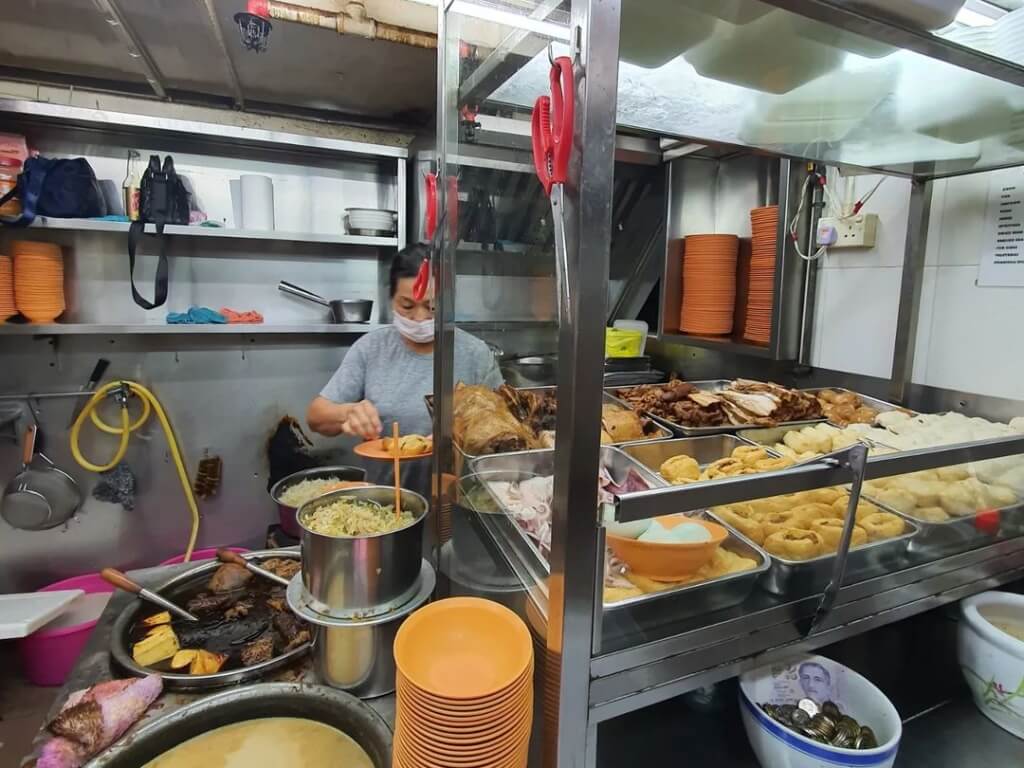
Why visit? Teo Heng Teochew Porridge is a feast for the eyes before it’s even a meal. Rows of metal trays display everything from tau pok and braised duck to pork offals and steamed seafood, making it one of the most extensive Teochew porridge spreads around.
If the sheer variety feels overwhelming, leave it to the owner, uncle Teo Heng, and his wife. They’re happy to recommend dishes or put together a set based on your group size — just let them know if there’s anything you’d rather skip.
Crowd favourites: Every meal here should revolve around its steamed fish (market rate). Depending on the day, you might find threadfin, garoupa, sea bream or pomfret. The fish is first steamed, then gently warmed in a bubbling broth with preserved mustard greens, resulting in tender flesh paired with the tangy crunch of the vegetables.
Don’t forget the dips: A garlicky chilli sauce, a savoury ground chilli, and the classic Teochew accompaniment of tau cheo (fermented soy beans).
Another highlight is the signature fishcake, available steamed or fried. Handmade and pleasantly irregular in shape, the fishcakes are soft, delicate and lightly seasoned to let the natural sweetness of the fish shine through.
Here are 14 comforting Teochew porridge stores in Singapore.
15. Heritage Tanglin Puff Since 1952
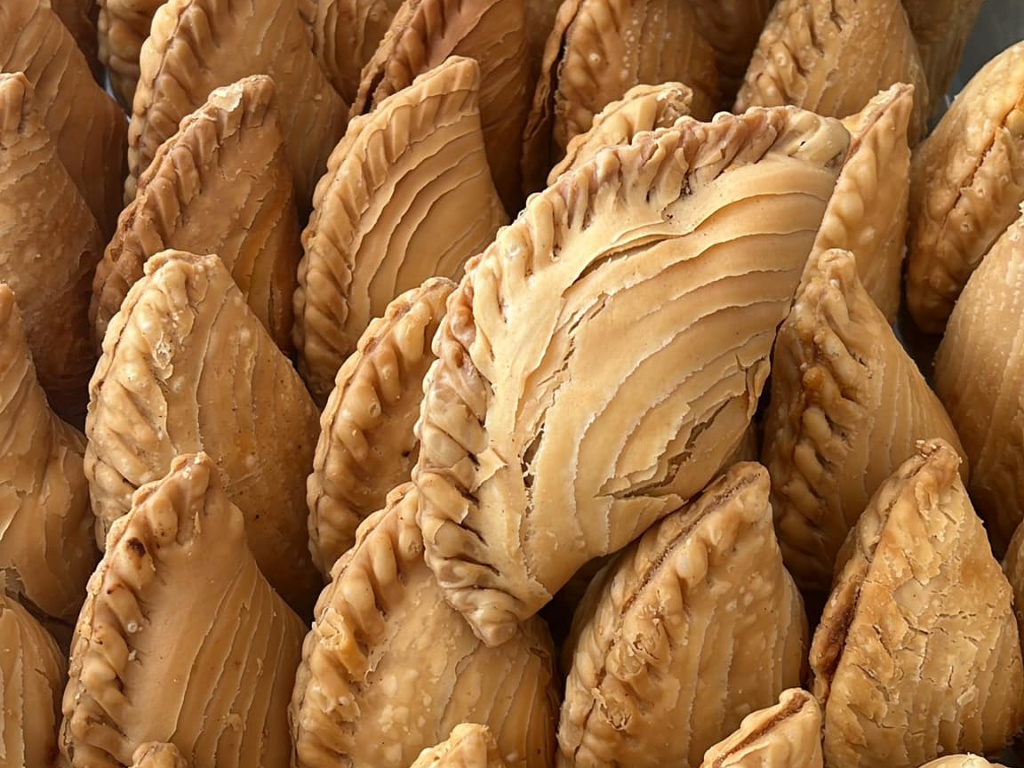
Why visit? Formerly known as Tanglin Crispy Curry Puff Since 1952, it was recently rebranded to Heritage Tanglin Puff Since 1952 to prevent copycats of the concept.
Founded by Ng Yong Cheong in 1952, the business is now run by his younger son, Ray Ng, who began helping out at the stall in 1999. Besides the original stall at Hong Lim Market & Food Centre, the concept — which is known and loved for its flaky crust — now has more than 10 stalls islandwide, including at Changi Airport’s Terminal 3.
Crowd favourites: Here, you can expect four classic fillings within a spiralled, buttery-golden shell, indicative of the layers that give it a shatteringly crisp bite.
The most popular is the OG chicken curry puff (S$2 per piece). Potatoes are soft, chicken chunks are tender, and come well-soaked in a sweet and spicy curry gravy. Take care when biting into one as the puffs are fresh from the fryer.
Another favourite is the sardine (S$2 per piece). Marked by a red dot on its shell, it is filled to the brim with sardine chunks, onions and potatoes. The sauce base sports a hint of tomato, adding a sweet acidity to the snack.
16. Eddy’s
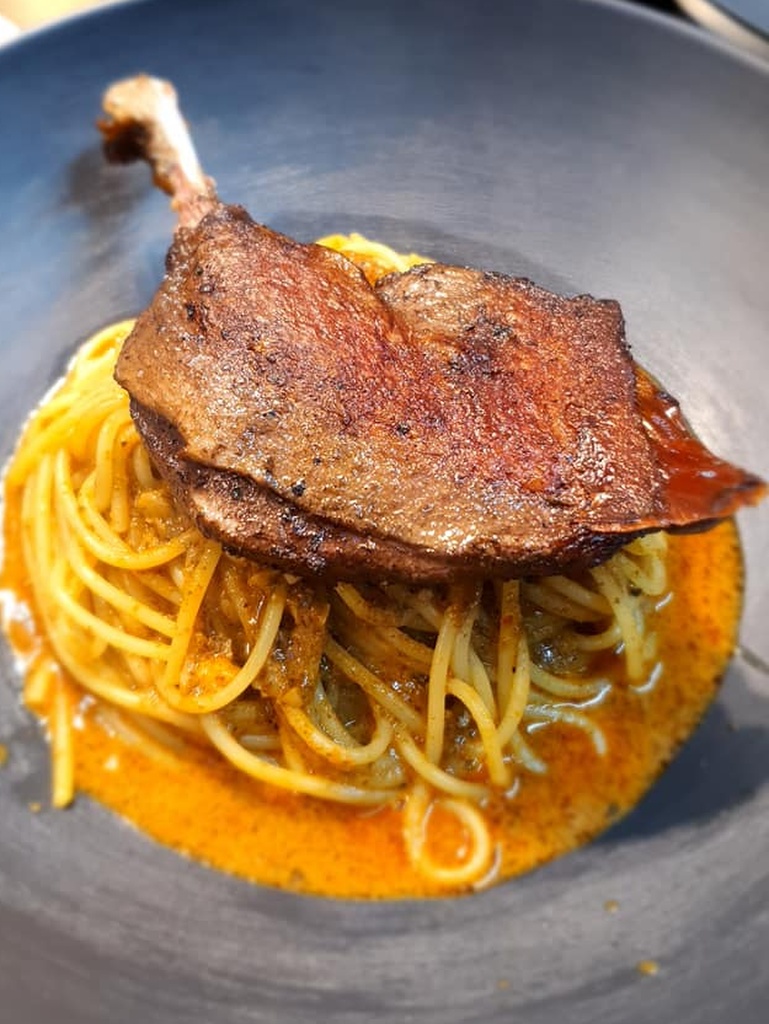
Why visit? Eddy’s serves restaurant-quality Western fare at hawker prices, with chef-owner Eddy Wan putting a subtle Asian spin on classics such as duck confit and pasta. Backed by more than 20 years of experience as a private chef and former head chef at a soba restaurant, he runs the stall alongside his wife, Serene.
The menu is straightforward: Pick a protein and carb, or choose from a selection of rice bowls and pasta dishes built around Eddy’s signature flavour combinations.
Crowd favourites: Eddy’s is one the few places in Singapore where you’d be able to enjoy duck confit (from S$12) without breaking the bank. The duck leg is seasoned with salt, pepper, thyme, bay leaf and five-spice powder, before being sous vide for at least 16 hours. The result is tender, flavourful meat with a subtle hint of spice. Before serving, Eddy pan-fries the duck and finishes it with a blowtorch for irresistibly crisp skin.
Another signature is the mala shrimp spaghetti (S$10.50). Al dente pasta is tossed in a homemade mala sauce made with ingredients such as cumin, fennel and Sichuan peppercorns, delivering the spicy, numbing kick mala lovers crave. Fried peanuts, prawns and brown beech mushrooms add texture to the dish.
17. DDSD
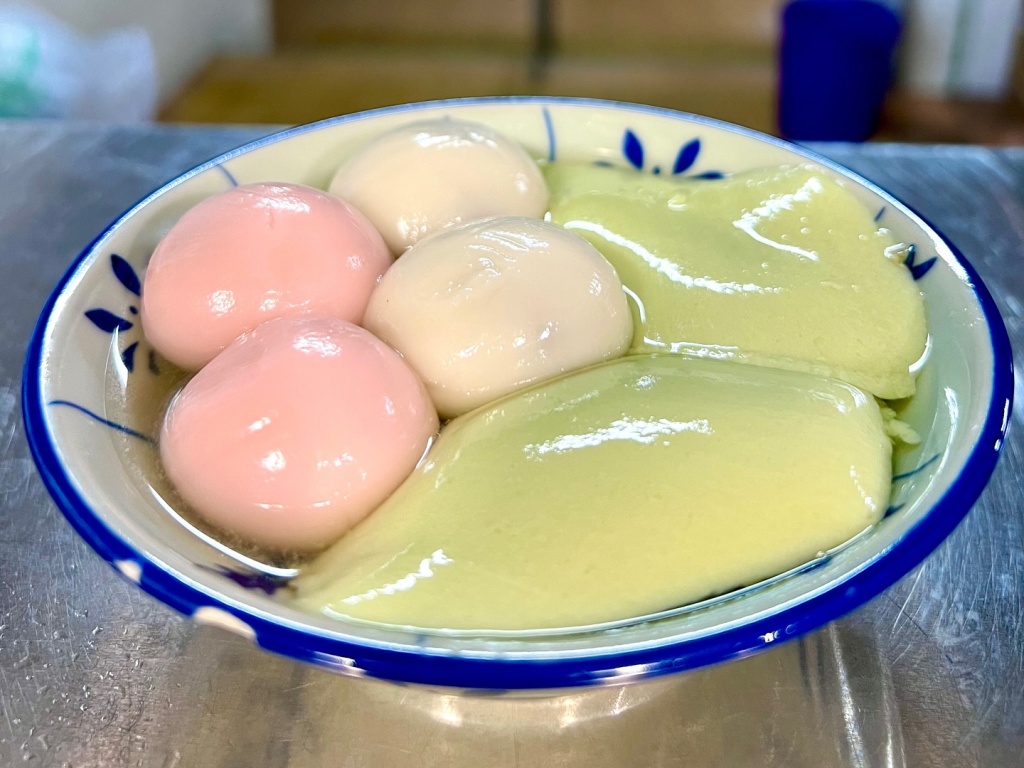
Why visit? DDSD is a great stop for silky soy beancurd and freshly made soy milk, with a menu that goes beyond the traditional versions to include flavours and toppings such as black sesame and peach gum.
The stall is run by secondary school sweethearts Kah Hou and Kamy Lee, who hail from Ipoh in Malaysia, a city renowned for its soy milk and soy-based desserts. They spent years refining their own recipes before opening DDSD, short for “da dou siao dou” (big bean, small bean).
Crowd favourites: You’d be hard-pressed to find soy beancurd this smooth outside of a restaurant. Start with the traditional beancurd (S$2) and customise it with your preferred sugar and toppings. A classic combination is ginger sugar (S$0.60) and tang yuan (S$1.20), pairing silky beancurd with chewy glutinous rice balls and the warmth of ginger.
If you’re undecided, go straight for the black sesame sauce beancurd (S$3.20). The same silky beancurd is topped with a rich black sesame paste, resulting in a simple but deeply nutty and comforting dessert.
18. Generation Coffee Roasters — Hong Lim
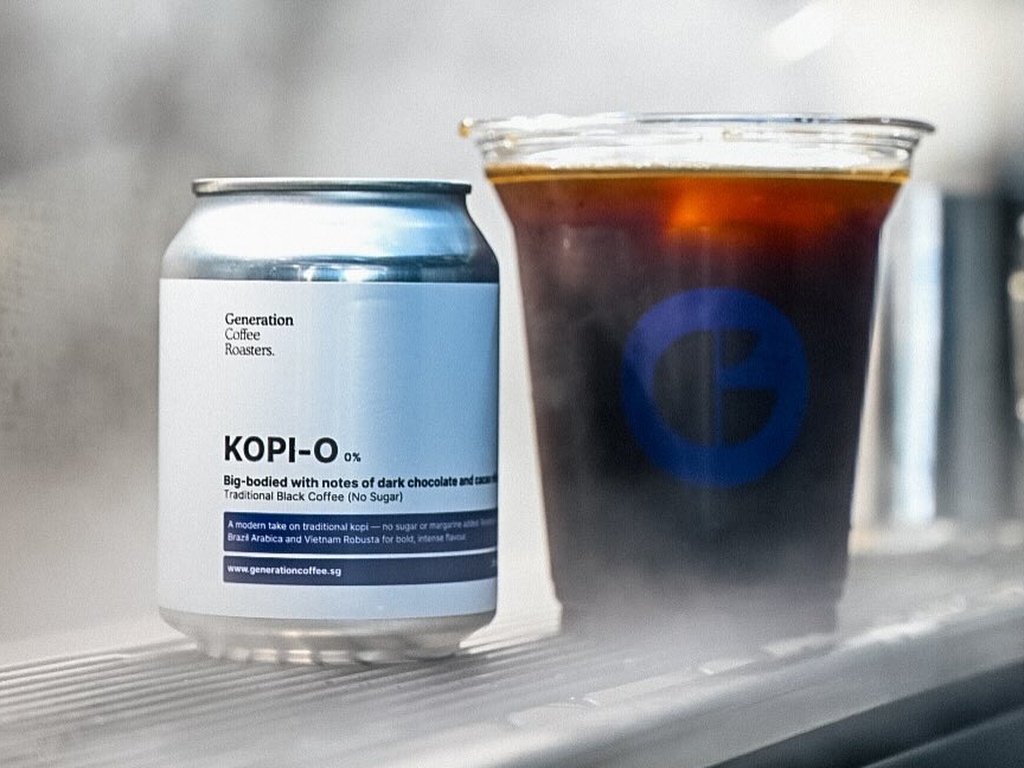
Why visit? Generation Coffee Roasters is a great option if you’re after quality speciality coffee at hawker-centre prices. The homegrown roaster, which operates multiple outlets across Singapore, is known for bridging the gap between traditional kopi and modern cafe-style coffee with its own roasted blends.
Its Hong Lim Market & Food Centre outlet continues that approach with a menu spanning espresso-based drinks, traditional coffee and matcha, all made using its in-house roasted beans.
Crowd favourites: A good introduction is the latte with the Pioneer blend (from S$4). Designed to evoke the intensity of traditional kopi without the sugar and margarine, the blend combines Brazil Arabica and Vietnam Robusta beans. Its dark chocolate and cacao nib notes come through especially well when paired with steamed milk.
If you prefer your coffee black, go for the long black with the Unity blend (from S$3.50). Expect a balanced cup with crisp acidity, chocolate notes and subtle dried-fruit sweetness that makes for an easy daily drink.
19. Hiong Kee Dumplings
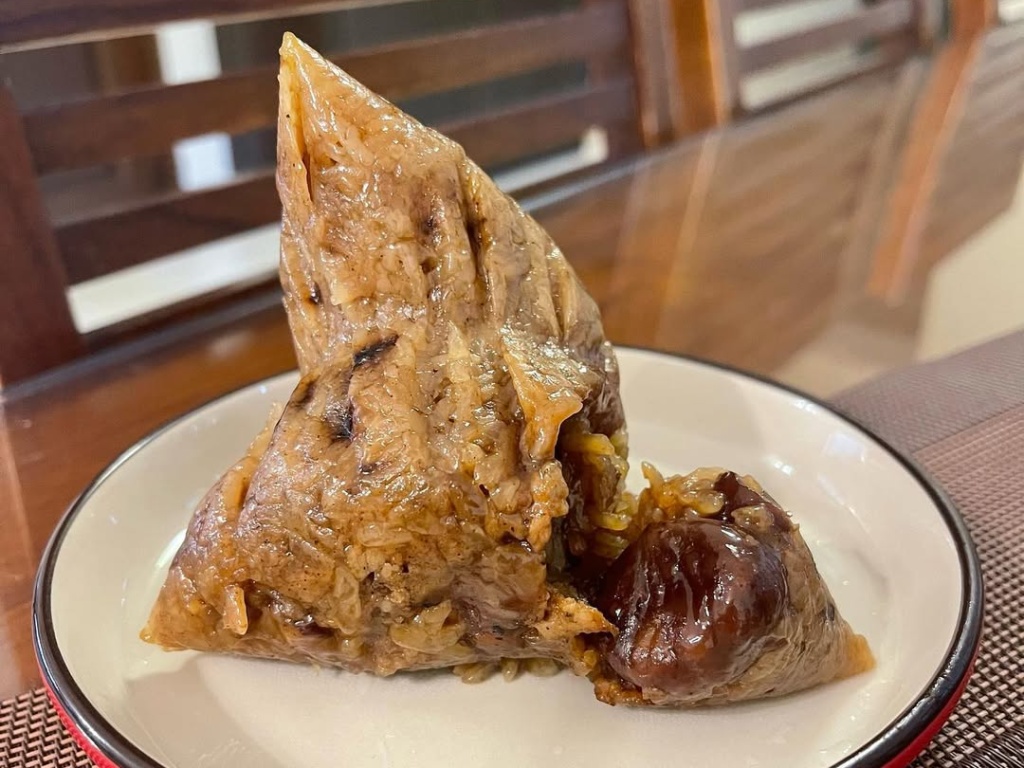
Why visit? Hiong Kee Dumplings is a go-to for traditional Hokkien and Nyonya bak chang, with more than 40 years of history behind it. Today, Richard Lim, who is the business’ second generation, continues to make the dumplings by hand daily, a labour-intensive process that can take up to seven hours.
Arrive early and you’ll catch the aroma of garlic-scented glutinous rice being wok-fried before it’s wrapped with marinated fillings and steamed in fragrant bamboo leaves.
Crowd favourites: The pork belly dumpling (S$7.20) is a hearty favourite. Each generously packed dumpling is filled with marinated pork belly, mushroom, chestnut and salted egg. The rice is fragrant from being wok-fried with garlic and carries a subtle aroma from the bamboo leaves.
Those who prefer a sweeter profile should try the Nyonya dumpling (S$4.60). Here, the glutinous rice is kept relatively plain to let the sweet filling of pork, winter melon and spices shine. It’s best enjoyed with the stall’s homemade chilli powder made with dried prawns and sugar.
For more eats around the area, check out Hues Canele, a neighbourhood bakery, and Burnt Ends Bakery, which sits right opposite at Cross Street.

Jessica simply read too many Roald Dahl books as a kid and grew up thinking she’d be the next Tolkien. When not dishing out the latest F&B trends, she co-runs a printmaking studio and is a professional cat slave.
Read more stories from this writer.