Tokyo’s viral Mukai opens in Singapore: Our take on the towering seafood bowls

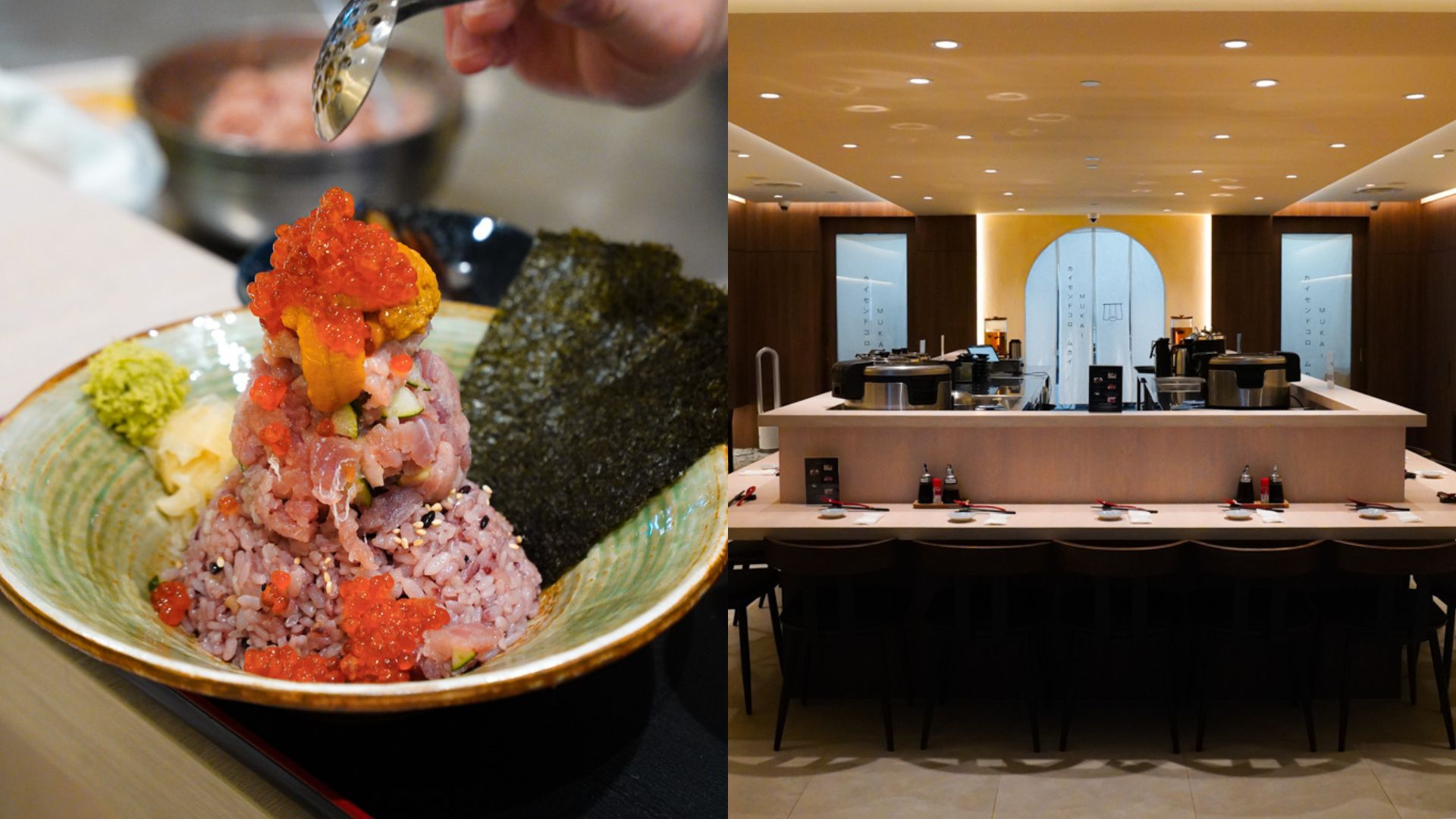
Have you heard of Tokyo’s Mukai before? The name itself may not ring a bell, but you’d have seen its photogenic, towering seafood bowls.
Tokyo has countless viral spots, but this is one of the more popular spots on social media for seafood bowls, along with the wildly viral Tsujihan.
Tsujihan has multiple outlets and is seen as the more tourist-friendly of the two, whereas Mukai was originally located in a quieter part of Shibuya.
Part of its charm was the setting — it was nestled in a quaint traditional Japanese house with a picturesque garden seating!
However, its flagship store relocated earlier this year, moving into a smaller shop near the Yoyogi-koen station.
Well, it also has another outlet now. Seafood lovers will now finally be able to have a taste of Mukai in Singapore — it officially opened in Plaza Singapura in August!
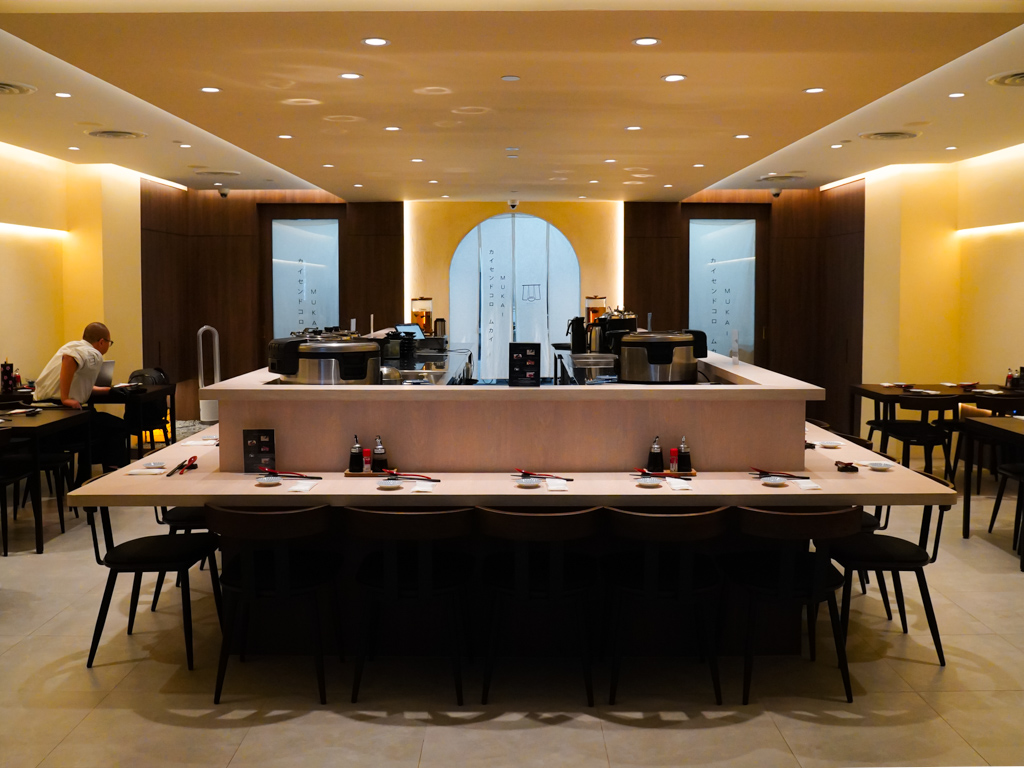
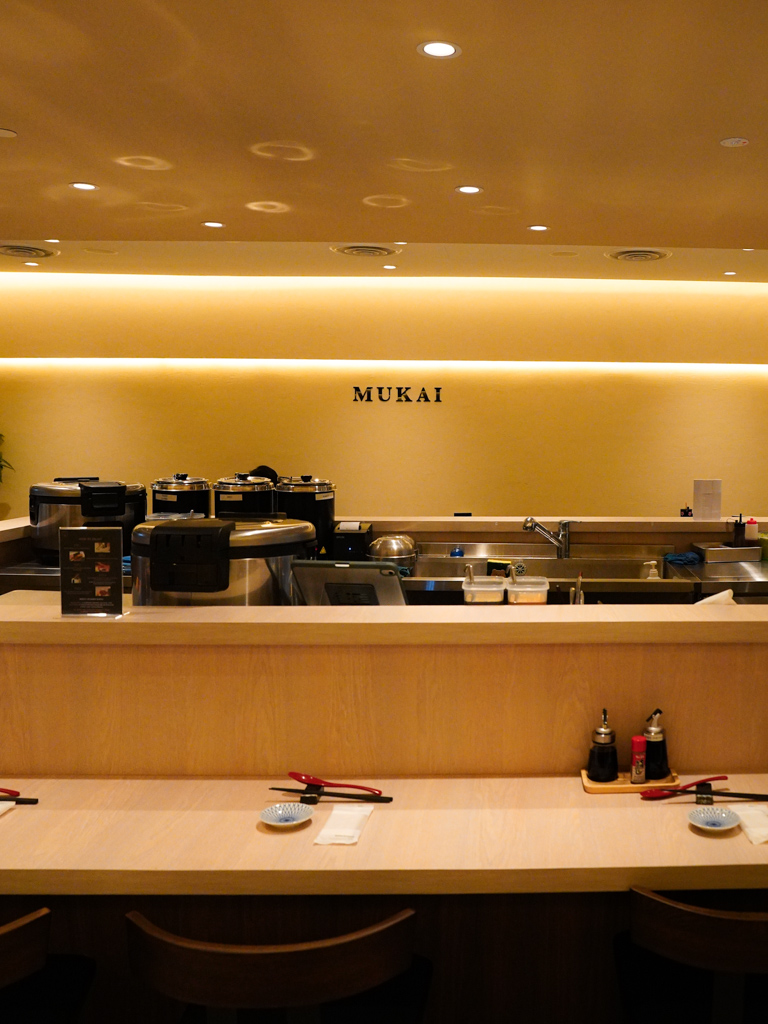
Although it doesn’t have the same ambience as the original flagship, the decor is still pretty sleek and elegant.
The minimalist shop space is enrobed in gentle cream shades, with everything running through a long counter in the centre.
Our honest take on Mukai Singapore
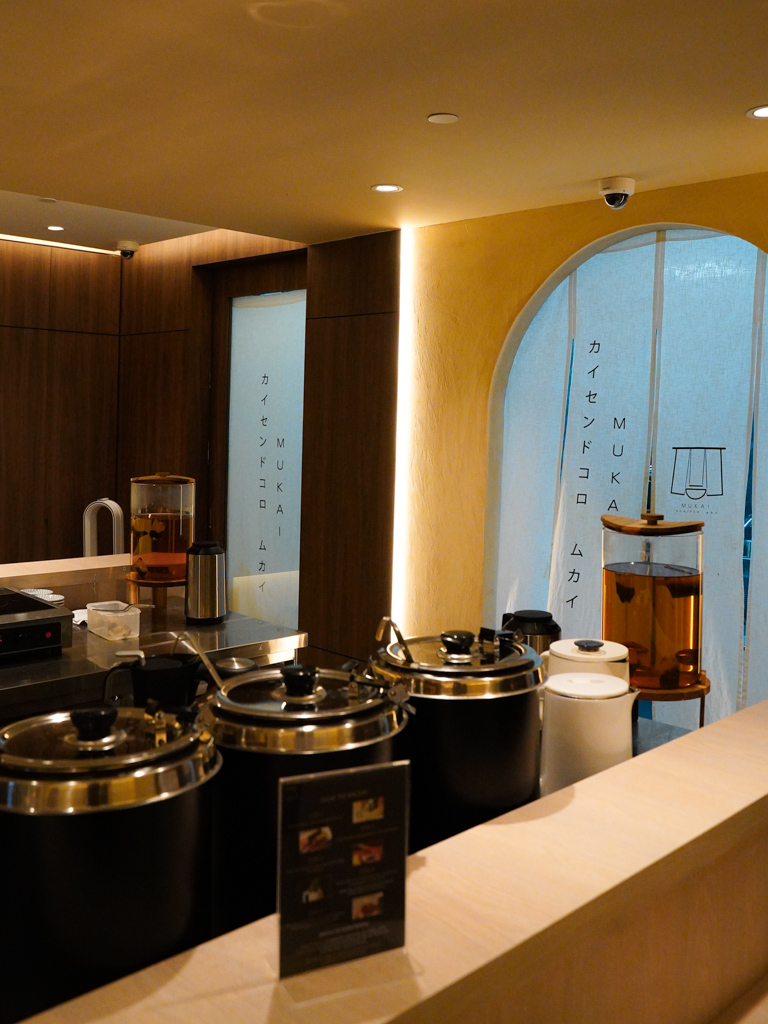
Having visited the restaurant in Tokyo, we wanted to gauge how Mukai Singapore fares in comparison.
First, we have to address the elephant in the room: How much does it cost? Mukai Singapore is operated by a franchisee, but everything comes from the same source as the OG in Japan, so naturally, the prices are on the higher side.
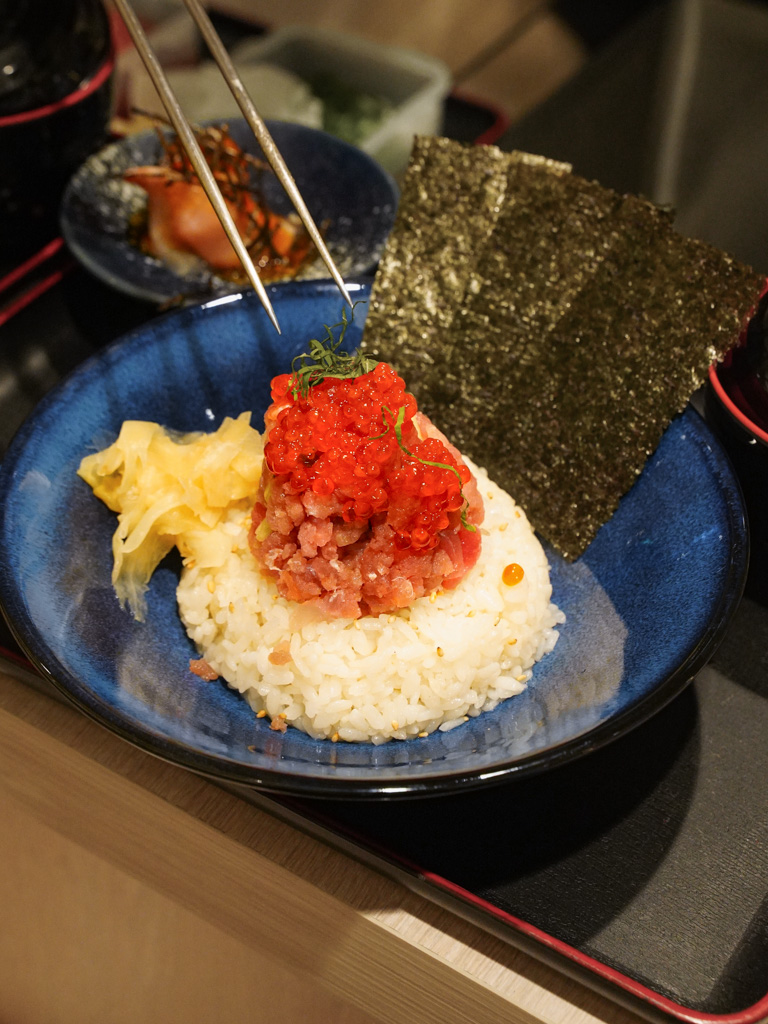
Fresh, premium seafood — especially ingredients such as tuna and uni (sea urchin) — are understandably more expensive, and the cheapest Kaiho Don Nami (standard bowl with tuna, salmon, sea bream, and amberjack) comes in at S$28.90.
Meanwhile, you’ll need to go for Kaiho Don Tokujo (S$40.90) to get both the toro (fatty tuna) and uni.
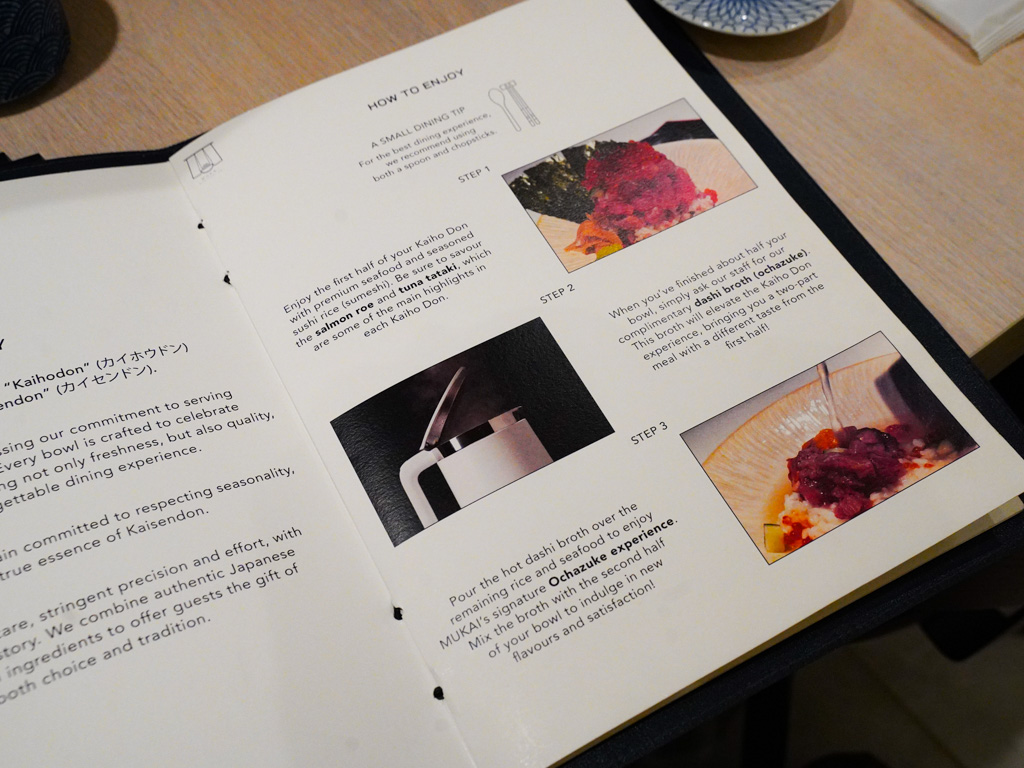
That said, every rice bowl at Mukai Singapore comes in a set, which includes an appetiser, choice of broth, miso soup, and complimentary dessert.
Your choice of broth is important, since it is actually a crucial component in the seafood bowls here. You’re meant to tuck into the seafood bowl first, then top off with broth halfway through — like an ochazuke!
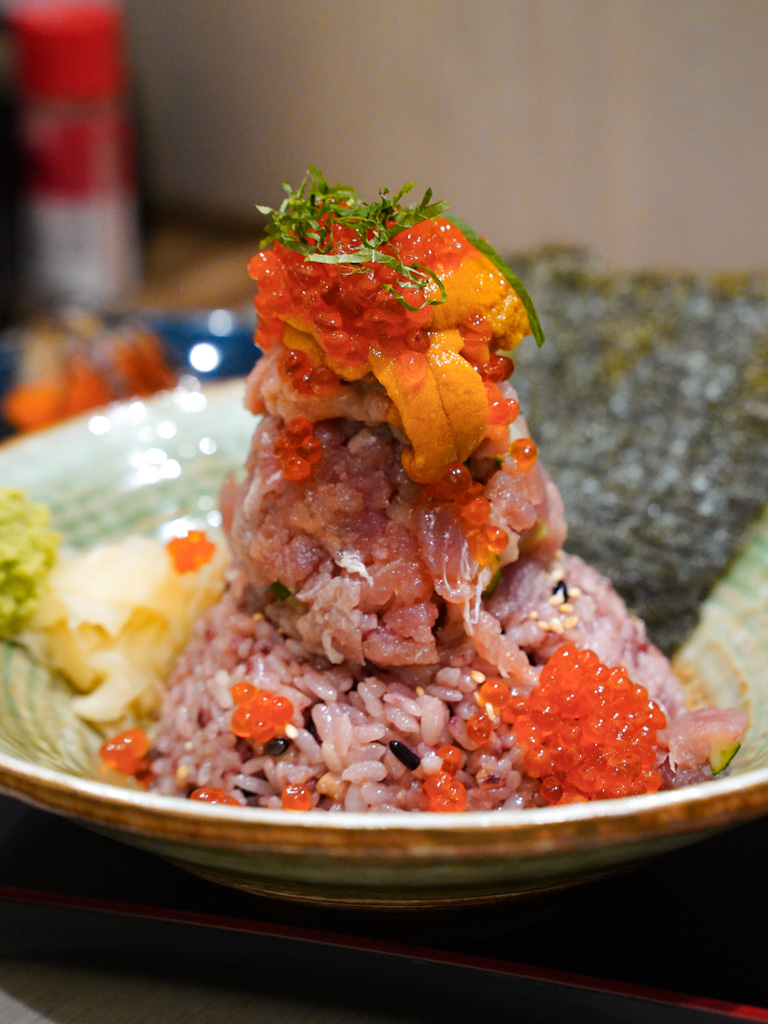
Besides that, you can also customise your rice bowl — there are several options, including a choice of mixed or white rice and a punchier red or lighter white vinegar.
The red vinegar is the standout, adding a delectably rich fragrance and a malty acidity to the rice.
On our visit, we ordered the basic Kaiho Don Nami (S$28.90) and the premium Kaiho Don Kiwami (S$52.90) — the second most expensive item on the menu.
Sure, the S$50 price tag can be hard to swallow, but the latter is pretty worthwhile, value-wise, considering the amount of premium ingredients piled on top — consider this if you’re obsessed with sashimi!
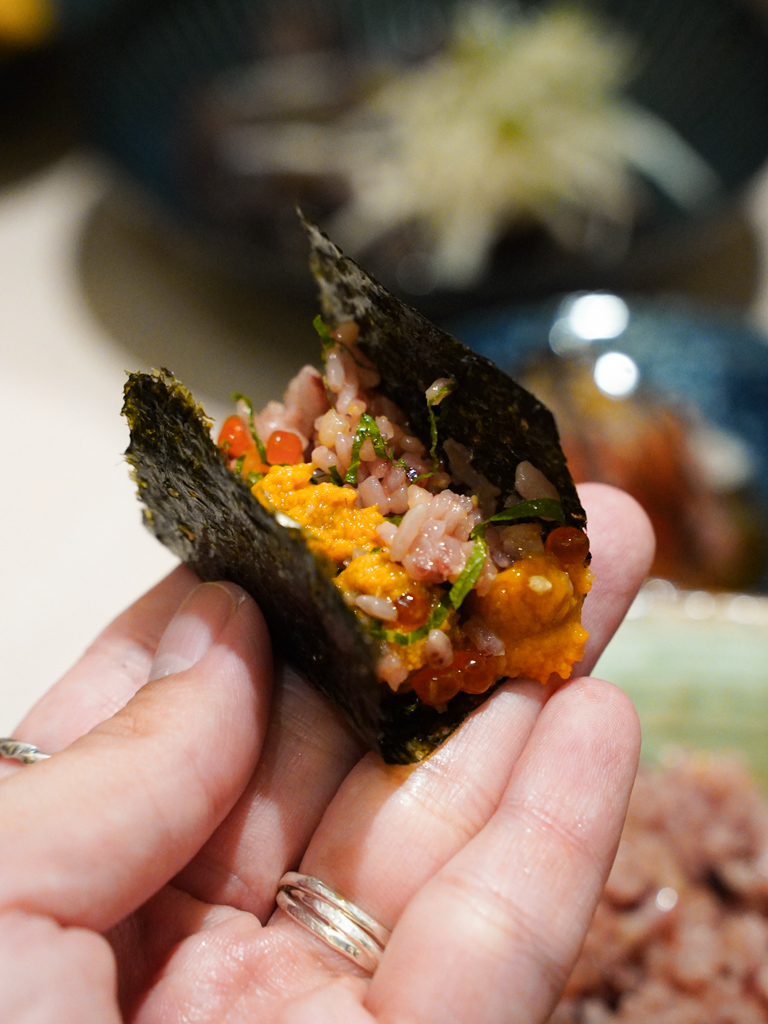
Fish-wise, we didn’t find any fault with most of what Mukai Singapore served. The fatty tuna was pretty fresh, as evident from that clean and robust flavour, and it paired nicely with the red vinegar.
It’s actually quite similar to the Tokyo outlet when it comes to quality, and the mountain of seafood ensures plenty of fish in every bite, after you mix it all together!
We did encounter an overly briny, fishy note in the uni, which was a disservice to its creamy and velvety texture. The team has acknowledged this, though, and say they are working with Tokyo to resolve it.
If you wish, you can also craft your own mini-handrolls with the seaweed provided on the side!
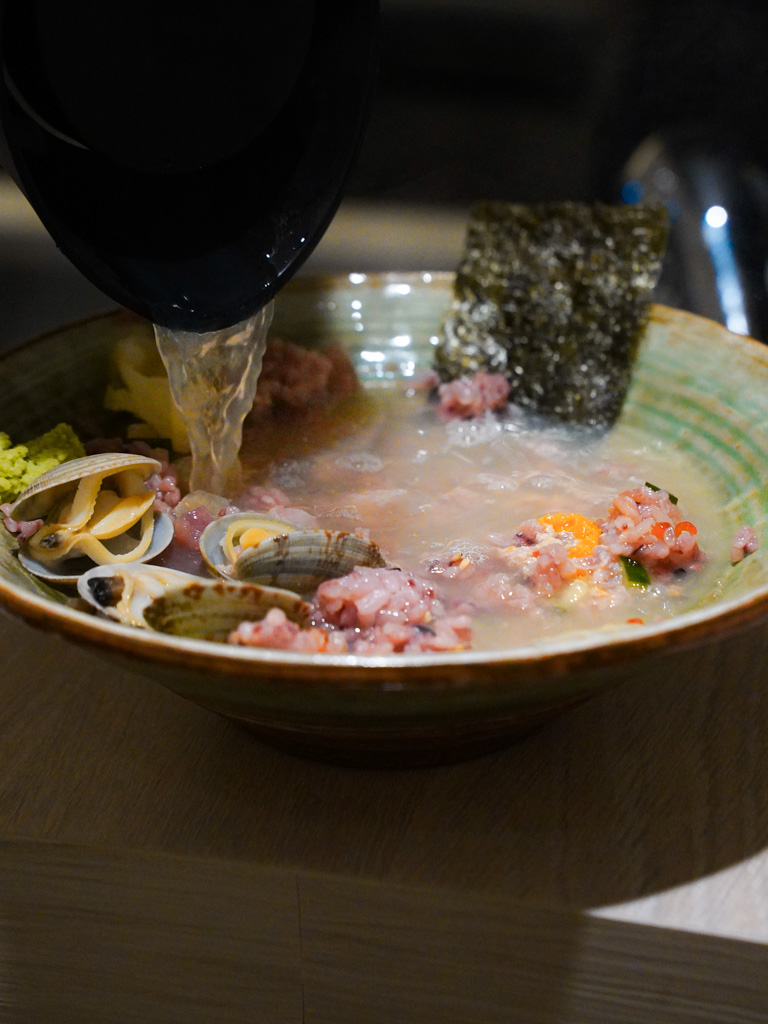
As for the broths, we found the katsuobushi bonito dashi a bit too one-note with the bonito’s earthiness, but we adored the Asari clam dashi, which was more complex and was brimming with crisp clam sweetness!
Candidly, though, we’d found Tokyo OG slightly overhyped: Its bowls are solid and generous, but not as mindblowing as its online reputation suggests. Mukai Singapore isn’t too far off, if you ask us — go there with tempered expectations and you’ll be well-pleased with what you get.
That said, you might be expecting a lot more, given the price point at its Singapore outlet and, for that, the uni is something Mukai Singapore needs to address.

Beyond seafood bowls
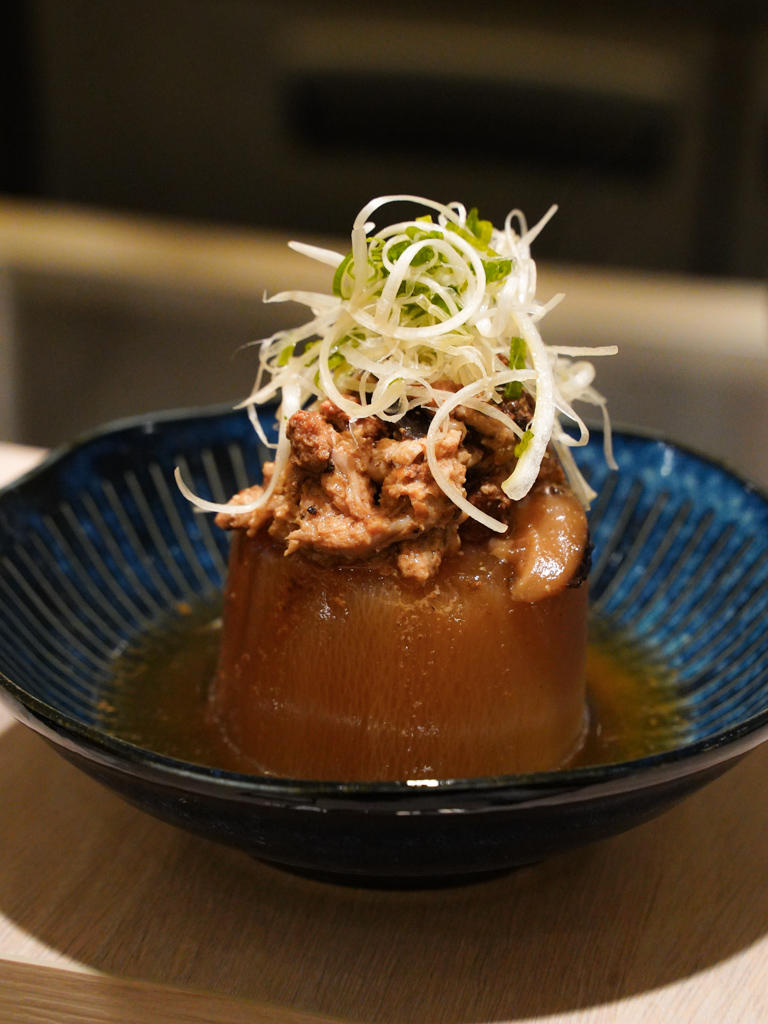
You might expect the other non-seafood dishes to be an afterthought at Mukai Singapore, but you’d be proven wrong.
We found a few favourites on Mukai Singapore’s side-dish section, including the maguro daikon (S$9.90).
Daikon (Japanese radish) oden is one of our favourites at an izakaya, so we were quite impressed with how flavourful and juicy this was — the smattering of tuna chunks on top was also a nice touch for extra bite!
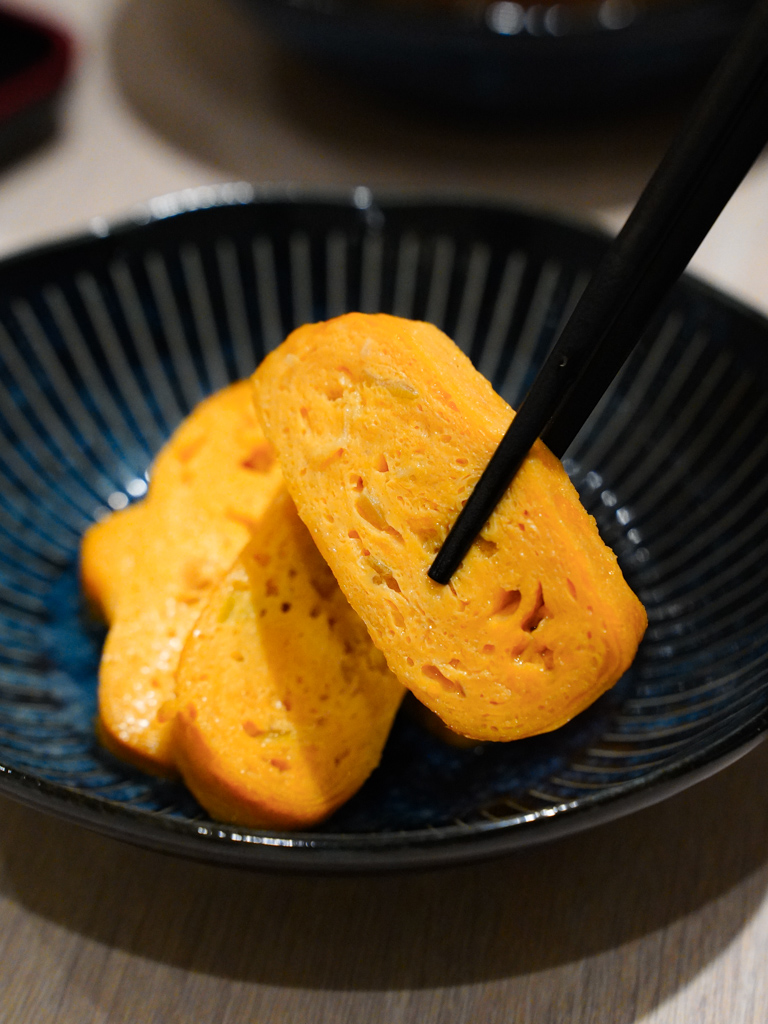
With a lot of Japanese cooking, simplicity is the best way to gauge a kitchen’s skill and the tamagoyaki (Japanese egg omelette, S$6.90) tells us the foundations here are rock solid.
Mukai Singapore doesn’t serve the sweet style of tamagoyaki — it serves a savoury version imbued with dashi and shoyu, instead.
Silky, bouncy, and homely — it’s just as we remember from Japan, actually!
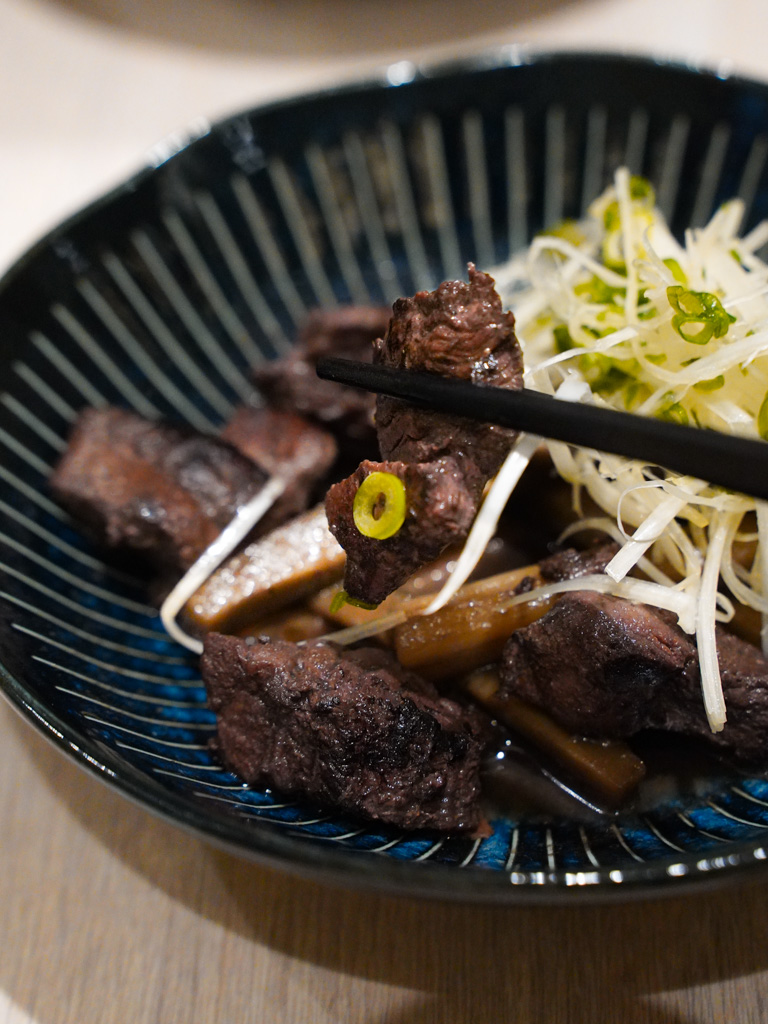
Rounding things off is the maguro gobo (S$15.90), a Mukai Singapore-exclusive, which reminds us of the homely simmered dishes often paired with drinks in izakayas.
The menu states that this dish uses the “blood muscle of tuna”. We’re not sure what that exactly entails but the meat essentially had a slightly chewy, beef-like texture, which was nicely punctuated by the crunch of burdock roots.
Ultimately, Mukai Singapore’s offerings are on the pricier end, so be prepared to fork out for it. If you’re the type who loves to pig out on premium seafood, it’s worth giving it a go — especially once they sort out their uni issues!
This was a hosted tasting.
For more ideas on what to eat, read our stories on the Michelin Bib Gourmands you need to hit up in Bangkok and the fabulously decorated BBQ joint that just opened in an old fire station!
Tue 11.30am - 3pm, 5.30pm - 10pm
Wed 11.30am - 3pm, 5.30pm - 10pm
Thu 11.30am - 3pm, 5.30pm - 10pm
Fri 11.30am - 3pm, 5.30pm - 10pm
Sat 11.30am - 10pm
Sun 11.30am - 10pm
- Dhoby Ghaut



Evan started off writing about food on Instagram, before joining outlets such as Buro and Confirm Good to pursue his passion. His best work usually comes after his first whisky shot in the morning.
Read more stories from this writer.