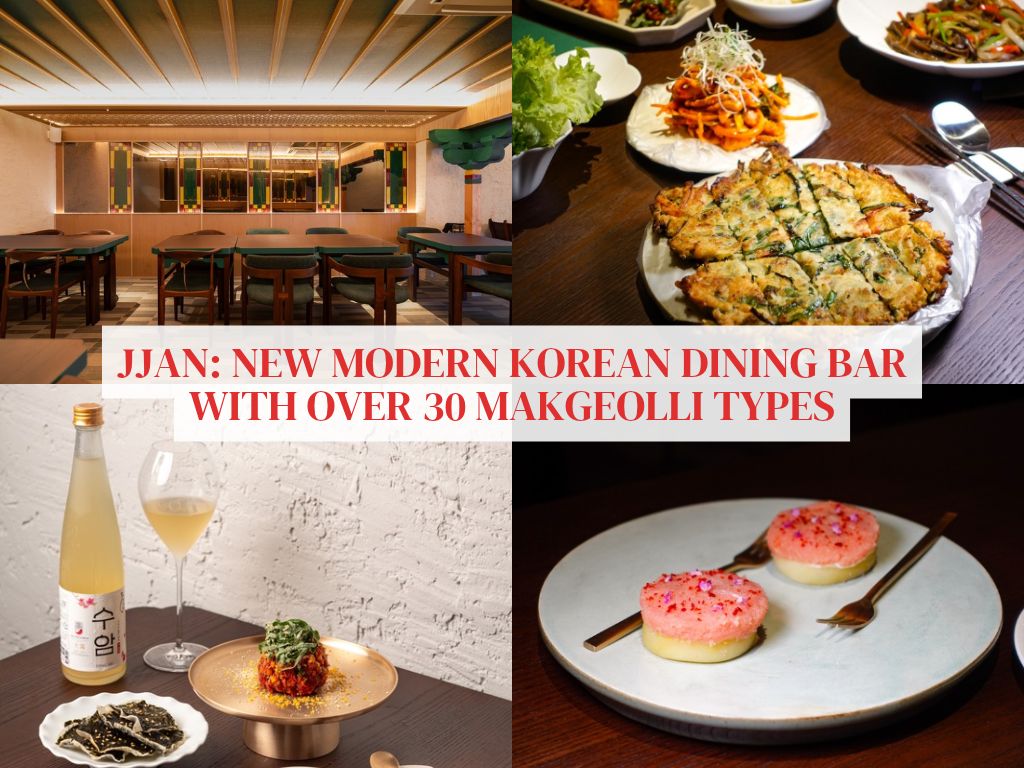
New modern Korean dining bar Jjan at Craig Road serves speciality makgeolli & refined Korean plates

Named after the catchphrase you use when clinking drinking glasses in Korea, Jjan is a new modern Korean dining bar in Singapore that you ought to visit if you love a good makgeolli (rice wine).
It sits along Craig Road, just a floor down from popular vinyl cafe Slow Boat, where Nou Noodle Bar used to be, and opens officially on November 12 (Thursday).
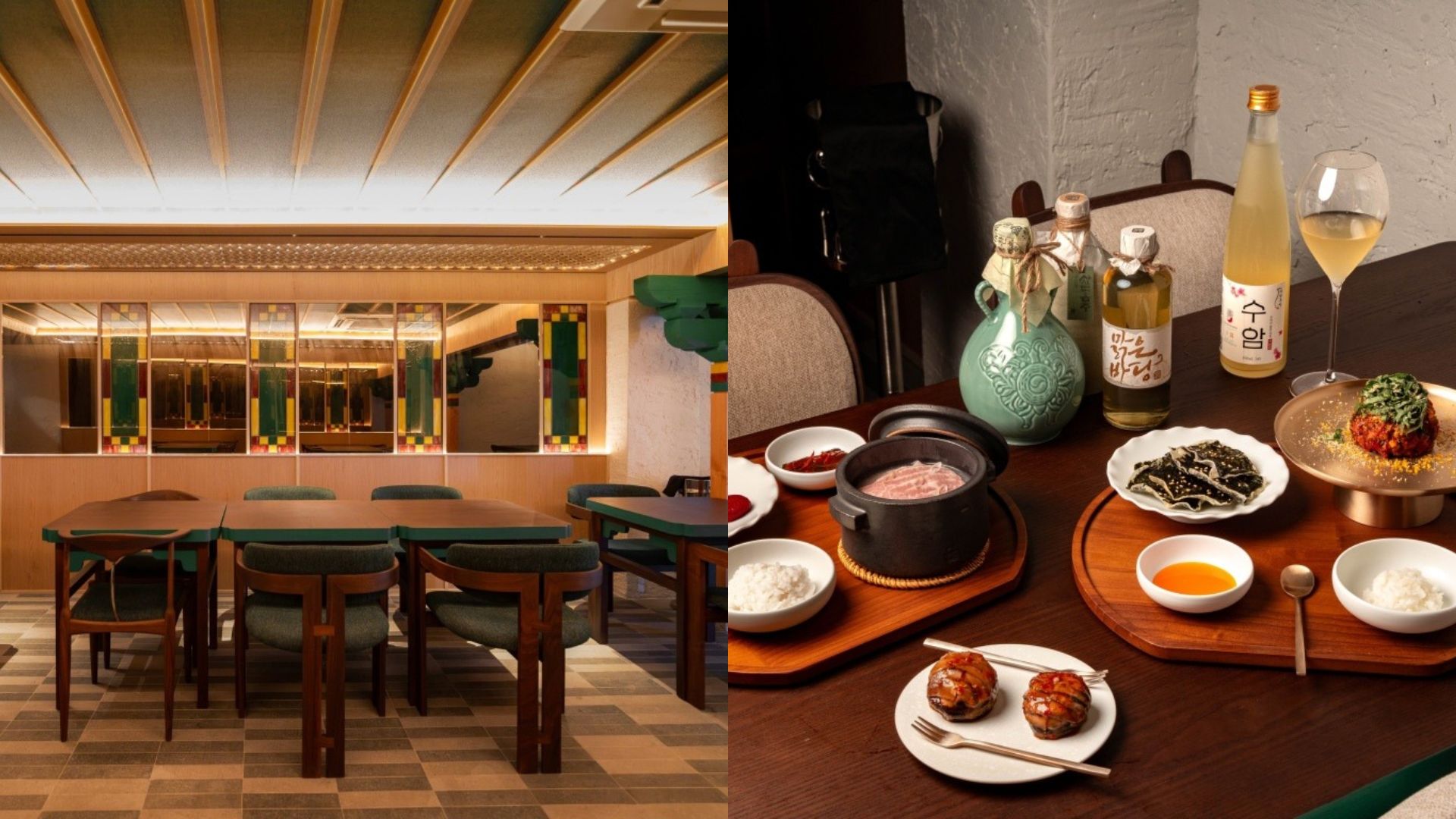
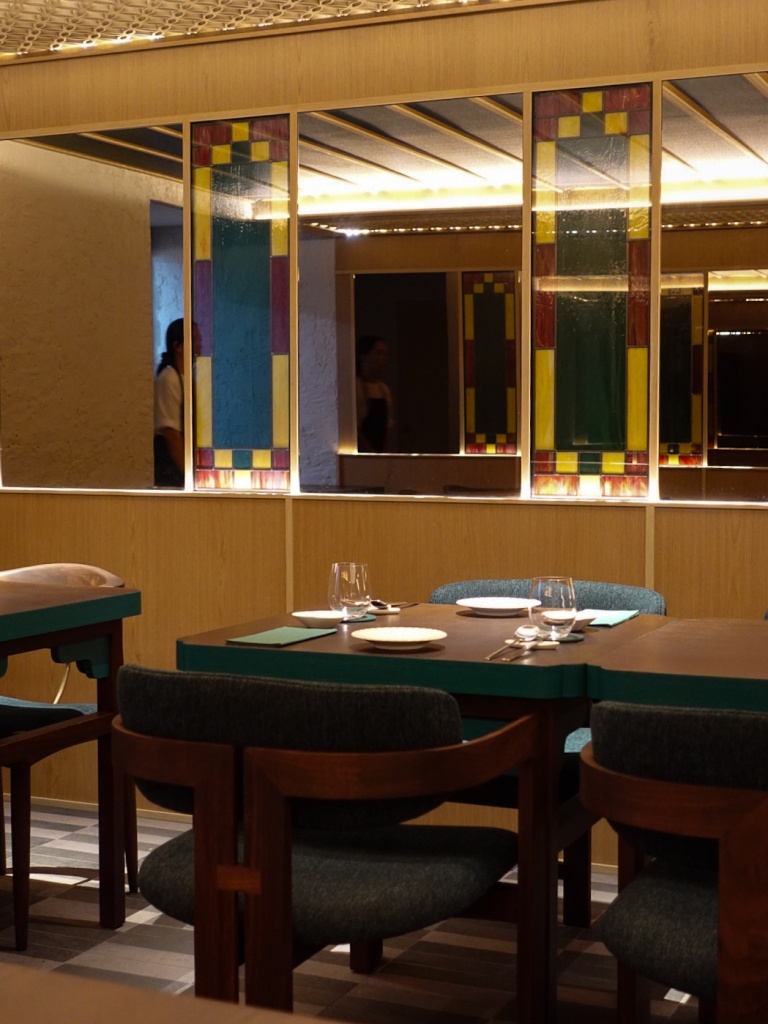
The space has undergone a major refresh, ditching Nou’s moody aesthetic for brighter traditional Korean fixtures, albeit with modern refinements.
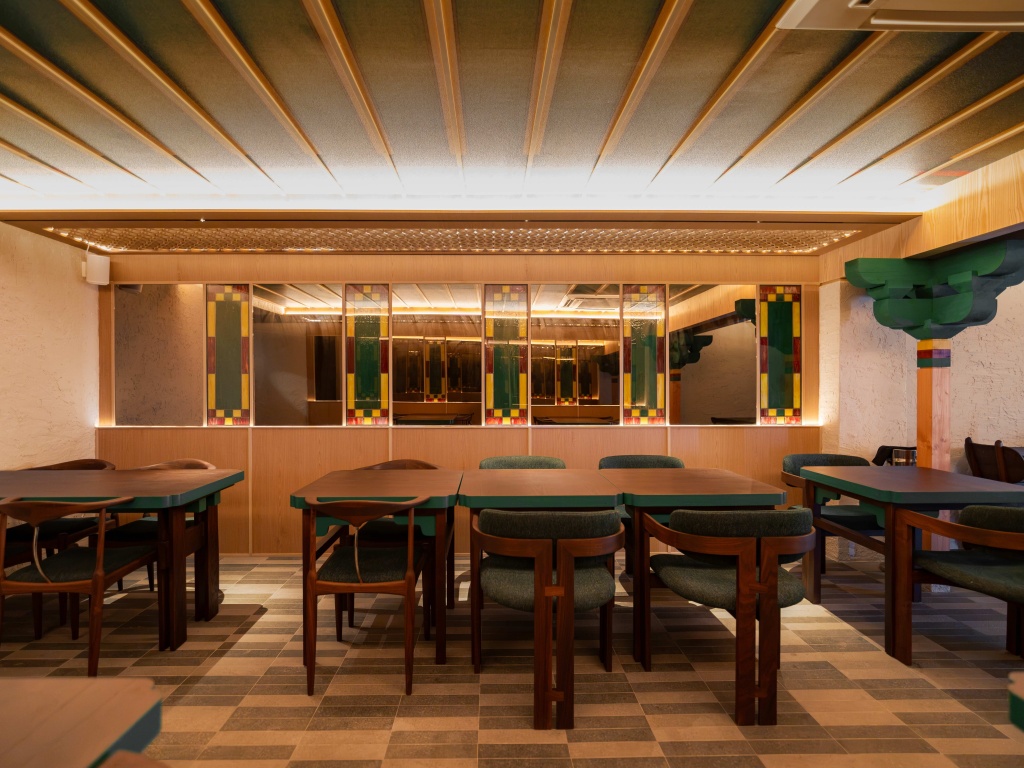
Deep-green interlocking wooden joints — drawing from jusimpo-style architecture that you might recognise from palace-themed K-dramas — are Jjan’s most distinct feature, followed by traditional colours and motifs modelled after a decorative system known as dancheong.
It’s a clever use of the small and cosy space, and one that makes Jjan Craig Road feel just like one of the modern dining venues in Seoul’s historic Anguk district.
The attention to detail is unsurprising, considering that it’s founded by native Korean Lee Haedong, 24, who decided to set up a restaurant in Singapore after a few trips here and growing fond of our city. Haedong is also involved in a few F&B concepts in Seoul.
Come ready to drink
As its name suggests, an evening at Jjan centres around alcohol — Korean rice wine specifically — and the dining bar boasts more than 30 varieties, which you can order by the glass (from S$12).
The selection mainly comprises milky takju (cloudy, unrefined rice wine; makgeoli is a type of takju) and yakju, a clearer, cleaner-tasting beverage that’s considered the filtered version of makgeolli, but there are also other types of traditional Korean liquor and regular wines.
Haedong had personally travelled around breweries in Korea to taste and learn the stories behind these ferments, before zoning in on the final few on Jjan’s menu.
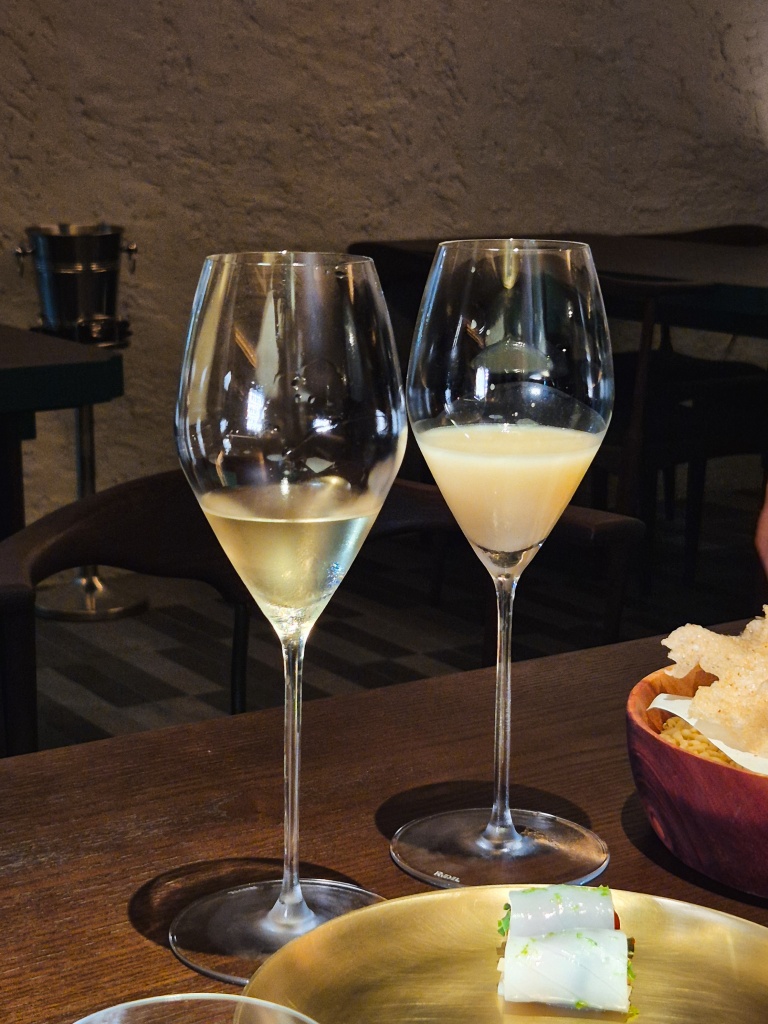
Over the course of our meal there, we tried Naju pear yakju (S$17), Baekgyeong 15 Gold (S$22) yakju, Naru Saeng makgeolli (S$14), and Haru Brewery yeoldu-ssal (S$16) makgeolli.
As expected, the yakju goes down smoother, almost like a cross between a glass of white and dessert wine, with subtle fruity notes. I prefer the brighter Baekgyeong compared to the Naju pear, which has a rounder but slightly savoury finish.
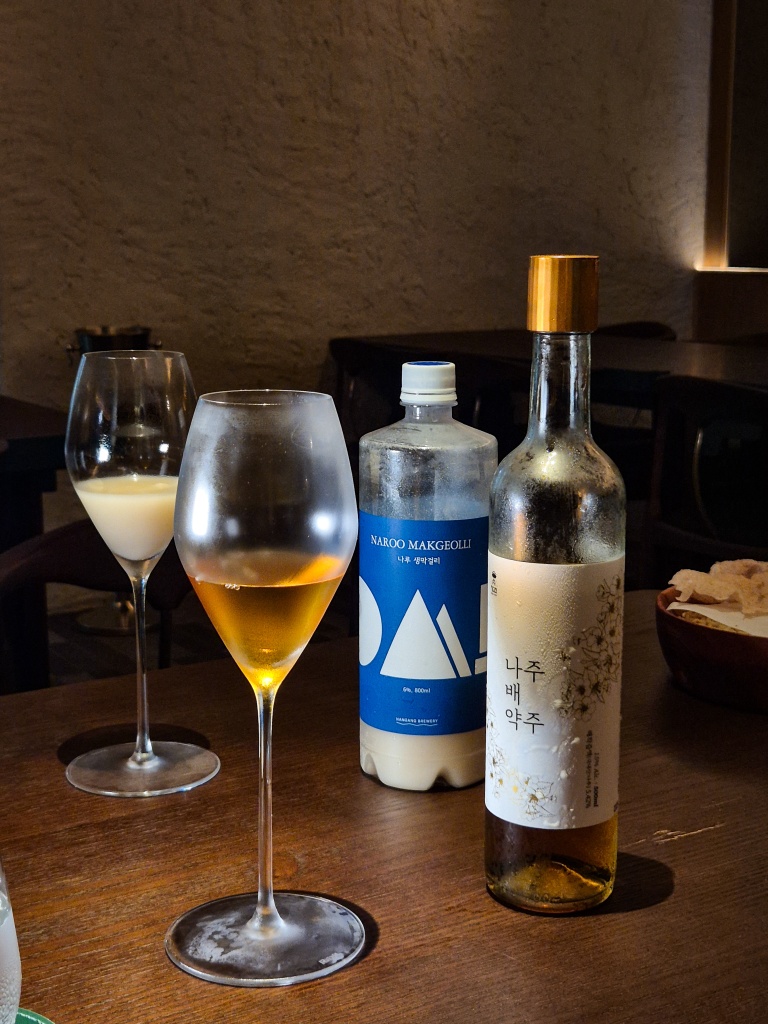
Of the makgeolli, we unanimously preferred the Naru Saeng one, which has just a touch of carbonation and a silky-smooth finish.
If none of these names ring a bell, or you don’t know your takju from your yakju, just speak to Jjan’s friendly crew and they’ll sort you out.
What’s on Jjan’s menu
If you’ve an inkling of Korean drinking culture, you’ll know that drinks are never had without food on the table.
The concept of juansang, a traditional Korean table setting where alcoholic drinks are paired with complementary bites, underpins the food menu at Jjan.
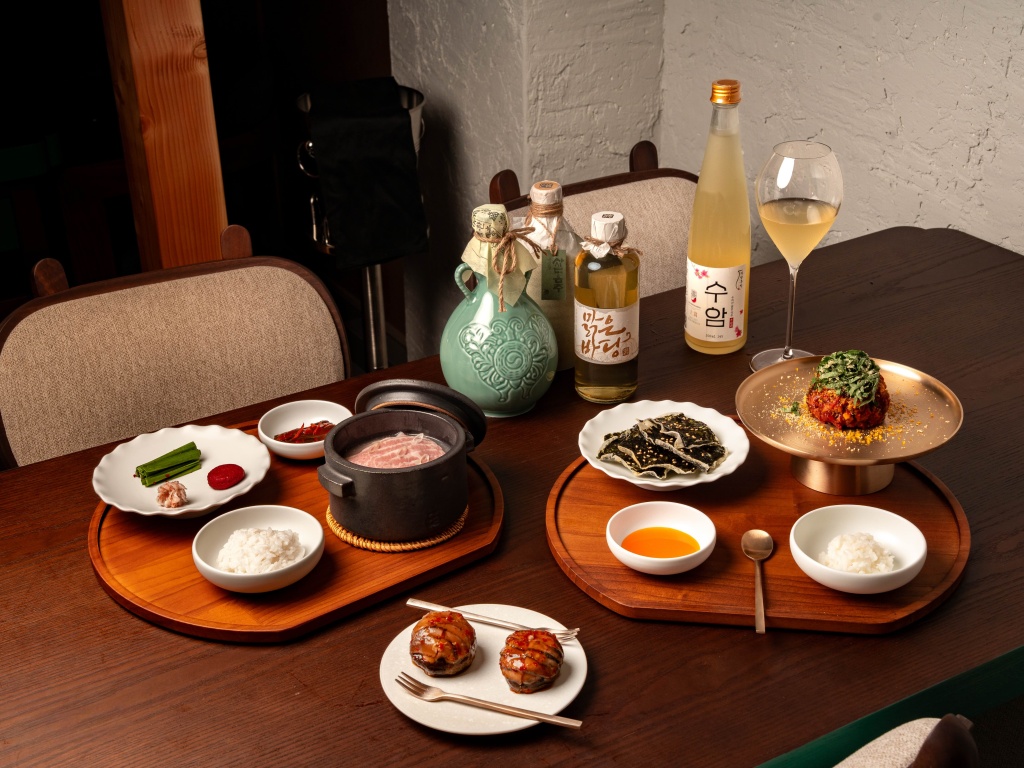
During Korea’s Joseon dynasty, juansang would be served to welcome guests or to celebrate special milestones and occasions.
In that same vein, Jjan’s menu features plates with a tinge of regal finesse to them — it’s not quite royal palace fare, but it’s not your average diner nosh either.
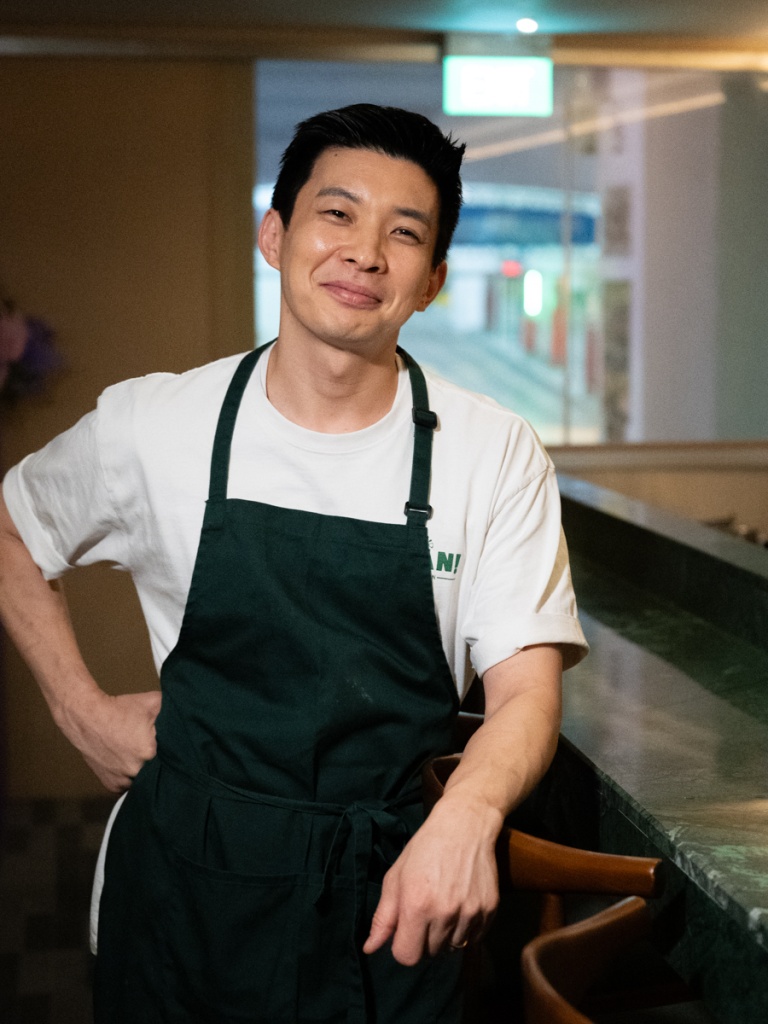
The kitchen is helmed by executive chef Yoo Gwangsoo, 39, a Korean native who has worked at the two-starred French restaurant Saint Pierre as a sous chef, among other notable stints.
The menu is divided into small bites, sharing plates, mains and desserts, but genuinely, everything seems easy enough to share across the table.
Starters we’d willingly reorder include myeonglan and potato (S$7 per piece), a savoury one-bite canape of potato, creme fraiche, and salted pollack roe, and the cuttlefish ganghoe (S$6 per piece), though we note this version we tried uses squid.
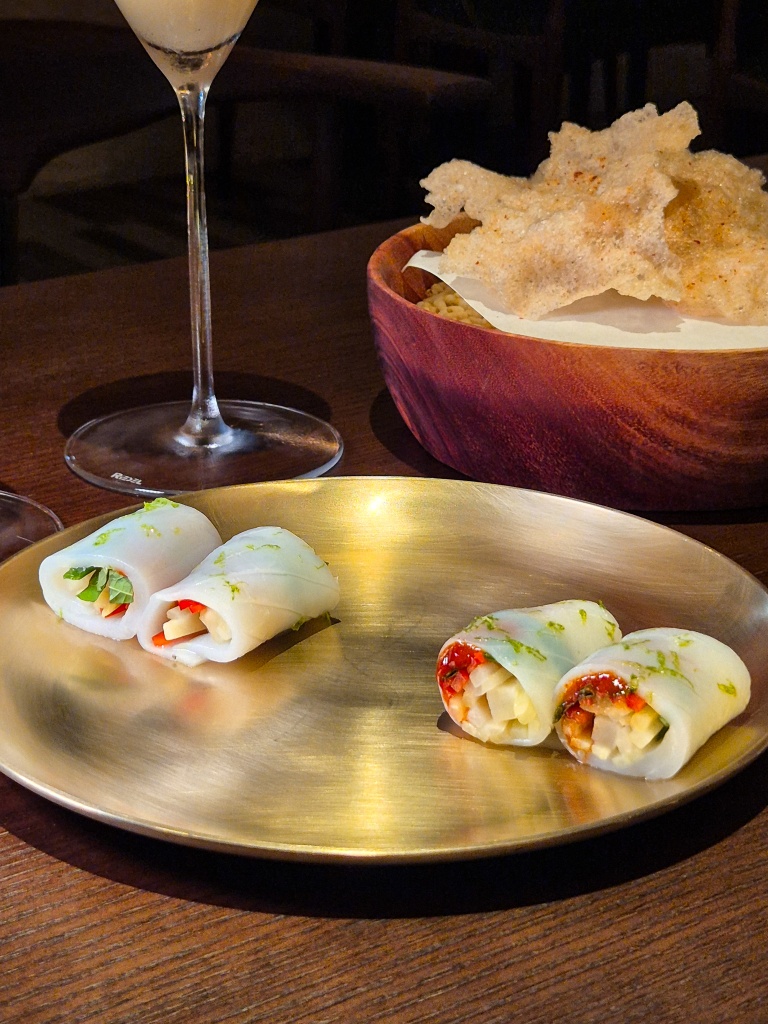
The latter is essentially a raw squid roll with bellflower roots, cucumber, and red pepper paste-vinegar sauce (chogochujang) — everything is bright, tart, and wakes your appetite up for the meal ahead. The protein changes depending on availability and seasonality, and you’ll likely see other ganghoe dishes during your visit.
The sharing plates are when things really ramp up.
The Busan jijimi and squid salad (S$18) is a no-brainer to order because who doesn’t love rice wine and a fried pancake?
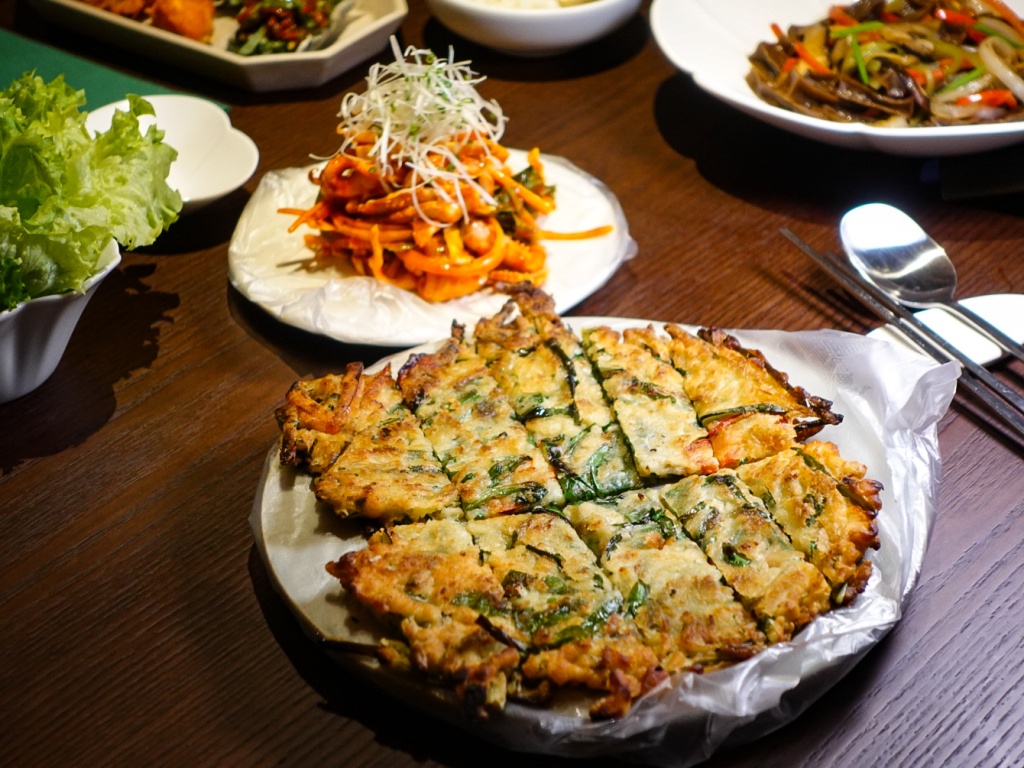
Jijimi is a term often used in Busan, and refers to what most of us might recognise as jeon or a savoury Korean pancake.
Like in the coastal Korean city, Jjan’s version is served with a tangy, spicy squid salad, which tempers the oiliness of the pancake and adds a welcome textural contrast.
You might have also noticed a plastic bag over your plate — this isn’t by accident. It’s a nod to the way streetside vendors would serve these items, often for operational efficiency.
Once you’re done with your meal, they just need to remove and replace the plastic bag.
The deep-fried oyster ssam (S$26 for four pieces) is a great follow-up, featuring battered oysters served with mumallaengi (spicy dried radish), and lettuce.
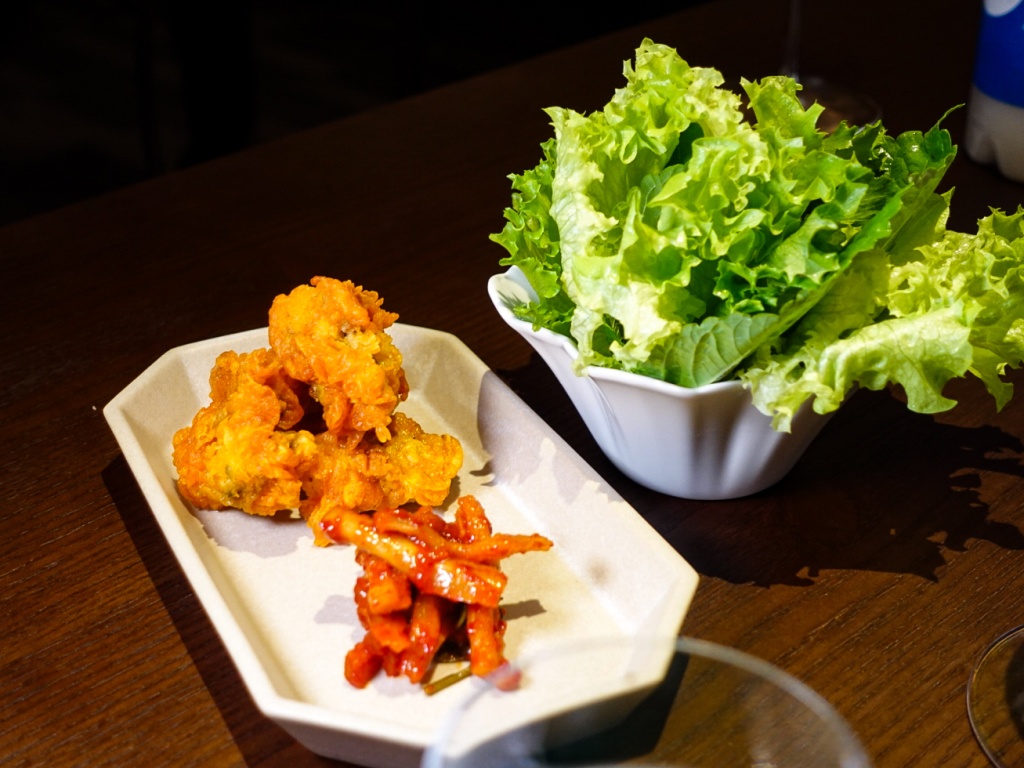
You’re encouraged to have it all together as a ssam, or wrap.
The oyster here, while a tad small, is fresh and sweet, with a good amount of batter.
I’m personally not too fond of the texture of mumallaengi in general, but there’s nothing stopping me from having the oyster plain with the leaf, or even adding the spicy squid salad to this wrap instead — yes, I tried both approaches and can confirm the latter is a great permutation.
The last of our sharing plates, the acorn jelly japchae (S$17) is a model zi char dish — it arrived at the table deeply aromatic and brimming with wok hei.
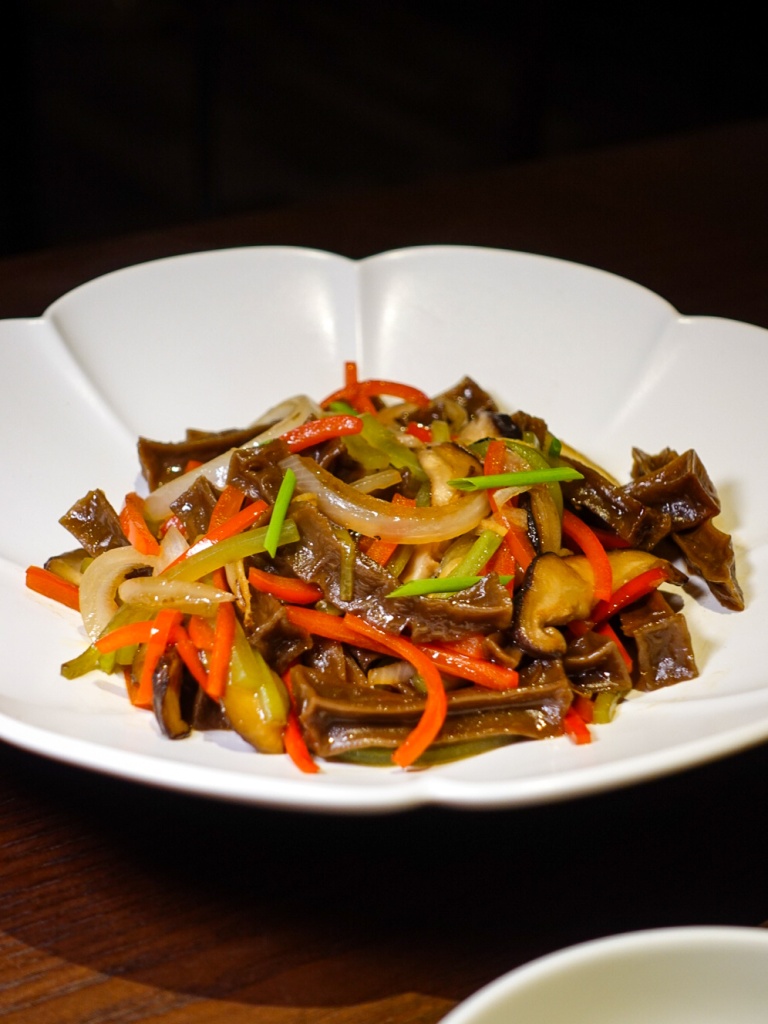
Here, chef Gwangsoo replaces the usual glass noodles with rehydrated dried acorn jelly strips, and stir-fries it with celtuce and bell pepper.
I’ve only ever had regular acorn jelly, which is quite malleable and soft, so it surprised me at how chewy and moreish Jjan’s version was. I can see myself grazing off a plate of this as I make my way through the drinks on my next visit here.
Another unexpected dish for me was the yukhoe (S$34), a Korean version of tartare.
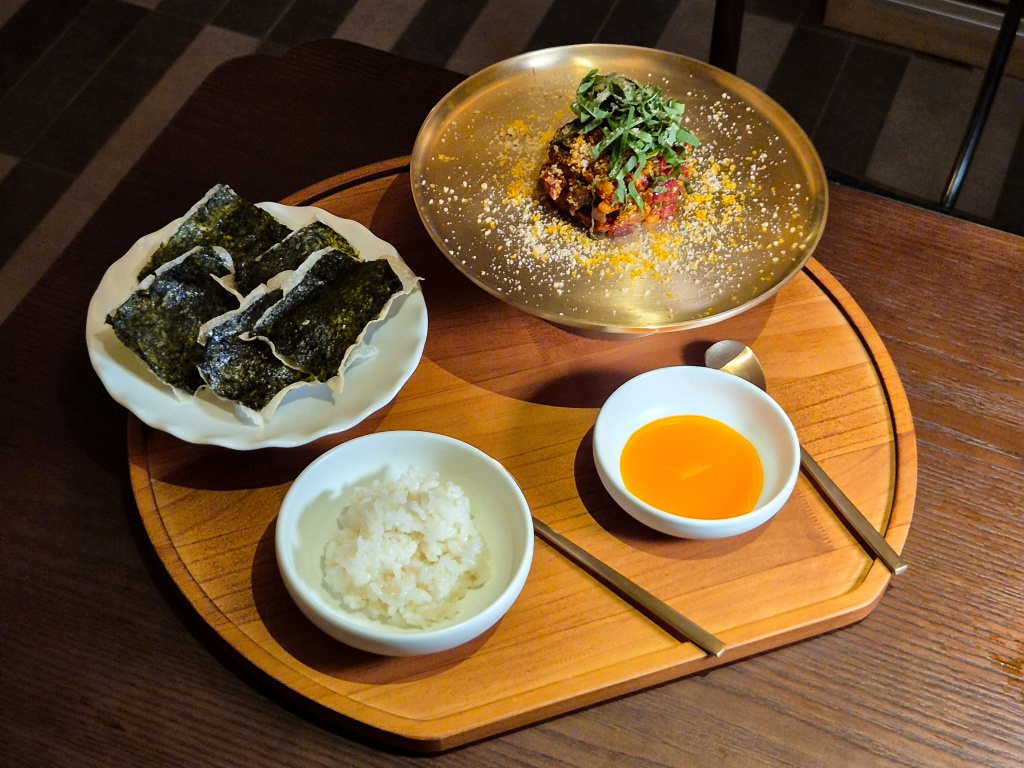
The seasoned Australian wagyu skirt cubes are combined with octopus jeotgal (a fermented side dish), giving the yukhoe an extra layer of umami.
It’s served alongside pasteurised egg yolk, a small serving of premium Korean short-grain rice (suhyangmi), and gim bugak, or seaweed chips. You might be thinking of giving the rice a miss to save space for other dishes, but it would be remiss of you to skip this aromatic number.
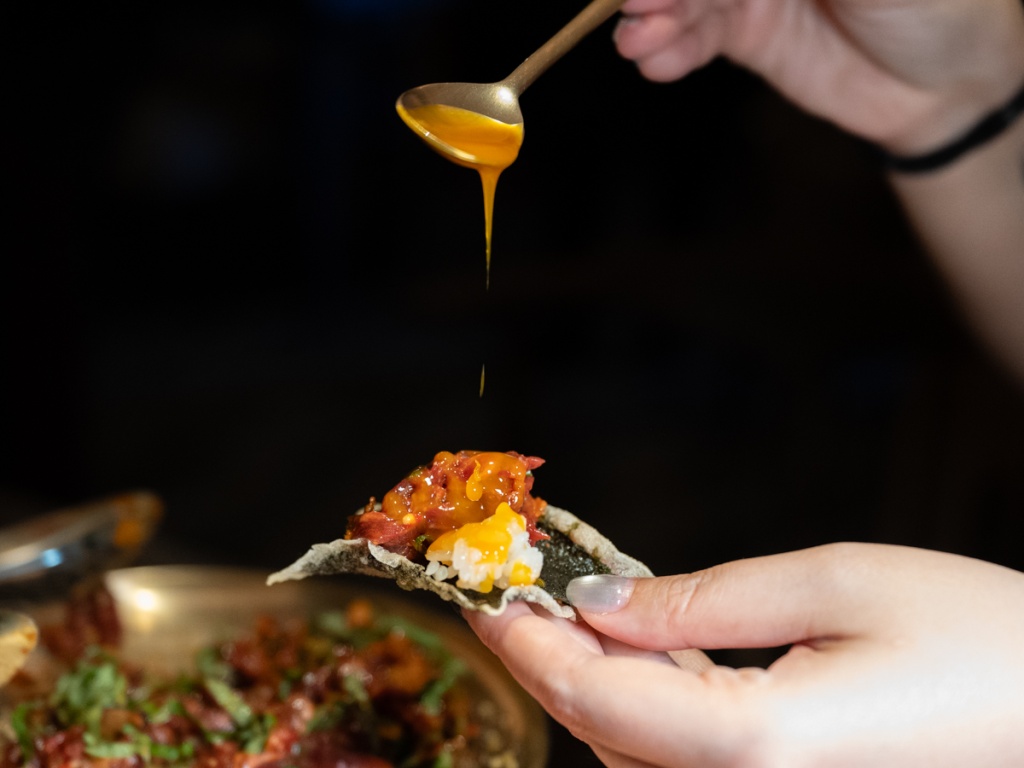
Like the ssam, you’re free to have this in any way you wish — try the individual elements first, then combine and see which you prefer.
At this point of the meal, I’m quite satisfied, but it bears noting that most of the plates so far were generally bright-tasting, with their fair share of varying textural elements.
The main plates are when things get deeper and more flavourful.
The Australian wagyu beef tongue (S$58) is not a go-to cut for me, but chef Gwangsoo’s version is so impeccably soft, you’d be forgiven for thinking this is a ribeye or that you had wrongly received the hanger steak (S$80) instead.
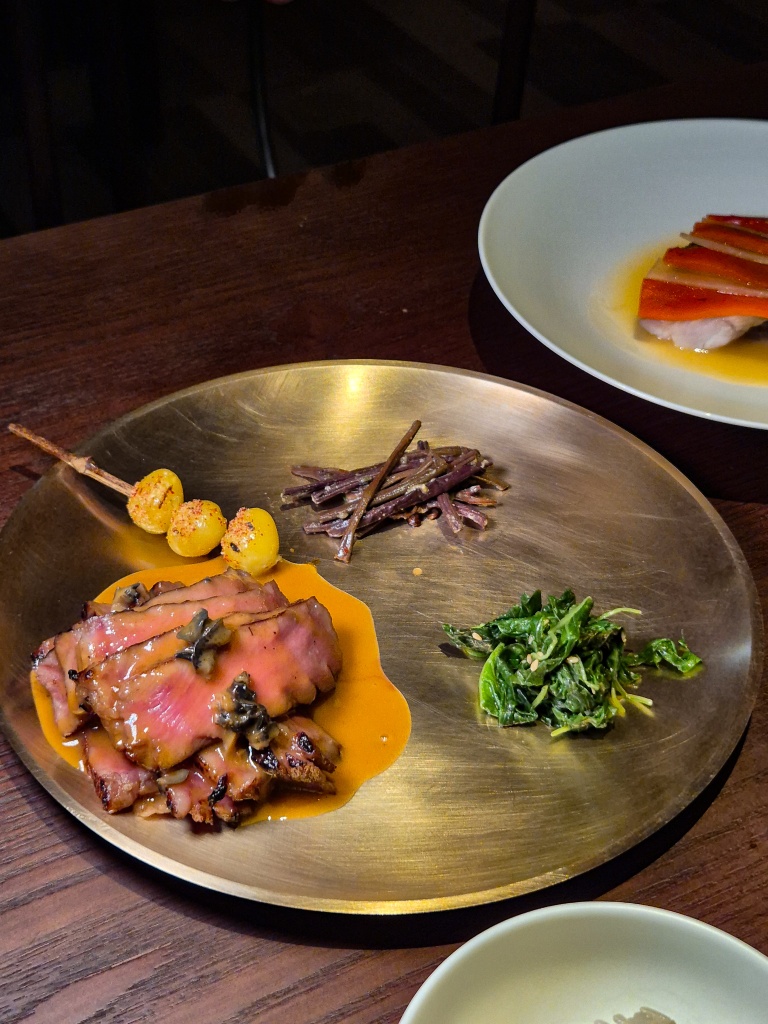
It’s embellished with a tasty sauce blending gochujang (red pepper paste), tomato consomme, and whelk — we mopped up every last bit of this.
The plate also has other elements, such as grilled gingko nuts, fernbrake, and spinach — you’re free to decide how you want to have everything, but personally I think having them separately allows each component to shine best.
The fish of the day (S$48) was a pan-seared fillet of seaperch, served with Korean abalone beneath, and strips of lacto-fermented white asparagus and bell pepper.
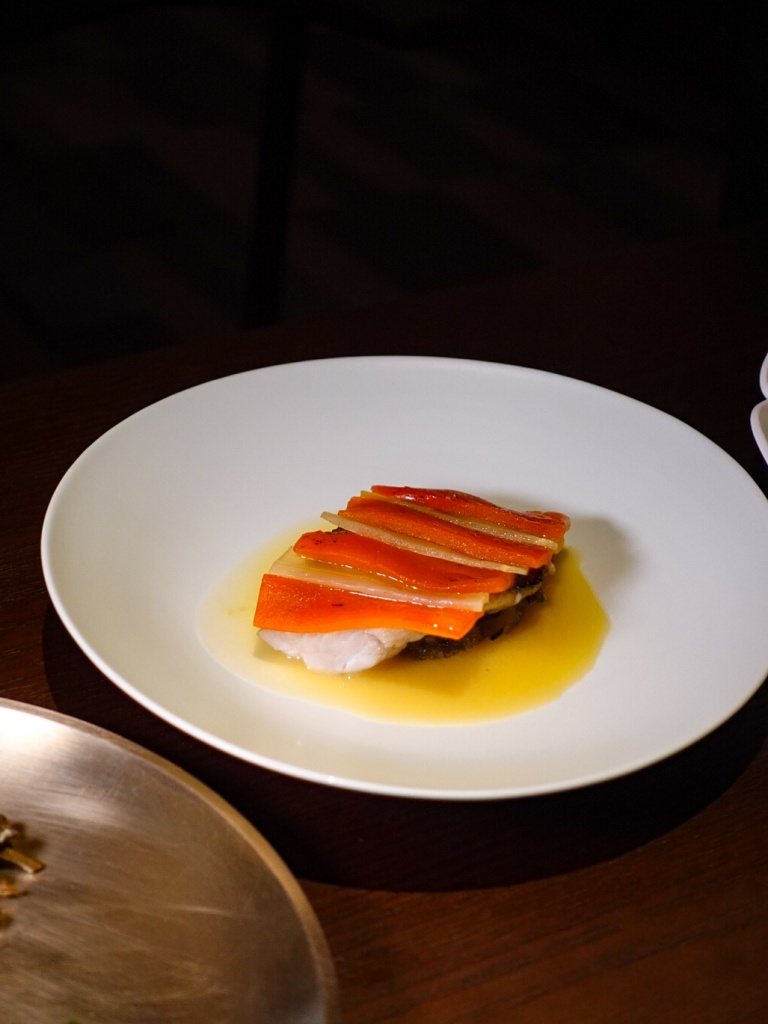
The ingredients themselves are fresh with the right finish, but the finishing drizzle of makgeolli-infused beurre blanc is the cherry on top of a very well-done cake.
Lastly, we end our savoury plates with the pork gukbap (S$21), a comforting Korean dish of pork soup and rice. It’s usually meant to be eaten together a la paofan, but Jjan keeps them separate, should diners prefer otherwise.
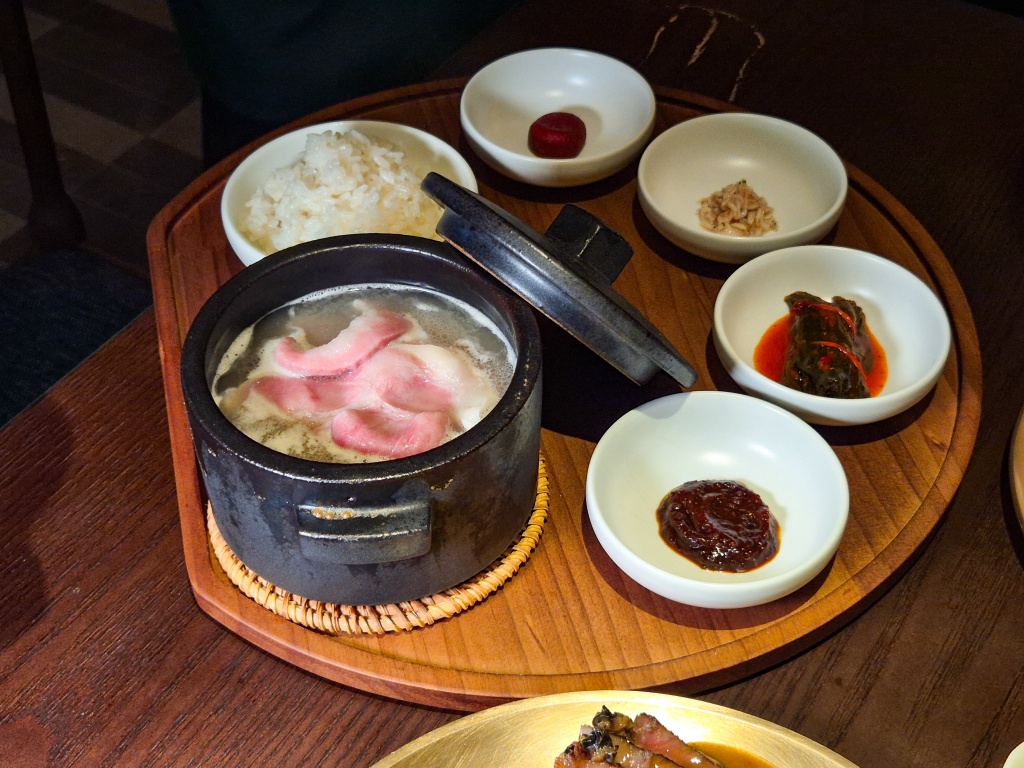
The soup comprises pork collar and jowl in a flavourful broth that’s been simmered for 48 hours — while the cuts are pink, the chef assures us that every slice is cooked through — and they’re incredibly soft, too.
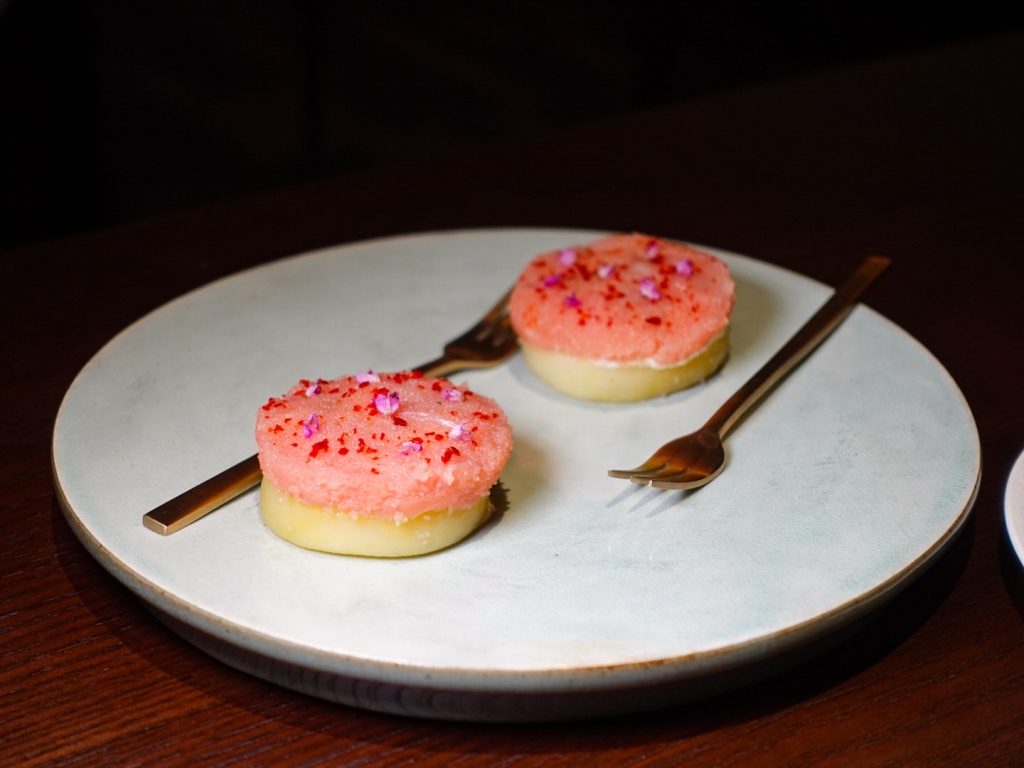
By now, you might not have it in you to go for desserts, but you ought to grab the fruit chapssaltteok (S$8 a piece) before leaving. There’s fig, Shine Muscat grape, strawberry, mango, and kiwi to choose from.
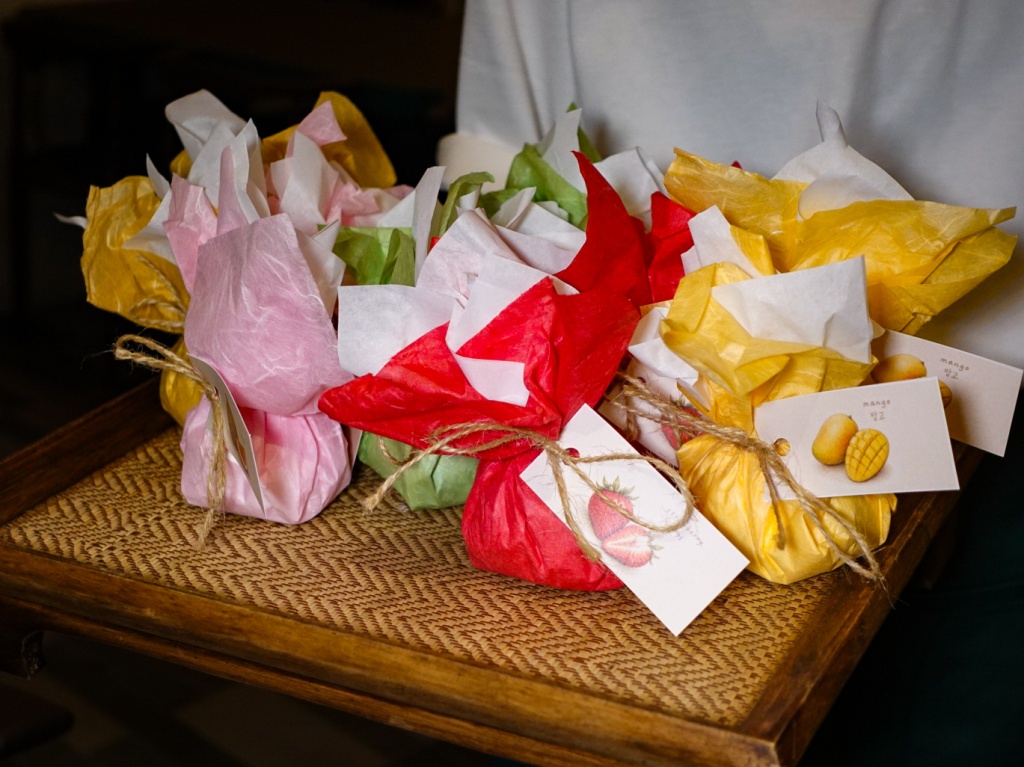
This dessert, which is essentially whole fruit and cream wrapped in a glutinous rice cake, has taken Seoul by storm, with lines forming outside Hanjungsun stores — one of the first brands to jump on this trend and push out multiple flavours.
For those who don’t really take makgeolli or drink Korean liquor in general, Jjan’s dining menu is robust enough that you don’t feel like you’re missing out.
However, given that it was created on the basis of juansang, where one would pair food with drinks, it would make for a more enjoyable experience if you keep an open mind to the range of bottles Jjan has.
Though we spent a good three hours at Jjan, it flew by with a good flow of drinks skilfully recommended by the crew, and plates that complemented every sip — and to that we say “jjan” (cheers) for an evening well spent.
This was a hosted tasting.
For more Korean eats around Singapore, check out HanBroth, a new gukbap concept by MasterChef Singapore Season 2’s winner, as well as Um Yong Baek’s latest outlet at Suntec City.
Mon 5pm - 12am
Tue 5pm - 12am
Wed 5pm - 12am
Thu 5pm - 12am
Fri 5pm - 12am
Sat 1pm - 12am
Sun 1pm - 12am
- Tanjong Pagar



Sarah is constantly seeking out new coffee spots and cocktail bars around the world, and should probably drink more water while at it.
Read more stories from this writer.