Eight-seater Sushi Masa flies in ingredients daily for its 18-course dinner

Have you ever wanted to have a private omakase? While not exactly entirely private, Sushi Masa by Ki-setsu certainly feels exclusive enough.
To get there, you have to go up to level six of Cuppage Plaza — when we exited the lift, the floor was quiet and empty, with Sushi Masa’s well-lit entrance as the only sign of life.
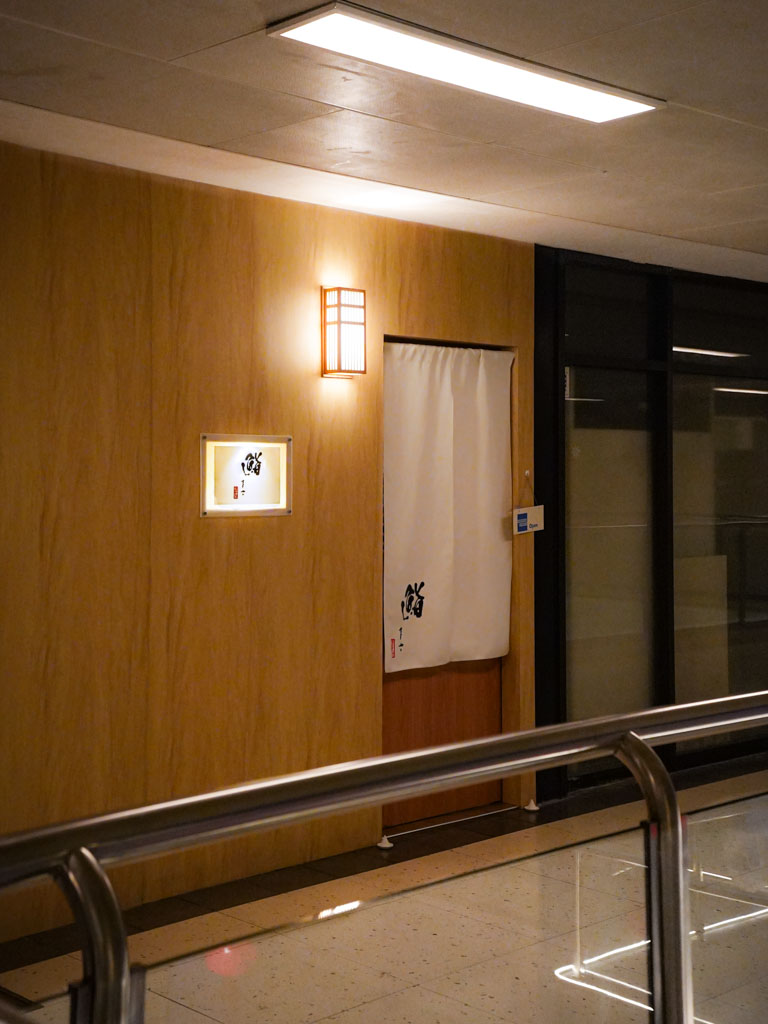
Once you slide open the wooden door and step inside, the cosiest little restaurant greets you, with eight tall chairs set up around a small wooden counter.
A chef stands behind the counter, fastidiously prepping dishes. He wears a black jacket and thin oval glasses, and sports a pony tail, with his sides buzzed.
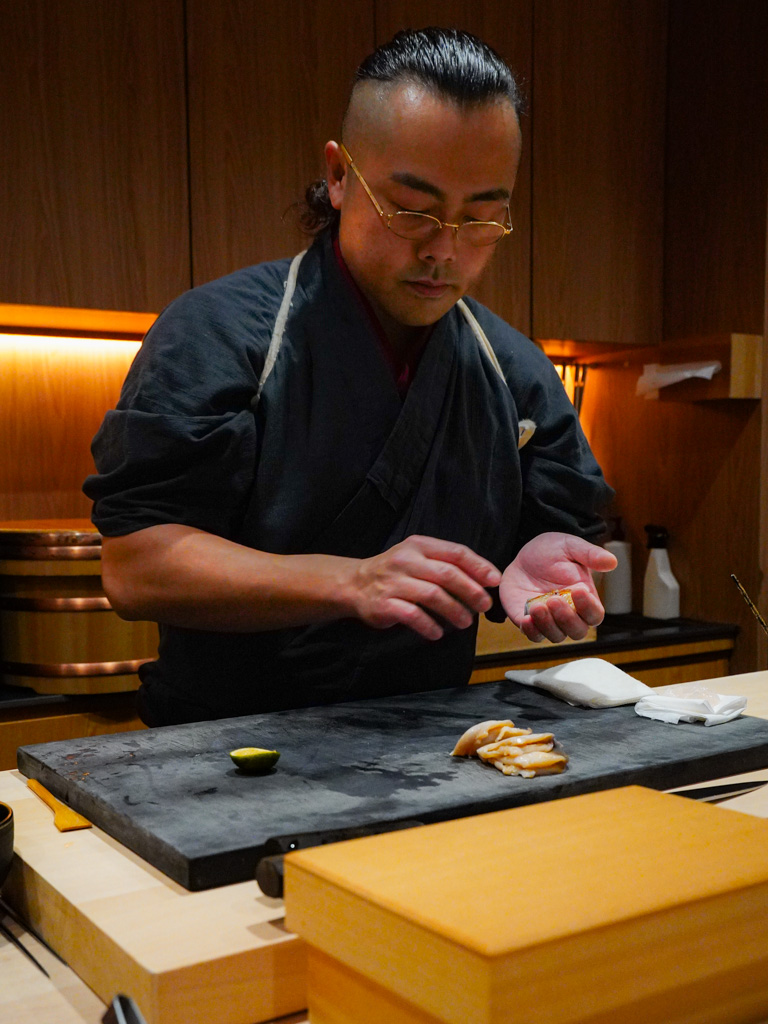
This is Sushi Masa’s namesake, chef Masa.
His quirky look might not fit the archetype of sushi chefs, but he’s been trained in traditional Edomae sushi back in Japan — a discipline that traditionally requires grit and years upon years of hard work.
Aim for the best, never the same
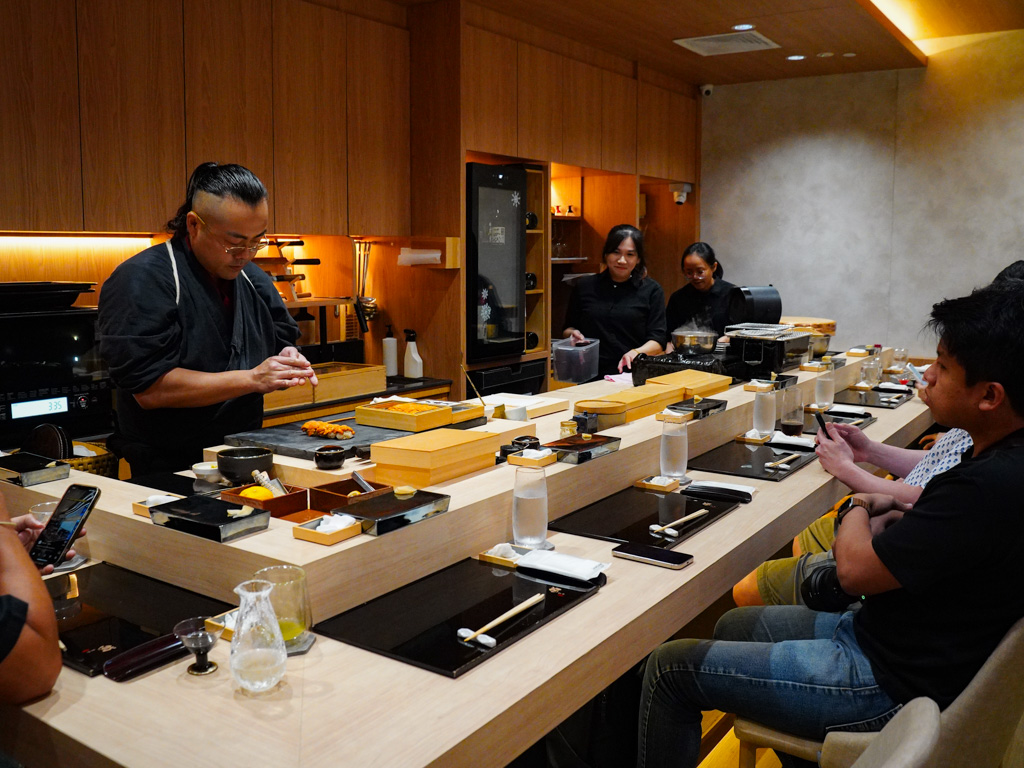
Sushi Masa’s operations are a bit peculiar. Even with its diminutive shop space, it opens for only one seating, every evening.
Smaller restaurants might maximise the number of guests they can serve each night by holding multiple seatings, to make up for the lack of space. But chef Masa subscribes to the philosophy of respecting seasonality and the art of meticulous preparation.
That is also what sets Sushi Masa apart from many other omakase restaurants in Singapore.
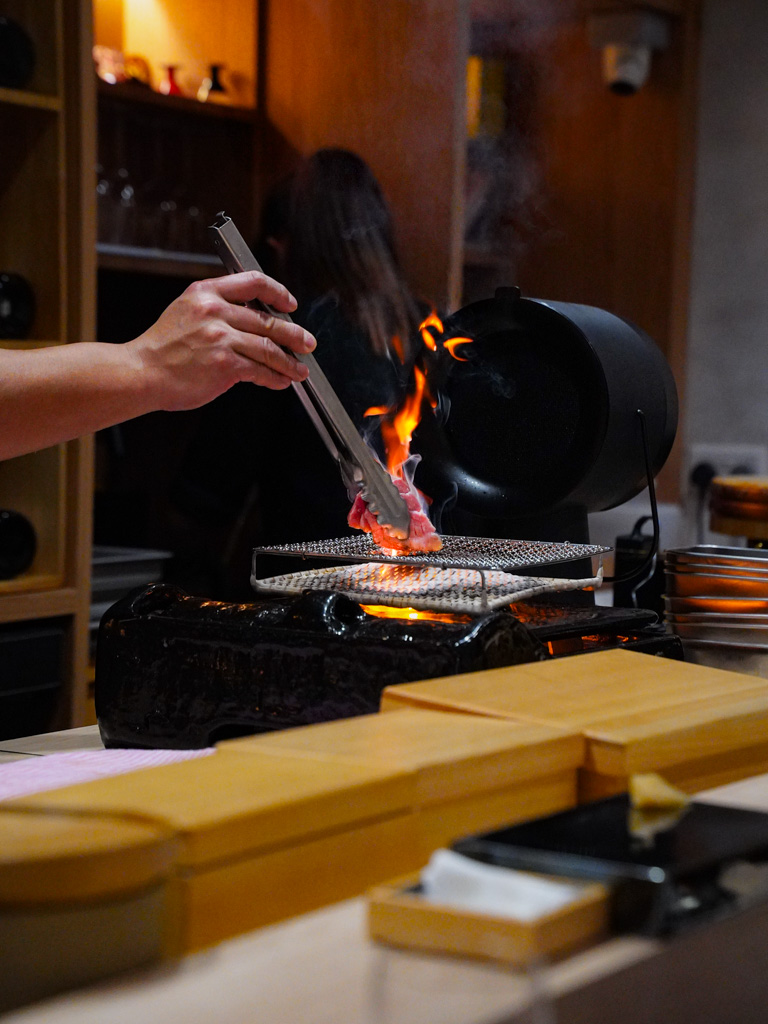
To achieve that goal, it flies in fresh, in-season ingredients from Japan daily — another rarity, since many Japanese restaurants have weekly or semiweekly shipments.
Sushi Masa also curates the best ingredients from different regions of Japan, which chef Masa will tell you about whenever he serves up a dish.
With all these moving parts, the chef spends the morning inspecting and deciding what to do with each batch of ingredients — some might require aging, while others will need to be sliced differently.
All that fastidiousness and intention is condensed into two different omakase menus.
It all depends on the season. At present, though, you can choose between the Fuyuzakura (S$230) and Yukiwari Ichige (S$320) menus, both named after winter flowers.
Guests usually get 18 courses and above for the former, and 20 courses and above for the latter.
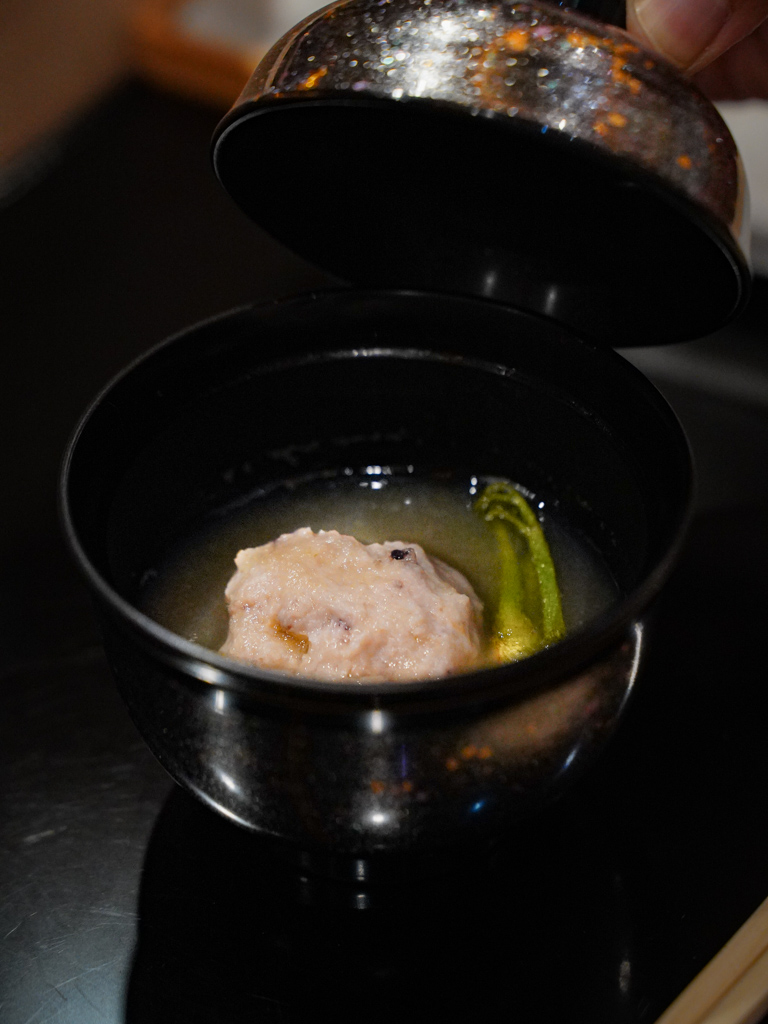
Our Yukiwari Ichige menu started off with two seasonal appetisers: A uri-ne tofu, (soft homemade tofu crafted with a lily bulb, deep-fried with a light batter and topped with uni), and a juicy homemade squid meatball, submerged in a crisp and comforting dashi broth.
But, as its name suggests, Sushi Masa’s highlights have to be its sushi.
We won’t spoil the experience for you — there’s a lot to see and taste in its 18-course spread, especially with multiple tuna-centric items — so we’ll focus on some of the standouts.
We noticed that the neta (topping) of each piece of nigiri is generally bigger than the ones we usually see at other omakase restaurants.
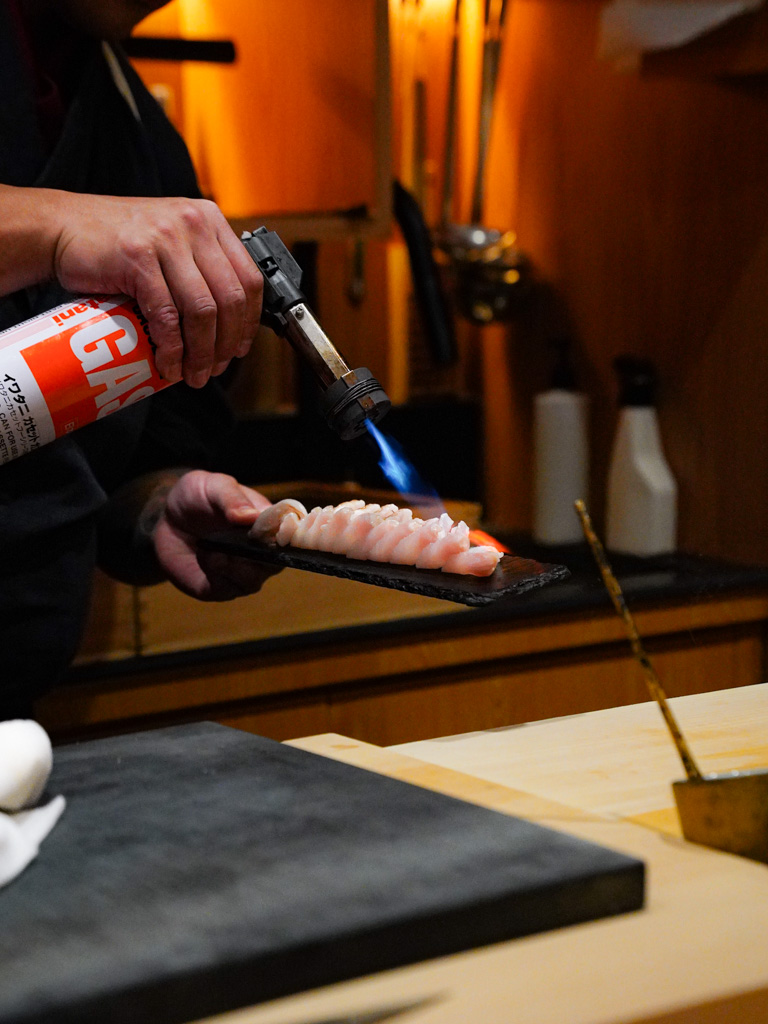
Following the natural progression of flavours, chef Masa starts us off with a sameragei (rough-scale flounder) from Hokkaido, that’s got a meaty bite and mild buttery flavour, made nicely smoky with some torching.
A piece of hokkigai (surf clam) comes next — sweet and briny in flavour, while each bite is crunchy with a delightful elasticity.
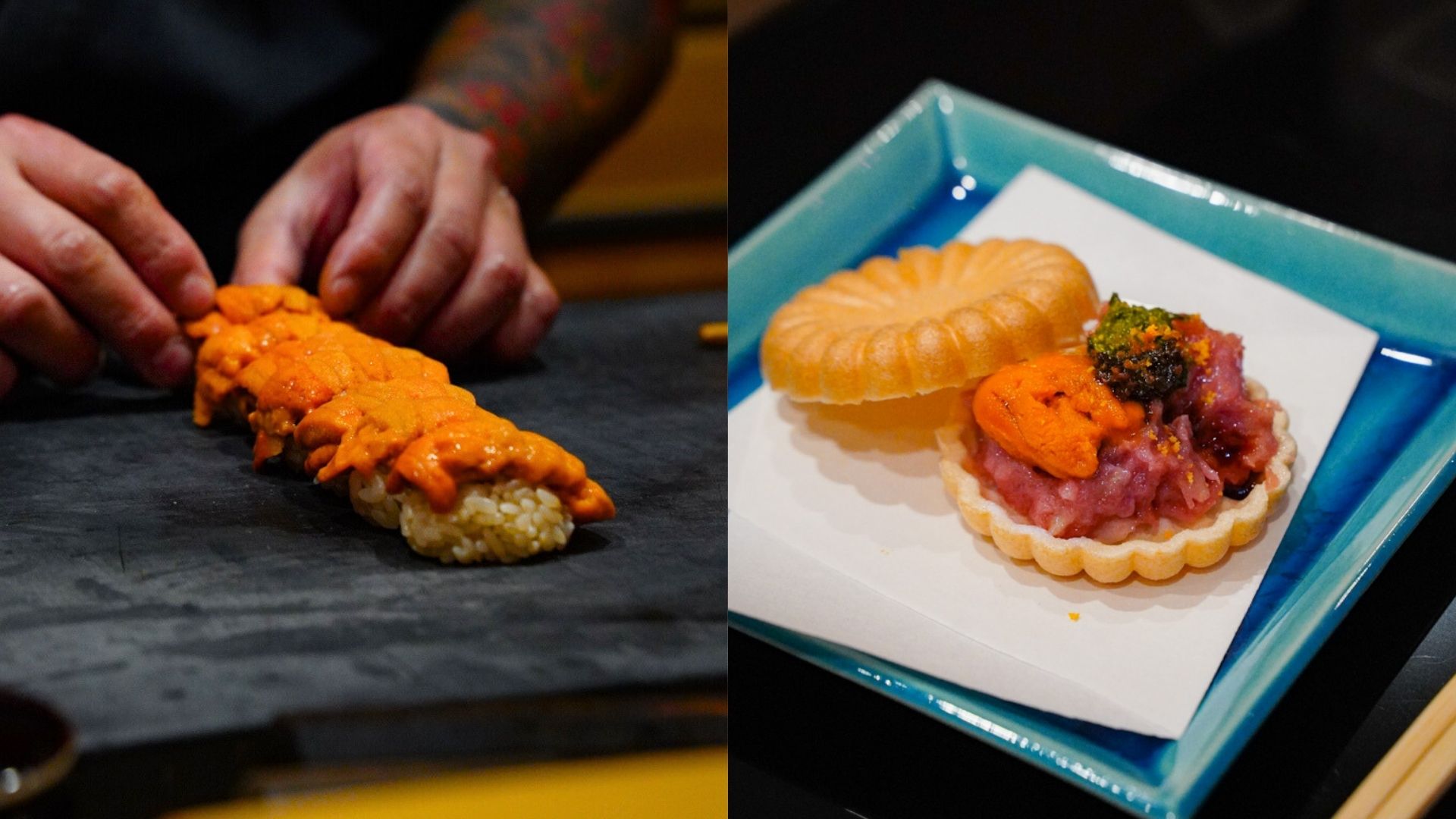
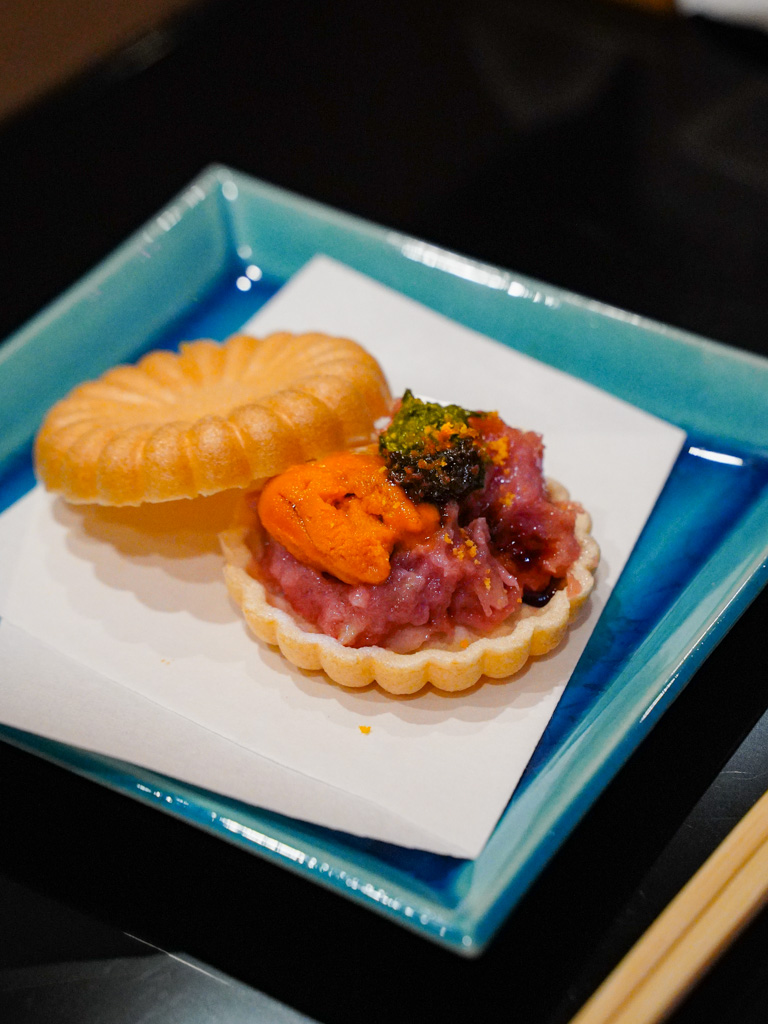
Then, we got our first taste of omakase-style opulence at Sushi Masa, with the negitoro and uni monaka (traditional Japanese wafer).
It’s a wonderfully rich medley of ingredients: A mound of rich, silky negitoro (minced tuna), a lick of uni, and fresh, topped with herbaceous shiso pesto.
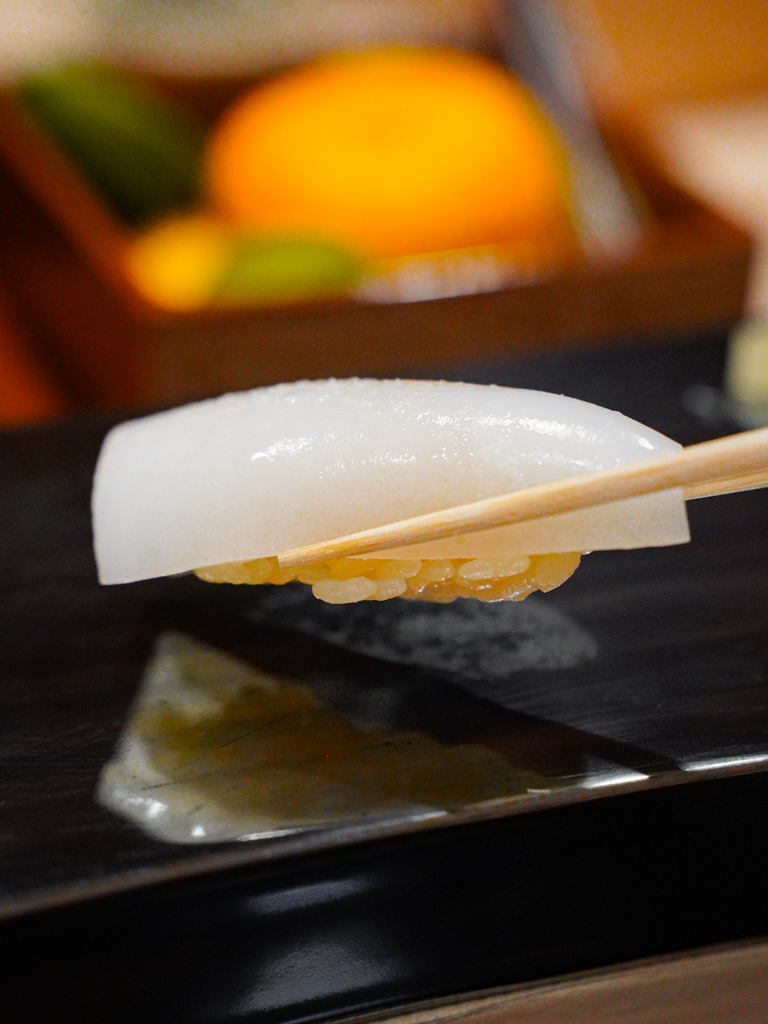
But even with all that indulgence, the next piece, a simple and beautifully glossy shin ika (golden squid), was perhaps our favourite.
This was all about the textures, and Sushi Masa’s freshly flown-in golden squid was sublime: It had a nice firmness, a delicate crunch, and a hint of slightly melt-in-mouth creaminess.
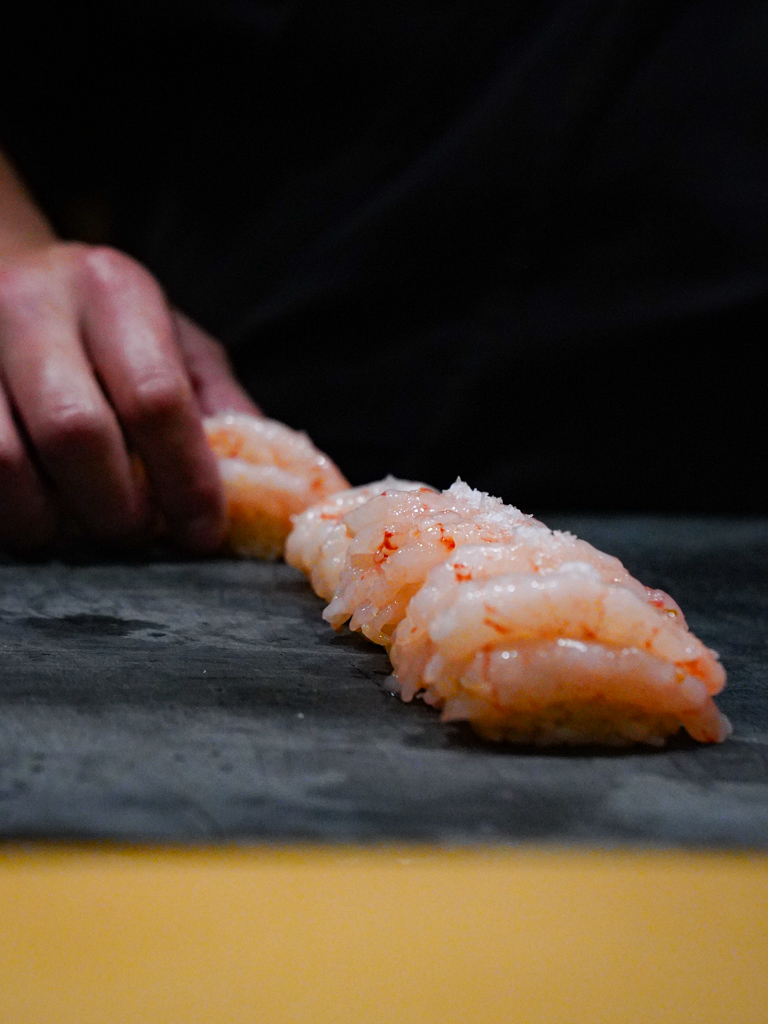
Anyone who enjoys that kind of texture would also love the ama ebi (sweet shrimp) at Sushi Masa.
As its name implies, the sweet shrimp is incredibly sweet, but the dreamily luscious texture is also to die for.
To balance that strong sweetness, each shrimp is also topped with a generous sprinkling of salt for contrast.
Uniqueness and luxury
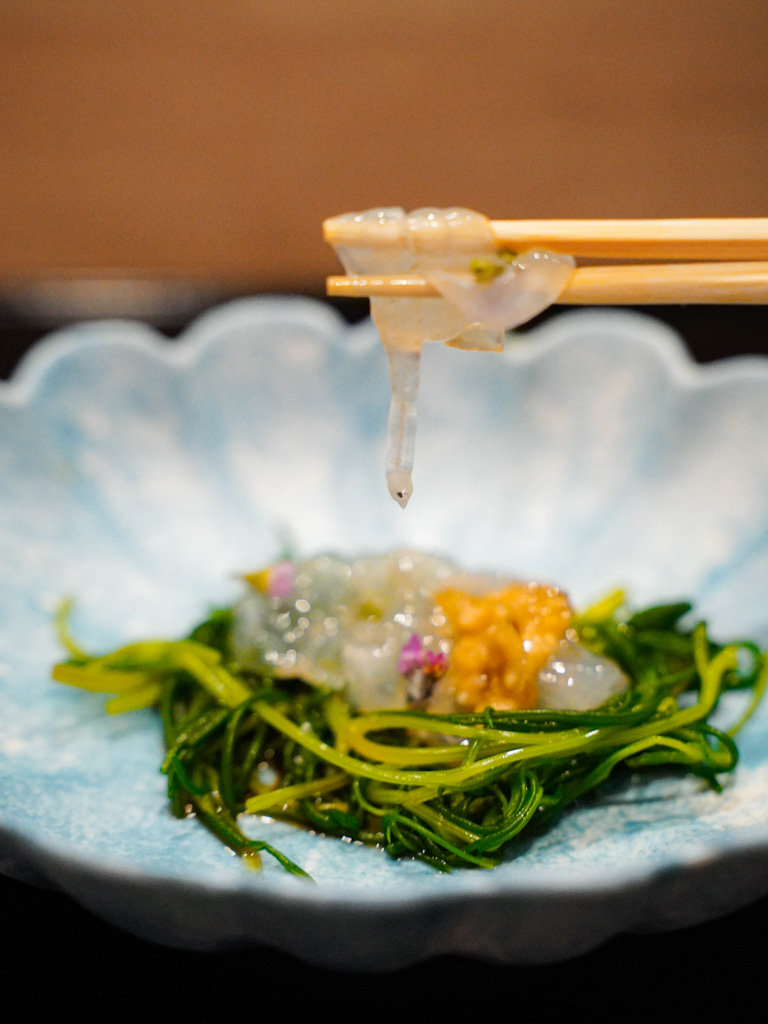
Besides the sushi, of the biggest standouts was undoubtedly the nore sore (baby sea eel), with translucent strands of baby eels that most might not have seen before.
Curious what these taste like? They are smooth and slender, with a light brininess!
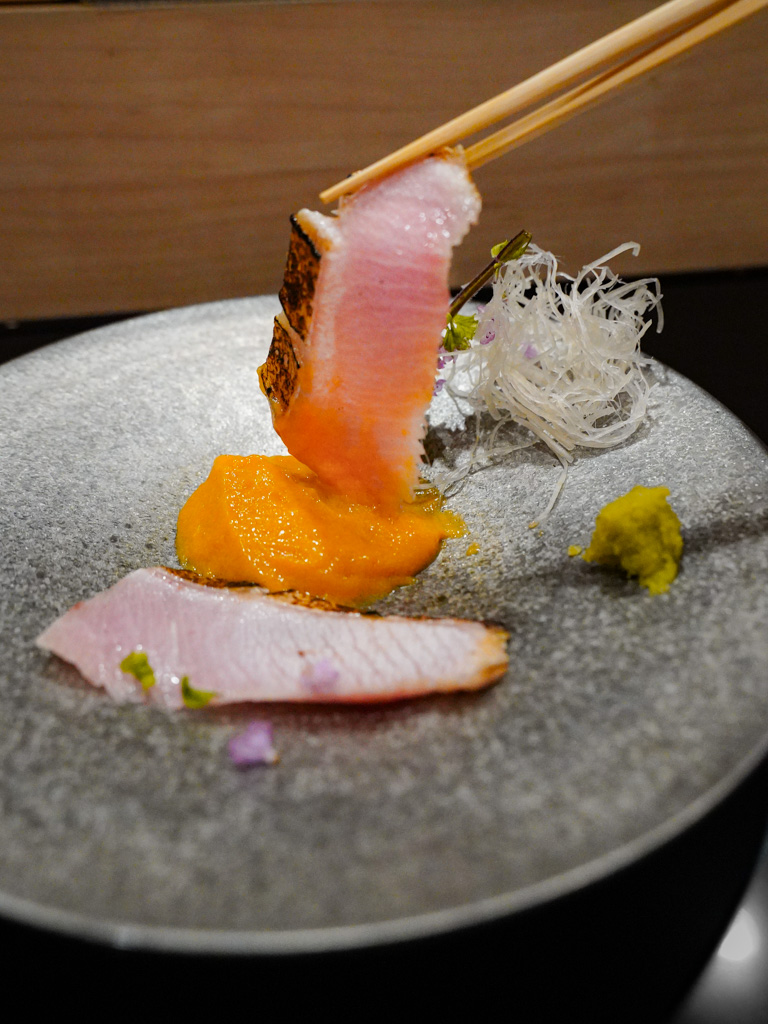
Another non-sushi dish that really impressed us was the torched yellowtail, served with an egg sauce.
Regular sushi eaters would know how sumptuously fatty and flavourful yellowtail is, and, even though yellowtail is quite heavily utilised in omakase settings, Sushi Masa’s creation is quite novel!
The decadent egg sauce accentuates the yellowtail’s flavour with oodles of umami and salinity, which plays well with the smokiness of the char.
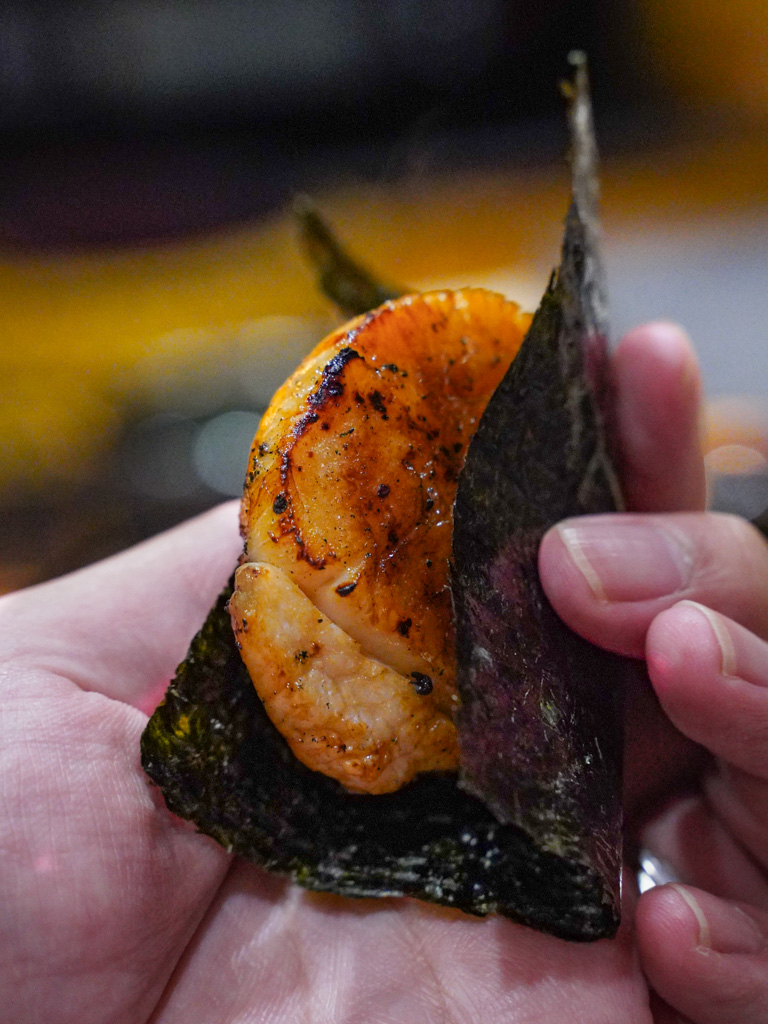
As huge scallop fans, we were also deep enthralled by the scallop, which is grilled and then served no-rice handroll style.
Oh boy, these massive scallops are grilled till juice-gushingly succulent, lightly firm and meaty, but not tough to chew at all.
Then, there’s the usual suspects at every high-end omakase: Ootoro (fatty tuna) and uni.
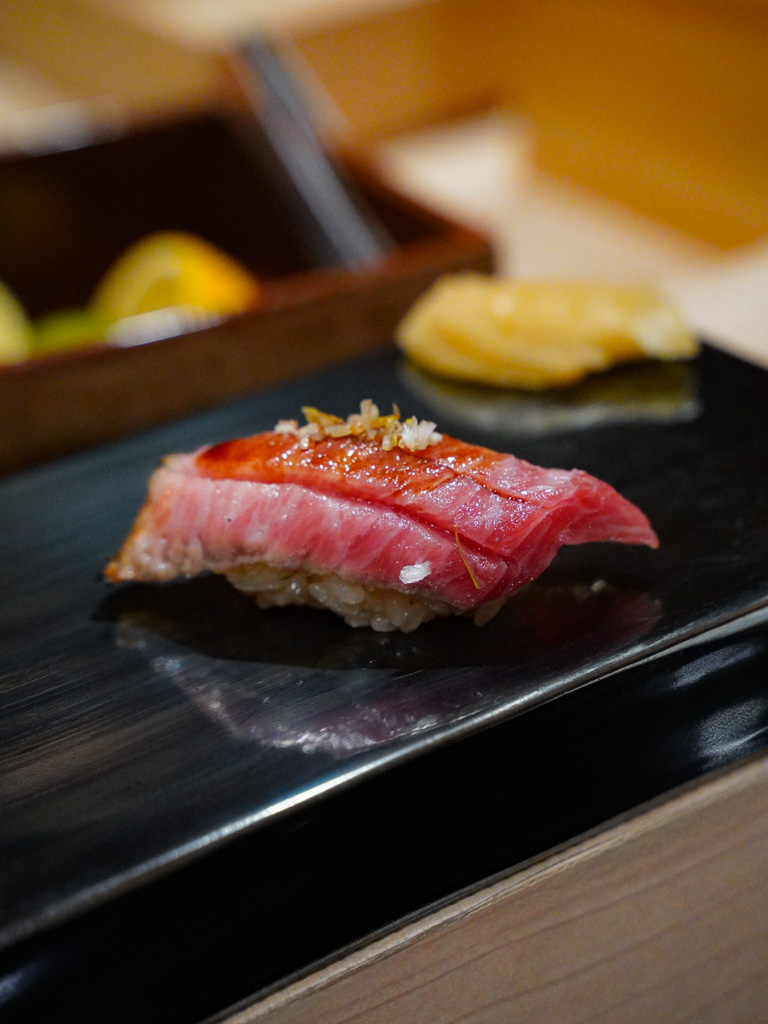
Often, these are done simply to show off the produce’s quality, but Sushi Masa does an excellent job at elevating its ootoro.
Chef Masa holds the ootoro over a flame and sears one edge, with plenty of ensuing pyrotechnics, due to the dripping tuna fat.
The result is a still monstrously umami and fatty ootoro, but with a beautifully caramelised side that adds just enough punch and sweetness to enliven the usually one-note — albeit delicious — profile.
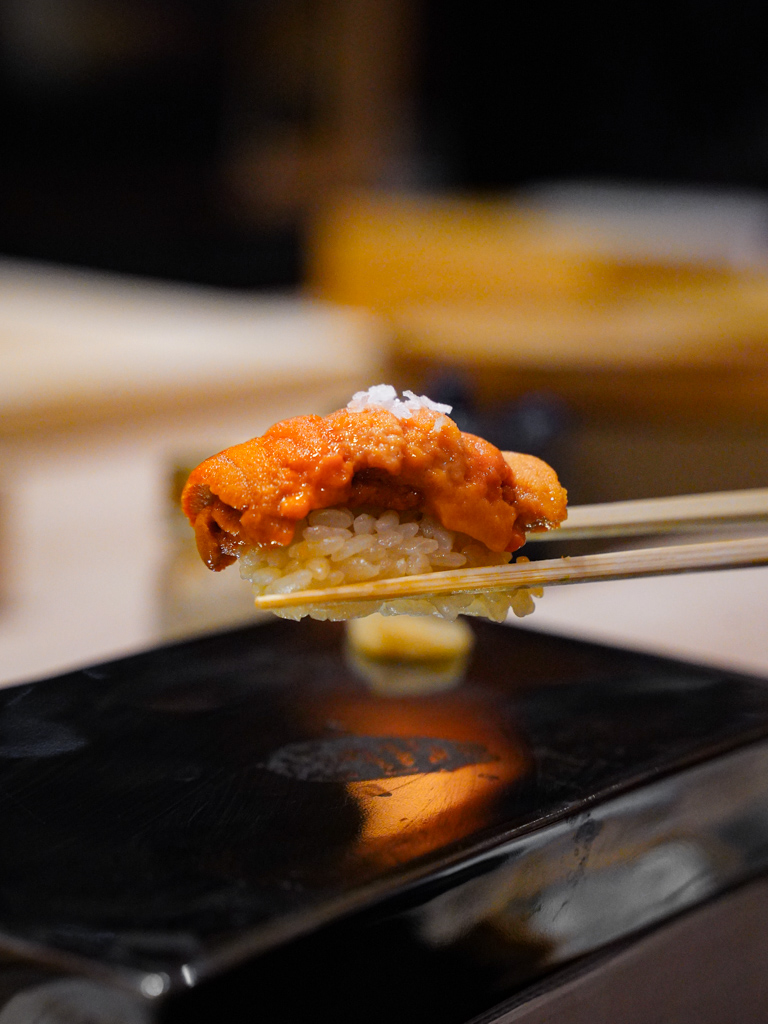
As for the uni, there are no theatrics and no flashy treatment at Sushi Masa for the sea urchin.
Still, this Hokkaido uni is undoubtedly one of the best of its kind we’ve had in Singapore.
It’s immensely sweet, elegantly briny, enchantingly velvety, and wouldn’t feel out of place even at the more prestigious, expensive, or even critically lauded omakase restaurants in Singapore.
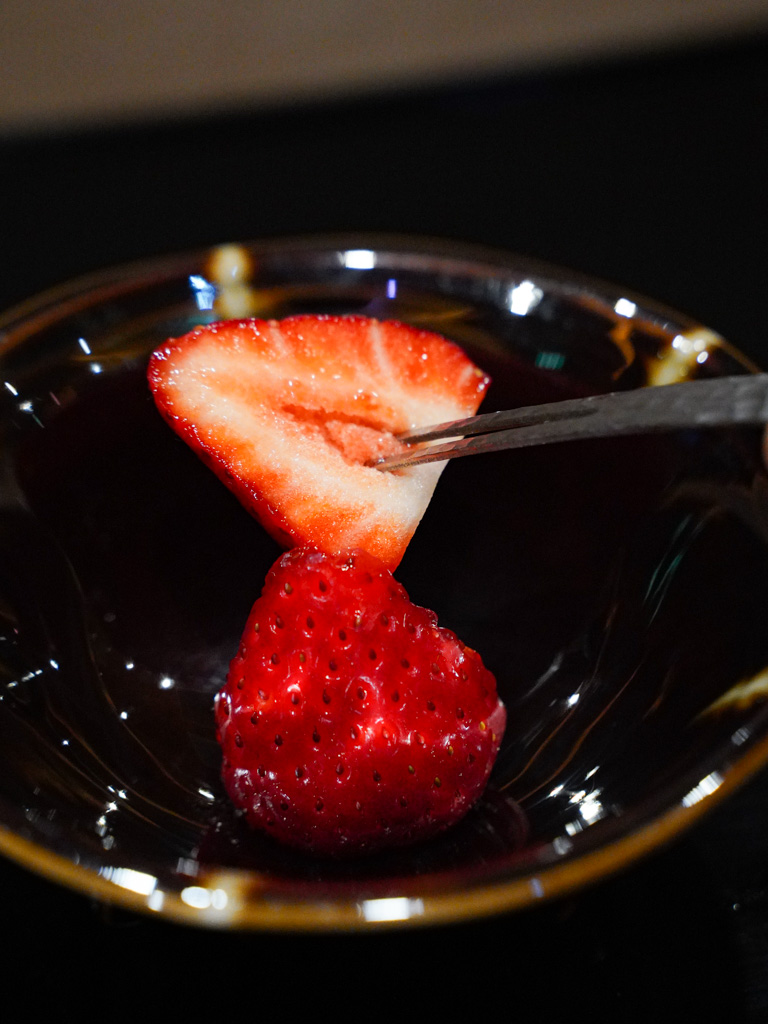
But you know what’s the best indicator of an omakase’s attention to detail, with regards to its produce sourcing?
To us, it’s the fruit that’s usually served for dessert, and Sushi Masa’s strawberries were a simply exquisite end to the meal. Lucky us!
While the price tag is not the most wallet-friendly, we think Sushi Masa does try its best to justify its price tag.
Top-tier ingredients, only one seating a night, and a small intimate space where you have almost all of the chef’s attention?
It’s probably not something you kind find easily, especially in Singapore’s expensive dining scene.
This was a hosted tasting.
For more ideas on what to eat, read our stories on the new curated food hall with Jumbo Group’s beloved brands and the smoothie shop opened by a viral home-based business!
Wed 7pm - 10pm
Thu 7pm - 10pm
Fri 7pm - 10pm
Sat 7pm - 10pm
- Somerset
- Dhoby Ghaut



Evan started off writing about food on Instagram, before joining outlets such as Buro and Confirm Good to pursue his passion. His best work usually comes after his first whisky shot in the morning.
Read more stories from this writer.