From Seoul Restaurant to Seoul & So at National Gallery: A fresh new chapter by the next generation

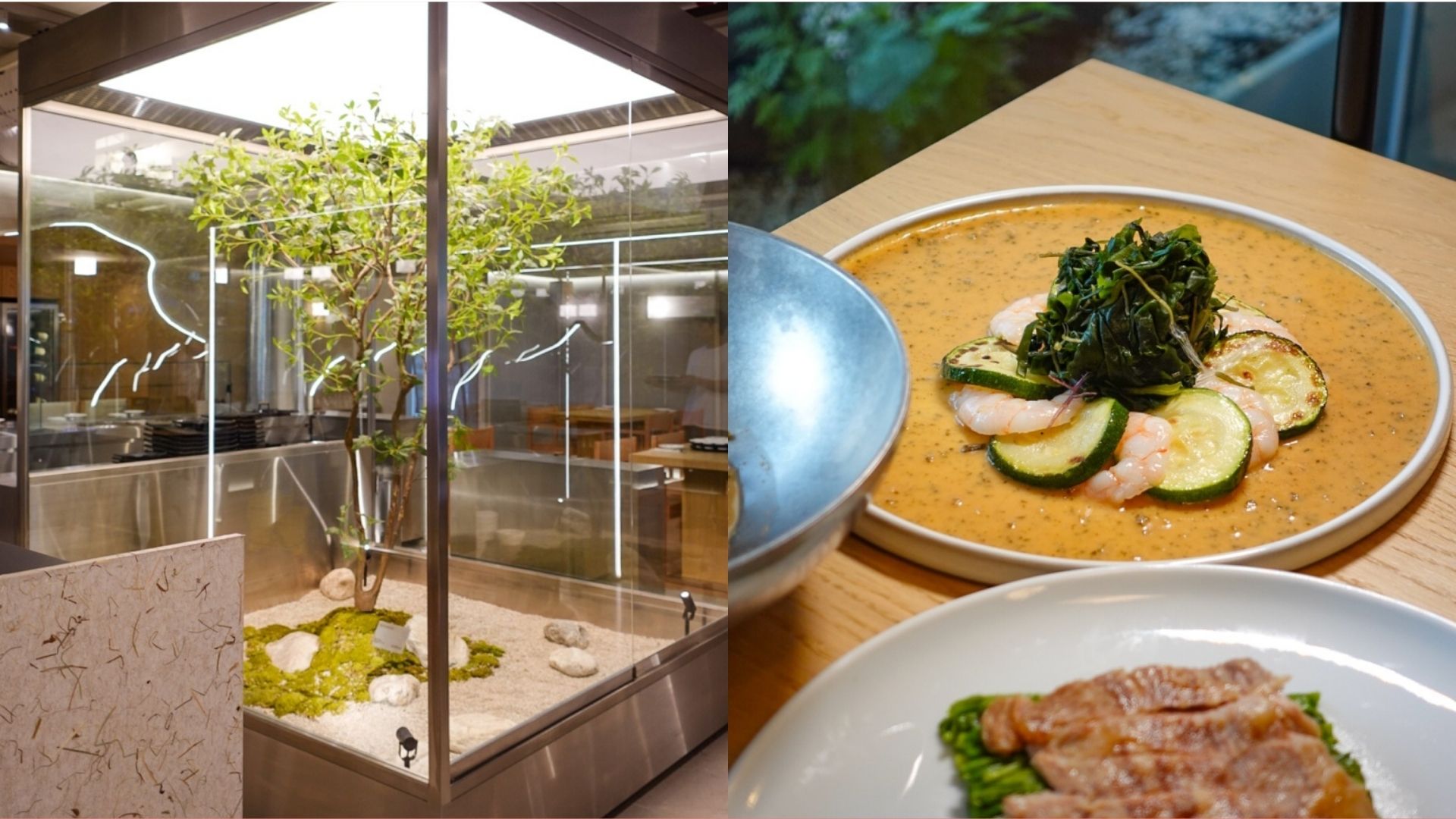
It’s not everyday you come across a Korean restaurant perched on the upper floors of an art gallery, much less one with a tree sitting at the centre of its space.
But beyond its location at the National Gallery Singapore, what drew us to Seoul & So was the story behind it.
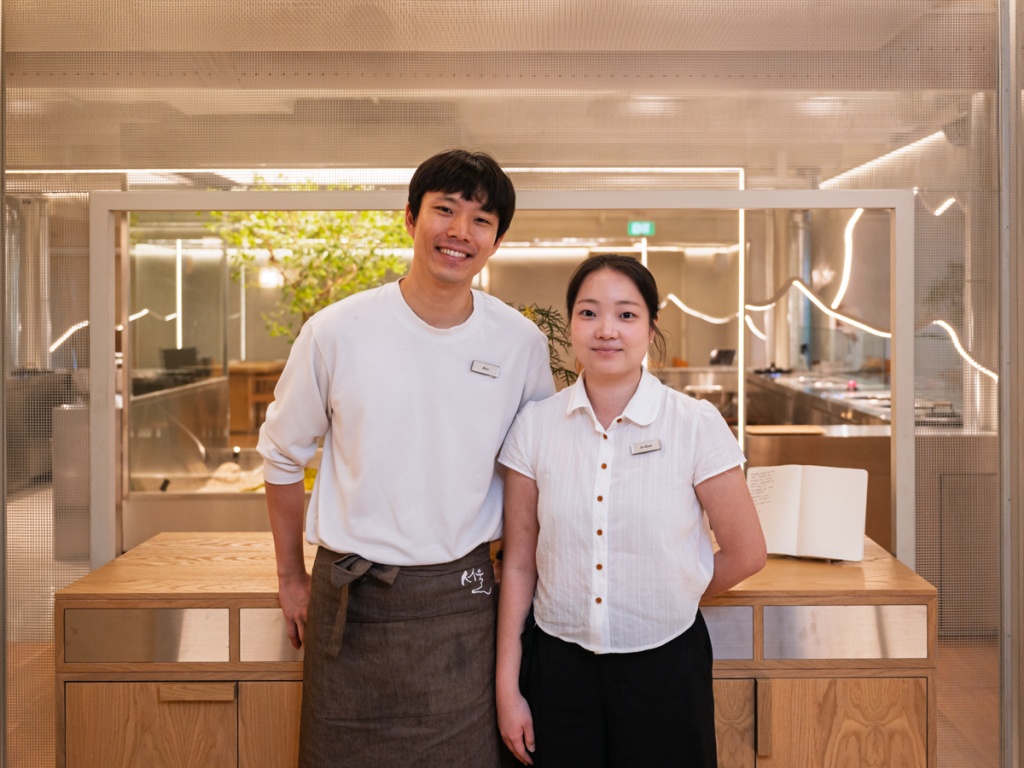
Opened on March 15, the modern Korean barbecue restaurant is helmed by siblings Rhee Hyuk Kee (who goes by “Rhee”), 34, and Rhee So Hyun, 31 — and is a concept that is entirely their own.
When Seoul & So was just Seoul Restaurant
The pair are the second-generation owners of Seoul Restaurant at Conrad Singapore Orchard, a long-running Korean barbecue buffet spot that their parents opened in 2010.
While they grew up around the business, both initially pursued careers outside of it — Rhee in finance, and So Hyun in translation work.
For years, their involvement was limited to the occasional check-in.
“We would always ask: ‘How’s business?’” Rhee recalls. “Or sometimes, we’d ask a bit more: ‘How are you doing with the bank loans? Is it serviceable?’”
While their parents would usually brush things off, that changed in late 2023, when they alluded to the business not doing well.
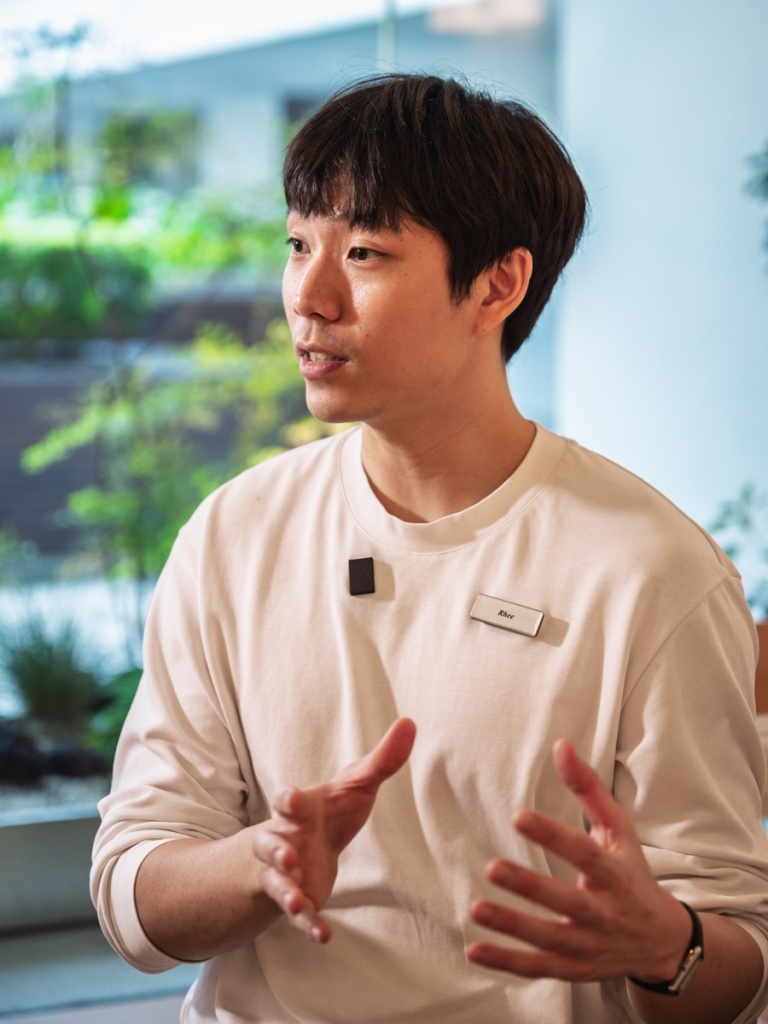
It was then that Rhee realised things weren’t as rosy as they seemed. “They normally don’t tell us these things, so when they did, we realised it was actually quite bad,” he says.
What followed was a gradual, but decisive step in. Rhee first split his time between his role at a US-based quant firm and the restaurant after hours, before eventually leaving his job entirely a few months down, to focus on turning things around.
As he delved deeper, it was clear that the issues weren’t isolated, but rather a combination of factors that had built up over time.
Most importantly, the stakes were personal. “Our parents were the personal guarantors of these loans for the business,” he explains. “We didn’t want that to affect their retirement.”
Over the course of the next year in 2024, the siblings — Rhee had roped So Hyun in, after taking stock of the entire situation — worked alongside their parents to stablise Seoul Restaurant. They tightened operations, cleared outstanding payments, and brought things to a more sustainable footing.
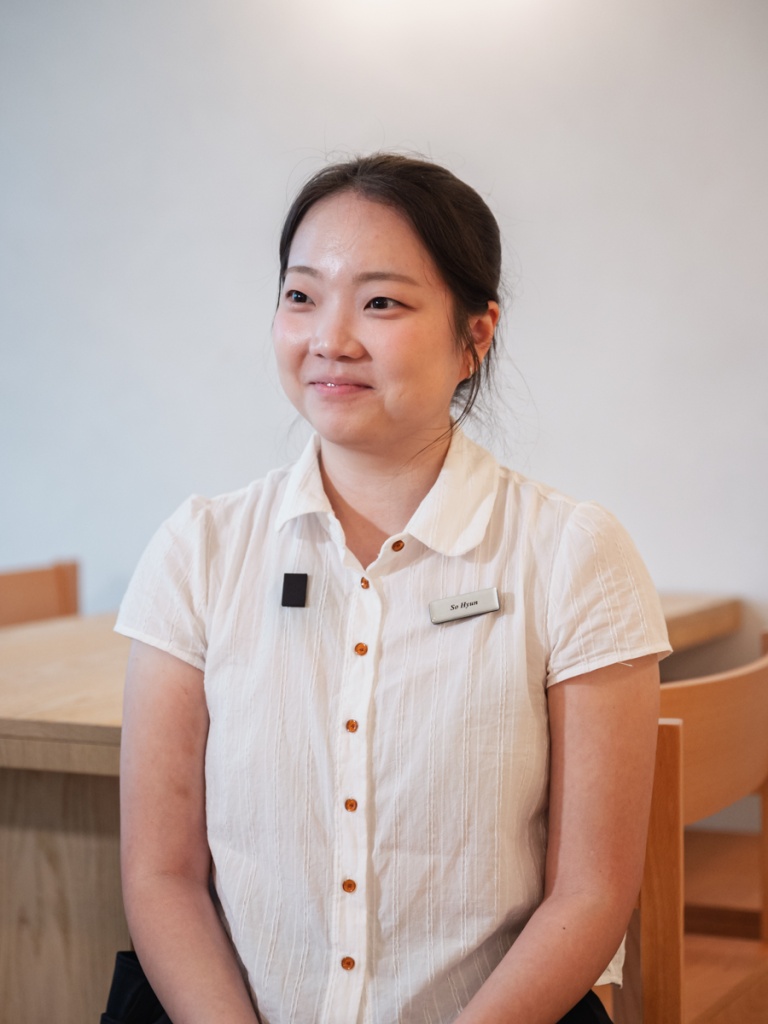
It wasn’t easy. “It was all hands on deck,” Rhee says. Not only were they at the restaurant daily, but they also drew minimal salaries as they worked to clear the loans, which totaled about S$600,000, he adds.
The effort paid off. Within a year, the loans were cleared and their parents were also able to step back and retire with peace of mind, after seeing that the restaurant was finally in good financial health.
With this resolved, the gears in Rhee’s head gradually shifted from survival to something else: What’s next?
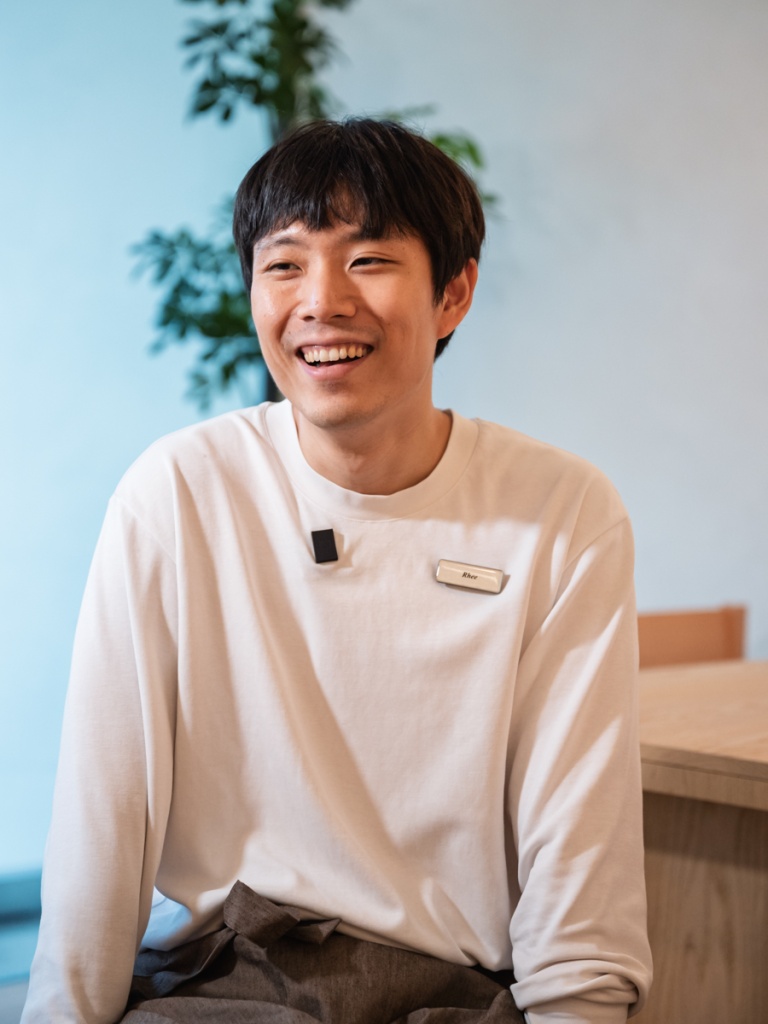
“We spent a year here in F&B doing this for our parents, but if we just continued to steward and run Seoul Restaurant, 10 years from now, I might feel a bit of regret,” Rhee says.
He sat his sister down one day. “We can continue to do this, or we can do something of our own,” he recalls.
And that “something” would eventually become Seoul & So.
A different take on Korean barbecue
While Seoul & So is rooted in the same Korean barbecue foundations as Seoul Restaurant, it isn’t meant to mirror what came before.
As So Hyun puts it: “As much as we really love Seoul Restaurant, there were also unfavourable memories there,” in reference to the year they had dropped everything to save the business.
“We wanted this new concept to be a place where there is no love-hate complication,” Rhee adds.
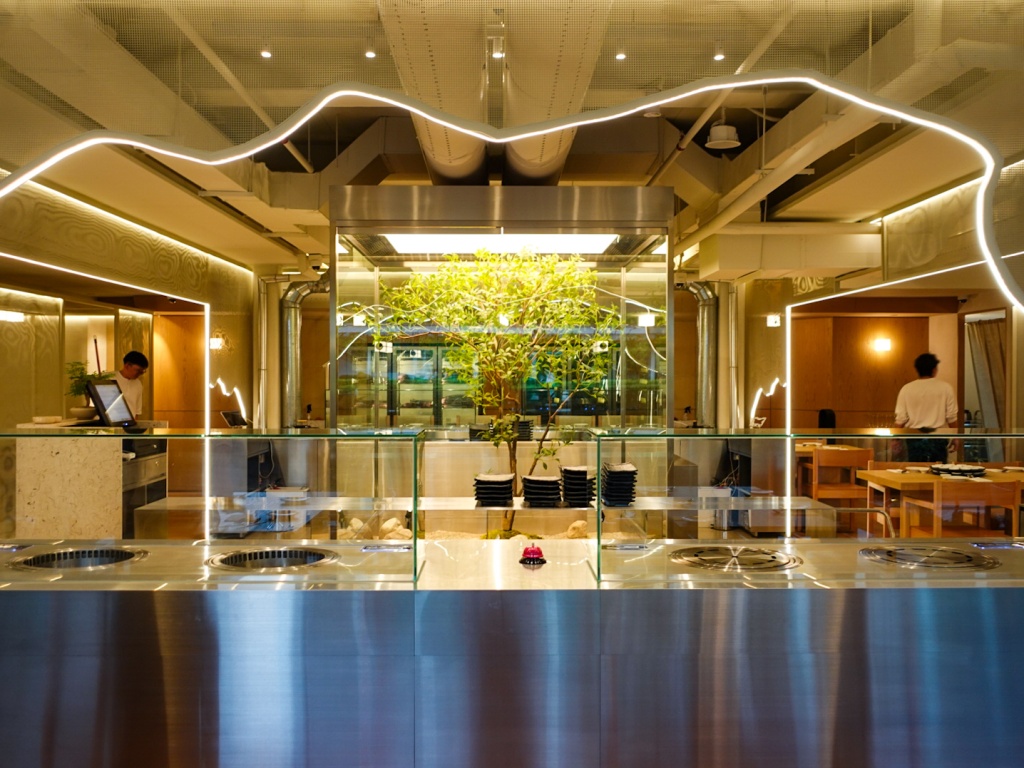
The most noticeable difference at Seoul & So is how Korean barbecue is executed here.
Everything is centralised at a dedicated station, so diners can still see and hear the meat being cooked — complete with the sizzle and smell — but remain at arm’s length from the action.
It may be a small logistical change, but one that came about from a pain point that Rhee himself had experienced when working at Seoul Restaurant.
“In Korea, diners will grill the meat themselves and proceed to eat it once it’s grilled. But in Singapore, diners prefer to take their time, and let the meat sit,” he says, adding that this results in the meat going stale as the diners chat and dig into other dishes.
Rhee says Seoul & So encourages diners to order smaller portions at a time, so they can enjoy the meat hot, right up till the last piece, and just add additional portions later on, if they’d like more.
Rhee muses: “That’s the essence of Korean barbecue — having it as hot as you can, off the grill.”
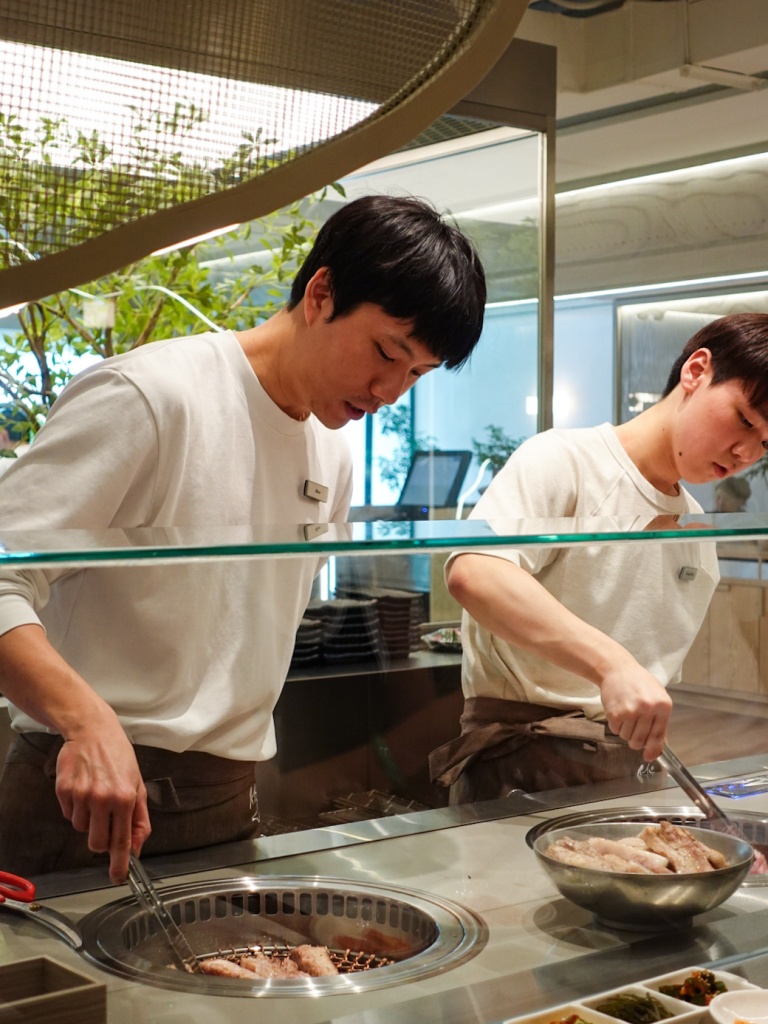
Another benefit to having the grilling done away from the table: “Sometimes, the diners could also be talking about something more private or intimate, and the griller is awkwardly standing there,” says Rhee.
The result is a meal that feels less chaotic and deliberate — less staff milling about, less pressure on diners to polish meats off the grill, and a good, steady pace of freshly grilled meats — and one that’s attuned to local dining patterns, too.
Creating a calm space at the Gallery
There is also a certain intentionality to opening Seoul & So at the National Gallery.
“We always wanted a destination location,” Rhee says, citing their experience with Seoul Restaurant in a hotel setting. At the same time, they were keen to avoid more saturated dining areas such as the CBD or Orchard, which would compete with their existing restaurant.
They were exploring City Hall when an opportunity at the National Gallery surfaced.
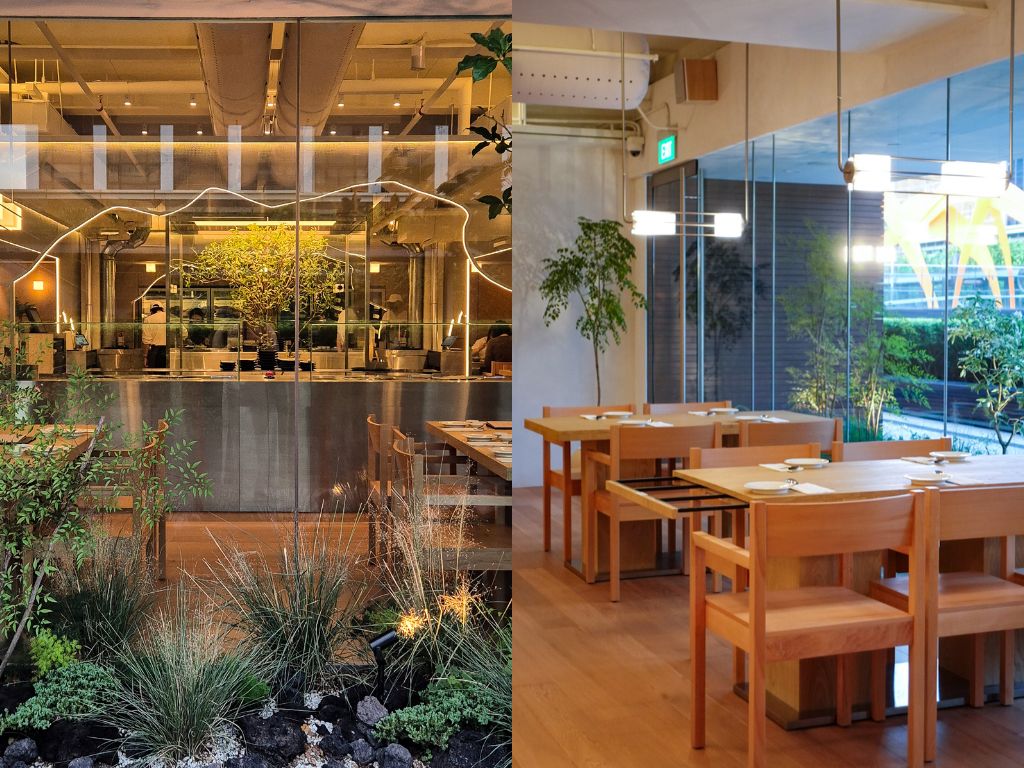
“I had already said it would be nice if we could be here,” he recalls, in reference to the National Gallery spot. “So when it came up, it felt perfect.”
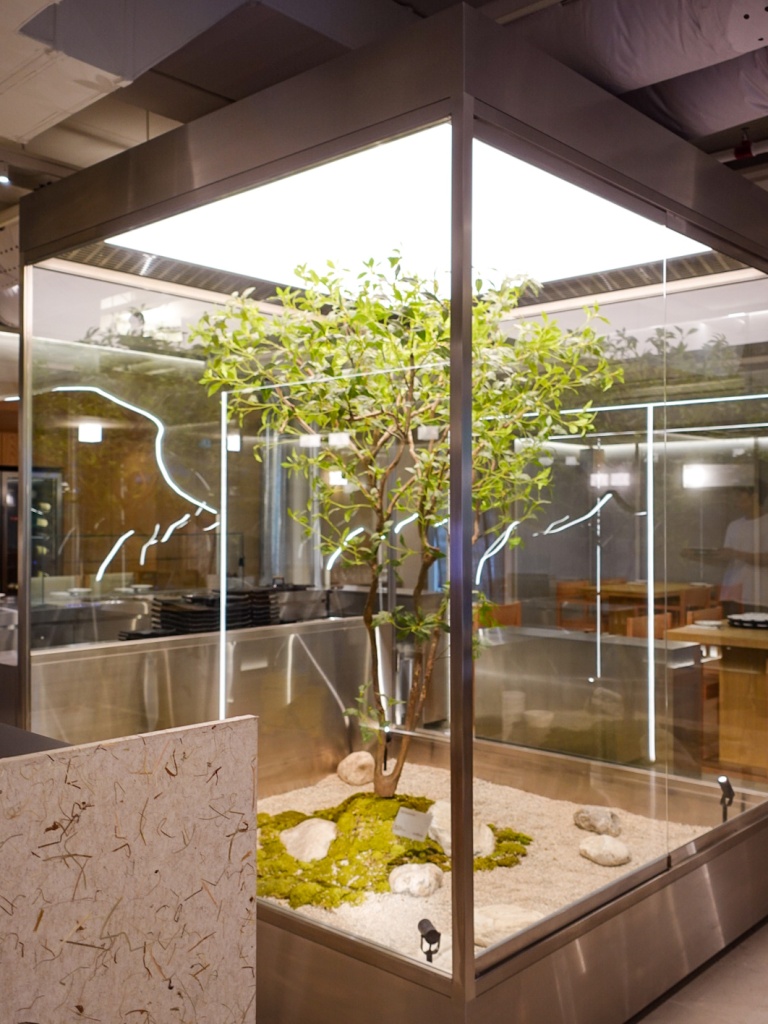
The space itself is also a considered one: Clean, modern, and minimally styled, it is anchored by a tree installation that softens the room and grounds the space.
“I think people associate Korean barbecue with a lot of senses — it can be quite hectic,” he says. “We wanted to balance the high energy that K-BBQ has, with the calmness of a space like the gallery.”
Seoul & So’s menu — same same, but different
At its core, Seoul & So calls back to what the siblings grew up with: “My dad is a chef through and through… and even here, we’re still using some of his recipes,” Rhee says.
But while Seoul Restaurant was buffet-style, Seoul & So adopts a more deliberate a la carte approach — spanning starters, meats from the grill, “post-mains”, and shareables — with grilled meats as the clear centrepiece.
The meat selection range from the Korean staples of pork belly (S$19/100g) and pork collar (S$19/100g) to more premium options including Korean Hanwoo — starting at S$39/100g for the inside skirt cut — and Japanese wagyu, which goes from S$39/100g for the Gwangyang bulgogi, a sauced-up, smoky chuck eye rendition.
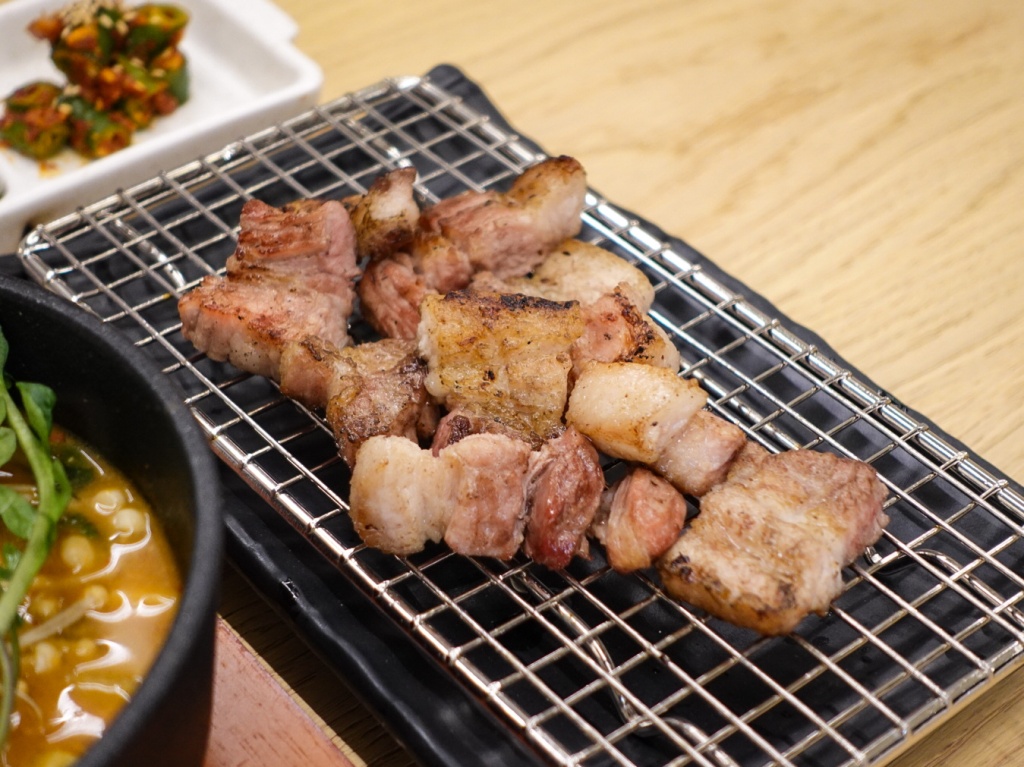
It bears noting that most of the meats require a minimum order of 200g, though diners are encouraged to order progressively.
Supporting the meats is a thoughtful starters section — a more elevated take on banchan (side dishes), reimagined as standalone plates.
In fact, Seoul & So’s banchan isn’t the usual home-style kind that you might see in a restaurant such as Seoul Restaurant — it serves a smaller, curated selection that pairs better with meats.
In its elevated form under Seoul & So’s starter section, the dishes are designed to give these flavours more prominence.
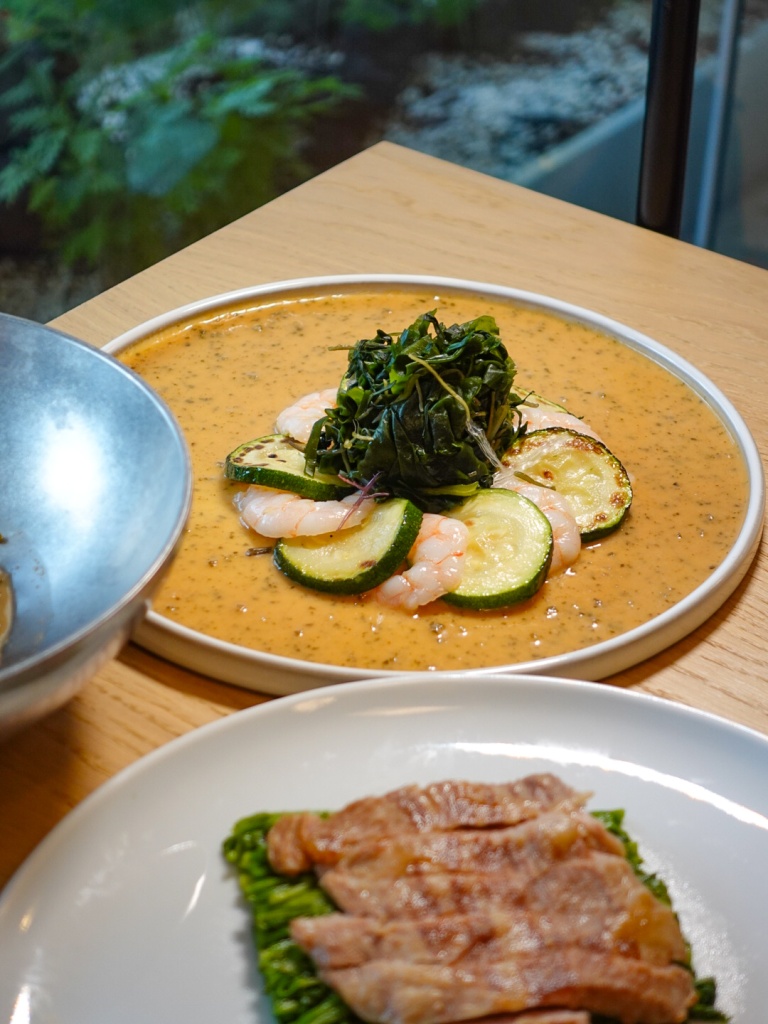
The doenjang naeng chae (S$19), a chilled mix of kelp, zucchini, and fresh, crunchy prawns in a nutty, savoury soybean paste with garlic and sesame, is refreshing, texturally varied, and very tasty overall. Even my non-greens-loving colleague found himself going back for more.
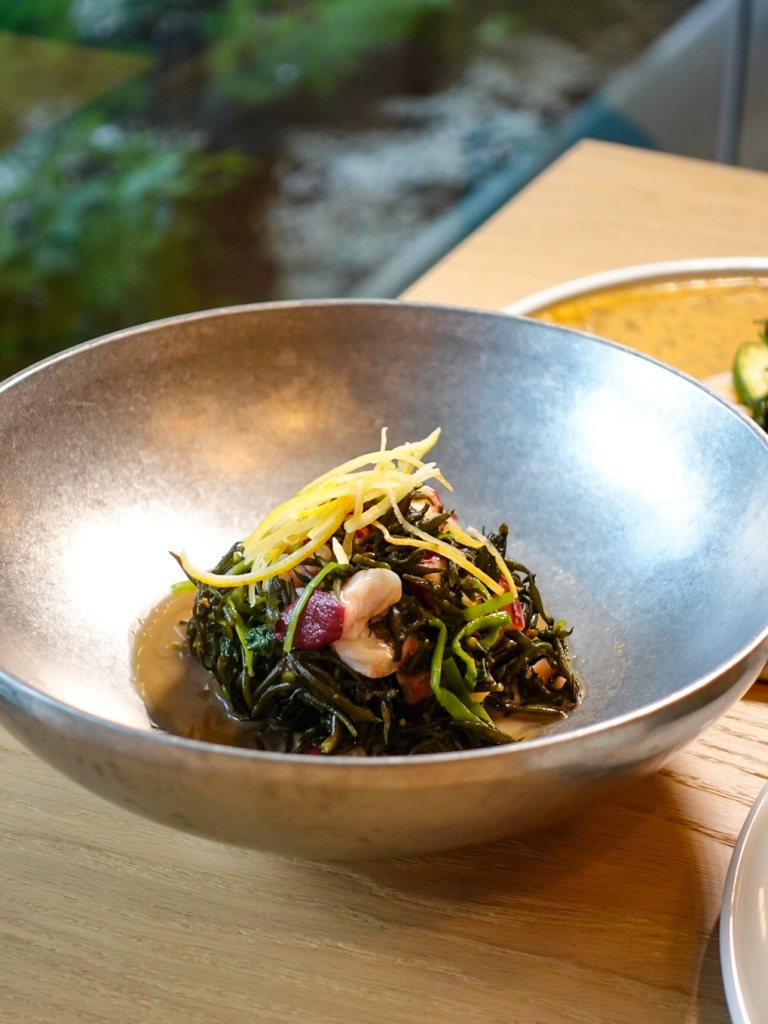
The ganjang naeng chae (S$19) follows a similar template, pairing greens with octopus and a brighter citrus-soy dressing. The octopus is fresh, with a pleasant bite, while the light tang makes for a lively start to a meat-heavy meal.
For the naeng suyuk minari (S$19), a dish of cold-sliced pork jowl with fresh water celery, was less of a hit, however. While the pork itself was tender and well-executed, the water celery leaned slightly fibrous, with the longer cuts taking a bit more effort to chew through.
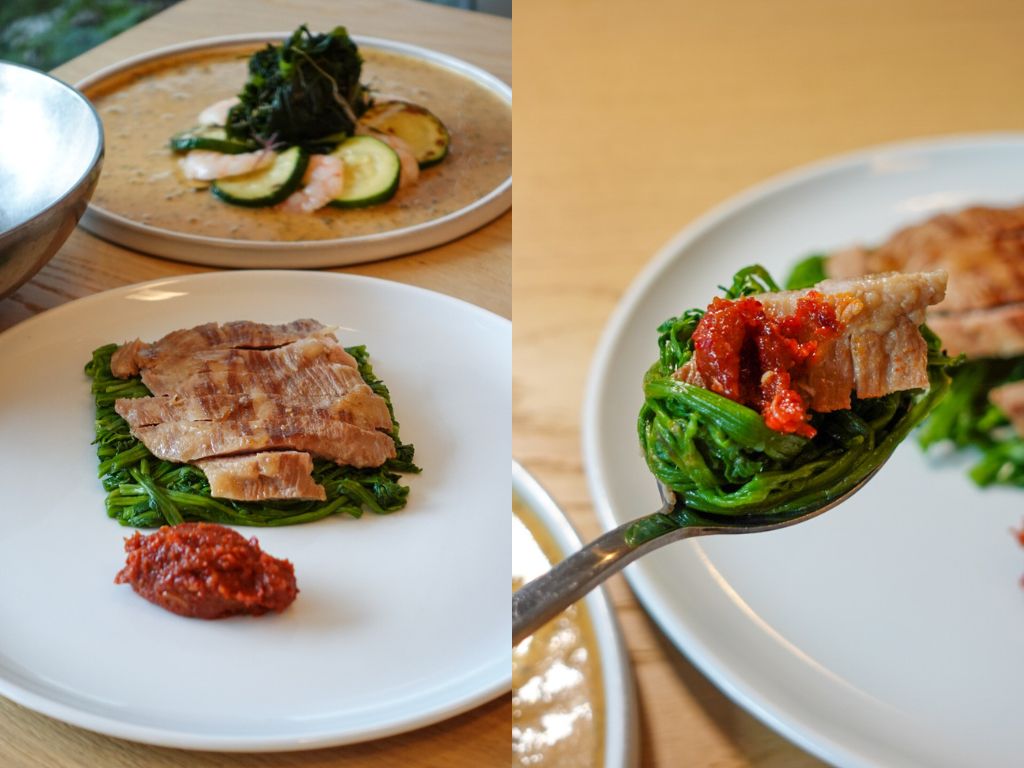
To their credit, Rhee and So Hyun are quick to take in the feedback, discussing adjustments on the spot to make the dish more approachable for diners.
Another thoughtful touch is the “post-mains” category, which houses stews and noodle dishes.
“We wanted to call it ‘post-mains’ because these are usually eaten after the meat,” So Hyun explains — a subtle way of guiding diners towards a more traditional Korean meal flow, as opposed to having everything at the table all at once.
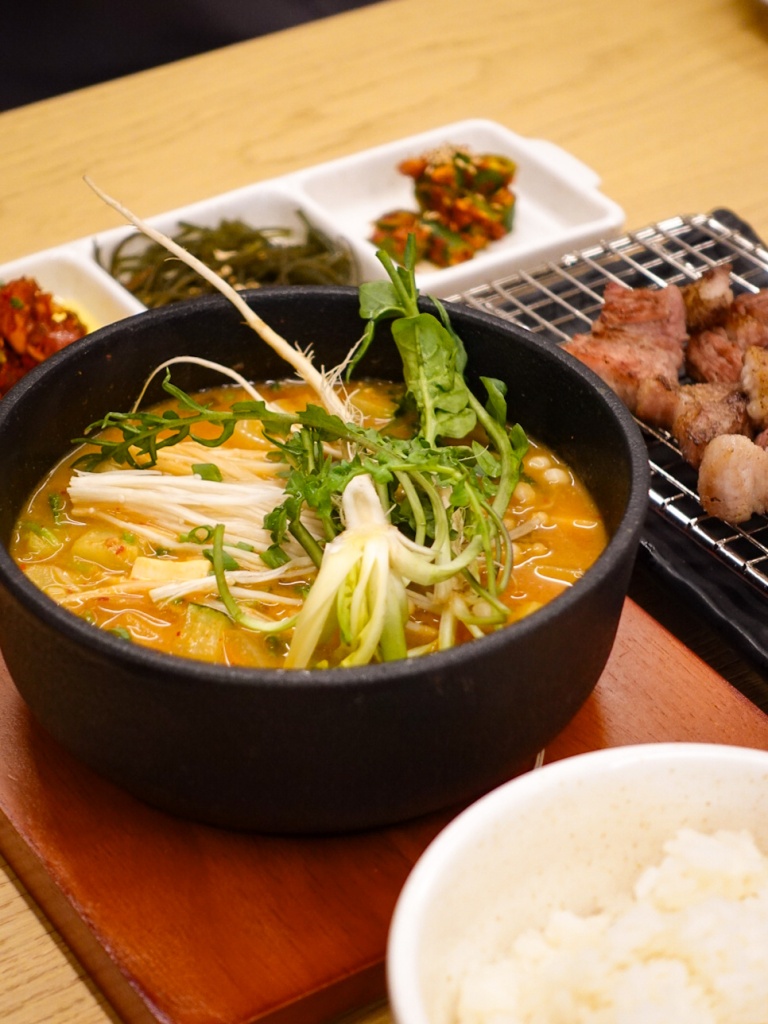
Standouts for this section are the naengi doenjang jjigae (S$19), a soybean paste stew made with naengi (a less-often-seen Korean spring green), and the naeng kalguksu (S$19).
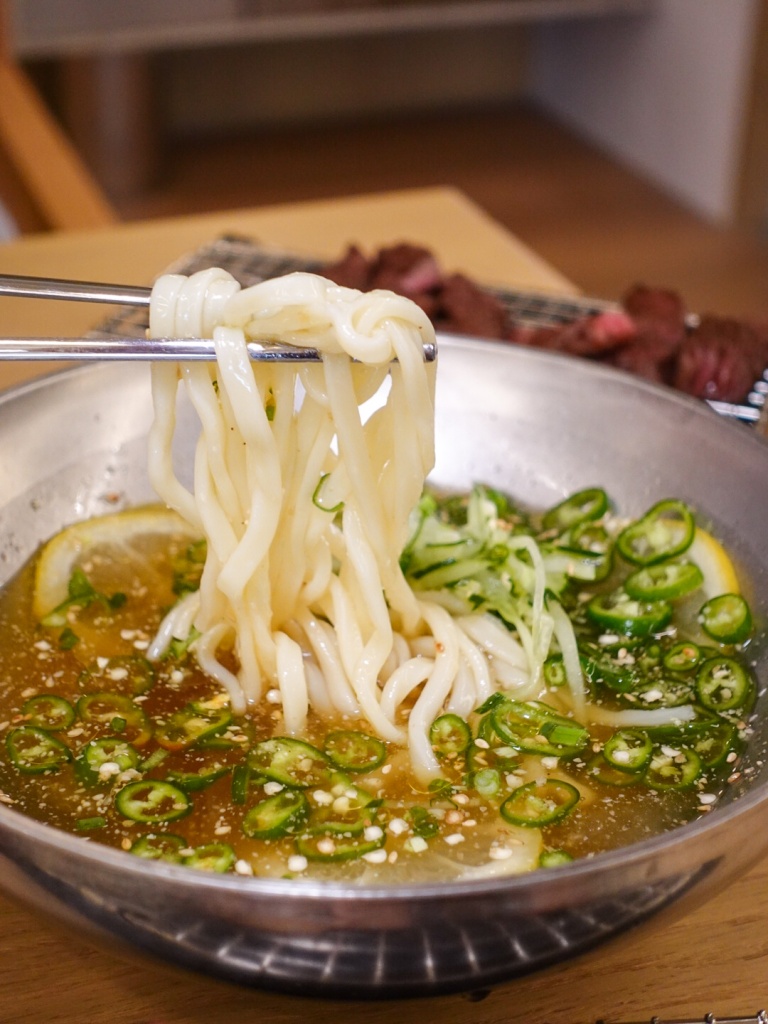
The latter features knife-cut noodles served in a cold soy broth and isn’t often found here — most restaurants serve cold buckwheat noodles instead. There is a touch of jalapenos in the icy broth, and makes for an insanely refreshing treat once you’re done with the decadent proteins.
Rounding out the menu is the shareables section, featuring familiar crowd-favourites such as gyeran jjim (steamed egg, S$15), buchujeon (crispy chive pancake, S$25), and japchae (glass noodles with seasonable vegetables, S$35).
While its offerings aren’t priced as exorbitantly as I had expected, if you’re still looking for a more wallet-friendly way to enjoy Seoul & So, its weekday executive set lunches are your best bet, starting at just S$35 for an appetiser, main protein (150g of Jeju pork belly or iberico pork collar), an individual-sized post-main, and a dessert.
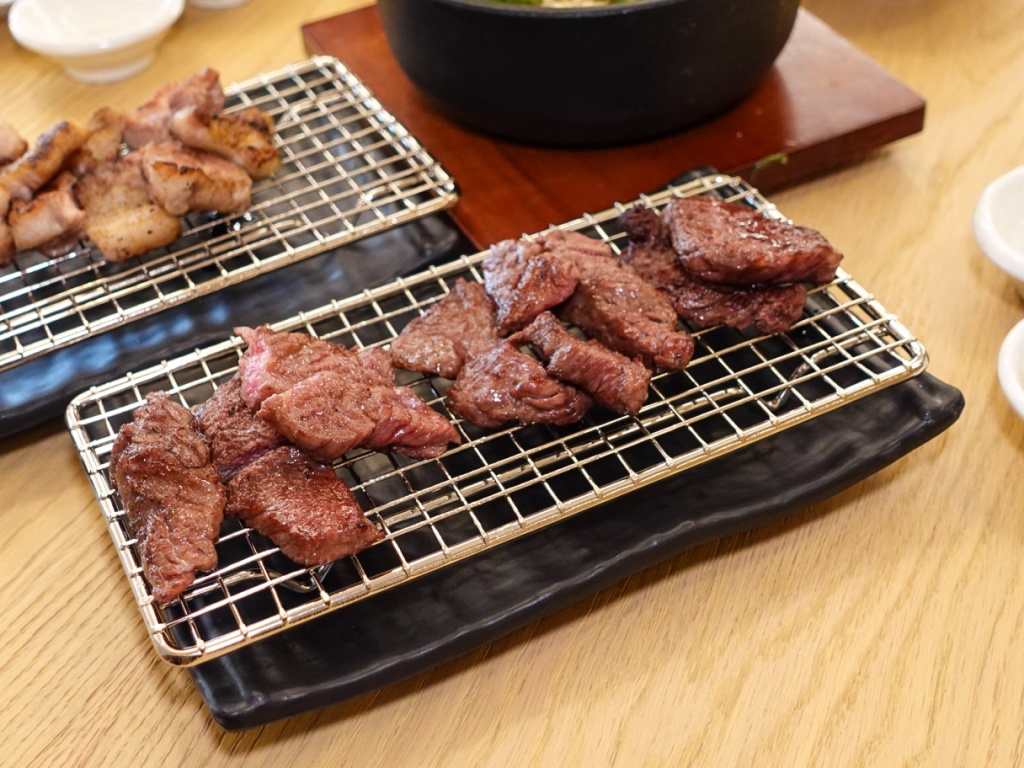
If you want to splurge, it also has a Hanwoo tasting course at S$119 for eight courses — this is, however, only available from May 1 onwards, and with a prior booking, so you’d do well to check with the restaurant if that’s something you’re keen on.
Something of their own
Beyond the food, much of the experience also comes down to its unique approach to its service.
The siblings remain guided by the idea of “jeong”, a Korean concept that refers to affection and warmth — something their parents taught them — while building on their own brand philosophy of “nang man”, or the idea of being free-spirited and romanticising everyday moments.
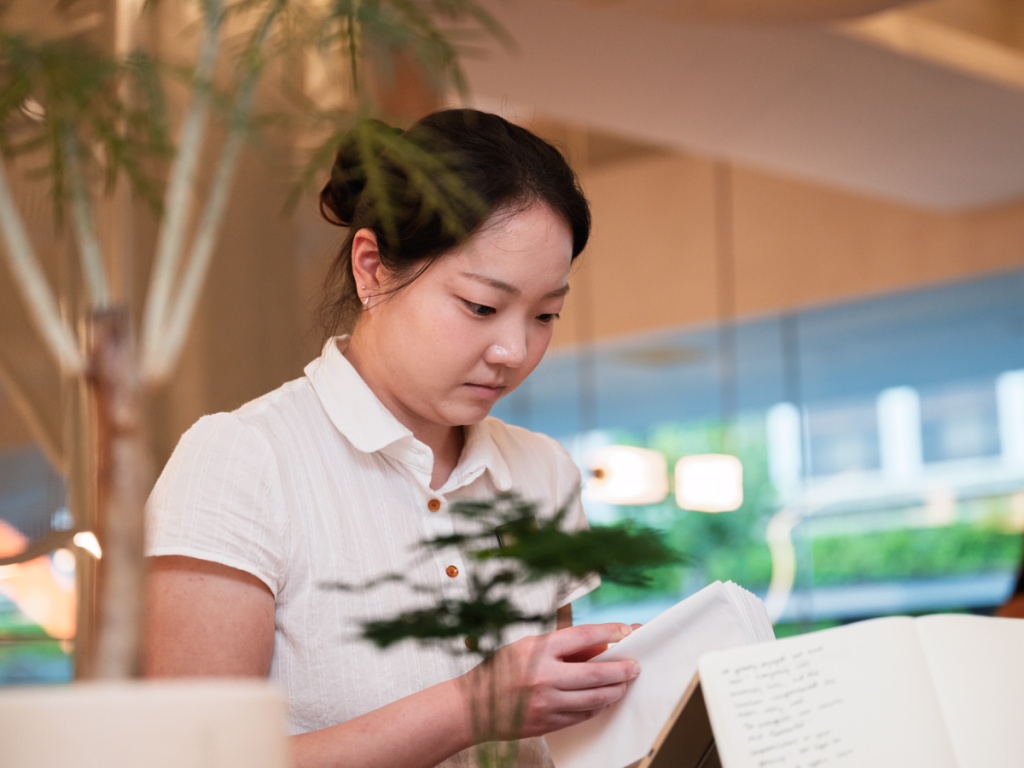
At Seoul Restaurant, service was always about quiet diligence: “We’re not the kind that talks at length with our customers, but misses out on their iced water refill, for example,” Rhee says.
The foundation remains at Seoul & So, but is expressed with a slightly different energy. The aim is to create a space that encourages diners to be present, and to enjoy the moments, however small.
This might take the form of inviting a guest to step behind the centralised grilling station to try cooking for themselves, or a service crew having a welcome drink with diners. The gestures are simple, but all little ones that nudge you to be unapologetically yourself.
That also translates to the way the siblings run Seoul & So.
“These days we’re more confident about serving the authentic experience, even if that might not be what locals are familiar with,” Rhee says. “We’re no longer afraid to say things like: ‘This is how you should eat bibimbap.’ We feel more confident to just do it our way.”
As the interview comes to a close, I recount a tender moment from the restaurant’s opening day: The siblings standing at the entrance with their parents, poring through the menu, as they quietly commend Rhee and So Hyun on a job well done.
It felt like a baton being passed from the first generation to the next.
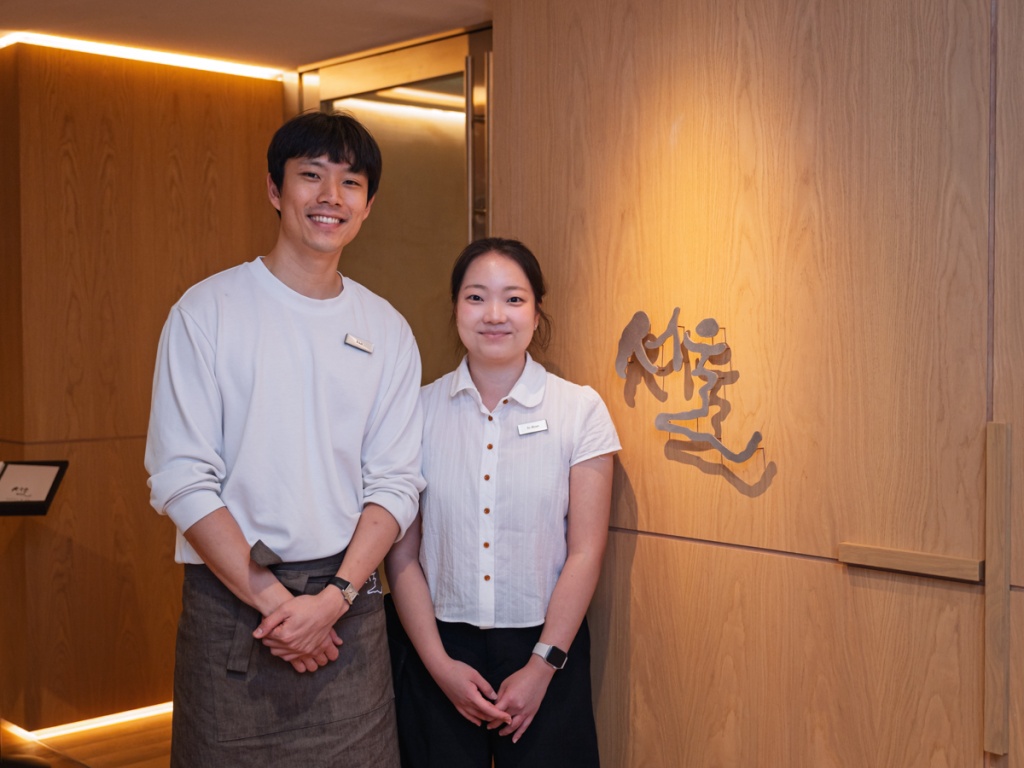
Seoul & So may mark a step in a new direction, but the connection to its roots remains evident, whether it is in its name, the logo, or in the values that continue to shape the way the Rhee siblings run the restaurant.
Taken together, Seoul & So doesn’t just feel like a fresh overhaul, but as a continuation of Seoul Restaurant’s legacy — one that refines what came before, in a way that’s uniquely Rhee’s and So Hyun’s.
Perhaps in a sense, that’s also an apt expression of “nang man” — being unapologetically yourself, while not forgetting the little moments that have brought you to where you are today.
This was a hosted tasting.
For more eats around City Hall, check out the all-new Sio Pasta at Raffles City Shopping Centre or Rodeo Table, a Tex-Mex spot within a toy museum.
Tue 12pm - 3pm, 6pm - 10.30pm
Wed 12pm - 3pm, 6pm - 10.30pm
Thu 12pm - 3pm, 6pm - 10.30pm
Fri 12pm - 3pm, 6pm - 10.30pm
Sat 12pm - 3pm, 6pm - 10.30pm
Sun 12pm - 3pm, 6pm - 10.30pm
- City Hall



Sarah is constantly seeking out new coffee spots and cocktail bars around the world, and should probably drink more water while at it.
Read more stories from this writer.