Nekobushi: Orchard Plaza’s new udon shop by chef-owner of popular izakaya Hearth and Yet To Name Ramen team

If you missed your chance to savour the viral Yet To Name Ramen at Orchard Plaza, here’s a new hot opening you should try to get a seat at: Nekobushi Udon.
Japanese food lovers will remember how viral the Yet To Name Ramen pop-up went. It ended in July, but the team is now back with a new concept at the same space.
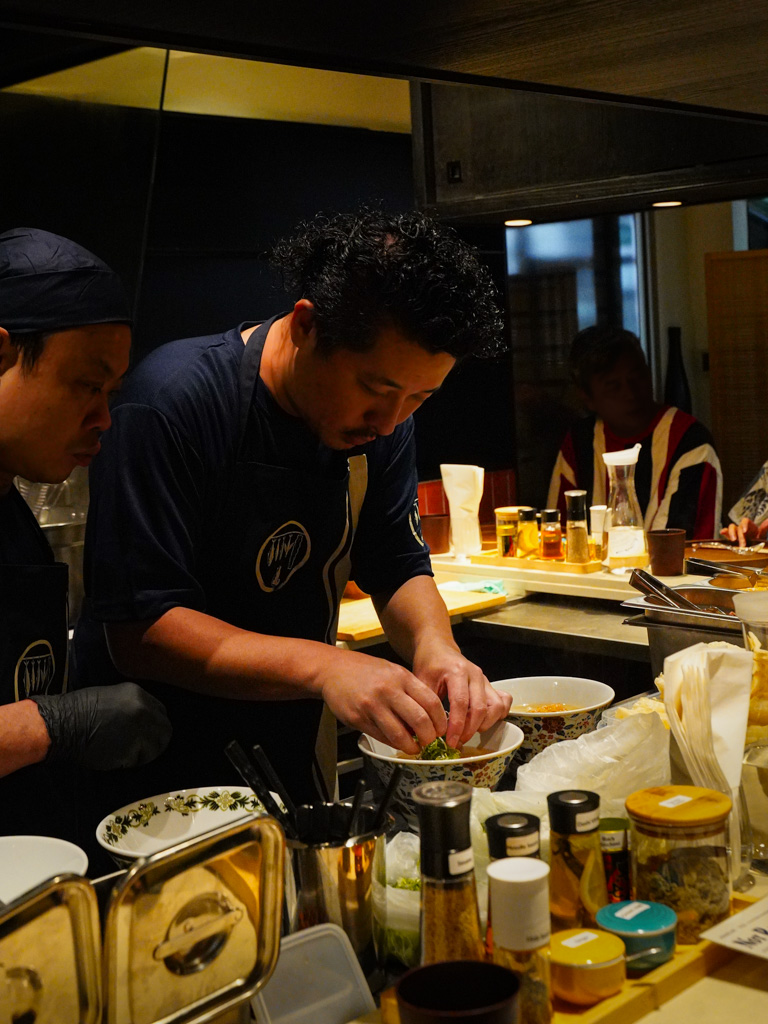
This time, they are focusing on Japanese udon, in collaboration with Koki Miyoshi, the chef-owner of popular Tanjong Pagar izakaya, Hearth.
While Yet To Name Ramen often featured long queues, Nekobushi Udon is a reservation-only establishment.
Officially launched on October 7, Nekobushi Udon is quite different from the grill-heavy Hearth.
Chef Koki puts out meticulously crafted soup udon — there’s udon, and only udon.
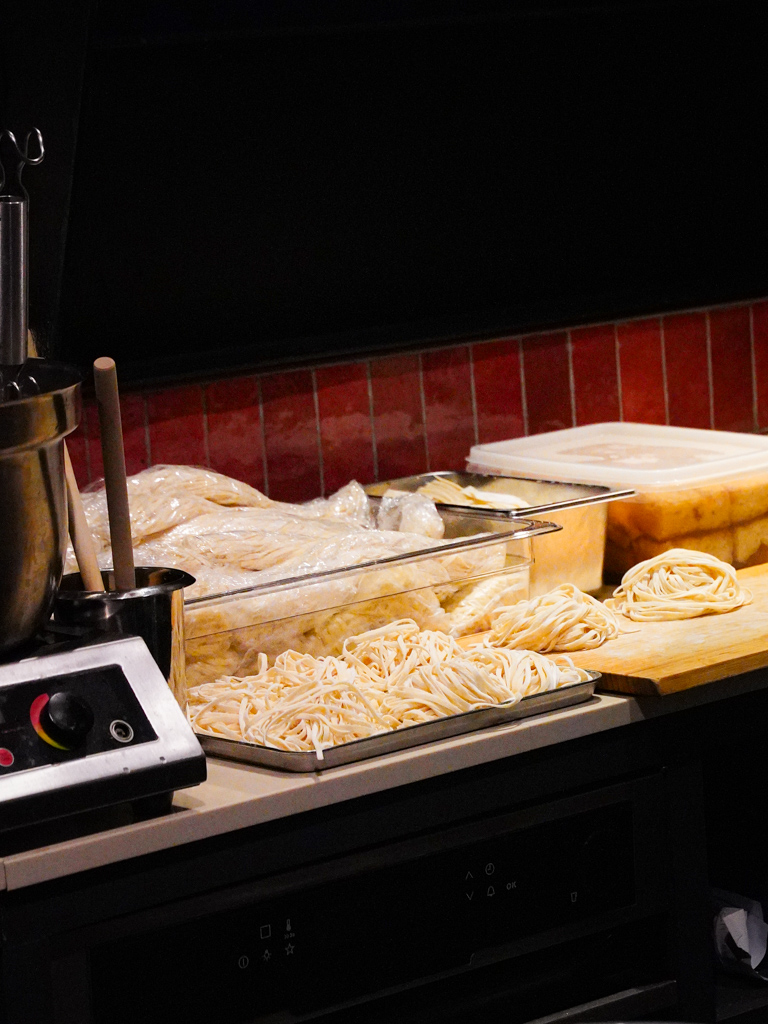
Each bowl is built on an in-house dashi broth made from kombu and four types of fish. Meanwhile, the noodles are specially made by a local factory, and are thin and flat, unlike the usually rotund store-bought udon.
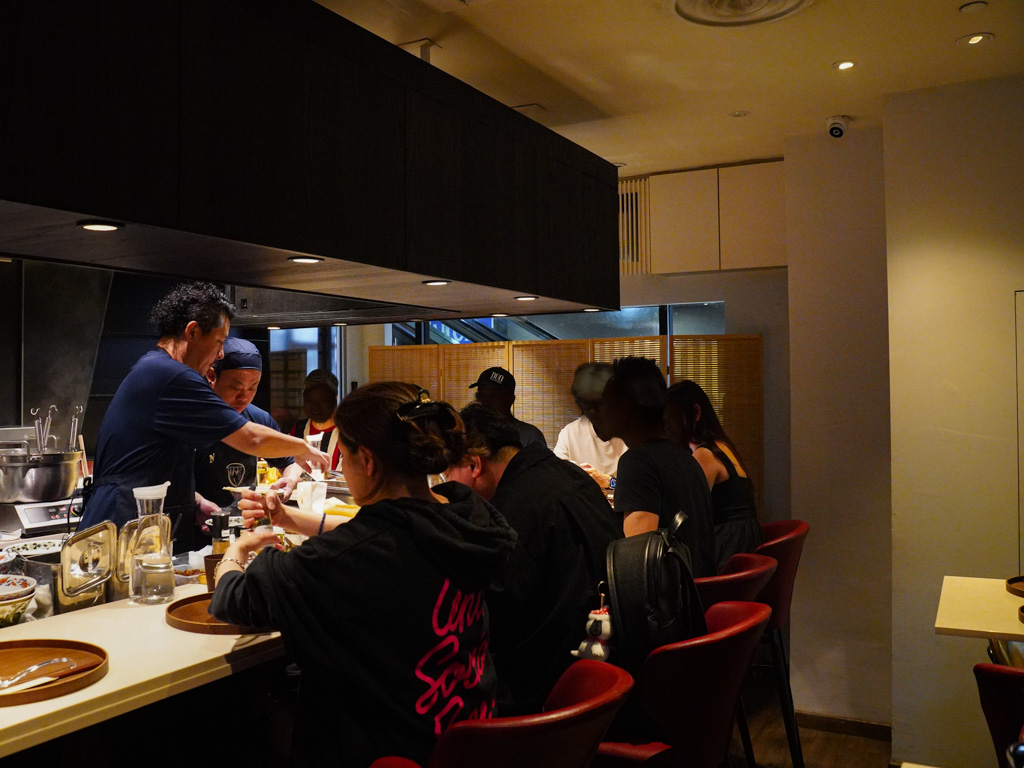
The intimate noodle bar seats around 14 people only, so reservations are hard to come by — reservations for the first week were quickly snapped up, though vacancies due to last-minute cancellations do pop up occasionally.
Our tip? Subscribe to Nekobushi Udon’s bot on telegram, which will inform you when bookings for the week are released on Monday at 12pm!
Nekobushi Udon’s menu
Due to its very limited quantities — just 100 bowls a day — you will need to reserve your bowls of udon when you make your booking.
But that is quite a simple decision to make, since Nekobushi Udon only has two options: kitsune (S$14.80) and gyu (S$18.80) — or you can get both.
Both bowls feature the same udon, which is very silky and absorbs the broth very well. Nekobushi’s version comprises both a thin udon and a wider, flatter udon to add a bit more chew!
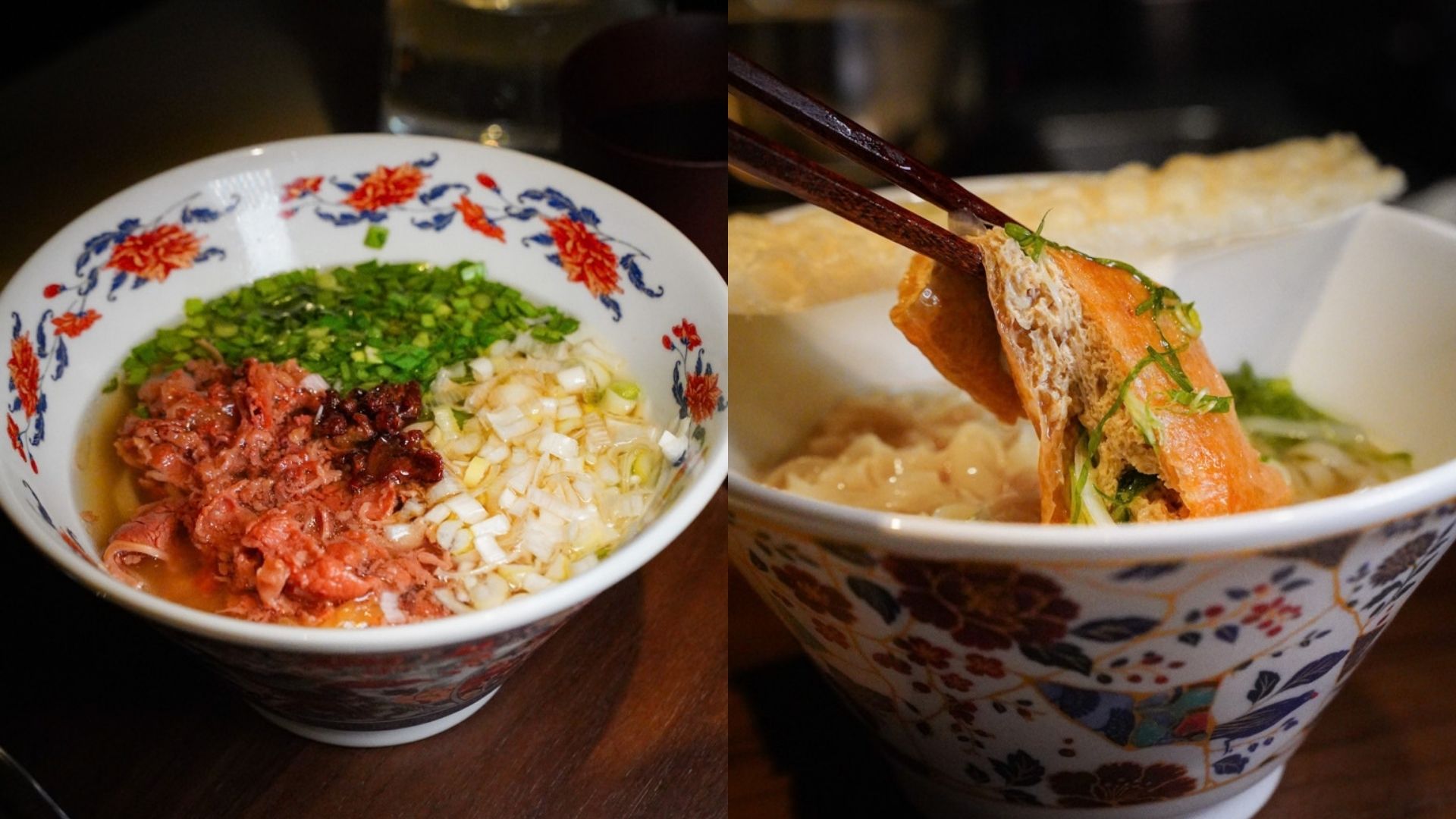
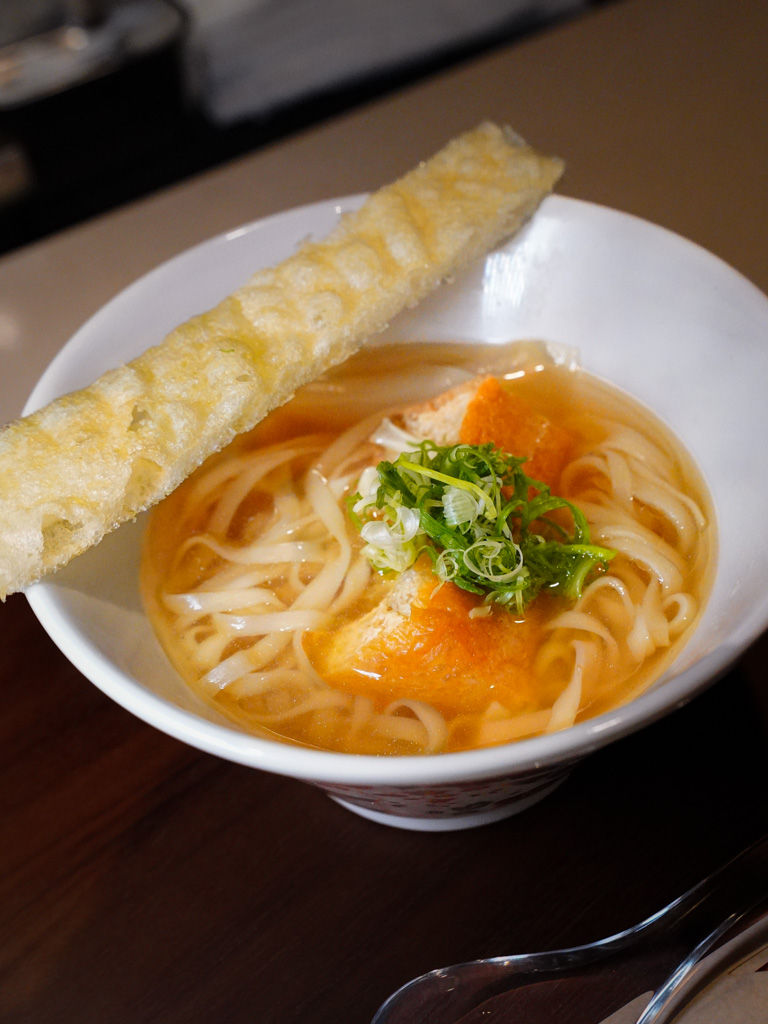
When it comes down to the broth, the kitsune (S$14.80), despite its nondescript appearance, was bewilderingly delicate yet flavourful.
It shows off the depth of Nekobushi Udon’s dashi base — even if it tastes straightforward, clean, and comforting at first.
After a few sips, you’ll start noticing the nuance of its profile, with lingering echoes of umami, sweetness, and earthy fragrance.
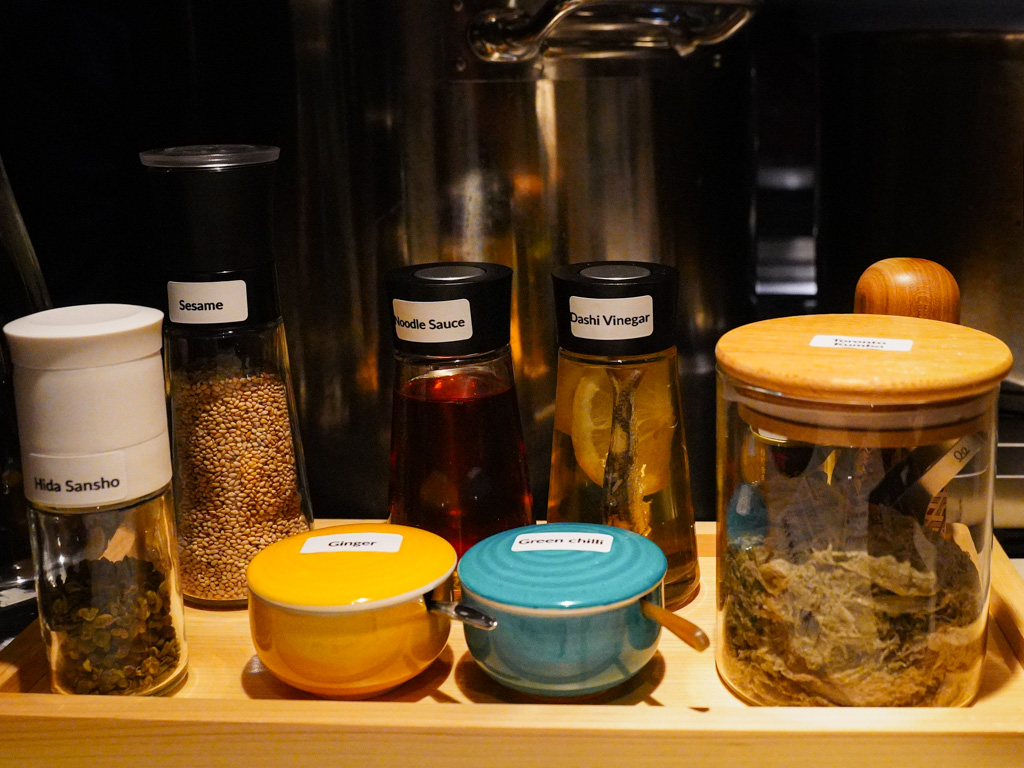
Some local diners might deem it “bland” — but you can transform the profile with the multitude of condiments on offer.
In particular, diners can play around with the noodle sauce, which imparts a potent savouriness that helps bolster the lighter soup.
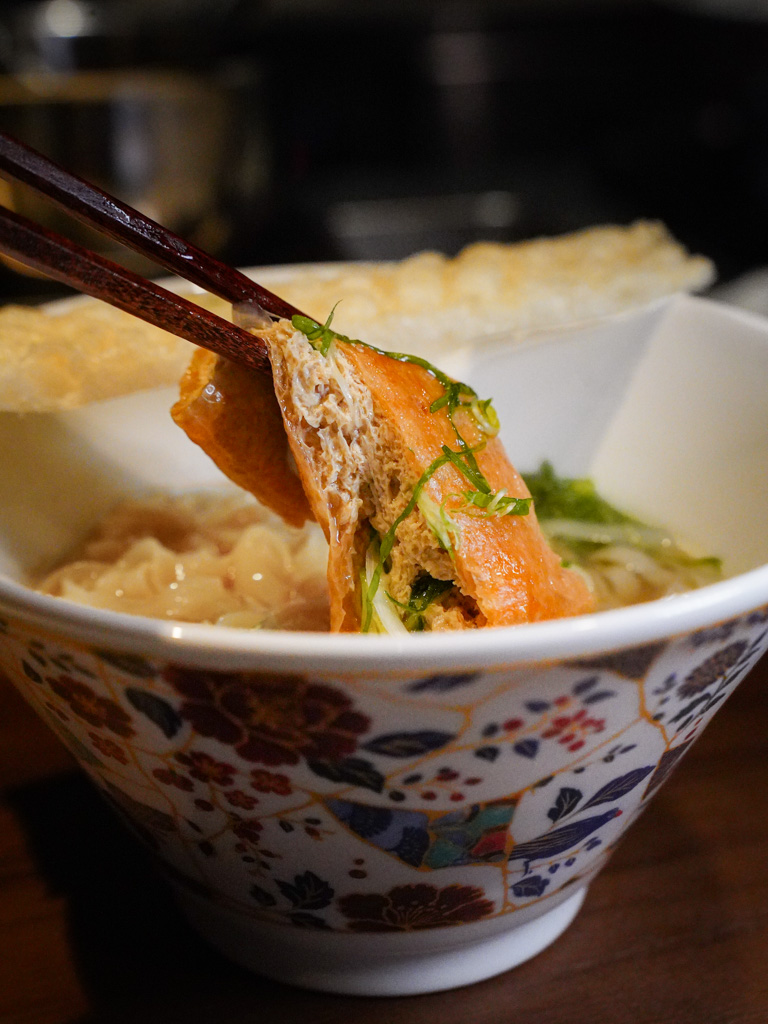
Each bowl of kitsune is also served with two types of aburaage (Japanese deep-fried beancurd) — one is ultra-pillowy and absorbent, and the other is airy and crisp.
The former was the star, as it basically acted like a pouch that soaked up all the broth, much like taupok (local fried tofu puffs) in laksa, and each bite is amazingly satisfying.
As for the gyu (S$18.80), it also features Nekobushi Udon’s dashi base — but gussied up with a smattering of chopped-up braised beef belly, leeks, chives, and crispy wagyu intestines.
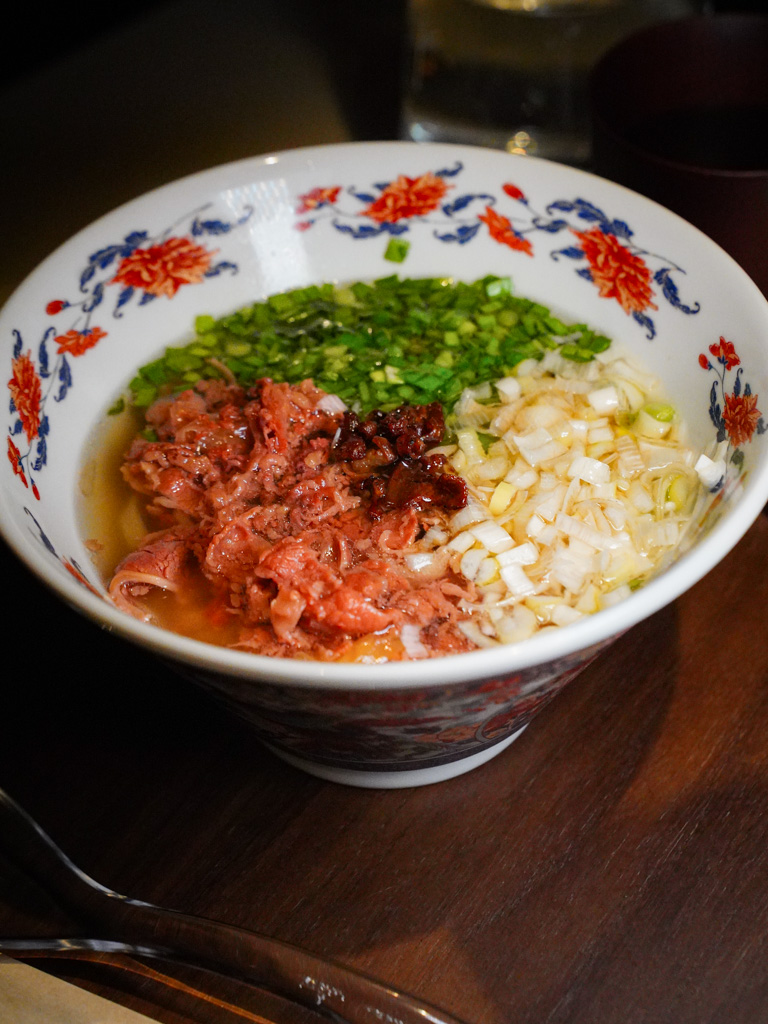
Right as they serve it, the staff also add a splash of hot fat rendered from wagyu intestines, which announces itself with a loud hissing sizzle when it hits the broth.
The mix of components colours the broth with layers of flavour, such as the sharpness of the chives and leeks, as well as a sweet-umami beef overnote.
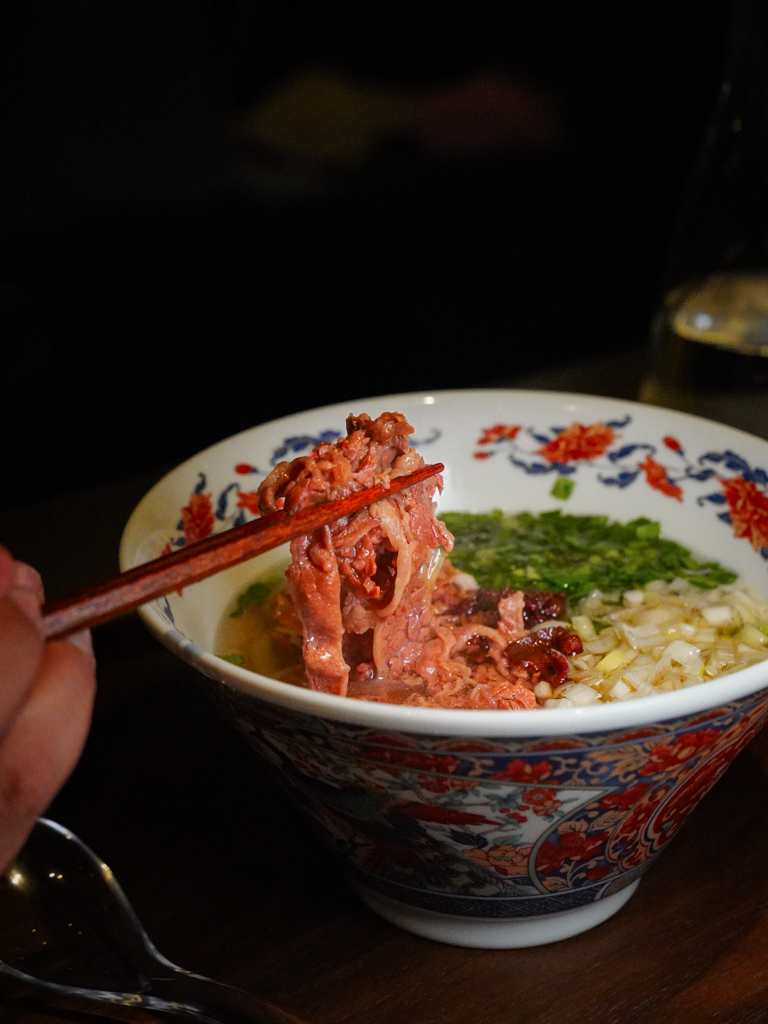
Due to its heftier profile, the gyu will probably be more satisfying than the kitsune, for most diners. This means that the sublime nuances in the dashi broth are obfuscated, though.
Ultimately, we prefer the kitsune for its elegant intricacies, while the gyu is more versatile, with more room for experimentation with its condiments.
Adding a splash of the dashi vinegar adds a pleasant piquancy against the beefy accents, and adding more noodle sauce or black shichimi can give it more oomph, in the form of umami or heat!
With all that said, we recommend getting both if you come here as a pair, and judge for yourself.
And if you are planning on a visit, please remember to hit up Nekobushi Udon’s Telegram bot for booking reminders!
For more ideas on what to eat, read our stories on the new hawker pasta stall at Chomp Chomp or see which Singapore bars made it onto this year’s 50 Best Bars rankings!
Thu 5.30pm to 9pm
Fri 5.30pm to 9pm
Sat 5.30pm to 9pm
Sun 11.30am to 3pm
- Somerset



Evan started off writing about food on Instagram, before joining outlets such as Buro and Confirm Good to pursue his passion. His best work usually comes after his first whisky shot in the morning.
Read more stories from this writer.