Seoul’s famous tonkatsu and udon restaurant Ojeje debuts in City Hall

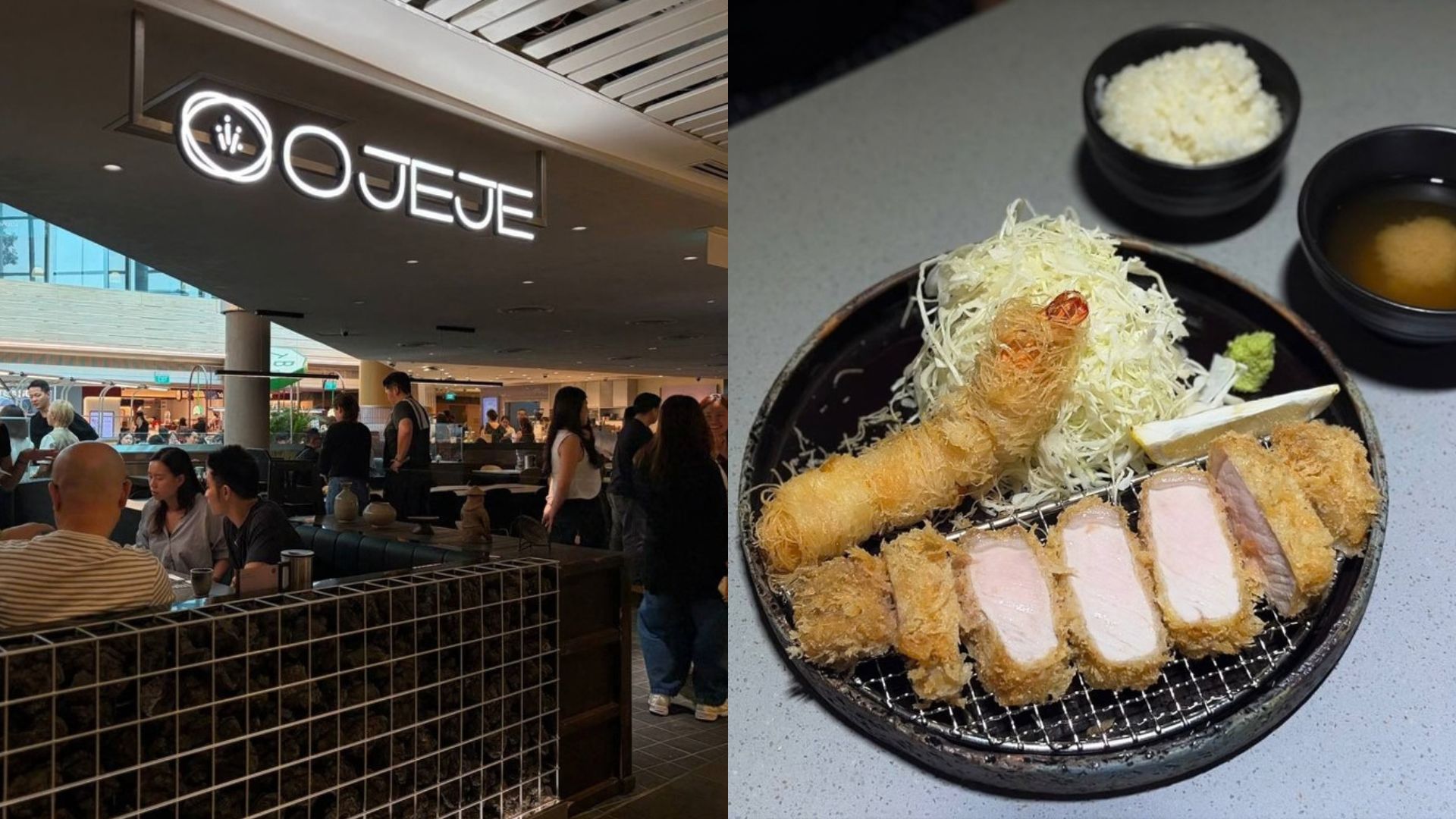
Seoul-born restaurant Ojeje has opened its first international outlet at Raffles City Shopping Centre, bringing its signature tonkatsu and freshly made udon to Singapore.
It joins a growing wave of Korean chains setting up shop here, including recent openings such as Dolpan Hwajoo and Jomaru Gamjatang Hot Pot.

Despite specialising in Japanese favourites, Ojeje hails from Seoul, where it was founded in 2020. Its owner-chef, Kim Ji-hoon, wanted to create a restaurant that gave equal attention to good tonkatsu and udon — a focus that has since grown into six restaurants in Seoul and its first international outlet in Singapore.
That care comes through in how both dishes are prepared. Ojeje uses wet-aged meat for tender, juicy tonkatsu, and you can see the cuts displayed in a fridge inside the restaurant.
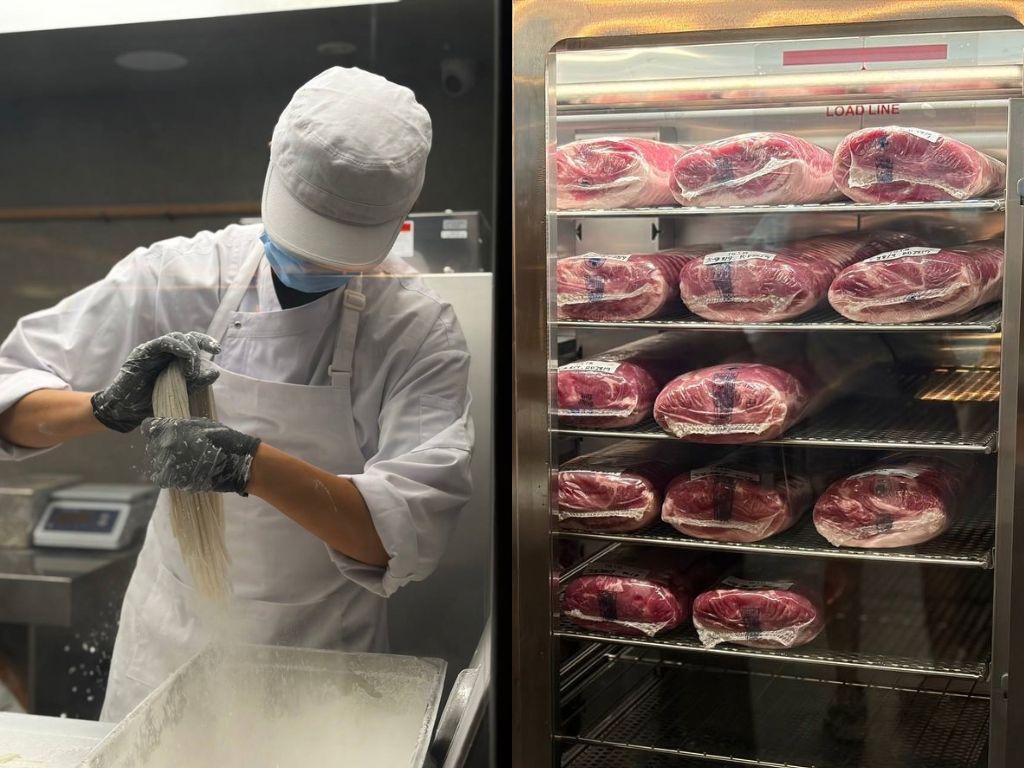
The same attention to freshness extends to its udon, which is made in-house daily. Through a window into its dedicated udon-making room, you can watch the chefs make the noodles fresh.
A taste exclusive to Singapore
Alongside its signature favourites, Ojeje has introduced three exclusive dishes for its Singapore debut: chicken tenderloin katsu (S$24), creamy carbonara udon (S$22), and a soy-marinated salmon rice bowl (S$24).
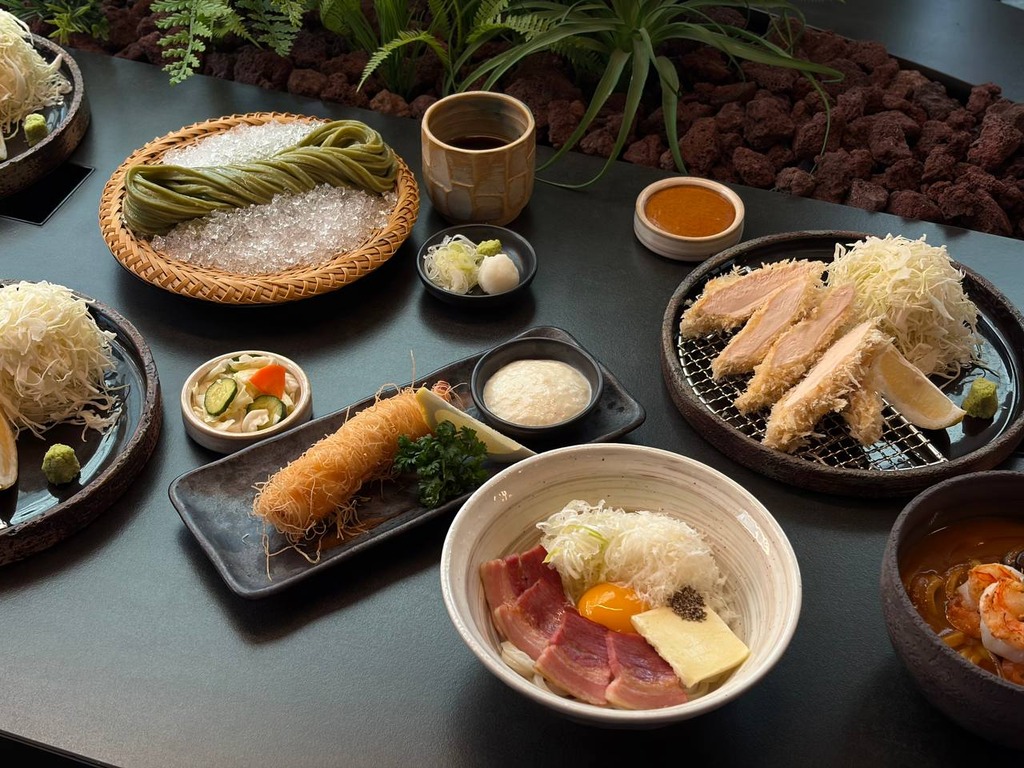
The creamy carbonara udon pairs chewy noodles with a creamy, savoury Italian-style carbonara sauce, topped with an egg and pieces of bacon. According to the owner, the dish was developed for Singapore after his research pointed to local diners’ fondness for carbonara.
We liked that the sauce was creamy without being overly rich or jelak (cloying). It coated the silky noodles nicely, making each bite satisfying without feeling too heavy.
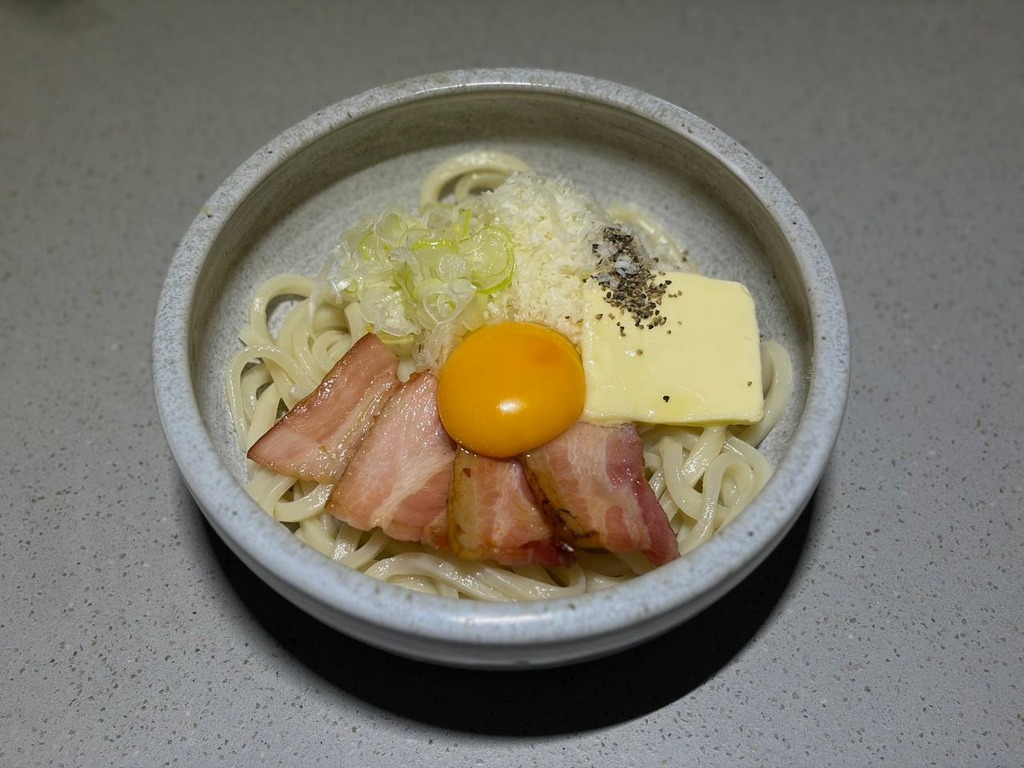
Another Singapore-exclusive option is the chicken tenderloin katsu (S$24), an alternative for diners who prefer chicken to pork. It’s served in a similar style nonetheless, with cabbage on the side and a dab of wasabi that you can add for an extra kick.
Of course, apart from the exclusive dishes, we couldn’t miss the speciality we came for: The premium matcha zaru udon (S$17), served chilled over ice. Although the noodles are infused with matcha, we found the flavour subtle enough to enjoy even if you’re not usually a fan.
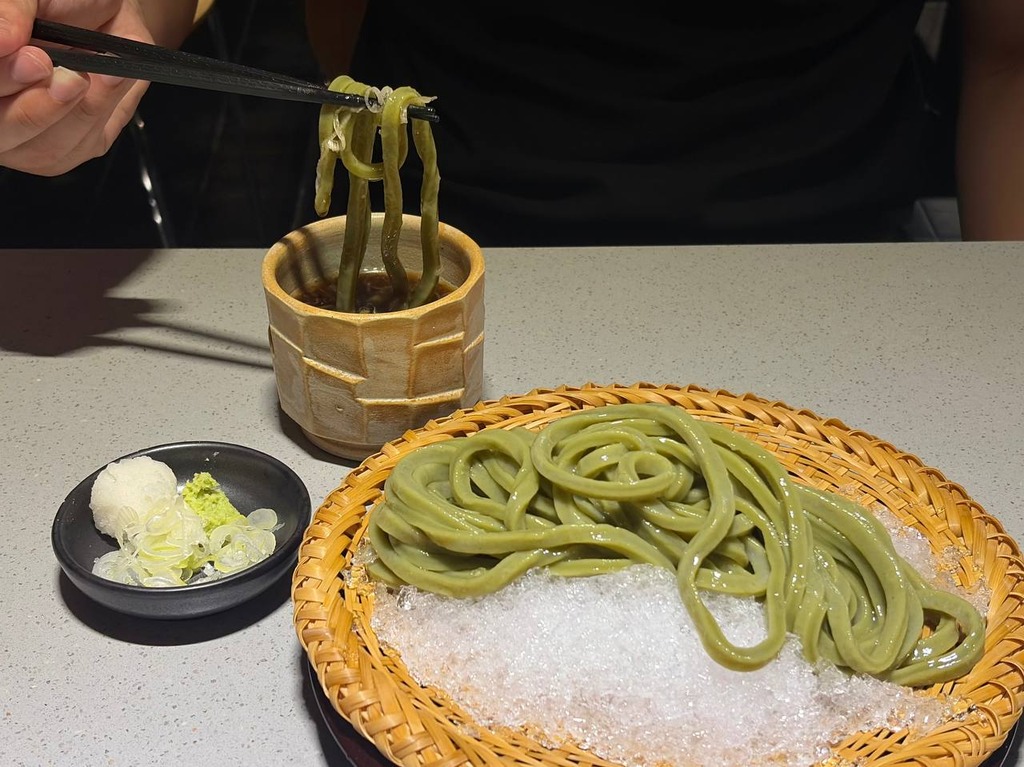
To tuck in, add green onion, grated radish, and wasabi to the tsuyu dipping sauce according to your preference. Then, pick up two or three strands of udon at a time and dip them into the sauce before slurping them up.
A closer look at the katsu
Ojeje’s signature pork tonkatsu comes in three cuts: Pork tenderloin katsu (S$28), pork special loin katsu (S$32), and pork loin katsu (S$28). Whichever you choose, it’s served with free-flow rice, miso soup, and shredded cabbage salad.
Here’s how to enjoy your tonkatsu: Start with a bite on its own to appreciate the pork before reaching for the condiments. For a sweeter pairing, try the housemade tonkatsu sauce, made with apple and banana. The banana flavour came through distinctly, adding a fruity sweetness to the savoury meat. A dab of wasabi gives each bite a sharp kick, while Himalayan salt keeps things simple.
Our favourite was the pork tenderloin katsu, which we had as the pork tenderloin katsu + kadaif prawn set (S$38). Served in six pieces, it had a crisp coating that gave way to tender, juicy meat. The contrast between the crunchy breadcrumbs and soft centre made it particularly enjoyable.
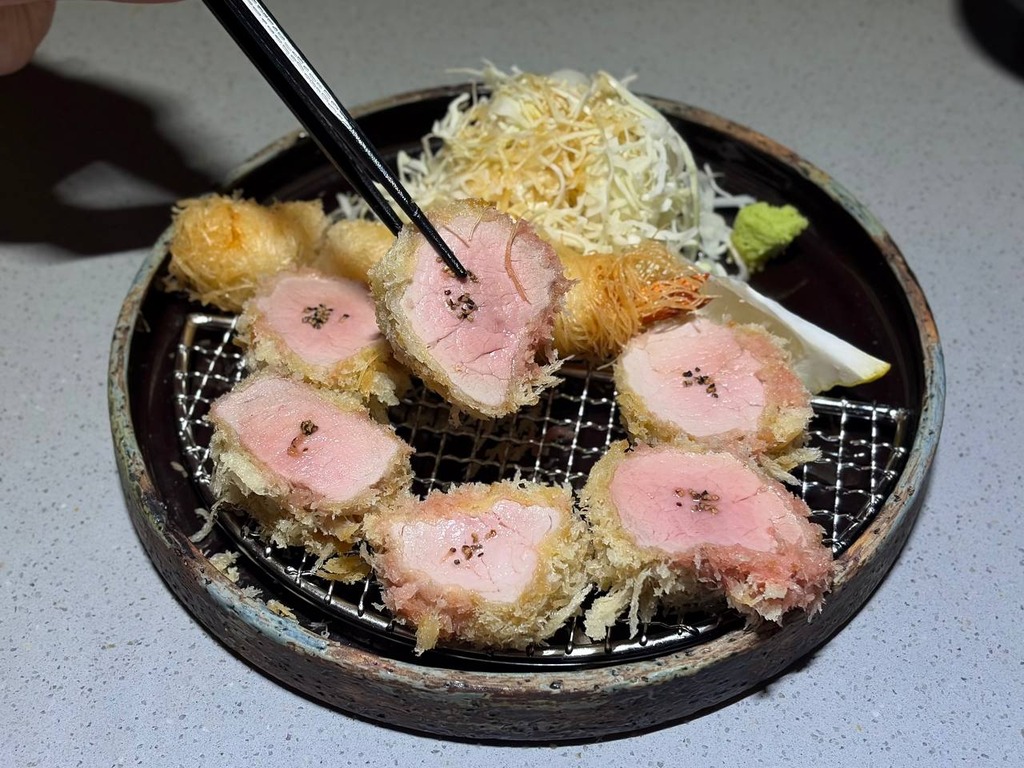
We also tried the pork loin katsu + kadaif prawn set (S$38), with the katsu served in seven pieces. Compared with the tenderloin’s softer texture, the loin had a firmer, meatier bite with a little more chew. Its crisp breadcrumb coating added crunch to each mouthful, making it a satisfying option for those who prefer their katsu with more bite.
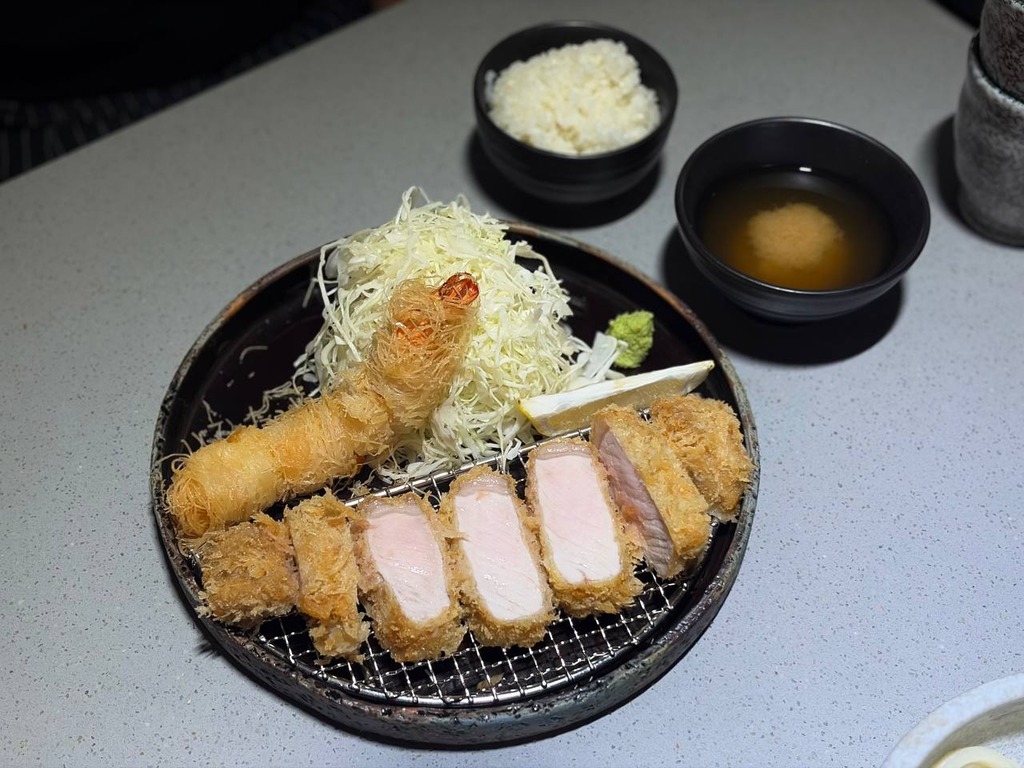
Why order the sets with the kadaif prawn? Beyond the better value, it’s the contrast between the light, crackly pastry, and springy prawns that makes this addition worth trying.
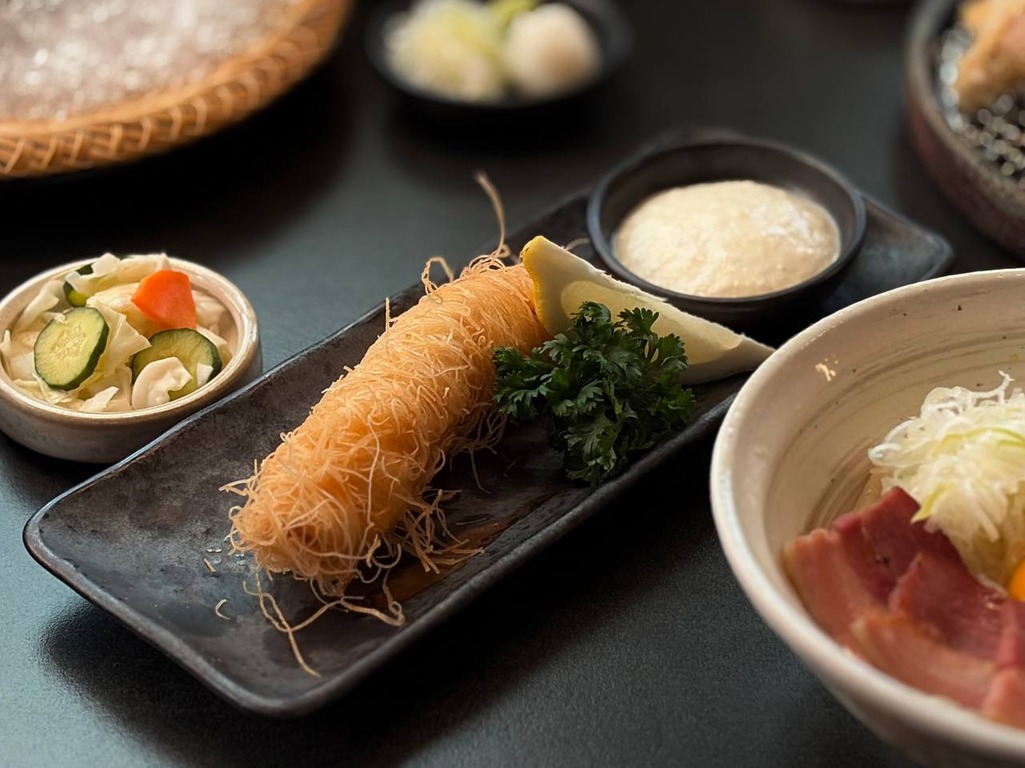
Available a la carte at S$12 per piece, the prawn costs just S$10 more as part of the katsu sets. Each piece features two black tiger prawns wrapped in fine strands of kadaif pastry and fried until crisp, offering a delicate crunch that hits differently from the breadcrumb-coated katsu.
Dip it into the white truffle sauce for an extra layer of richness. We found the truffle flavour pronounced and satisfying — a pairing we kept going back to.
With crisp, juicy tonkatsu, freshly made udon, and free-flow sides, Ojeje makes a strong case for a visit. Prices are reasonable for a sit-down meal in town, and we wouldn’t be surprised if it becomes a favourite among Singapore’s tonkatsu fans.
This was a hosted tasting.
For more on what to eat, check our top picks at Raffles City Shopping Centre. Otherwise, there’s the famous gamjatang restaurant in Tanjong Pagar, Jomaru Gamjatang Hotpot, and Hip Pot at Holland Village with weekday lunch deals.
Tue 11am - 9pm
Wed 11am - 9pm
Thu 11am - 9pm
Fri 11am - 9pm
Sat 11am - 9pm
Sun 11am - 9pm
- City Hall



Shannon’s eyes are bigger than her stomach — she builds buffets out of menus, forgetting she has the appetite of a mouse.
Read more stories from this writer.