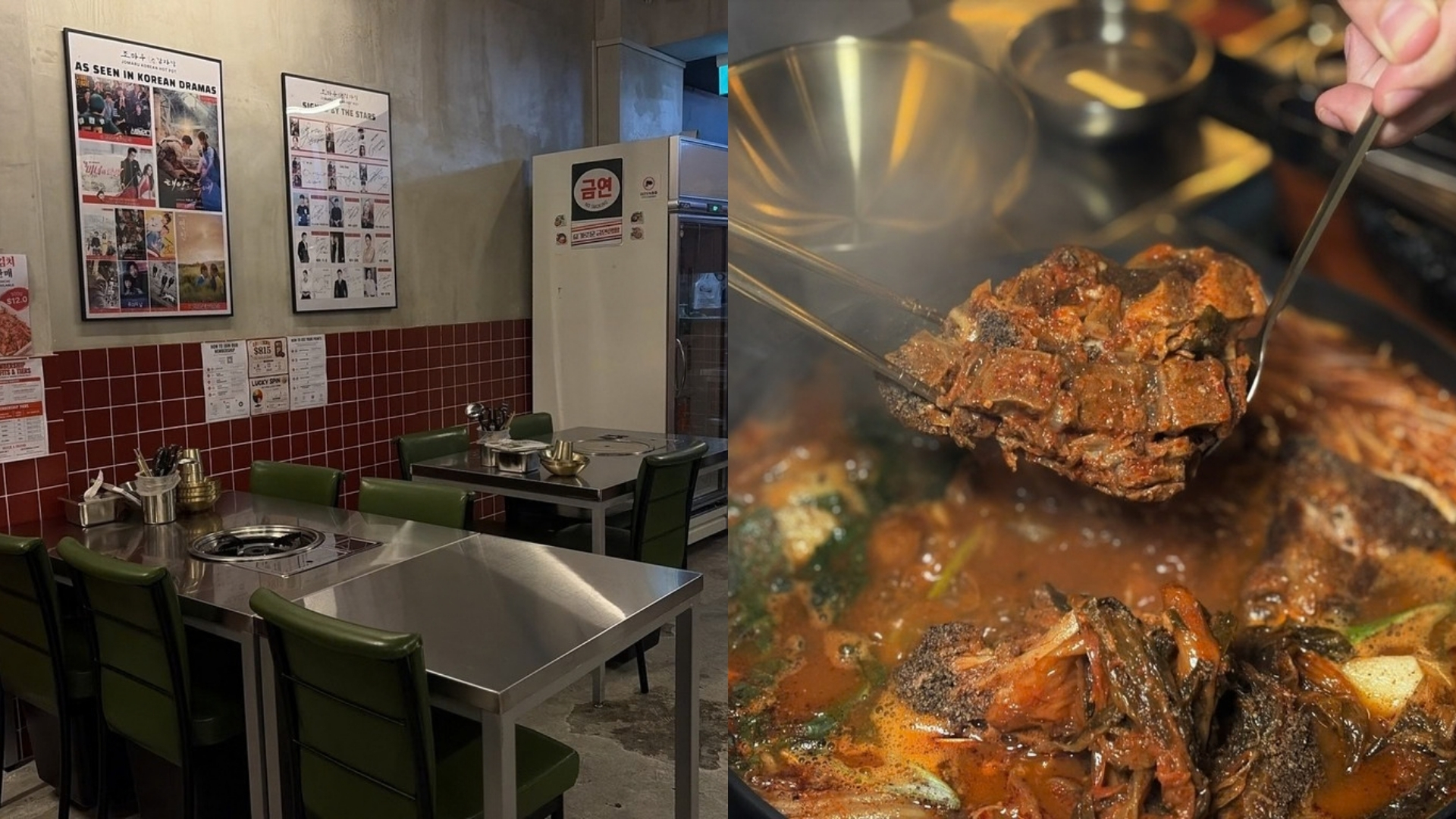
Famous Korean gamjatang chain Jomaru opens in Tanjong Pagar serving up spicy pork bone soup

Korean food fans, here’s yet another new spot to check out in Tanjong Pagar: Jomaru Korean Hot Pot, a Korean chain with over 220 outlets worldwide, has brought its signature pork bone stew, also known as gamjatang, to Singapore.
Like recent new openings along the same stretch on Tanjong Pagar Road, such as Obongzip, it’s a familiar name from Korea that’s found its way here.
If you’re unfamiliar with gamjatang, it is essentially a spicy Korean soup made with pork neck bones and vegetables.
While its name has the Korean word for “potato” (“gamja”) — and you can also find potatoes in the soup — it is actually named after the pork bones, with “gamja” also being an older Korean term that refers to the backbone of a pig.
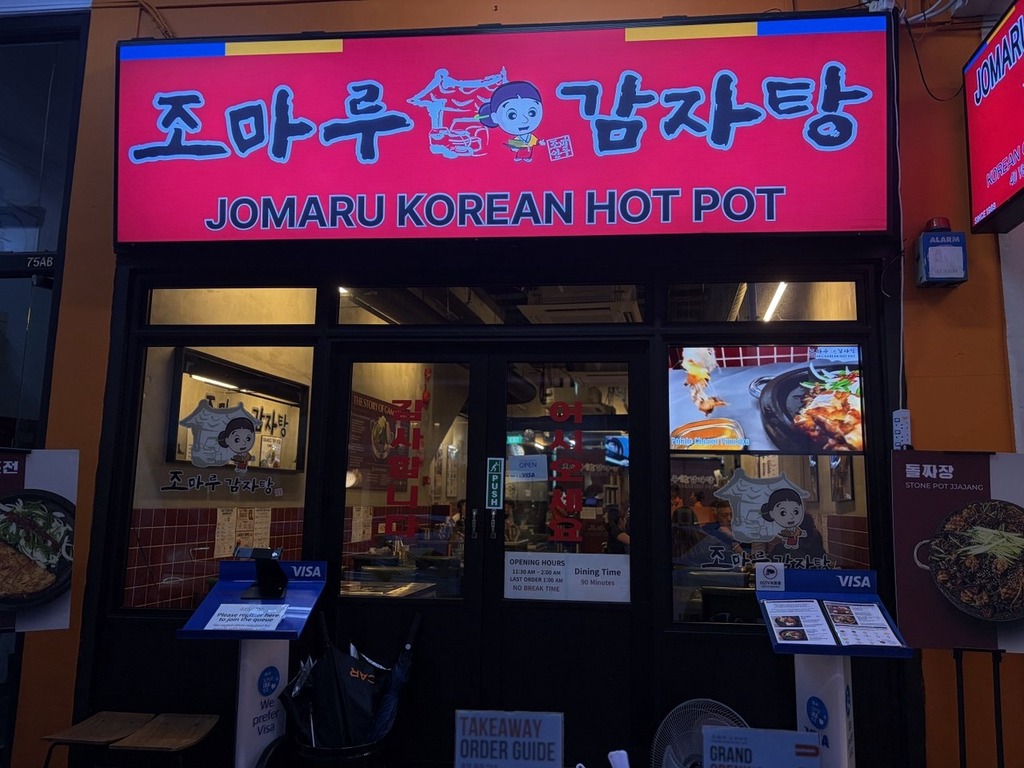
Its entrance is easy to spot: Just look for the bright red “Jomaru Korean Hot Pot” sign. This is also where Korean BBQ concept Supersuper K once stood.
Inside, the outlet is decked out in retro-inspired decor, with red tiles and green chairs giving the place a pop of colour.
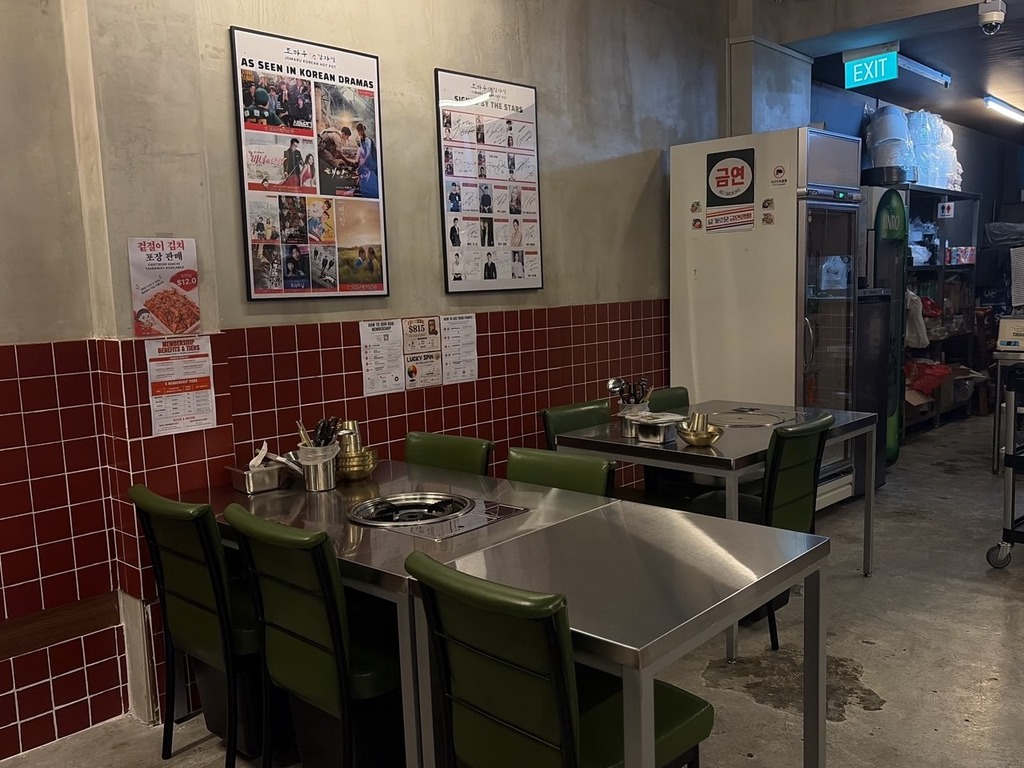
Coupled with the Korean drama posters on the walls and K-pop tunes playing in the background, Jomaru Singapore makes for a lively spot for dinner.
We’re sure many agree with this sentiment — every table was occupied when we visited on a weekday evening.


A hearty spread for the table
Jomaru Singapore’s menu is centred around gamjatang, but you might notice the term haejangguk on its menu, too.
Haejangguk is a generic term used to refer to soups that Koreans consume to chase their hangovers after a night of drinking and gamjatang is one such soup.
At Jomaru you can opt for a one-person serving of haejangguk (smaller version of the spicy pork bone soup, S$21.80) or ugeoji haejangguk (spicy napa cabbage pork siup, S$21.80), or go all out with a sharing gamjatang (from S$56.80 for a medium portion) version.
Beyond broths, there are also plates of pork bone, ranging from the non-spicy soy braised pork bone (from S$56.60 for a medium portion), to the fiery Volcano braised pork bone (from S$56.80 for a medium portion).
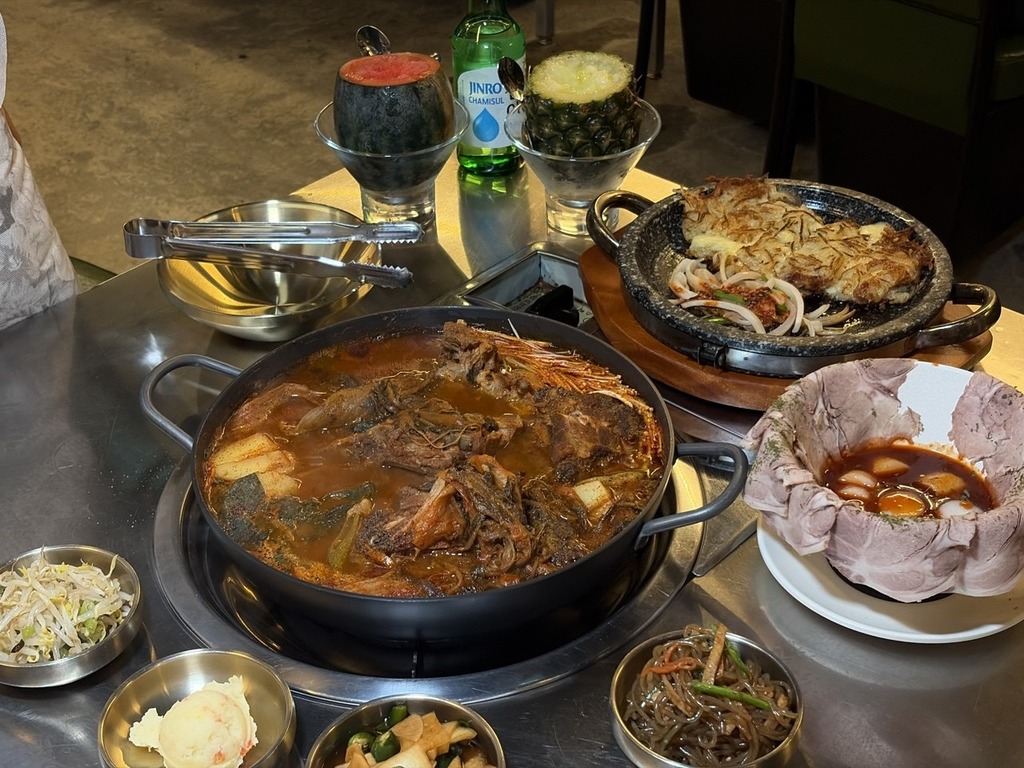
If you’re coming with a group of friends, its hot pot combo (S$108.80) is a good pick that’ll feed three to four.
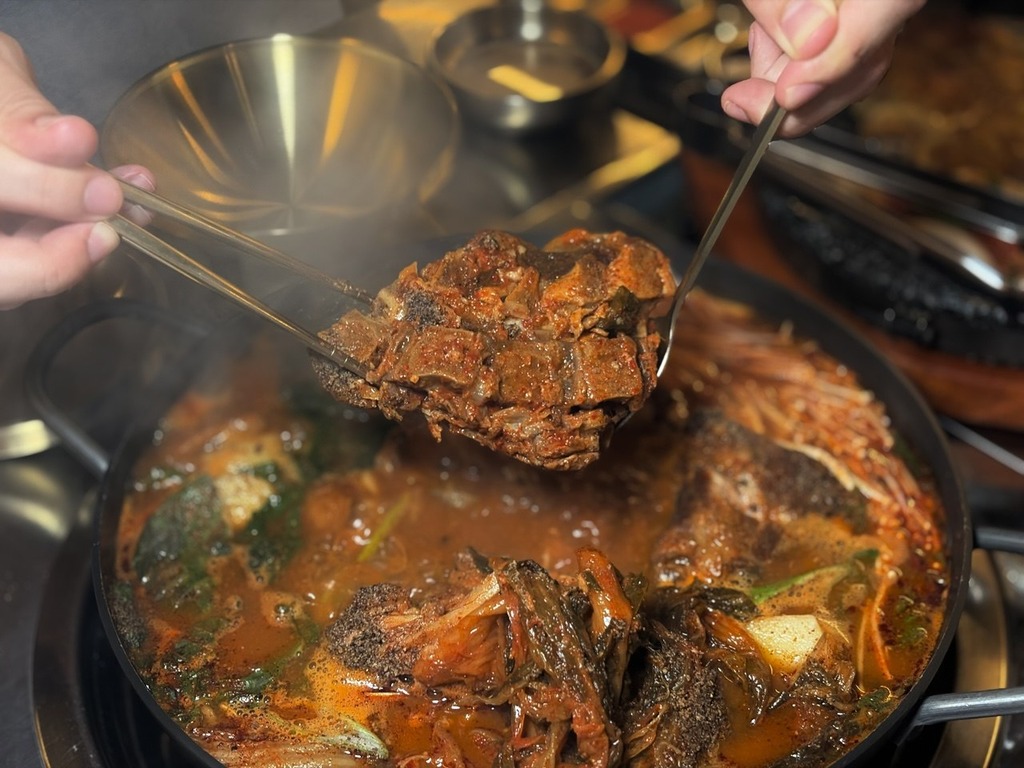
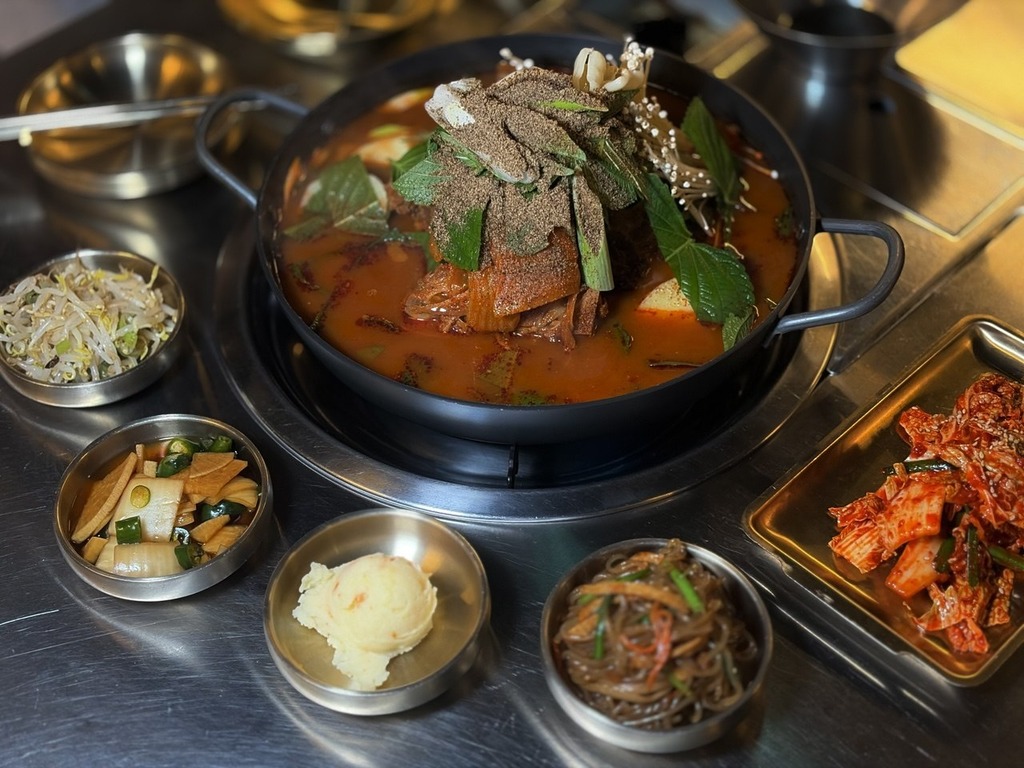
It comes with a medium-sized gamjatang, brimming with pork bones, hand-torn dough (this is like the local mee hoon kueh, but is actually called sujebi in Korea), napa cabbage, enoki mushrooms, and potatoes. You also have the option to add more of these ingredients if you end up enjoying them, with prices starting at S$5 for potatoes.
We found the broth savoury and comforting, with just enough heat to keep things interesting, while the hefty pork bone pieces had meat that was fall-of-the-bone tender.
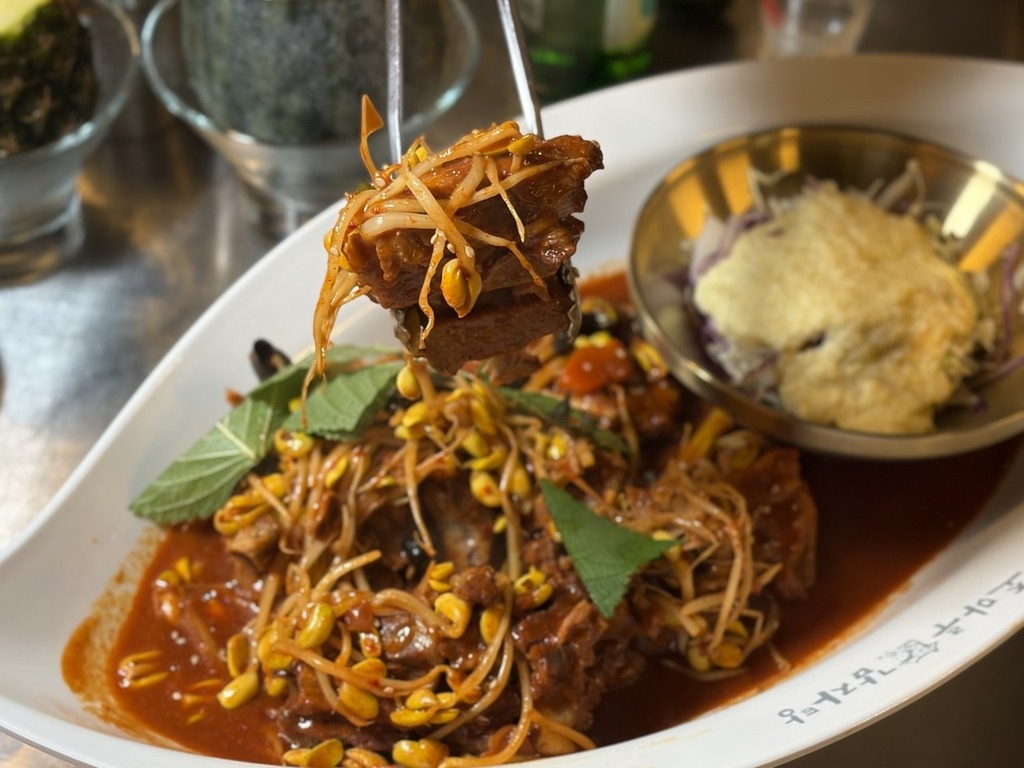
The combo also comes with a small-sized braised pork bone dish — you can choose from any of its three versions (soy, spicy, or Volcano) on its menu.
We went for the spicy braised pork bone (S$56.80 for a medium portion a la carte) which came loaded with bean sprouts, served with mashed potato and a refreshing salad on the side. Like the pork bones in the gamjatang, the meat here was also exceptionally tender.
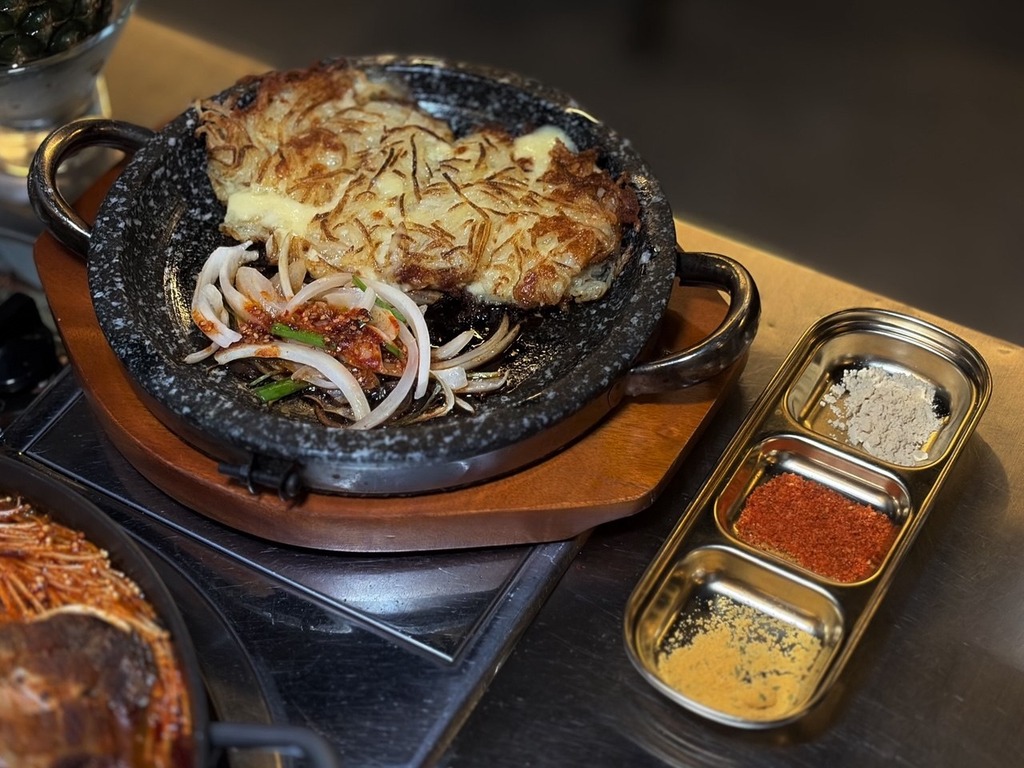
The combo also comes with a choice of side dish among these options: potato cheese pancake, kimchi pancake, seafood green onion pancake, or cold spicy rice cake.
We went with the potato cheese pancake to add some varying flavours and texture to our spice- and meat-heavy meal.
Unlike many other Korean pancakes we’ve had before, our potato cheese pancake at Jomaru came out sizzling on a stone plate. The staff divided it up tableside and even made sure to stage a cheese-pull moment for the camera!
There are three dipping powders for you to have with the pancake — sweet cheddar cheese, kimchi, and injeolmi — but we kept going back to the kimchi one for its salty, tangy flavour.
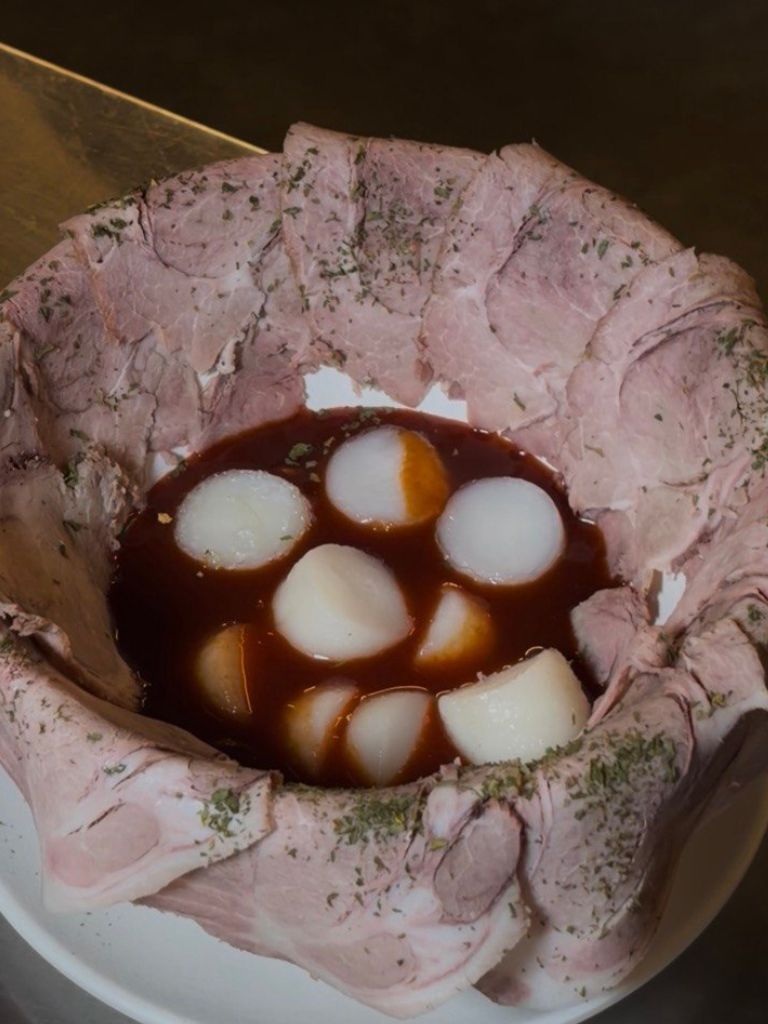
Another side worth considering is the cold spicy rice cake (S$26 a la carte). The rice cake arrives at your table in one chunk and the staff also cut this up into manageable, bite-sized pieces at the table, like the pancake.
Don’t be fooled by the name, though — there’s more than just rice cakes in this dish. You get thin slices of pork draped around the edge of your bowl of rice cakes, meant to be enjoyed as an accompaniment to the rice cakes and its signature red pepper paste sauce.
It’s a refreshing take on a dish we thought we knew — and one we’d easily come back for.
And, of course, what’s a Korean restaurant without its side dishes?
The combo comes with five, including japchae noodles, kimchi, bean sprouts, and more to round out the spread.
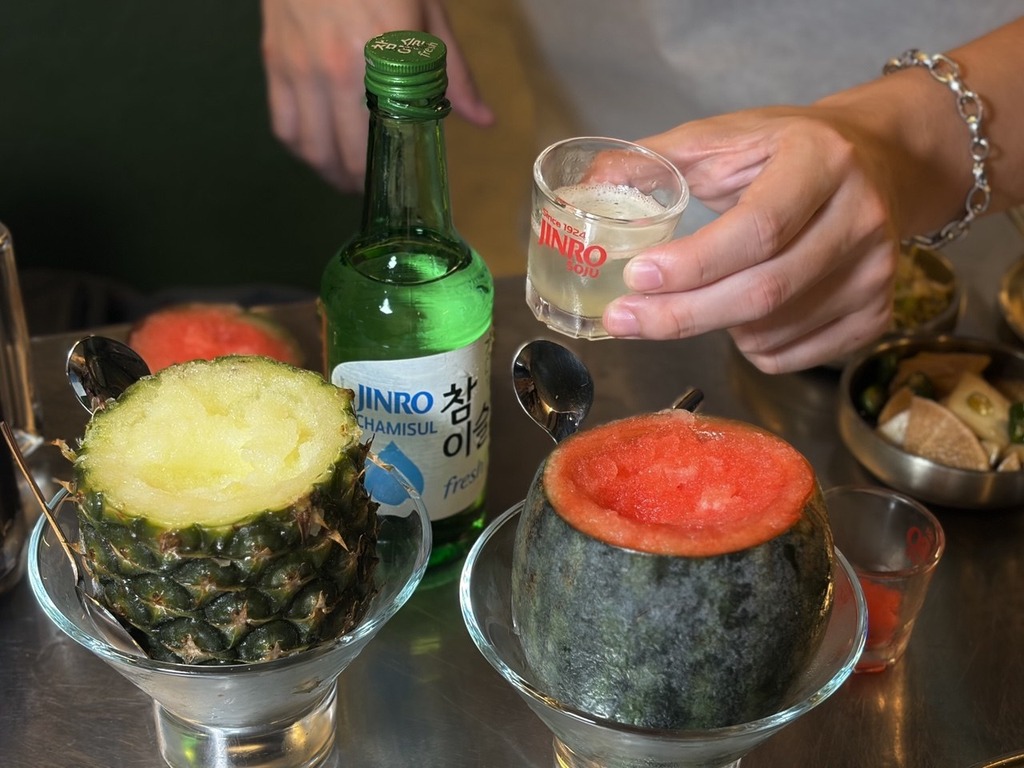
Just when you thought that’s all there is to the combo, there’s still sorbet waiting for you at the end of the meal — you get a choice of pineapple or watermelon.
Like the rice cake dish, this sorber was served in an unexpected way, too — frozen in the fruit itself. You’ll need to scrape the fruit to enjoy the sorbet.
If you’re too full, here’s an idea to turn it into a drink: First order a separate bottle of soju (from S$18), then add a scoop of sorbet to a shot glass, before pouring the soju over it. If the whole table is down, pour the soju directly into the fruit shell after you’ve eaten some of the sorbet to make space.
We found both ways just as refreshing. For those who prefer a less boozy version, I’d suggest using just a small splash of soju in a glass of sorbet rather than pouring it into the fruit shell.
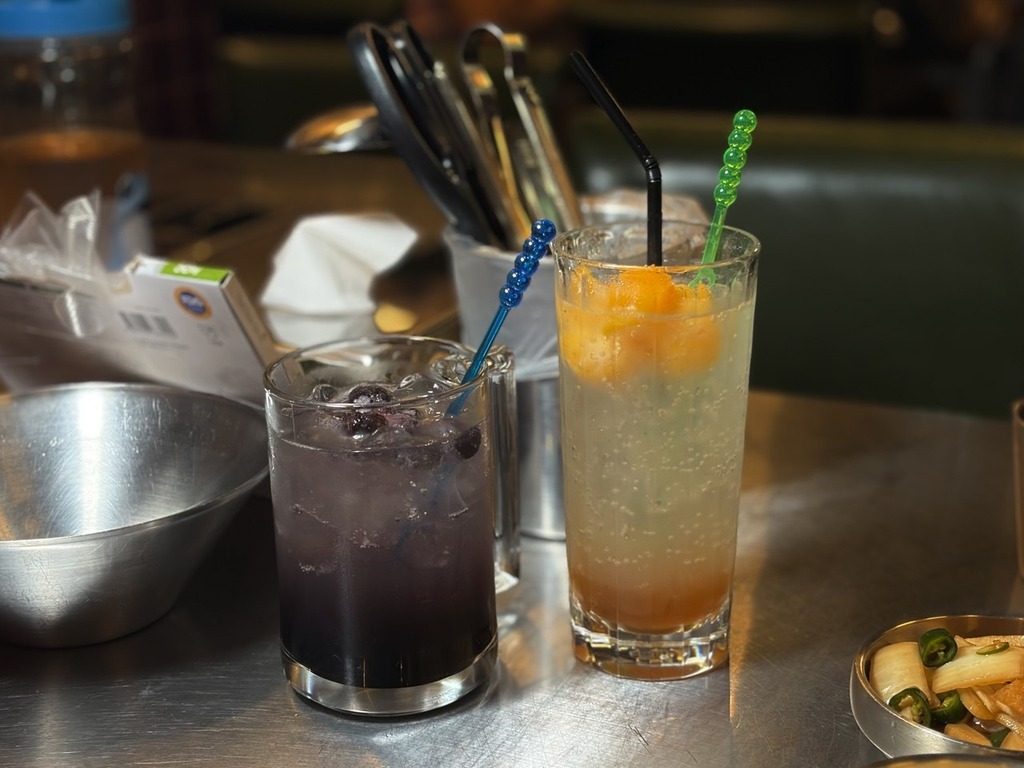
If you prefer deconflicting your desserts and drinks, you can also order Jomaru’s blueberry or earl grey soju highball (S$10.80 each), or non-alcoholic choices, such as a sparkling yuzu or mango drink at S$8.80 each.
If you’ve never had gamjatang before, Jomaru Korean Hot Pot is a great way to get started, given that it has a decades-long history serving up this dish in Korea.
And even if you’ve had it in Korea or at other places in Singapore, such as the new Gamja at Boon Tat Street, this place offers a different take, especially with its interesting additional dishes and drinks, so it’s also worth a try.
This was a hosted tasting.
For more ideas on where to eat, check out this affordable hotpot restaurant in Holland Village, and the new supper spot En En KKM in Sembawang.
Tues 11.30am - 2am
Wed 11.30am - 2am
Thurs 11.30am - 2am
Fri 11.30am - 2am
Sat 11.30am - 2am
Sun 11.30am - 2am
- Tanjong Pagar





Shannon’s eyes are bigger than her stomach — she builds buffets out of menus, forgetting she has the appetite of a mouse.
Read more stories from this writer.