Gamja: Authentic gamjatang at this new Telok Ayer spot

K-food lovers in Singapore have been spoilt for choice lately, with Korean eateries bringing a wider variety of authentic fare to our little island in the past year or two.
You can get old-school naengsam (frozen pork belly) BBQ at Bae Sik Dang, a nourishing bowl of samgyetang at Modu, and even spicy octopus stir-fry at Obongzip. At this rate, you might even second-guess the need to visit Korea to satisfy your cravings.
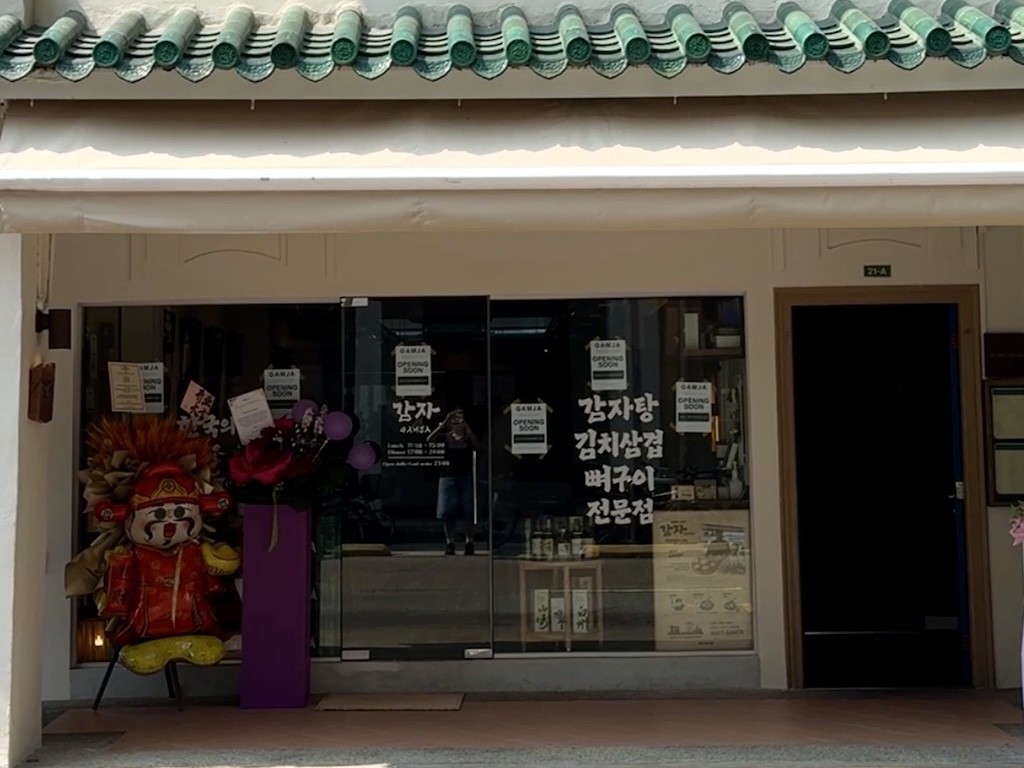
This week, a new contender joins the hive of Korean eateries at Telok Ayer.
Gamja, a gamjatang-focused concept, is set to open today (September 3). If you’ve never tried, gamjatang is a hearty, spicy pork-bone stew that’s usually paired with barbecue and a good serving of soju.
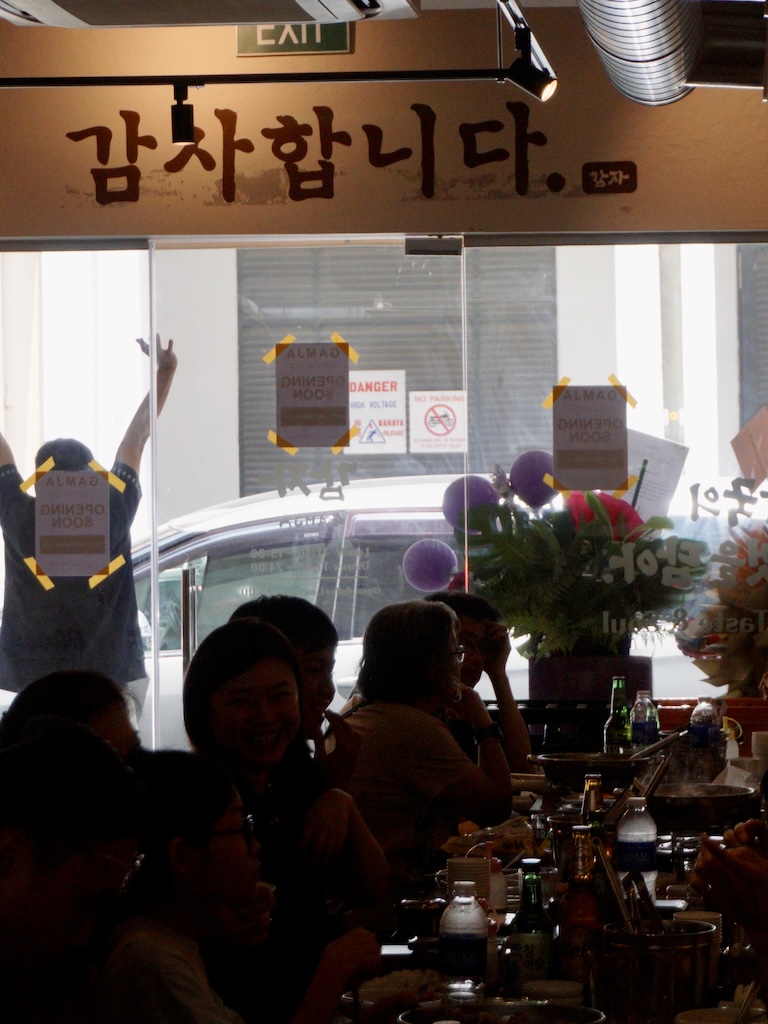
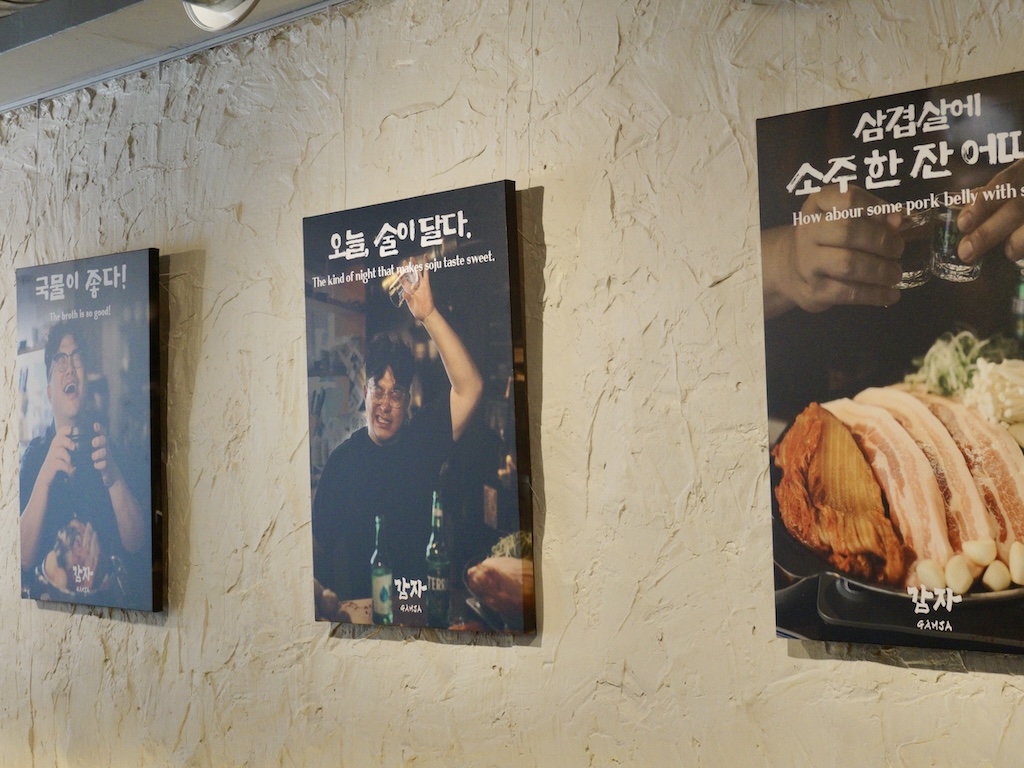
The space is simple and the decor, no-frills.
From tech, to F&B with a chef-entrepreneur partner
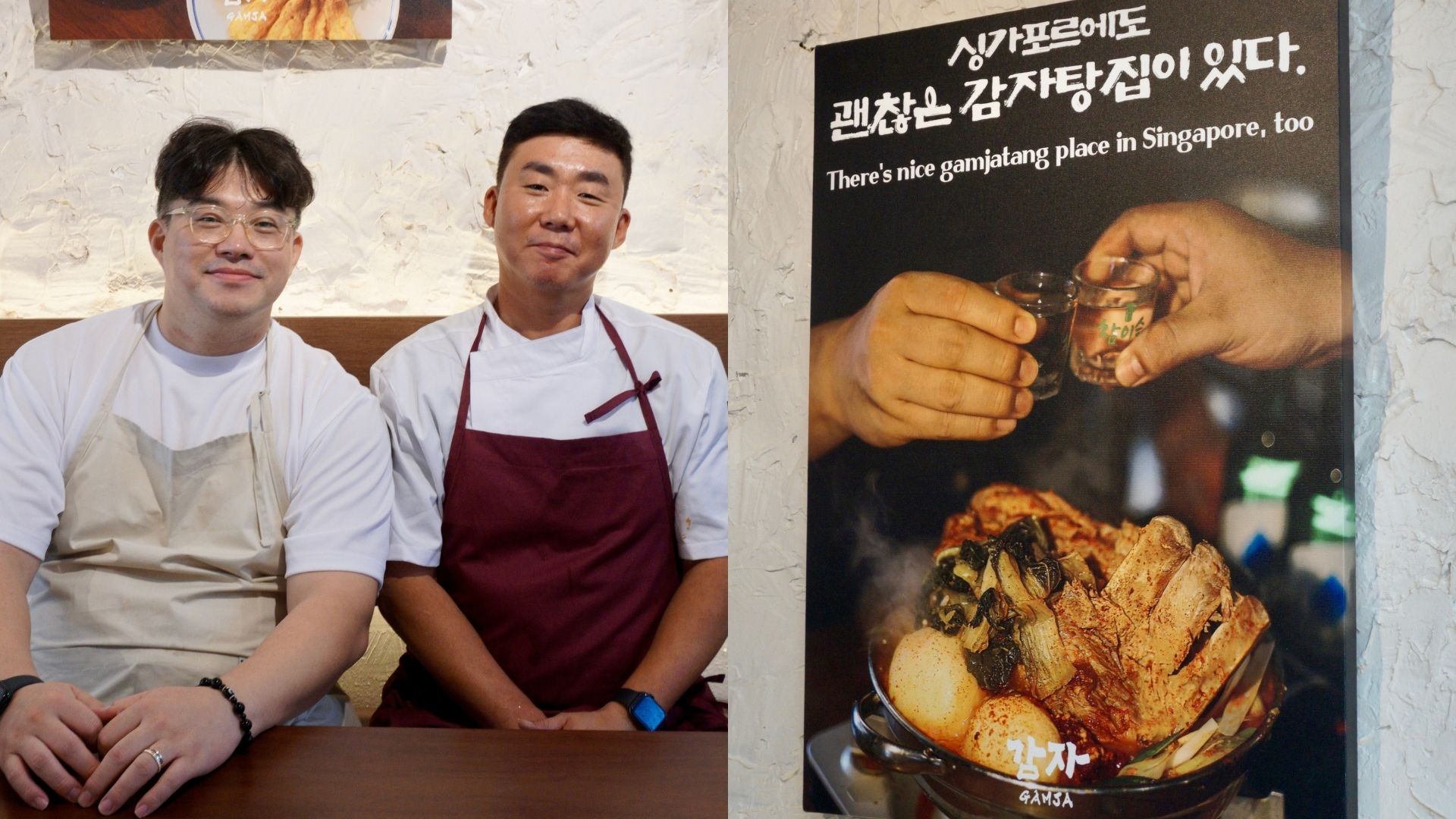
Gamja is the brainchild of Shin Jaeyun, 40, and Nam Wanhyuk, 42.
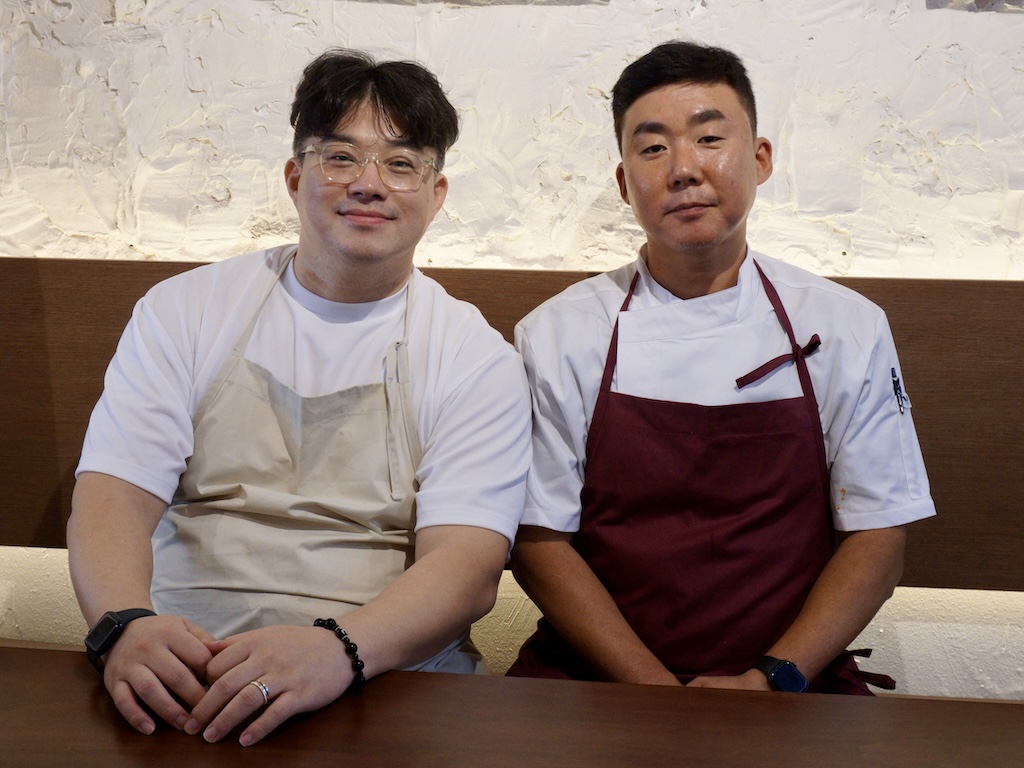
Married to a Singaporean wife, Shin jokingly introduces himself as a “son-in-law of Singapore”.
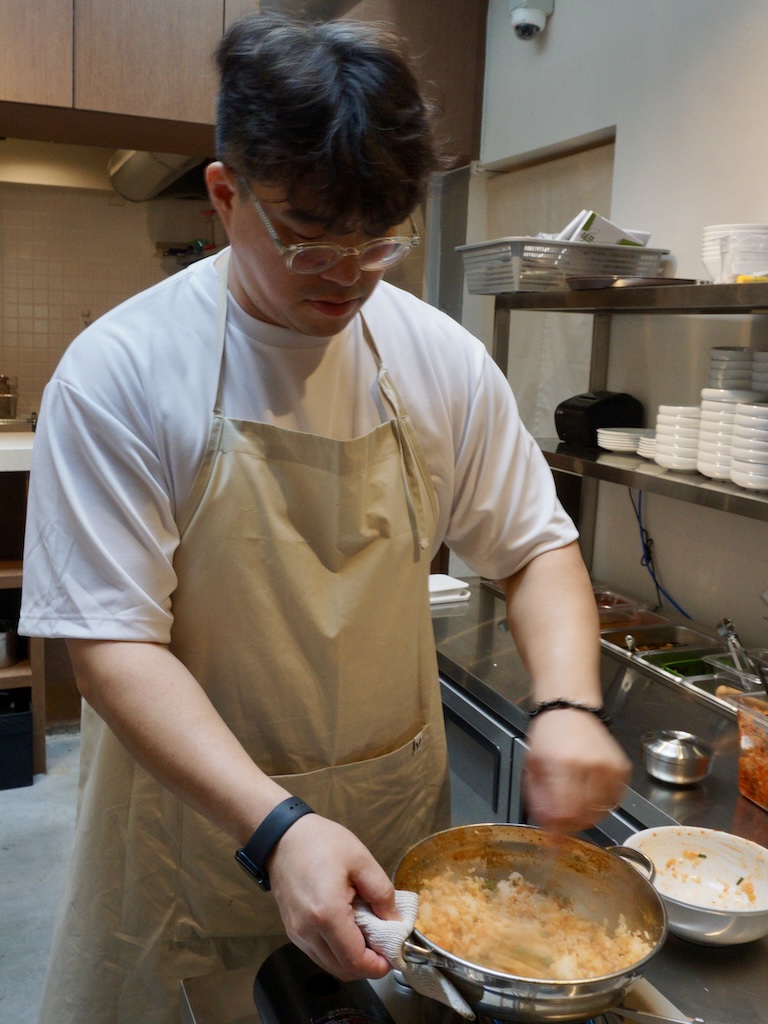
Back home in Korea, Shin had worked at a tech startup for over a decade, but had always been a big foodie. After settling down in Singapore, he kept an eagle eye out for an opportunity to enter the F&B scene.
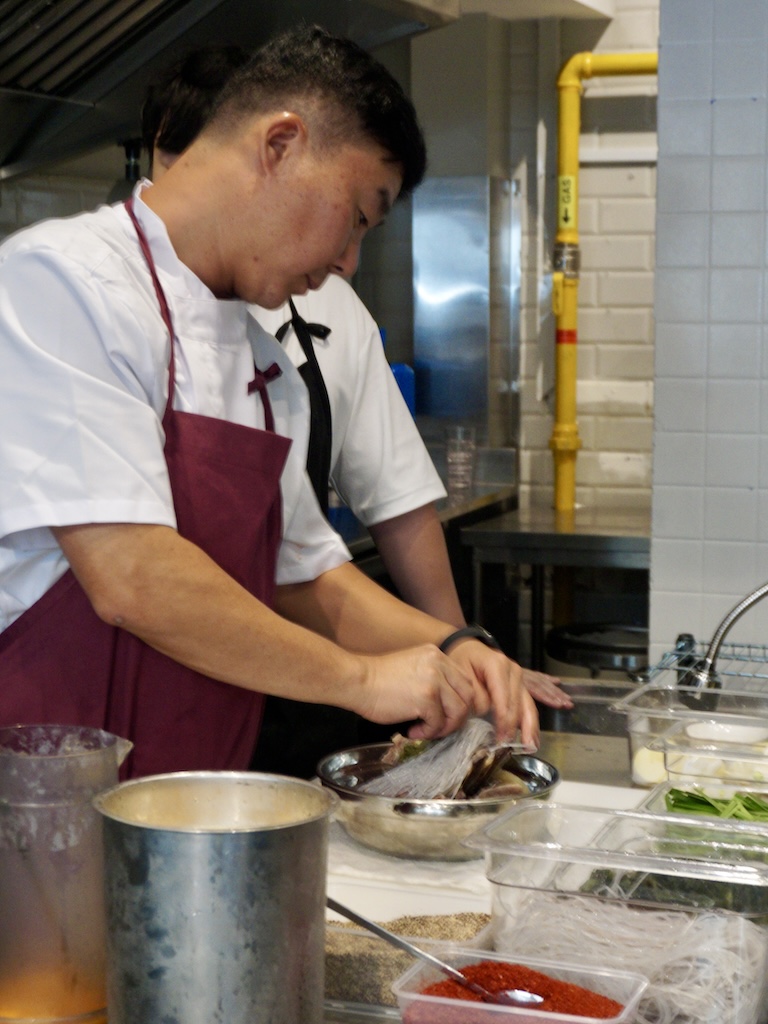
On the other hand, Nam is an experienced chef entrepreneur with multiple successful restaurant concepts to his name in Korea, Japan, and Hong Kong — his izakaya concept Mista Gyoza boasts over 50 outlets across Korea.
Ask any Korean where to find good highballs and gyozas, and they’re pretty likely to point you in the direction of a Mista Gyoza.
Having expanded his culinary ventures beyond Korea, Nam set his sights on expanding into Singapore next for quite some time.
As fate would have it, Shin and Nam met each other in Singapore through some mutual contacts. Having similar goals in mind, the two teamed up to create Gamja.
Soul food the Korean way
Gamja, which translates to “potato” in Korean, centres around potatoes. It’s an ingredient that’s central to gamjatang, and also dear to chef Nam’s heart. He’d grown up in Gangwon-do, a province in Korea famous for its regional specialty of potatoes.
Nam also tells us Gamja marks his return to the kitchen after some years — he’d been more focused on the business front for the past three years.
But why zero in on gamjatang, of all dishes?
“Do you know what Korean tourists eat first upon arriving in Singapore? It’s bak kut teh!” Shin quips. He believed gamjatang would be a good bridge between the two cuisines, especially since both dishes require you to sink your teeth into the meat to pull it off the bone.
The owners hope to not just introduce Singaporeans to gamjatang, but also show them how Koreans traditionally enjoy it.
What’s the proper way, you might ask? Think of it as a course menu.
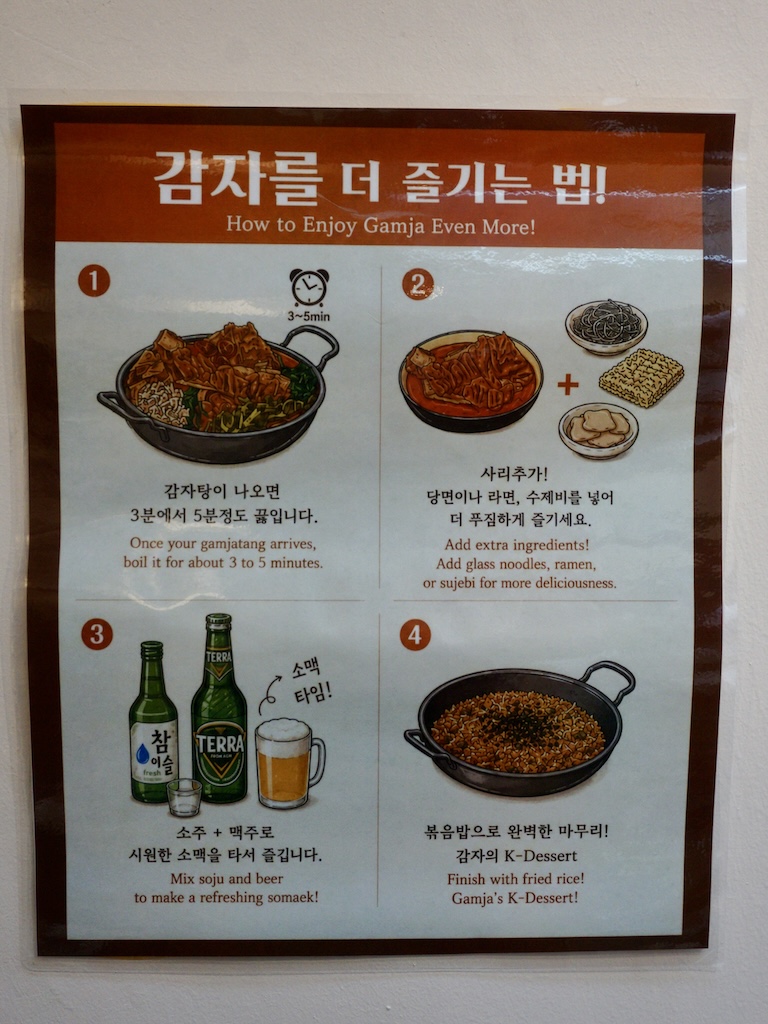
To fully enjoy your gamjatang, ditch the chopsticks and spoon and ask for some gloves to break the bones apart and truly dig right into the meat. You’ll bite into some tender and flavourful meat that comes right off the bone.
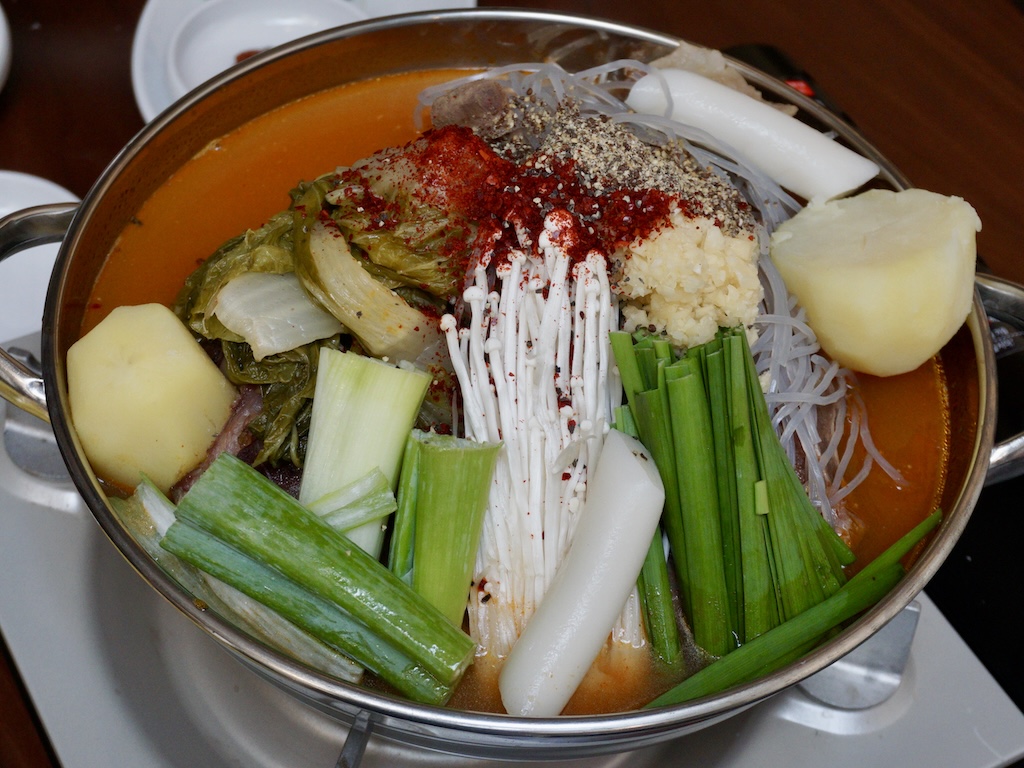
We had the original pork gamjatang (S$58), a spicy and clear soup with pork spine. The soup’s also furnished with veggies, boiled potato chunks, glass noodles, and rice cakes. Despite being vibrantly orange, we found the soup a lot less spicy than it looks.
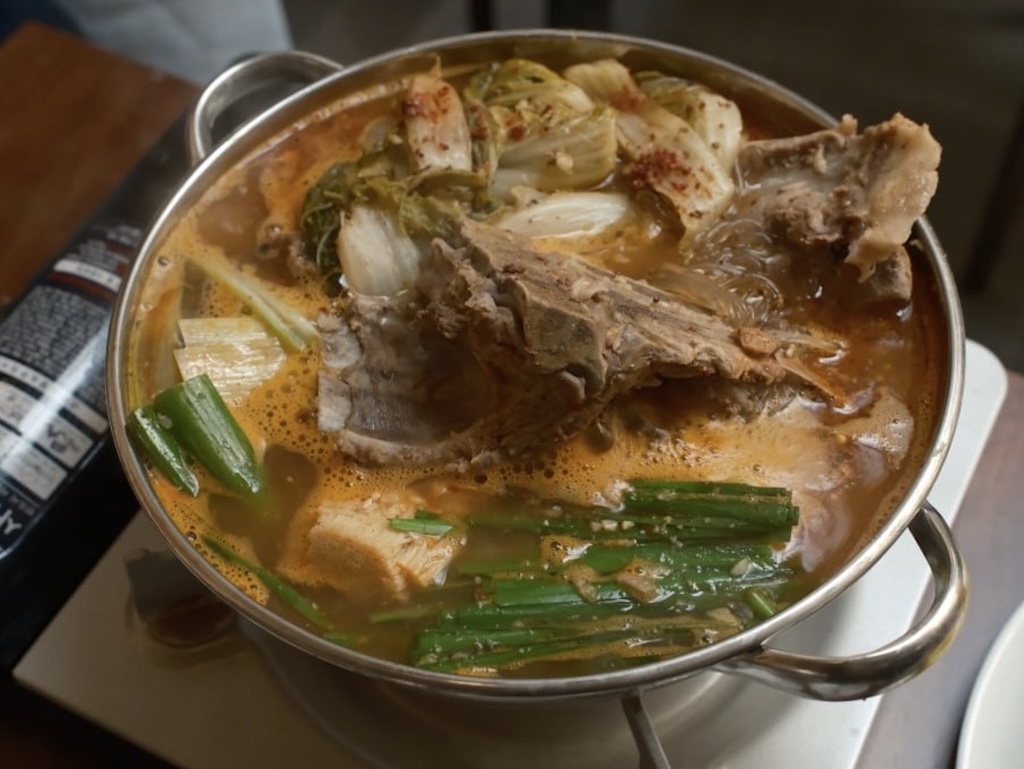
We found the meat to be generously portioned — enough for either two ravenously hungry stomachs or three moderately hungry ones. If you’re with more companions, a larger serving size is available at S$68.
Gamja also does a non-spicy version with its white pork gamjatang (from S$53 for regular). There’s also an aged kimchi gamjatang (S$55 for regular) if you like a more sour profile, and a perilla seed gamjatang (S$55 for regular), for even more variety.
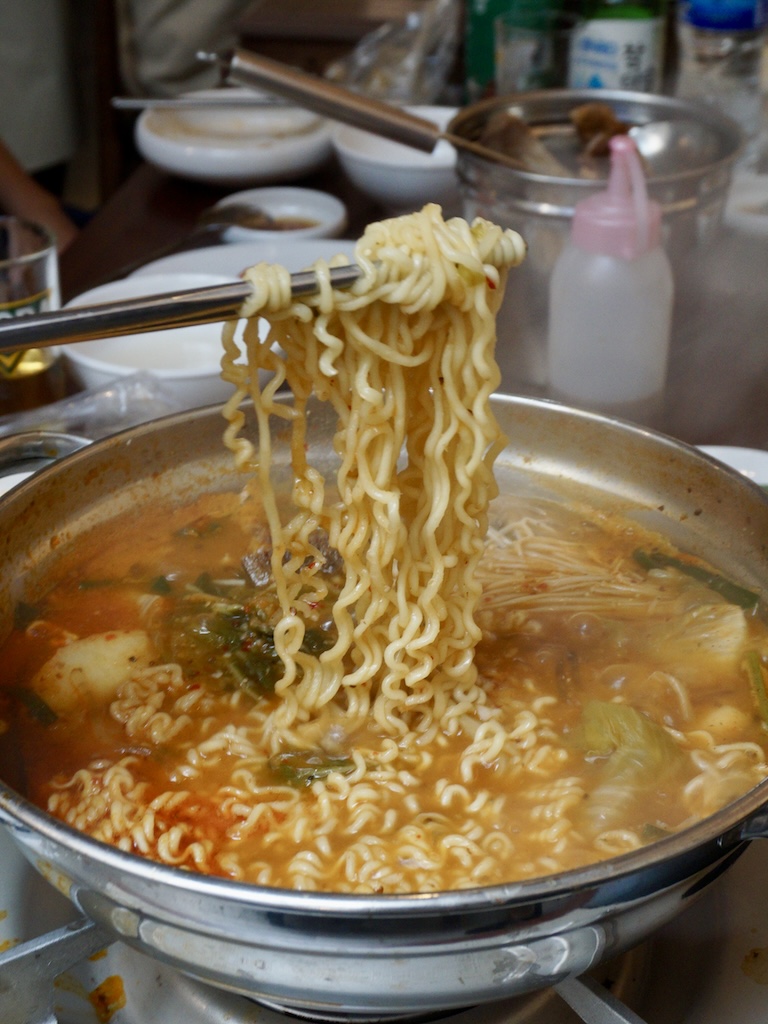
When you’re halfway through the gamjatang, add some ramyun noodles for your second course. The noodles perfectly absorb the flavour and make for a great mid-meal carb addition.
Once the ingredients clear out and the soup is nearly gone, it’s time for the third and final course — fried rice.
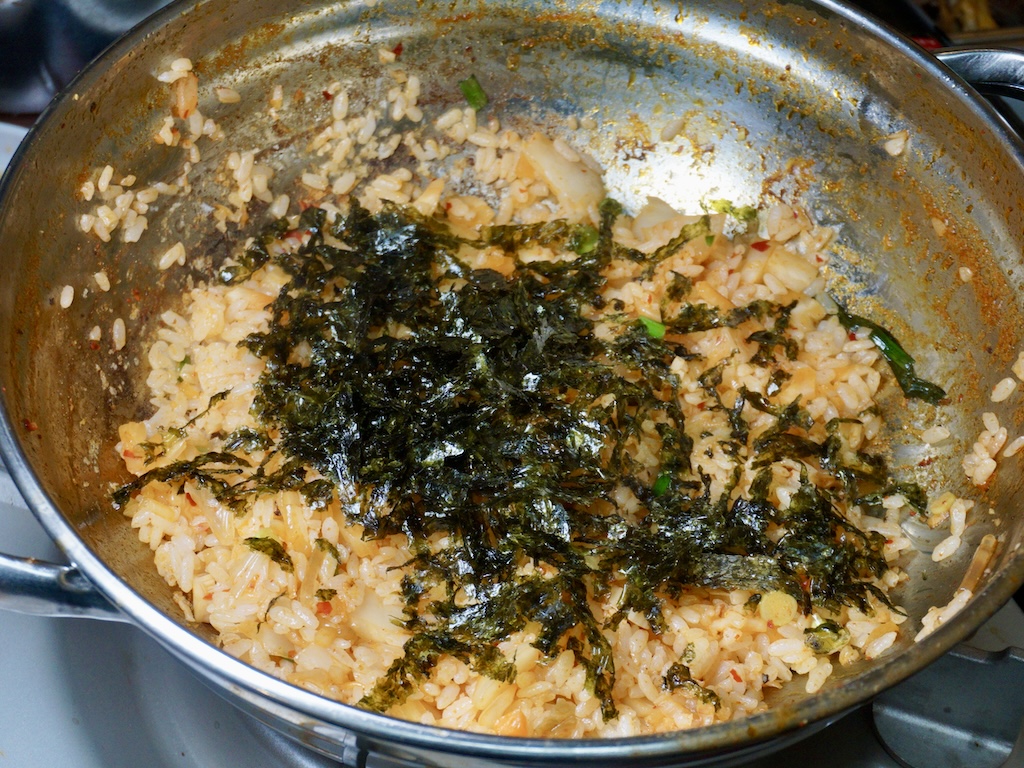
The rice soaks up the leftover soup, and is then fried and layered thinly across the pot before being garnished with seaweed. Soon, the thinly spread rice crisps up into nurunji — scorched rice that works as a fitting end to the meal.
Side dishes and more
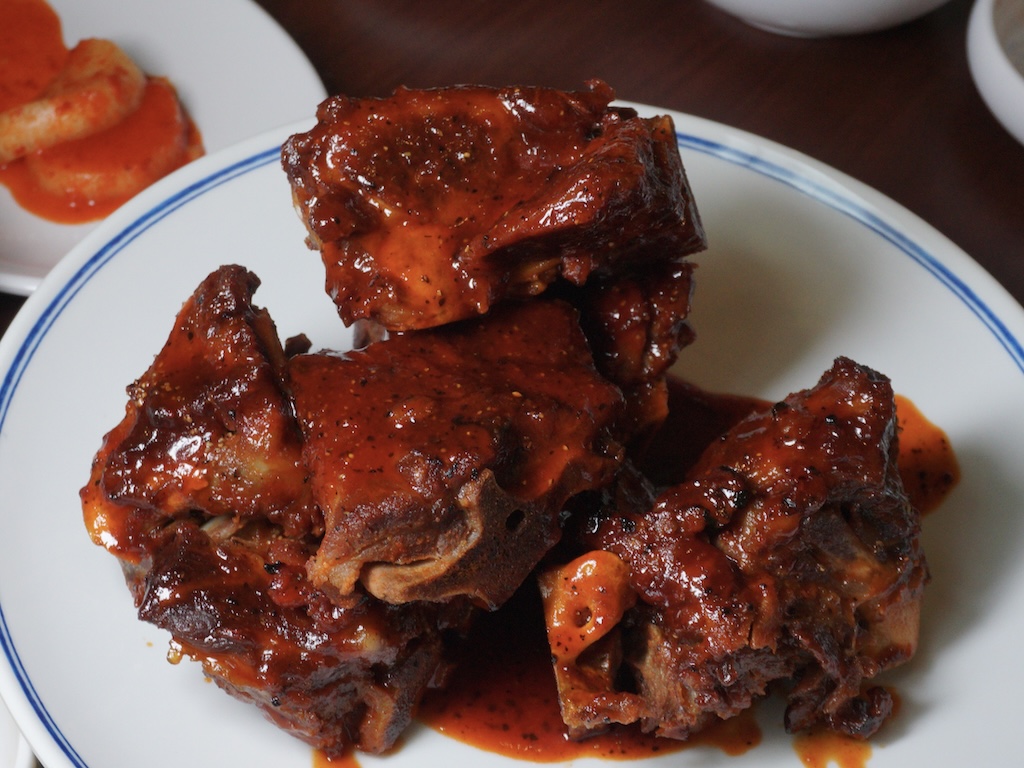
If you find yourself still craving more meat, go for the spicy grilled pork bone (from S$48 for regular).
The spicy marinade had a sweetness to it that brought to mind the glaze on American baby back ribs, but with an explosive spiciness that jolts you into remembering this is a Korean dish, after all. Shin does say that he’s still tweaking the level of spice, but it should still have a kick!
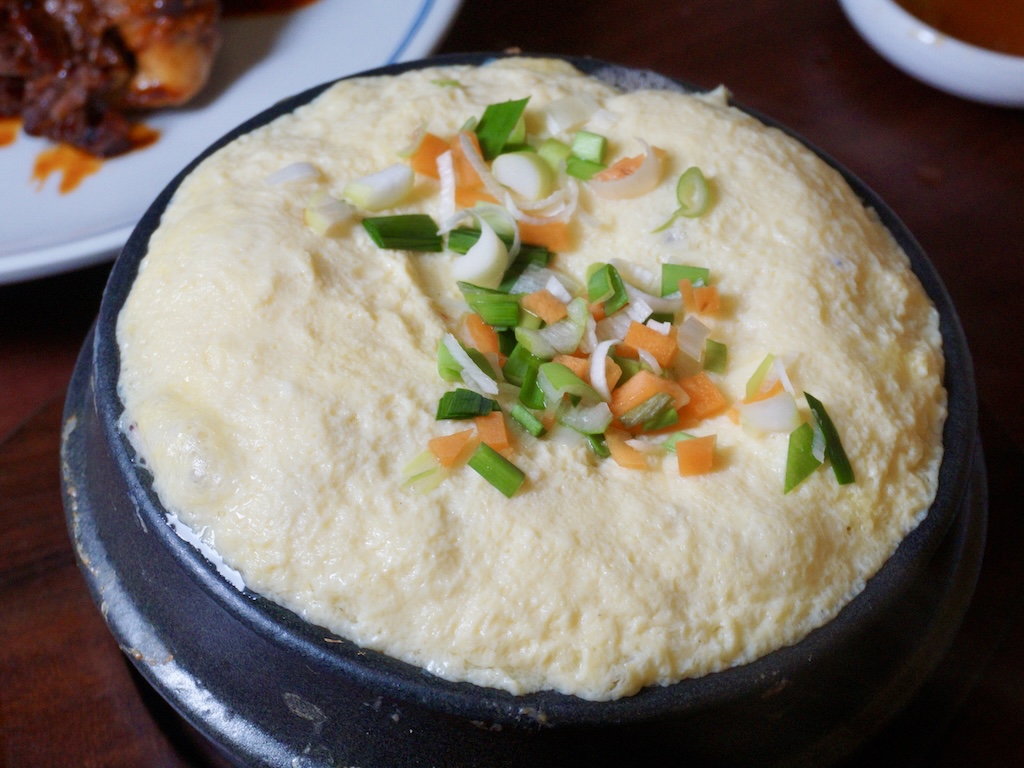
Shin recommended we have a bite of the fluffy steamed egg (S$8.80), if we found the spice too much to handle. True enough, the steamed egg did a fantastic job of quelling the sharp heat.
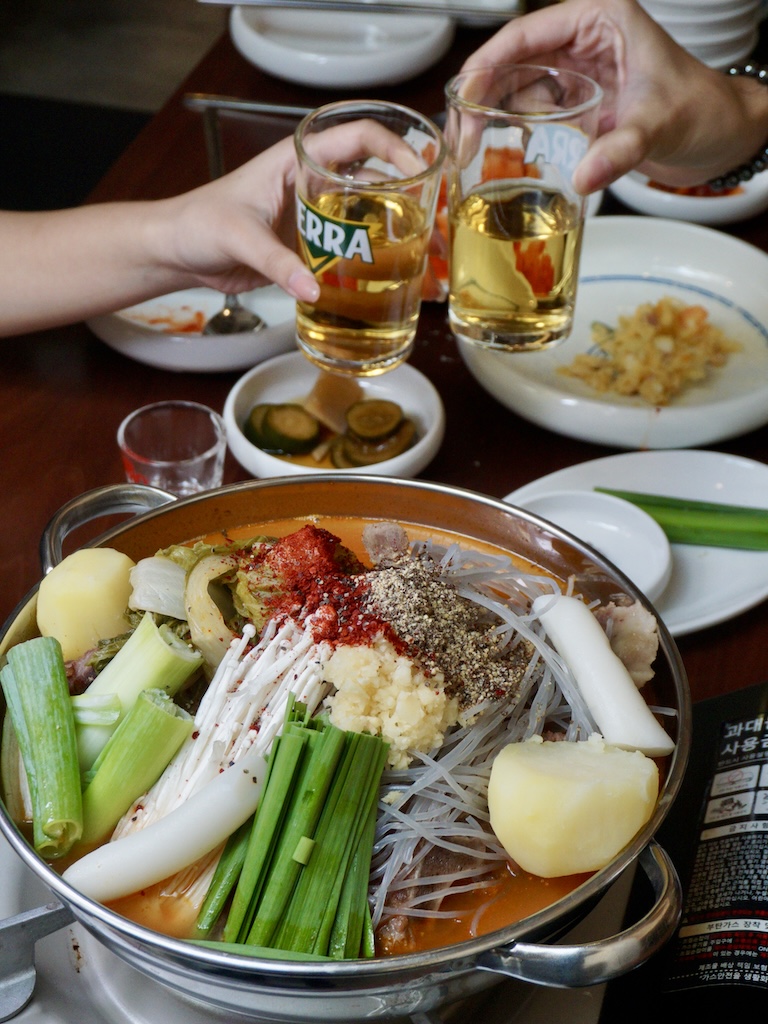
Gamjatang in Korea usually comes hand-in-hand with soju or somaek (soju and beer), and you’ll probably understand why, once you’ve tried it yourself. Wash the spicy soup down with some soju (S$20) and beer (S$14) — you’ll find yourself letting out a satisfying “kyaaaaa”, like the ahjussis (uncles) in dramas do.
It’s a refreshing chaser to wash down the grease and spice!
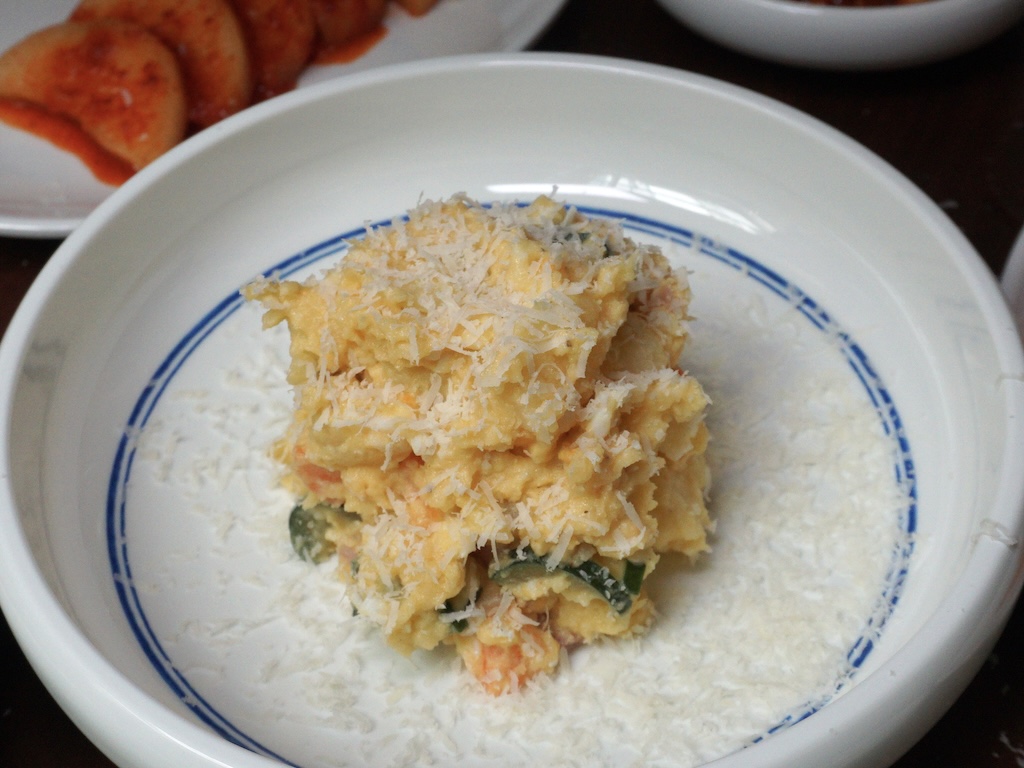
We also tried the signature potato salad (S$10), a light side to keep your hunger pangs at bay while your gamjatang comes to a boil.
Gamja elevates this otherwise common banchan (side dish) by mixing in bacon and adding grana panado cheese, grated tableside for that theatrical flair.
If you’re a fan of Korean pancakes, Gamja offers chive and shrimp jeon (S$19.80), kimchi jeon (S$19.80), shrimp jeon (S$19.80), and potato jeon (S$19.80) to go along with your mains.
Cauldron lid barbecue
Gamjatang and pork barbecue go hand in hand in Korea, but it was unfortunately unavailable during our visit.
Nonetheless, pairing your gamjatang with pork belly (S$28), pork collar (S$28), and beef short ribs (S$48) grilled over a cauldron lid does sound delectable.
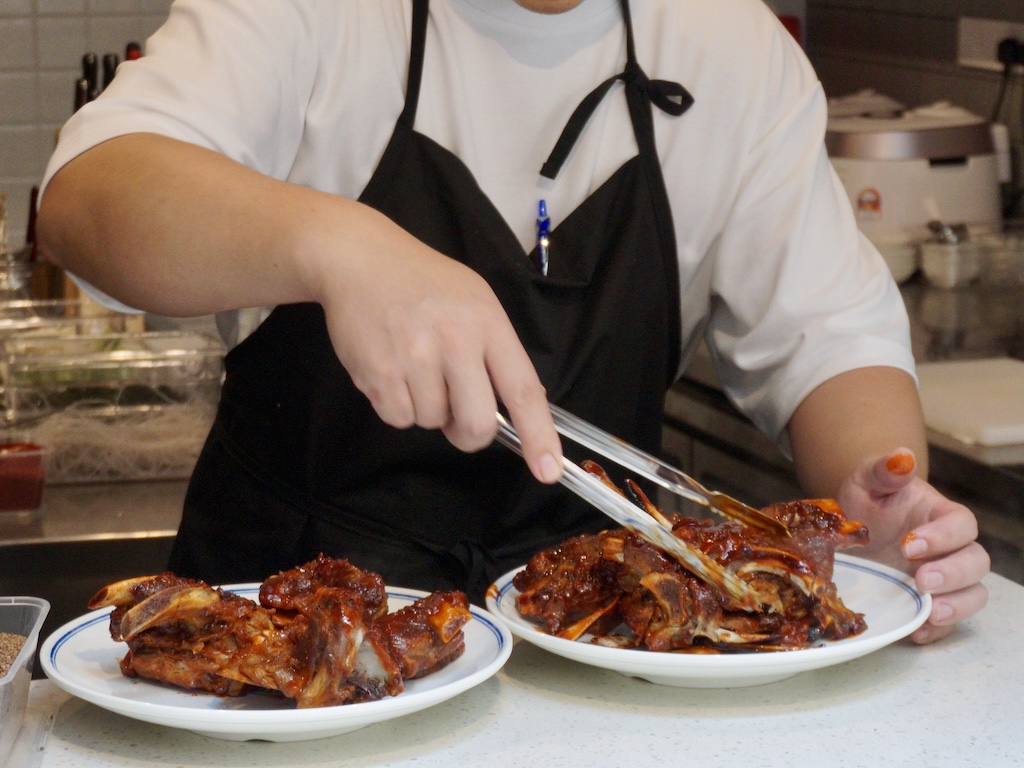
If you do get the barbecue, save some space for the jjapaghetti stir-fried noodles (S$12) that are grilled on the cauldron lid after you’re done with the meat. This savoury way to finish off a barbecue meal is pretty popular in Korea, but a rare sight in Korean restaurants here.
Do note that the sharing portions and barbecue are only available during dinnertime. The lunchtime menu serves up individual portions of gamjatang instead, from S$15.80 to S$18.80.
Whether you’re keen on trying a new Korean dish the authentic way, or just on the lookout for a new spot to dine at, Gamja’s hearty dishes are a great option for food that warms not just the stomach, but the soul, too.
This was a hosted tasting.
Looking for more places to check out? Try this Thai-Japanese izakaya in Chinatown or a hawker stall serving Sri Lankan biryani!
Tue 11am - 3pm, 5pm - 12am
Wed 11am - 3pm, 5pm - 12am
Thu 11am - 3pm, 5pm - 12am
Fri 11am - 3pm, 5pm - 12am
Sat 11am - 3pm, 5pm - 12am
Sun 11am - 3pm, 5pm - 12am
- Tanjong Pagar
- Maxwell



Hannah is constantly on a hunt for good food and vibey cafes, with the occasional mild lactose intolerance being the only thing that interrupts her endeavours.
Read more stories from this writer.