Retro concept Bae Sik Dang brings naengsam (frozen pork belly) K-BBQ to Singapore

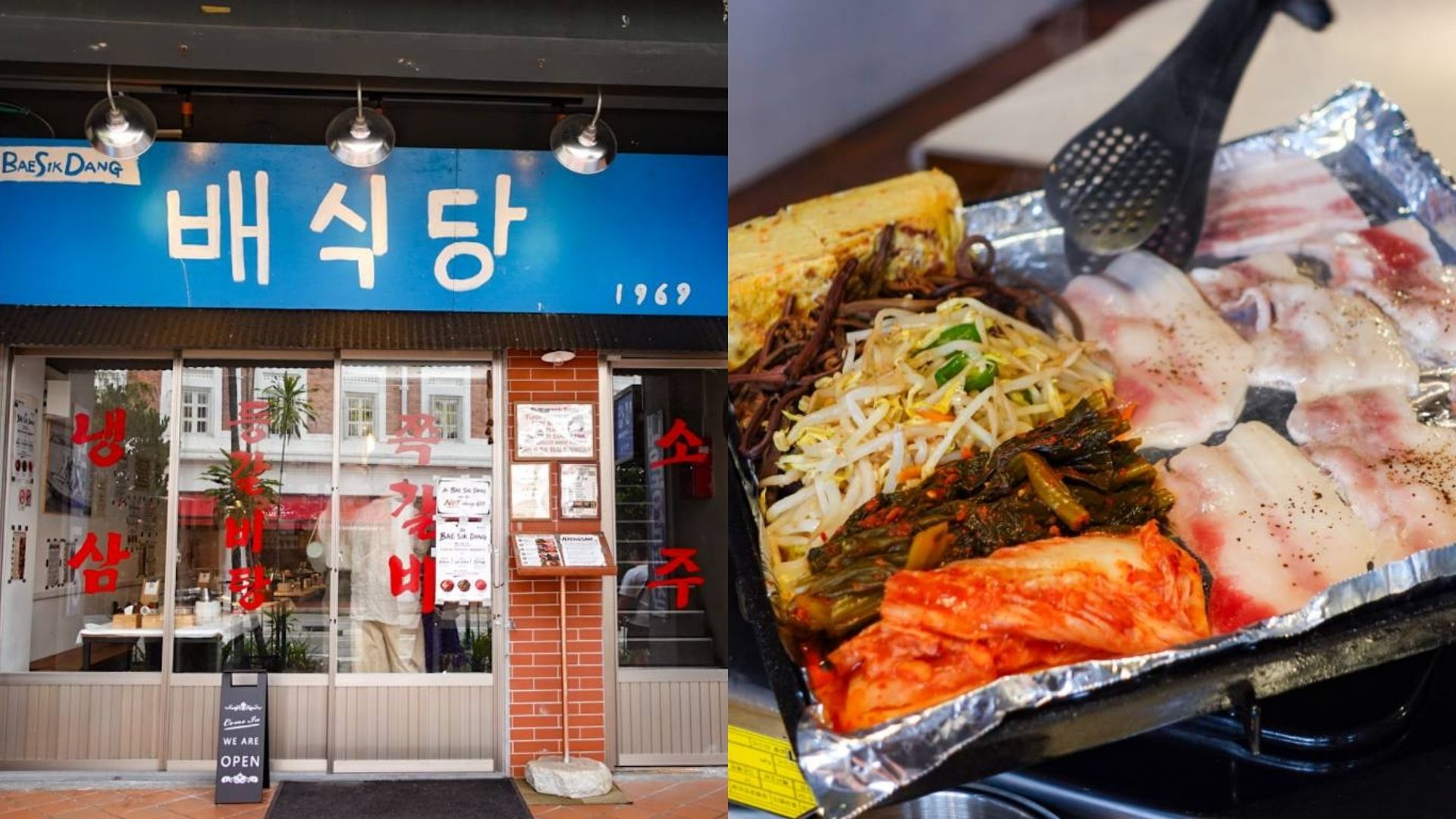
In a sea of sleek, minimalist Korean restaurant openings, new Korean barbecue spot Bae Sik Dang immediately stands out for two reasons: its nostalgic, Seoul-inspired retro decor, and its focus on naengsam — ultra-thin frozen pork belly that’s still relatively rare in Singapore.
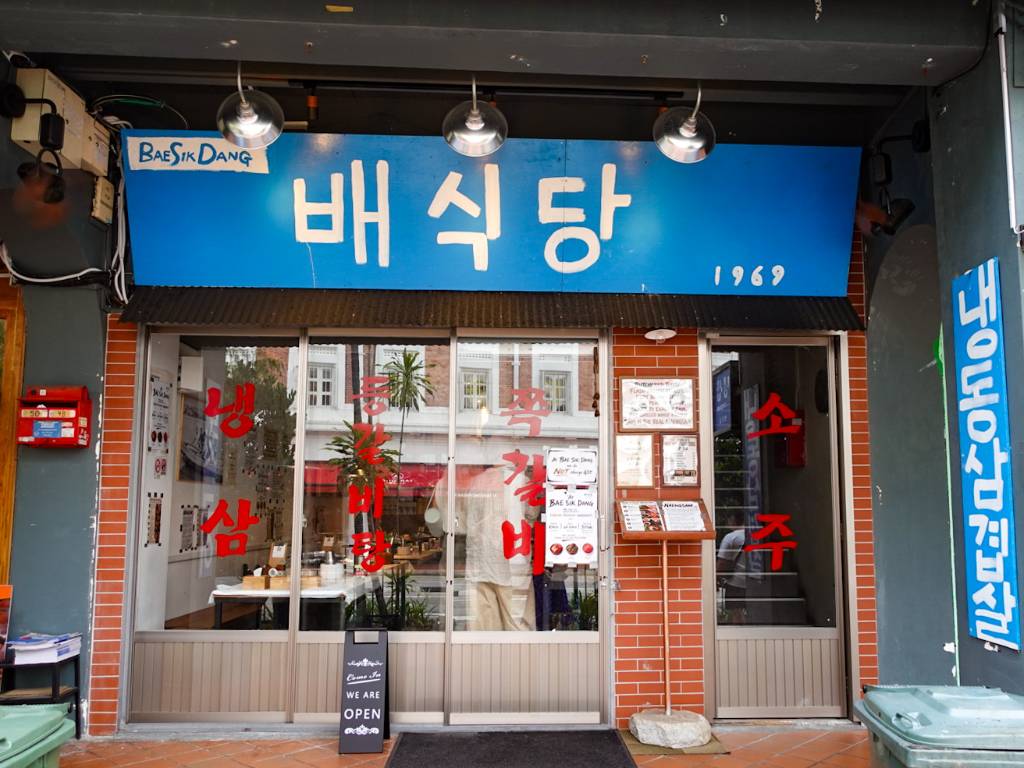
At first glance, its bright blue signboard, sliding glass panels and vertically written Korean menu boards make it look like the kind of barbecue joint you’d stumble on in Seoul.
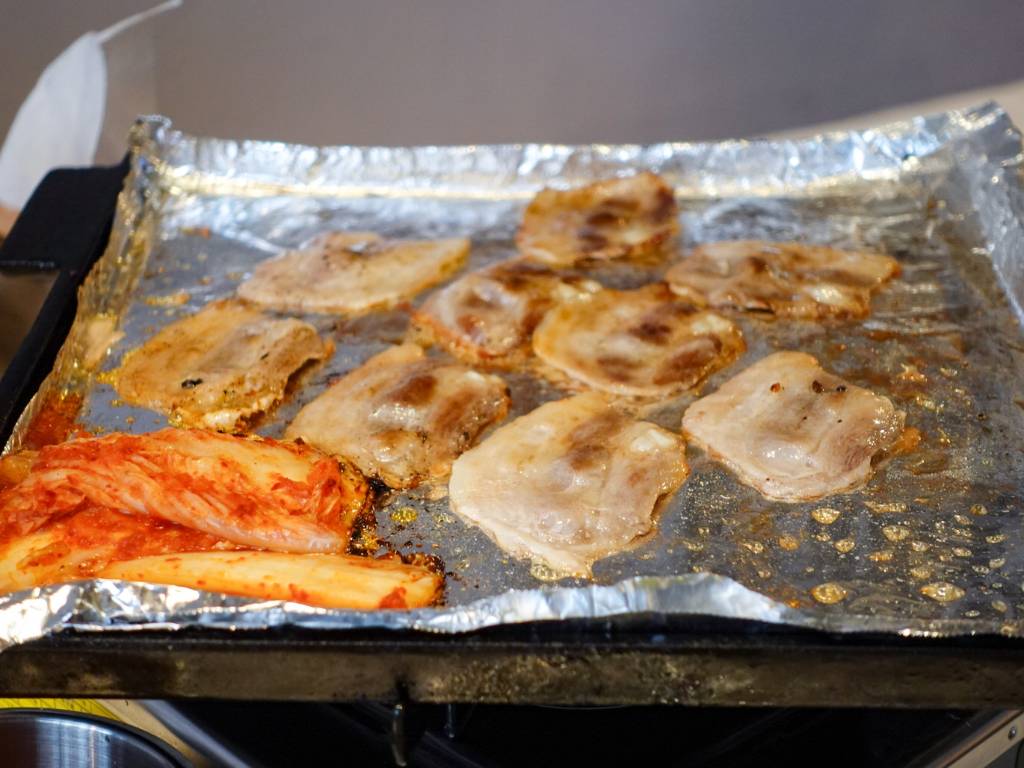
As for its offerings, if you’re unfamiliar with the term “naengsam”, it is pork belly that’s flash-frozen before being sliced into paper-thin sheets (or to a 3mm thickness, as it is done at Bae Sik Dang). The result is meat that cooks in under a minute, and crisps up beautifully on the grill.
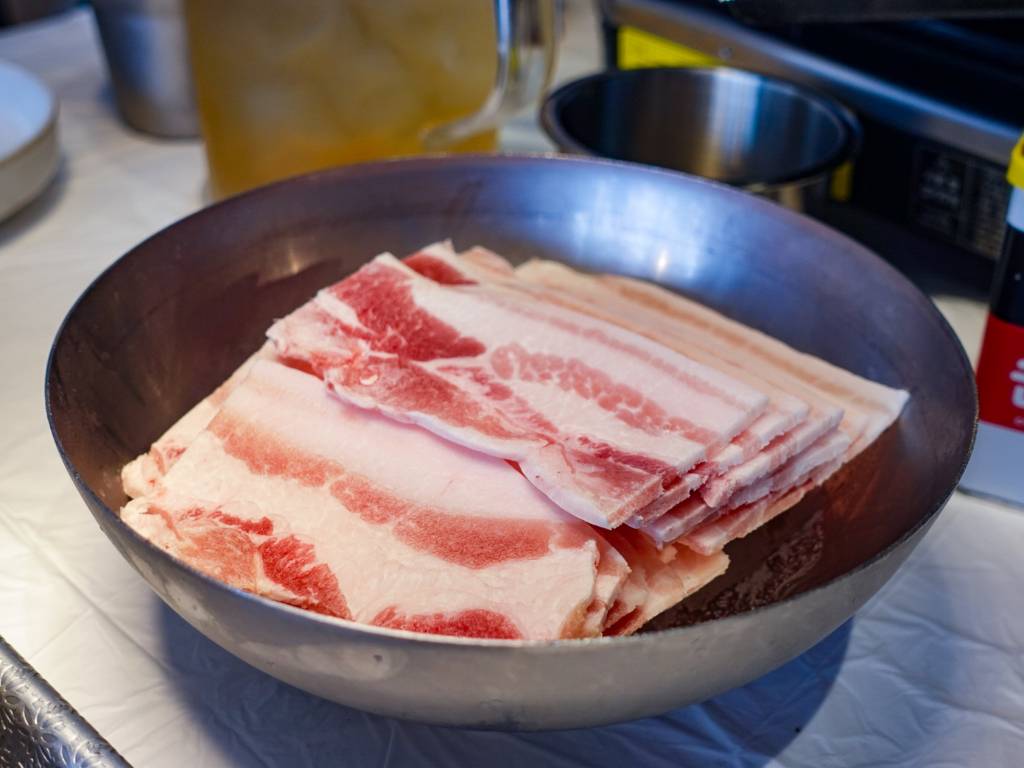
Originally introduced in Korea in the 1960s, when fresh meat was harder to come by, naengsam was once considered the budget option. These days, it’s no longer unusual for it to be priced similar to regular cuts, or for it to be from premium Jeju pork.
At Bae Sik Dang, It’s not just the aesthetic and meats that are nostalgic nods; its name is one, too.
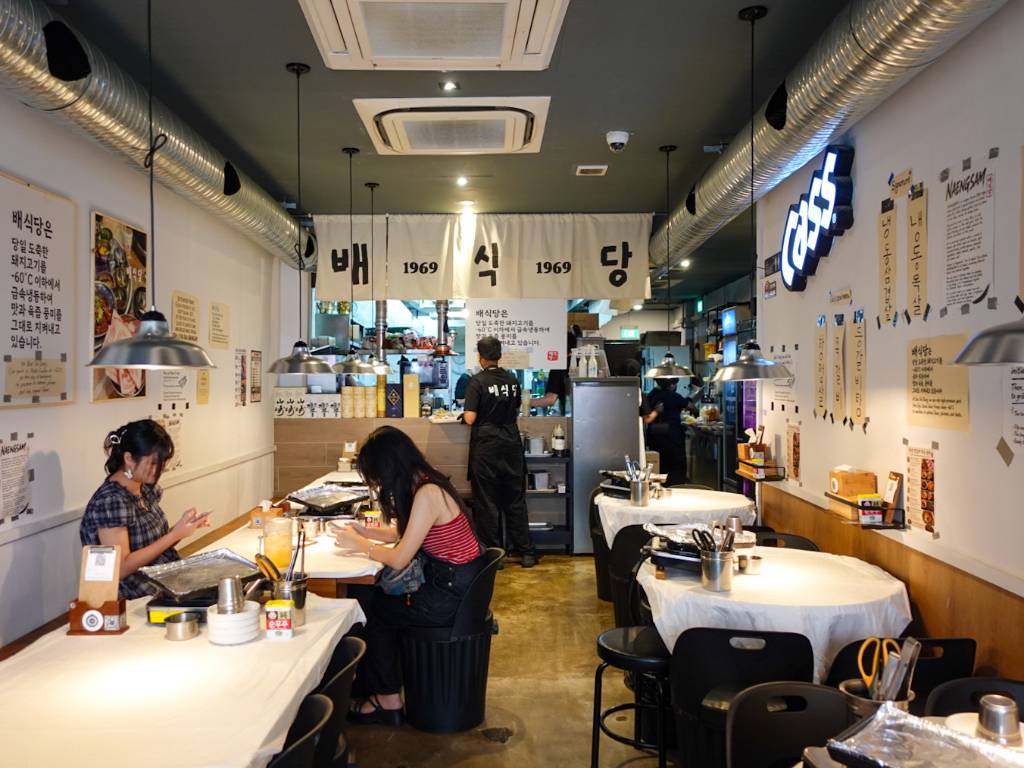
The restaurant was named after the pear orchards — with “bae” meaning pear and “sik dang” meaning restaurant — that used to fill the popular Gangnam district in Seoul, back in the 1960s.
Bae Sik Dang’s menu
The meat offerings at Bae Sik Dang are straightforward: There’s the Jeju 3mm ultra-thin, flash-frozen pork belly (S$36 for 150g), and the Duroc pork belly (S$28) and Duroc pork shoulder (S$26) versions in the same thin slices.
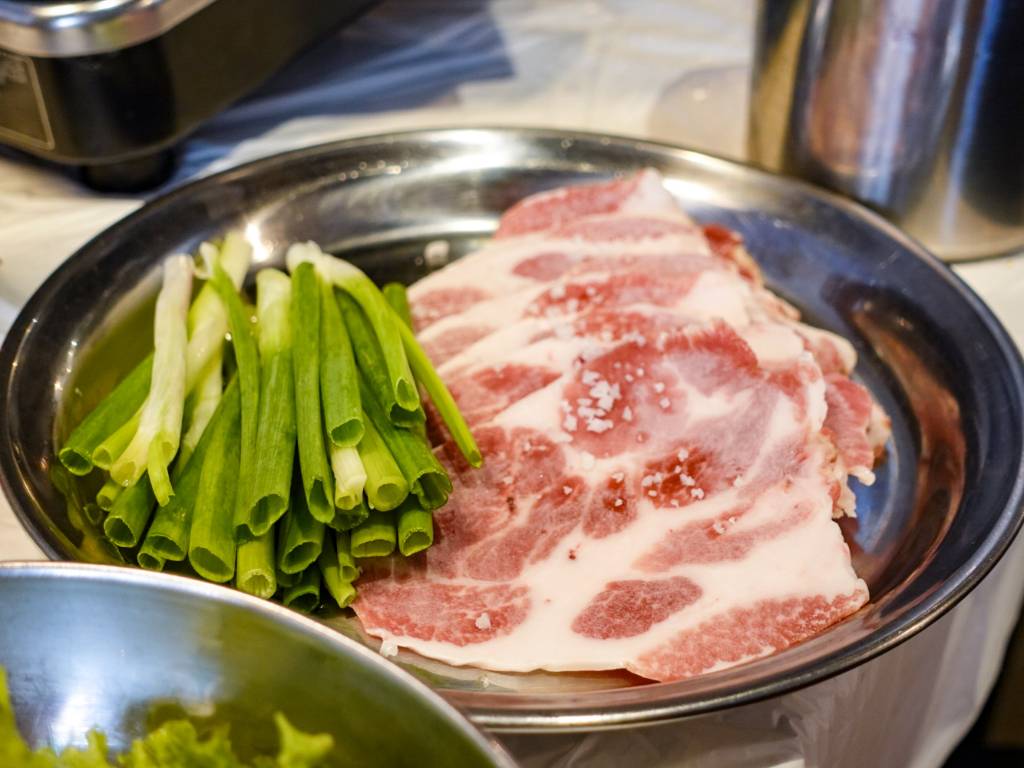
There is also a limited-quantity fresh pork jowl (S$30 for 150g) if you want some variety.
The rest of the menu is similarly streamlined, with three types of stews (from S$20), three noodle dishes (from S$20) and a fried rice add-on from S$14.
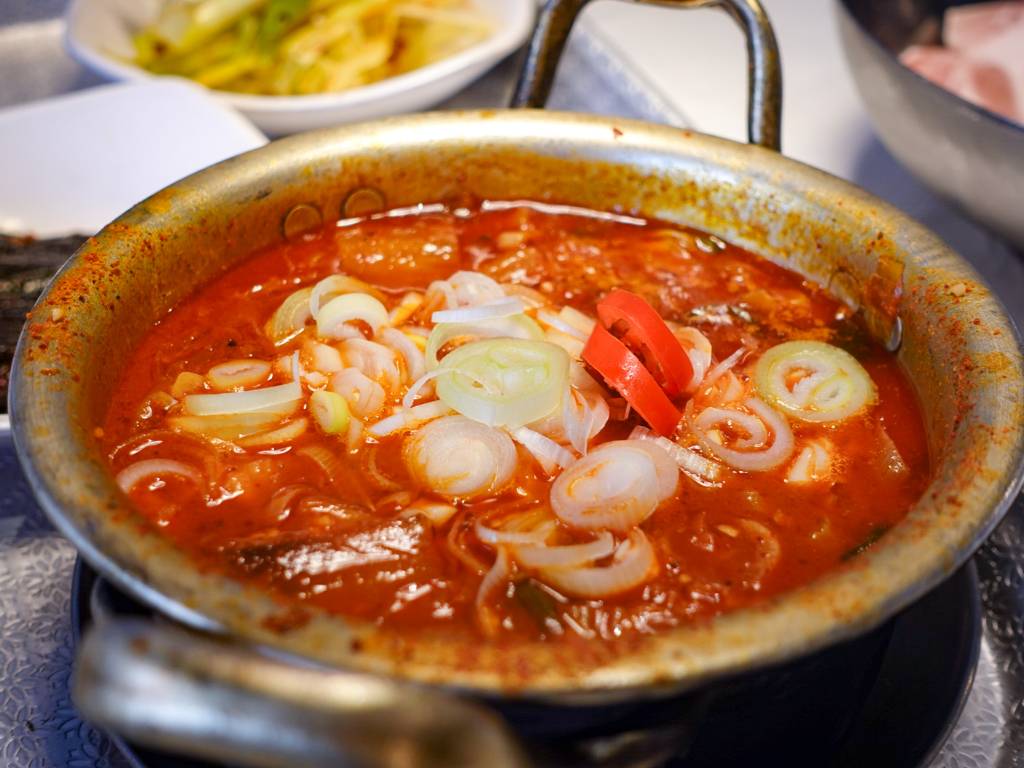
You can also opt to add on individual servings of Jeolla-style aged kimchi (S$4) or Jeolla-style mustard leaf kimchi (S$4). This refers to the Jeollanamdo area in Korea where its kimchi is known for being heavily fermented, more savoury, and umami-laden.
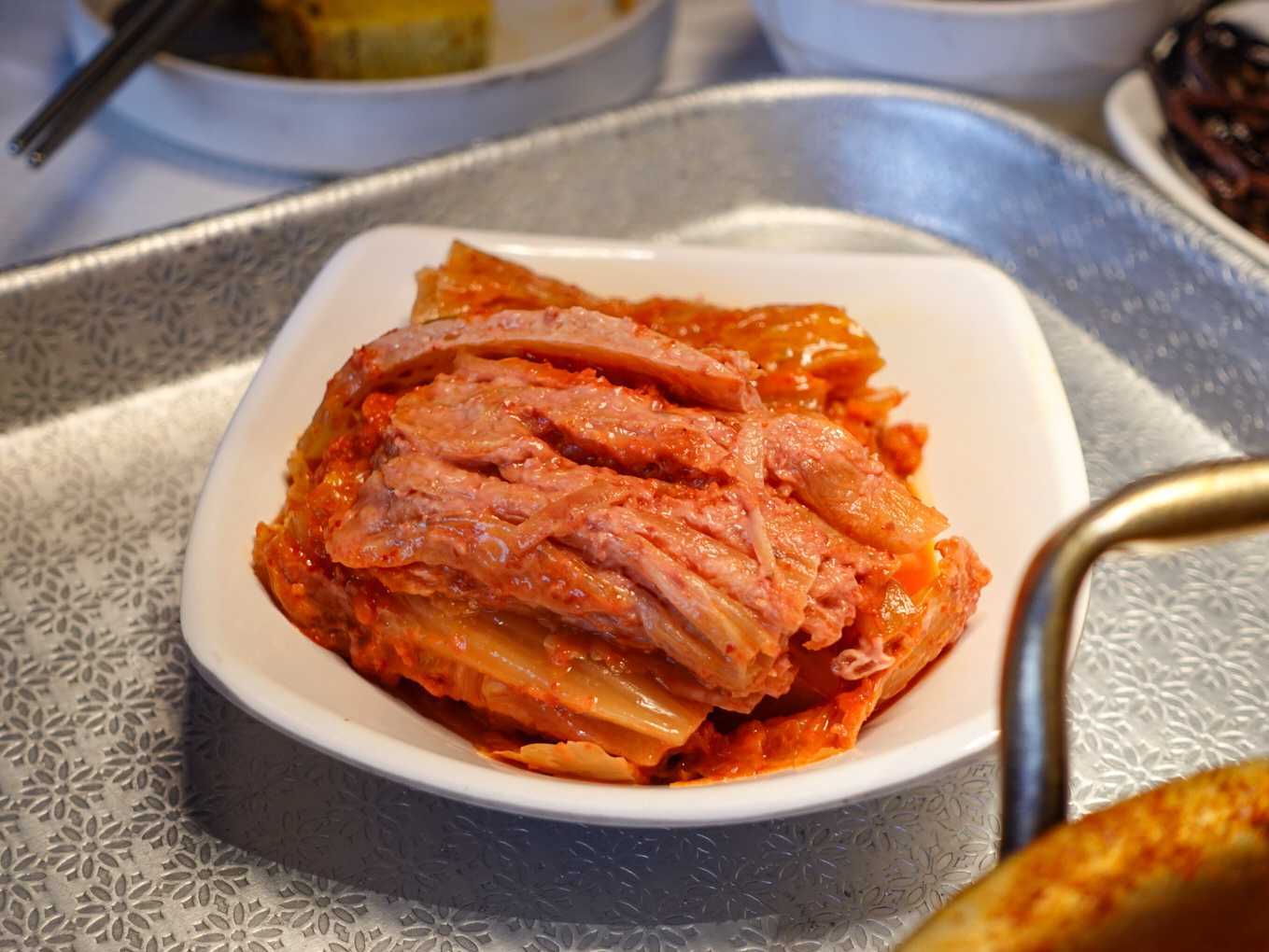
With the generous spread of complimentary side dishes, though, you probably won’t need the extras.
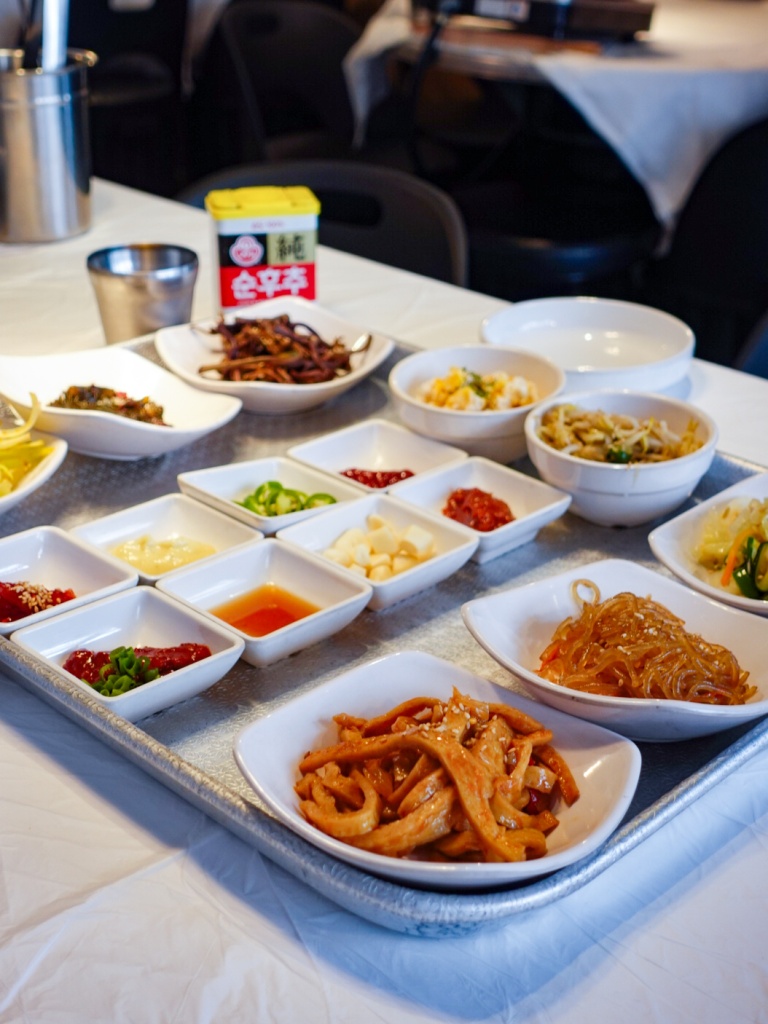
Choices run the gamut from regular kimchi, to the more obscure and lesser-known salted hairtail sauce (galchi seokjeot), made from the innards of the hairtail fish — it’s definitely an acquired taste, so make sure you know which dish you’re reaching for.
If you don’t know where to start, the restaurant has a detailed step-by-step guide on how to go about having your naengsam, including having it with pepper, sesame oil, among other permutations.
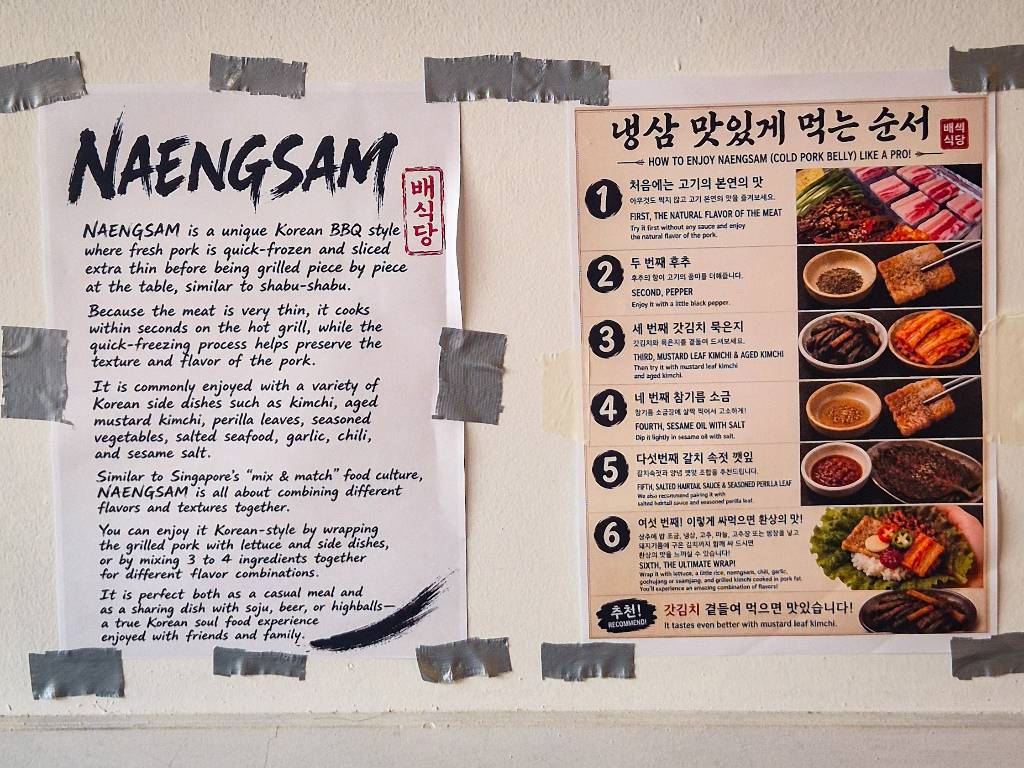
Staff will happily cook the first few slices for you, though each piece takes just under a minute, making it easy enough to handle yourself. (You can just keep it on the grill for longer, if you like it more crisped up.)
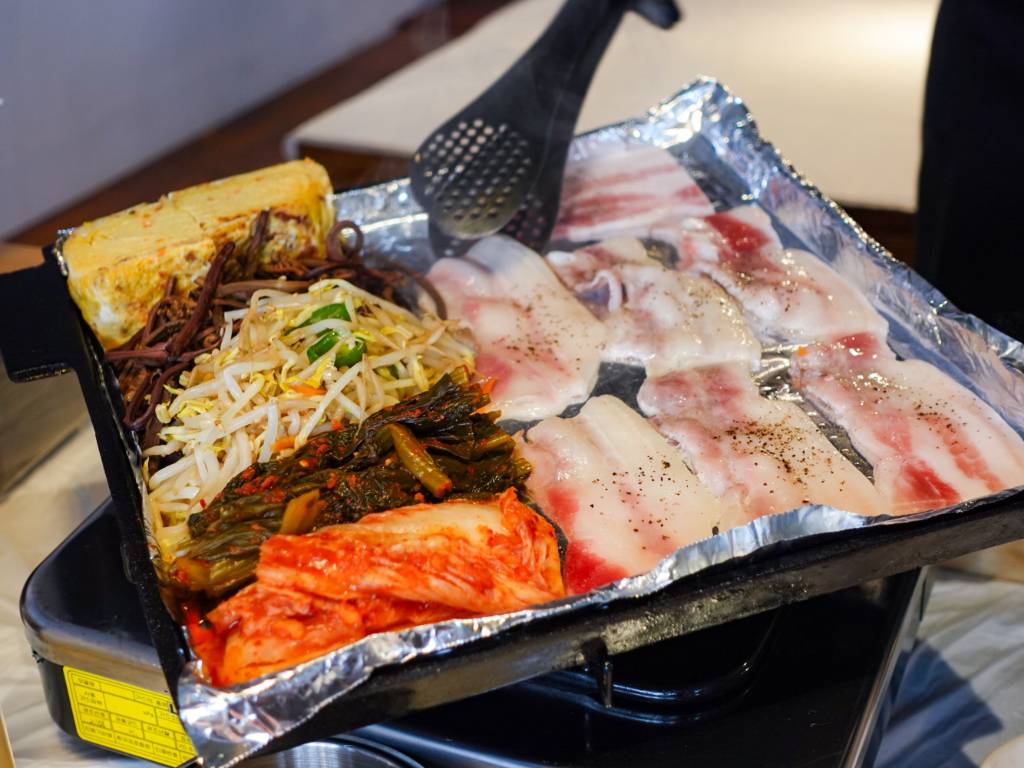
While it wasn’t my first time having naengsam, it was new to my dining companion who remarked that the thin slices made it feel much lighter on the palate than the thicker cuts usually served at Korean barbecue restaurants.
As someone who loves a good golden-brown sear when I have K-BBQ, the naengsam is a quick, fuss-free way to achieve that, without constantly checking to see if the meat is cooked through yet.
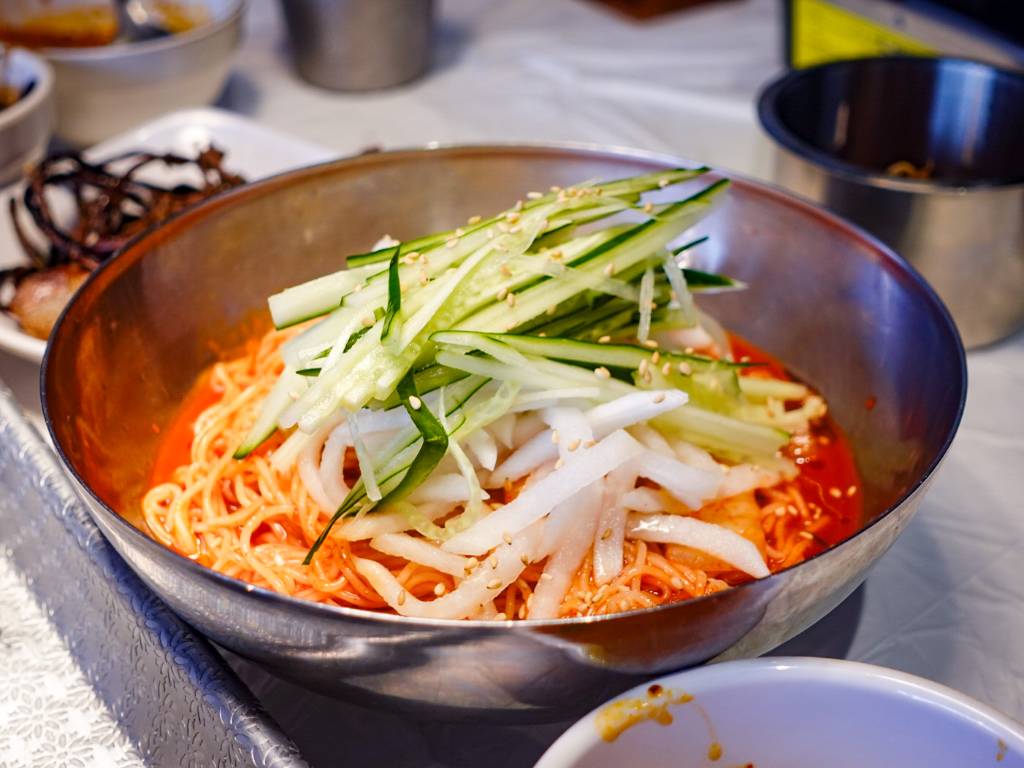
Like many Korean barbecue meals, your time at Bae Sik Dang is best rounded out with a bubbling stew and a bowl of cold noodles, and the Jeju-style soft tofu stew (S$20) and spicy cold noodles with pear (S$20) would be your best bet.
You can also opt for the Jeju Line set (S$121), which comes with two servings of signature 3mm Jeju naengsam, stew, and a fried rice, with add-ons such as flying fish roe, mozzarella cheese, and fried egg.
The soft tofu stew is comforting and tasted just like the versions I’d had in Seoul, though locals may find it a touch blander than what they’re used to.
Once you’re nearly done, save a little meat and kimchi on the grill before waving the staff over for your fried-rice finale.
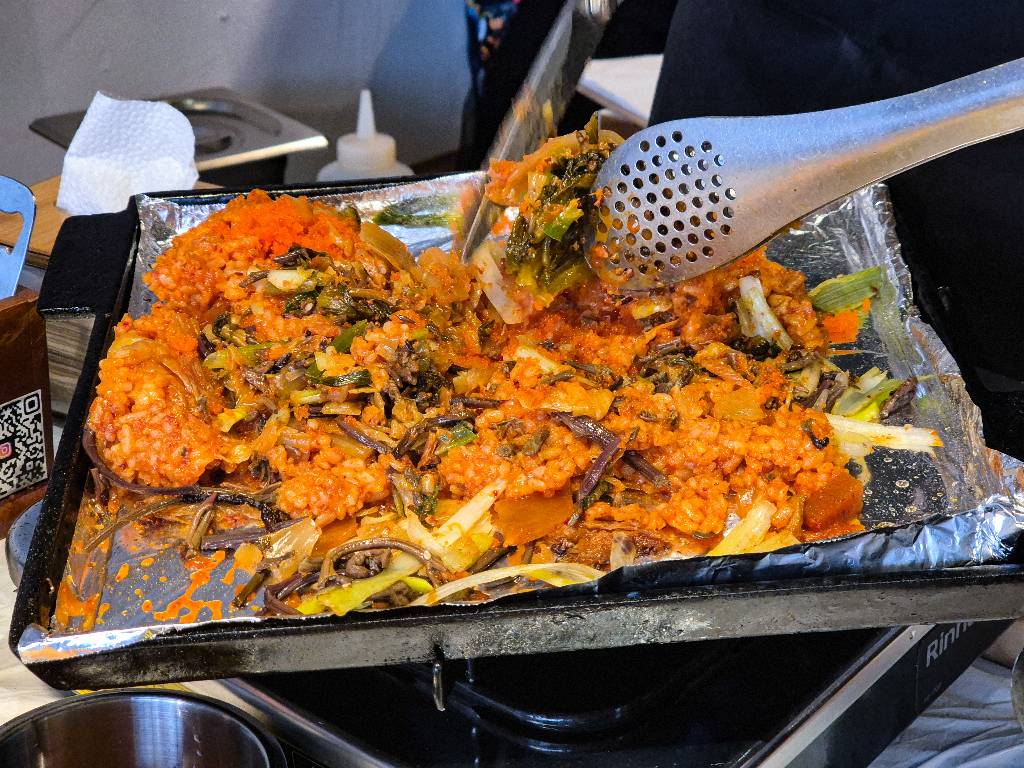
One word of warning, though: Save plenty of stomach space if you’re ordering the fried rice. The portion is enormous. (That said, if you’re stuffed like us, it is the only dish at Bae Sik Dang that you can opt to take away, if you can’t finish it.)
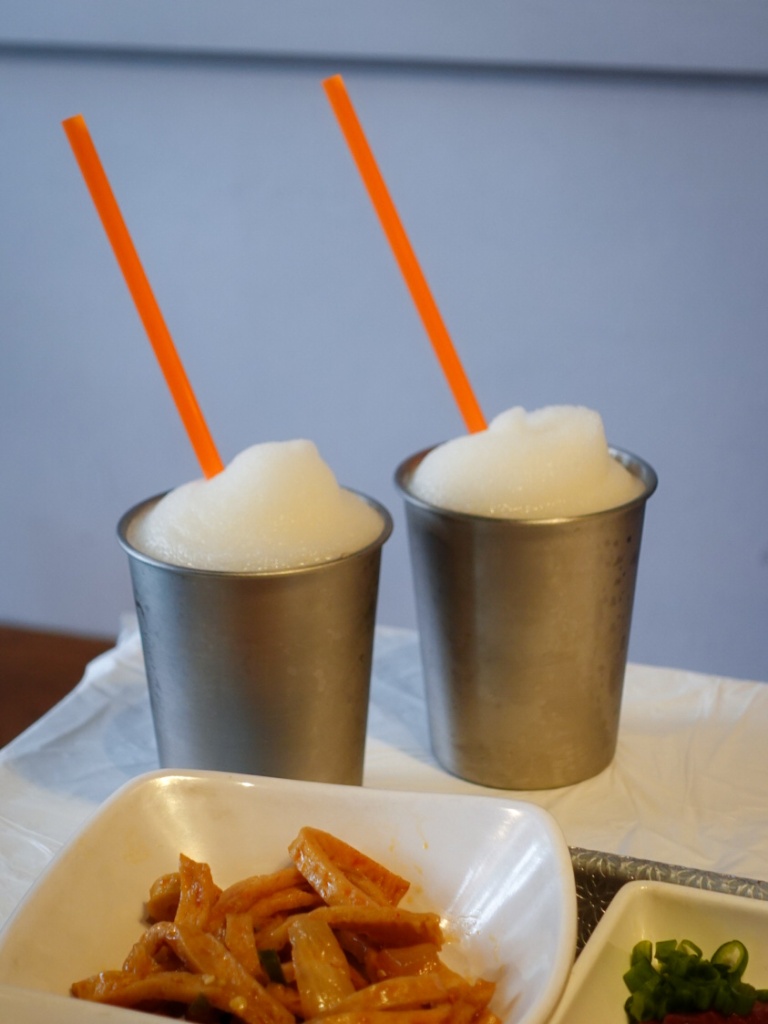
Drink choices at Bae Sik Dang are what you’d usually expect at Korean restaurants along Tanjong Pagar, but if you’re looking for something different, try the pear slushie (S$4), which is a refreshing palate cleanser between bites of smoky barbecue.
Despite being a small venue, Bae Sik Dang doesn’t feel greasy or smoky, as some K-BBQ spots in Singapore can. There’s also a second floor that seats bigger groups.
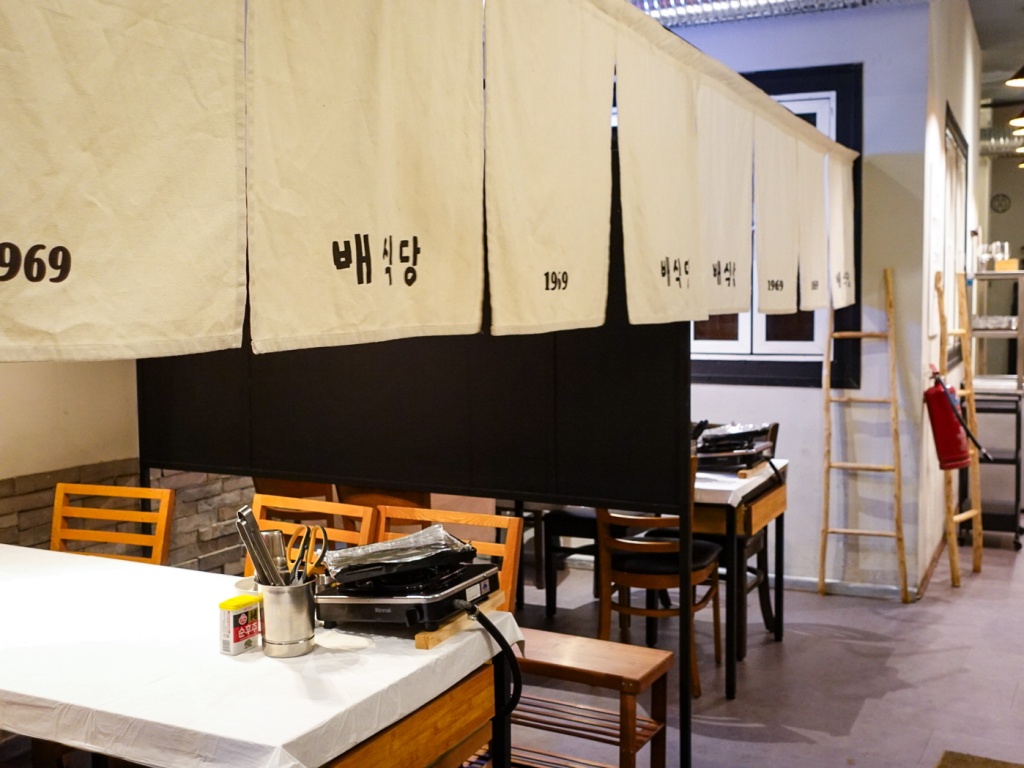
While it does take reservations via Instagram DM and Whatsapp, spots do fill up quickly and there’s almost always a queue.
That said, Bae Sik Dang stays open until 5am daily, so if you’re happy eating at odd hours — or simply craving K-BBQ for supper — you can always swing by after the dinner rush to give naengsam a try.
This was a hosted tasting.
For more eats around Tanjong Pagar, check out the new Japanese-italian fusion spot, Saikyo Pasta or the cosiest Korean cafe, Visitors.
Mon 5pm - 5am
Tue 5pm - 5am
Wed 5pm - 5am
Thu 5pm - 5am
Fri 5pm - 5am
Sat 5pm - 5am
Sun 5pm - 5am
- Tanjong Pagar
- Maxwell



Sarah is constantly seeking out new coffee spots and cocktail bars around the world, and should probably drink more water while at it.
Read more stories from this writer.