“Food is our love language”: The family behind the old-school Gu Zao Ren Taiwan Porridge & Hainanese-western cafe Seng House

- Founded by 54-year-old Ah Seng, Gu Zao Ren Taiwan Porridge is a bustling zi char spot, known for comforting Taiwanese-style porridge with unlimited refills and a 120-dish menu.
- His daughter, Liya, runs Hainanese-western cafe Seng House at Tanjong Katong, just a 10-minute drive away from Gu Zao Ren.
- We speak to the father-and-daughter duo about their shared values in running an F&B business, and how they bridge generational differences, while expressing the same deep love for food.
In a city that rarely slows down — where menus change with trends, and survival in the F&B scene often feels like a race against time — staying relevant is a challenging feat.
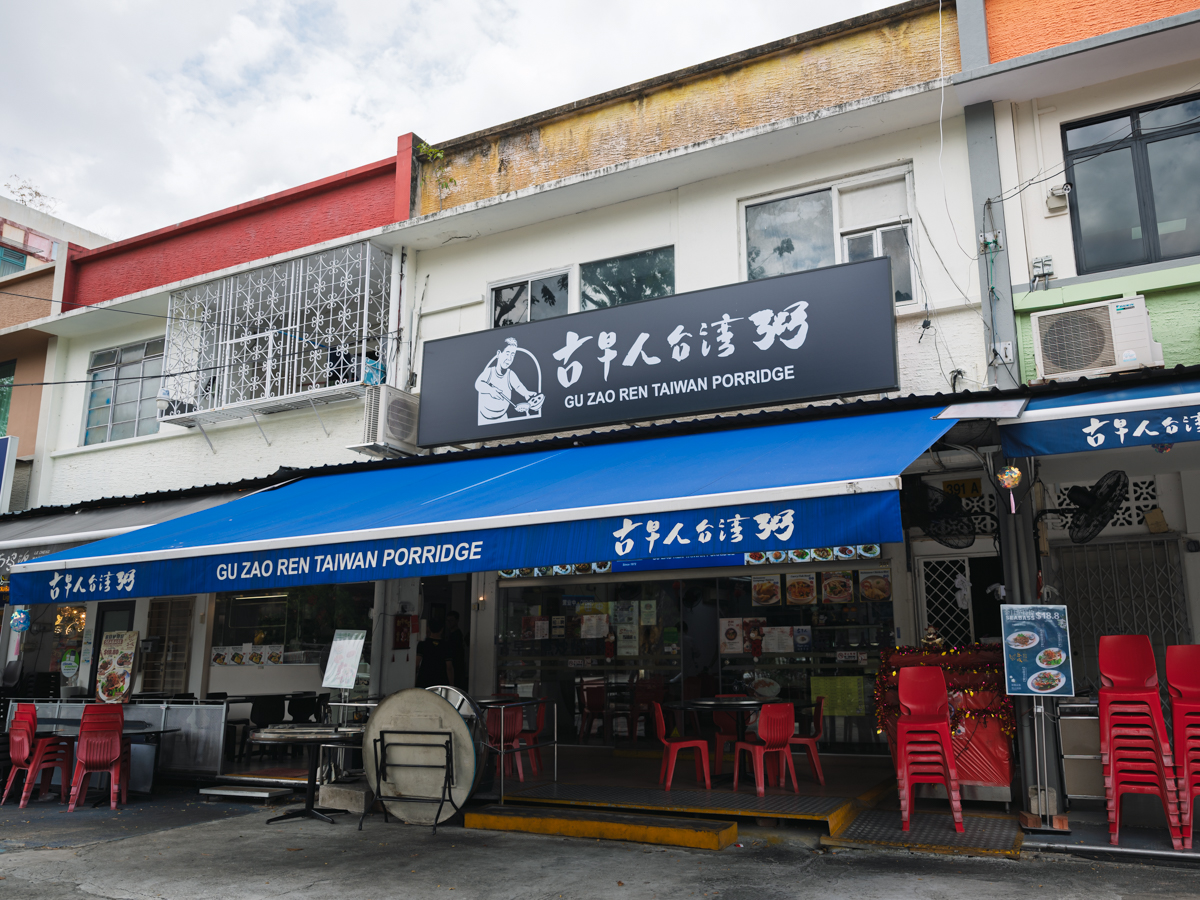
Yet along the quiet stretch of Changi Road, a 54-year-old zi char eatery hums steadily into the night, its lights on until 2am, as families, friends, and familiar faces gather over tables of oh-so-comforting dishes.
Here, recipes are driven not by innovation, but by recollection — held together by years of practice, discipline, and a genuine care for its diners who return repeatedly.
This is Gu Zao Ren Taiwan Porridge — a beloved late-night haunt for many easties, well-loved for its Taiwan porridge, as well as a whopping spread of 120 zi char dishes to go with it!
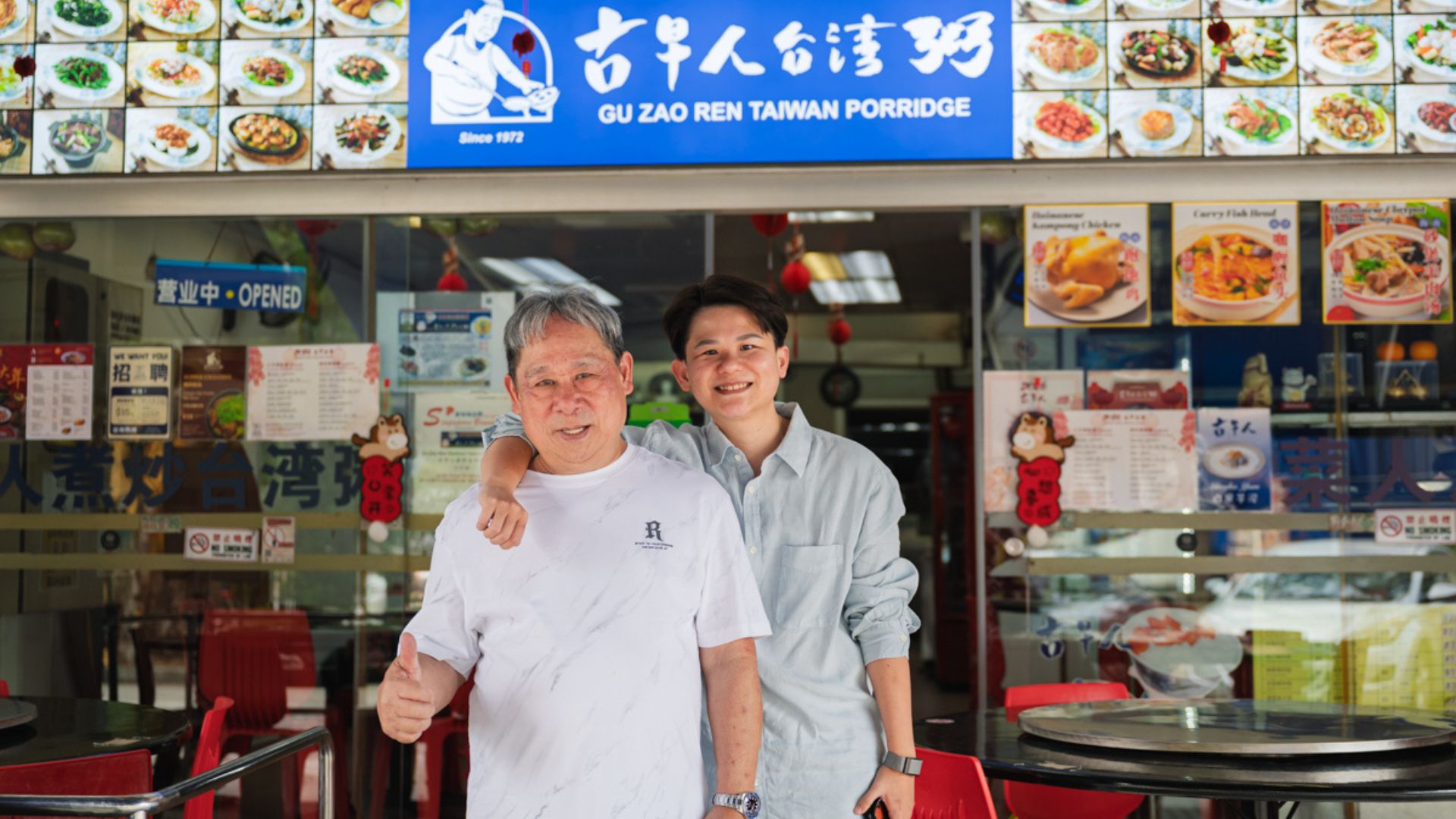
At the heart of it all is 75-year-old founder Hong Ban Seng, also known as Ah Seng to many.
The name Gu Zao Ren (古早人) directly translates to “people from the old days,” referring to Ah Seng’s great desire to preserve the flavours and techniques that once shaped the simple, everyday meals.
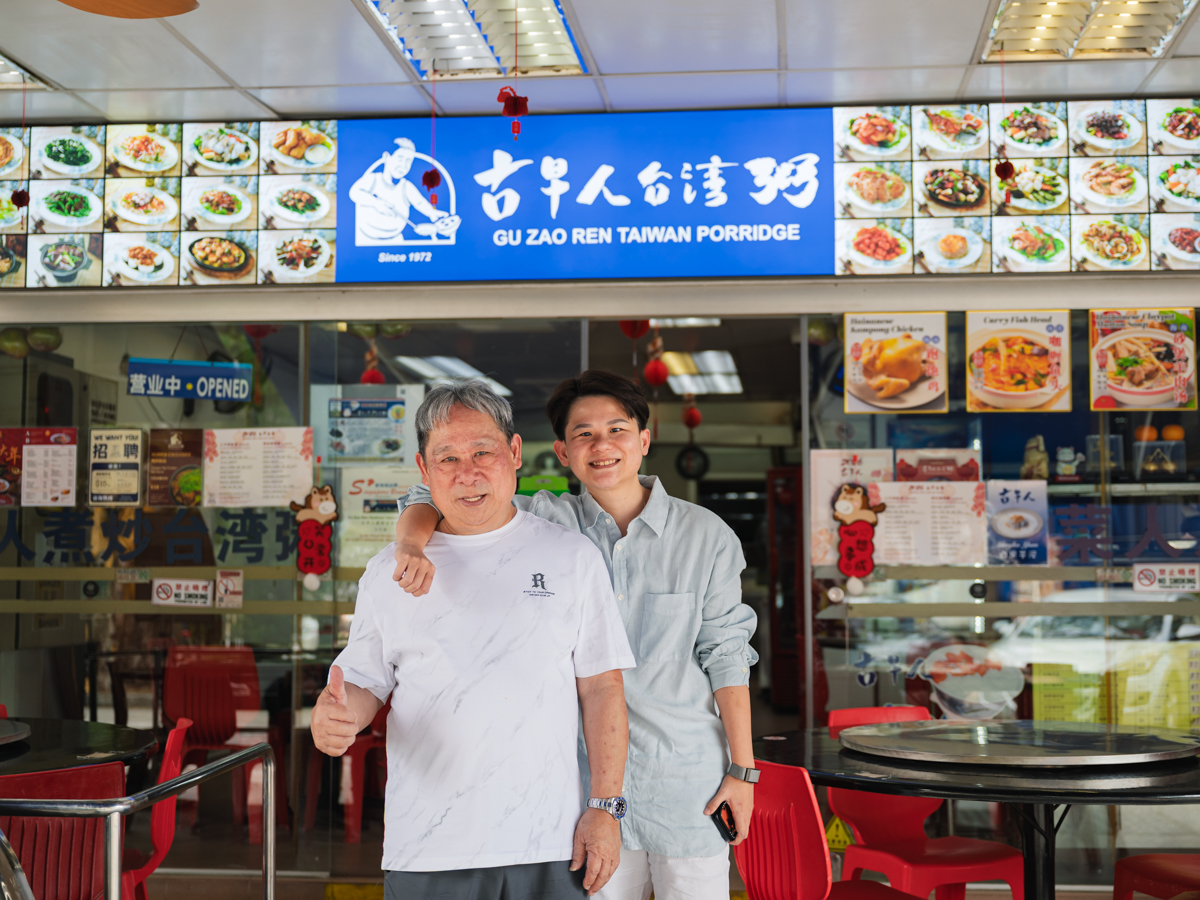
That same sense of legacy and spirit carries forward, albeit in a different form. It lives on through his daughter Hong Liya, 40, who charts her own path with Hainanese-western cafe Seng House and the now-defunct Seng Coffee Bar.
Gu Zao Ren Taiwan Porridge by father Ah Seng
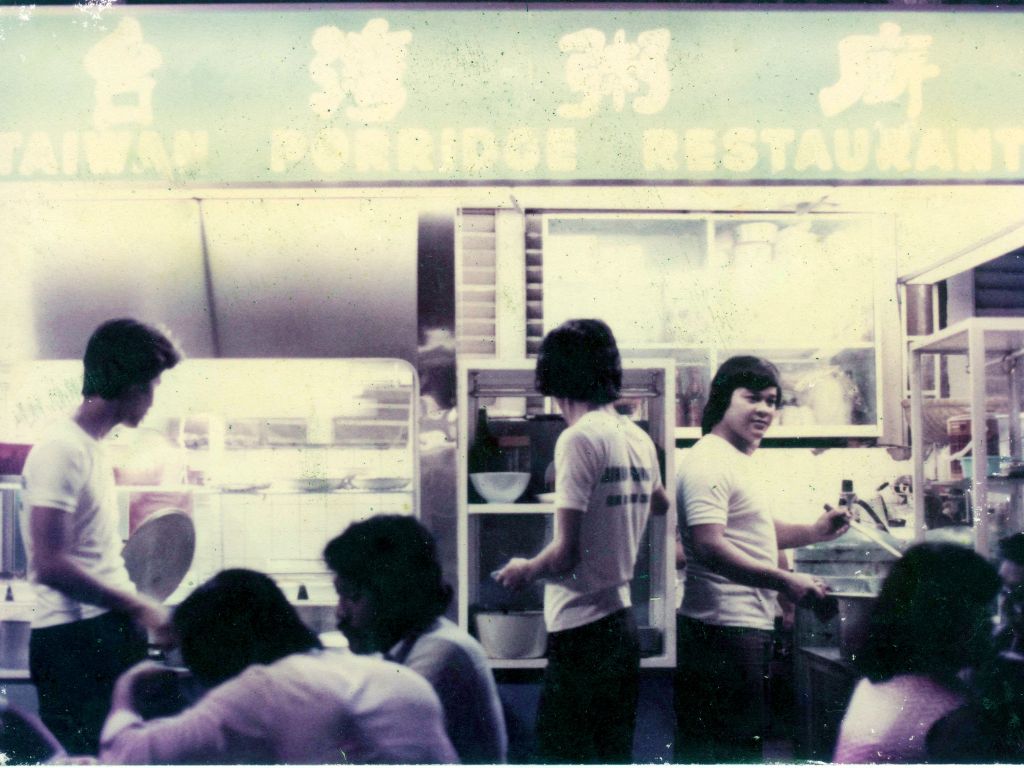
Gu Zao Ren’s journey began as a humble stall at Lau Pa Sat in 1972, when Ah Seng first learnt to cook Taiwan porridge from a Taiwanese chef working in the same hawker centre.
Through those earlier days, the business moved to ABC Brickworks Food Centre in the 1990s, before eventually settling into its present-day home along Changi Road by 2001.
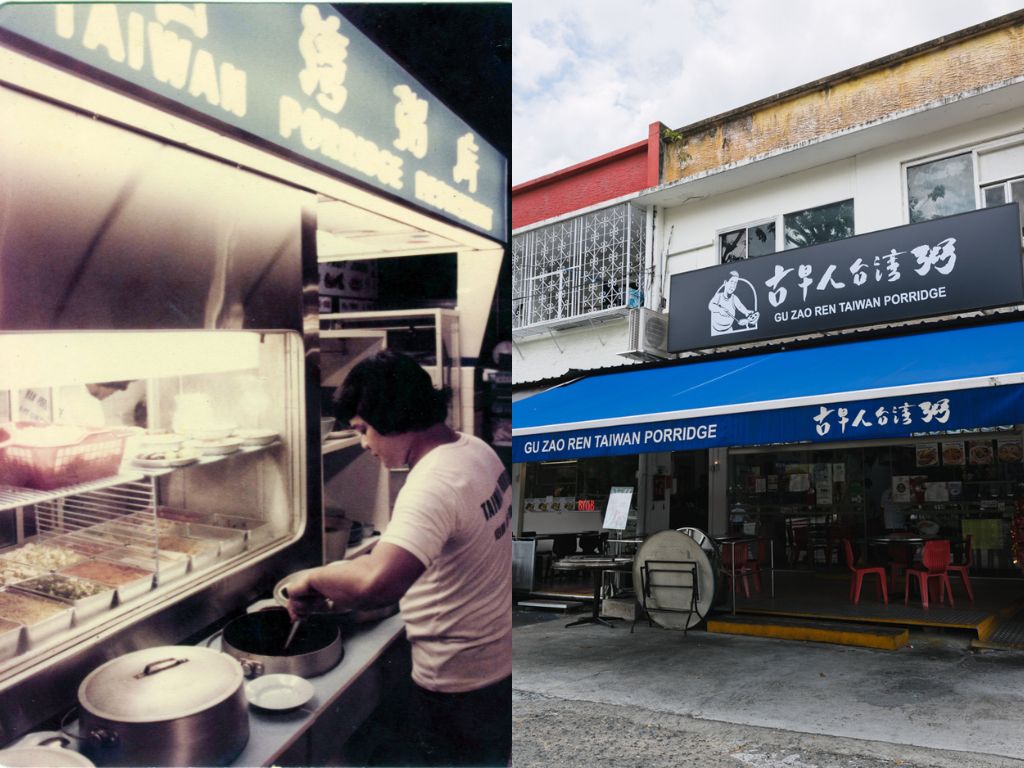
Looking back, Ah Seng reflects on how much things have changed over the years.
“Customers in the past were simpler, and running a business wasn’t as complicated,” he acknowledges.
Today, he recognises that the local F&B scene has grown far more competitive, with new players and international brands, resulting in increasingly varied tastes and preferences.
The hallmarks of a good F&B business
Still, Ah Seng has never allowed the shifting times to unsettle him.
Until today, the measure of success remains unchanged: Gu Zao Ren maintains the food quality he is proud of, and the diners leave satisfied.
“What I’ve always insisted on is that in everything we do, we have to give our best and maintain the integrity of our dishes,” Ah Seng adds.
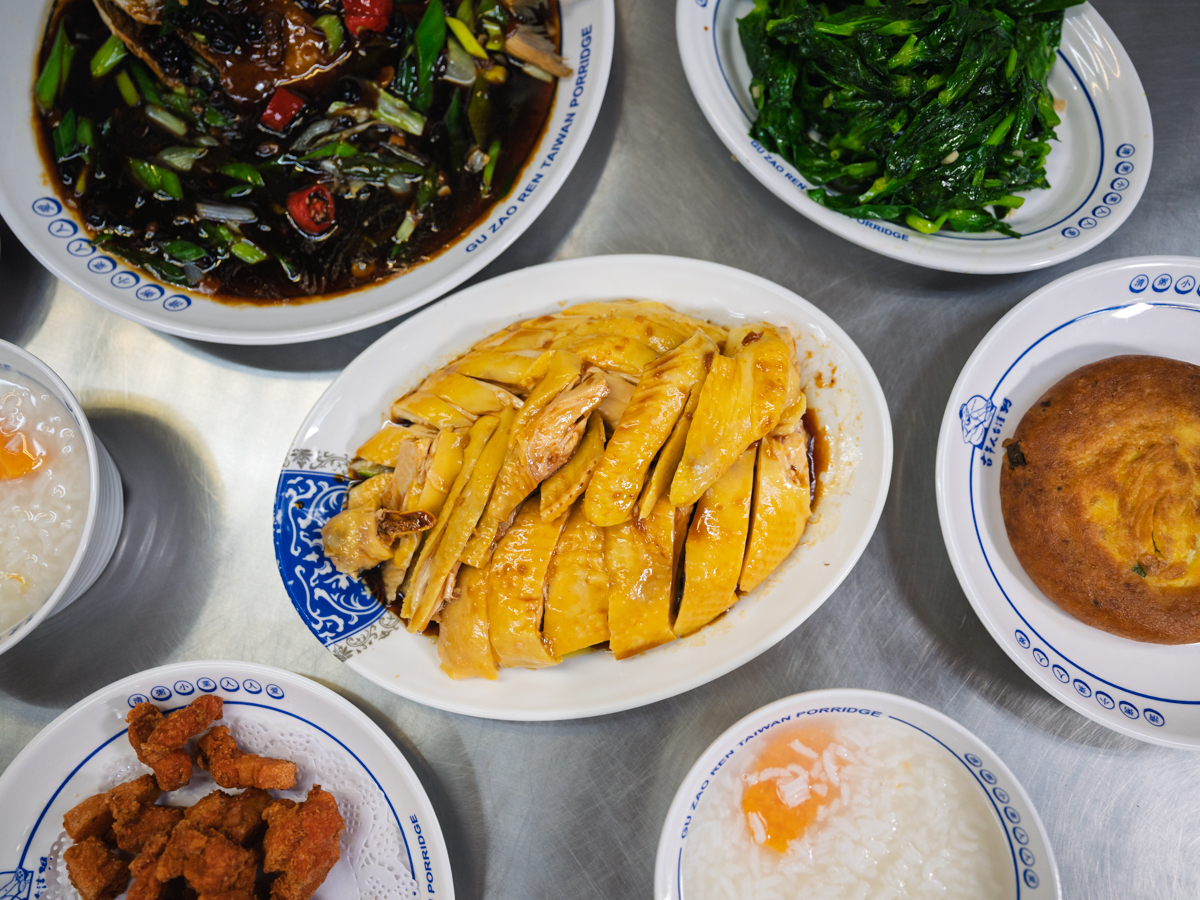
Cooking at Gu Zao Ren is rooted in careful, unglamorous detail — controlling heat with precision, ensuring consistency across every pot, and preparing sauces from scratch, just as they have always done.
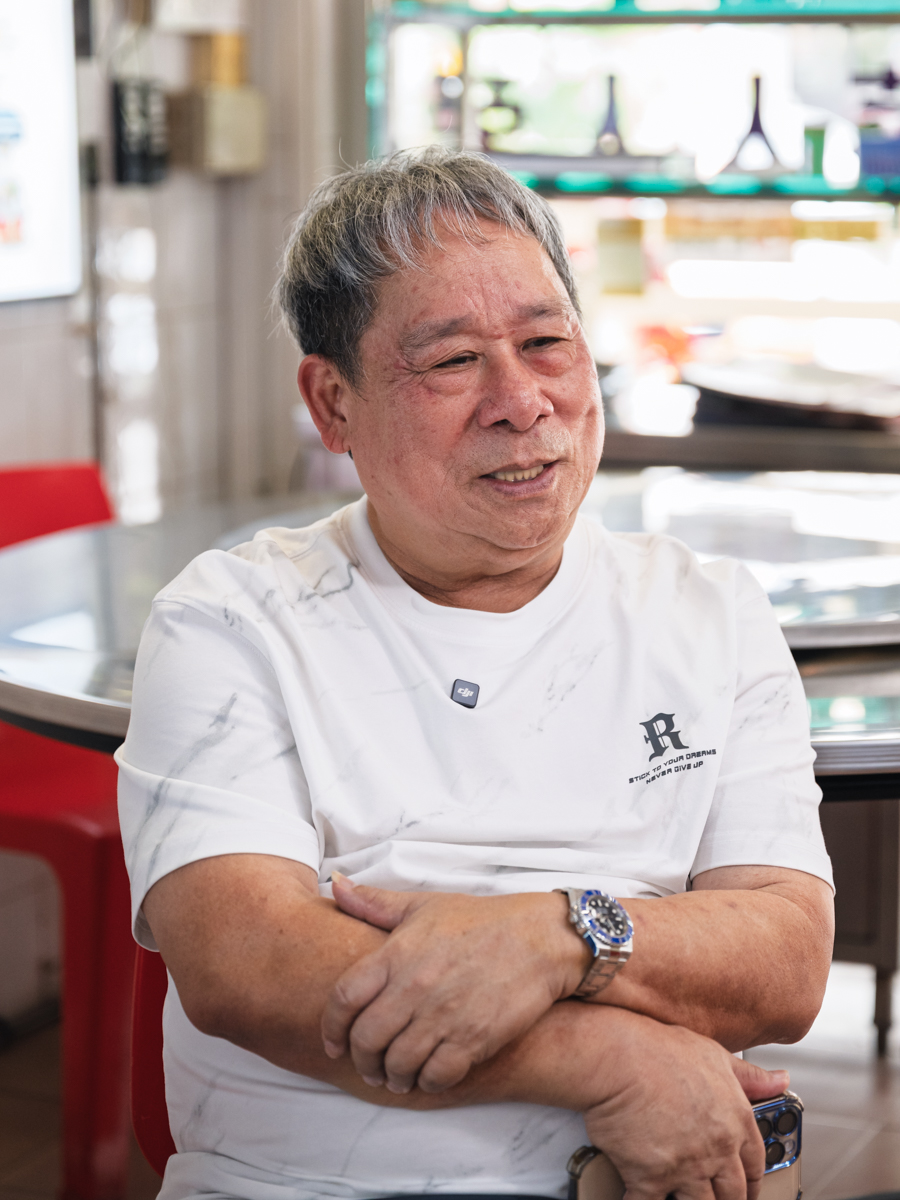
Besides these factors, vigilance is just as significant.
“It’s also important to constantly monitor the chefs, because the dishes and flavours are crucial. If you don’t uphold these principles, the taste will slowly change,” he explains.
Up till today, Ah Seng is still very much present at the eatery — moving between tables and the kitchen, greeting regulars like old friends, and checking in on the food he has spent decades perfecting.
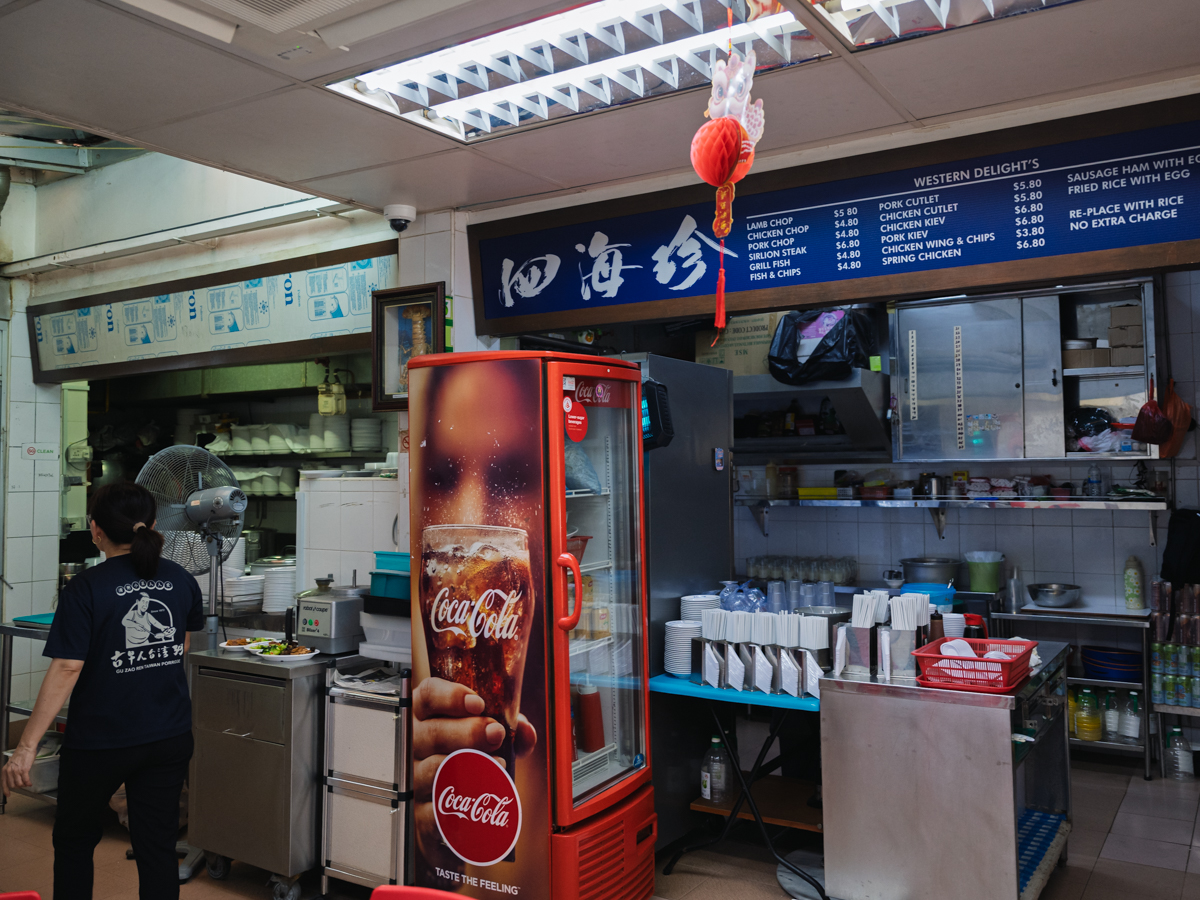
For him, what has kept Gu Zao Ren going is not expansion or reinvention, but the people who continue to return.
“As long as my customers are happy eating here, and tell me they’ll come back again when they leave — that’s the biggest achievement for me,” he says, with conviction.
And perhaps it isn’t always about bold or complex flavours that leave the deepest impression. Sometimes, it’s the quiet comfort of familiar flavours that lingers the longest.
Lovely, hearty flavours for the soul
Among the 120-dish spread at Gu Zao Ren, bossman Ah Seng draws our attention to four signature items: Chai-poh omelette (from S$9), fried Taiwan pea-shoots (from S$14.80), deep-fried pomfret with black bean sauce (S$26), and preserved salted vegetables with pork (from S$9).
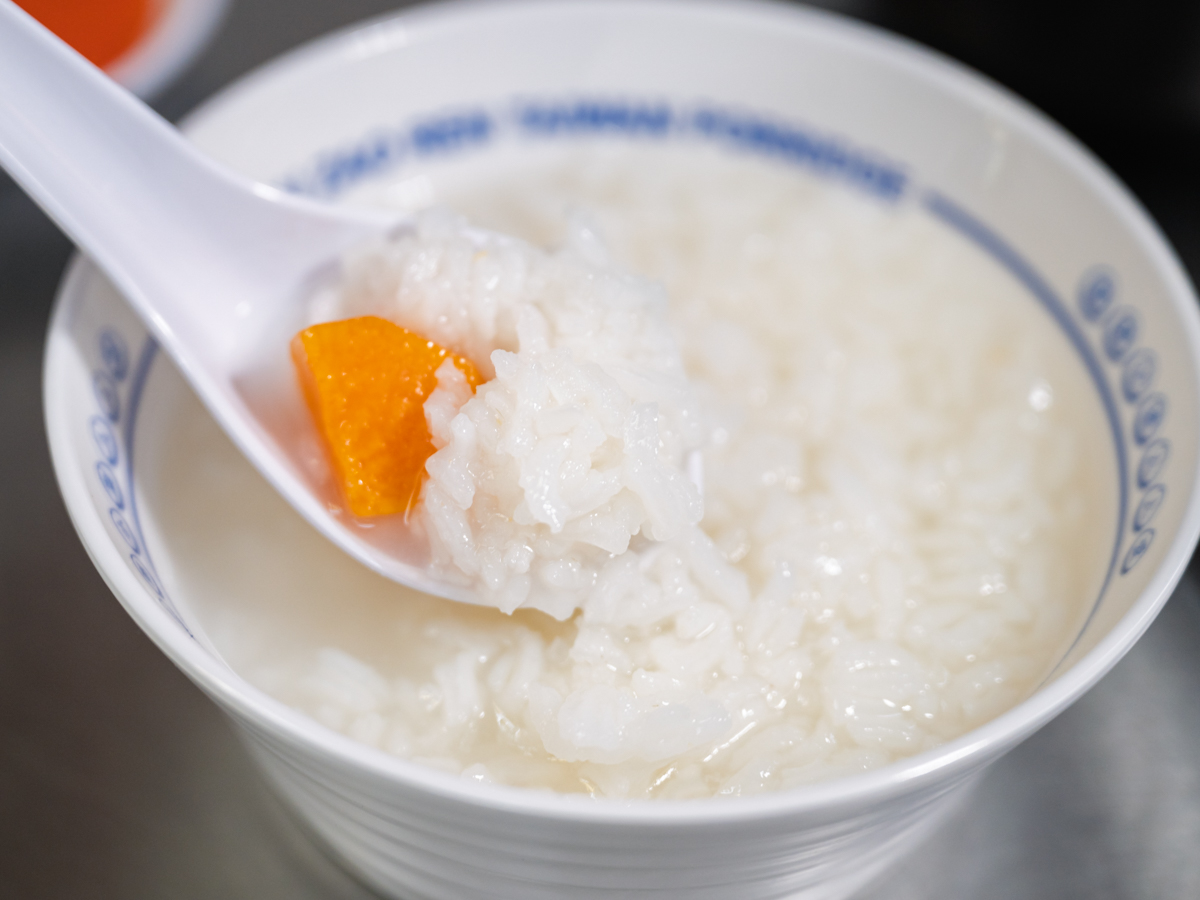
All of these are enjoyed with its hearty Taiwanese porridge with soft chunks of sweet potatoes that make it especially comforting. Each bowl is priced at S$1, and even comes with unlimited refills!
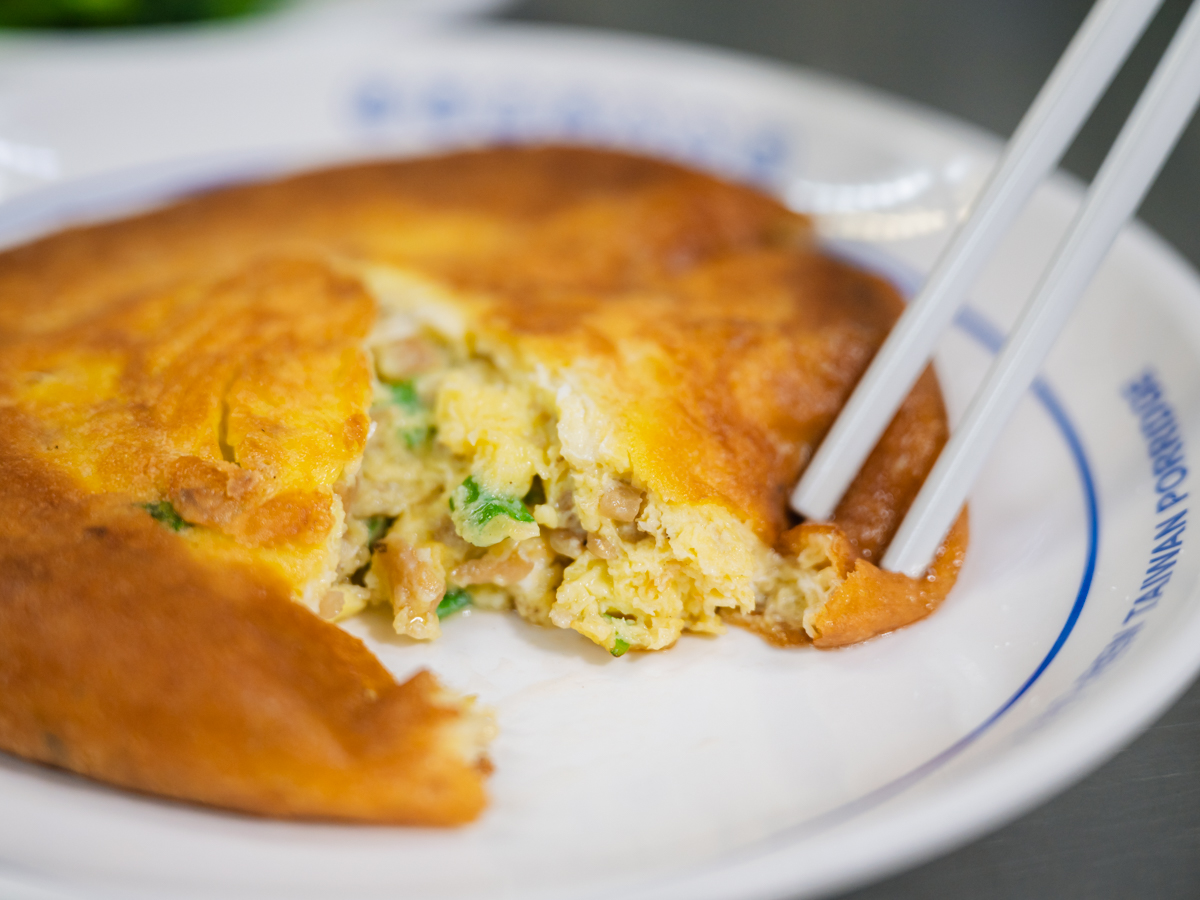
Personally, the chai-poh (preserved radish) omelette stood out most.
The challenge of cooking this dish right lies in controlling the saltiness of the preserved radish, which must be washed thoroughly, but not so much that it loses its depth and character.
At Gu Zao Ren, the omelette arrives noticeably lighter and fluffier than most zi char versions: The eggs are beaten vigorously to incorporate air, then cooked over high heat, allowing the omelette to puff slightly and form its golden, lightly crisp exterior.
The result? Each bite brings together soft, airy eggs and the gentle crunch of preserved radish, with fragrant scallions weaving through to lift the savoury notes.
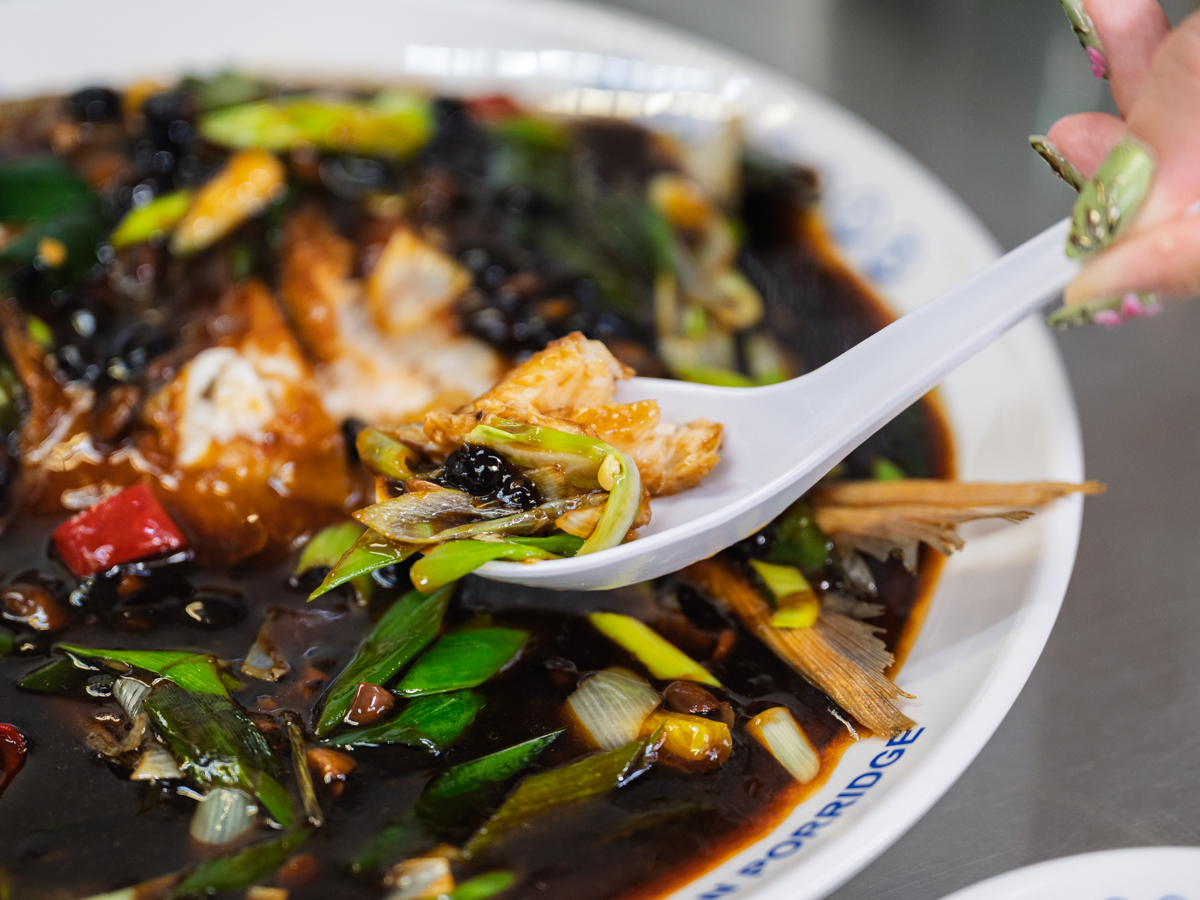
The deep-fried pomfret with black bean sauce is just as satisfying — there is something deeply comforting about the robust, fermented richness of black bean that never really misses.
What stands out immediately is how gao (thick) the sauce is, which clings generously to the fish in a glossy layer. It coats every bite, ensuring the flavour doesn’t just sit on the surface, but seeps in enough to complement the tender fish meat.
We can easily understand why it’s a well-loved dish at Gu Zao Ren — it’s a delicious pairing with the porridge and its substantial portion makes it great for sharing, too.
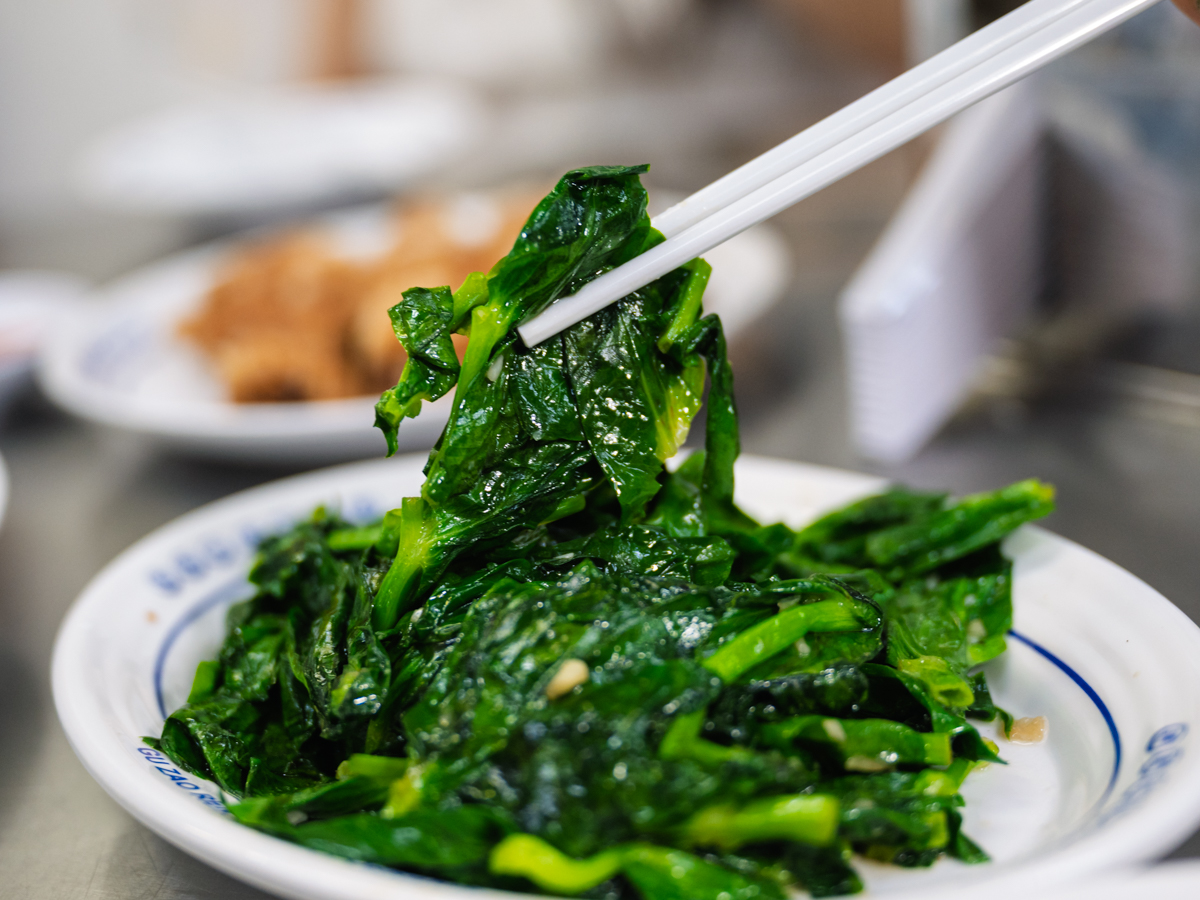
If you enjoy your greens and are looking to switch things up from the usual baby kai lan or long beans, the Taiwan pea-shoots, stir-fried with garlic, are worth a shot.
This variety is not commonly found in Singapore, and differs from the thinner pea sprouts typically seen year-round at supermarkets and zi char stalls. Its shoots have thicker, hollow stems — often referred to as snow pea shoots — which give them a more pronounced bite.
In terms of texture, it comes close to kang kong — offering the same satisfying crunch, yet carries a gentle nuttiness that sets it apart.
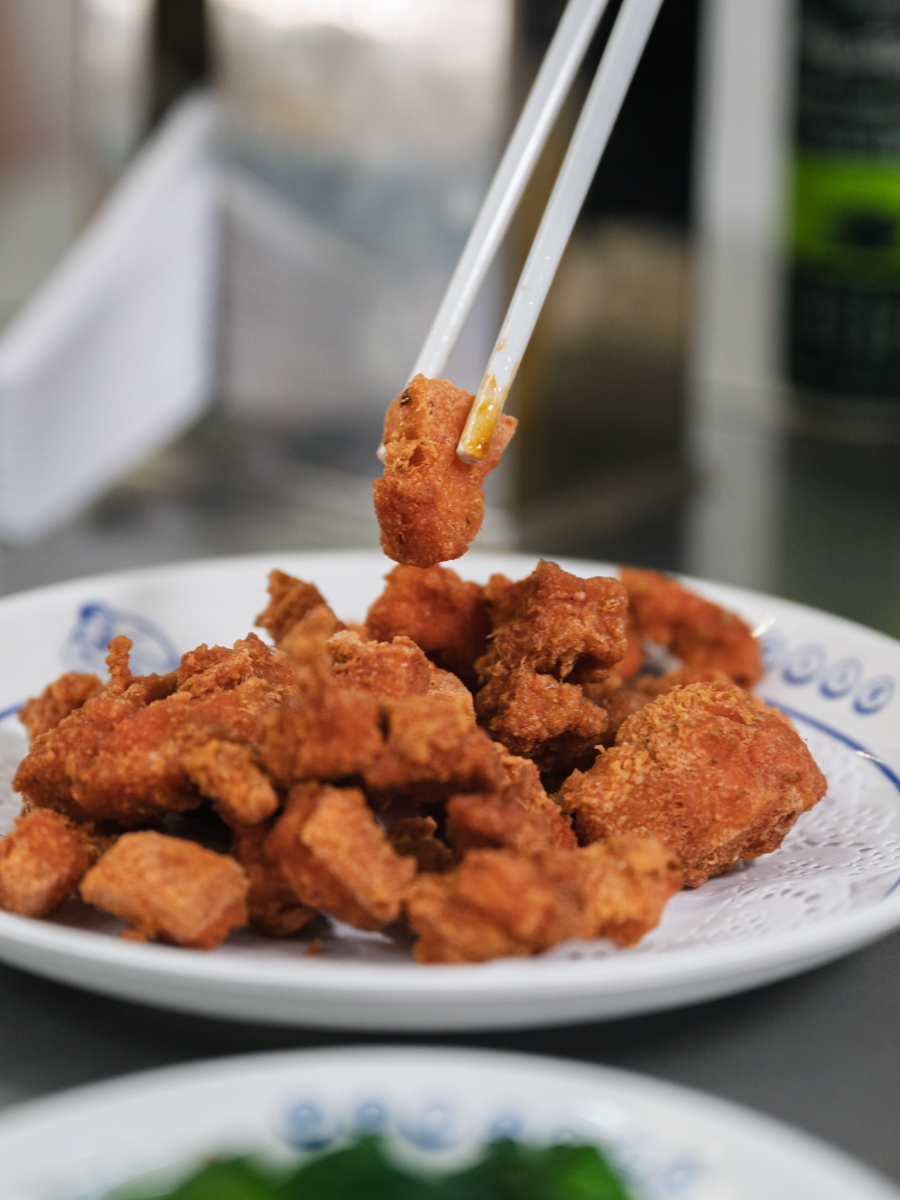
Another dish that we especially enjoyed is the Hakka-style fried fermented pork (from S$14) — a simple plate of pork belly marinated in red fermented beancurd, then deep-fried till golden.
The exterior has a light crisp, while the inside stays tender and juicy. Yes, the pork belly is fatty, but it’s definitely worth the calories.
And with a bowl of plain porridge on the side? It just hits the spot — comforting and very addictive, for sure.
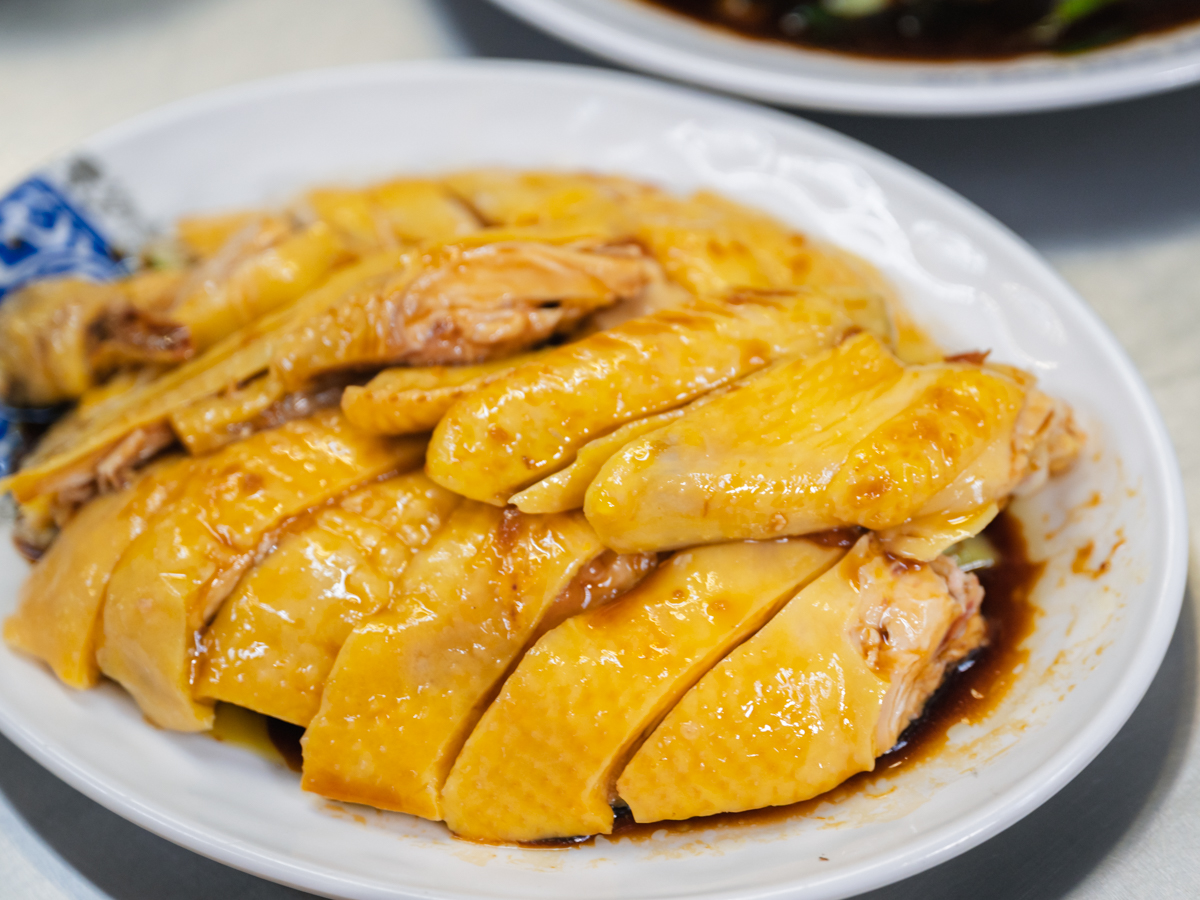
Here, each element of the kampung chicken rice (S$5.80) holds on its own: The protein hits that delicate balance of tenderness and bite, the rice is aromatic, and the housemade ginger dip — made with freshly grinded ginger and spring onions — round everything off with just the right punch.
It’s evident that Ah Seng remains resolute to preserving the timeless flavours as faithfully as possible, centering on consistency and care.
In mid-2024, Gu Zao Ren expanded next door with the opening of Le Cheng Hainanese Chicken Rice, taking over what was once Seng Coffee Bar.
Today, these two concepts operate side by side, allowing diners to order dishes from both establishments and creating a more communal, shared dining experience.
Seng House by daughter Liya
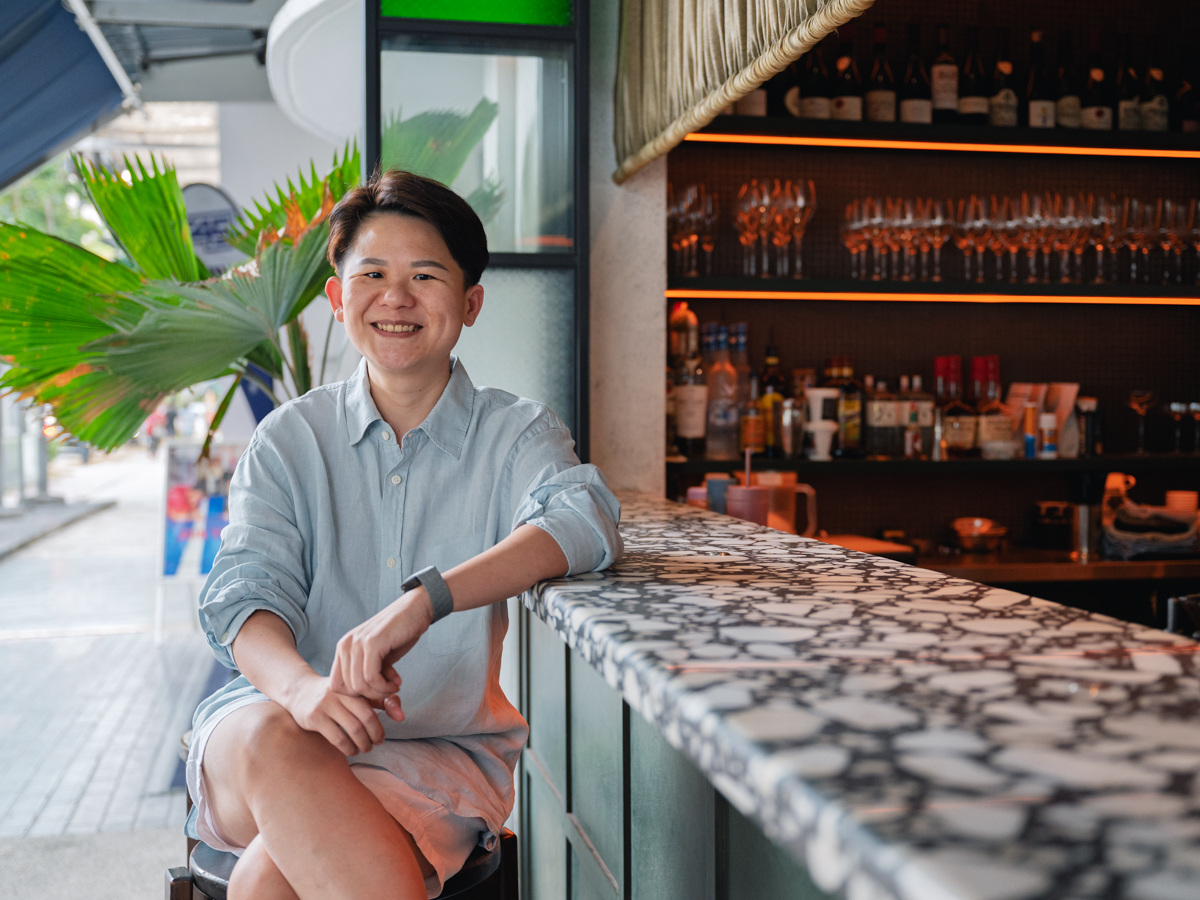
Daughter Liya grew up surrounded by these familiar flavours and routines, yet reimagines them in a more contemporary way.
With aspirations to run a business of her own and prior F&B experience at her back, Liya launched Seng Coffee Bar in 2021. Located beside Gu Zao Ren, this marked her first step into entrepreneurship and was a more classic cafe concept.
A year later, she opened Seng House in Tanjong Katong, drawing inspiration from something ingrained in her upbringing — food as a way of showing care within her family.
This heartfelt connection forms the bedrock of Seng House, which she pictured as a space that is warm and more intimate, rather than the minimalist cafes that dominate the scene today.
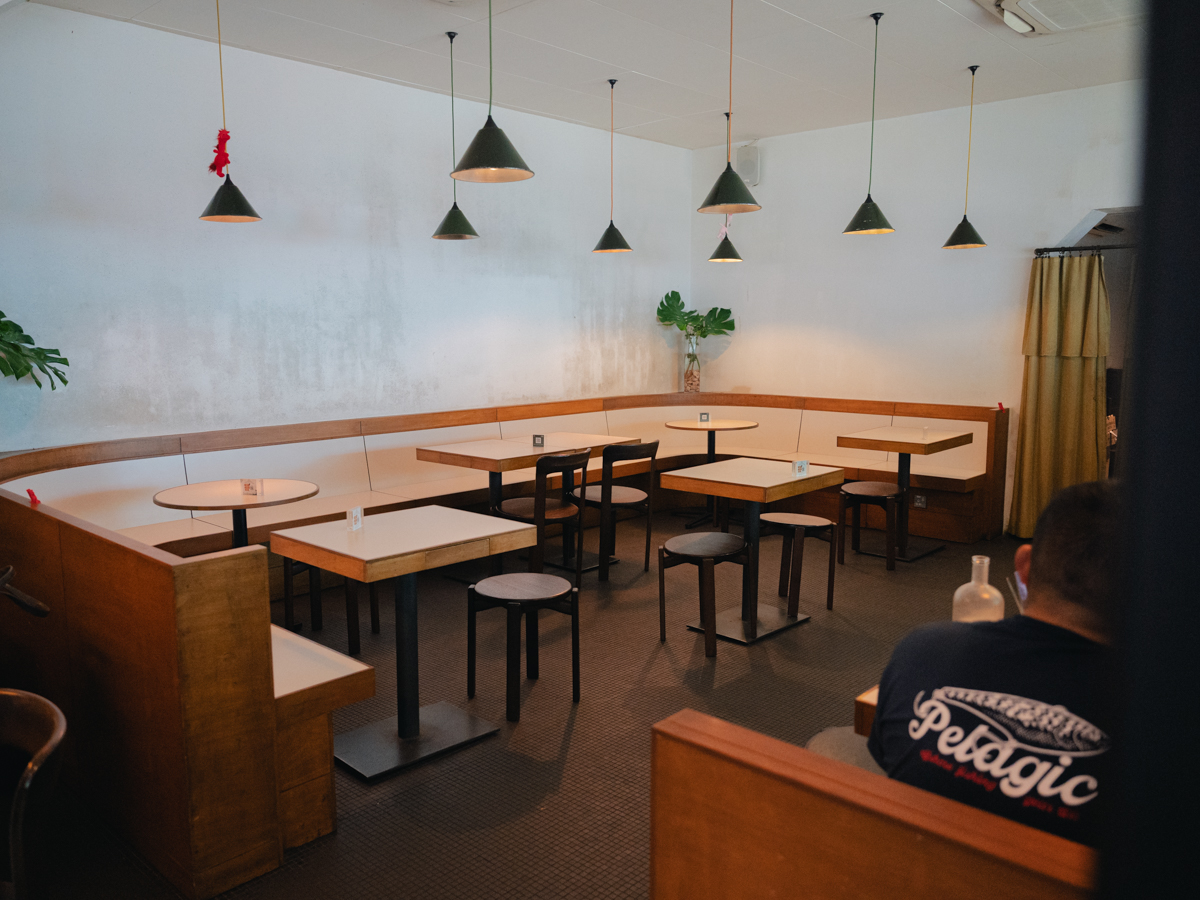
“Since I was young, my parents cooked a lot for me. So what I envisioned for Seng House is to preserve these kinds of old flavours, but in a westernised cafe kind of setting,” she explains.
Unlike Seng Coffee Bar, Seng House was conceived with a strong focus on Hainanese heritage and the comforting flavours that defined Liya’s childhood.
As time went on, she wanted to focus her efforts on a single vision. In 2024, she made the call to move Seng Coffee Bar into Seng House, dedicating her energy to growing a concept that more fully reflects her roots and values.
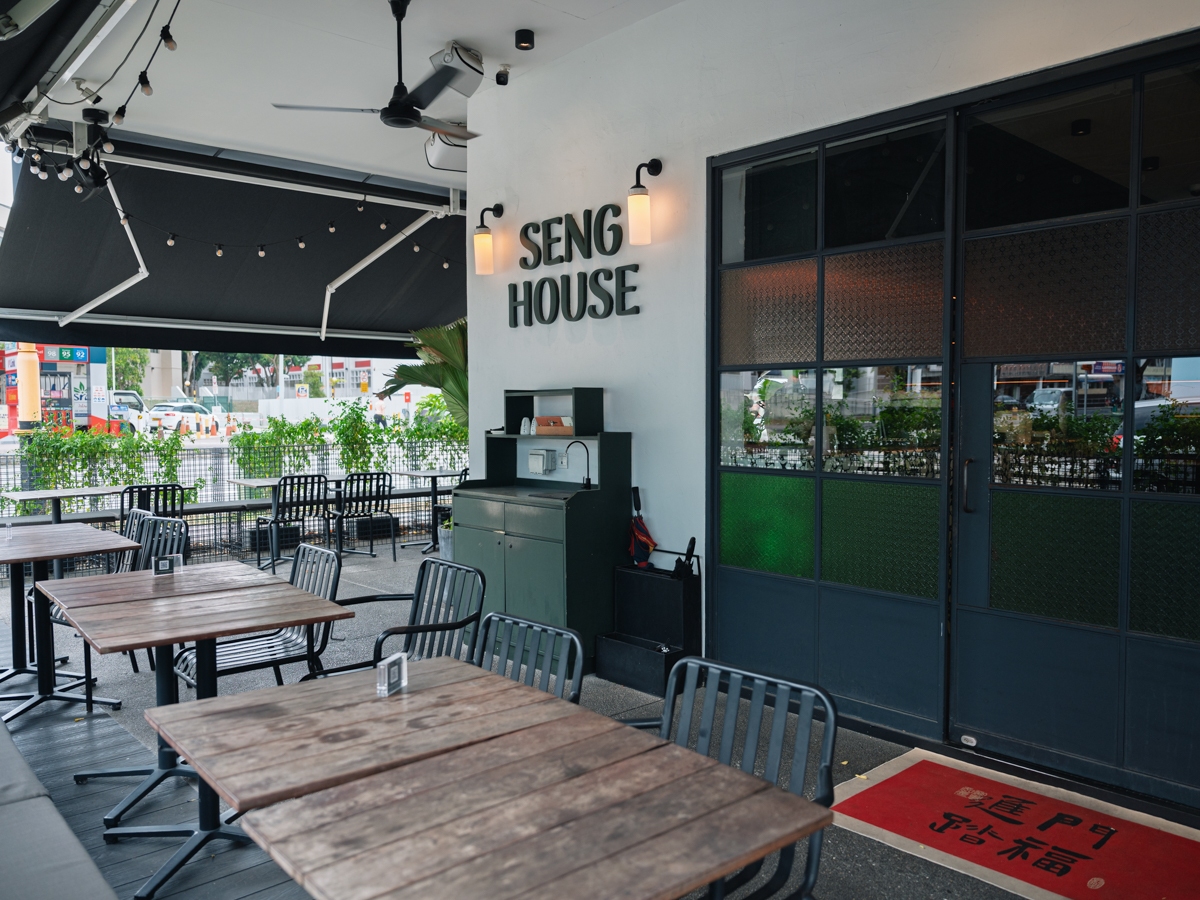
“Seng” pays tribute to her father (Ah Seng), while “House” draws from the communal spirit of the 1970s — when coffeeshops were less about aesthetics, and more about people coming together to eat, talk, and spend time with one another.
“My dad is a big people-person. Even today, you’ll still see him very much at Gu Zao Ren saying hello to his customers. We want our customers to feel at home and welcomed when they come into Seng House,” Liya says.
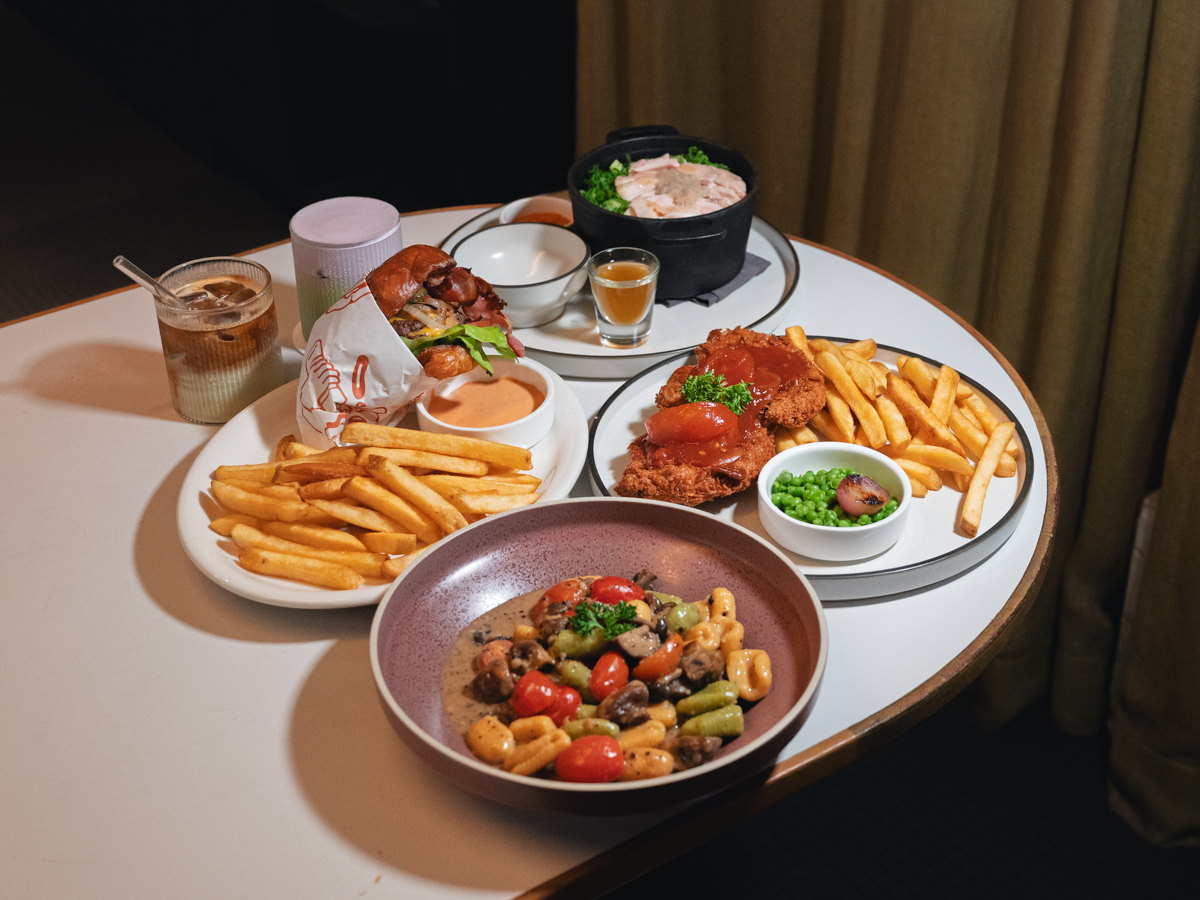
So instead of reinventing dishes for the sake of novelty, Seng House refines the hearty Hainanese-western flavours gently, while preserving the essence of the originals.
Tradition vs innovation
Much like her father, Liya places immense importance on craftsmanship in the kitchen. At Seng House, sauces, marinades, and various components are made in-house — a practice she insists on maintaining despite the convenience of pre-made alternatives.
But Seng House is not meant to be a replica of Gu Zao Ren. While the cafe is rooted in the old-school flavours Liya loved and grew up with, she sees them more as a starting point than a fixed formula.
From there, she carefully reworks certain elements, undergoing countless rounds of R&D with the kitchen team to reflect her own style and sensibilities.
At the same time, Liya believes the real challenge lies in executing the basics well — every single day.
“Just as my father mentioned, consistency in F&B is very hard to achieve. So for now, that’s what I’m focused on,” she says.
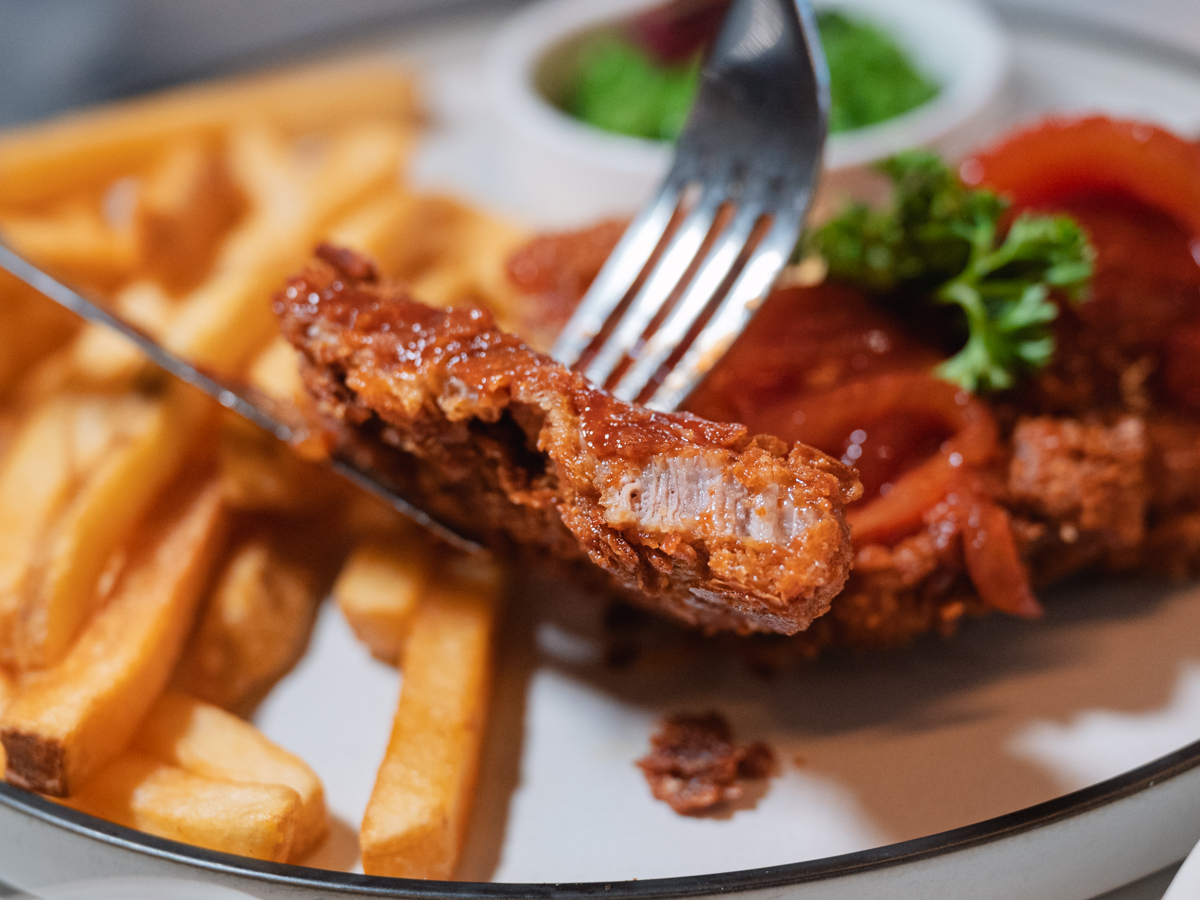
One dish Liya speaks particularly fondly of at Seng House is the Hainanese pork chop (S$23.80), featuring a thick-cut Hokkaido snow pork loin hand-crusted in Hup Seng cream crackers, served with green peas and a housemade sweet-tangy Hainanese sauce.
According to Liya, the dish is prepared using the traditional method, with the recipe and techniques passed down directly from Ah Seng himself.
The pork chop arrives beautifully crisp on the outside, yet juicy and tender within, while the rich tomato-based sauce brings everything together with a well-balanced sweetness and tang.
More than anything, Seng House’s take on the old-school classic feels deeply nostalgic without coming across heavy-handed.
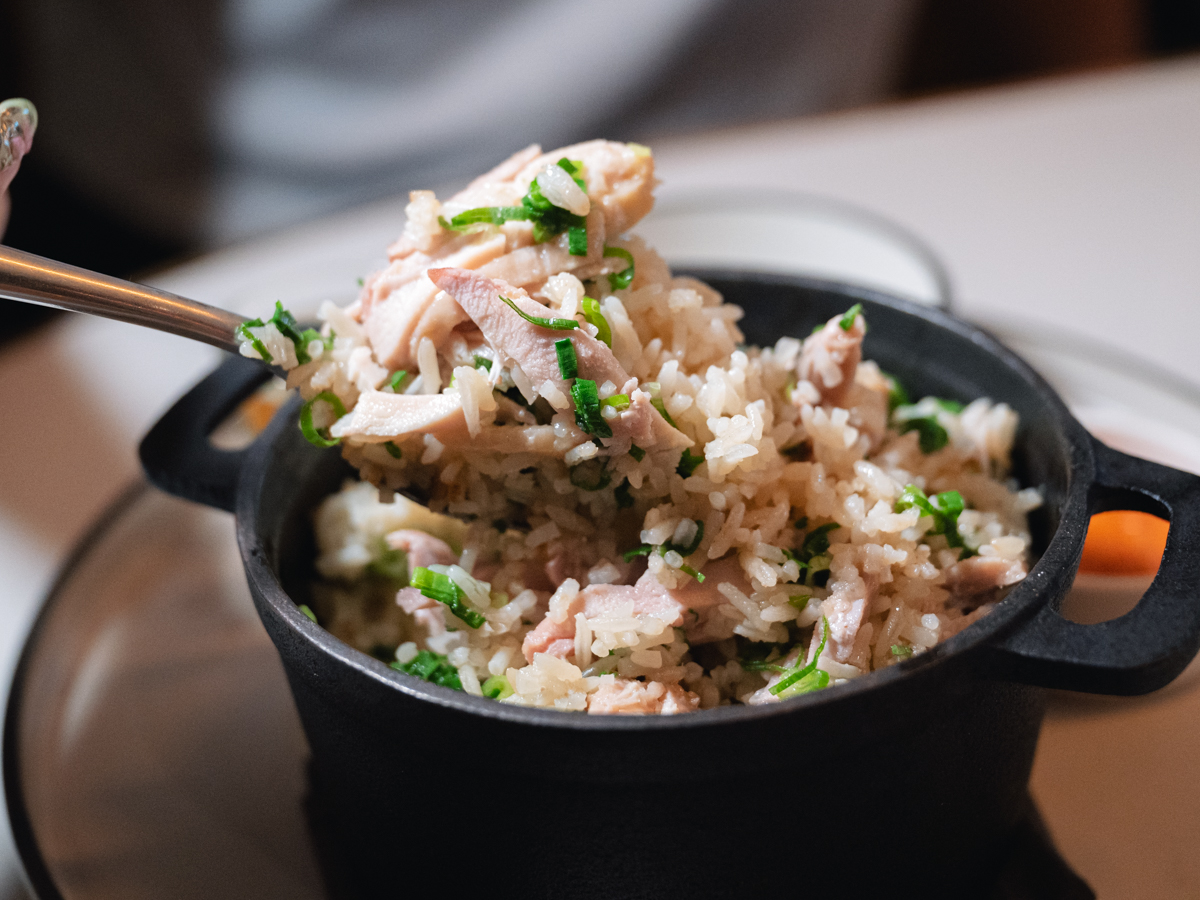
The unconventional claypot chicken rice (S$19.80), topped with ginger and spring onion, is Liya’s thoughtful conceptualisation of the timeless classic.
First, the dish is served in a claypot rather than the usual straightforward presentation, which gives the meal a lighter and less jelak (overly rich) finish, allowing the flavours to come through more cleanly.
The chilli sauce, armed with a prominent citrusy lift, deserves a special mention. Liya explains that the process is rather labour-intensive: The lime skin is meticulously prepared with the bitter white pith first removed, before being incorporated into the condiment.
Unlike the runnier chilli typically paired with chicken rice, this version is intentionally thicker in consistency, designed to complement the rice.
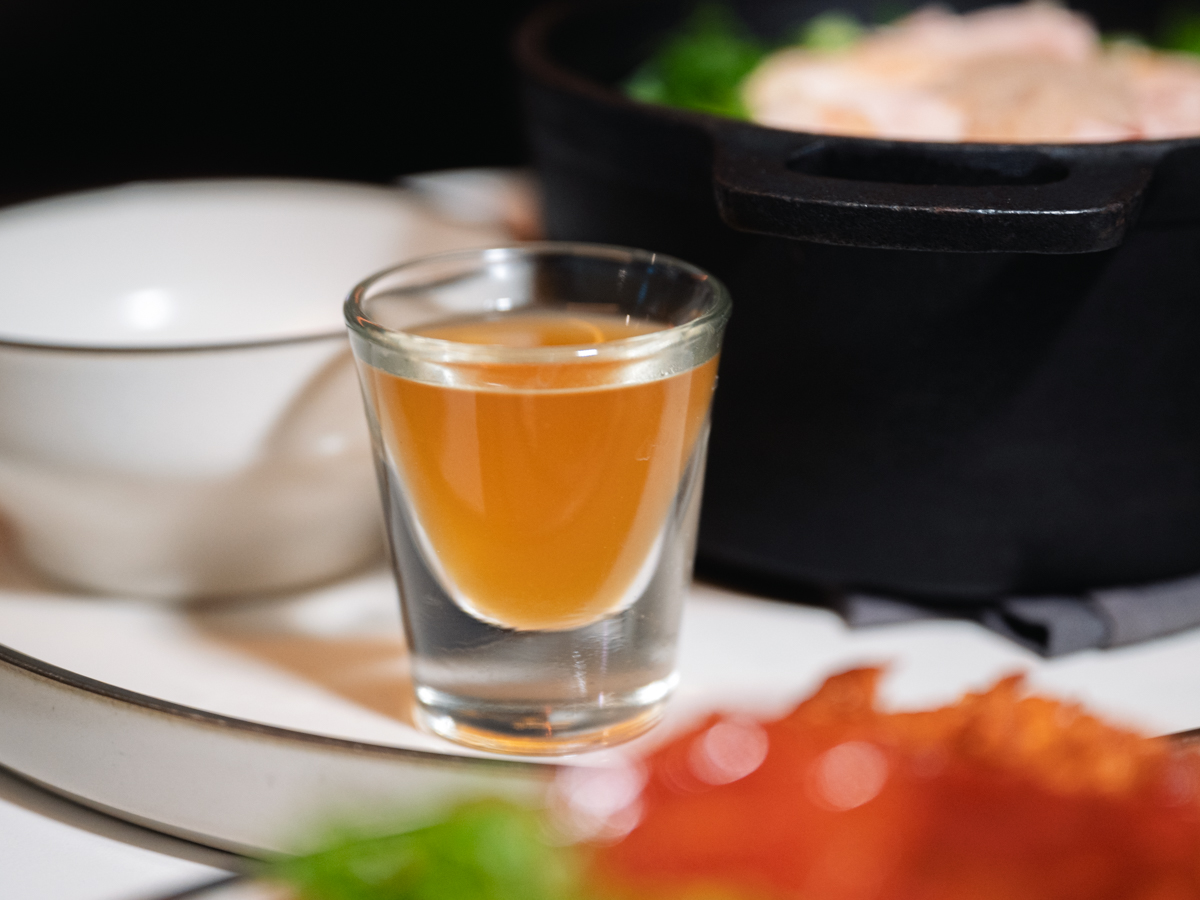
The dish also comes with a shot of double-boiled chicken consomme infused with ginseng and dang gui (Chinese angelica). You can either choose to sip on it along the way, or enjoy it beforehand, though it’s ultimately intended to be taken on the side as a light accompaniment.
Taken all together, Seng House’s version feels like a carefully considered evolution that retains the soul of the original, while introducing a more aromatic ginger-forward profile that feels just as satisfying.
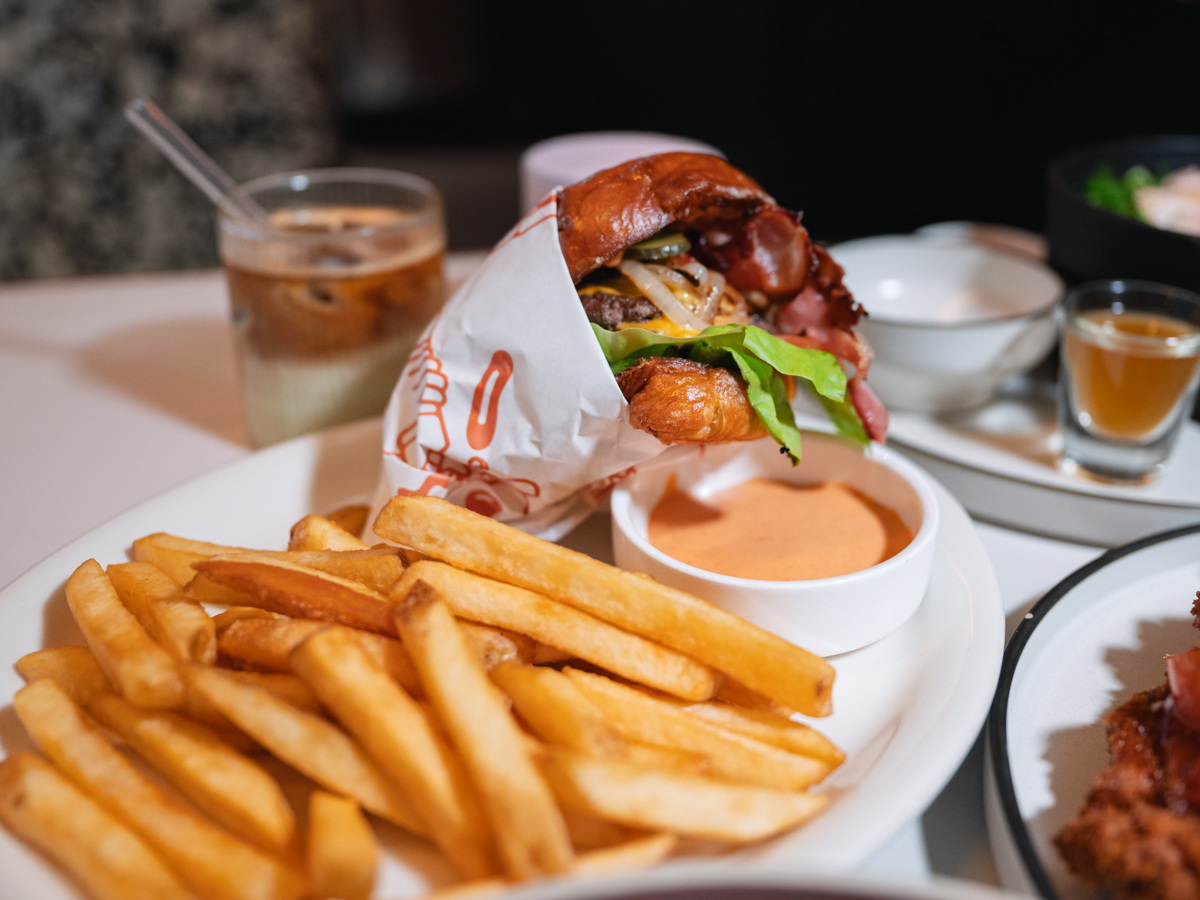
The menu also showcases a selection of classic western food, including the double bacon smash burger (S$26.80), bringing together juicy wagyu patties, bacon, cheddar cheese, tomatoes, onion, all held together by soft housemade brioche buns.
It comes complete with fries and a side of the popular boom-boom sauce — a creamy mayonnaise-based condiment with a sweet-spicy kick.
It’s a straightforward dish that is hard to resist, especially for younger diners who are looking for something hearty and familiar.
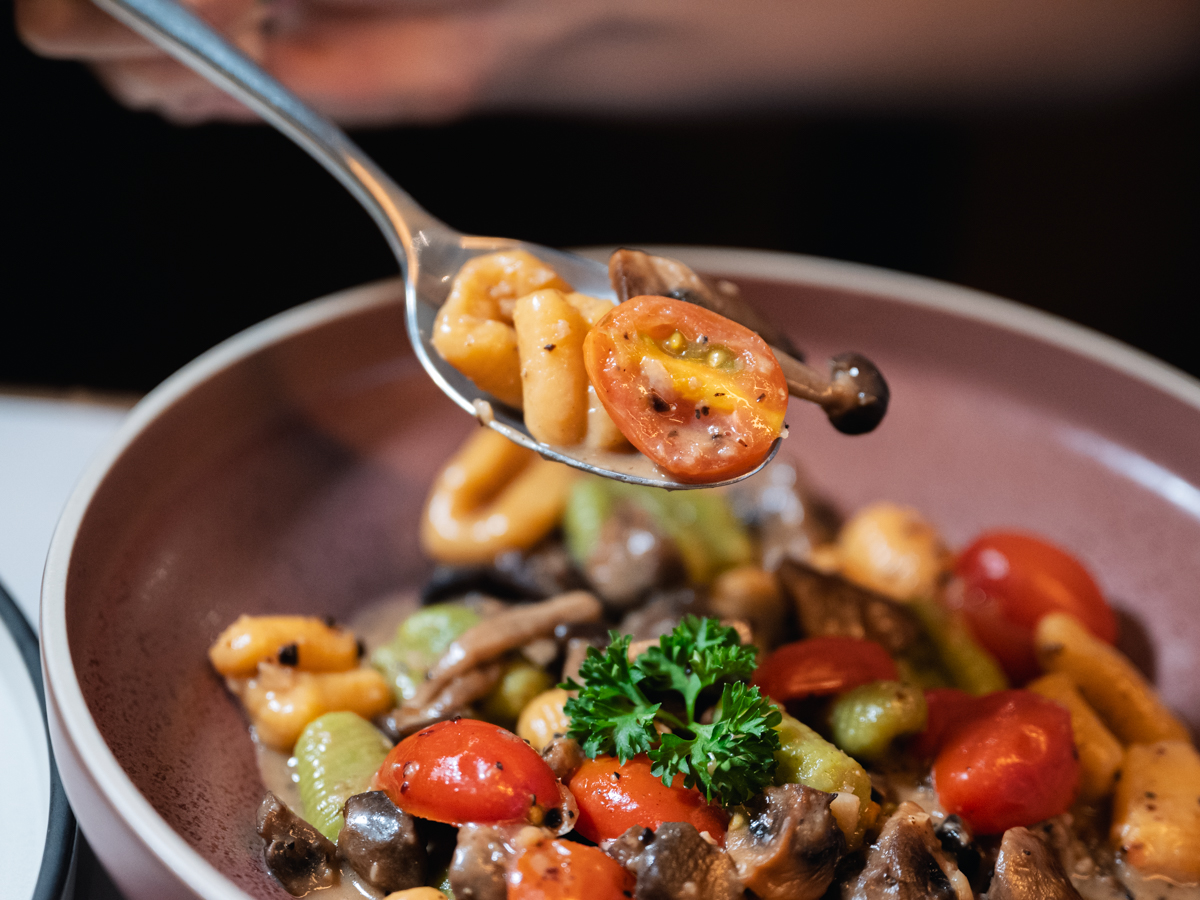
Another solid pick is the double gnocchi (S$22.80), a colourful plate featuring handmade potato and spinach gnocchi, three types of mushroom — button, shiitake, and shimeiji — along with cherry tomatoes and shio kombu.
Compared to the richer dishes on the menu, this one is more delicate in terms of its flavours. But what truly stands out is the addictive texture of the gnocchi: Pillowy soft, yet with a good bite — a balance that is pretty tricky to nail.
Make sure to have a little bit of everything in each spoonful — the sweetness of the cherry tomatoes, the springy mushrooms, and the savoury umami notes from the shio kombu come together beautifully.
Desserts at Seng House are locally inspired, too, including the durian creme brulee (SS$12.80), frozen ondeh (ondeh-ondeh-shaped pandan coconut ice cream balls, S$10.80), and even Burbur Chachacha (coconut milk dessert with homemade taro balls, S$10.80).
Same love for food, served in different fonts
Liya admits that navigating the F&B industry has not always been easy — even with Ah Seng naturally taking on the role of her mentor.
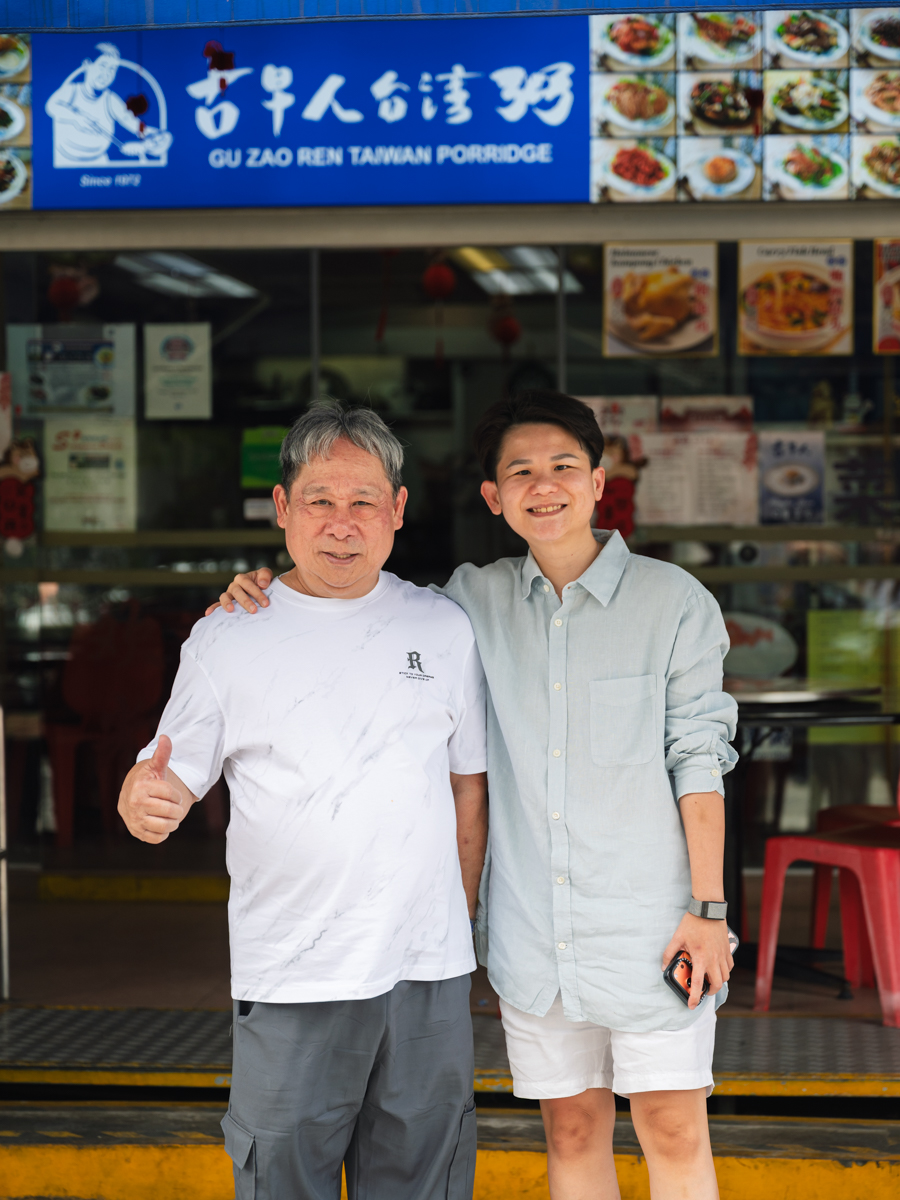
Though the father-and-daughter team run their respective kitchens with similar principles, like many Asian fathers, Ah Seng’s feedback often comes across as blunt and deeply critical, particularly when food is involved.
“We have a lot of differences,” she says as a matter-of-fact. When Ah Seng first tried the pork chop and oxtail dish at Seng House, Liya recalls that “the response was very negative.”
But beneath the criticism was also a form of guidance. “That’s when he shared the methods and ways he used to cook these dishes,” she adds.
This is where the contrast between both generations becomes most apparent: Ah Seng believes in preserving the familiar flavours to a T. Liya, on the other hand, takes a more modern, fluid approach to food.
Inevitably, the two do not always see eye-to-eye. But there’s also an unspoken understanding between them — both are simply honouring comfort and heritage in their distinct, deeply personal ways.
“Working with my father has allowed me to understand him better. I wouldn’t say it’s easy but it’s definitely fruitful,” Liya says.
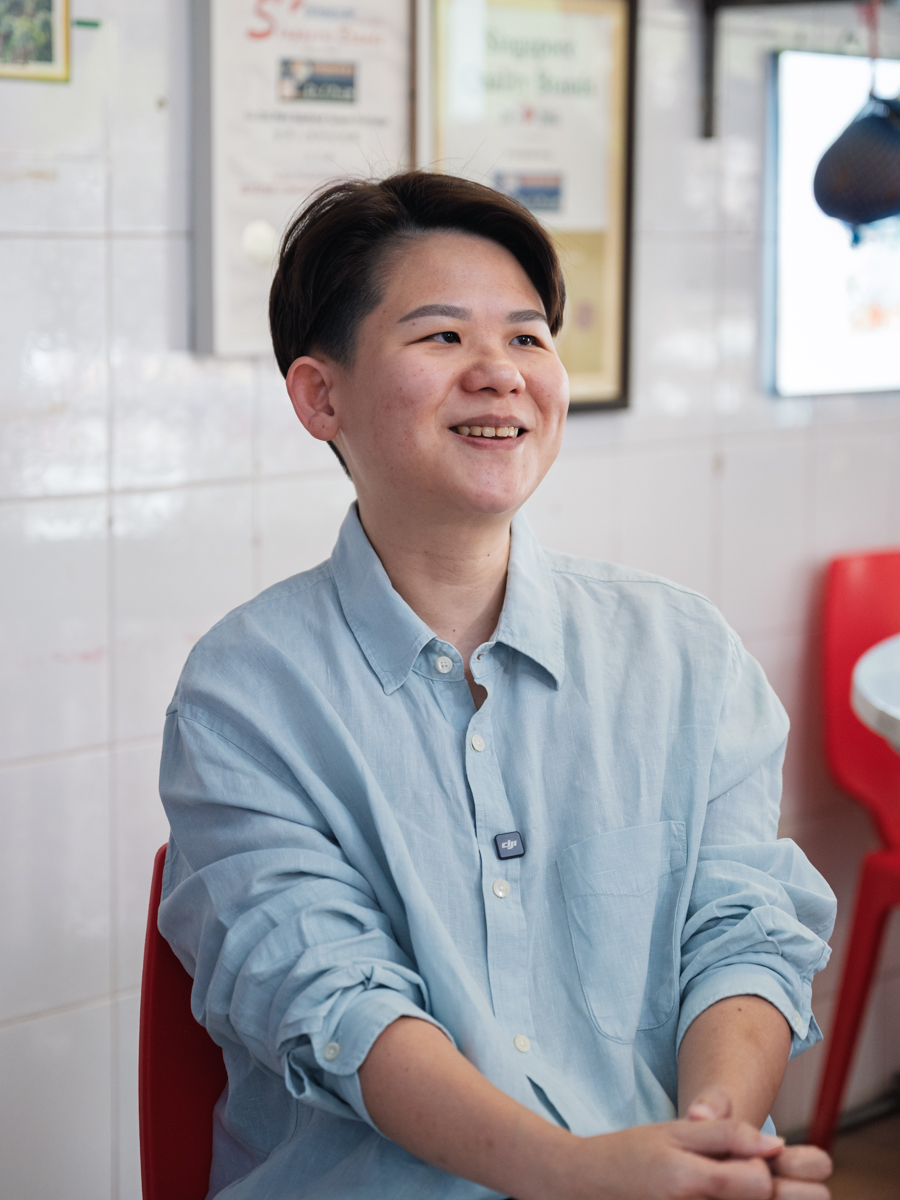
While the ideal scenario may have been for Liya to eventually take over Gu Zao Ren, Ah Seng reveals that he is very heartened by his daughter’s entrepreneurial drive and spirit to build something different — a sentiment that caught Liya by surprise.
To that, he says “I believe I’ll persevere, and I believe my daughter Liya will, too.”
Similarly, Liya is grateful for the support she has received from both her father and the team at Seng House. Through the long hours and moments of burnout, they became the people who kept her going.
Her biggest takeaway has been understanding that “the passion, the heart, and the soul you put into the business are also very important” — a core value for both of their F&B journeys.
If you’ve made it till the end of this article, let it be a sign to show a little more appreciation to the people around you. It doesn’t take much — a simple home-cooked meal, or even just sitting down together after a long day, is often enough.
After all, food is one of the most universal ways we say “I love you” without having to say it all.
Read more about this father-and-son duo’s take on a traditional kopi stall and the second-generation owners behind Tanjong Rhu Pau.

Shannon has the taste buds of a grandmother and perpetually struggles with a food coma.
Read more stories from this writer.