Review: At Sodeng Jeju, the barbecue meats are just the start of an authentically Jeju dining experience

- Sodeng Jeju is the third outlet of the Sodeng Korean barbecue group, now open at Duo Galleria.
- The menu here is built around Jeju island, and the staff grill your meats for you.
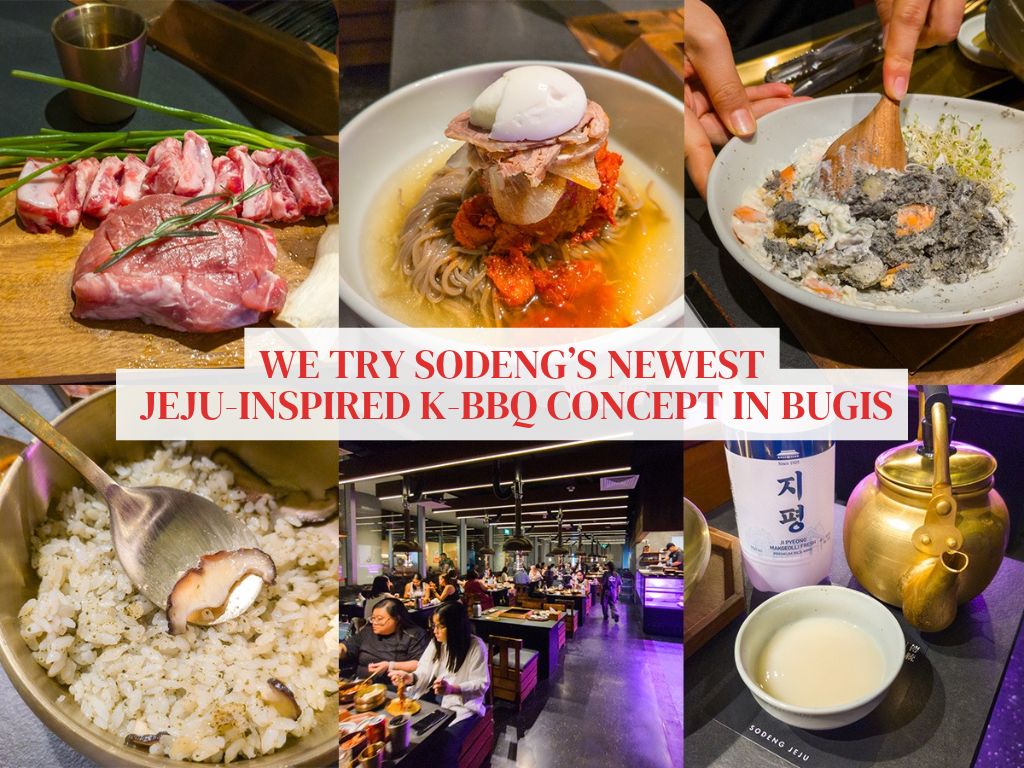
- Dishes we recommend include the white pork rib fingers, the spicy cold noodles with seasoned pollack, and the abalone liver pot rice.
I don’t eat Korean barbecue very often.
When I do, it’s usually because I’ve just binged a K-drama — with the latest being Agent Kim Reactivated about a month back (yes, I know I’m late to the party) — which would probably have a montage of the characters comisserating over a smoky grill after a rough day.
Besides providing good entertainment, it also leaves me craving pork belly at 11pm, which is partly why the recent opening of Sodeng Jeju at Duo Galleria caught my eye.
The backstory
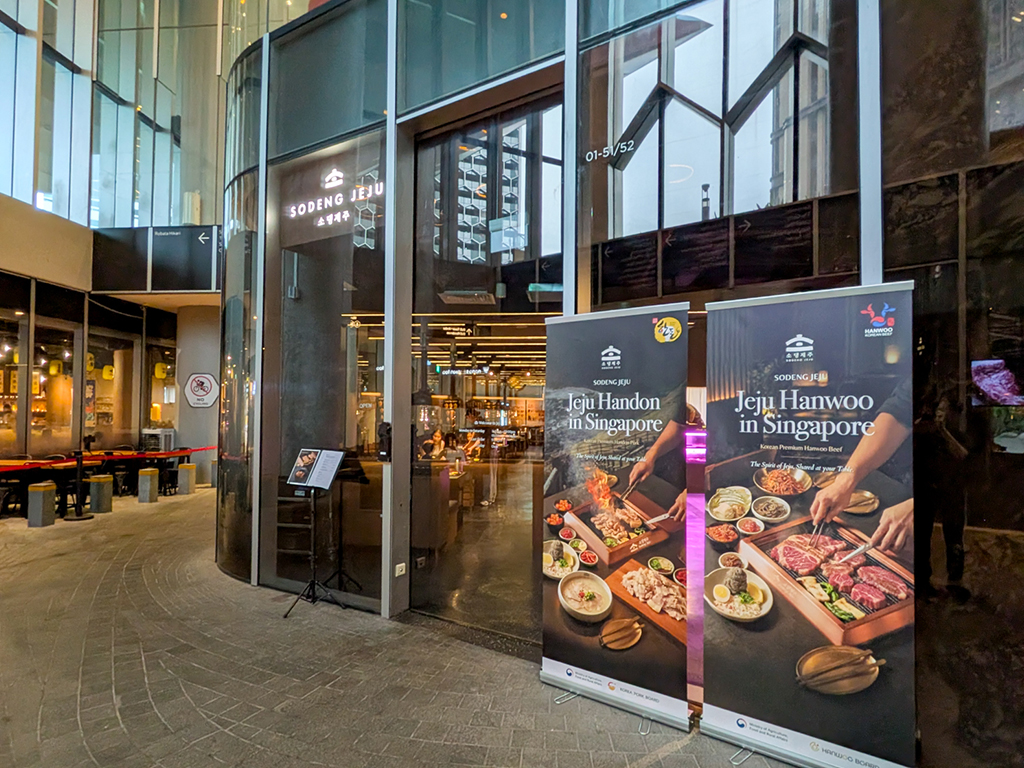
Located in Bugis at Duo Galleria, Sodeng Jeju is the third outlet from the Sodeng group.
For the uninitiated, its earlier Telok Ayer Street and Amoy Street branches are known for their duck barbecue and aged beef ribs. This new concept narrows the focus to Jeju, which is somewhat renowned for its distinct island cuisine.
For some context, Singapore only began allowing fresh Handon pork and Hanwoo beef from Jeju in late 2025.
Before that, Korean pork on our shores was limited to processed products such as canned luncheon meat, so a restaurant built around these speciality proteins still counts as something of a novelty.
It’s worth noting that when Sodeng Jeju opened in end September, both Jeju black pork and white pork were on the menu then.
However, when I visited at the end of October, the staff told me the firmer and richer black pork was no longer available, leaving milder- and sweeter-tasting white pork as the only option.
She also added that the meat selection at Sodeng Jeju will rotate regularly and expand in due course, with Jeju Hanwoo beef coming soon as well.
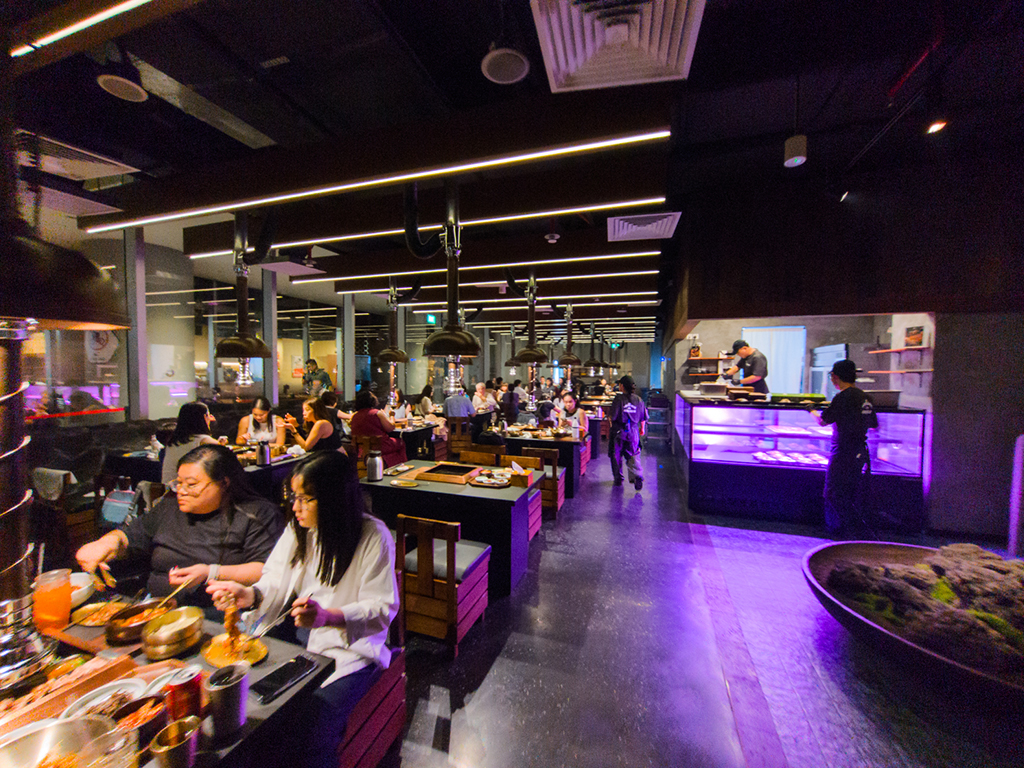
Inside the restaurant, it’s moody but still relatively well lit, with black tabletops, copper-edged grills, and brass bowls and utensils. It’s reminiscent of a lot of the industrial-themed cafes and restaurants that dot Seoul and Jeju nowadays.
There’s a grill hood hanging over every table, so you know this is clearly a barbecue restaurant at heart. That said, the barbecue is dinner-only for now, with a minimum of at least two portions of meat on your first order. You can add more as you go.
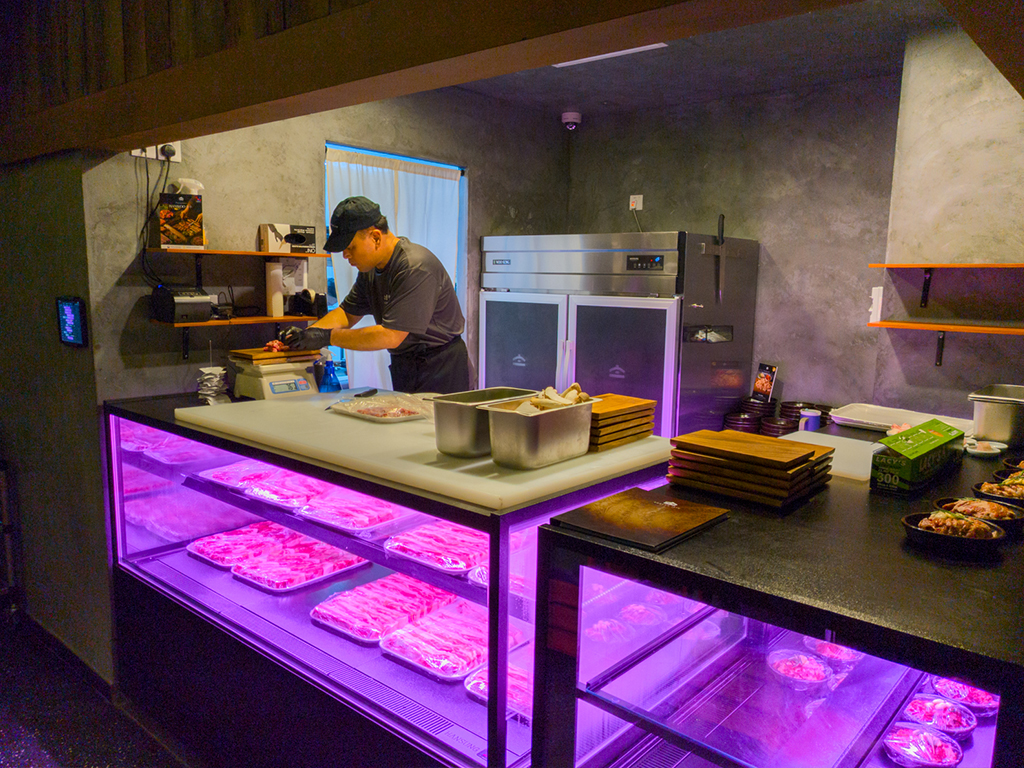
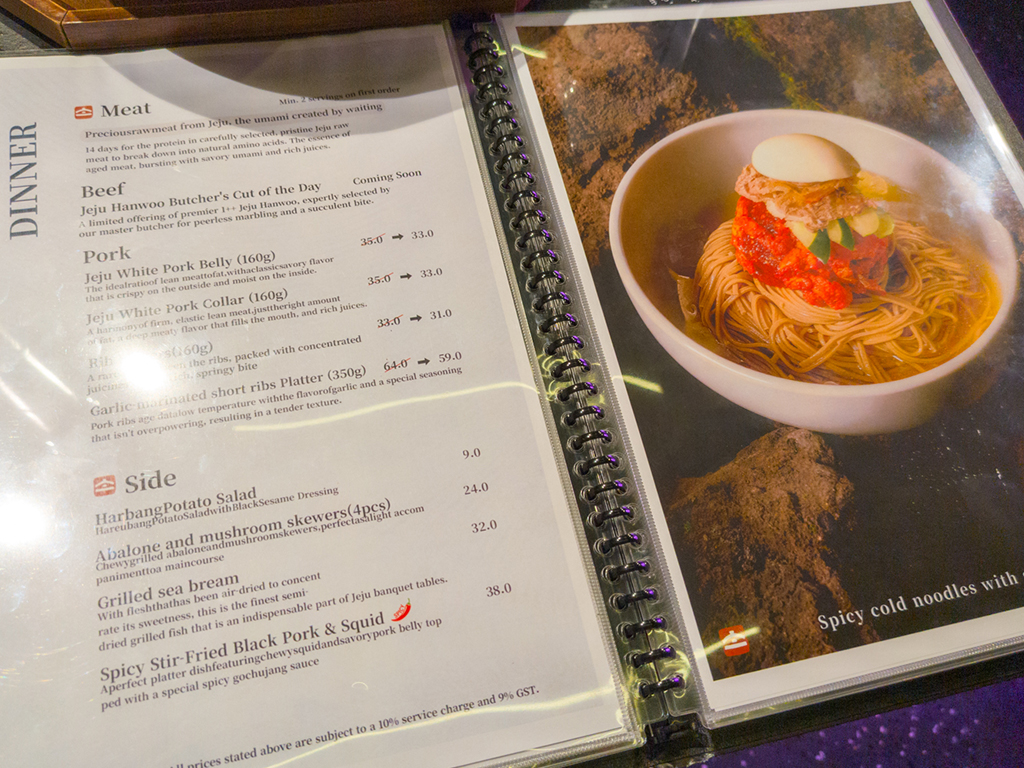
The meat list during my visit was all Jeju white pork that’s been aged for 14 days: belly and collar (160g) are S$33 each, and you can also get rib fingers (S$31 for 160g) and a garlic-marinated short ribs platter (350g) for S$59.
There’s also a strong Jeju angle beyond the meats, from a potato salad (S$9) shaped like the traditional Jeju rock statues and Jeju abalone porridge (S$24) to spicy cold noodles with seasoned pollack (S$23).
Coming during lunch? There’s still a sizeable selection of noodle soups, stews, and rice bowls, such as yukhoe bibimbap with raw beef (S$17), Jeju meat noodle soup (S$16), and a spicy Jeju hangover soup (S$21) that I definitely want to return to try.
Our verdict
I went for dinner on a Thursday at 6.10pm to see what Sodeng Jeju offers, and I left impressed.
This isn’t a cheap Korean BBQ spot, at between S$50 to S$70 (excluding tax) a head during dinner, but it’s not overly priced either.
Sodeng Jeju’s atmosphere is polished — the service is polite and brisk, the ingredients are high quality ones, and the preparation is excellen. The staff proactively cook your ordered meats and even prepare it in several ways for you.
It’s also the Jeju touches around it, such as the abalone liver pot rice and the spicy cold noodles, that set it apart from other K-BBQ restaurants in Singapore.
What it’s good for
A flurry of things happen the moment you walk in.
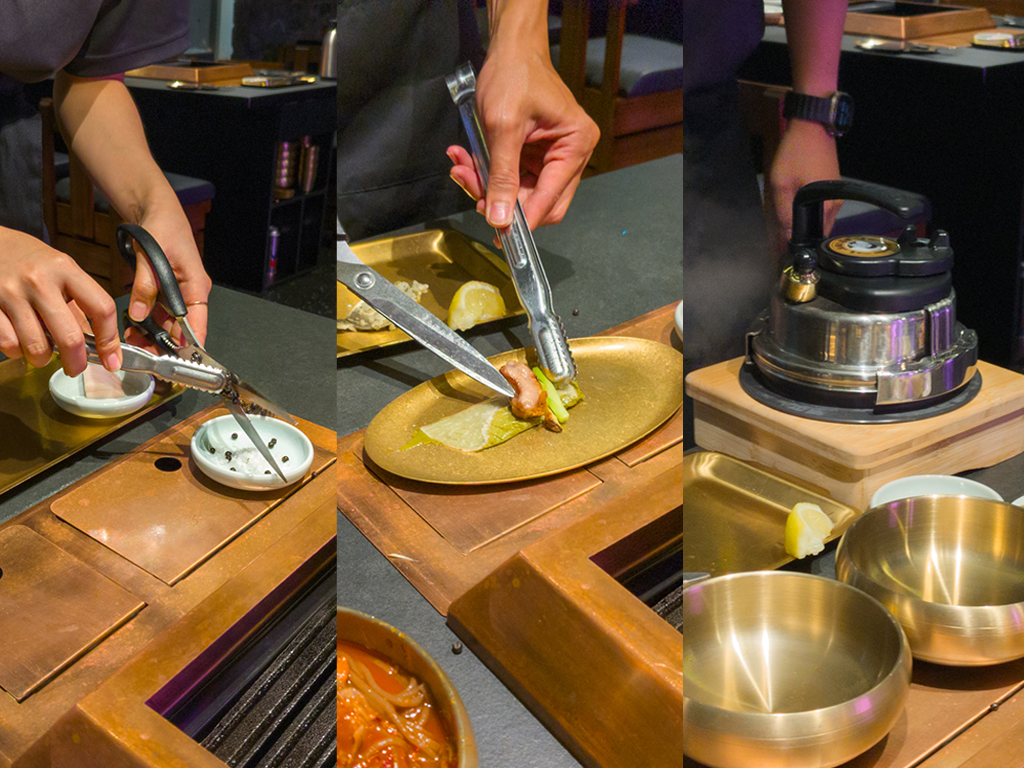
You’re shown to your seat and handed a disposable apron to wear with pride. Someone asks if the grill should be on, a tasty raisin tea (heotgae-cha) is served, and someone starts snipping its signature house-brined peppercorns (rather than toasted) onto a small dish of coarse salt.
Once you make your order, the meats arrive within minutes, along with a crew member to cook the meats.
The banchan or side dishes are already on the table, of course.
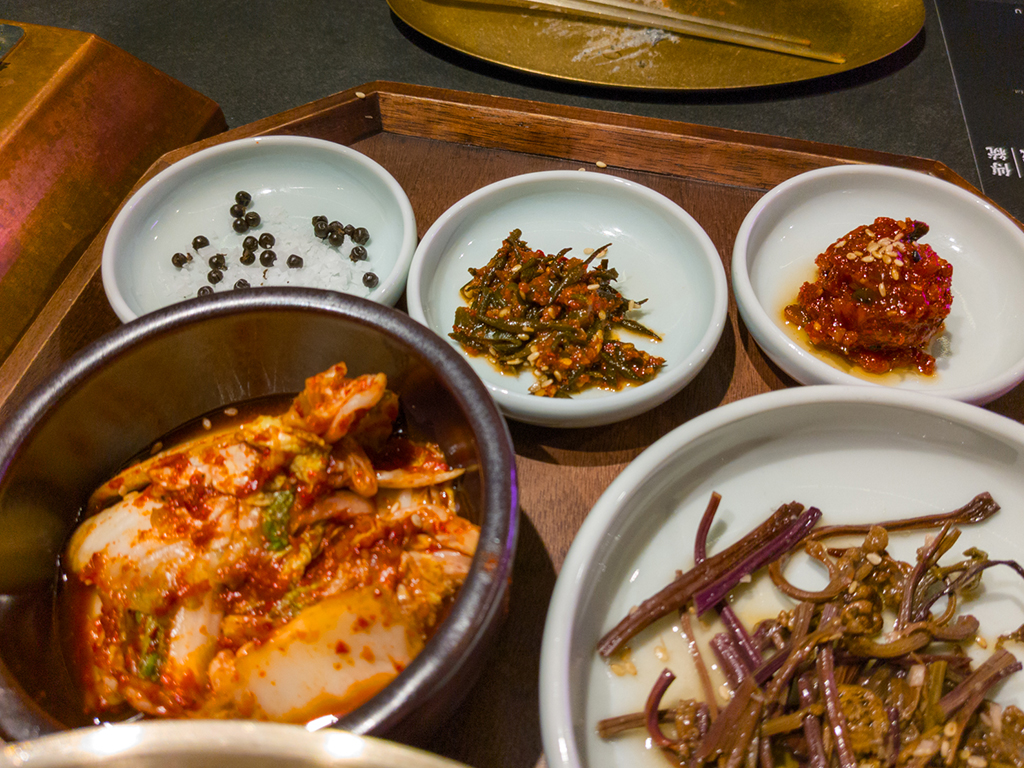
There’s a bowl of geotjeori (fresh red kimchi), a dish of seasoned bracken fern shoots (gosari), and a bit of seaweed mixed with red chilli paste and sesame seeds.
The kimchi is fresh rather than fermented, so it tasted brighter and punchier than sour.
There’s also a small saucer of spicy fish roe jeotgal (a fermented seafood condiment with added nuts for texture) that’s addictively savoury, sweet, crunchy and garlicky all at the same time. You can eat this on its own or with the meat later on.
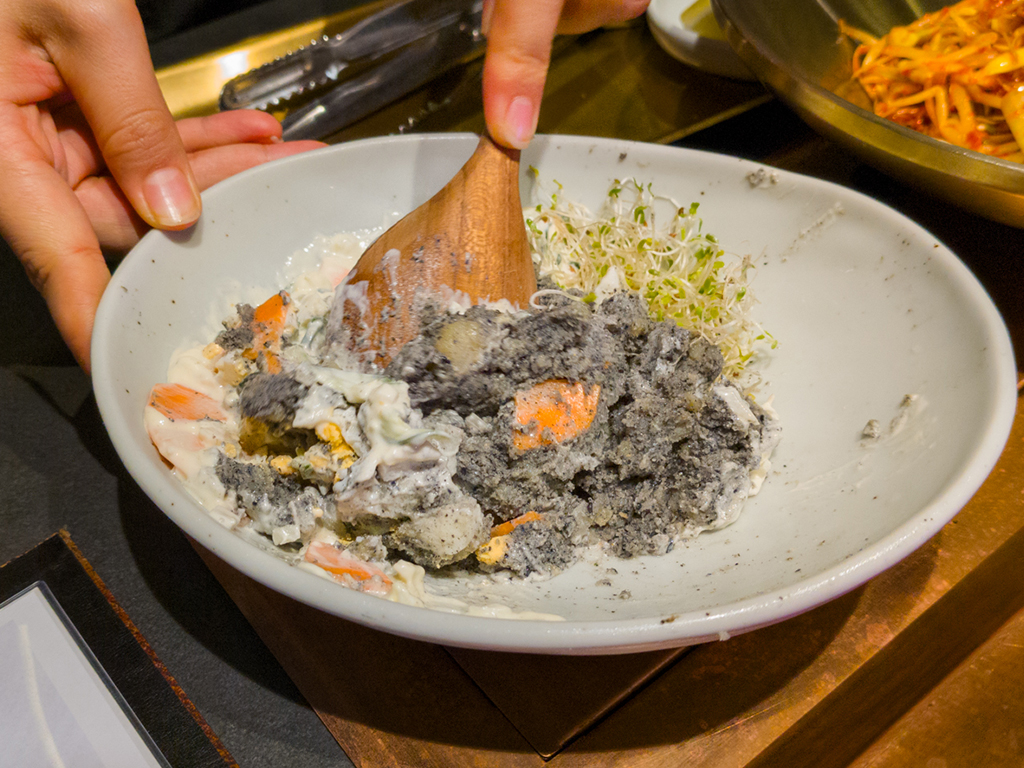
First to arrive is the hareubang potato salad (S$9), named after Jeju’s basalt stone grandfather statues found all over the island. It’s even shaped like one too, though the staff started mixing it before I had a chance to snap a photo.
Black sesame turns the mash a stone-like grey, and also adds a mild nutty aroma that hit me on the first bite. Mixed with mayonnaise, sliced carrots, corn, and alfalfa sprouts, this is creamy and chunky (from thicker chunks of boiled potatoes) at the same time.
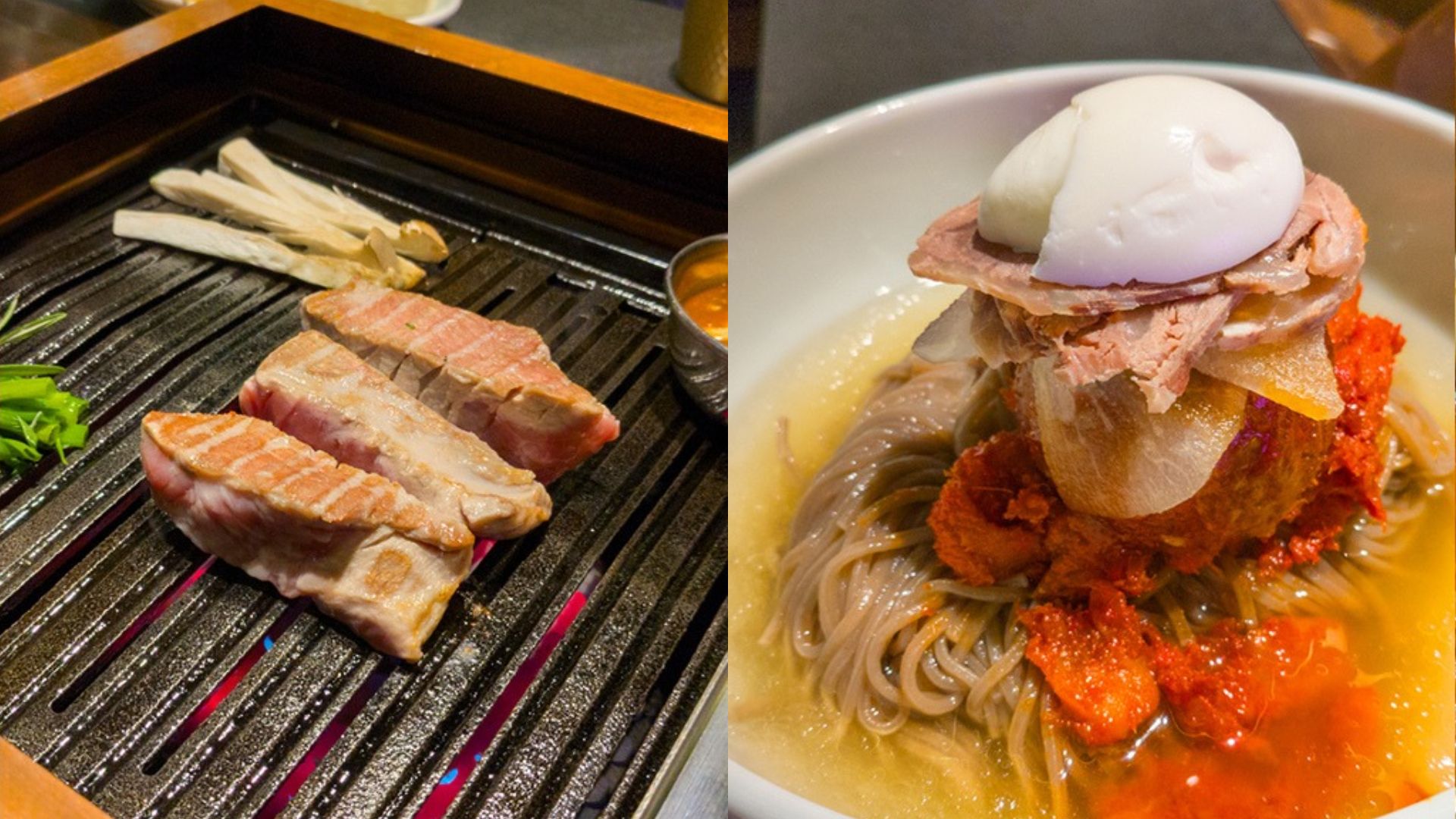
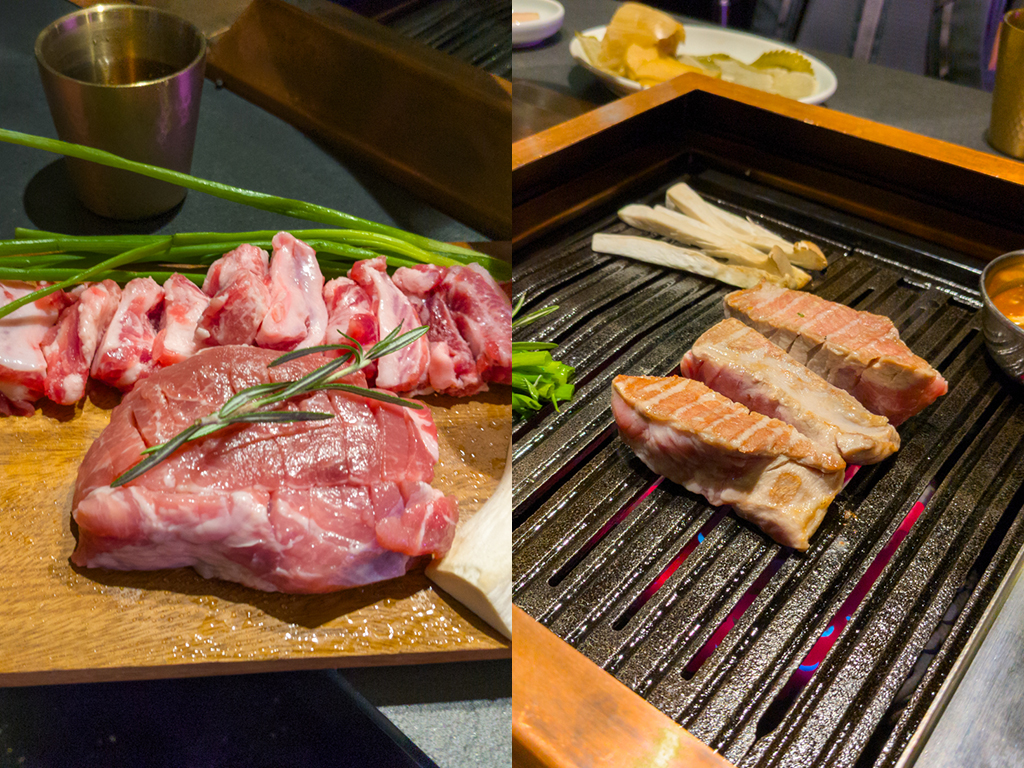
Of the meats we ordered, the white pork rib fingers (S$31) were the highlight. The meat is well-marbled and clearly good quality, juicy with an almost springy bite.
The crew grill it for you and serve it four ways— the first way is with just salt and a single peppercorn. Sodeng Jeju brines its own fresh peppercorns with salt and soy sauce, so you get a savoury zing rather than the usual toasted dried pepper.
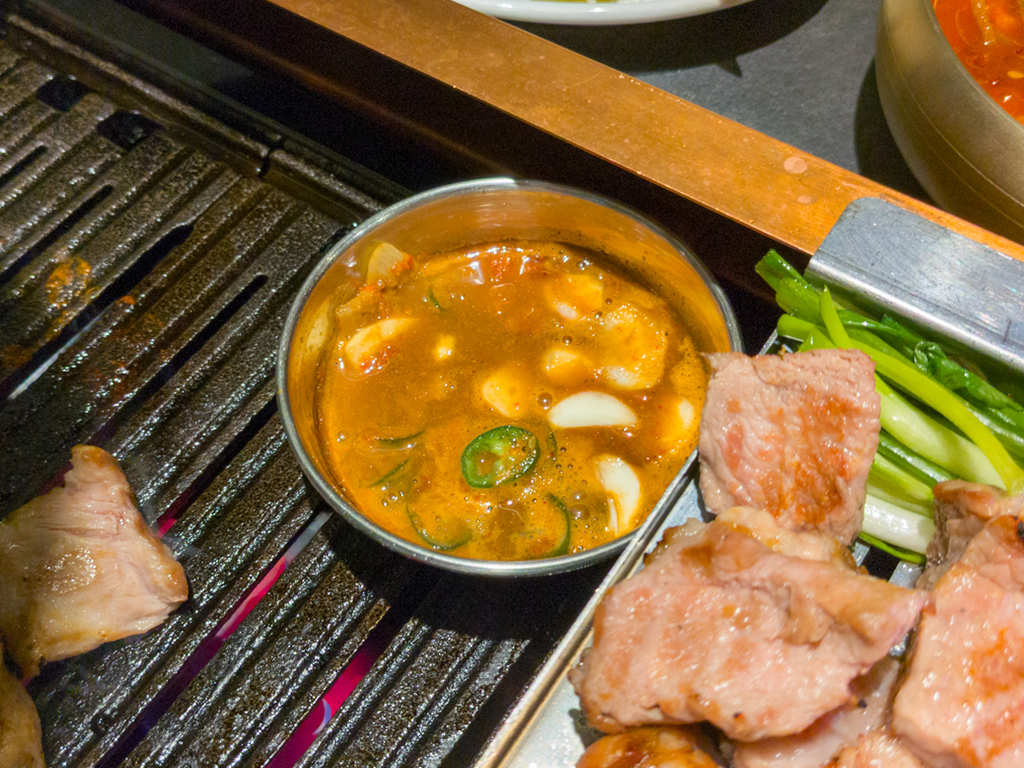
Next, they suggest dipping it into some meljeot (a traditional Jeju Island specialty made from salted and fermented small anchovies) that comes in a small bowl kept warm on the grill. This one is simply glorious, intensely briny with a seafood flavour that’s borderline pungent, in a good way.
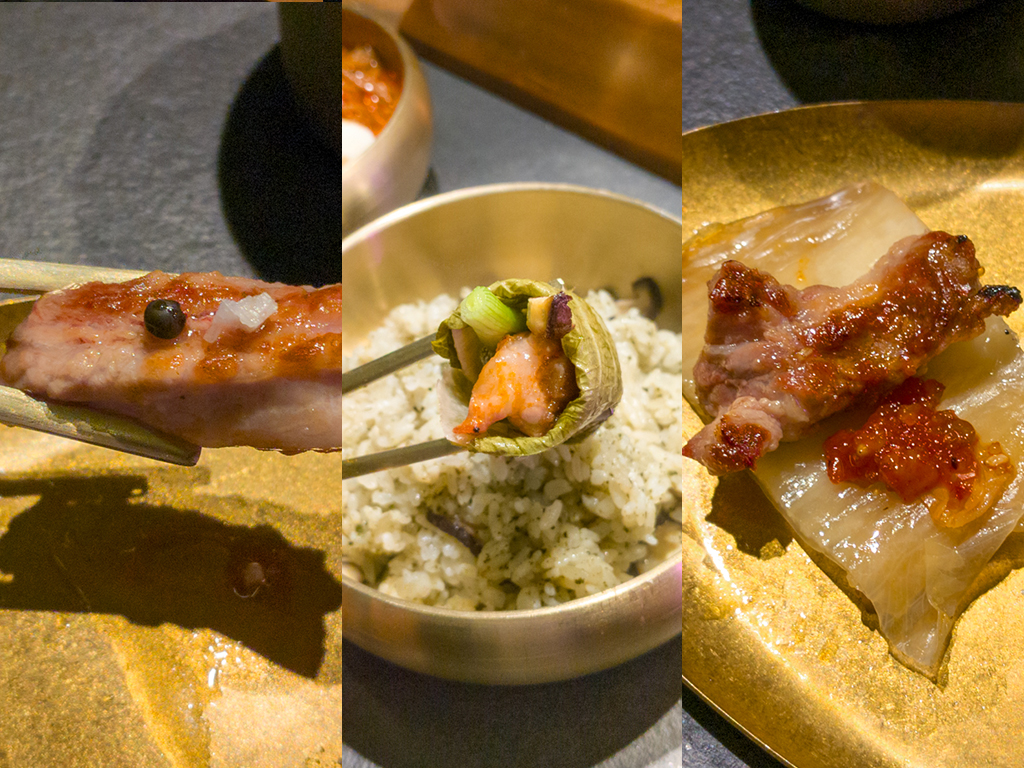
The last two ways the crew suggest having it, are to enjoy it in wrap form — either with pickled perilla and spring onions, or with white cabbage kimchi and a dab of the fish roe jeotgal.
I also ordered the Jeju white pork collar (S$33) rather than the belly so I could taste how the white pork tastes in a leaner cut. Thankfully, it’s still decently fatty and tender, as you can see from the earlier photo.
Like the rib fingers, it’s aged for 14 days. It isn’t as juicy as the rib fingers, but the aging gives it a deep, meaty flavour.
To punctuate the meats, I ordered the spicy cold noodles (S$23), a classic Korean dish you’d find in K-BBQ restaurants, compirisng buckwheat noodles in a chilled broth and topped with a spicy red seasoning paste.
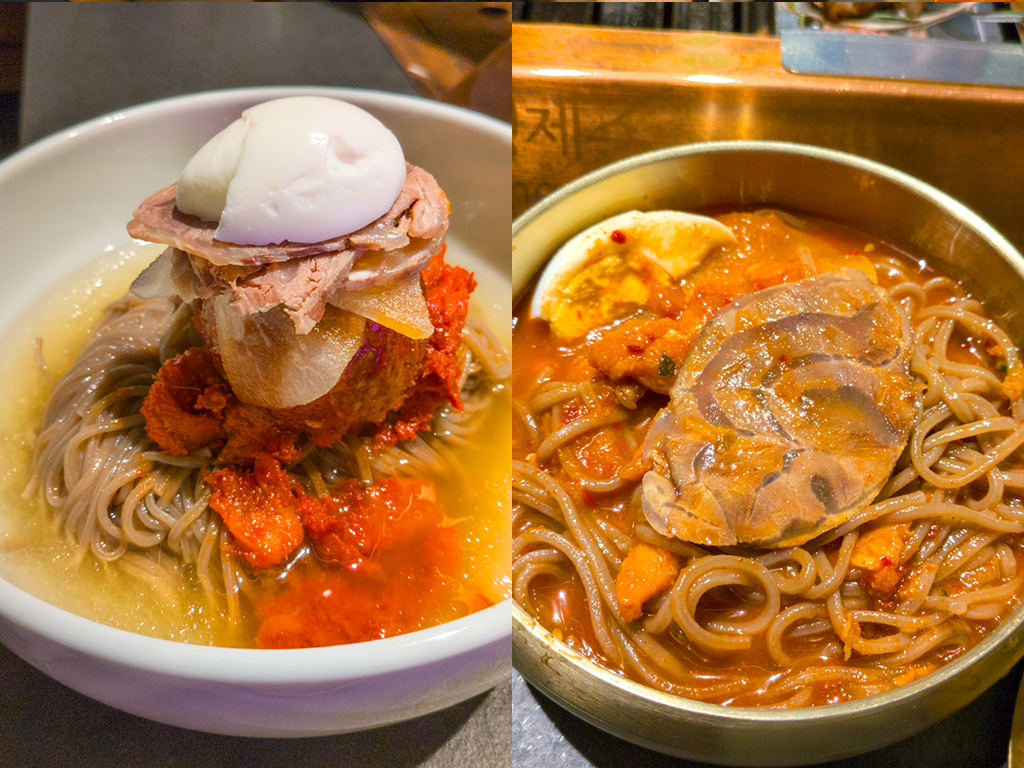
It’s absolutely delicious — refreshing, and spicy enough to tingle and whet the appetite without being overpowering. The broth is sharp, tangy, and punchy with a sweet finish, and the chewy strips of seasoned dried pollack that’s sweet and slightly spicy.
On top sit two slices of arongsatae (beef shank), chilled and sliced thin. They’re extremely tender, with a slightly gelatinous texture that suits the noodles well.
The abalone liver pot rice (S$11) is a very interesting dish. Cooked to order in a pressure cooker on your table (it takes about 10 minutes to be done), the rice tastes distinctly of abalone and that sort of umami shellfish flavour, thanks to a rich abalone liver sauce in the cooking liquid.
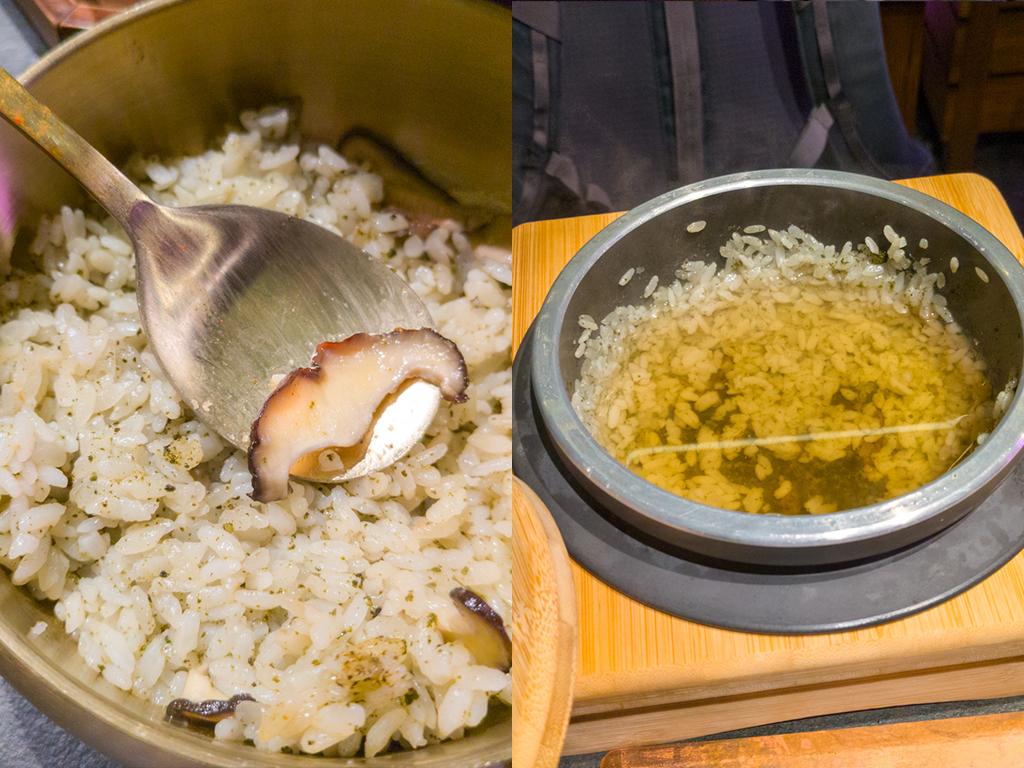
The broth itself, which you can scoop directly from the pot, isn’t salty or overly seasoned, but has a deep savoury flavour to it.
Note that there’s no actual abalone slices inside, only shiitake ones that soak up all that flavour and are so tender and soft they almost pass for thin slices of abalone.
To drink, the Jipyeong makgeolli (S$23) is a good match for the meat.
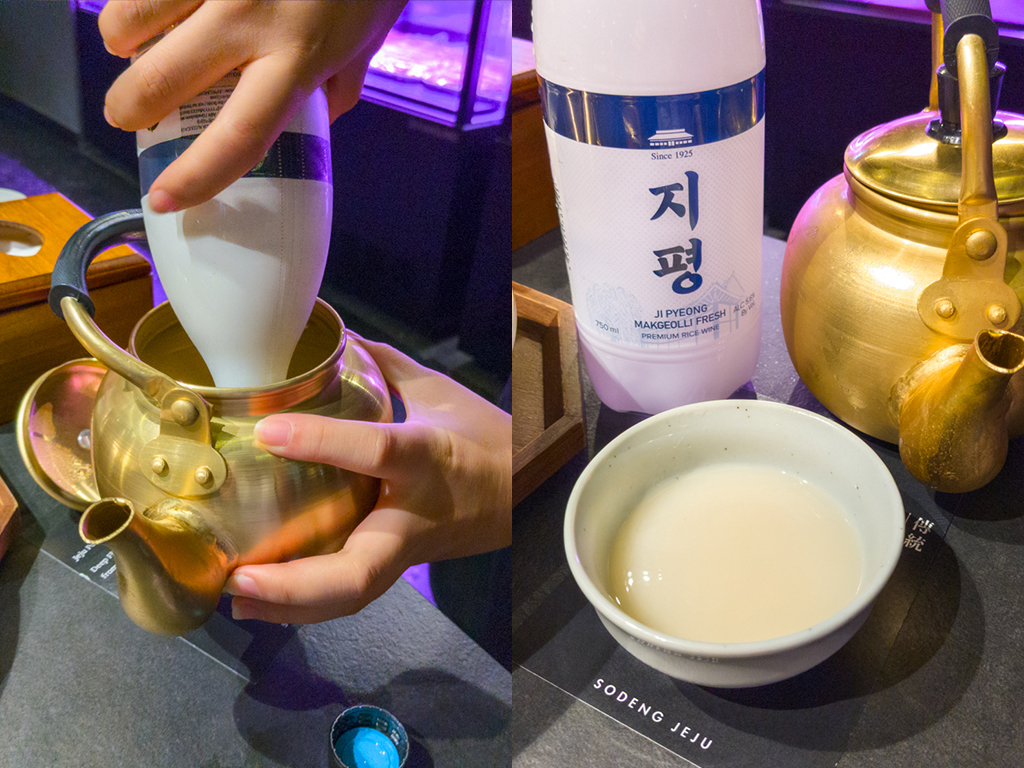
Jipyeong is a well-known Korean brand — slightly sweet and mildly tangy, with a creamy, almost yoghurt-like texture and low fizz. I like the mellow rice sweetness that makes this light and so good with the grilled pork.
Besides makgeolli, there’re highballs (including a Korean black raspberry one from S$11), pricier Korean spirits such as Hwayo and Omegi from S$36, the ultra-premium Khee soju (S$155), and some soft drinks.
What it could improve on
I’d read on its socials and in reviews about the aged black pork on its menu before going, so I was somewhat disappointed to see only white pork on the menu, so I’d like to see it come back sooner rather than later.
There’s also no dessert on the menu, so the meal ends on a savoury note. A few light sweets (even better if it’s Jeju-style) to finish would be welcome after all that pork.
Another thing, if I had to nitpick, the pace also felt rather fast. Food arrives within minutes, someone is cooking at your table almost immediately. I suppose that’s sometimes the nature of Korean barbecue restaurants where the staff do the grilling, rather than you taking your time over your own meat.
It’s worth noting that my reservation email indicated a dining limit of 90 minutes for one to four guests, 1 hour 45 minutes for five to six, and two hours for seven or more people.
Our quick takes
Is it conducive to conversation? Yes. The room was busy, but the tables were spaced fairly far apart and the noise level was fine.
Is a reservation necessary? Recommended — most of the diners there on the same evening as I was, seemed to have done the same.
How to get there? Duo Galleria is linked to Bugis MRT, and Sodeng Jeju itself is less than a minute walk from Exit E.
HungryGoWhere paid for its meal at this restaurant for this review.
For new Korean eats around town, check out Jjan, a modern Korean dining bar, or Um Yong Baek’s newest outlet at Suntec City.
Tue 11.30am - 3pm, 5pm - 10.30pm
Wed 11.30am - 3pm, 5pm - 10.30pm
Thu 11.30am - 3pm, 5pm - 10.30pm
Fri 11.30am - 3pm, 5pm - 10.30pm
Sat 11.30am - 3pm, 5pm - 10.30pm



Gary eats and knows things, which he attributes to over 30 years of eating and drinking — surely that must count for something, he surmises. He was previously the deputy editor at City Nomads and content lead at Burpple.
Read more stories from this writer.