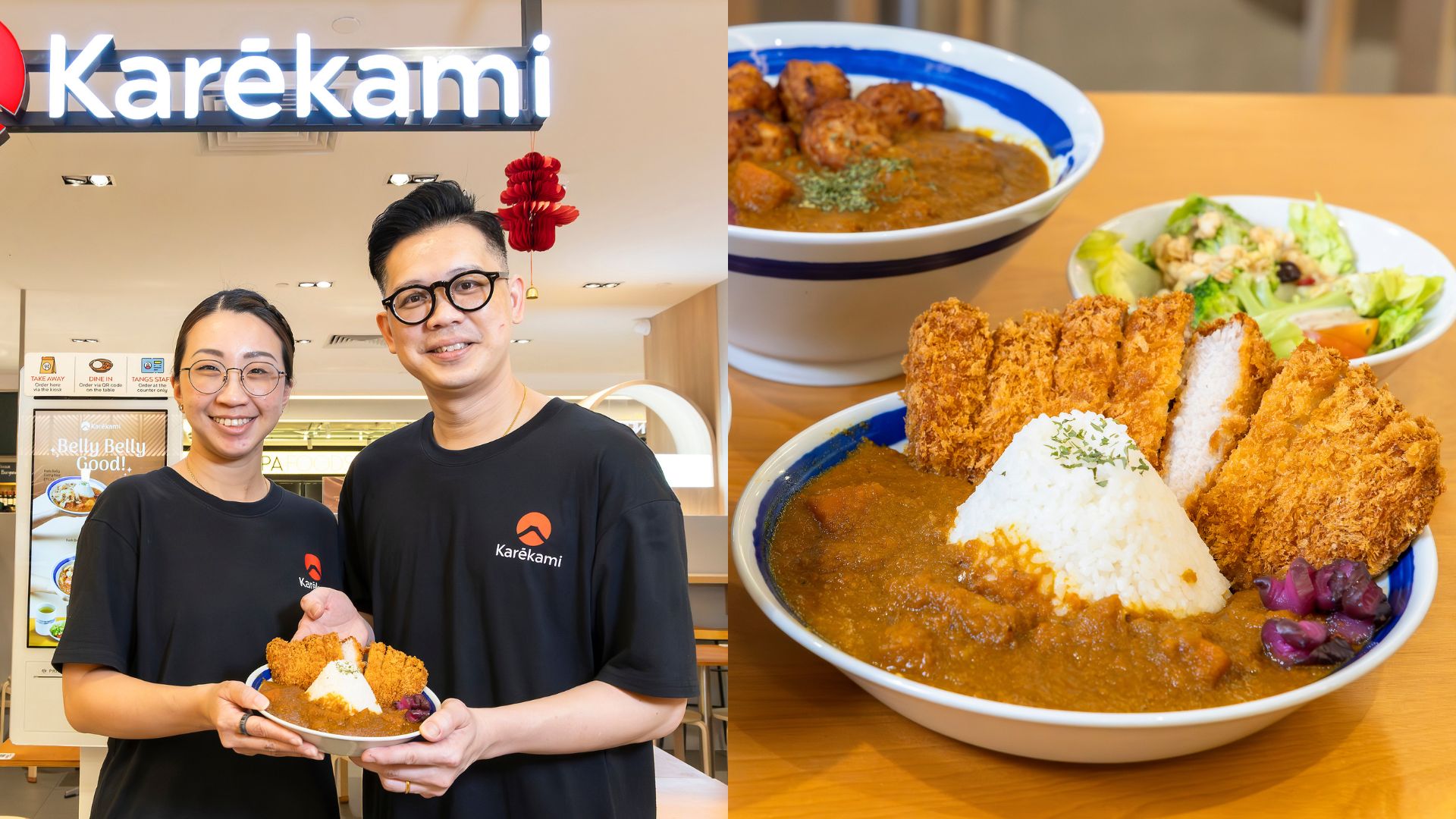
Is there a God of Japanese Curry in Singapore? Meet the husband-and-wife duo of Kare Kami at Tang Plaza

- Kare Kami serves a thicker, chunkier Japanese curry with a gentle spice and a more rustic texture.
- Husband-and-wife duo AJ Fong and Jamie Ng left their corporate careers to run the Kare business together.
- What started as a curry-and-skewers concept has been stripped back to focus on what they do best: Japanese curry.
Their 30-seater restaurant Kare Kami, located in the basement alley of Tang Plaza along Orchard Road, is built around that belief. The name itself is an audacious claim. “Kami” loosely translates to “god” in Japanese. “Because we hope that we can actually make one of the best curry in Singapore,” says Jamie on why they are branded as the “God of Curry”.
Whether the kare truly lives up to that ambition, however, is something the couple leave to diners to decide.
Initially paired curry with skewers at Fusionopolis
For those who frequent restaurants around Fusionopolis, the couple’s presence may already be familiar.
In 2023, AJ opened a small eatery there called Kare, serving Japanese curry bento sets alongside fried skewers. The casual concept catered largely to office workers in the business park.
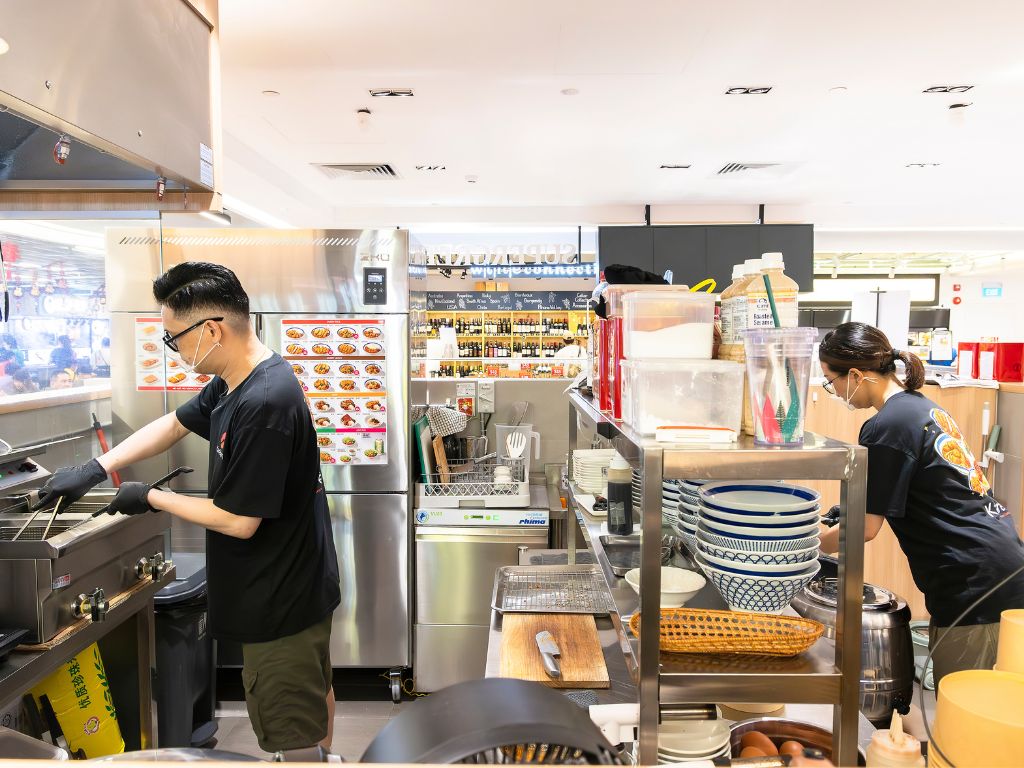
But after running the restaurant for some time, the couple began thinking about how the concept could evolve beyond the lunch crowd.
When the opportunity arose to relocate the business to Tang Plaza along Orchard Road, they decided to make the move, citing how the new location could draw in a larger mix of diners, such as shoppers, tourists and families. At the same time, the couple simplified the menu.
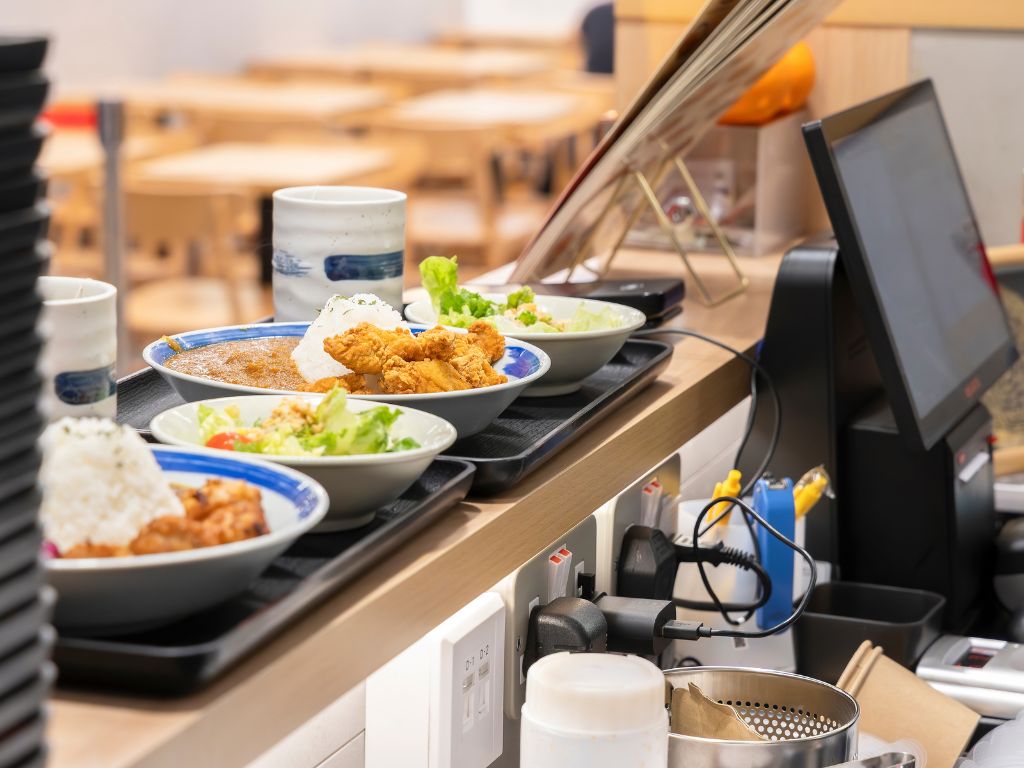
Gone are the skewers. Instead, the newly rebranded Kare Kami decided to focus on Japanese curry rice bowls and teriyaki dons.
Giving up their corporate jobs
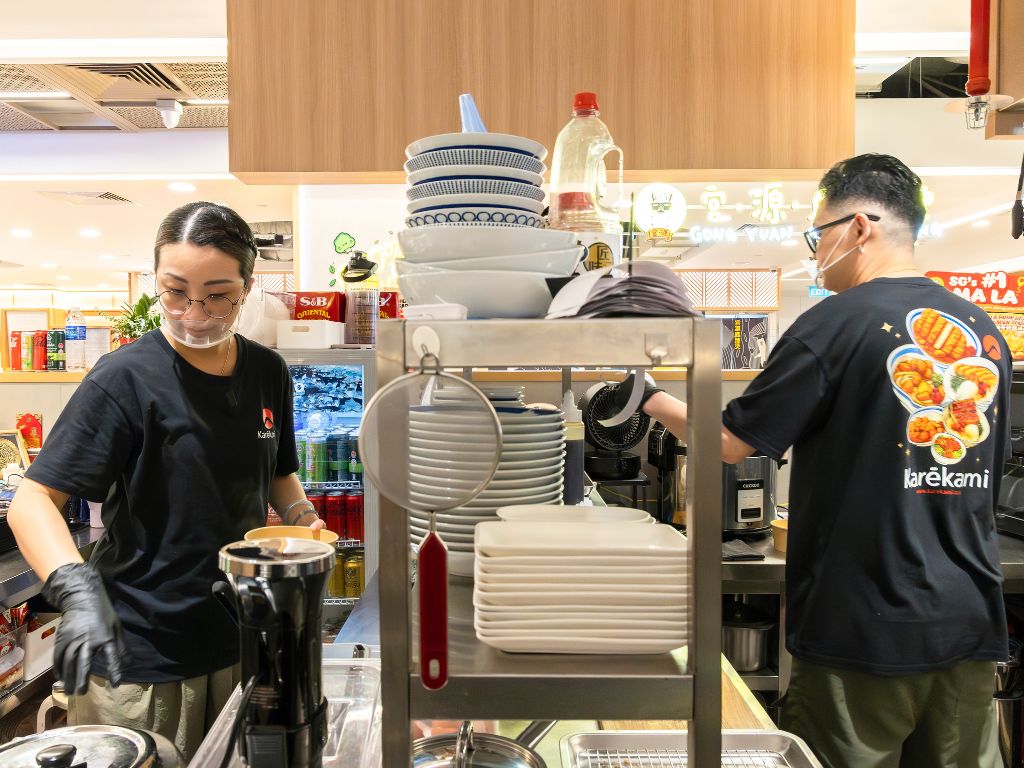
Before opening the business, both founders spent years working in entirely different industries.
Jamie previously worked in IT sales while her husband spent “at least 18 years” as a graphic designer. For a period, Jamie continued working in the corporate world while supporting the restaurant on the side. But as the business grew, juggling both became increasingly difficult.
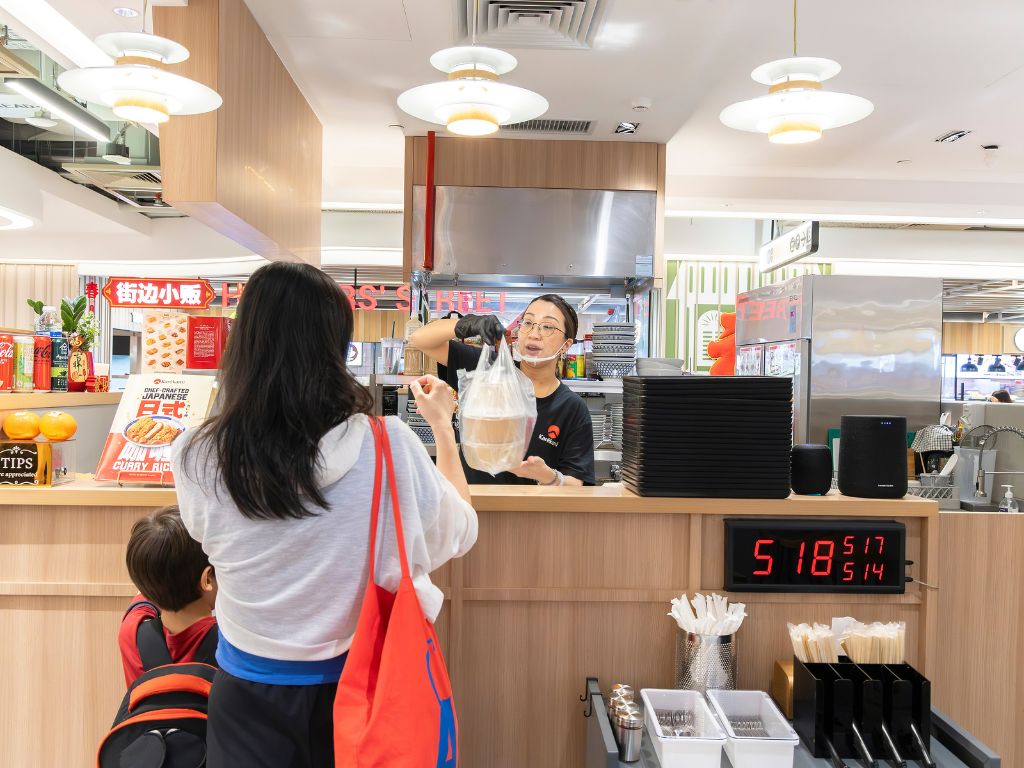
In early 2025, she decided to throw in the towel, leaving her job and joining her husband on the venture full-time.
Running a restaurant as husband and wife
Opening Kare Kami has also meant learning how to run a business together, which is something both admit has been a journey.
Jamie describes herself as the more expressive half of the pair, while AJ tends to be more meek and reserved. It shows in our interview with the couple, with Jamie nudging a sheepish AJ to speak up and nodding approvingly as he did so.
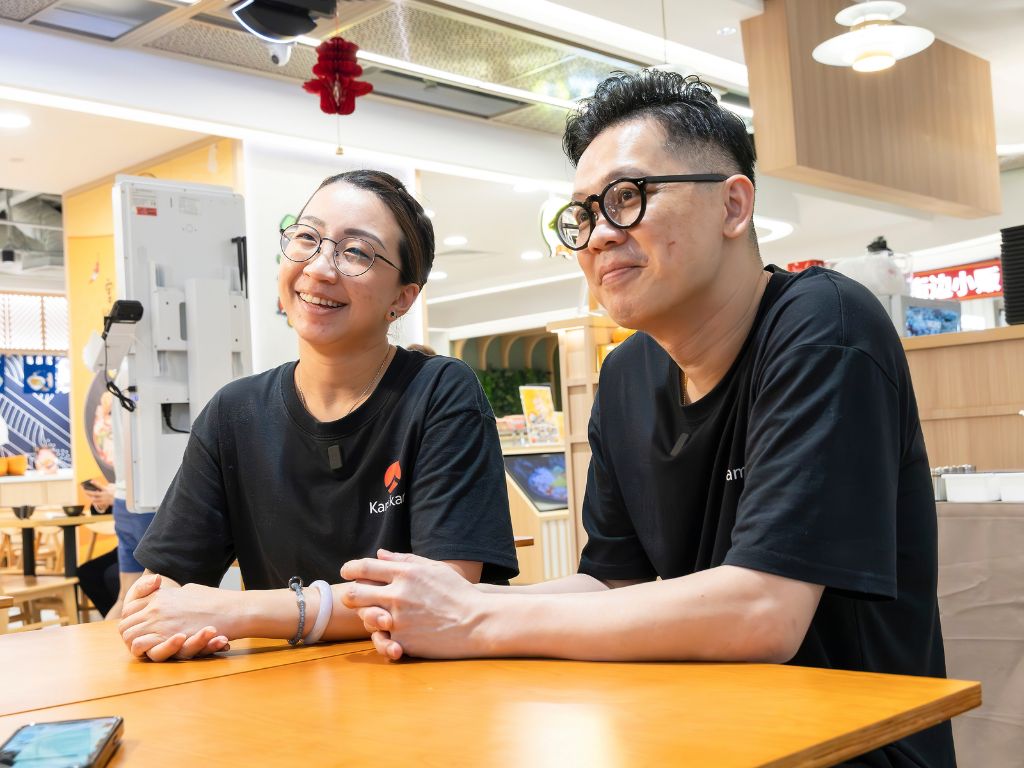
“He doesn’t communicate much,” she shares, laughing. “Whereas I’m more personable.”
Working side by side every day has inevitably led to disagreements.
“Definitely, there will be some arguments,” she admits.
But over time, the couple say they have learned to navigate those differences. Building the restaurant together has forced them to communicate better, compromise more and slowly settle into their respective roles.
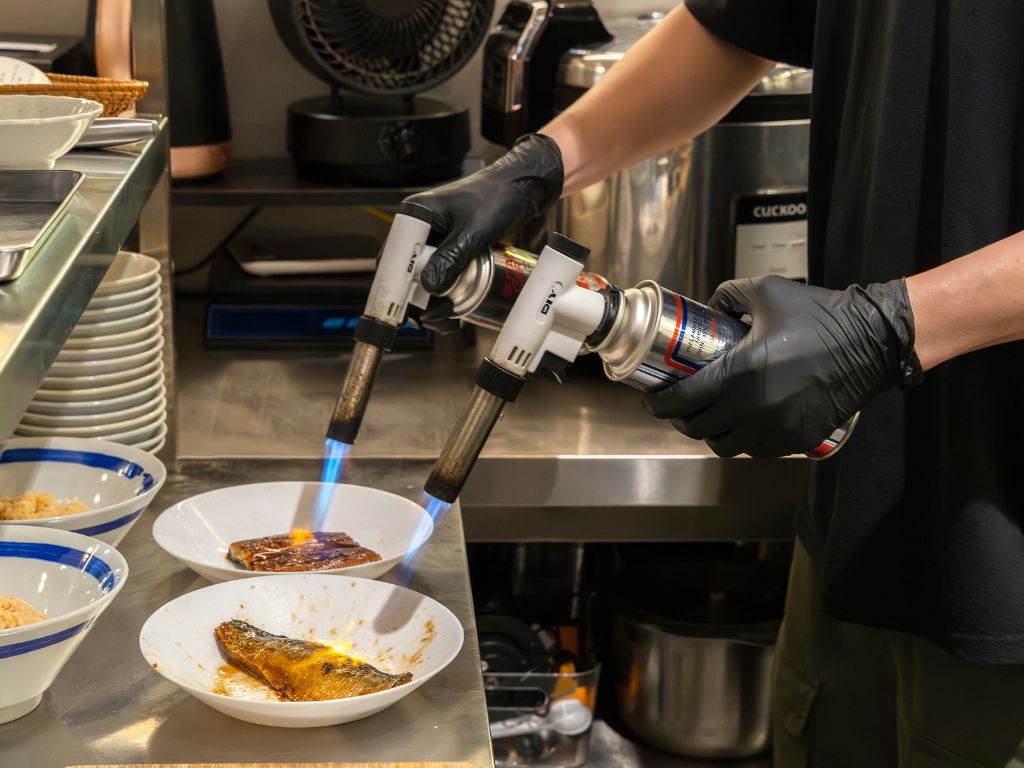
AJ now spends most of his time focused on the kitchen, while Jamie oversees many of the operational aspects of the business. “The goal is to make Kare Kami a success,” Jamie says.
Clumpy, spicy delight
Japanese curry is usually smooth and mildly sweet, its gravy thickened with roux. The version simmering at Kare Kami, however, looks a little different.
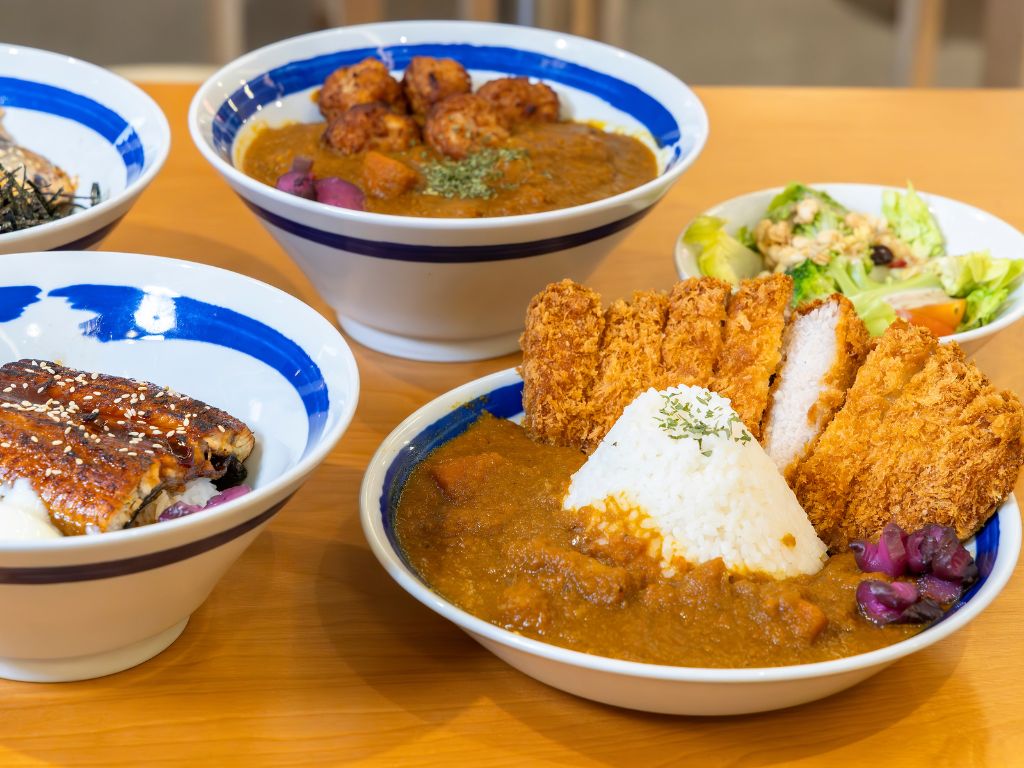
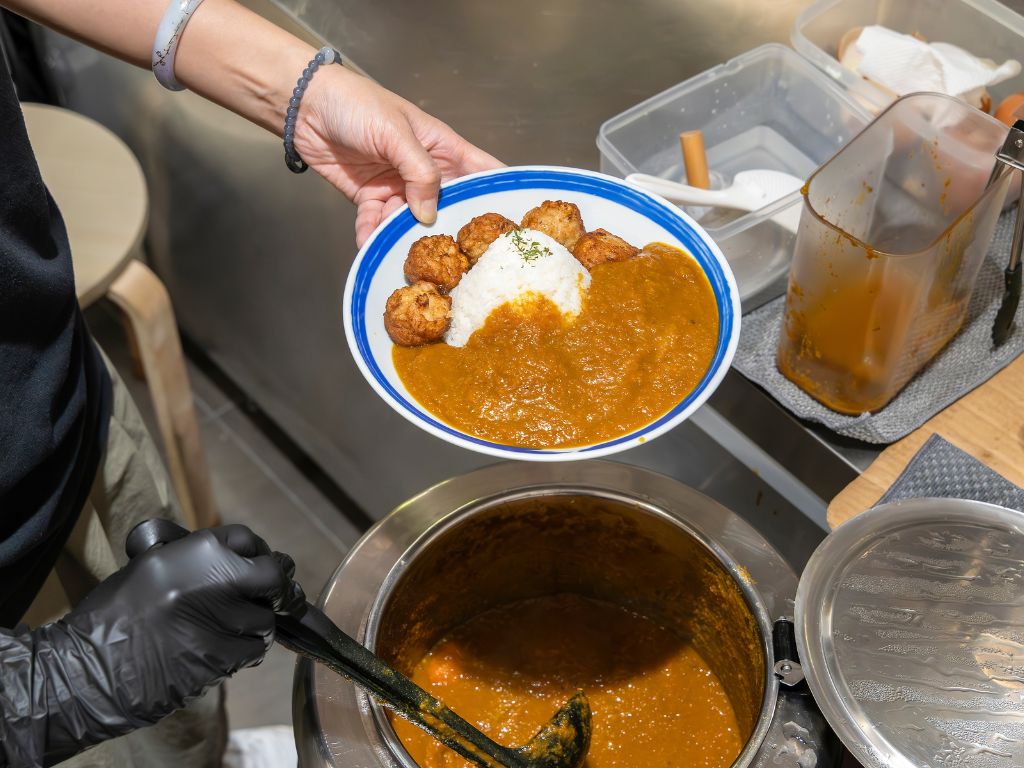
Intentionally rustic, the gravy is thick and hearty, studded with clumps of carrots and potatoes, both have softened and broken down over hours of cooking. Some spoonfuls come out denser than others, and the textured mouthfeel is welcoming.
“We actually add a lot more carrots,” Jamie says. “Not just chunks, but shredded carrots also.”
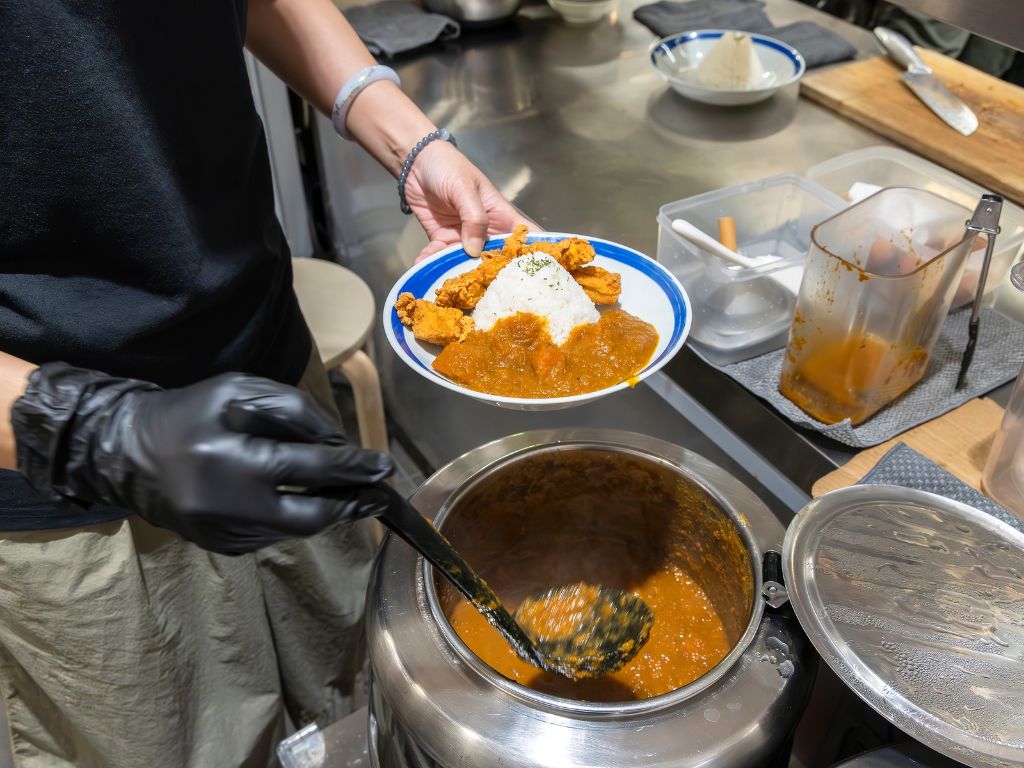
Instead of relying heavily on butter-rich roux cubes, the couple says they let the vegetables do much of the work. Onions are cooked down slowly, while the carrots and potatoes release starch into the sauce, naturally thickening the curry.
Kare Kami’s version is also a little spicier than most Japanese curries found in Singapore, a tweak made with local diners in mind. Diners can choose to spruce up their meals with a mini salad (extra S$2.50), a mini salad with green tea (extra S$3), or swap that green tea out for a canned drink (extra S$4.50).
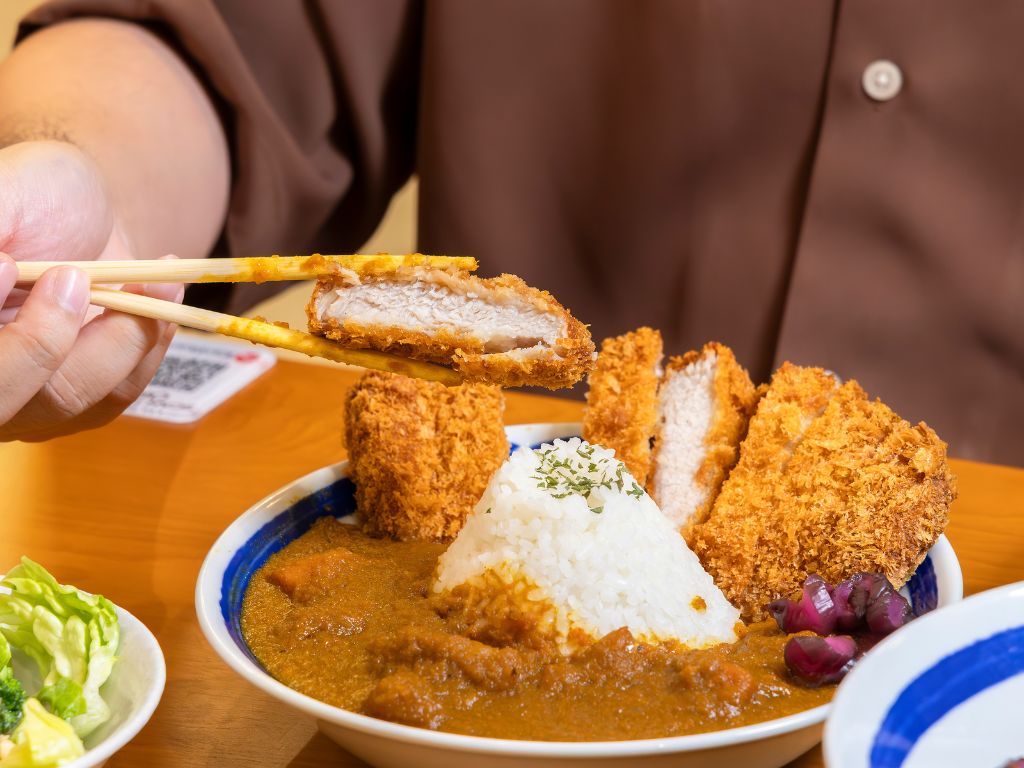
The store’s signature is the pork tonkatsu curry rice (S$14.90), which comes with golden and audibly crisp tonkatsu. Though the couple procures these from a supplier, the Japanese cutlet is tender and juicy, reminiscent of the ones you’d feast upon in Japan.
A comforting addition, the thick, rustic curry — sweet, yet carrying a slow burn — is spread on the side of a mould of rice shaped like Mount Fuji.
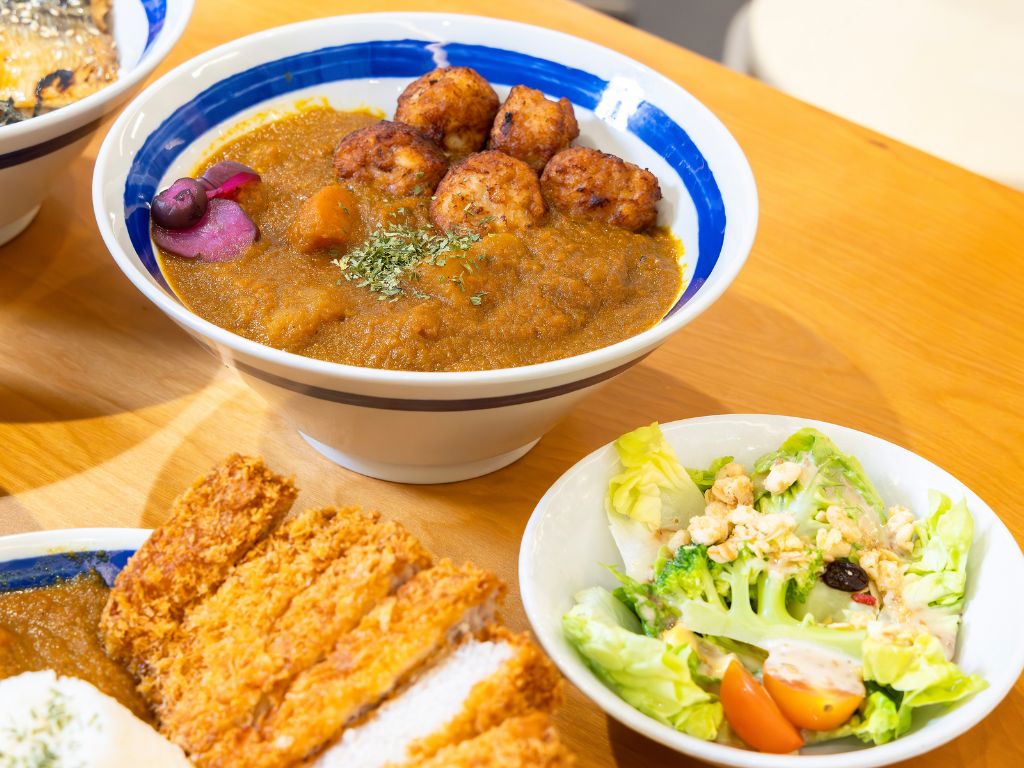
We love soft, springy chicken balls. The tsukune chicken balls curry udon (S$12.90) offers a different way to enjoy the same curry base.
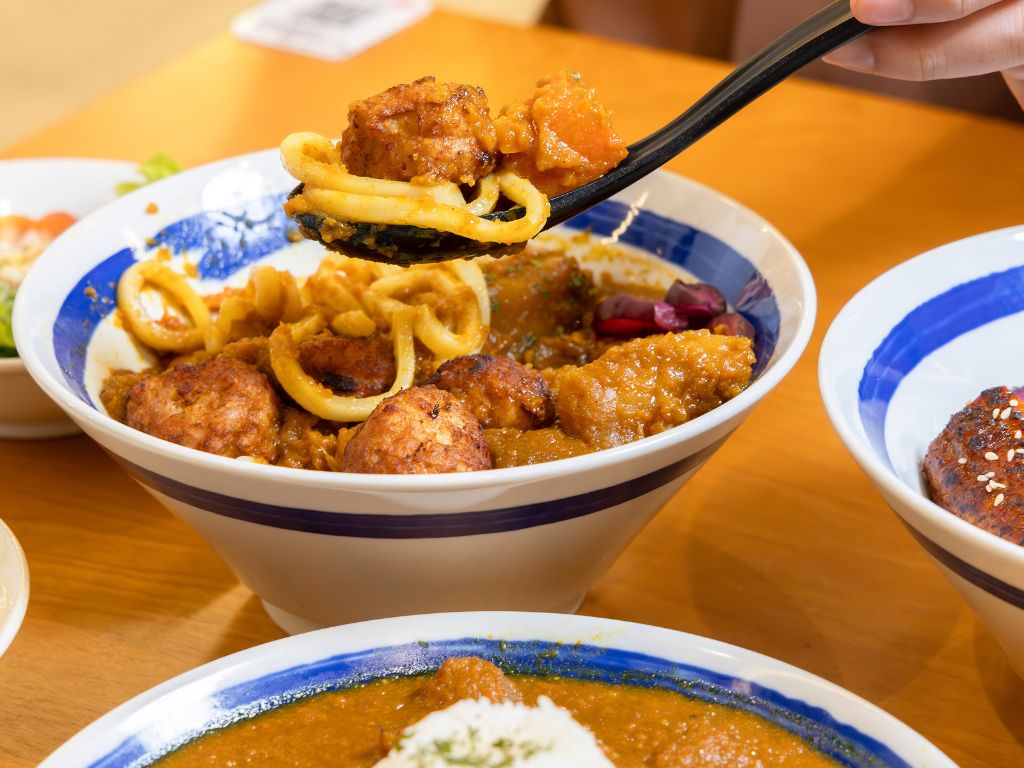
The udon number here is chewy and because the curry is lumpy and textured, it clings well to the strands. This makes for a hearty and filling item on the menu.
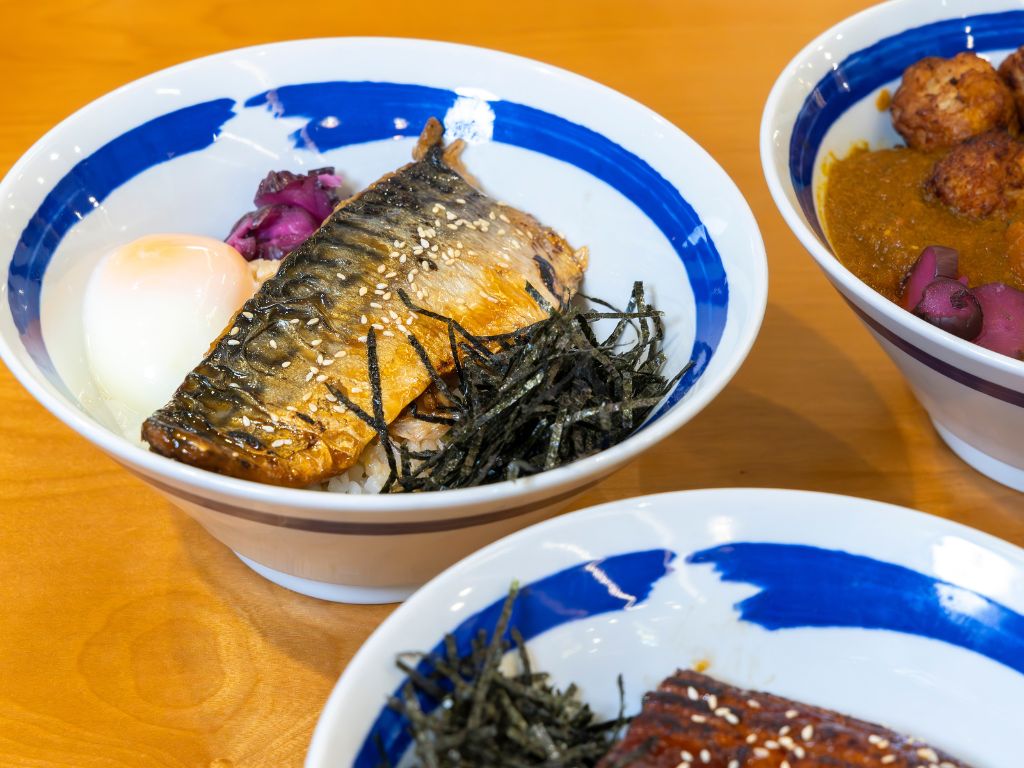
Saba fish don (S$10.90) features a house-made teriyaki sauce — one of the elements the couple have chosen to develop themselves. The glaze is lightly sweet and savoury, coating the fish without overwhelming it, and lending a gentle sheen across the surface.
The fish itself is also supplier-sourced, a practical concession given the constraints of a compact kitchen, but it is handled competently, flaky with a natural richness that pairs well with the sauce.
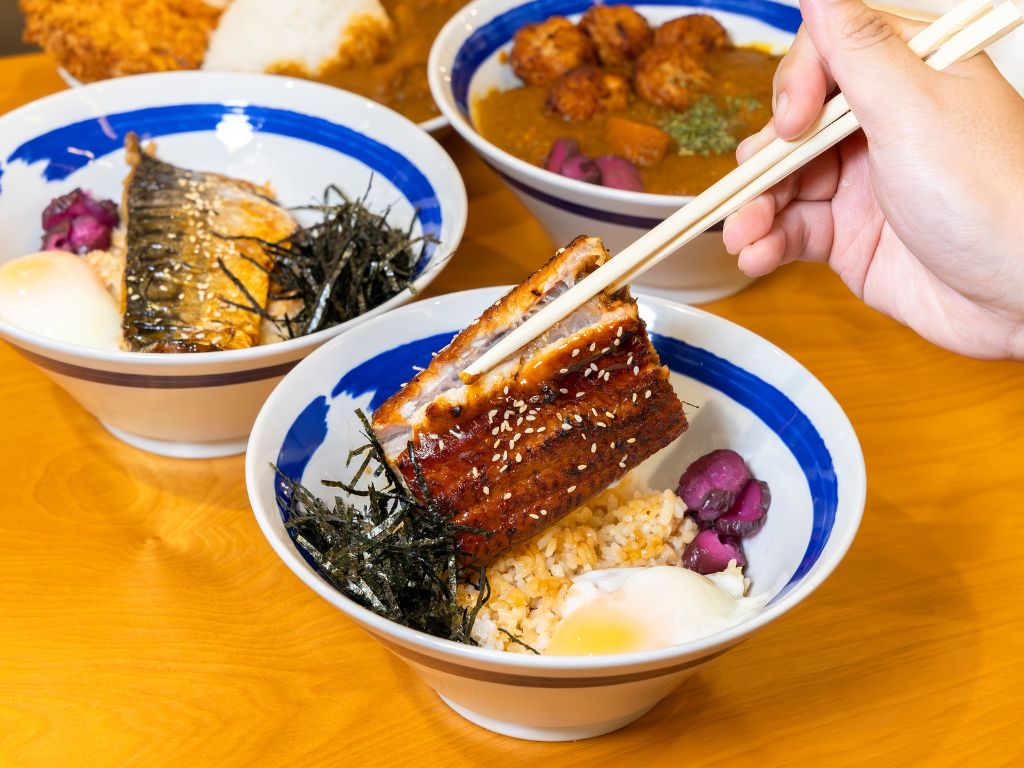
The unagi don (S$15.90) is a straightforward option, with the eel glazed in the same house-made teriyaki sauce. While the unagi is also likely sourced and offers the expected soft, slightly fatty texture, it doesn’t quite leave a lasting impression.
For all its talk of being the “god of curry”, Kare Kami still has some way to go before it can stake that claim. There is room to expand on the curry itself, whether through new variants, lighter curry soups (such as Sapporo soup curry, which boasts watery broth and seasonal root vegetables and fried proteins), or more creative ways of working the roux into different dishes (as in black curry, also known as kuro kare, that sees an infusion of squid ink or chocolate). But for now, it is a sincere, charming effort by a couple finding their footing together.
For more ideas on what to eat, read more about the revamped Torasho Ramen Bar at Takashimaya and the vibey Seoul & So at National Gallery.
Tue 11am - 8.30pm
Wed 11am - 8.30pm
Thu 11am - 8.30pm
Fri 11am - 9pm
Sat 11am - 9pm
Sun 11am - 8.30pm
- Orchard



Ler Jun chases "good" food the way some people chase flight deals. He writes about hawker legends, neighbourhood favourites, and the occasional fancy feast. His stomach is as curious as his pen.
Read more stories from this writer.