Gochu Singapore: New cave-themed Korean restaurant tucked away in Yishun

2025 seems to be the year of cave-themed spots popping up in Singapore — first there was Cavern at Rainforest Wild Asia, then cosy neighbourhood bar Casper opened at Duxton, decked in a dark, moody cave-like aesthetic.
Before we end off the year, there’s another F&B concept with a similar aesthetic, but serving up completely different fare.
Say hello to Gochu, a Korean dining concept brought to you by the folks behind Singapore’s first-and-only chicken K-BBQ spot Song Gye Ok, which opened in June.
Not only does it boast a cave-themed interior, but its location is in the unlikeliest of places (for a K-BBQ spot), at Orchid Country Club, next to its golf driving range.

Thankfully, you do not need to be a member of the club, or be able to golf, to dine at Gochu — just sheer patience, because the spot has been drawing crowds since it opened a couple of months back.
In fact, the response has been so overwhelming that the spot appears to have stopped taking in reservations — just walk-ins for now!
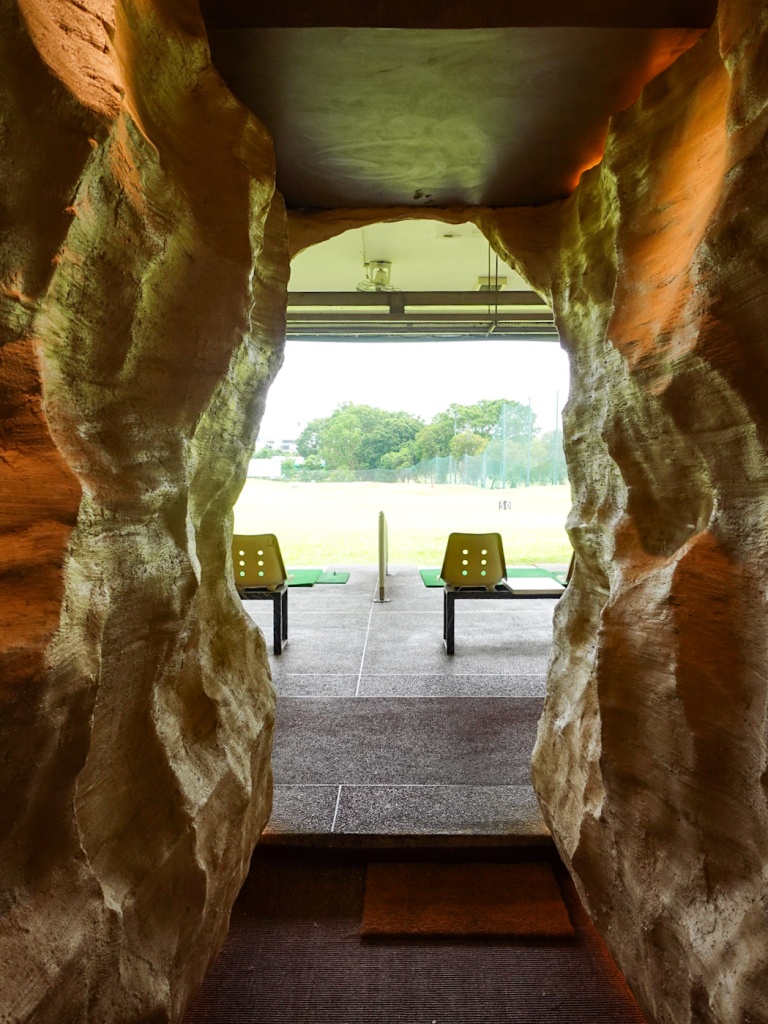
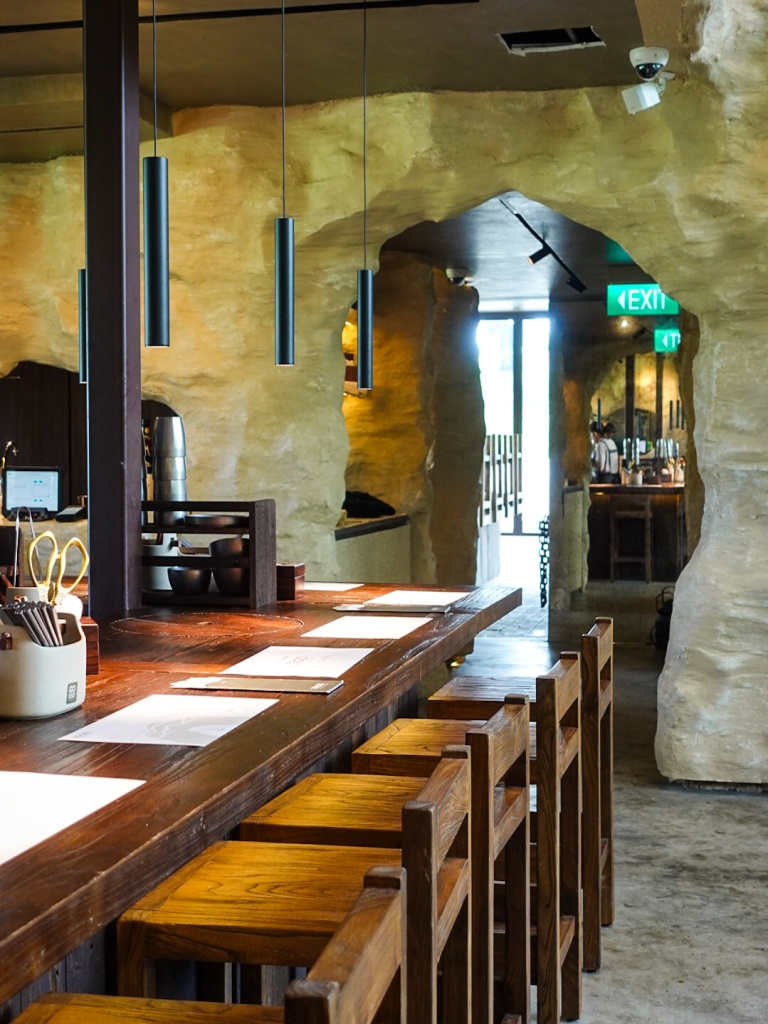
While the cave interior bears no association to its name nor concept, the idea was that the stone walls and the clear glass panels would give diners a sense that they’re dining in nature. It’s not a bad idea, given that the driving range does have a lot of greenery.
The restaurant actually gets its name from the Korean word “gochu”, which means “chilli pepper” — a nod to its signature dish, the big crispy chilli with special spicy sauce (S$14 for one piece).
Gochu or chilli pepper is regularly enjoyed by Koreans, and can readily be found at traditional markets or street-food vendors. It can be eaten plain or dipped in sauce, alongside a barbecue meal, or — as you might find at Gochu Singapore — stuffed.

Gochu’s version comes with seasoned minced pork, tofu, and veggies, and it’s actually not as spicy as you think on its own,
The special spicy sauce packs a moderate heat, though, so you can ask for the sauce on the side, instead of glazed on the pepper, if you’re concerned. There’s also a tzatziki-like sauce — inspired by the Greek yoghurt dip with cucumber — to douse some of that spice.

Trying Gochu Singapore’s menu
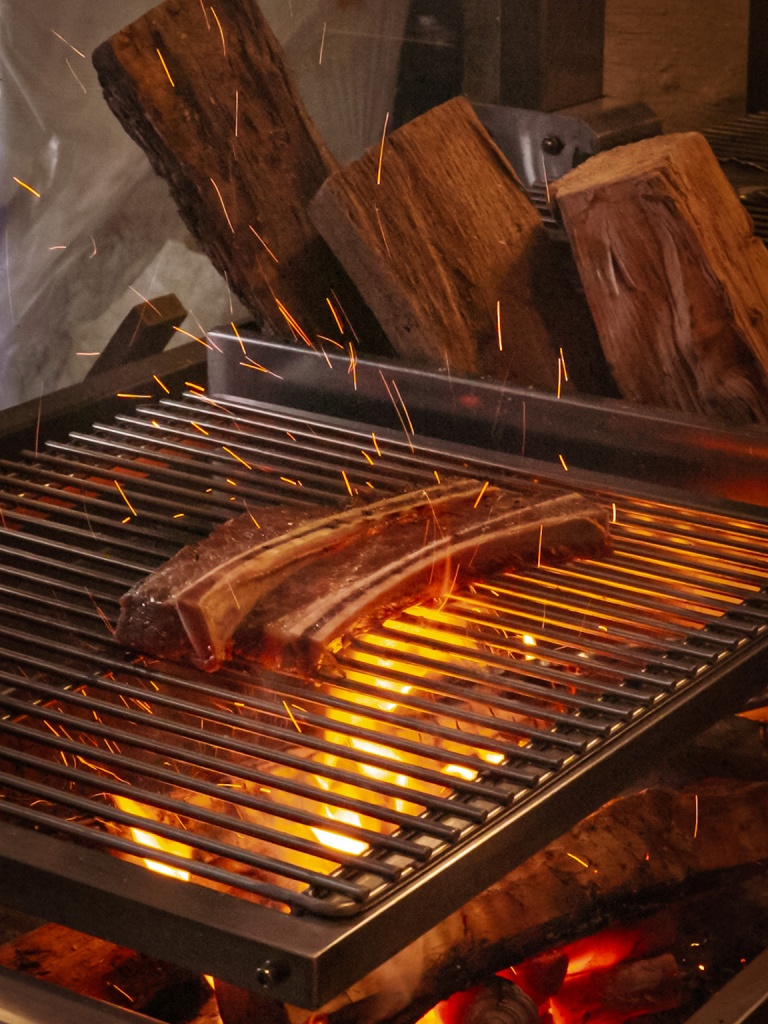
Beyond its eponymous dish, Gochu specialises in K-BBQ meats cooked with premium oak wood. The meat is first prepared by a fire master, who cooks it over the wood in the kitchen, before it is brought out to your table for a final finish on your own grill.
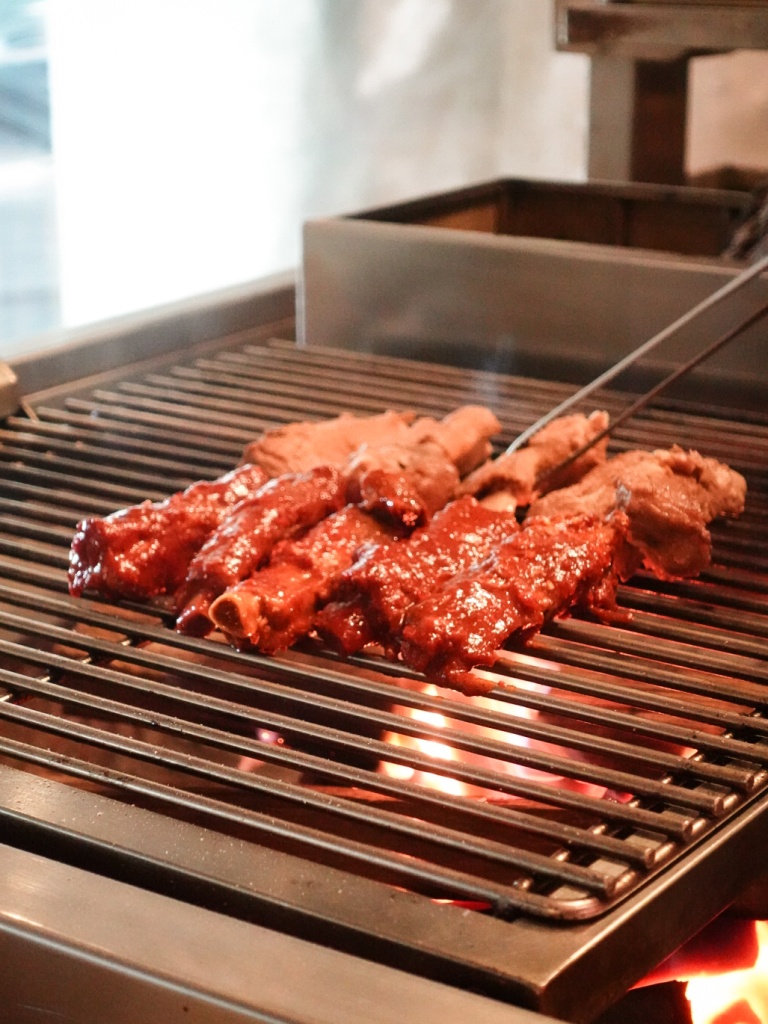
With that in mind, it would be remiss not to order the grilled pork ribs (S$62 for half a slab), which come in spicy or sweet and savoury flavours.
You can get them a la carte, but we suggest getting them as part of the signature set (S$140) for a more all-rounded experience.
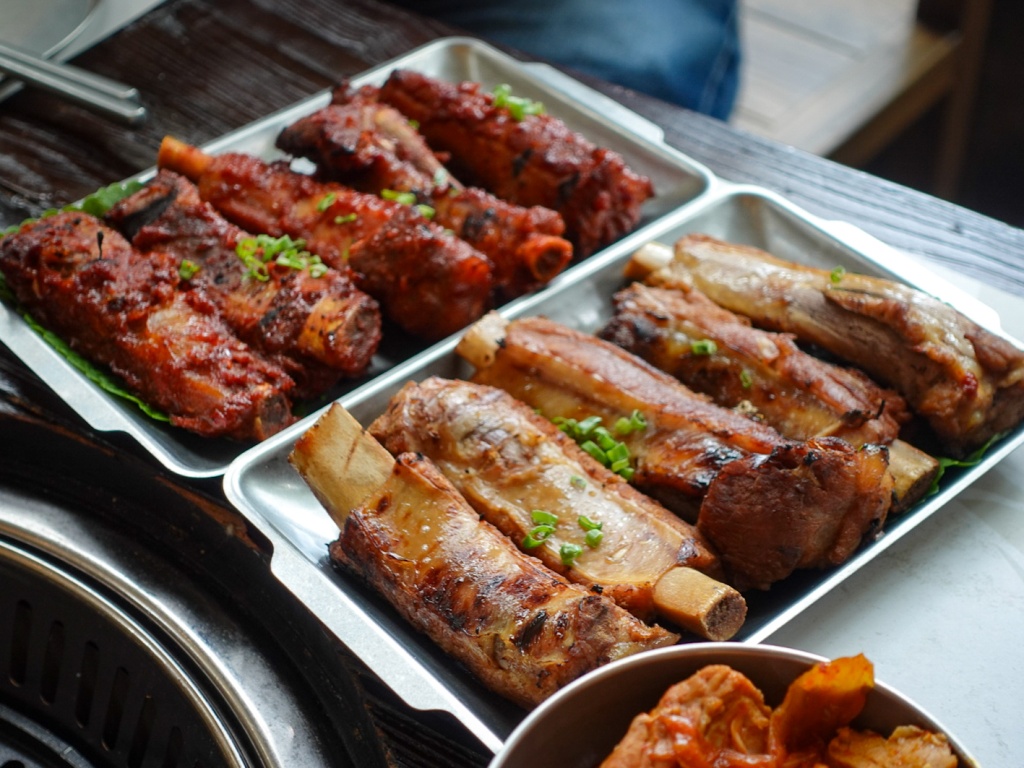
The set comes with four spicy and four sweet & savoury pork ribs, the option of a pork rib kimchi jjim bansang or galbitang bansang, chilli pickle noodles, grilled rice balls, and — of course — the gochu.
Digging into the pork ribs tableside is quite the experience. The staff heat up a pot of cheese that sits in the middle of your grill, so that once your ribs are ready, you pick up a rib, dip it into the cheese, and enjoy them all together.
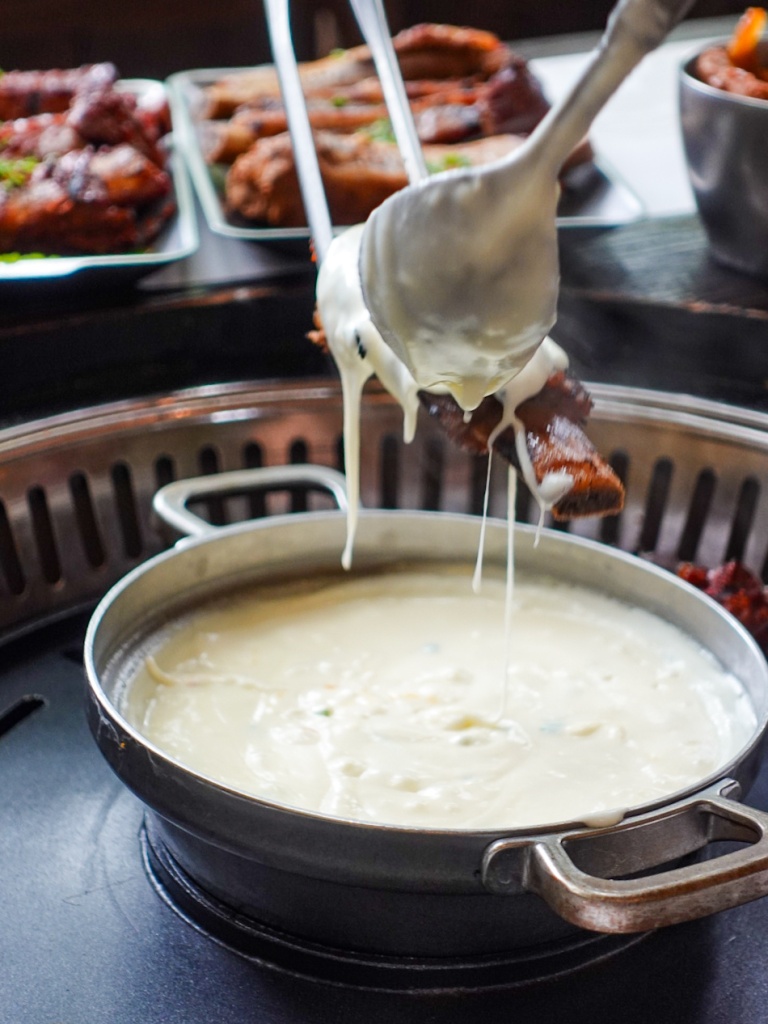
While we didn’t find the spicy grilled pork ribs too spicy, if you do, the cheese does help to soften the fiery kick.
If you’re a huge fan of pork ribs, the pork rib kimchi jjim (S$78) should not be missed, either.
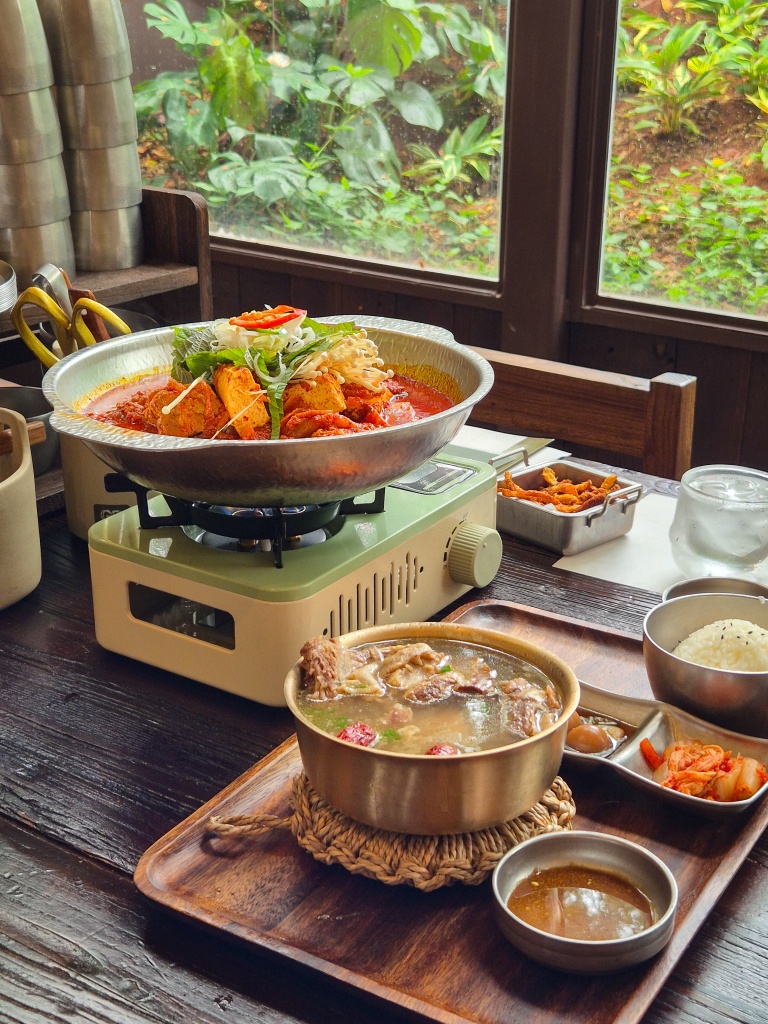
It’s a herculean pot of aged kimchi and pork ribs, sitting in a shallow moat of sauce. Jjim, unlike a stew (jjigae), means “braised” and dishes bearing this name tend to have a thicker, more viscous liquid, middling between a stew and a stir-fry.
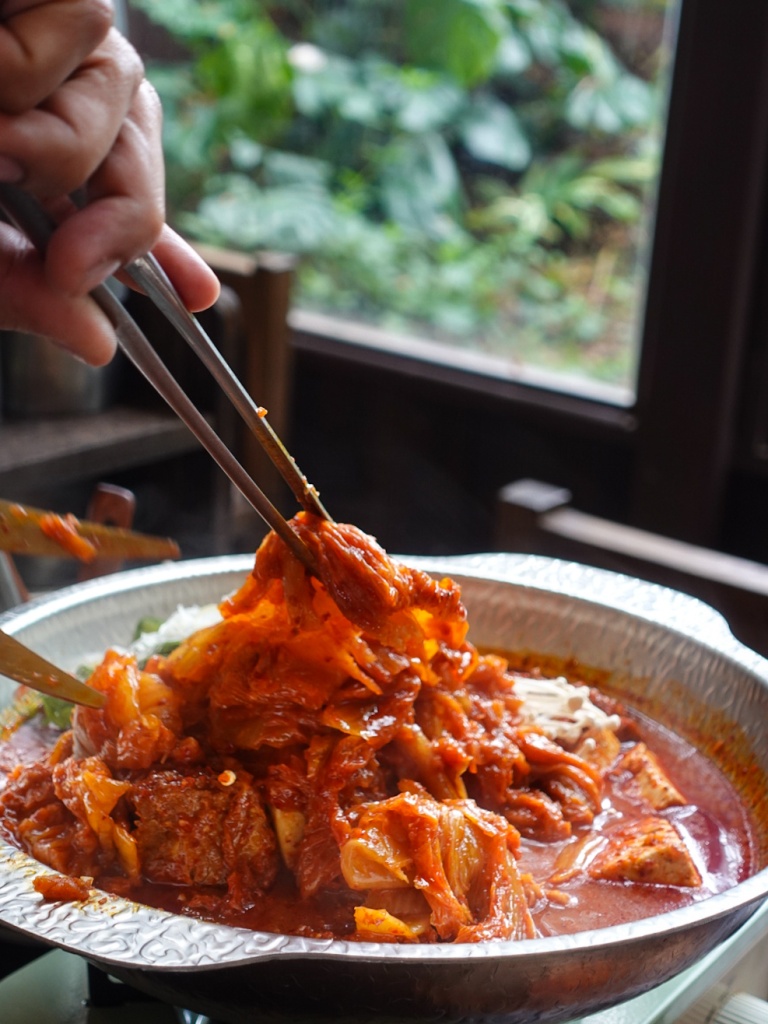
As a soup and stew lover, I was thankful this version had a bit more liquid than I expected, because it was downright delicious, especially when it was ladled onto the fluffy white rice it came with.
It comes in a single-serving, too, as a pork rib kimchi jjim bansang (S$28), so solo diners can also partake in this savoury goodness. This smaller portion of the kimchi jjim is only available on its lunch menu, though.
Bansang, or a set meal complete with rice and side dishes, is available at both lunch and dinner, though Gochu has a wider selection at lunch.
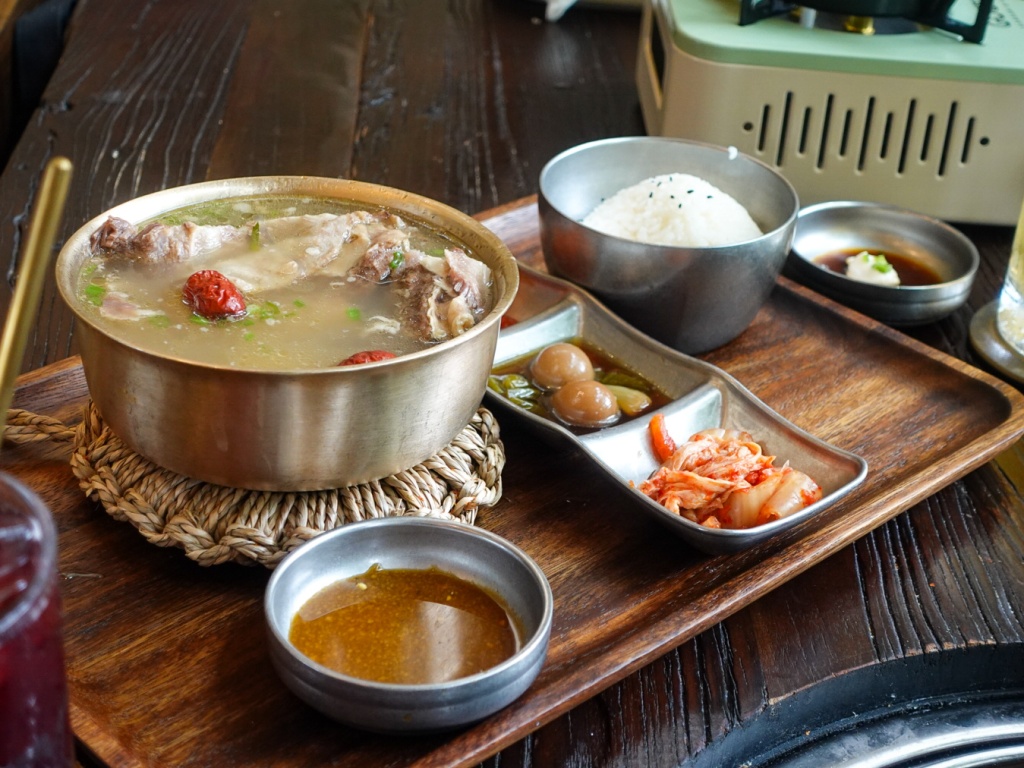
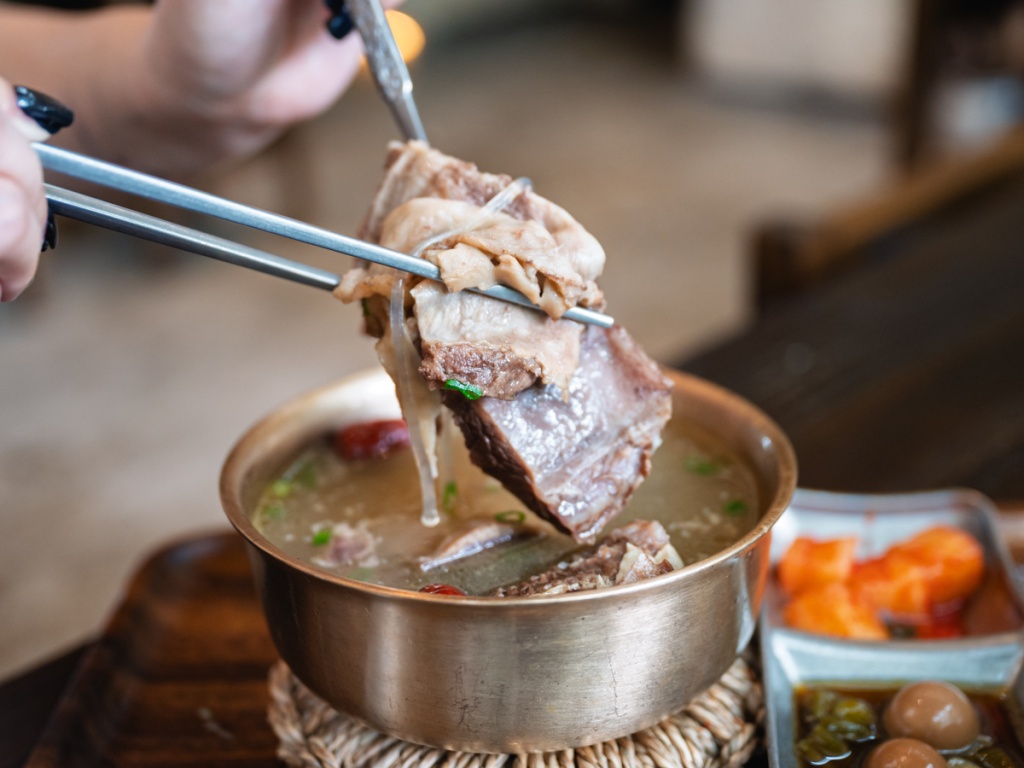
Other interesting add-ons would be the black soy cold noodle (S$22), a creamy, nutty bowl of cold noodles, as well as the galbitang bansang (S$30), a set with nourishing beef short ribs soup.
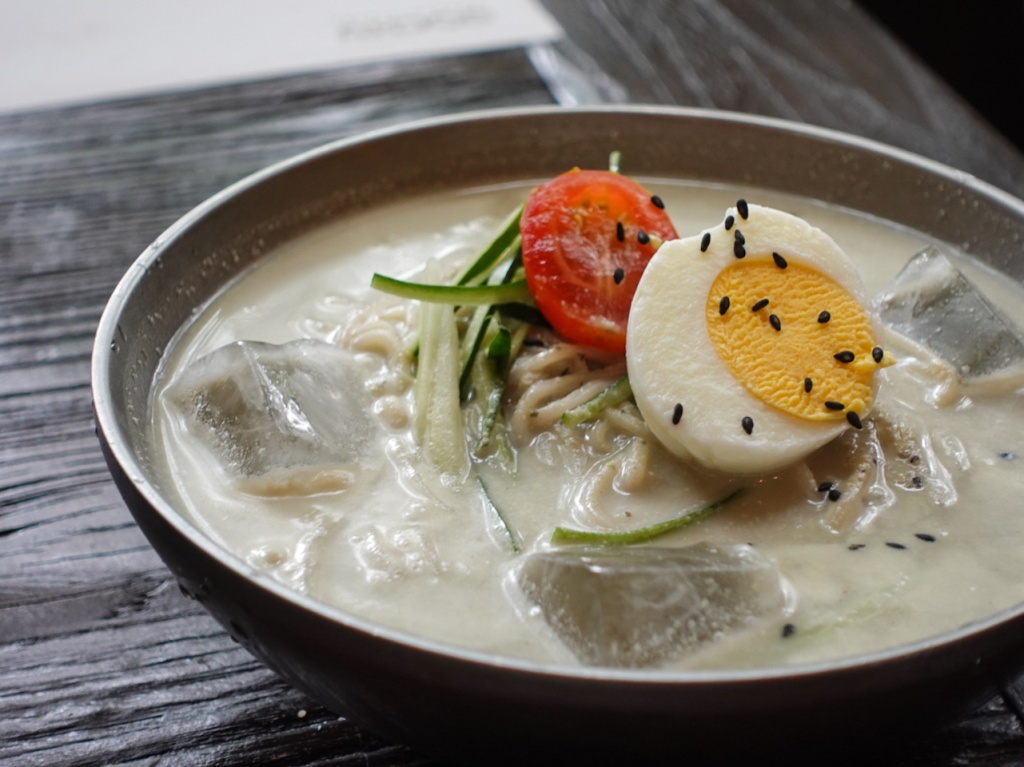
The former is so named because the creamy soy broth is made from black soy beans. Even for someone who doesn’t quite take soy, I found this refreshing, with the right broth consistency for having noodles with — not too thick, that is.
The latter, the beef rib soup, was so comforting, and had ribs so tender that they came off the bone easily. Considering the group’s expertise in meats (Song Gye Ok) and soups (Modu), it really came as no surprise.
As with all respectable K-BBQ outlets, Gochu also has other meats, mostly oak wood-fired, such as the signature iberico galbi sal (150g for S$52), dry-aged pork collar (150g for S$52), and Kurobuta pork belly (150g for S$48), if that’s what you’re after.
It’s clear Gochu is a spot for huge communal dinners, so you can order more for the table.
All things considered, going to Gochu Singapore is quite the experience, from its picture-worthy cave interior, its unique location next to a golf driving range, and the larger-than-life dishes.
However, as a eastie, I’d be hard-pressed to head all the way down to Yishun just for the restaurant, if it isn’t a special occasion — especially if there isn’t the guarantee of a reserved spot.
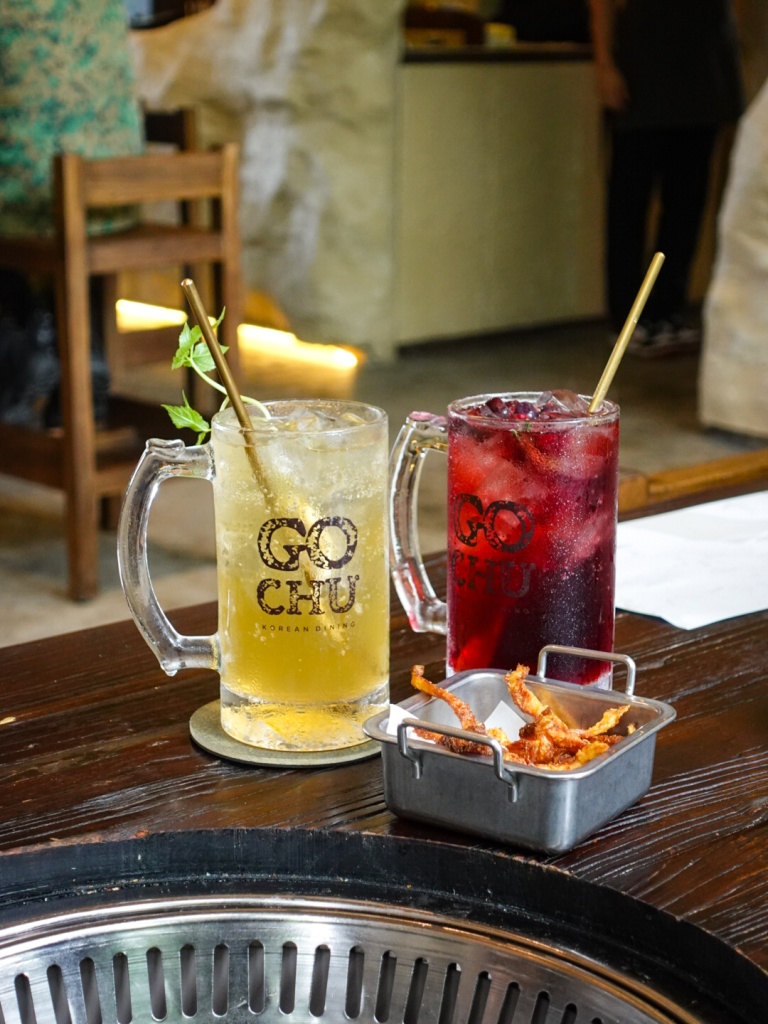
And here’s another caveat: if you don’t take beef or pork, you might do well to avoid this spot because its menu is very red-meat heavy, apart from a boneless fried chicken (S$14).
Just swing to its sister outlet Song Gye Ok at Telok Ayer if you’re more of a white-meat eater, or its new, second outlet at The Centrepoint.
This was a hosted tasting.
For more new Korean eats around town, check out tofu stew specialist Wonderful Bapsang at Suntec City and Michelin-approved Korean buckwheat brand Gwanghwamun Mijin.
Tue 11am - 3pm, 5pm - 10pm
Wed 11am - 3pm, 5pm - 10pm
Thu 11am - 3pm, 5pm - 10pm
Fri 11am - 3pm, 5pm - 10pm
Sat 11am - 10pm
Sun 11am - 10pm
- Khatib
- Yishun



Sarah is constantly seeking out new coffee spots and cocktail bars around the world, and should probably drink more water while at it.
Read more stories from this writer.