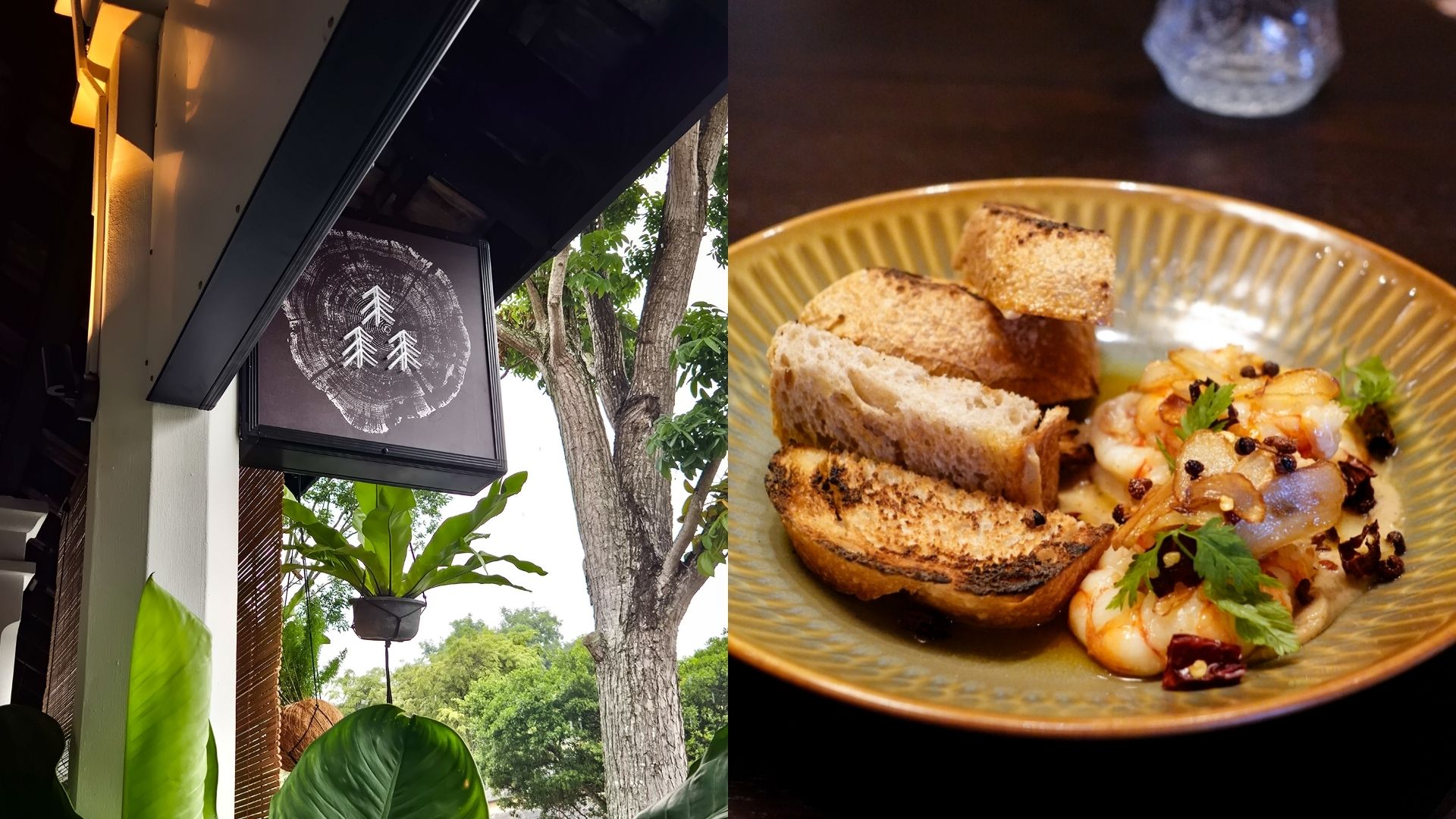
Casa Mori at Dempsey: A new forest hideaway where Spanish & Asian flavours find common ground

When Casa Mori first landed on my radar, I wasn’t quite sure what to expect, but the moment I stepped into its blush-toned space, framed by lush greenery, everything clicked together.
Named after the Spanish word for “home” and the Japanese word for “forest”, this new Dempsey restaurant is a thoughtful reflection of both elements — a warm and welcoming, yet tranquil retreat located a little outside of the bustling city centre.
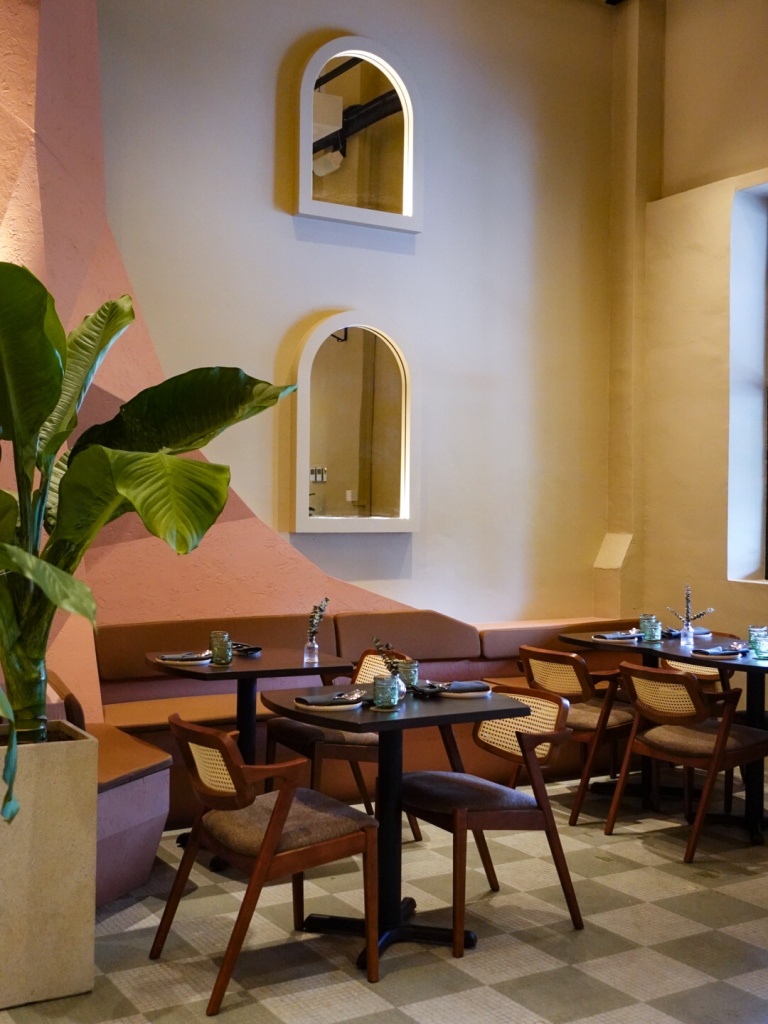
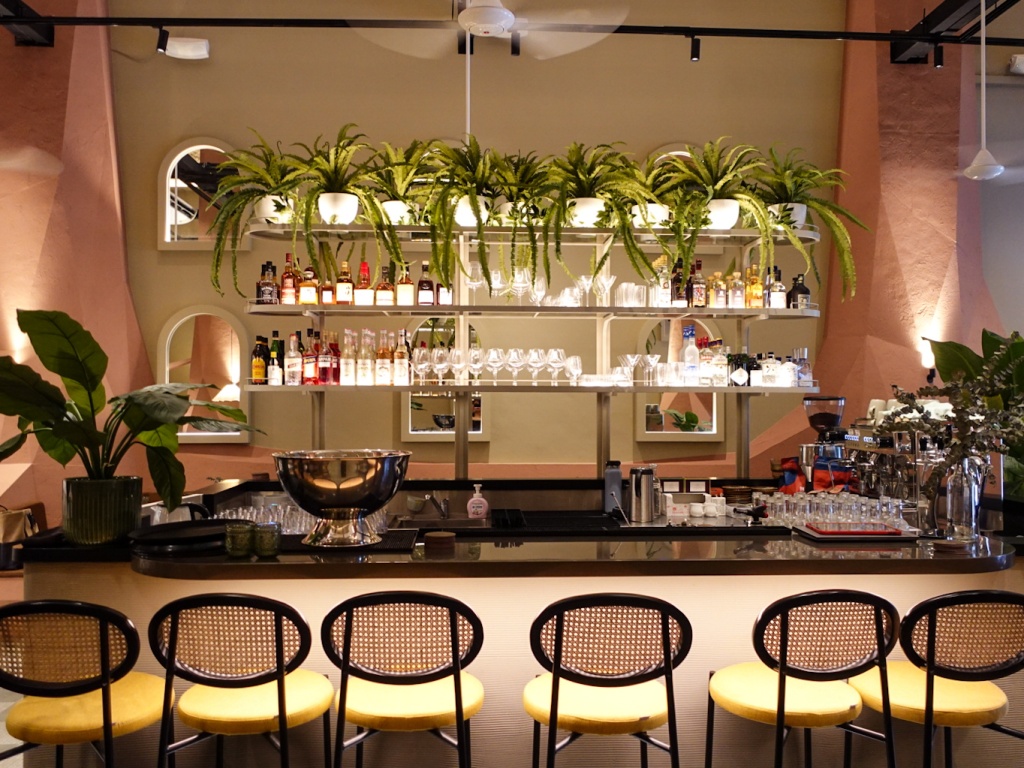
Casa Mori’s main dining space resembles an intimate courtyard of sorts, with window-shaped mirrors overlooking the main dining floor. Anchoring the space are huge columns inspired by the trunks and roots of a Tembusu tree — a familiar sight around the Dempsey area.
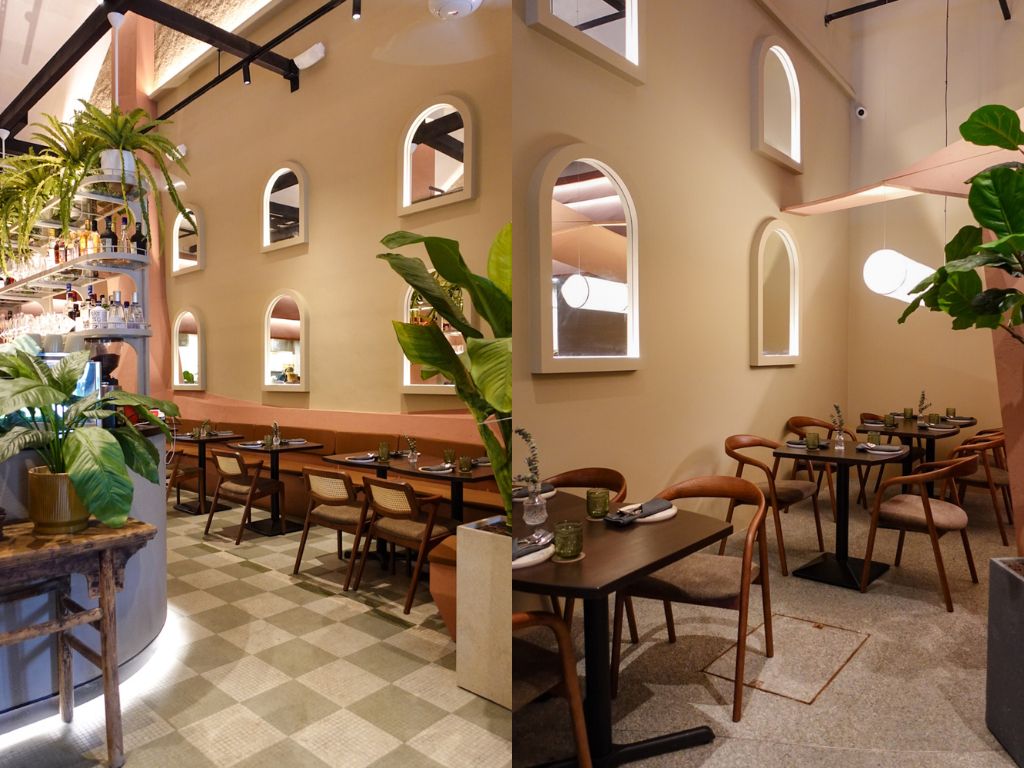
It’s a clever design touch. Beyond subtly dividing the room to create pockets of privacy, the columns lend the impression of dining among the trees themselves, subtly enhancing the venue’s forest-inspired concept without being too literal.
Like its name and interiors, Casa Mori’s menu, crafted by chefs Willin Low of Pastaro, and José Alonso of Kulto and AC Concepts (behind Spanish concepts such as Barrio, Humo, and Nómada), also harmoniously blends two different cultures — Asian and Spanish — on the plate.
Eagle-eyed observers will know that chef Willin recently shuttered his nearly-two-decade-old restaurant Relish at Cluny Court in end-March, citing leasing issues. Its social posts said it wasn’t goodbye forever, though it wasn’t clear when or where it would reopen.
Even though Casa Mori isn’t Relish 2.0 — that’s still in the works — we think this new abode will quell the nostalgic pangs experienced by Relish regulars, and draw in a new crowd keen on experiencing the duo’s brand of Asian-Spanish fare.


Unexpected, yet cohesive flavours on Casa Mori’s menu
Often credited as the pioneer of mod-Sin (or modern-Singaporean) cuisine, Willin continues to dish up Singaporean and wider Asian flavours, interpreted with a modern lens at Casa Mori.
But with José’s involvement, Willin’s already-creative interpretations take a Spanish turn — think curry-puff croquetas, iberico satay, and Hokkien mee fideua.
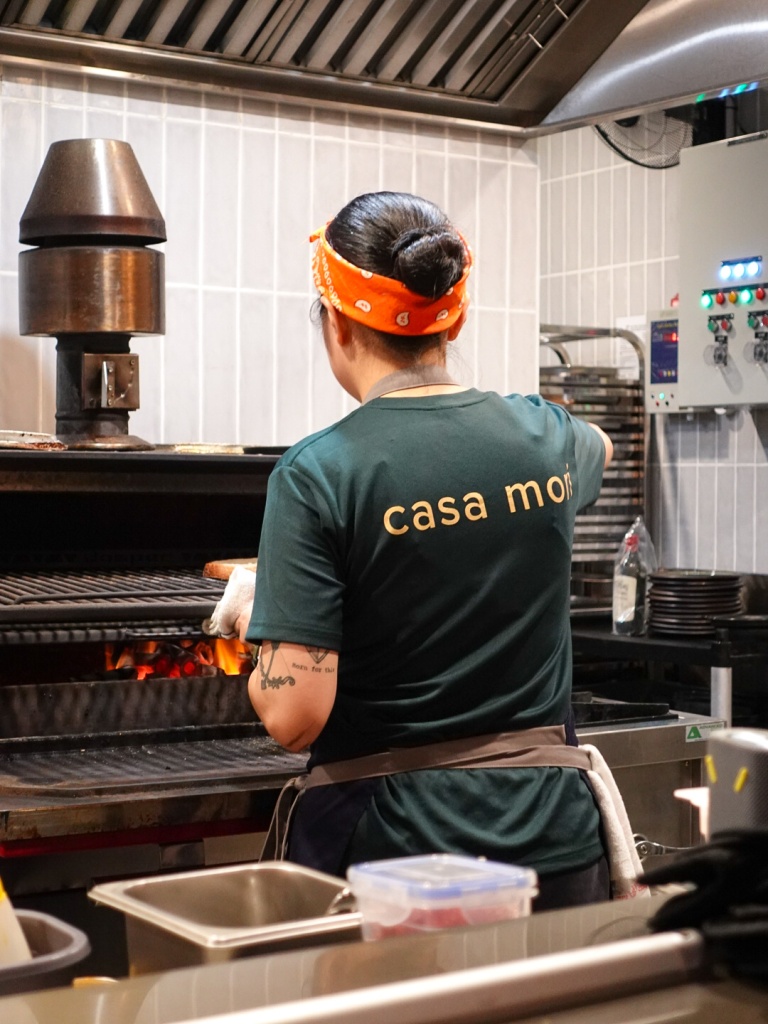
As someone who loves curry puffs, satay and Hokkien mee, I was every bit the sceptic when I saw the combinations on the menu, but trust me when I say they work. Some more than others, for sure, but they really do turn out quite well on the plate.
For most of Casa Mori’s menu, you’d recognise classic Spanish plates, such as jamon iberico “bellota” (S$38), padron peppers (S$18), or a grilled octopus (S$36), but look closely and you’ll notice ingredients such as cincalok (fermented shrimps) and bonito weaved within.
One of the more obviously Singaporean-Spanish creations you ought to try is the kalipoquetas (S$16 for four pieces), a localised take on croquetas, jazzed up with chicken, curry, potatoes, and curry aioli.
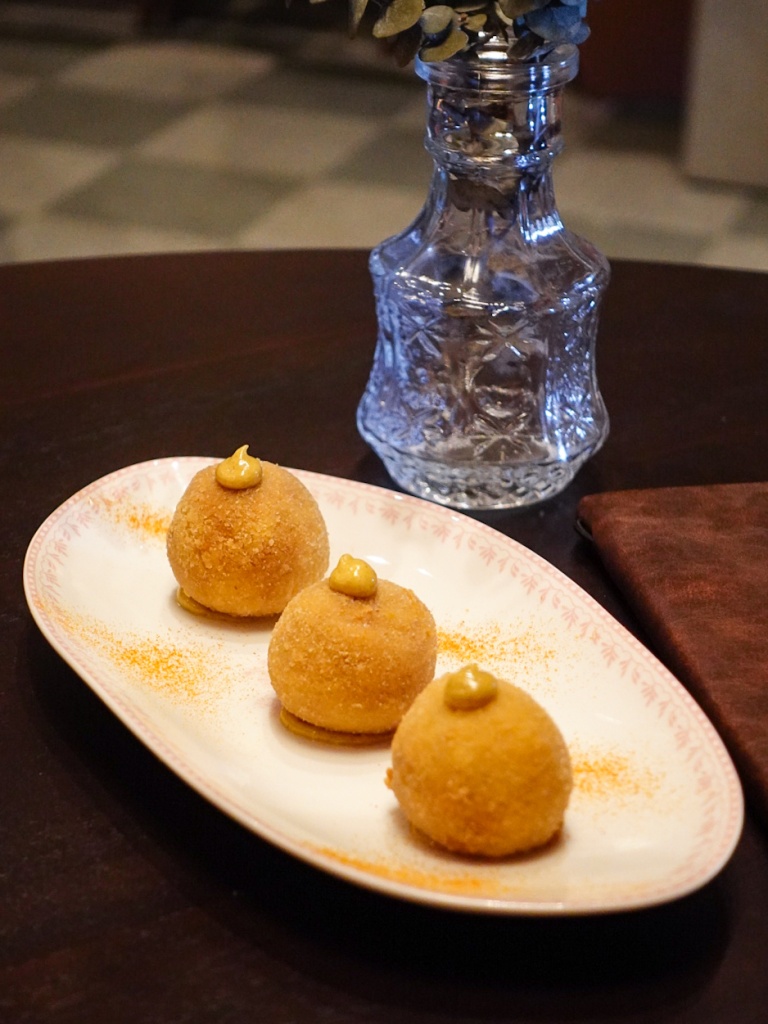
It was essentially a bite-sized curry puff, albeit creamier, more punchy, with a mild spice kick. In fact, it tasted like just the snack to go with a piping-hot kopi-O, when I’m feeling just a wee bit peckish.
The garlic huajiao prawns (S$32) were a good follow-up. A take on the quintessential gambas al ajillo (or Spanish garlic shrimp), Casa Mori’s version featured tender Argentinian prawns on a robust garlic confit base, with hints of Sichuan peppercorns.
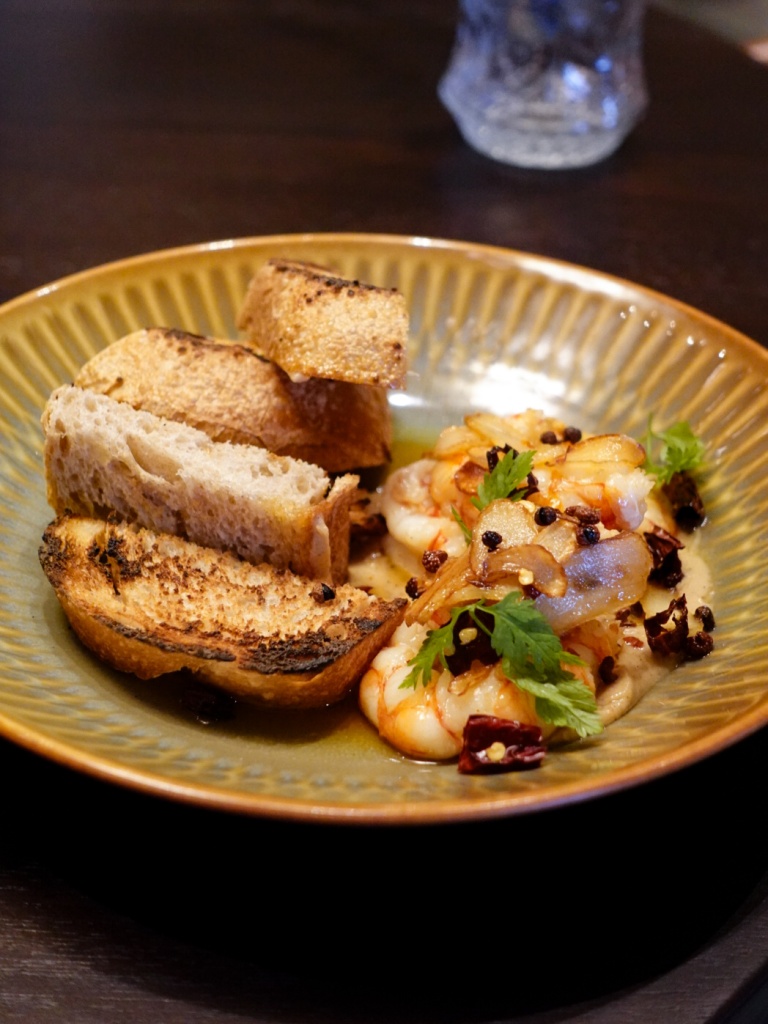
It’s not quite enough to annihilate you, but there’s a considerable amount of spicy-numbing elements — if you don’t take to spice, order at your own risk.
If you’re looking for some respite after the heat, the iberico secreto skewers (S$24 for three) would help.
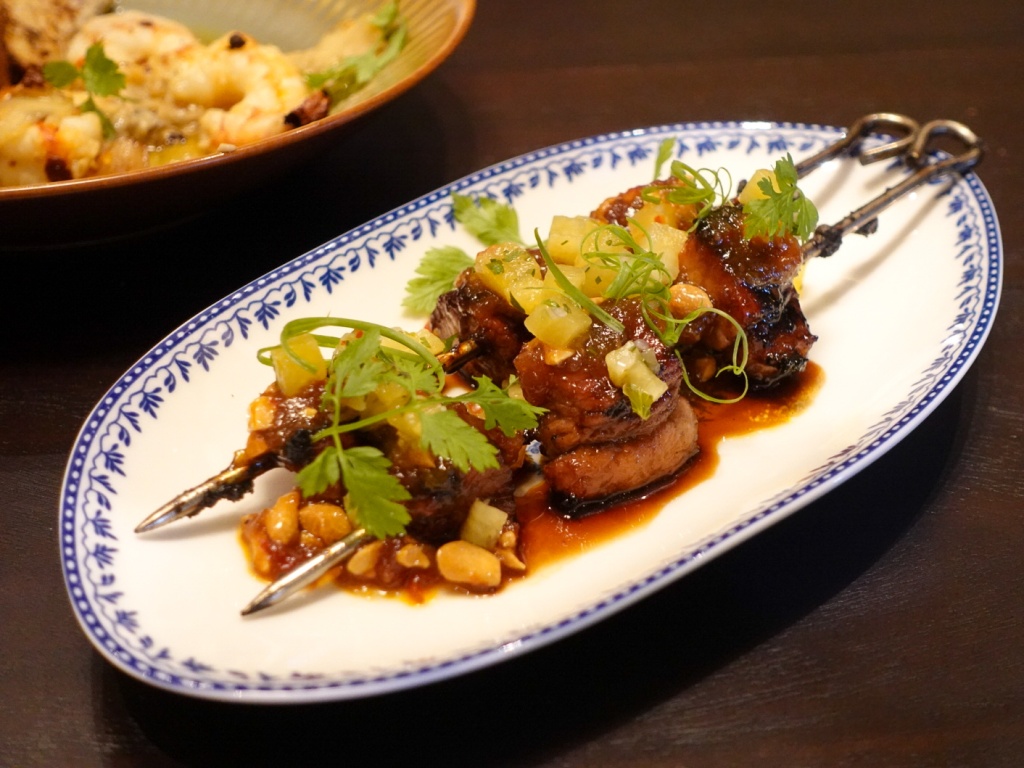
Unlike local satay, which comes with a chunky, heavily nutty sauce, Casa Mori’s skewers were served with a sweet-savoury, sticky Indonesian sate glaze. It’s flavourful without being too cloying.
Chopped peanuts and pineapple also lend some texture and additional sweetness to the glaze, making it all the more addictive.
We rounded off the small plates with the broccolini & Brussels sprouts (S$24), which came with a chilli crisp, tahini, and lemon sauce. The sauce was beautiful, with the right balance of spice, creaminess, and tang, but the highlight is the Brussels sprouts — I don’t think I’ve had a version so well done in a while.
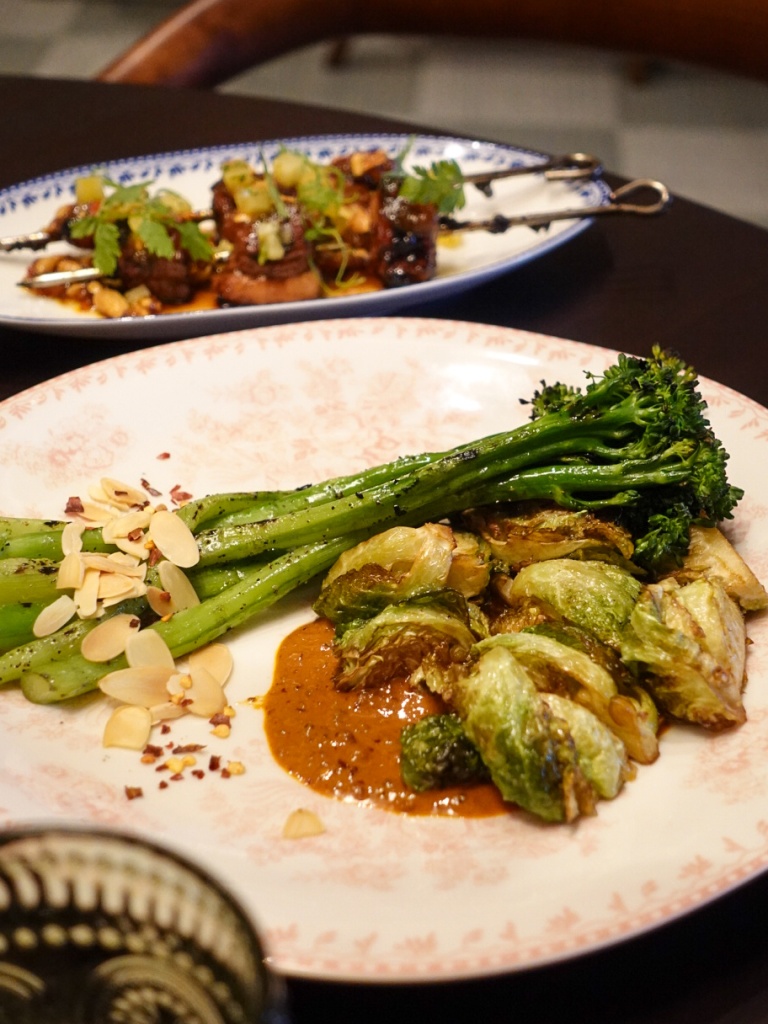
The sprouts were roasted just right, to a light crisp, such that the natural nuttiness shone through. You could have it with the sauce, but you don’t really need it. The broccolini tasted more regular, by comparison — perhaps if it were a Brussels sprouts-only dish, I’d order it again in a heartbeat.
In terms of the bigger, heavier items, the pasta and rice section stood out more than the large plates, with dishes such as an oyster omelette pasta (S$28), which we hear is a Relish favourite, and a vegetable wet rice, sayur lodeh-style (S$36).
We also gave into our curiosity about the Hokkien mee fideua (S$58). I was expecting our fideua to come more broth-soaked — as with some of the better renditions of Hokkien mee on the island — but it is perhaps all the better that it didn’t, but more on that later.
Served with a good amount of seafood — Argentinian prawns, clams, and mussels — and bacon, the fideua arrives at our table aromatic and slightly smoky.
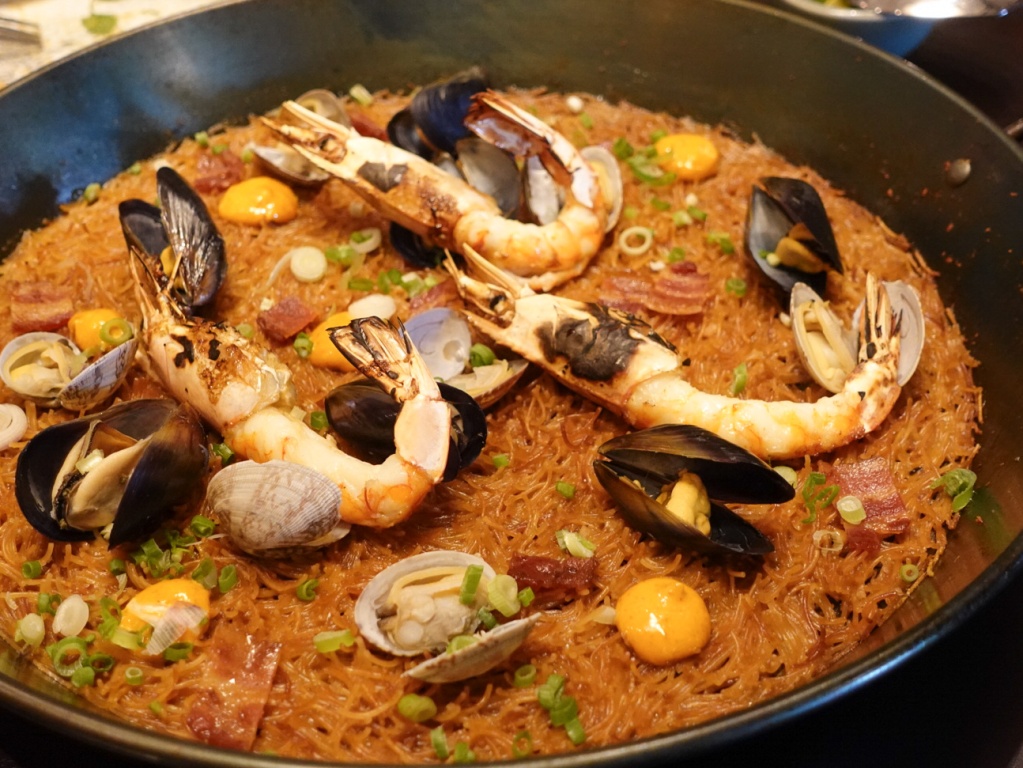
It’s not as crustacean-forward as a typical Hokkien mee, but there’s enough umami from the prawn-stock base coating the short pasta strands.
The proverbial cherry on top comes in the form of the well-done socarrat — that crispy, caramelised layer at the bottom of the pan. It’s mildly reminiscent of a crispy fried bee hoon owing to the flavour profile, but thankfully still retains some soft strands for textural contrast.
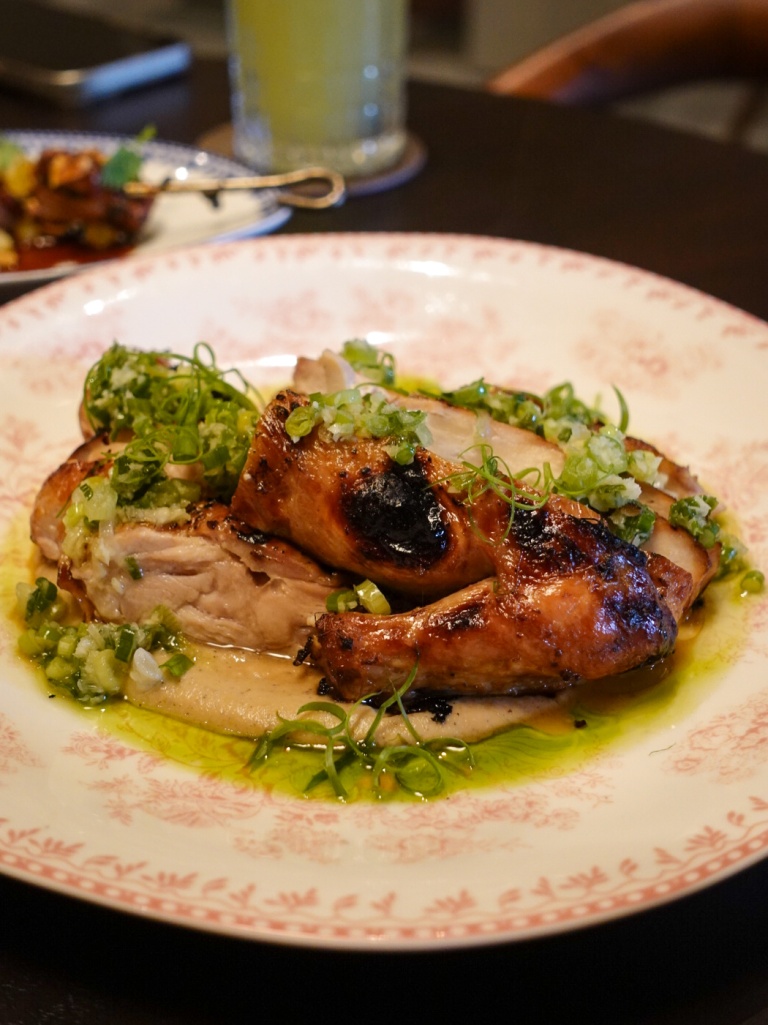
Casa Mori’s large plates read a little more mainstream, but there are still a few standouts including a spring chicken (S$36), served with a Hainanese ginger-scallion relish. It is first sous vide and then baked in the restaurant’s Josper oven for that charred finish.
Meanwhile, there’s also the black cod (S$38), embellished with a mix of Chinese olive mustard leaf (“gan lan cai”) and Japanese takana (pickled mustard greens), and the charcoal tandoori lamb rack (S$36), with a palak paneer sauce.
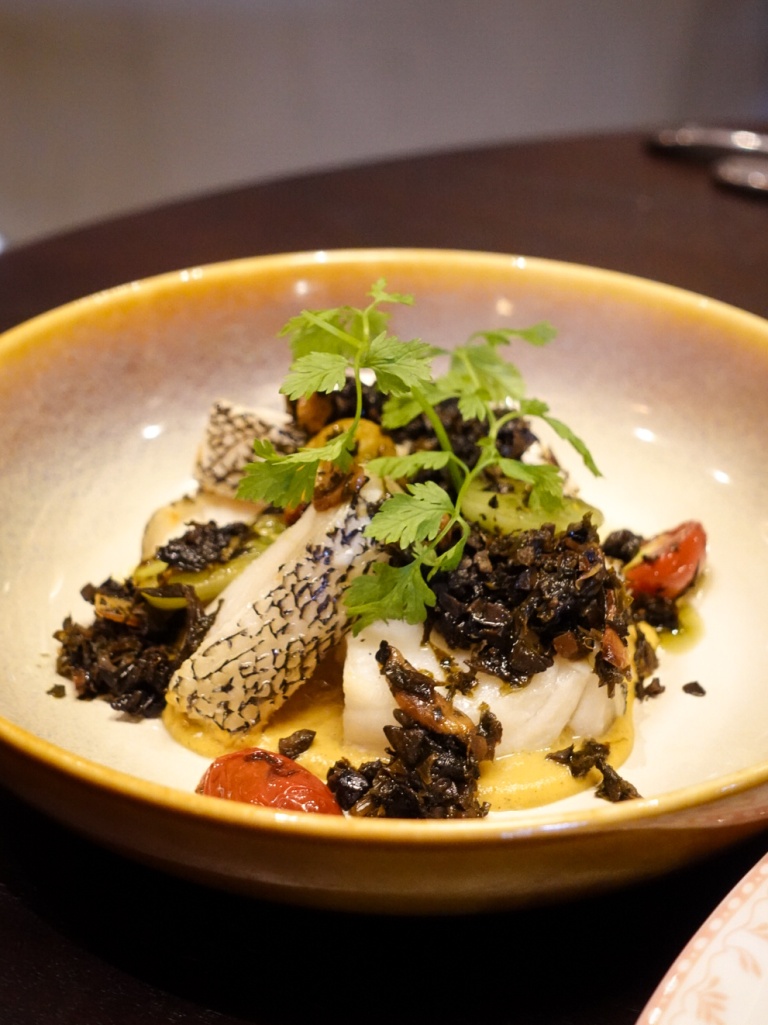
The most memorable of the lot, for me, was the black cod,
Cooked to a delicate finish, the cod was tender and buttery, with a clean, milky sweetness that allowed the punchier toppings to shine.
The blend of pickled vegetables added salinity, tang, and umami, creating a contrast that keeps each bite interesting, without overwhelming the already great-tasting protein. Just make sure you don’t pile on too much pickled vegetables — the taste can be quite polarising and may not be for everyone.
Casa Mori’s desserts section was small and comforting, with a mochi-like churros (S$16) with chocolate sauce and homemade kaya, and a gooey black sesame cheesecake (S$16), among others.
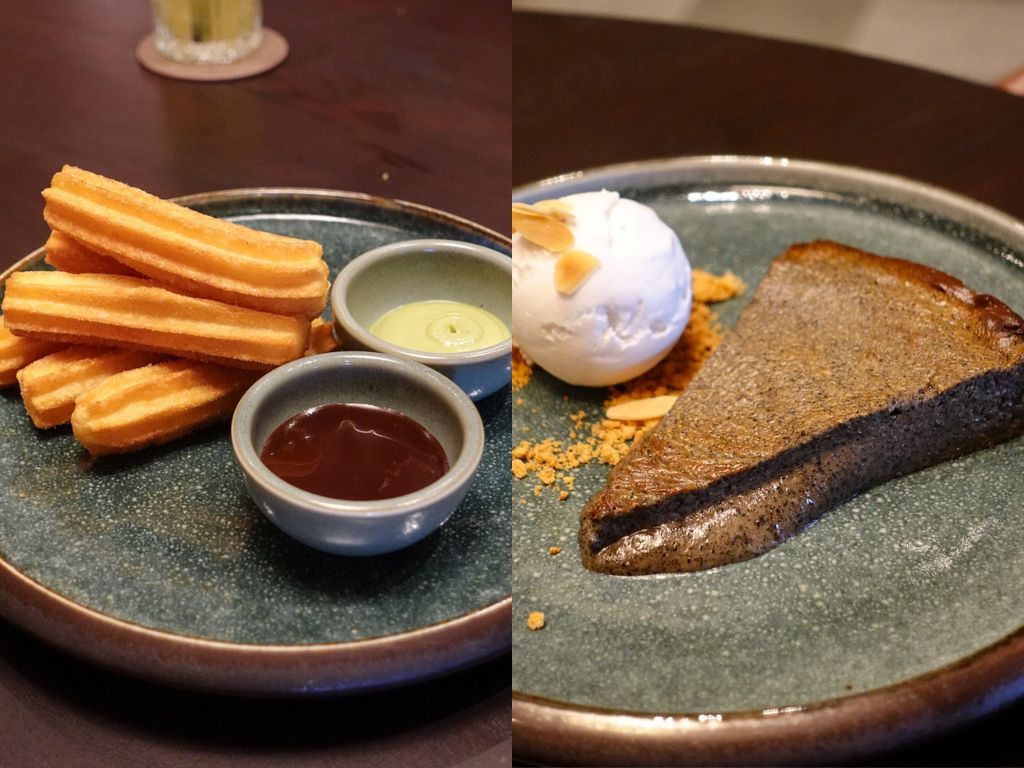
But unless you’re a hardcore dessert person, I’d suggest saving the space and budget for Casa Mori’s savoury dishes, because that’s where it really impresses.
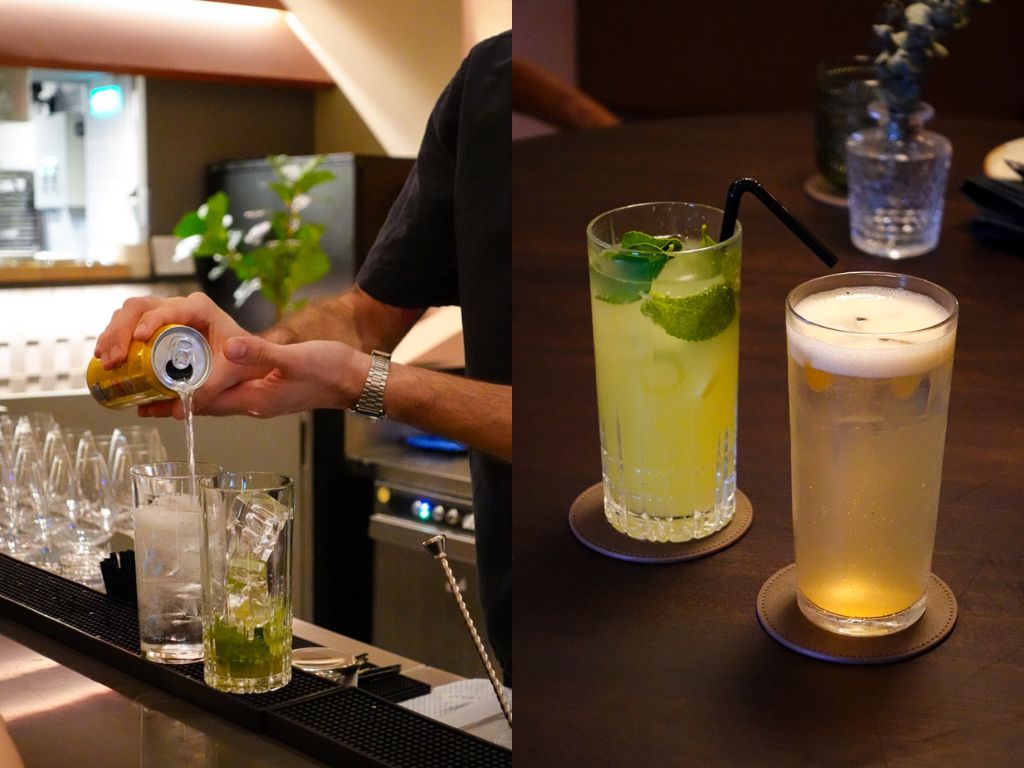
If you’re looking to drink while you dine, there’s also a decent cocktail, mocktail, and wine line-up, with easy-to-drink cocktails such as the Mori’s G&T (S$20) topped with an Aperol-and-orange foam, as well as hard-hitters such as a smoked negroni (S$20).
Admittedly, Dempsey isn’t the most convenient destination, especially if you don’t drive.
But that’s precisely the point: Casa Mori positions itself as somewhere you’d make a conscious trip to — somewhere to slow down, savour, and linger.
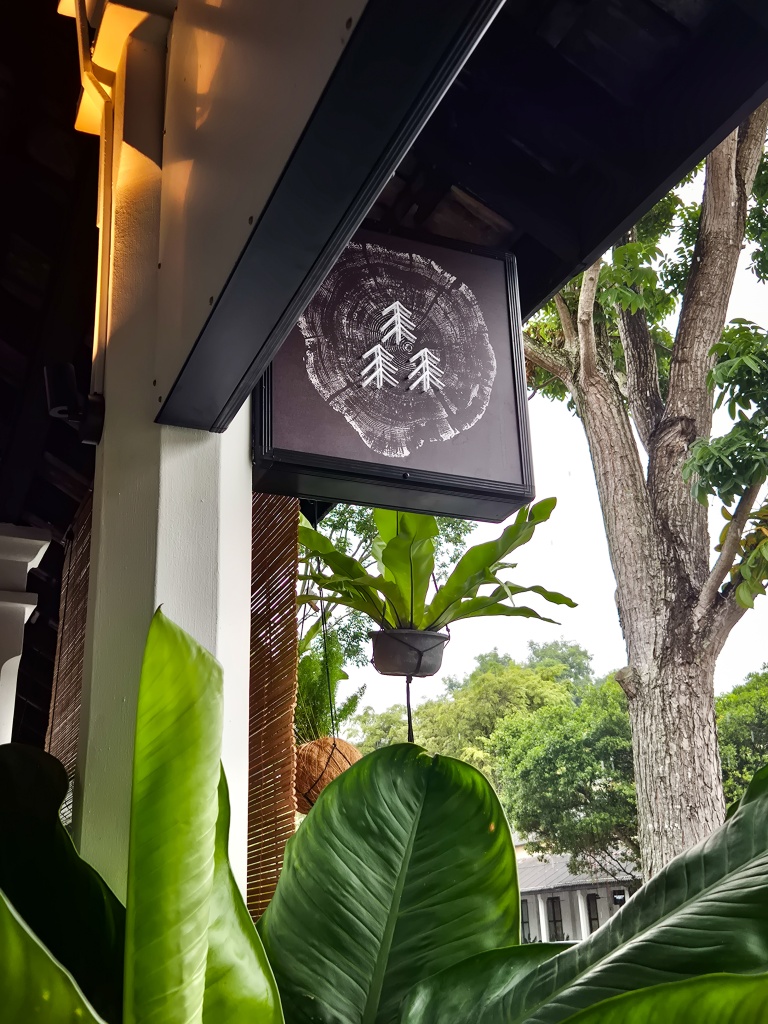
It’s an easy proposition to buy into, especially with the friendly and knowledgeable crew — many of whom are familiar faces from Relish — its earthy, warm-hued interiors, and lush greenery which makes you feel like you’re dining within a secluded enclave.
Taken altogether, Casa Mori at Dempsey feels like just the spot to head to when you’re craving inventive flavours with a touch of familiarity.
This was a hosted tasting.
For more places to dine at, check out Korean concept Obongzip’s newest outlet at The Star Vista, or head to Moof matcha bar, a quaint CBD location for some solid matcha brews.
Wed 11.30am - 2.30pm, 5.30pm - 10.30pm
Thu 11.30am - 2.30pm, 5.30pm - 10.30pm
Fri 11.30am - 2.30pm, 5.30pm - 10.30pm
Sat 11am - 10.30pm
Sun 11am - 10pm
- Napier



Sarah is constantly seeking out new coffee spots and cocktail bars around the world, and should probably drink more water while at it.
Read more stories from this writer.