Michelin-approved Hokkien food? Famous Chinese restaurant Ban Lan opens Singapore outpost

Growing up in Singapore, most of us know a bit Hokkien — well, certain phrases, at least — but how many of us are familiar with Hokkien food?
Here’s a good chance to get yourself acquainted with the cuisine, and maybe your ancestral roots, as Michelin-approved restaurant Ban Lan Hokkien Cuisine opens its first-ever overseas outpost in Singapore.
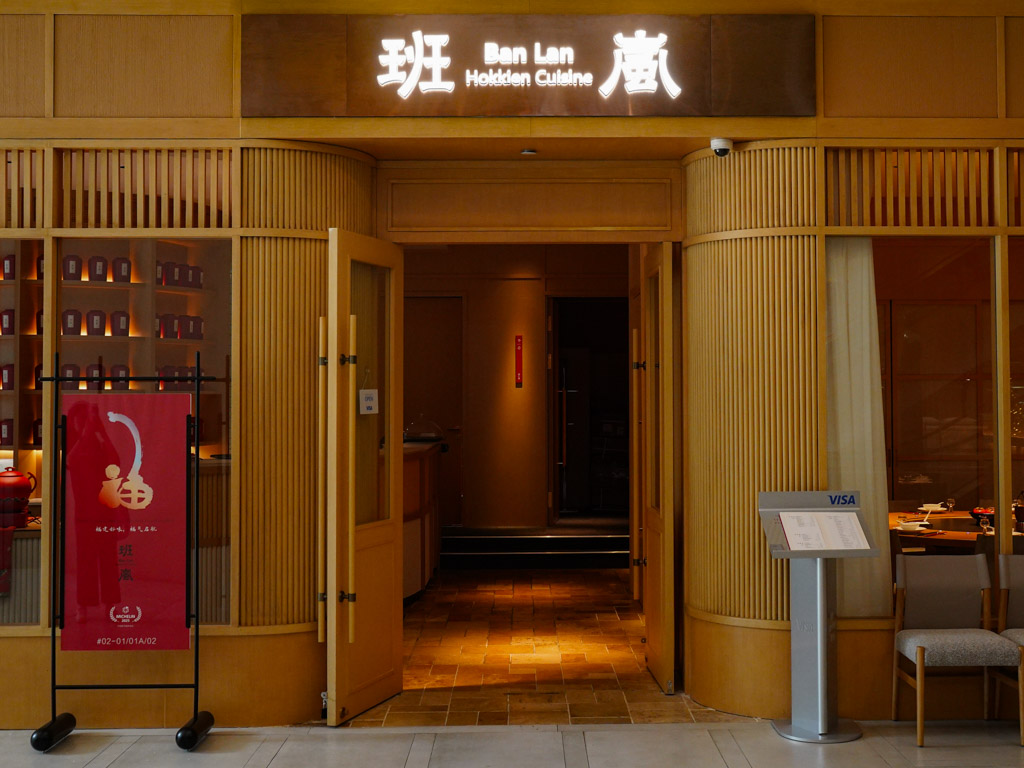
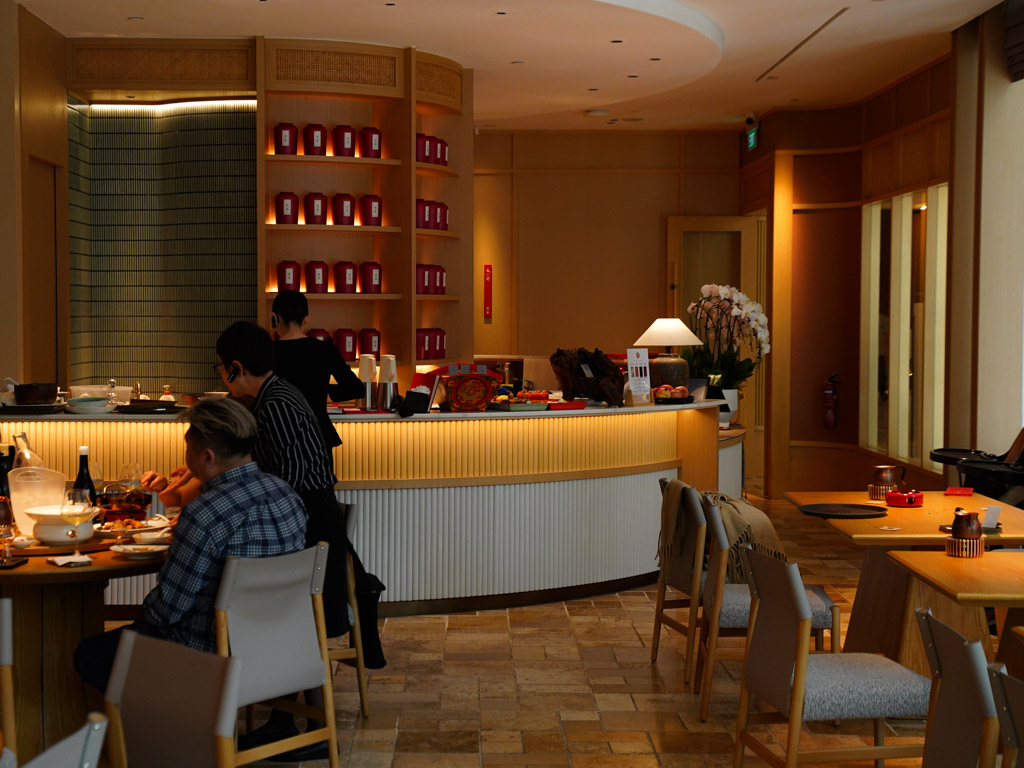
Ban Lan’s Singapore restaurant is located at level two of Orchard’s Scotts Square, and is decorated simply with wooden accents all around.
The lauded restaurant comes from Fuzhou, the capital of China’s Fujian province, and is headed by a native chef — so you can expect authentic Hokkien flavours!
Besides being a Fujian native, chef Sun Xiao Yang had also trained under chef Wu Rong, of the one-Michelin-starred Yanyu restaurant in Xiamen. He was also named the Chef of the Year by the Black Pearl Restaurant Guide in 2024.
So if you want to get a good taste of authentic Hokkien cuisine in Singapore, this is probably the place.
Authentic Hokkien food in Singapore
One very famous Fujian dish is lor mee — of which there are a few variants, including the starchy local favourite with dark gravy, and the lighter Putian regional style of “white” lor mee, which was popularised in Singapore by Michelin-recognised restaurant Putien.
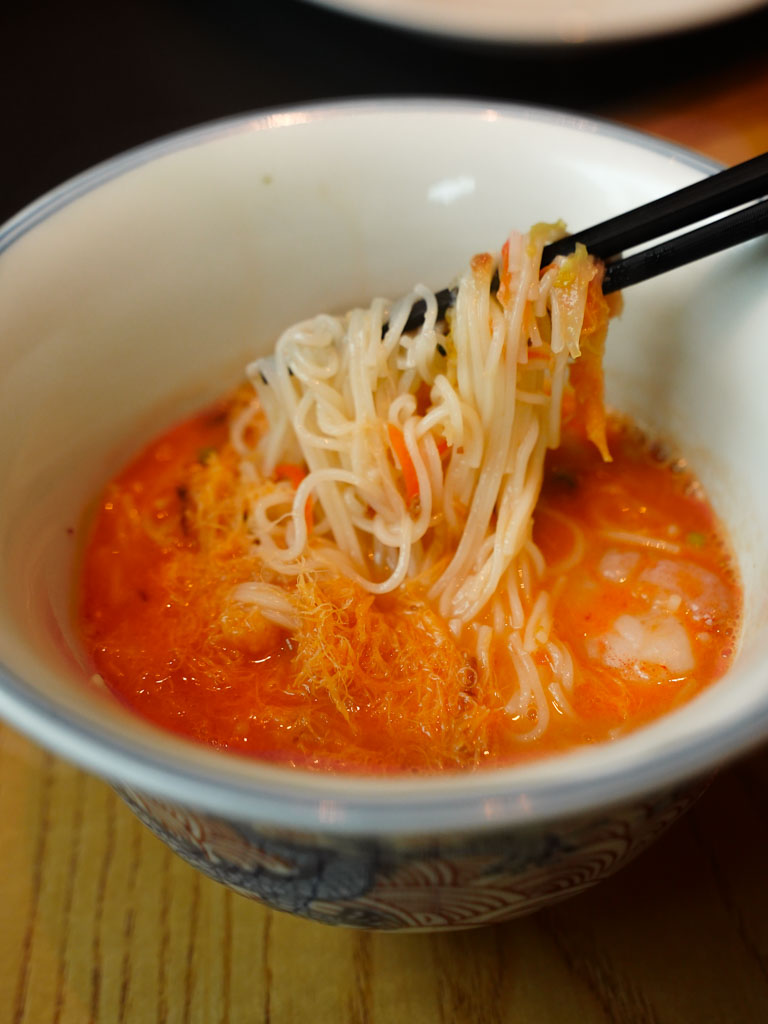
Interestingly, Ban Lan serves a Quanzhou seafood braised noodle (S$19) twist that is markedly different from both.
The base is a combination of canned pork trotters, seafood, prawn stock, and peanut sesame paste, which makes it rich and fragrant, while sporting a pleasant twinge of sweetness.
The noodles are also silky and bouncy, making for very enjoyable slurps.
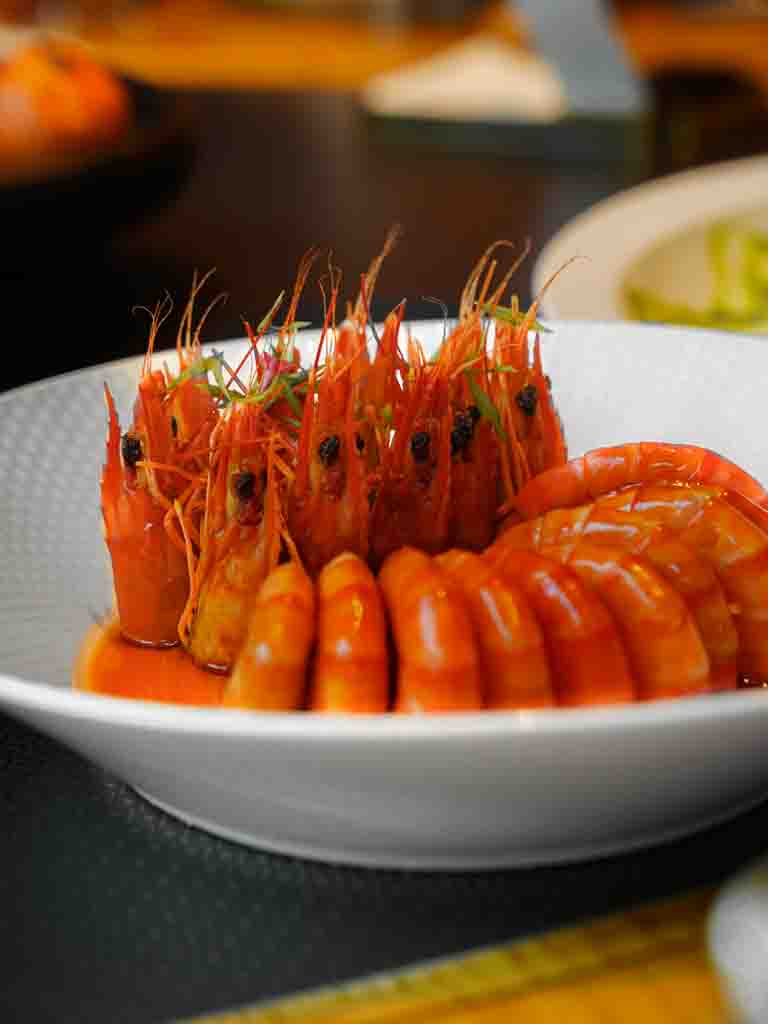
Speaking of prawns, Ban Lan’s black tiger prawns in traditional Hokkien alcohol (from S$49) is another dish that would enchant seafood lovers.
These luscious, bouncy drunken prawns were infused with the deep, lush flavours of Fujian aged wine, imbuing it with a punchy mix of sweetness and acidity.
While orh nee is more commonly associated with Teochew cuisine, did you know that taro also has plenty of heritage in the Fujian region?
That means natives also pay a lot of attention to taro as an ingredient, which shows in the taro with crispy pork and scallion oil gravy (S$36).
Ban Lan’s rendition of Fujian-style braised taro only uses the inner core of the taro, which is then cooked with braised pork gravy — it’s hearty and comforting, especially with the crispy shallots!
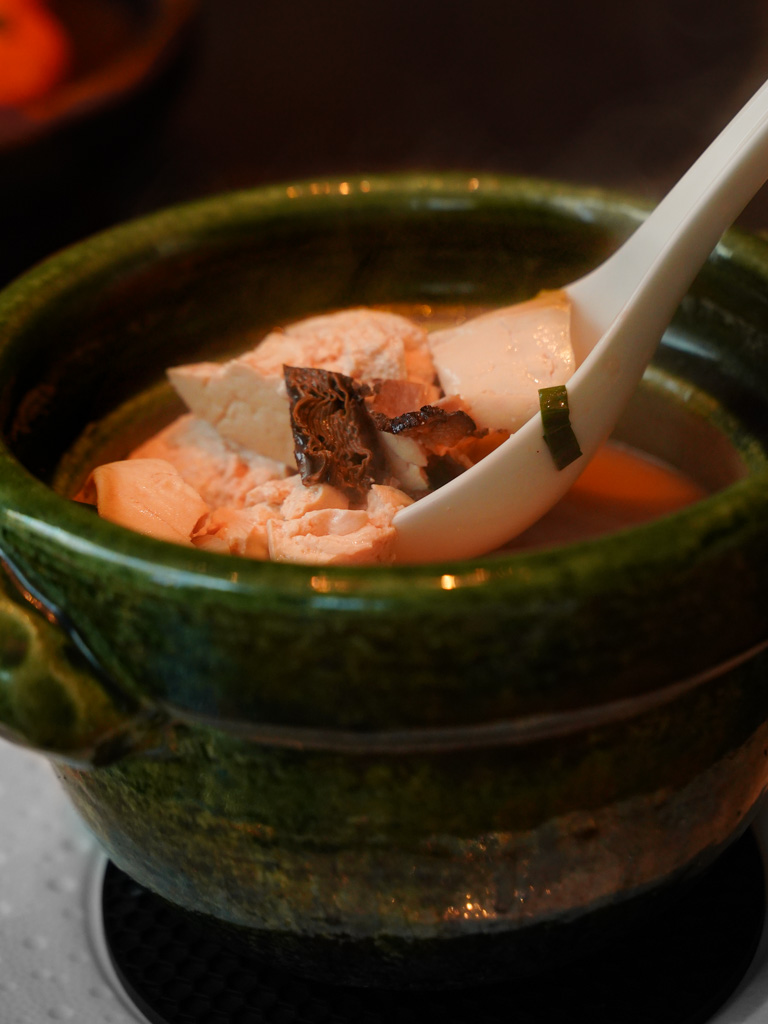
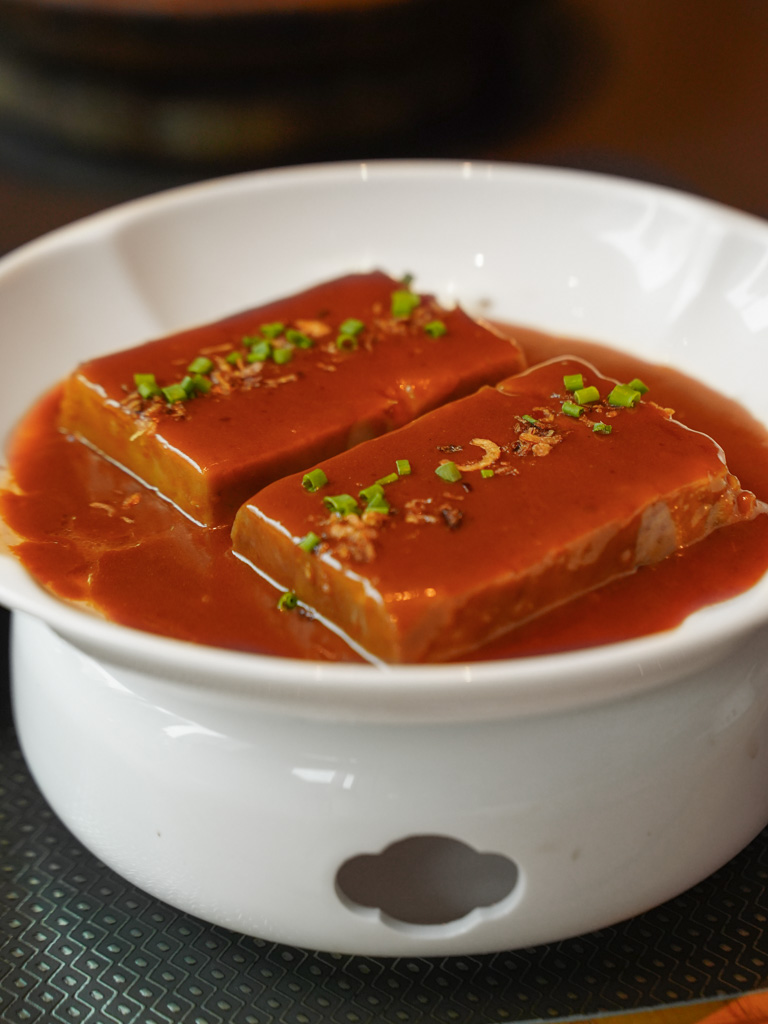
And it’s the seemingly homelier dishes that Ban Lan excels at, with the braised tofu with red mushroom from Sanming (S$32) being another hit with the table.
Using the region’s unique red mushrooms imbues it with a peculiar pale pink colour, but don’t let it put you off, because the tofu is spectacularly plush and velvety.
The profile is mild and sweet, with a bit of smokiness, and we suspect most guests would love pairing this with some white rice.
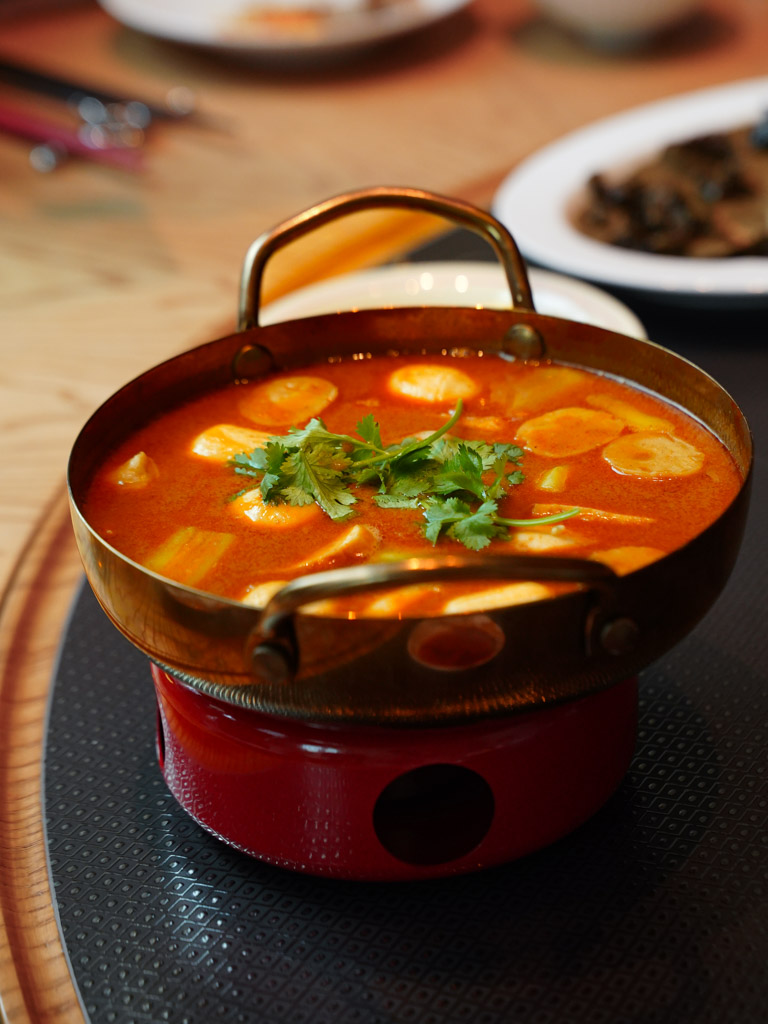
Most interestingly, did you know that satay noodles were a thing in Fujian cooking as well?
Not exactly, but the Amoy satay hotpot (from S$39) is actually based on shacha noodles, which is a dish that traces its roots back to the Southeast-Asian Chinese diaspora.
There are many similarities between our local satay sauce and the satay broth at Ban Lan, with both being umami and robust in nuttiness — but the broth is naturally thinner, though it still sports a nice creaminess.
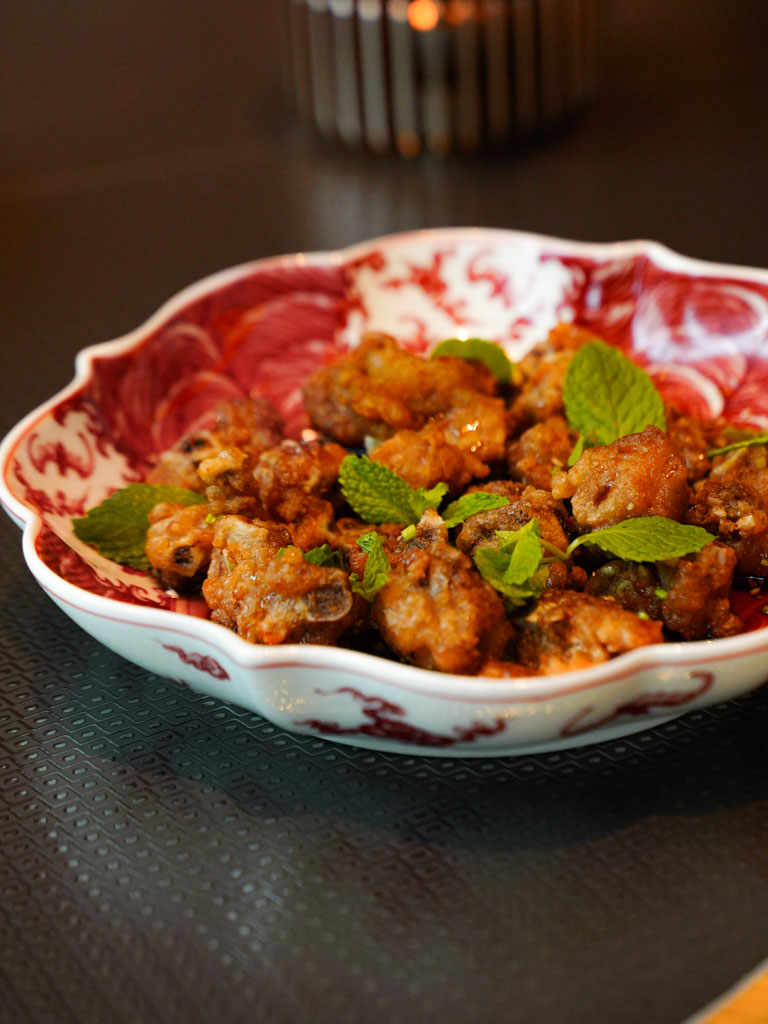
Those who like their sinful fried food must also get themselves a plate of the Fuzhou-style crispy pork ribs marinated in Hokkien traditional alcohol (from S$29).
The skin is light and crunchy, while the spirit’s flavour is nicely locked into the tender ribs’ juices, then accentuated with a sweet-sour sauce — it’s an addictive dish, for sure.
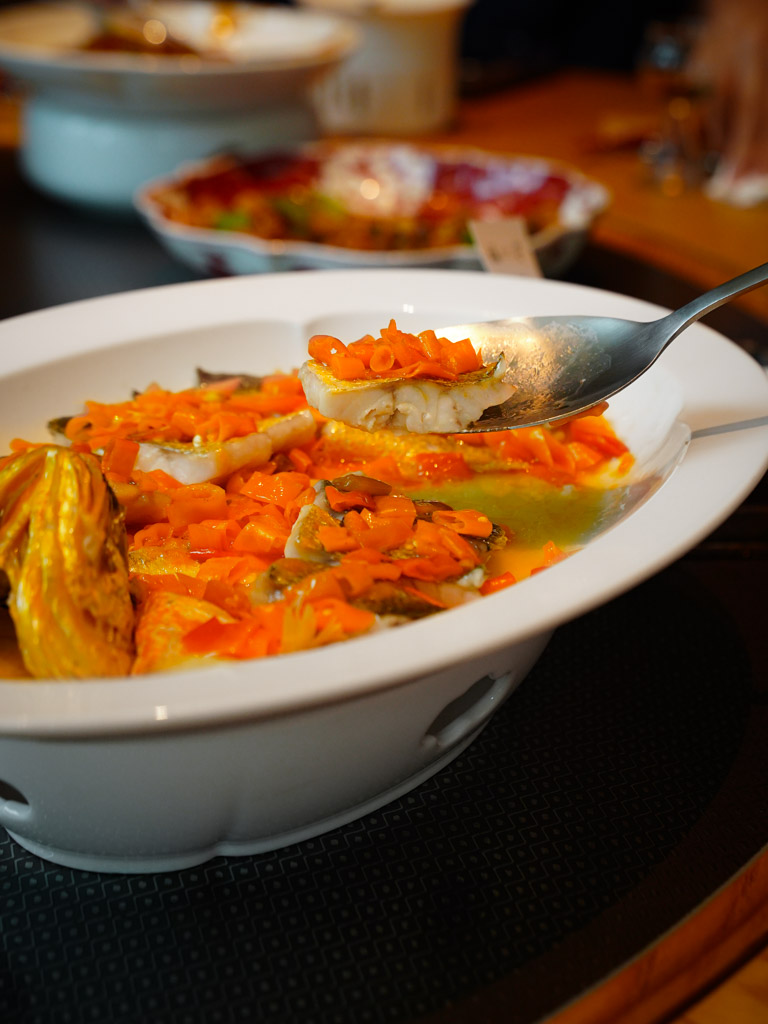
If there are any steamed fish lovers, the steamed Mindong yellow croaker with Yong’An yellow chilli (S$79) is also another one of Ban Lan’s signatures.
Fresh steamed fish is always a welcome addition to any Chinese feast, but this one is more unique because the fermented yellow chilli, which also comes from Fujian, is sharp, fragrant, and sports a little kiss of spice.
While we can’t claim to be experts on the cuisine, we are still excited to see a restaurant in Singapore serving authentic Hokkien food.
At least we’re getting unique flavours from Ban Lan — it’s not just another mala restaurant!
This was a hosted tasting.
For more ideas on what to eat, read our stories on RWS’ swanky new Italian outfit and the photogenic impressionist-inspired high tea at Anti:dote!
Tue 11.30am to 3pm, 5.30pm to 10pm
Wed 11.30am to 3pm, 5.30pm to 10pm
Thu 11.30am to 3pm, 5.30pm to 10pm
Fri 11.30am to 3pm, 5.30pm to 10pm
Sat 11.30am to 3pm, 5.30pm to 10pm
Sun 11.30am to 3pm, 5.30pm to 10pm
- Orchard




Evan started off writing about food on Instagram, before joining outlets such as Buro and Confirm Good to pursue his passion. His best work usually comes after his first whisky shot in the morning.
Read more stories from this writer.