
Tea Dot: Tengah’s one-of-a-kind tea spot, offering herbal brews & single-origin tea on tap

Tengah is still a relatively new neighbourhood, so it’s not exactly where you’d expect to stumble upon a brand-new tea specialist.
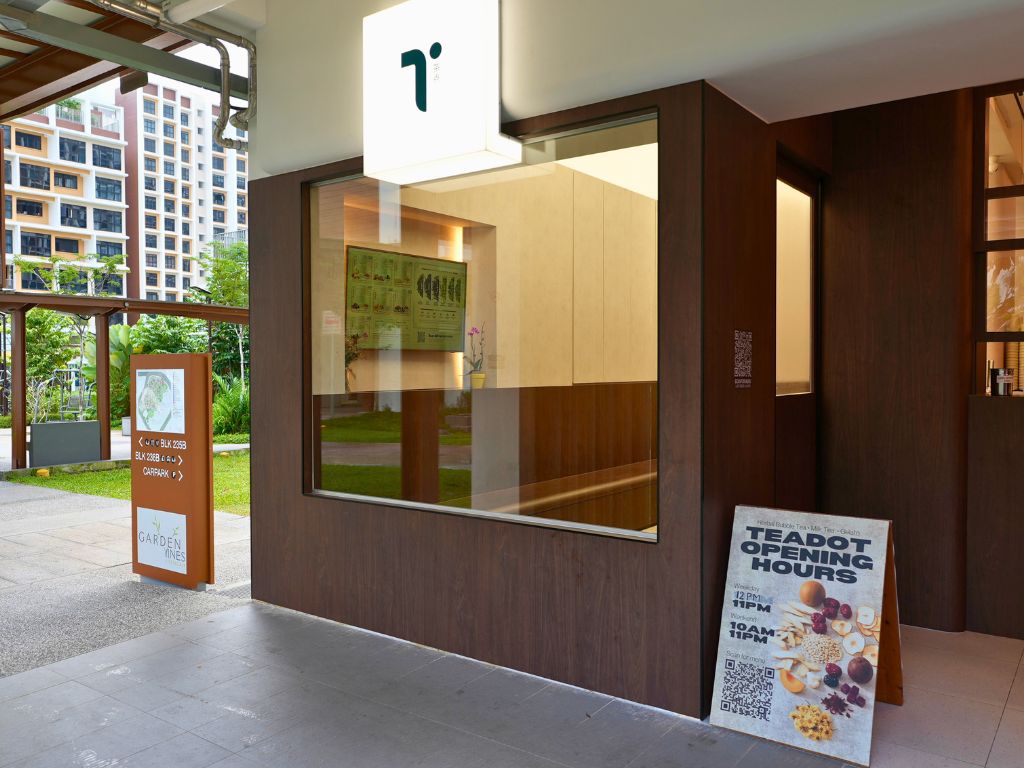
In December 2025, Tengah quietly scored a small win with the opening of Tea Dot — the neighbourhood’s first-ever tea bar, serving handcrafted herbal brews and single-origin teas on tap, alongside scoops of handmade gelato!
We’ve seen tap-dispensed matcha lattes at spots such as SugarBelly at Jewel Changi Airport and 2050 Coffee, while brands such as Cha Mulan and Amacha focus on TCM-style concoctions. There’s also Danger Close Brewing, which bottles cold-brewed sparkling tea!
However, herbal tea on tap is still largely unexplored, which makes Tea Dot’s debut in Tengah all the more eye-catching.
The story behind Tea Dot
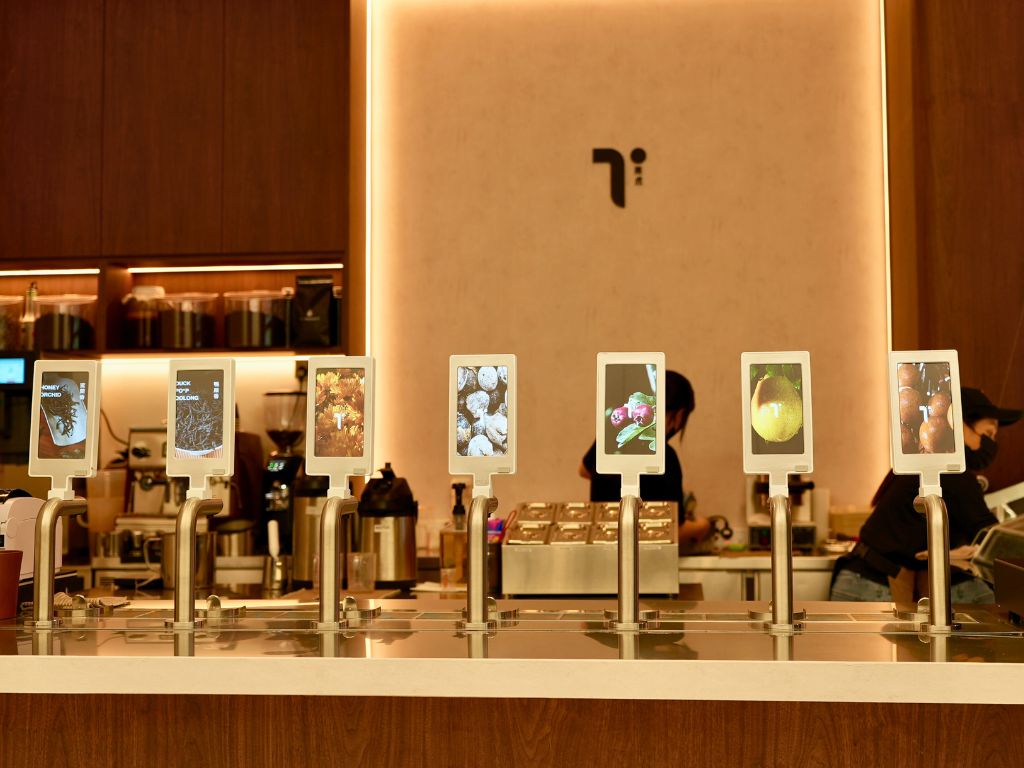
Opened by Tan Lee Et Food Industry — a homegrown coffee manufacturer with over 40 years of experience — Tea Dot is the brand’s first venture into tea.
The all-new concept is led by second-generation owner, Tan Hao Xiang, 34, who aspires to reshape the bubble-tea scene with a healthier take on milk tea and herbal drinks — one that’s accessible to people of all ages.


As a father of two, Hao Xiang is constantly on the lookout for low-sugar, low-caffeine options that his young children can safely enjoy — and it quickly became clear that such drinks are in short supply.
With Tea Dot, he hopes to challenge the perception that herbal tea is inherently bitter or only meant for the unwell, while staying true to its health-forward roots.

A self-professed tech enthusiast, Hao Xiang drew inspiration from his background in coffee, applying brewing techniques and equipment to tea extraction.
Serving freshly brewed tea on tap, rather than from bottles or plastic cups, is his way of giving the traditional experience a fresh, more contemporary twist.
The tea bar’s opening in Tengah wasn’t by chance, either — the west holds deep significance for the brand. Its coffee-roasting journey started in Jurong, so setting up in the vicinity felt like a full-circle moment.
At the same time, Tengah’s youthful, growing neighbourhood made it the ideal birthplace for a feel-good beverage option that the community could enjoy without guilt.

Besides this, the tea bar’s herbal drink selection is rooted in a deeply personal story — Hao Xiang remembers growing up at his family’s factory, where workers would pause mid-day to savour simple comforts, such as warm barley drinks and sweet potato soup.
In the same spirit, Tea Dot hopes to build a space where different generations can slow down and recharge together, amid busy schedules.
That’s why its herbal brews are crafted with a lighter, more refined touch, making them approachable and easy to appreciate, without straying too far from tradition.
Herbal brews on tap
Here, you’ll find seven classic herbal options on tap, such as snow pear fungus, luo han guo (monk fruit tea), ginseng chrysanthemum, jujube longan, and roselle hawthorn. Meanwhile, the pumpkin barley and purple sweet potato teas are only available during the weekends.
These concoctions are diligently brewed in-store daily and honeyed with cane sugar, calibrated to Tea Dot’s standard sweetness level. This does mean that the herbal drinks’ sugar levels are not customisable at all.

Each variation also comes with its own complimentary, preset toppings. For example, the snow pear fungus and jujube longan are accompanied with housemade peach gum, the roselle hawthorn is paired with cranberry jelly, while the purple sweet potato has taro pearls.
Frankly, S$4.90 for a medium-sized drink with free add-ons? I’m not complaining.

We made a beeline for the snow pear fungus (S$4.90), a comforting classic I grew up with. Made with snow pear and snow fungus, the combo is traditionally known for its skin-nourishing and lung-soothing properties.
Tea Dot’s version keeps the sweetness pleasantly light and comes paired with housemade peach gum. Its delightfully QQ bite surprised me with a texture similar to chewy black pearls, rather than the softer, jelly-like versions I remember — a fun, refreshing spin on the familiar ingredient.
Safe to say, I really enjoyed the twist, and I can easily see Tea Dot’s housemade peach gum winning over younger drinkers, too.
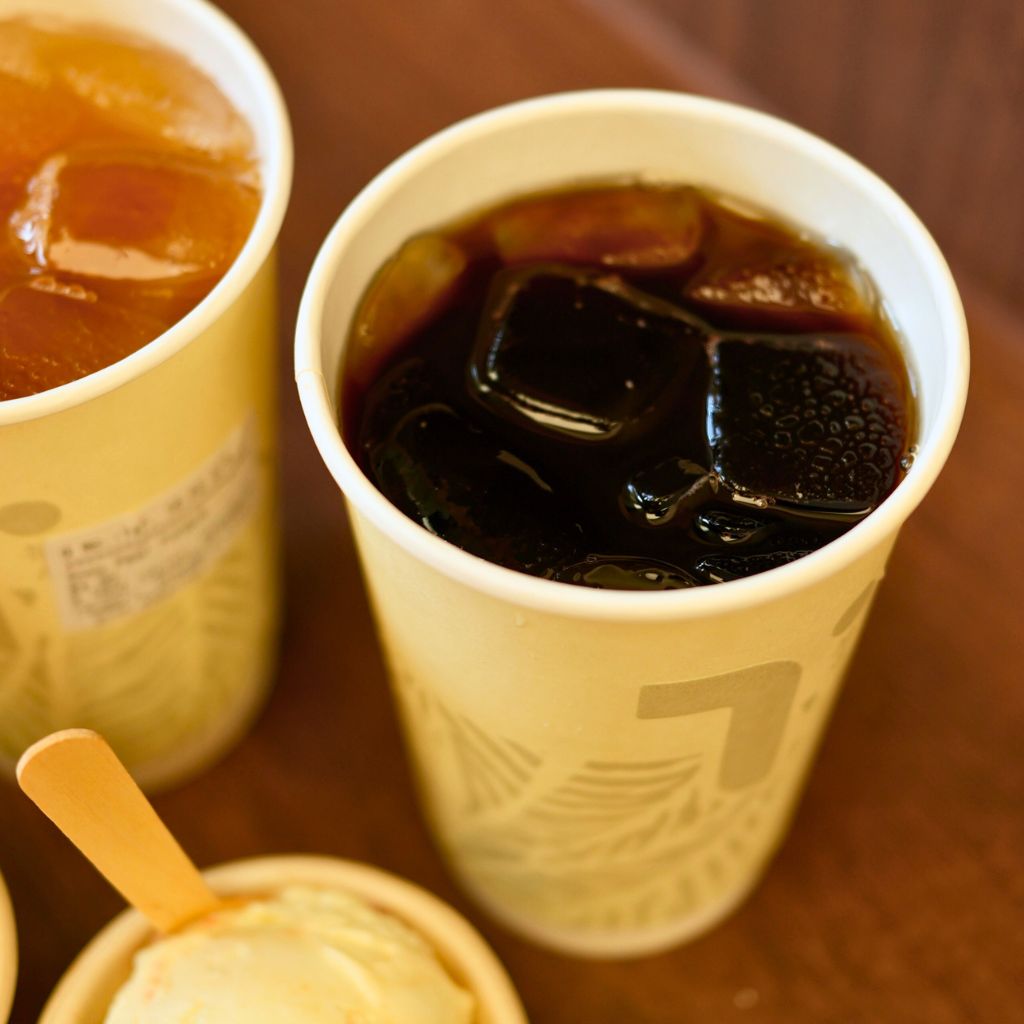
Another staple in many Chinese households — mine included — is the luo han guo monk fruit (S$4.90), which comes paired with grass jelly. It’s especially popular for its “cooling” benefits, often associated with soothing the throat and respiratory health.
I’ve to say I’m a tough critic when it comes to this one, only because my father makes an excellent, extra thick version at home, so I’m all for a stronger brew.
In comparison, Tea Dot’s concoction is on the lighter side. It feels closer to the intensity of the Jia Jia herbal tea drink, commonly found in coffeeshops and supermarkets.
That said, the natural sweetness of the dried monk fruit stands out, making it an easy-to-enjoy option nonetheless.
Single-origin teas

Meanwhile, Tea Dot also has a single-origin tea line-up of six varieties, including Tie Guanyin oolong, Silver Needle white tea, and honey Orchid oolong.
The teas rotate daily, with only three offered at a time, so there’s a little element of surprise each time you visit.
These can be enjoyed either as fresh milk tea (S$3.90) or brewed tea (S$2.90), with sugar levels tailored to your preference, as well as add-on toppings for S$1.10.

Out of the three tea types available on the day of our visit, we went with the uniquely named Duck Po*p oolong milk tea (S$3.90), with taro pearls (extra S$1.10).
The name alone was enough to spark our curiosity. It’s directly translated from its Chinese term, and while there’re several theories behind it, the most popular one suggests the farmer gave it an unattractive name to keep others from stealing the tea.
Thankfully, the taste tells a very different story. The tea is smooth and lightly floral, with a gentle fragrance that’s easy on the palate. The springy taro pearls make this particular pairing especially satisfying, too.
Artisanal, handmade gelato
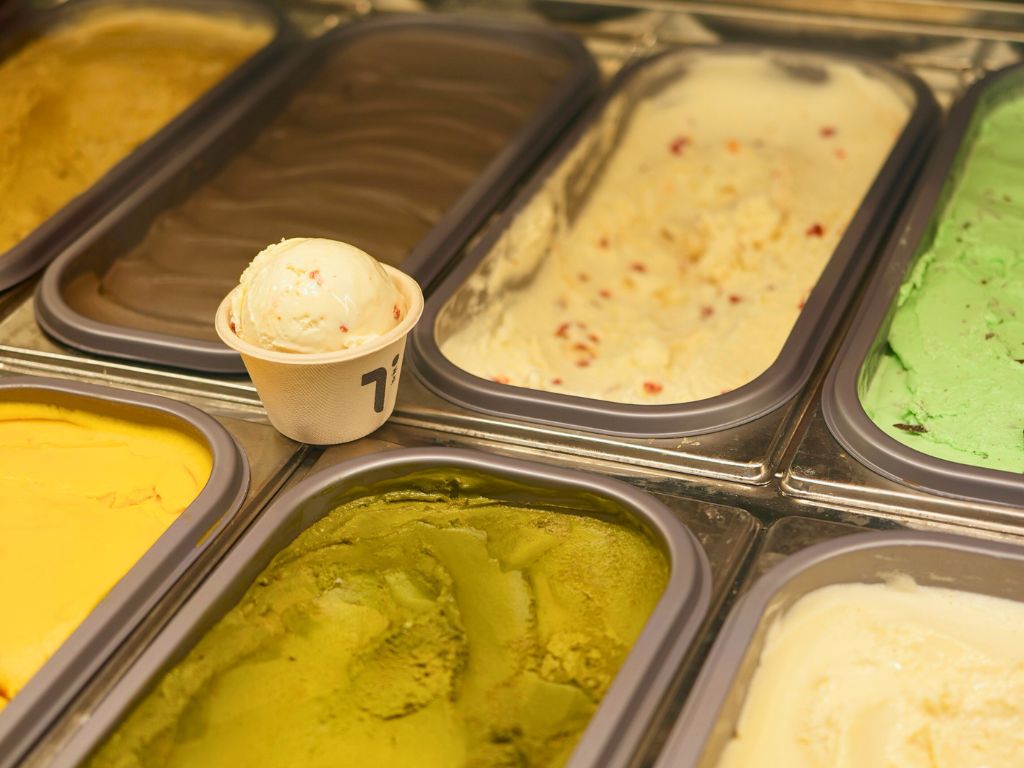
While you’re there, be sure to try Tea Dot’s gelato (S$4.90 for a single scoop), too. The team says it’s crafted in collaboration with an award-winning artisanal gelato maker, but declined to reveal more.
There’re the classics such as cookies & cream, dark cacao, and even Dreamy pistachio, plus four no-added-sugar creations for a much healthier treat, including the Tropical mango, goji chrysanthemum, Ninja sesame, and gianduja (an Italian confection made with chocolate and hazelnut paste).
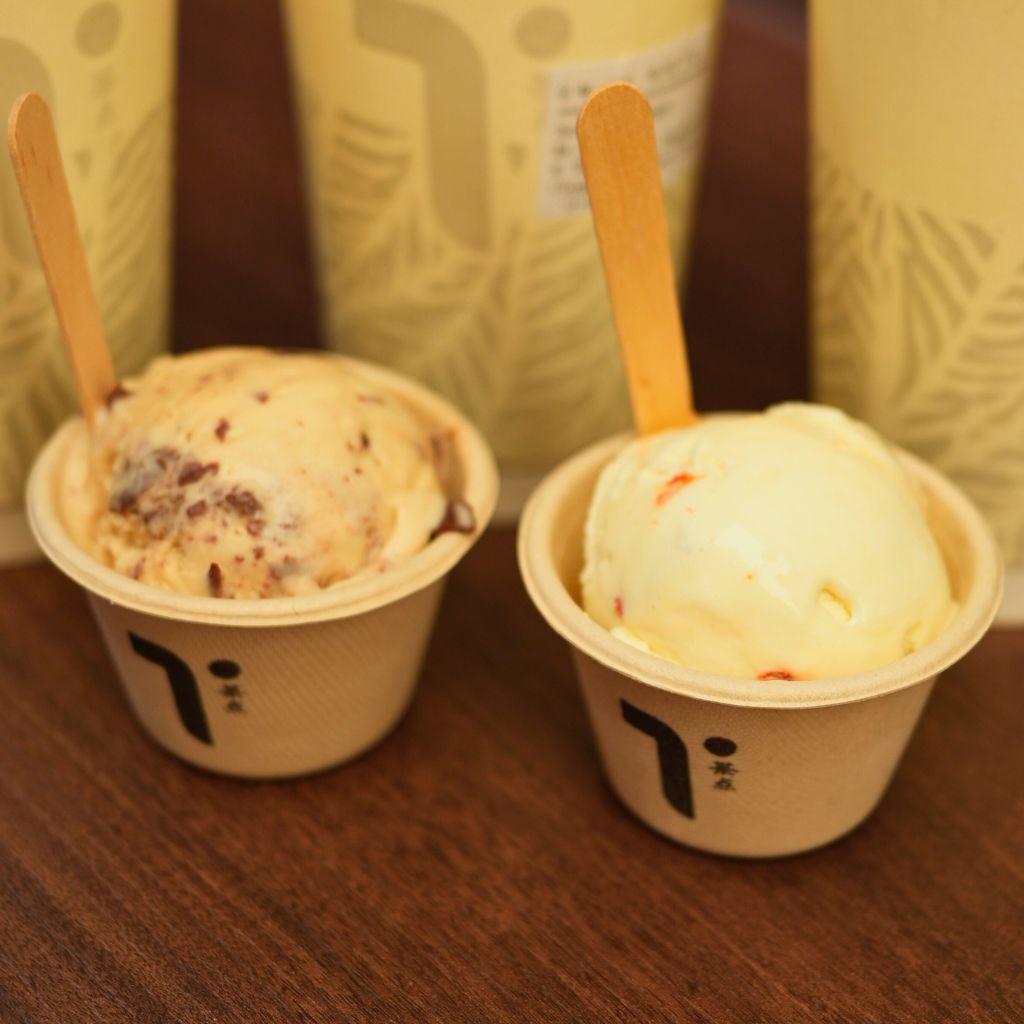
The Nutella cookie creation usually gets pretty jelak (overly rich), but Tea Dot’s version feels less overwhelming, while still delivering strongly on the requisite hazelnut flavour. It’s not overly sweet either, which somehow makes it taste a little “healthier” — and I’m not mad about it.
I was drawn to the non-sweetened goji chrysanthemum gelato, studded with bits of dehydrated goji berries. Thanks to its creamy base, each spoonful feels refreshing and charged with delicate floral notes.
So Tengah folks, the next time someone says your area is boring, just remind them you’ve got Tea Dot in your ‘hood, pouring invigorating beverages on tap. They’re missing out.
Happen to be in the west side? Check out Cat & Fiddle’s new dine-in cafe at Westgate and the Japandi-style all-day dining spot in Jurong.
Tue 12pm - 11pm
Wed 12pm - 11pm
Thu 12pm - 11pm
Fri 12pm - 11pm
Sat 10am - 11pm
Sun 10am - 11pm
- Bukit Batok
- Bukit Gombak





Shannon has the taste buds of a grandmother and perpetually struggles with a food coma.
Read more stories from this writer.