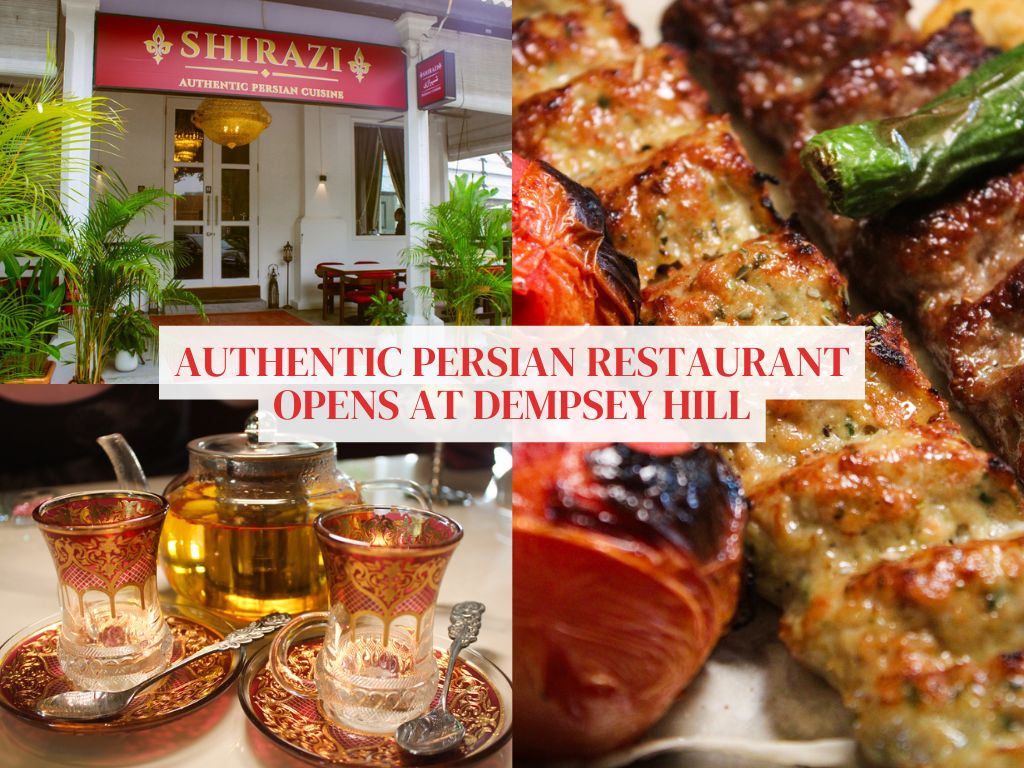
New Shirazi restaurant offers authentic Persian dining at Dempsey Hill

Have you tried Persian food? Shirazi at Dempsey Hill soft-opened on September 8, and is helmed by chefs Mohammad Hosseini and Ying, who have been cooking together for two decades.
If you love exploring new cuisines, this might be your next try.
Mohammad grew up in Zanjan, Iran, where his love for food started at the city’s historic Grand Bazaar. He picked up the basic skills in small local eateries and butcher shops, before cooking his way across the Middle East, Singapore, and Australia.
Spices and some ingredients in Shirazi are brought in from Iran directly. We were told that he recently returned from a trip home with a haul, and the team aims to keep importing despite the rising cost, to keep its offerings authentic.
The chef rates Iran’s saffron highly, too, where much of it comes from the northeastern Khorasan region.
The kitchen is Muslim-friendly and uses halal-certified meat and poultry from recognised suppliers. There’s a separate bar in the dining space, though.
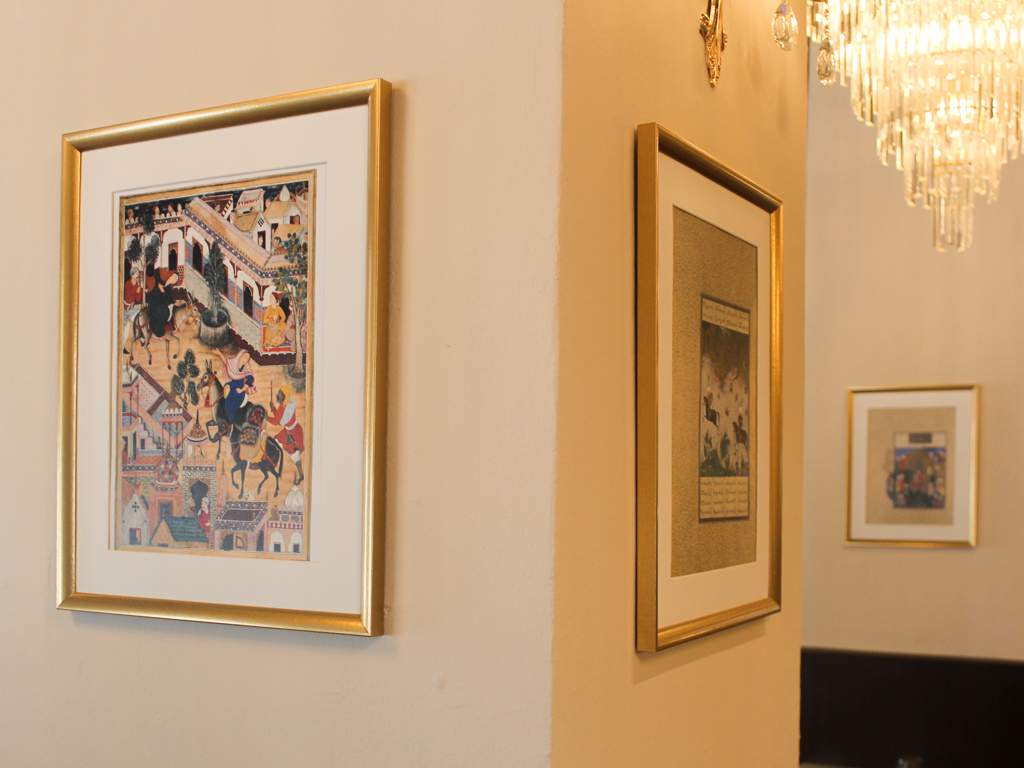
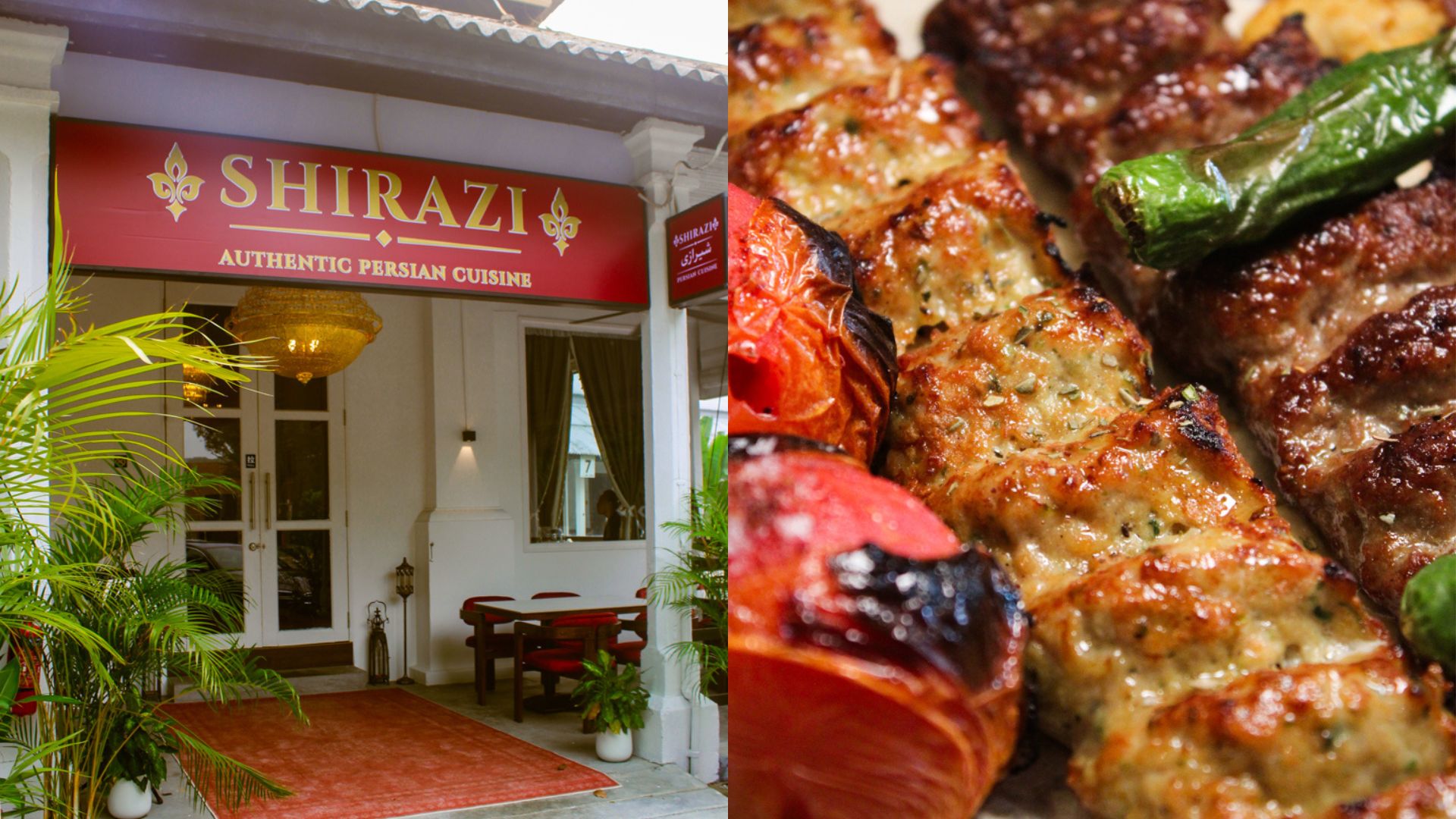
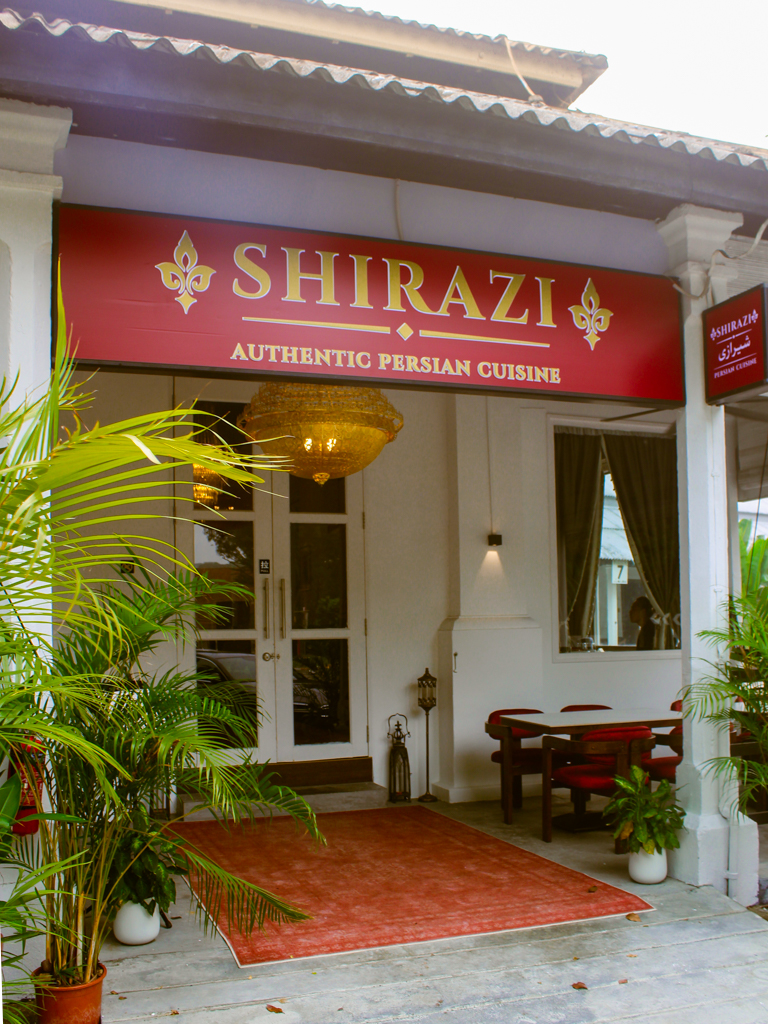
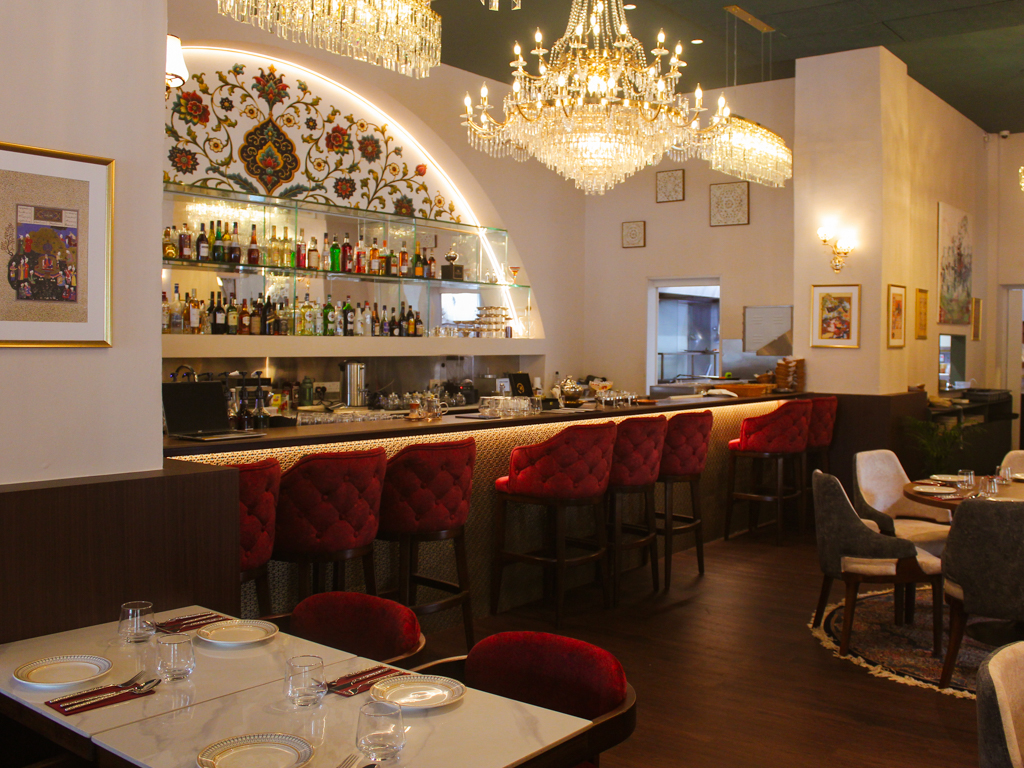
The semi-fine dining space draws on Persian art, colours and decorations. In truth, the space feels grand, with chandeliers hanging from the ceiling and paintings lining the walls.
You’ll find yourself staying a while, perhaps over some tea or a cocktail.
What is Persian cuisine?
If you’re picturing a plate of kebabs and a mound of rice, you’re not wrong, but there’s more to it.
Persian food places an emphasis on balance: Sweet, sour, and savoury, with fresh herbs doing the heavy lifting instead of chilli. It’s generally aromatic rather than fiery.
Iran shares a region with the Levant (the eastern Mediterranean) and Turkey, so it’s easy to lump their cuisines together. The flavour logic, however, is quite different.
Levantine cooking leans on olive oil, lemon, and tahini, and Turkish cooking on tomato and pepper paste.
Persian cooking takes a different route, often pairing slow-cooked meat with herbs, fruit, and nuts, and serving it with rice scented with saffron.
Even a familiar dish, such as hummus, gets treated differently. The team at Shirazi is keen to point out that Persian hummus uses more chickpeas and lime juice, and some chefs add yoghurt — though Shirazi’s doesn’t.
Lebanese and Turkish versions are often seen to be creamier, with less chickpea, while Egyptian ones sit somewhere in the middle.

Mezze platters
The menu at Shirazi is extensive. If you don’t know where to start, go for the mezze (a selection of small shared plates).
We loved the cold mezze platter (S$42). It comes with zeytoon parvardeh, hummus, salad olivieh, and labneh, served with pita bread made in-house. Between this and its hot counterpart, the cold platter gets our vote for its variety of flavours and textures.
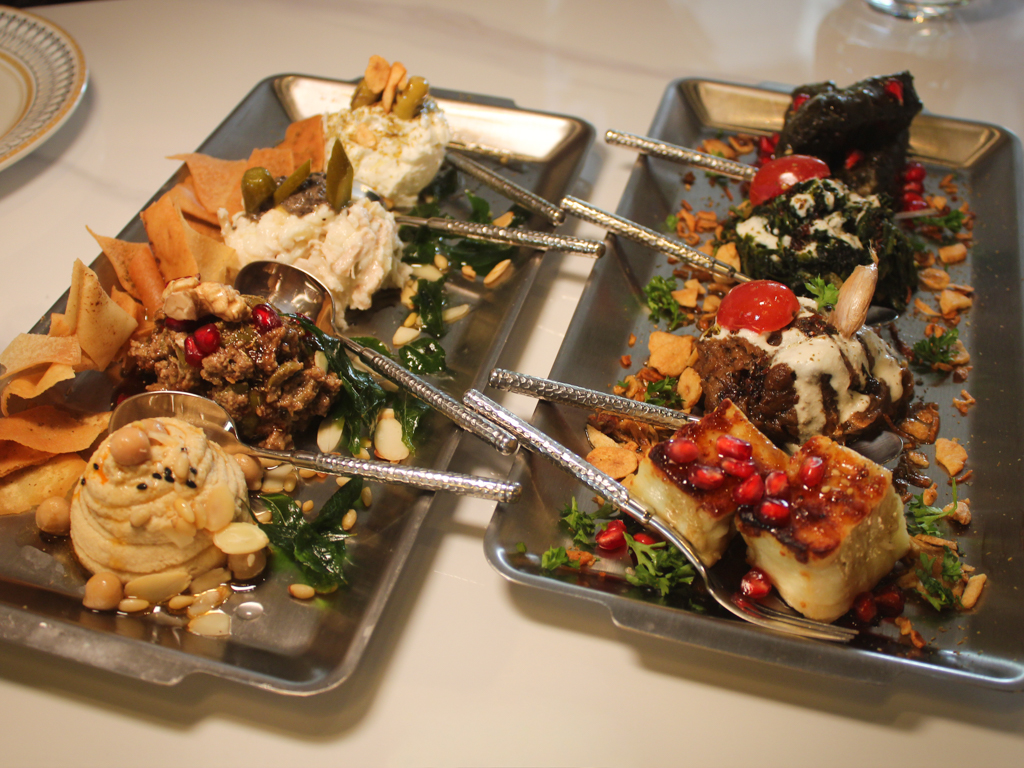
The zeytoon parvardeh, which we were told is a speciality of northern Iran, brings together olives, walnuts, and pomegranate for briny, nutty, and tart flavours. It offers a change of pace between spoonfuls of creamier dips.
There’s also the salad olivieh, a Russian-influenced chicken salad with egg, pickles, green peas, and corn. It’s our favourite on the platter, and an easy dish to keep returning to: Creamy and comforting, with the pickles providing a sharp counterpoint.
The labneh, a strained yoghurt, is just as compelling. It’s thick, tangy, and garlicky, while the yoghurt adds a cool and creamy contrast.
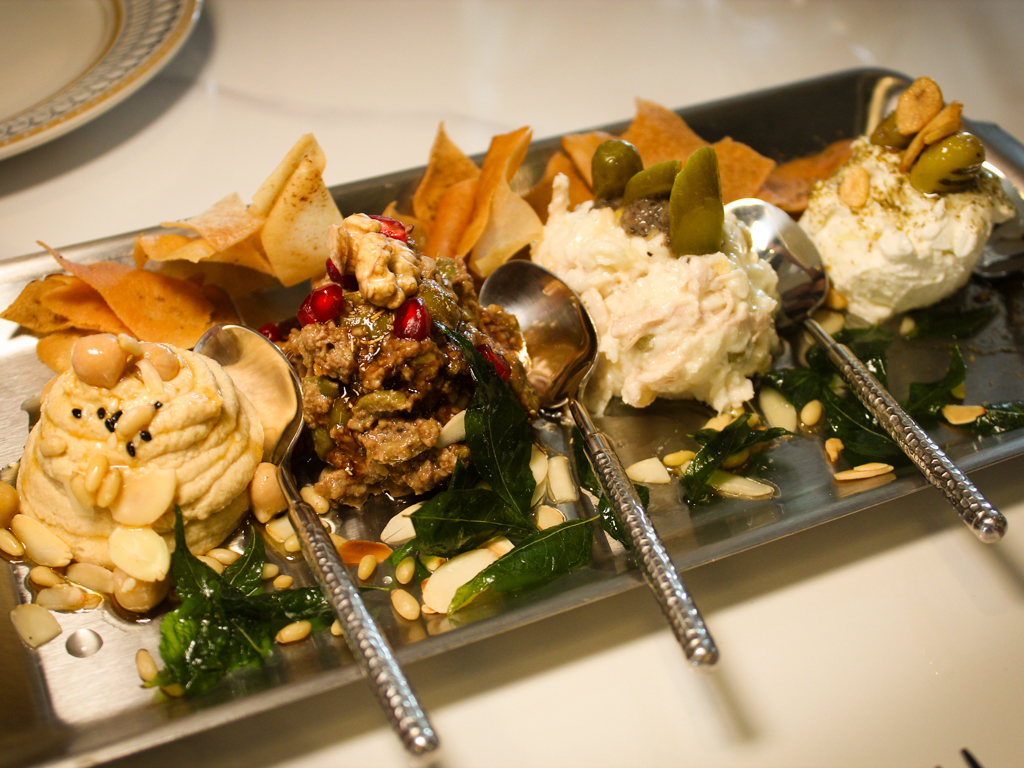
For something warm, the hot mezze platter (S$45), brings together kashk-e bademjan, borani esfenaj, dolma, and grilled halloumi.
The kashk-e bademjan is a dip of charred eggplant and whey (a gritty, slightly bitter dairy). There’s a pronounced tang that lingers on the tongue, while the caramelised onion adds a touch of sweetness. Beside it, the spinach-and-yoghurt borani esfenaj is a cool, creamy, and gentle contrast.
The vegetarian dolma comprises leaves wrapped around a sticky rice filling, and is served hot, which chef Mohammad says is how Persians prefer it. The grilled halloumi, a salty cheese that holds its shape over heat, is an eye-catcher on the plate — soft with a browned surface, and pomegranate seeds scattered on top to add a tart pop.
Charcoal-grilled mains
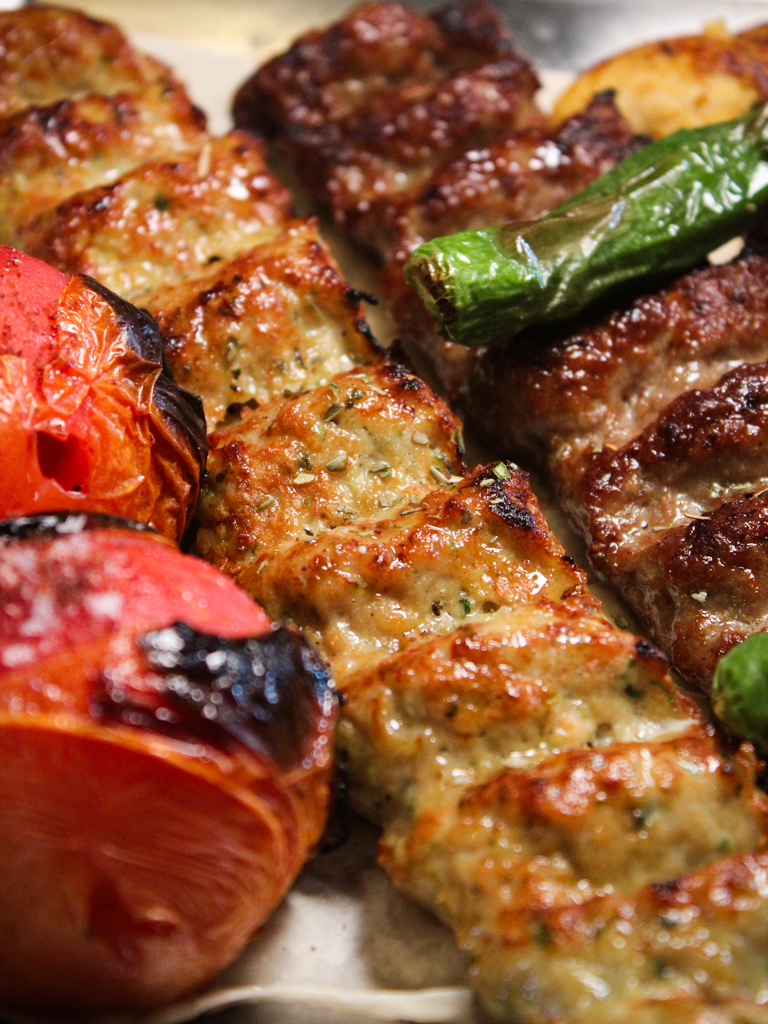
The koobideh, a classic Iranian minced meat kebab, is a must-try, according to the Shirazi team.
The lamb koobideh (S$42) is juicy and smoky, with none of the gaminess you might expect, and pairs perfectly with the milder chicken koobideh (S$34).
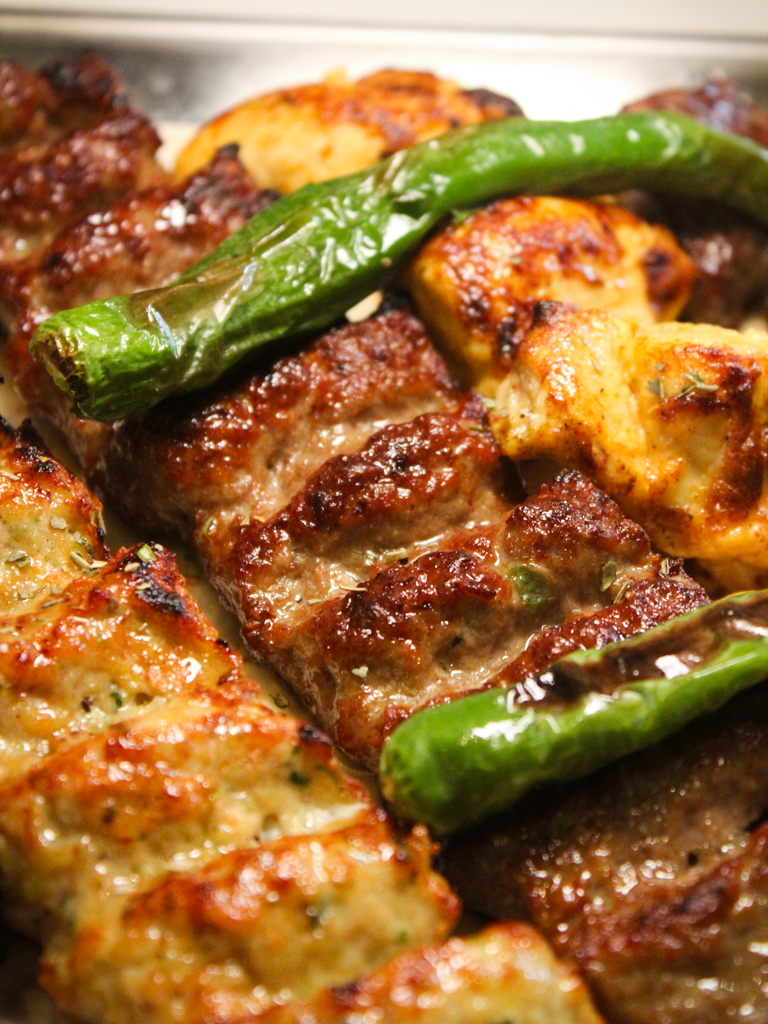
The jujeh kebab (S$42) is a poussin (young chicken) marinated in saffron, lemon, and Persian lime. The result is a tender and juicy meat, with gentle sourness from the citrus. It was our favourite of all the meats, and the texture alone is reason enough to order it.
Other options include the kebab lari beef (S$50), a beef fillet marinated in yoghurt and spices. But for a taste of everything, go for the Shirazi grilled platter (S$120 good for two, S$210 for four), with minced lamb, chicken, fish, prawn, and lamb or beef fillet.
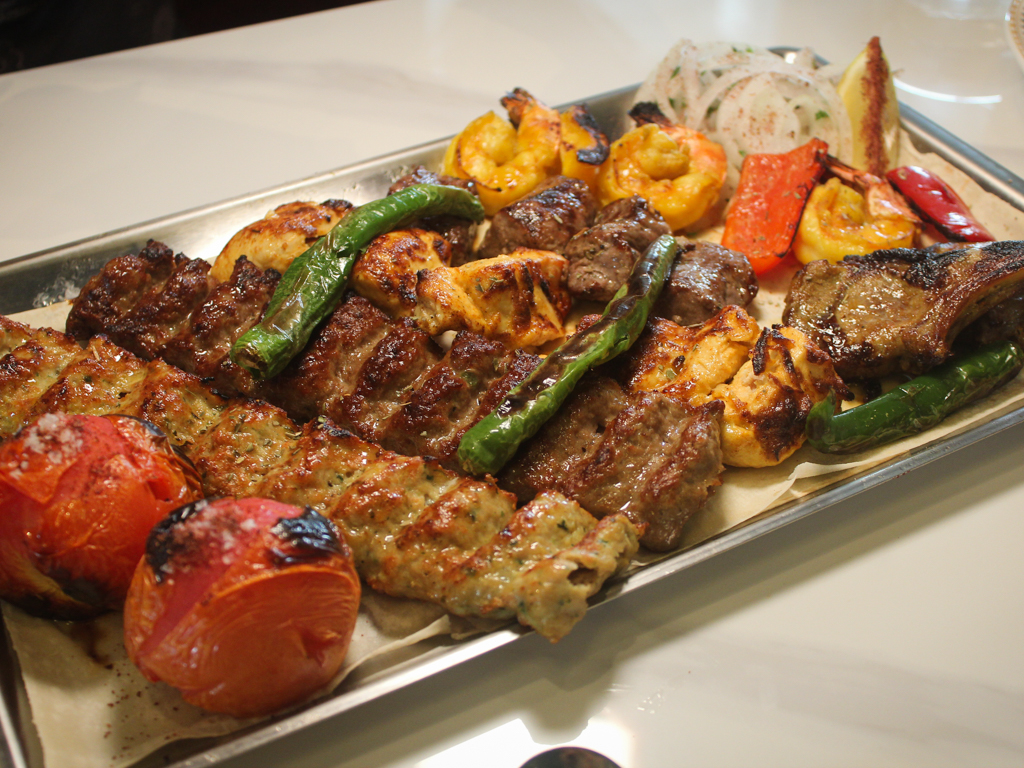
The meats are served with sumac — a tangy, lemony, and deep-red spice made from dried and ground berries. It’s native to the Middle East and Mediterranean region.
Ying says it works the way lime does, cutting through greasiness and balancing the palate. Interestingly, we were told that sumac is valued in Iran as a digestive aid, and that it was once used as a counterweight to salt.
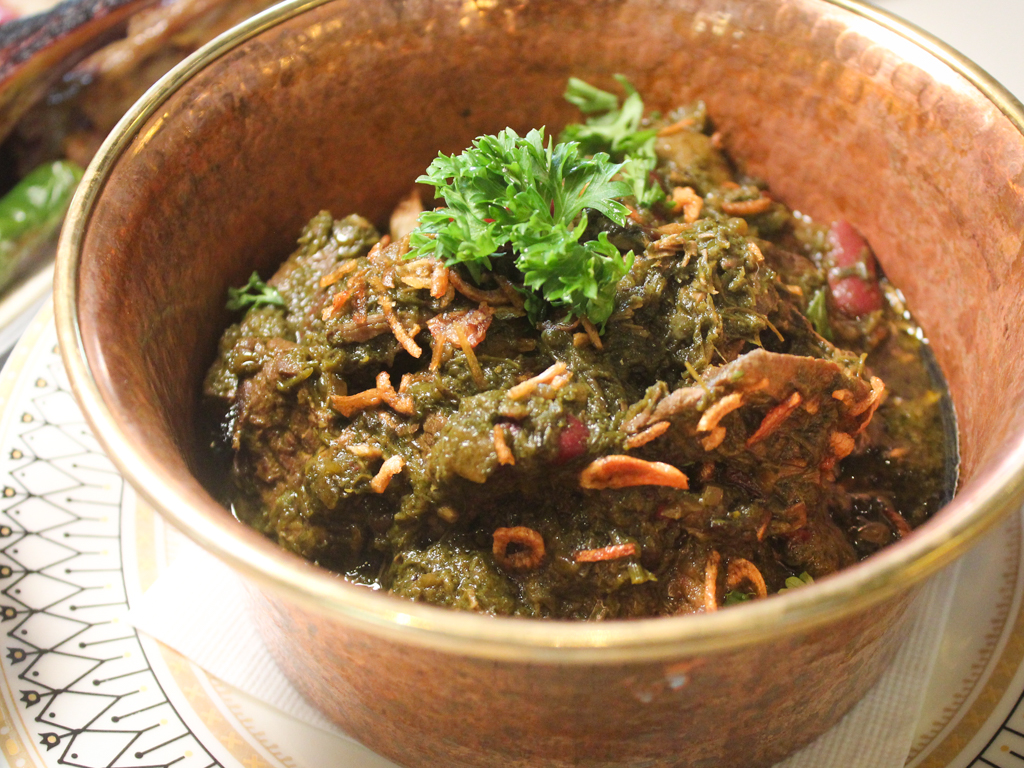
There are stews and rice too. The ghormeh sabzi (S$35) is a herb stew with lamb, kidney beans, and dried lime, and it’s often called Iran’s national dish. It’s deeply herbal, with an earthy sourness at the forefront.
It takes at least six hours of slow cooking, which gives the flavours time to deepen.
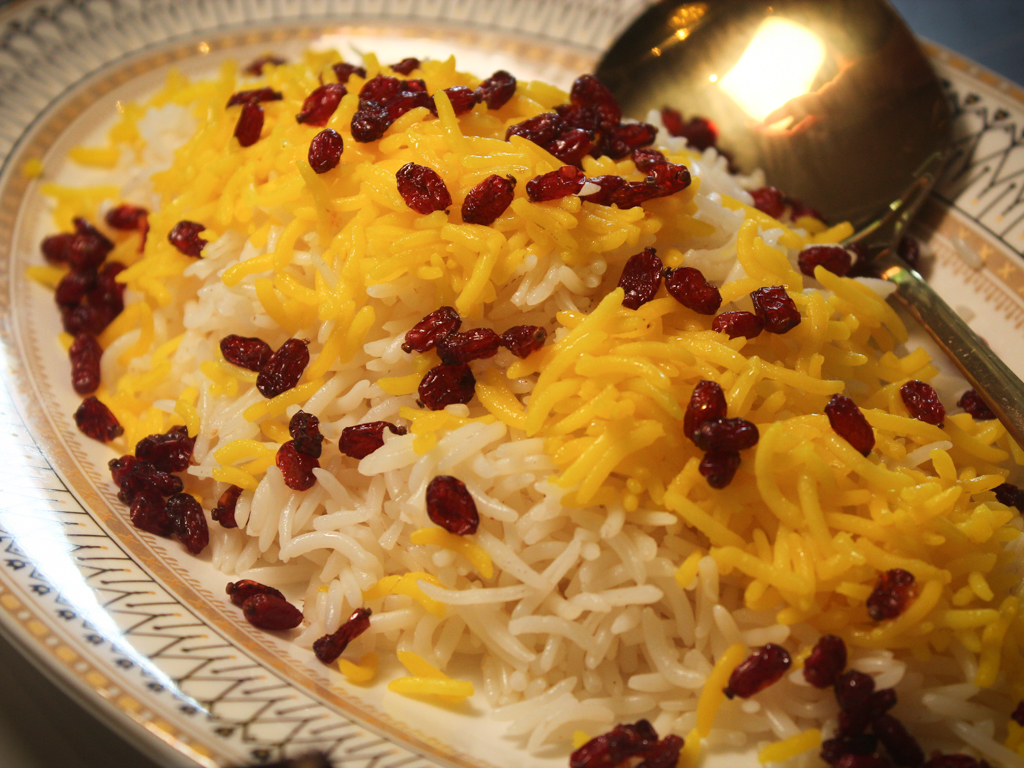
The team says one must order the meat with some polo (Persian rice).
The zereshk polo with chicken (S$39) has rice that’s light and fragrant, and barberries (small red berries) add bursts of tartness to each bite. The Shirazi polo with chicken (S$39) has the same airy, fragrant rice with herbs.
If I wanted to, I could finish a sizable plate on my own — and my dining companions agreed — which goes to show how light the rice is.
A wide selection of drinks
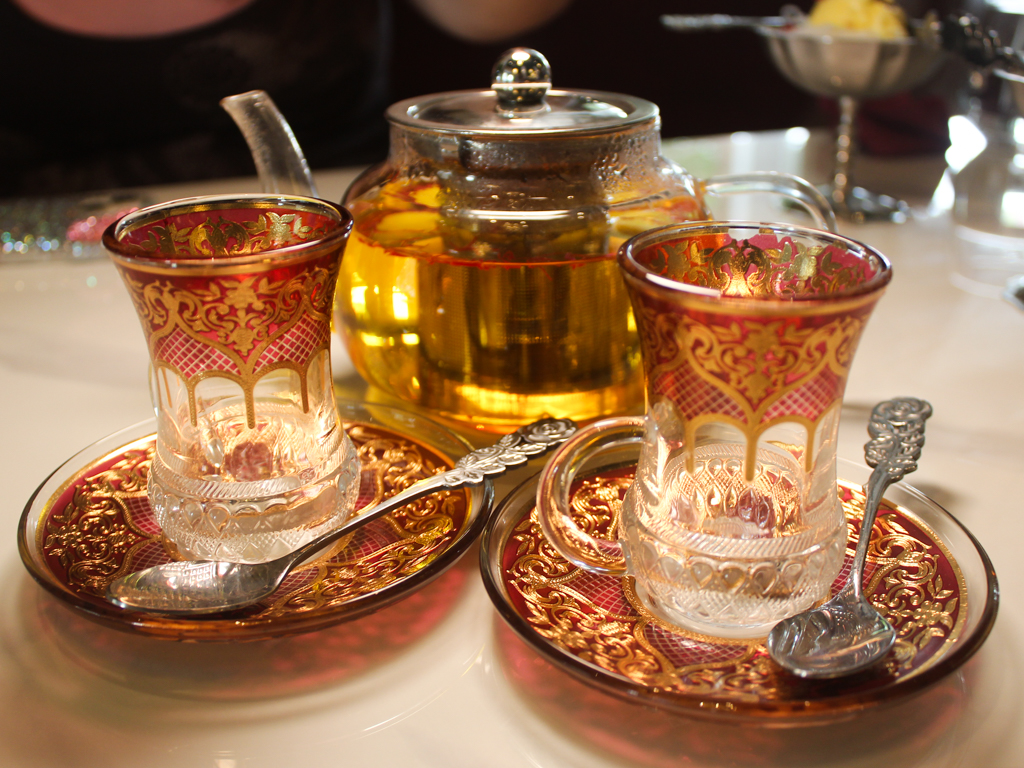
Wash it all down with some Middle Eastern tea (free-flow at S$9.90 per diner, or S$15.99 for a teapot). The lineup includes the soothing and refreshing Persian black tea infused with fresh mint, as well as Moroccan mint with desert rose, karak chai (spiced milk tea), and a passion-kiwi blend.
It comes in the prettiest teaware, and we were obsessed.
The drinks menu is worth a look, with plenty of range from non-alcoholic to boozy.
For something traditional, there’s the Doogh-e-Shirazi (S$11) — a fizzy Persian yoghurt drink flavoured with dried mint and rose petals, or the Saffron Sky Punch (S$12) with black tea, peach, and house-made saffron syrup.
For cocktails, the Ruby Dusk (S$24) is the house welcome cocktail, which mixes arak (a distilled spirit) with pomegranate juice, lime, and fresh mint. If you’d like something lighter, the pistachio fizz (S$23) pairs vodka with pistachio orgeat, lemon, and soda.
The price point at Shirazi is not wallet-friendly, but considering its Dempsey Hill location, it’s not a surprise. If you’re looking for a proper place to try authentic Persian food and don’t mind the splurge, Shirazi is a good bet.
This was a hosted tasting.
For more ideas on what to eat at Dempsey Hill, read on Casa Mori, where Spanish and Asian flavours come together, and Mr Bucket Chocolaterie with its cacao-infused dishes.
Wed 11.30am - 3pm, 5.30pm - 11pm
Thu 11.30am - 3pm, 5.30pm - 11pm
Fri 11.30am - 3pm, 5.30pm - 11pm
Sat 11.30am - 3pm, 5.30pm - 11pm
Sun 11.30am - 3pm, 5.30pm - 11pm
- Napier






Angeline loves everything spicy, even though she always ends up crying.
Read more stories from this writer.