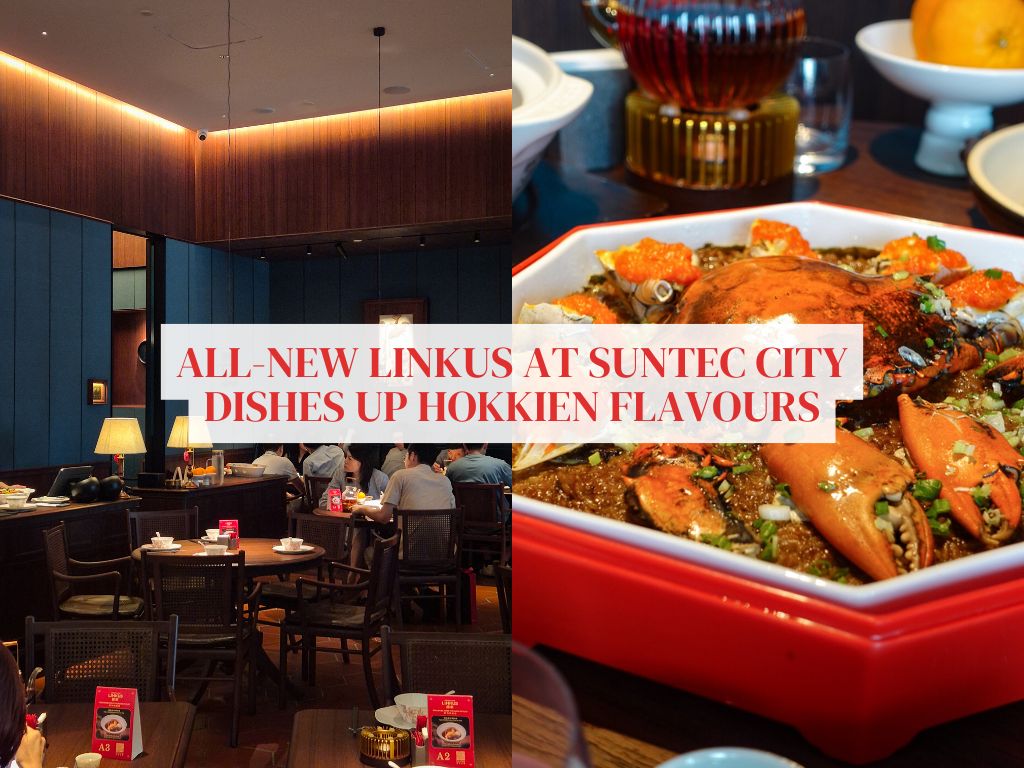
New Linkus restaurant at Suntec City dishes up elegant Hokkien flavours

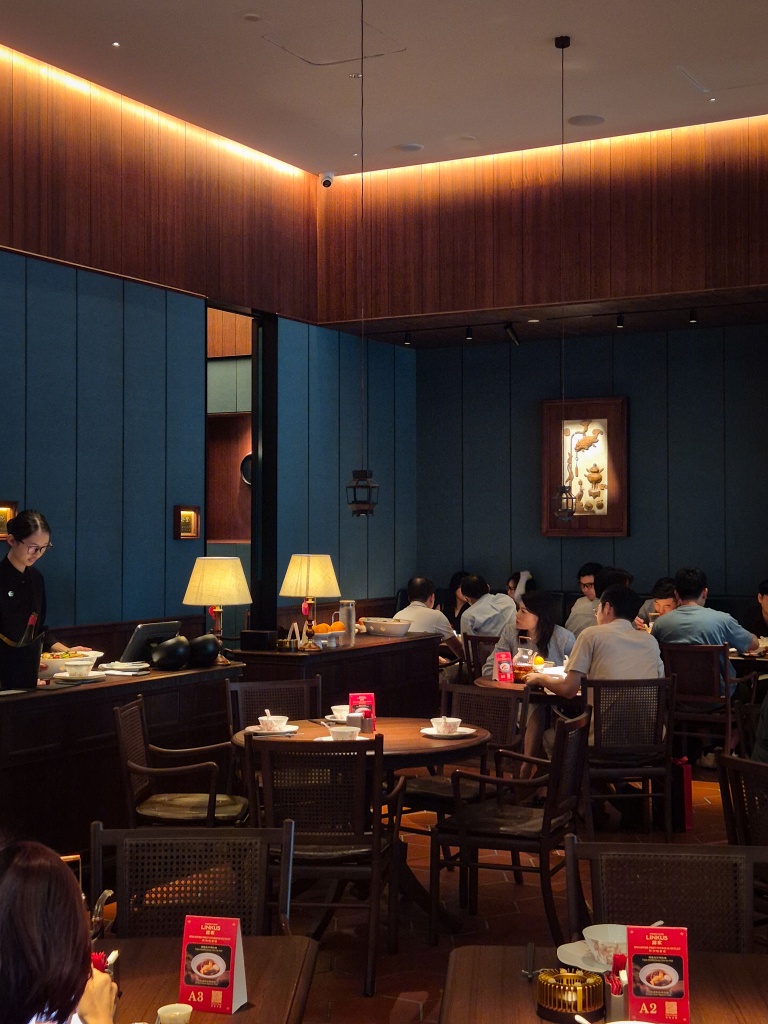
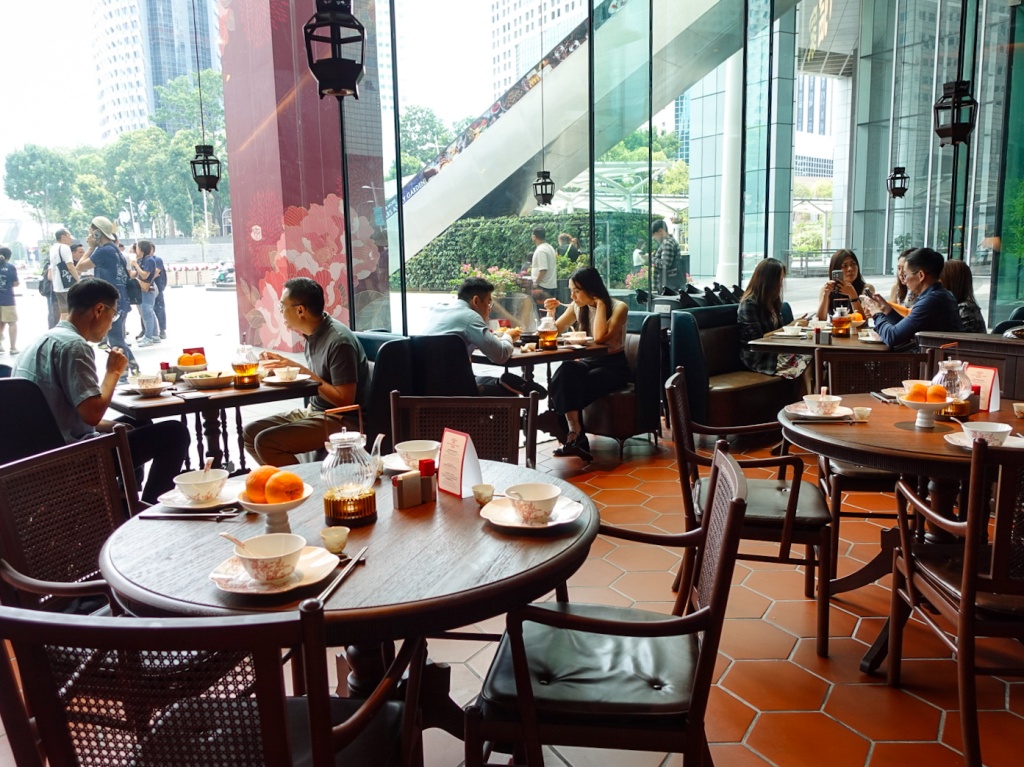
If you frequent Suntec City, you might have noticed a new dark-wood-embellished restaurant on its first floor, seemingly modern and serving up what appears to be Chinese fare.
It’s not quite your usual aesthetic for a Chinese restaurant, yes, but it’s actually the all-new Linkus 临家 Singapore, a concept from China, serving up Minnan cuisine.
Linkus’ restaurant at Suntec City is its first international outlet outside of China — you may have come across one of its 24 self-operated outlets across five cities in China under its Chinese name 临家 (lin jia).
While it may be new to Singaporeans, Linkus has been around since 2004, and has won several accolades within China, including a one-star rating in the Golden Wutong China Restaurant Guide in 2024.
Similar to the Black Pearl Restaurant Guide, the Golden Wutong China Restaurant Guide is a China-based annual shortlist of restaurants, decided upon by industry experts and food critics. It is released by media outlet Phoenix, and also has a similar three-star tiering system, like Michelin.


Minnan fare originates from the Fujian province in China, but the term “Minnan” tends to be used interchangeably with “Hokkien” in Singapore, with the latter being a more specific term used to represent the cuisine and language originating from southern Fujian, instead.
In that regard, most Singaporeans of Hokkien descent (myself included) may find some familiar threads in the Minnan cuisine that Linkus restaurant dishes out.
Even without the historical underpinnings, though, Linkus’ outlet at Suntec City ignited a considerable sense of curiosity — after all, it’s not everyday that you come across such a modern Chinese restaurant within a mall.
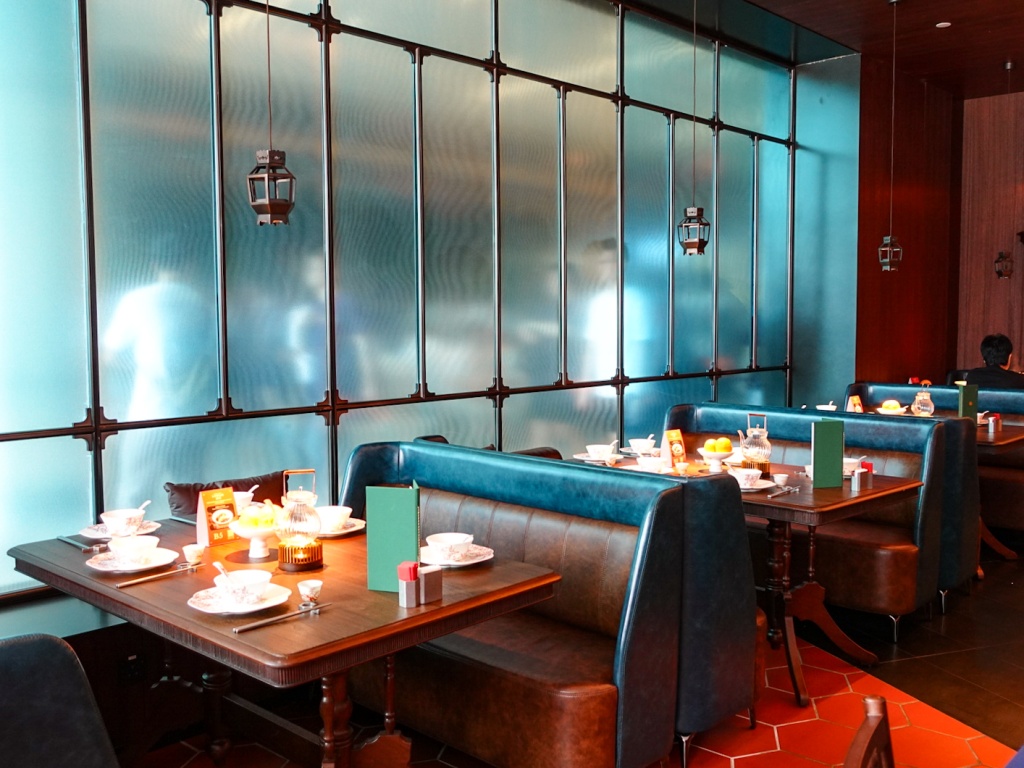
But if you look closer, Linkus’ Singapore outlet is actually also embellished with traditional Minnan elements, such as brick carvings and lighting fixtures inspired by ones you’d find in Quanzhou, a city in the Minnan region.
It’s the same for Linkus’ menu here.
Some dishes such as its passion fruit juice-marinated pulp may look very contemporary, but it also introduces some historical dishes, such as the Quanzhou ginger duck, which first came about in the Shang Dynasty.
Off the bat, the menu is a sight to behold. It’s almost like a coffee table book, with beautiful images of its dishes, but navigating it can be a tad challenging, if you’re not familiar with Minnan fare, or Chinese cuisine in general. (Don’t be afraid to ask the waitstaff for advice!)
For starters, we enjoyed the bright tossed jellyfish & chicken (S$19.90), which has a myriad of textures, from the bouncy jellyfish, to the tender chicken, and thin crisp strands of yam.
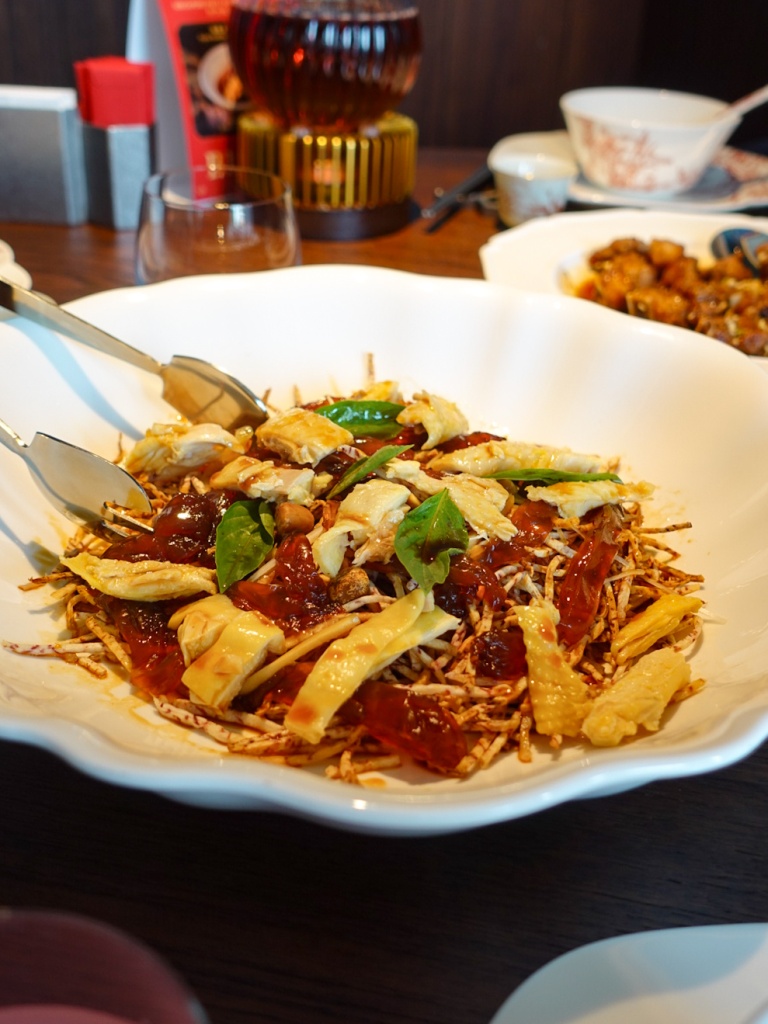
It’s seasoned lightly with just a touch of tang and savouriness — enough to whet your appetite for the meal ahead.
Another vibrant appetiser was the passion fruit juice-marinated pulp (S$9.90) — it’s essentially a deconstructed version of the fruit, with the passion fruit skin marinated in a vegetable-pomegranate juice mix, cut, and then served alongside some of its pulp.
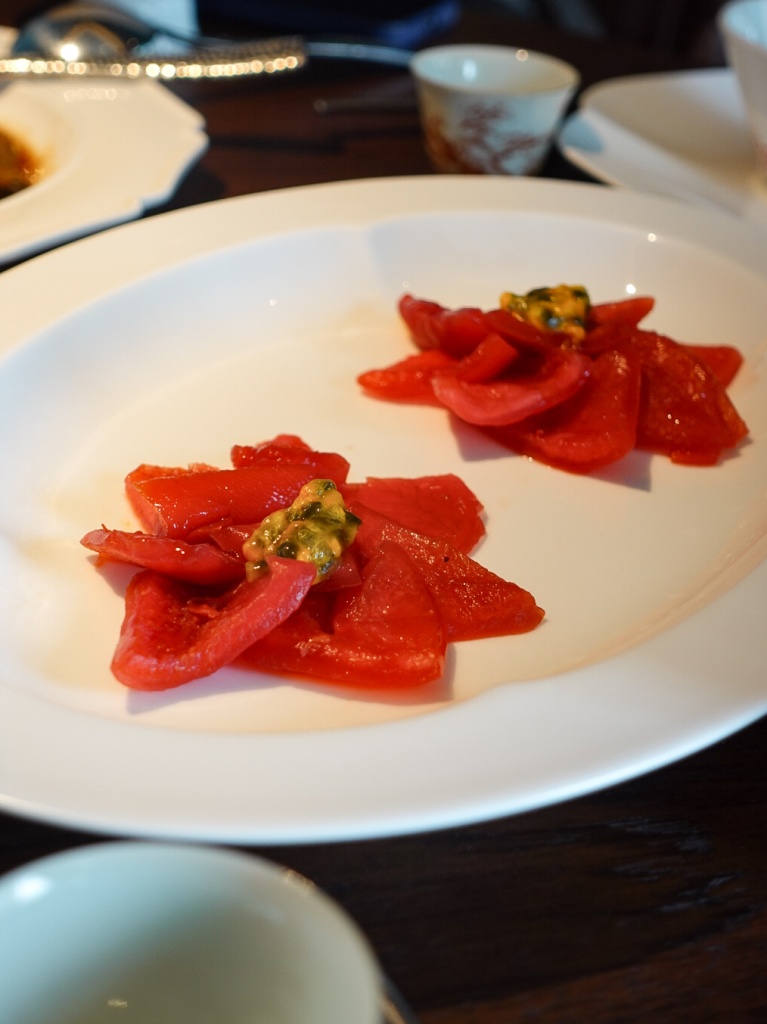
Considering the portion size, one might baulk at the price, but the light-yet-punchy flavours of this dish really got our tastebuds going for what was to come next.
We dived into the Quanzhou mixian (from S$16.90), a classic staple from the Minnan region. There’s rice vermicelli, a somewhat-thick savoury broth, and a smattering of oysters, squid, and dried orchid flowers in this.
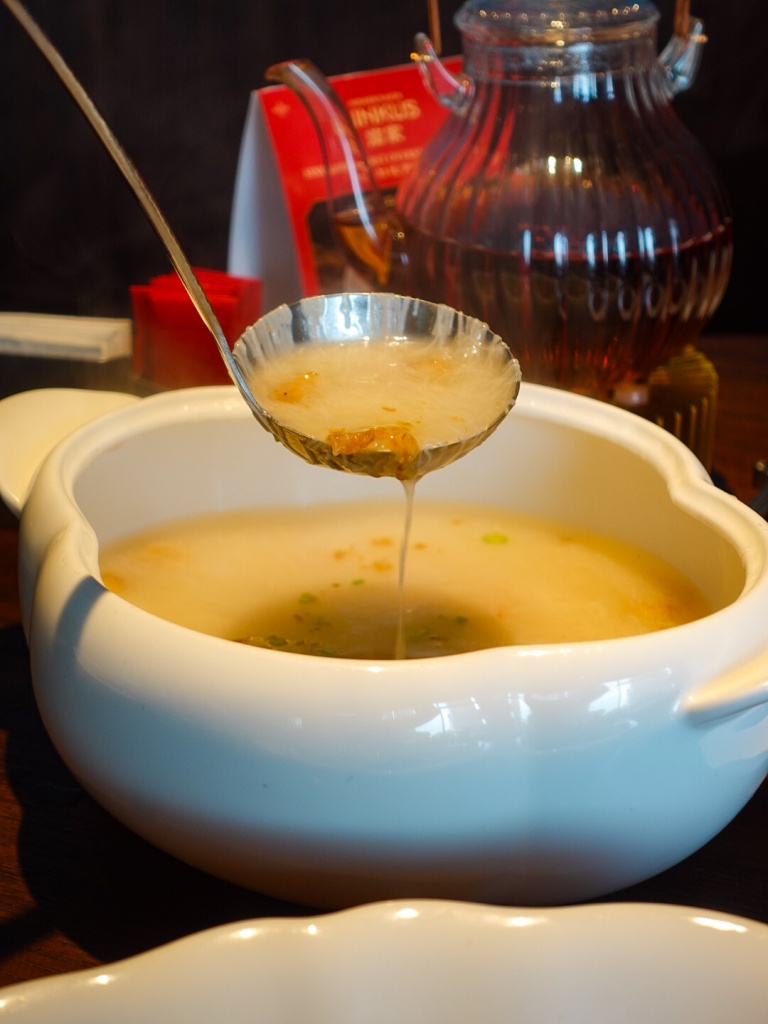
It’s listed among the restaurant’s 10 signature dishes, and while it’s not mind-blowingly delicious, it tastes just like something my late grandmother (who’s Hokkien), would cobble together for a quick lunch — comforting, filling, and warms the stomach right up.
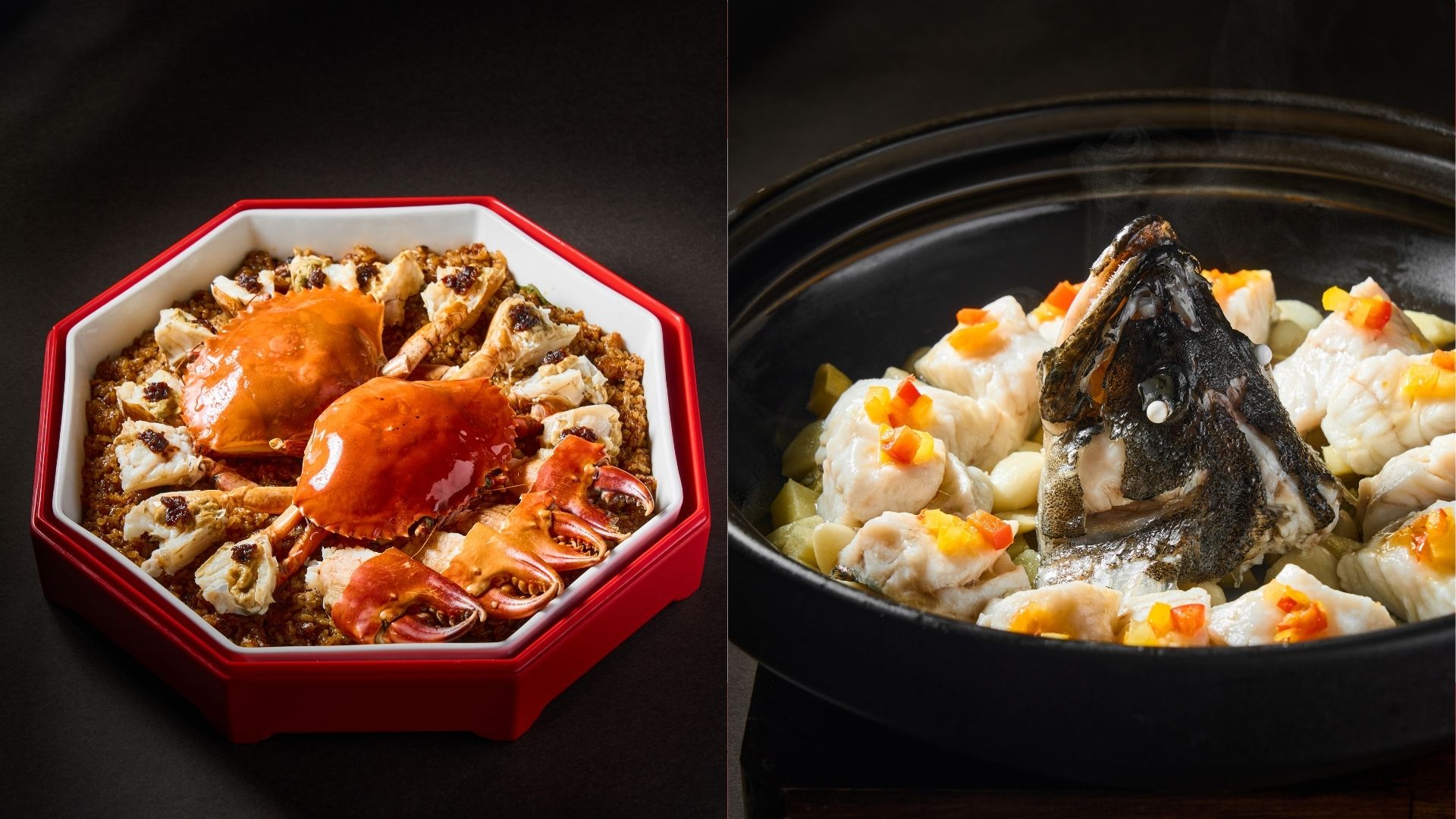
We have to note that there’s not a lot of rice vermicelli here, so if you’re after something more carb-heavy, go for the Hokkien rice cake steamed with mud crab (from S$89 for one crab).
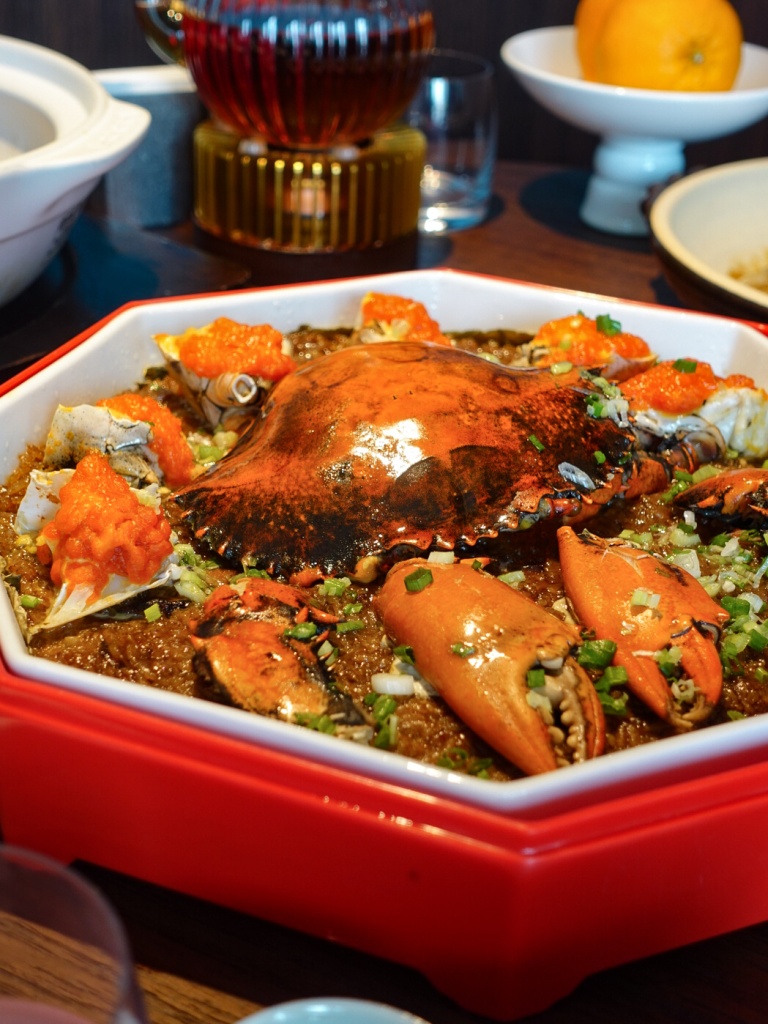
This dish might be familiar to some — a banquet staple in Fujian and Taiwan, where a whole mud crab is steamed over a bed of glutinous rice.
The crab here is fresh and the rice flavourful, but the dish seemed to have been steamed a touch too long — the roe had hardened considerably by the time we got to it, turning dry and crumbly.
It’s not a deal-breaker, especially since the crab flesh was still adequately firm and sweet, but we imagine that, if it is cooked just right, the soft, custardy roe would lend a creamy richness that’ll seep into the rice and lift the whole dish.
Another signature dish we tried was the Yong An yellow pepper grouper (market price), which uses a pepper variety commonly found in the Fujian province that’s known for its spice and fragrance.
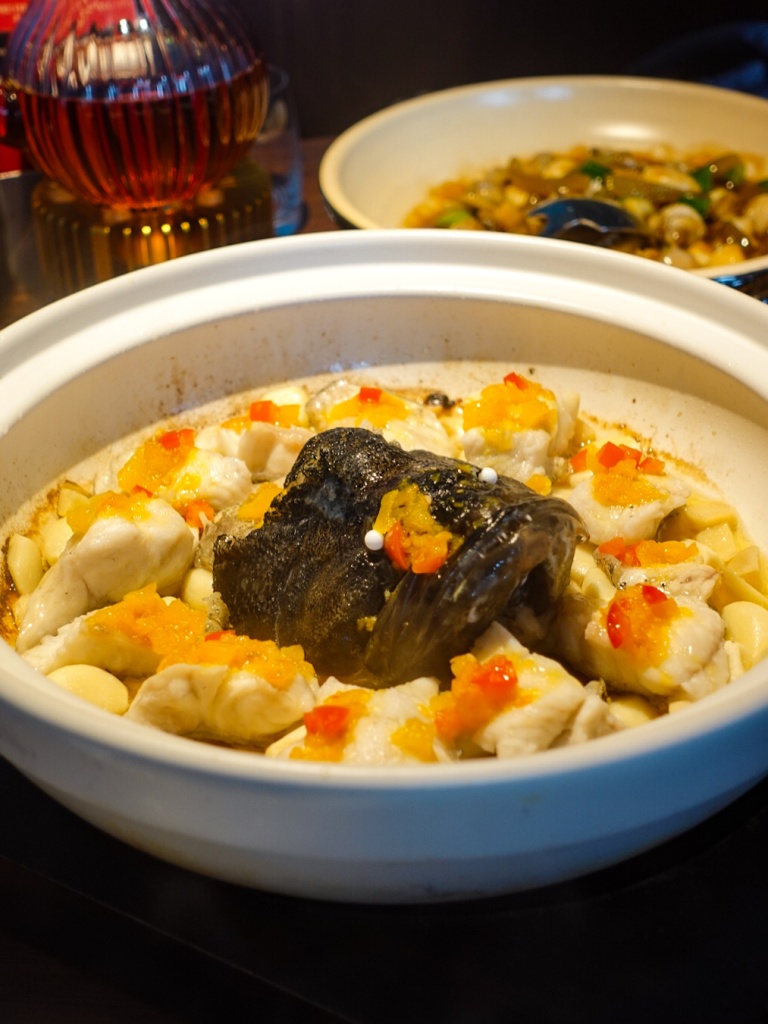
Like the crab, the grouper, too, had a natural sweetness — a clear indication of its quality — while the punchy yellow pepper sauce added a bright, lingering heat without overpowering the fish. It also wasn’t too spicy, thankfully, so non-spice-eating folk should still be able to enjoy this.
We understand that the dish is cooked in a claypot at high heat, which is not only a quick process of about 20 minutes, but one that rids the dish of its fishy odour, resulting in a clean taste that had me going back for seconds, even though I’m not usually one for fish!
If you’re after something more punchy for the table, Linkus’ classics — such as its Fuzhou wine-marinated ribs (from S$17.90) — are a reliable go-to.
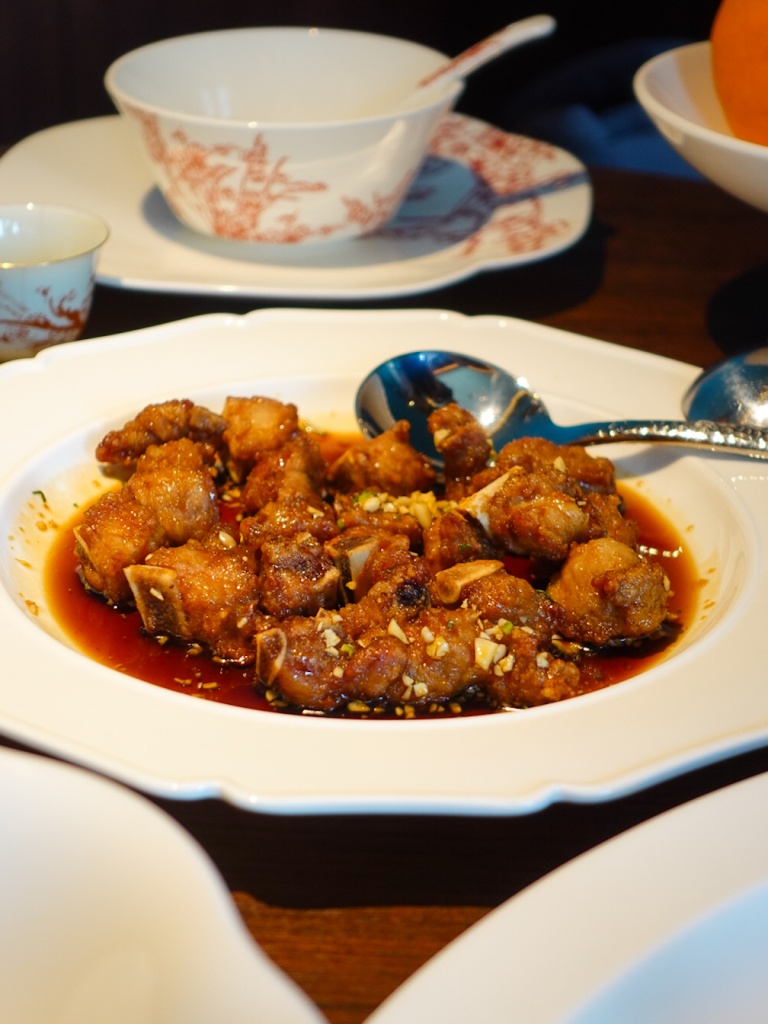
Here, fried spare ribs are tossed in a tangy-sweet sauce enriched with premium Fujian wine. The ribs are cut into bite-sized pieces for easy eating — just watch out for the bones.
The stir-fried Teochew pickled vegetables with octopus (S$28.90) is another flavour-packed option, thanks to the use of both Teochew pickled vegetables and Chaoshan mustard greens.
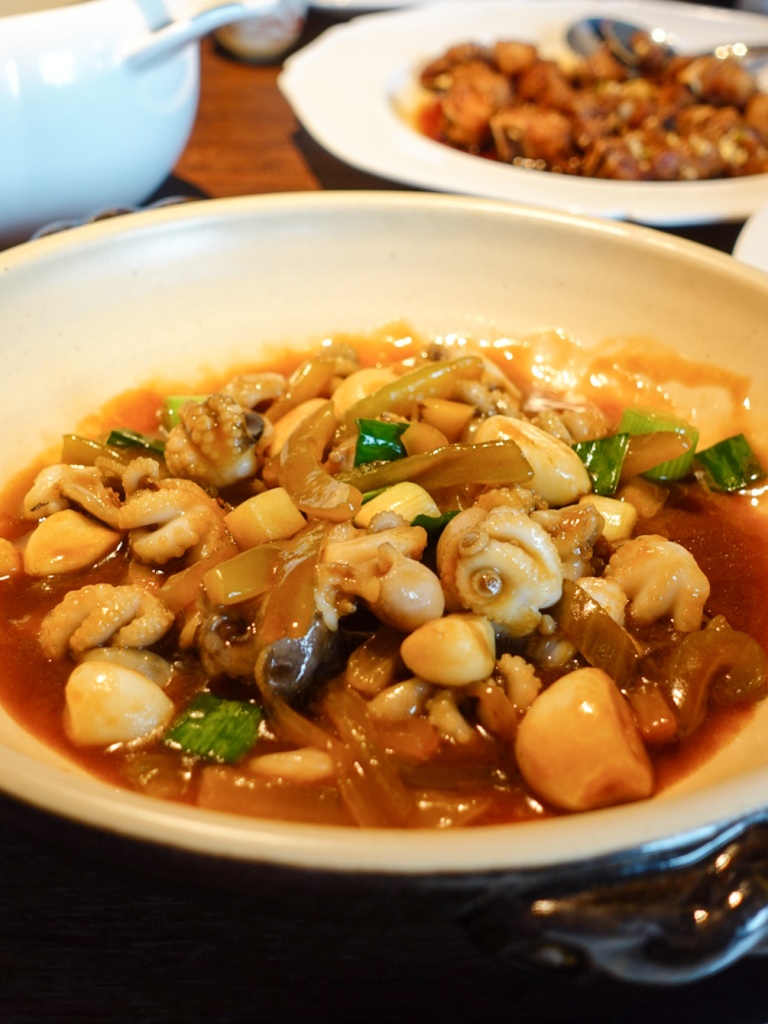
While I usually enjoy pickled vegetables, this leaned quite salty (unsurprisingly, given the ingredients), and is best paired with a plainer carb such as the mixian. That said, the baby octopus is tender and flavourful, which helps balance the dish.
Though we tried a fair number of dishes that afternoon, we barely scratched the surface of Linkus’ extensive menu. I found myself curious about seemingly familiar-sounding plates such as the Xiamen satay seafood (S$39.90) and puff pastry curry Snow beef steak (from S$32.90), but there was only so much we could stomach in one sitting.
Having grown up without much exposure to Minnan or Hokkien fare — my grandmother, who used to cook these dishes, passed away when I was young — Linkus was an eye-opening introduction to Fujian cuisine for me.
For those keen to explore different regional Chinese cuisines, or simply curious about Minnan fare, Linkus makes for a relatively accessible and convenient starting point. (Though the prices are definitely a tad steep, so we’d suggest saving this for special occasions.)
The best part? You don’t have to travel far for it — it’s centrally located at Suntec City — and it’s prominently located on the first floor, too!
This was a hosted tasting.
For more places to dine at Suntec, check out the new viral Noci Bakehouse with the addictive butter tteok rice cakes, and Karii, which serves up Okinawan street food.
Tue 11am - 2.30pm, 5pm - 9.30pm
Wed 11am - 2.30pm, 5pm - 9.30pm
Thu 11am - 2.30pm, 5pm - 9.30pm
Fri 11am - 2.30pm, 5pm - 9.30pm
Sat 11am - 2.30pm, 5pm - 9.30pm
Sun 11am - 2.30pm, 5pm - 9.30pm
- Esplanade
- Promenade






Sarah is constantly seeking out new coffee spots and cocktail bars around the world, and should probably drink more water while at it.
Read more stories from this writer.