[Closed] Ka-Soh: Staying true to tradition while keeping abreast of the times

In an age when eateries open and close in Singapore at a rapid clip, a handful of heritage restaurants have kept the lights on for decades — some of them older than independent Singapore.
In the lead-up to National Day, we speak to the people behind three heritage restaurants here, and ask them what’s kept them successful over the years, how things have changed, and about their hopes and plans.
In our first instalment, we visited Ananda Bhavan, Singapore’s oldest Indian vegetarian restaurant.
This time, we sit down to lunch with Cedric Tang, managing director of Ka-Soh restaurant, who says it’s the taste of its food that has kept customers coming back for decades.
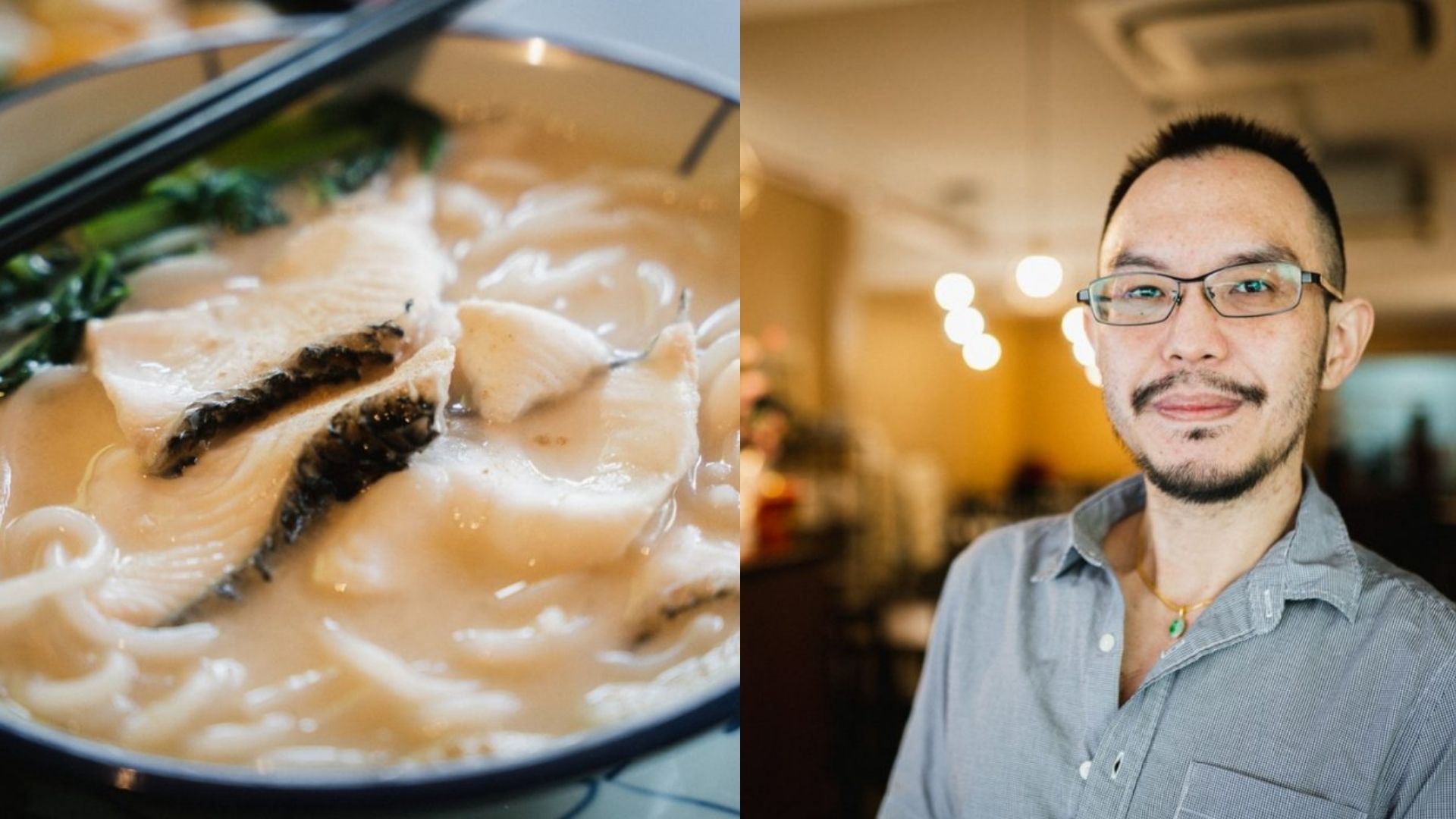
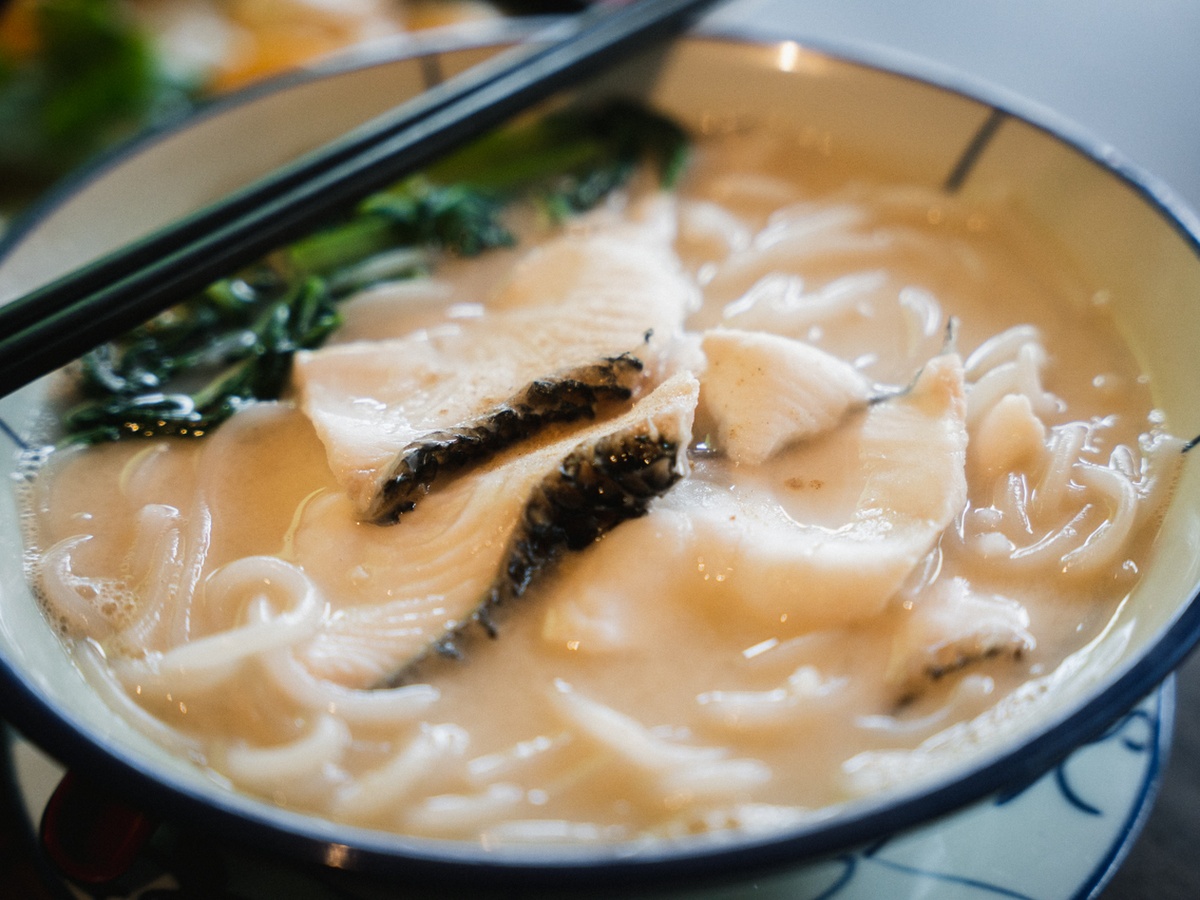
“If I get my taste correct, I don’t have to worry about people not wanting to come back,” the 37-year-old tells us, as we dig into Ka-Soh’s signature fish soup, which has a milky, sweet taste despite not containing milk.
Instead, it boils fish bones for hours to achieve the robust flavour.
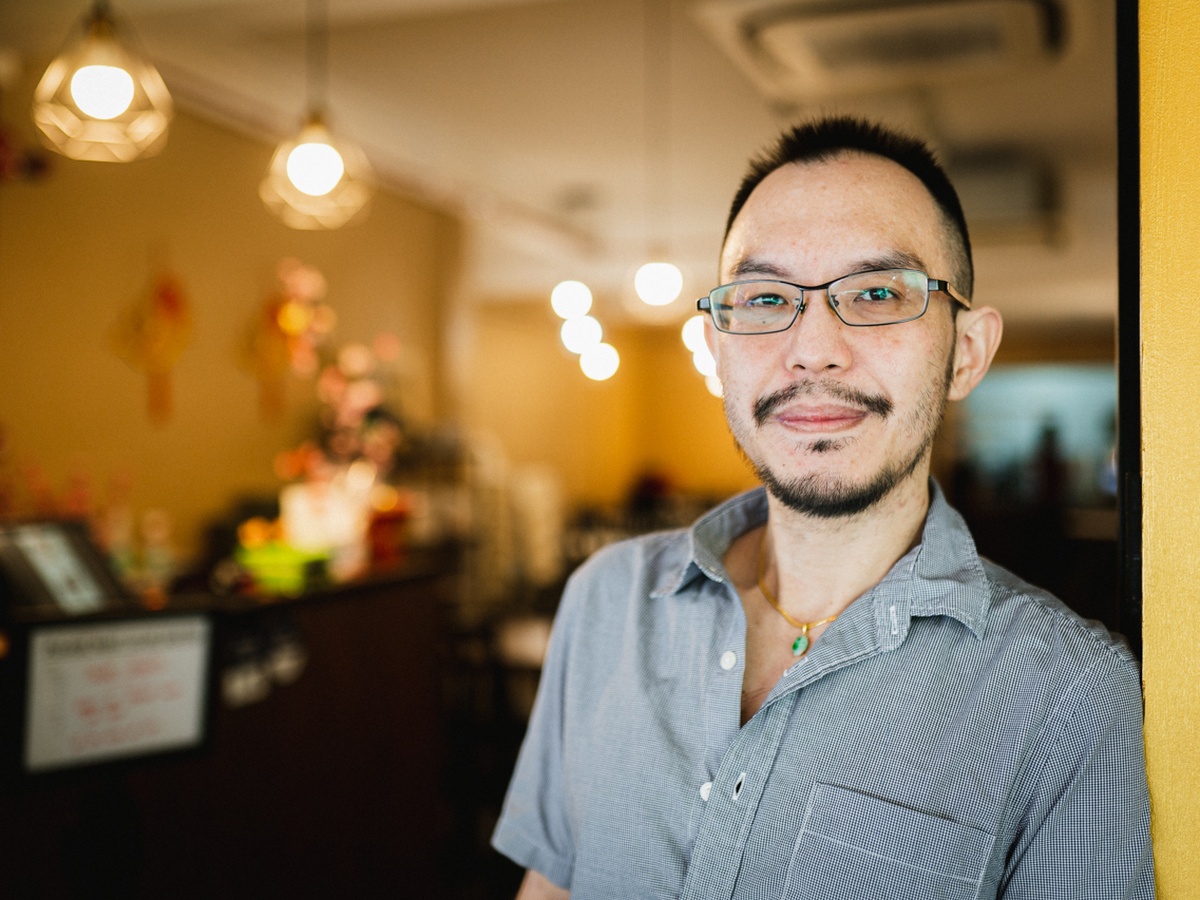
Ka-Soh, which shares its heritage with Swee Kee Eating House, traces its roots back to 1939, when Cedric’s grandfather Tang Kwong Swee dished up fish soup at his first restaurant at Great World Amusement Park (the present-day Great World City).
The older Tang went on to run a roadside hawker stall on Chin Chew Street in Chinatown selling the same dish. He later saved enough to start Swee Kee on the same street.
Cedric says Swee Kee gained popularity in the 1970s and 1980s as Hong Kong celebrities would visit the restaurant after their concerts and filming because it opened till late. Fans visited the restaurant in hopes of spotting their favourite stars.
Swee Kee relocated from Chin Chew Street to Amoy Street in the 1990s.
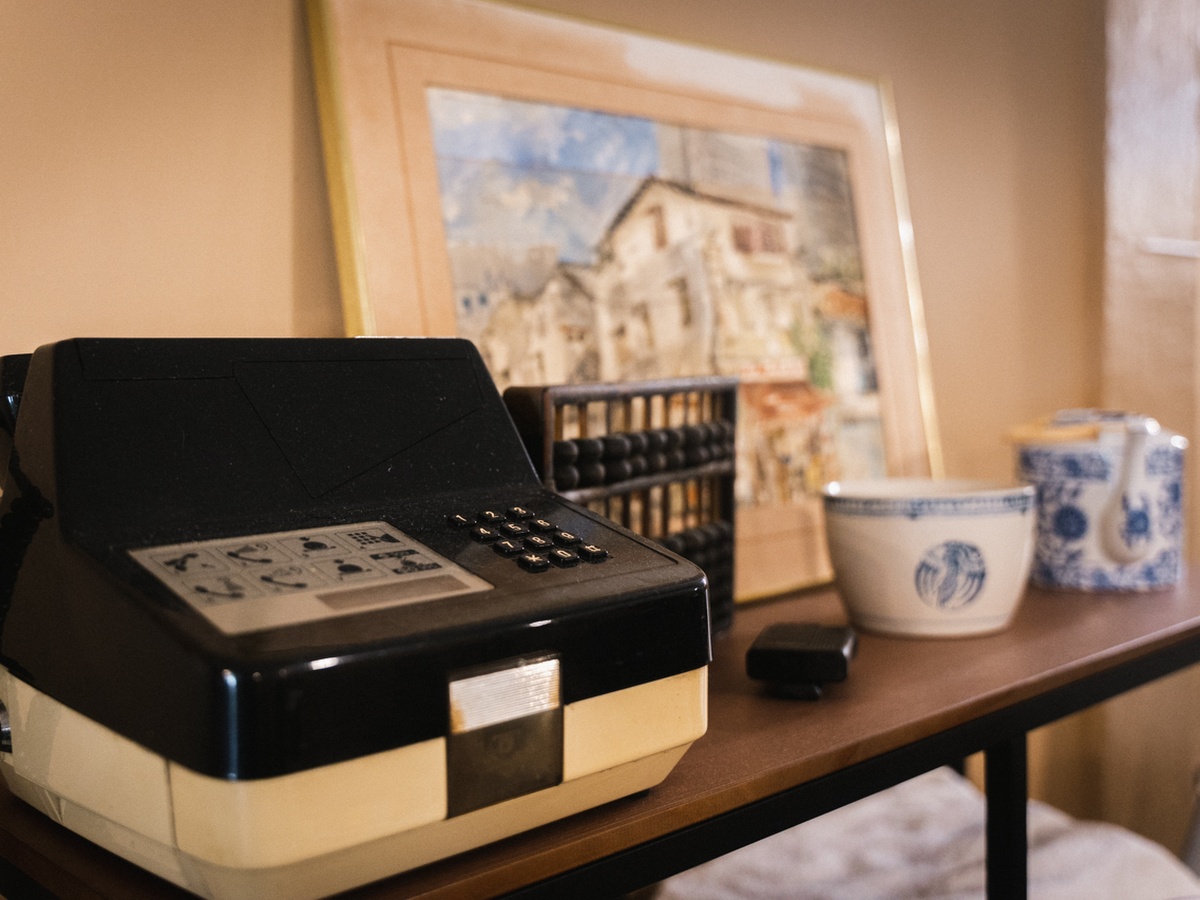
The moniker Ka-Soh came about because a waitress at Swee Kee, known as “Ka-Soh”, had built a reputation for her fiery temper and no-nonsense attitude towards customers. Hence, people started using the term Ka-Soh when they planned to visit the eatery.
Cedric’s father Tang Tat Cheong caught on to this and decided to introduce the brand Ka-Soh in 1995. This was to position it as the premium version of Swee Kee — which at that time was more hawker-style — and introduce more seafood dishes.
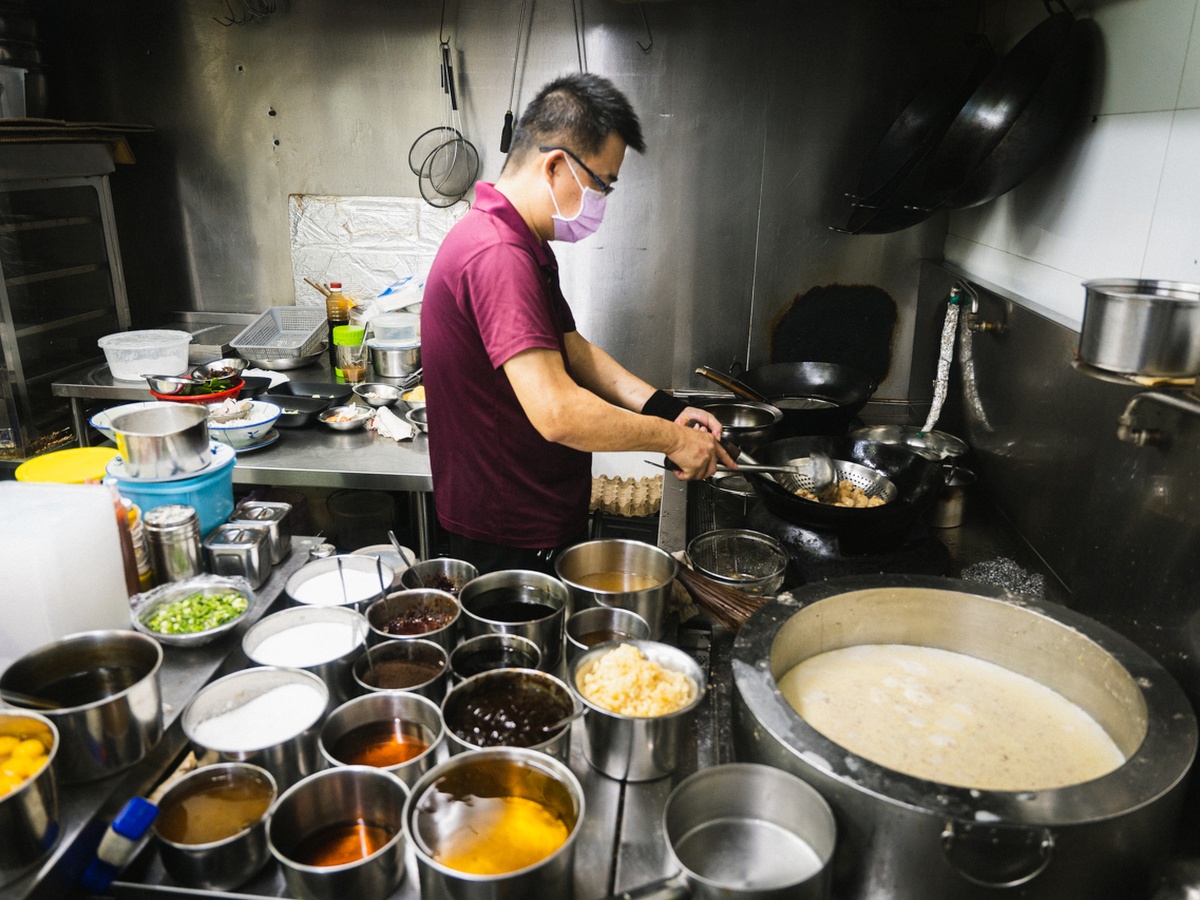
For a long while, Swee Kee and Ka-Soh operated in tandem. Swee Kee faithfully served the Central Business District crowd from its Amoy Street store, while Ka-Soh catered to patrons from its space at Outram’s Alumni Medical Centre, and later, at Greenwood estate.
But the pandemic and manpower issues took a toll on the business. Swee Kee shuttered in 2021, and more recently, Ka-Soh’s Outram store closed last month.
Cedric and his brother Gareth Tang, 39, soldier on.
In the second half of 2021, the brothers pooled their expertise — Cedric in public relations and marketing, and Gareth in IT – to develop a delivery website from scratch.
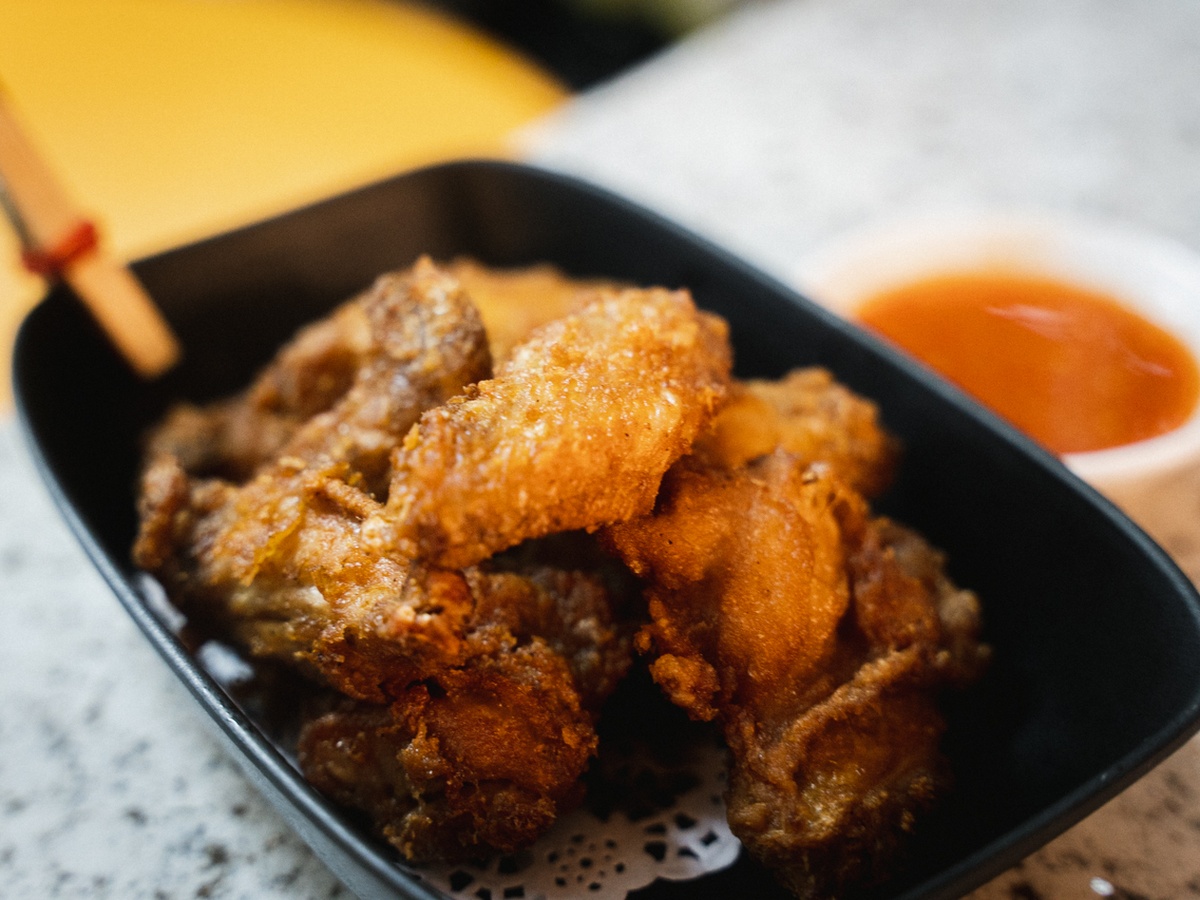
The site sold frozen versions of Ka-Soh’s signature fish soup and other popular dishes, such as pork spare ribs and prawn paste chicken.
In doing so, the brothers wanted to not only bring Ka-Soh’s comfort food to people in their homes, but reach out to others who may not have heard of Swee Kee or Ka-Soh.
“We were lucky… that people were familiar with our brand. The thing about our brand is that we don’t have to do too crazy things. We just need to remind people that we’re still here,” Cedric says.
Since he entered the business full-time in 2018, Cedric added two dishes to Ka-Soh’s menu — pork lard fried rice, which was served exclusively at its now-shuttered Outram branch, and prawn noodle soup, a spin on its regular fish soup.
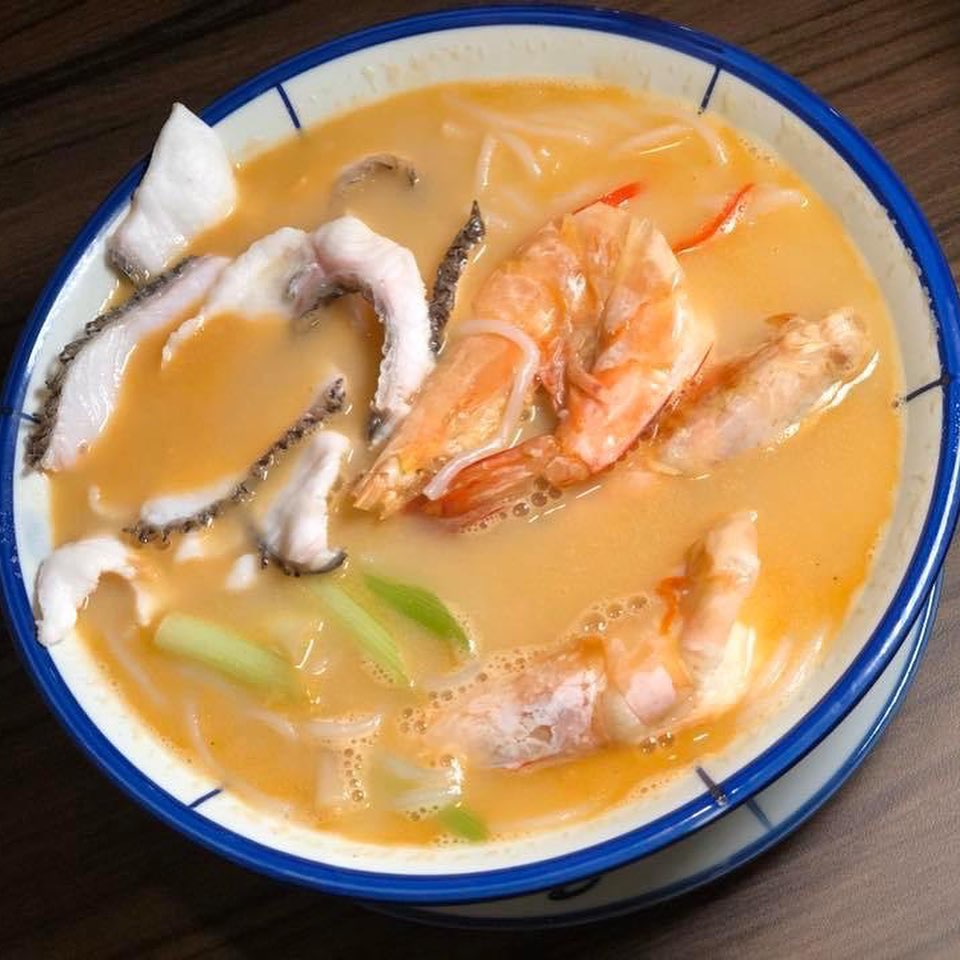
Ka-Soh is recalibrating its resources after the recent closure of its Outram branch and has paused the sale of its frozen items and pork lard fried rice for the time being. Cedric is optimistic, though, that he’ll bring both items back soon enough.
He hopes fish soup will someday be recognised as an iconic Singaporean dish, joining the ranks of other Singapore delights such as chicken rice.
In the meantime, he wants people to continue remembering Ka-Soh for its food: “I hope people will like the food that we serve.”
For other stories of heritage restaurants in Singapore, check out our interview with the third-generation of Ananda Bhavan, Singapore’s oldest Indian vegetarian restaurant.

Sarah is constantly seeking out new coffee spots and cocktail bars around the world, and should probably drink more water while at it.
Read more stories from this writer.