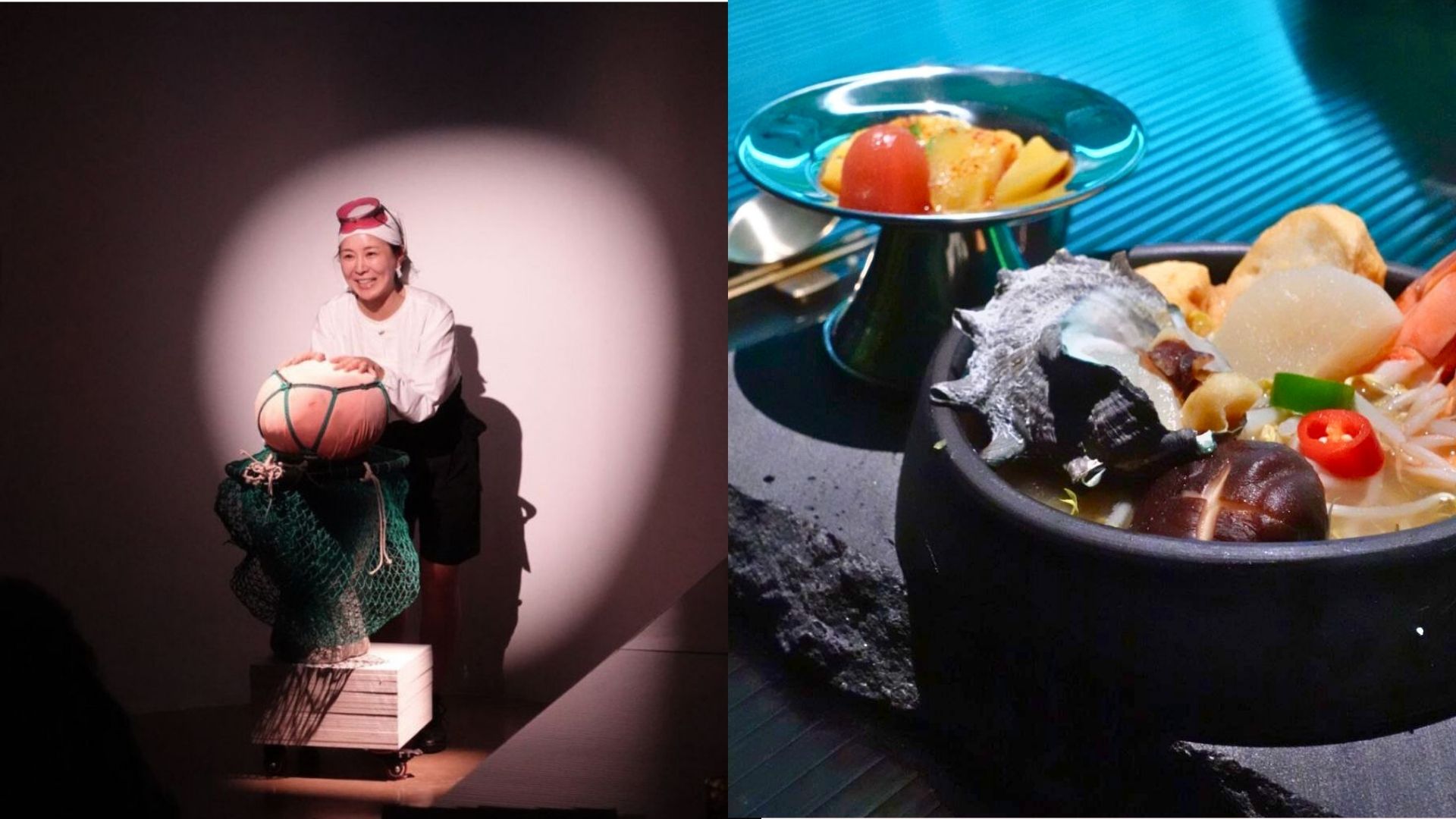
Jeju Haenyeo Singapore is an immersive dining experience, complete with unique Jeju produce & dishes

I remember the first time I found out about the women divers of Jeju, known as haenyeo — it was during a weekend trip to Jeju during my exchange semester in Korea, when we visited the Seongsan Ilchubong, the island’s famous sunrise peak.
As we descended the now-dormant volcano, we caught a glimpse of these legendary women of the sea, which is what “haenyeo” translates to, hawking their fresh catch.
These women are said to dive to depths of 20m, and hold their breath for up to two minutes under water — all without breathing equipment.
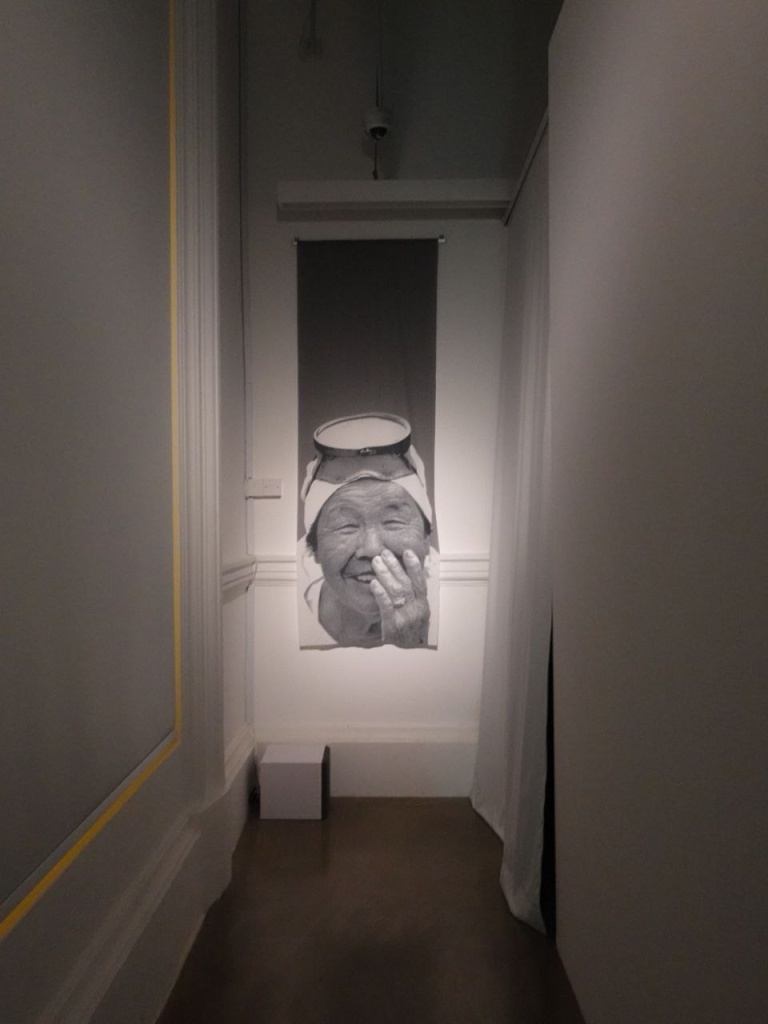
You may have heard of the term in recent years, thanks to the popularity of Korean dramas set in Jeju, such as When Life Gives You Tangerines, Welcome to Samdalri and Our Blues. But the real lived experiences of haenyeos are often more elusive, and often gated by language differences.
Up until a Jeju-born dining experience hit our shores just last month, that is.
Helmed by Kim Ha-won, 34, a Jeju native who grew up with haenyeos in her family, including her grandmother and aunts, the concept first began in Jeju in 2019 as Haenyeo Kitchen.
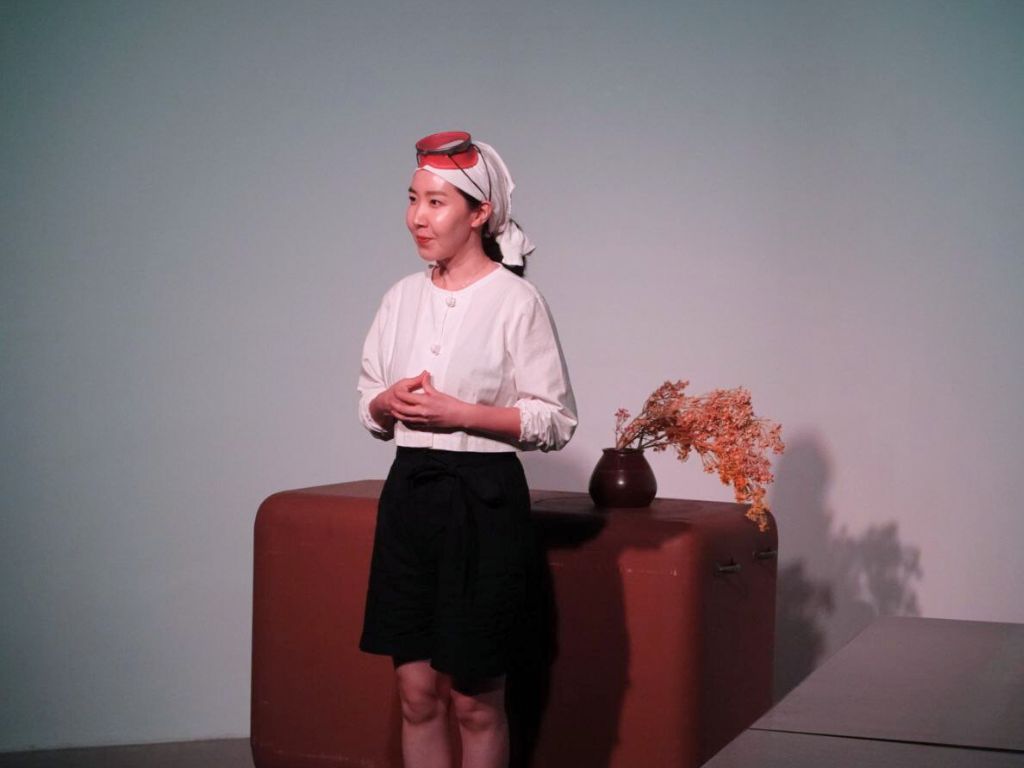
Having majored in acting in university, Ha-won decided to weave together a dining performance about the trade, while serving up dishes made with their very own catch.
Today, the experience spans two locations in Jeju — at Jongdal and Bukchon. The former is a more theatrical one featuring an actual haenyeo herself telling stories, while the latter is more digital art-driven. Most recently, she’s launched one in Singapore, too.
When asked why she decided to bring her island experience to ours, Ha-won says: “Singapore, with its openness to new culinary and cultural experiences, was the most fitting place to begin Haenyeo Kitchen’s global journey.”

Experience Jeju in the comfort of The Arts House
Ha-won tells us that the Singapore edition, known simply as Jeju Haenyeo, is a completely newly created experience — perhaps because it is the first time it’s been held overseas.
The Jeju ones focus on the haenyeo and young artists, while the Singapore version “goes beyond the divers themselves, to explore the broader stories, emotions, and sensibilities of Jeju”. It has reimagined elements, such as its spatial design, to help the local audience better connect with the story.
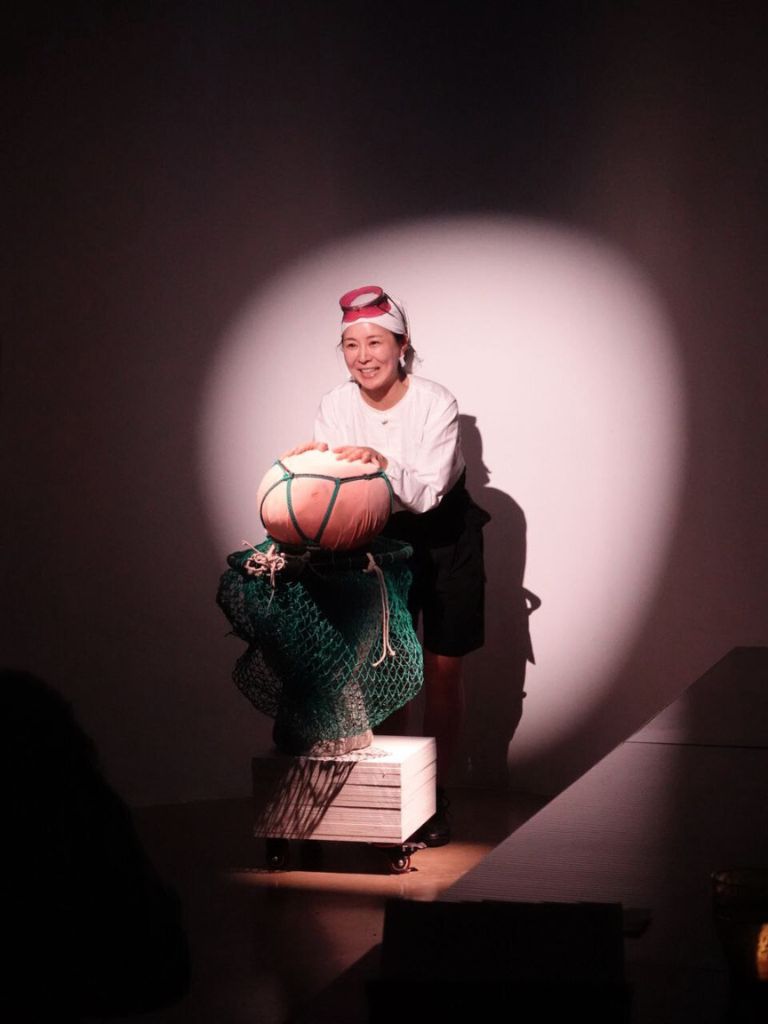
Here, the stories of Jeju and the haenyeo are told through a multi-course meal that spans the four seasons, as experienced on Jeju, completed with digital art projections, videos, and performances.
The two-hour Jeju Haenyeo experience takes place over two seatings (5pm and 7.45pm) in the evening, from Wednesday to Sunday, and costs S$148 per diner.
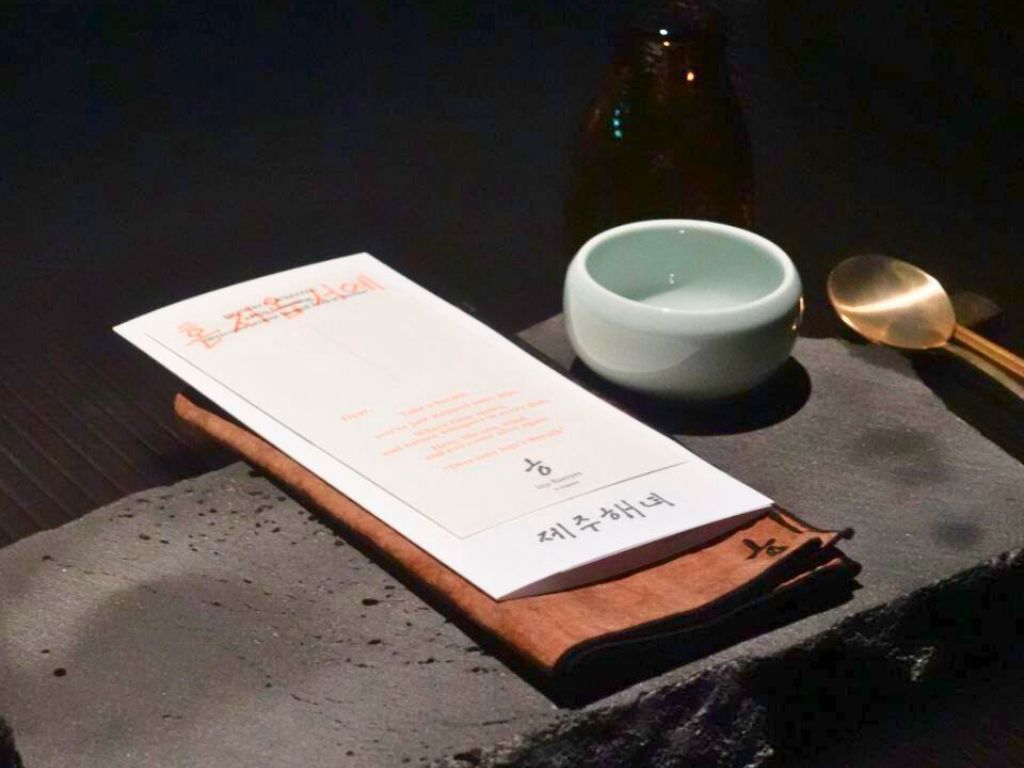
Ha-won adds that the food has also been “thoughtfully adapted to fit Singapore’s dining culture”, with ingredients freshly flown in directly from Jeju twice a week.
Given that the produce used is seasonal and flown in fresh, the menu may change. The crew does post a snippet of it on the experience’s website ahead of time, if you’re not a fan of going in blind.
As someone who has visited the island several times, the Jeju Haenyeo Singapore version felt like a nostalgic recap of the idyllic paradise I’d come to know and love.
Through the lens of someone who might not know much about Jeju or has even a slight curiosity, it’s a gentle deep-dive, especially into the world of the sea women.
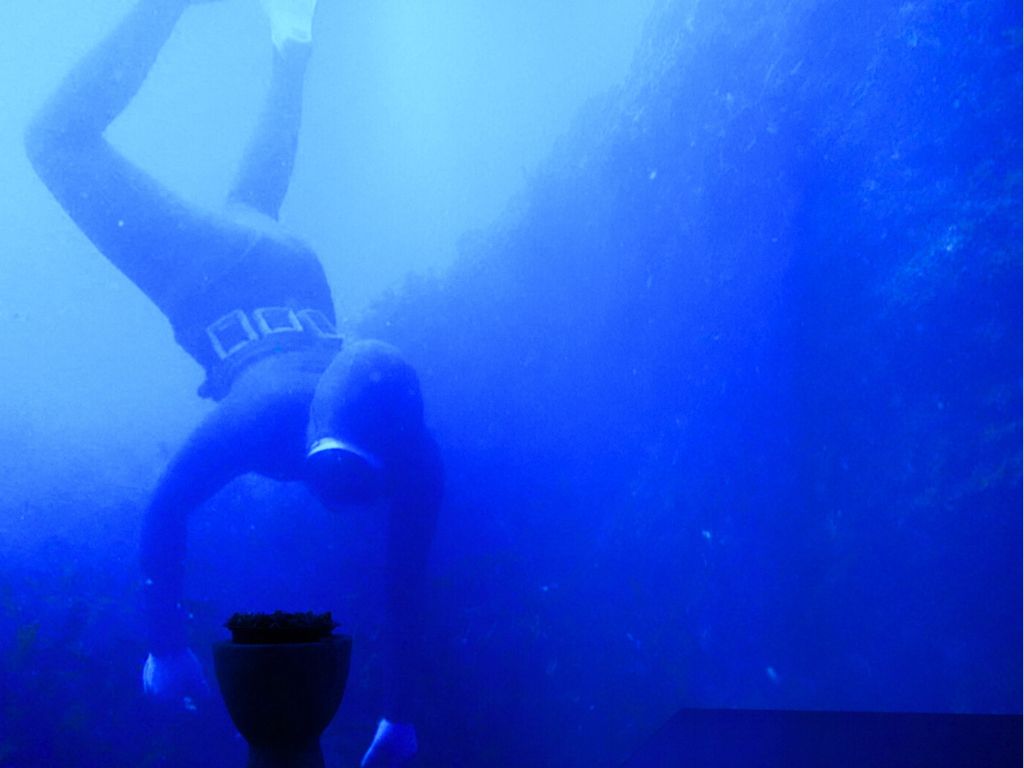
From within a small space at The Art House’s Annex building, Ha-won and her small crew manage to recreate the feeling of being in Jeju, through visuals, sound, and interactive moments.
The changing digital projections signal the turn of the seasons — an immersive touch that really takes you to the world of the haenyeos. (It also helps that the room used was somehow quite cold on the day we visited).
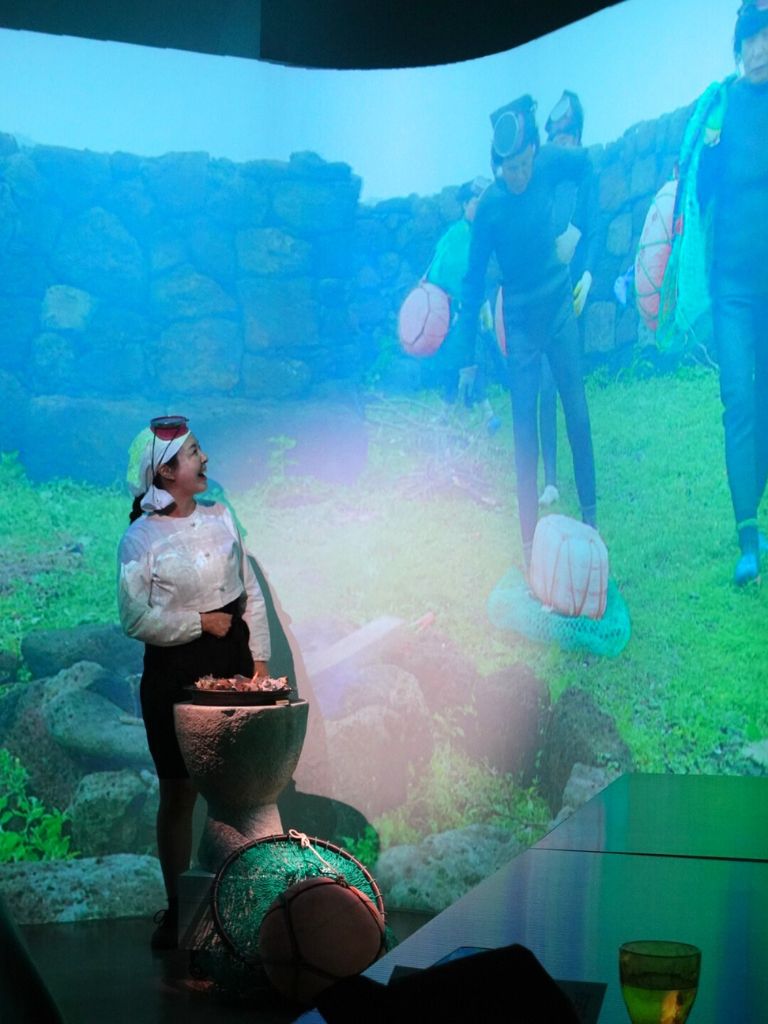
Everything feels intimately curated, whether it’s exploring its scenic attractions, walking through a field of canola flowers, or just sitting around a fire (known as a “bulteok” in Korean) after a dive, while digging into dishes from their island.
It very much feels like a friend showing you photos and moments from her favourite travels, and doesn’t feel like a commercial product, as some immersive experiences can often be.
Trying dishes and produce from Jeju
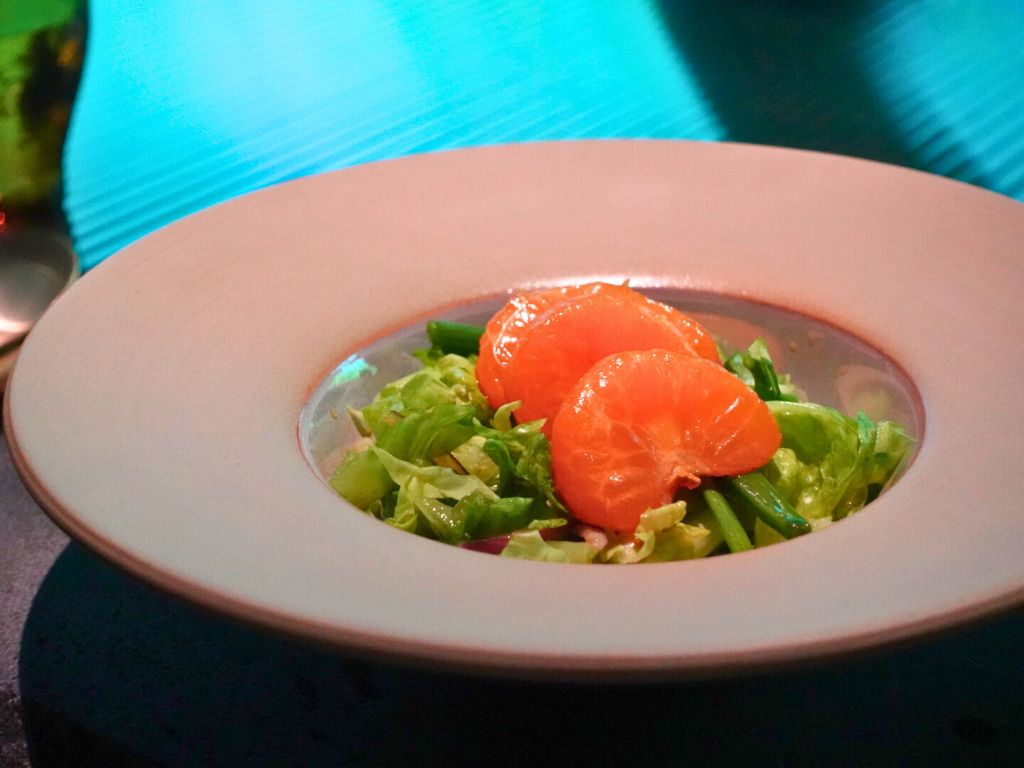
Most of the dishes served are unique to the island, or have ingredients from there, such as the tangerine geotjeori, a Jeju-style kimchi that features crisp vegetables and fresh tangerines. As someone who loves geotjori (fresh kimchi), this combination was nothing short of refreshing.
There’s also the Jeju-style seafood stew with bbulsora (a type of sea snail), a signature seafood that is often brought in by the haenyeos and the Jeju fish-sauce abalone salad, featuring its crunchy abalone.

But what truly made us feel like we were dining at a new Jeju friend’s nook, was the Jeju traditional hansangcharim, which refers to a communal table filled with side dishes, rice, soup, and a main dish.
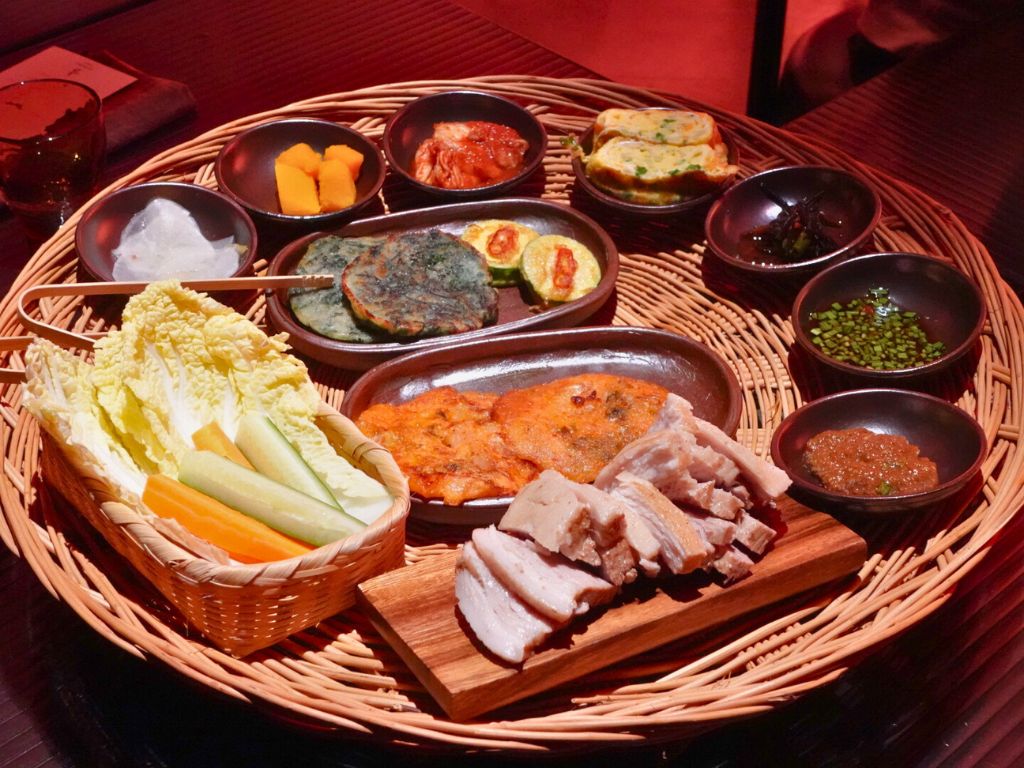
We dug into assorted Korean pancakes, doenjang (soybean paste) soup, grilled tilefish (a fish freshly caught in Jeju waters), and the highlight — a juicy, tender serving of dombe pork, while the performers-slash-servers played their instruments in a celebratory, communal mood.
Dombe pork is a signature Jeju dish of sliced boiled pork, often served on a dombe (wooden cutting board in Jeju dialect), which gives it its name.
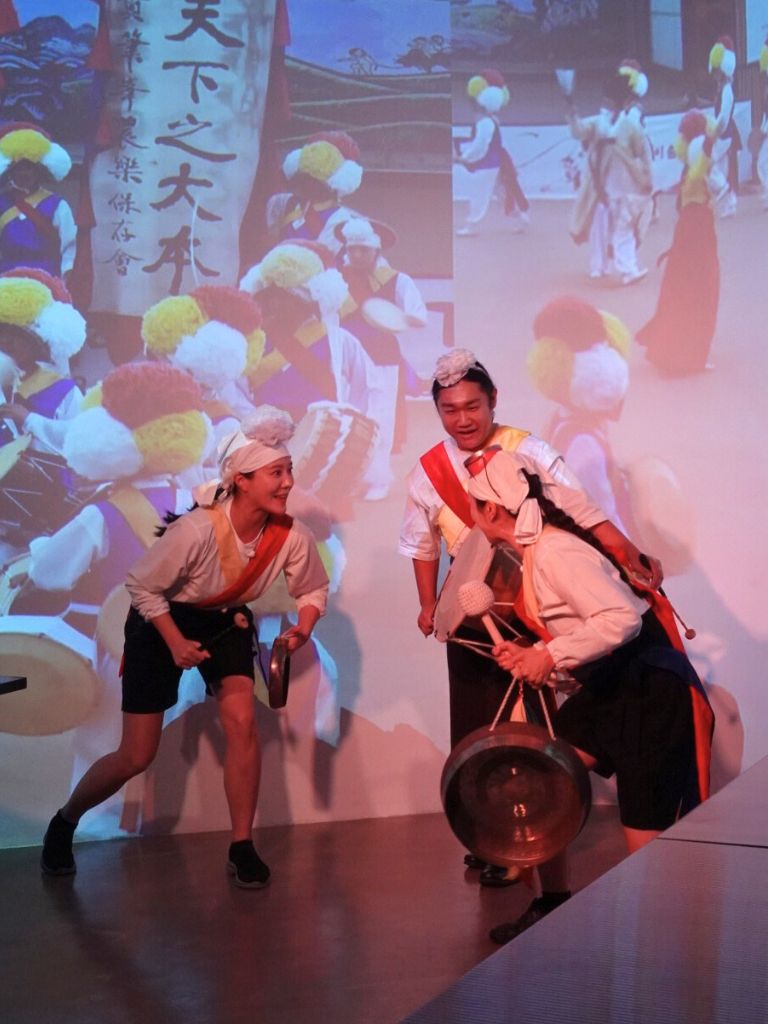
While the pork did have a meaty smell when it was first dished out to us, the taste was surprisingly clean, and even though it came with a thick layer of fat, it didn’t feel the least bit cloying.
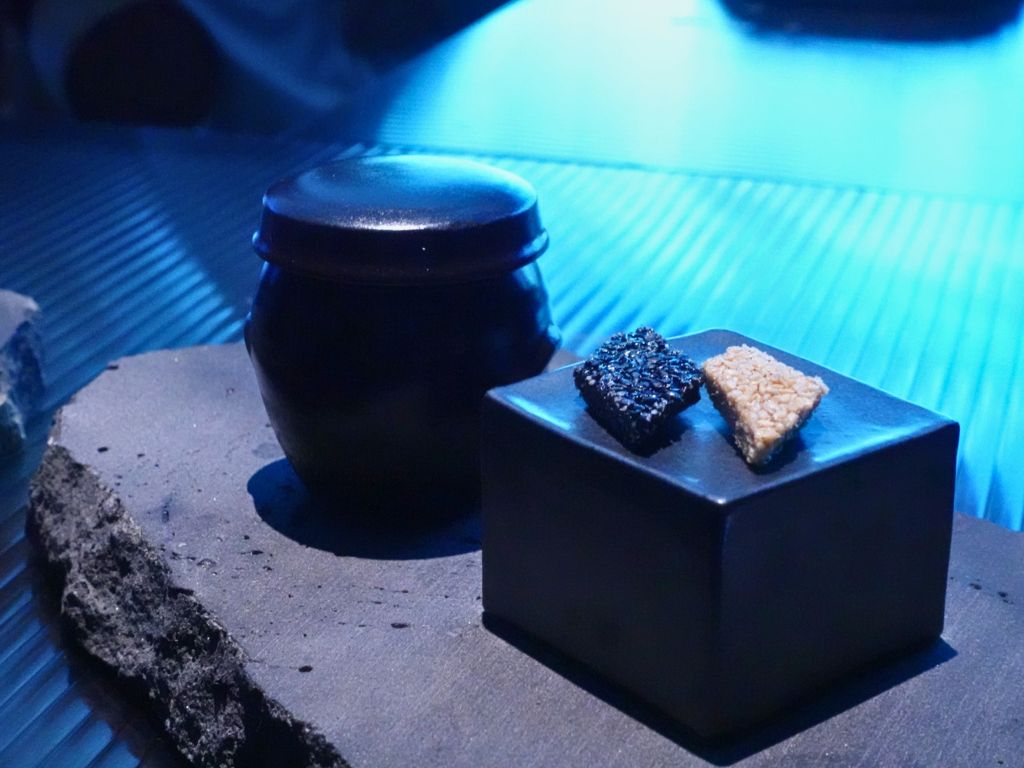
The meal ends with shindari, a traditional fermented rice beverage that’s slightly fizzy but non-alcoholic, and some cookies.
So is it worth shelling out money for?
If you’re looking at it purely for its food offerings, S$148 is genuinely quite pricey. And especially so, if you consider that the Haenyeo Kitchen experiences in Jeju don’t cost more than 69,000krw (or approximately S$62). The price is also what most one-starred Michelin restaurants would charge in Singapore.
The food, while homely and authentic, isn’t mind-blowingly delicious.
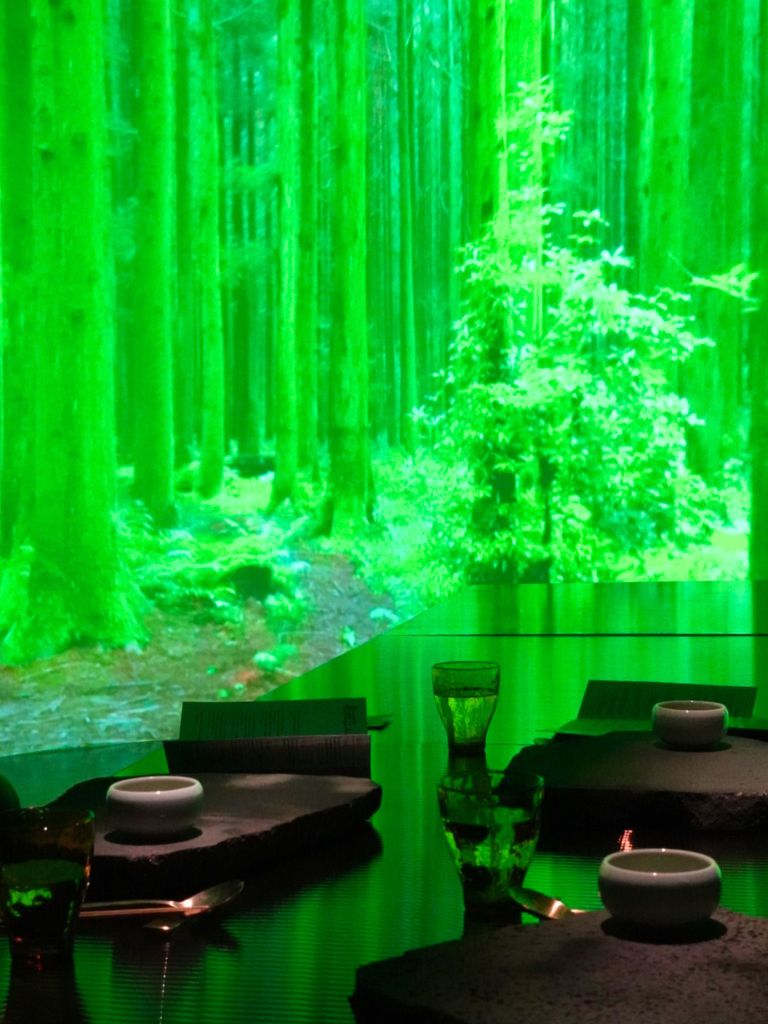
But the Jeju Haenyeo Singapore experience is more than just a dining experience — there’s history, culture, art, and performance all woven into a two-hour sitting.
It’s not just dinner — it’s a show, too.
Add freshly flown-in ingredients into the mix — right down to the sauces — and the fact that the dishes are crafted from authentic, time-honed recipes, the S$148 makes a whole lot more sense.

If that’s too hefty a sum for your evening, you’d be glad to know that Ha-won has plans to open up an outdoor Jeju-style market-inspired cafe with some light bites, at the al fresco space next to the experience.
While the details are being finetuned, the team looks set to open this by January.
There, you can look forward to charong lunch boxes (a Jeju speciality, with “charong” referring to the woven boxes the meals came in) and traditional Jeju desserts in the day, and Jeju-inspired drinks and small plates, complete with a breezy, lounge-like setting in the evening.
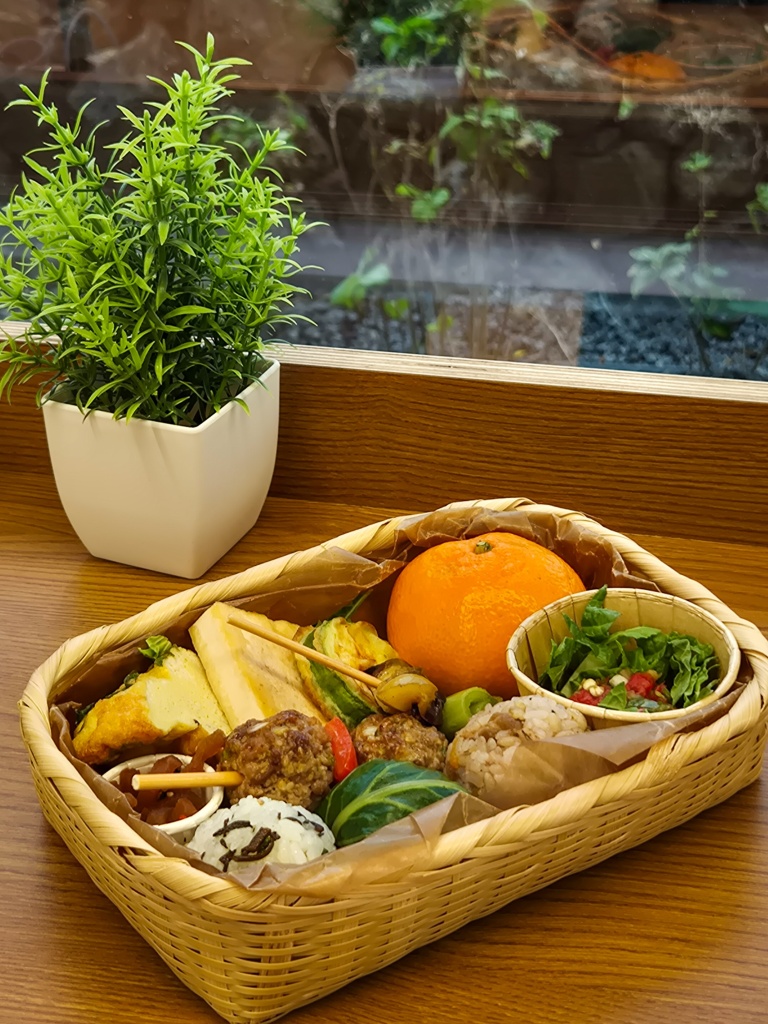
And if you’re in two minds about booking the Jeju Haenyeo Singapore experience, take heart that you’ll have some time to mull it over — Ha-won says it is a long-term, ongoing project that will evolve seasonally, with no fixed end-date in mind.
But if you’ve always been curious about Jeju and its legendary women divers, then hit that reserve button on its website — it’ll be an enriching one, for sure.
This was a hosted tasting.
For more new Korean spots around town, check out Gochu, a K-BBQ spot with cave-themed interiors, and Gwanghwamun Mijin, a Michelin-approved concept that recently landed in Singapore.
Thu 5pm, 7.45pm
Fri 5pm, 7.45pm
Sat 5pm, 7.45pm
Sun 5pm, 7.45pm
- Raffles Place



Sarah is constantly seeking out new coffee spots and cocktail bars around the world, and should probably drink more water while at it.
Read more stories from this writer.