Tara Na!: Former home-based Muslim-owned Filipino business finds home at Punggol East Container Park

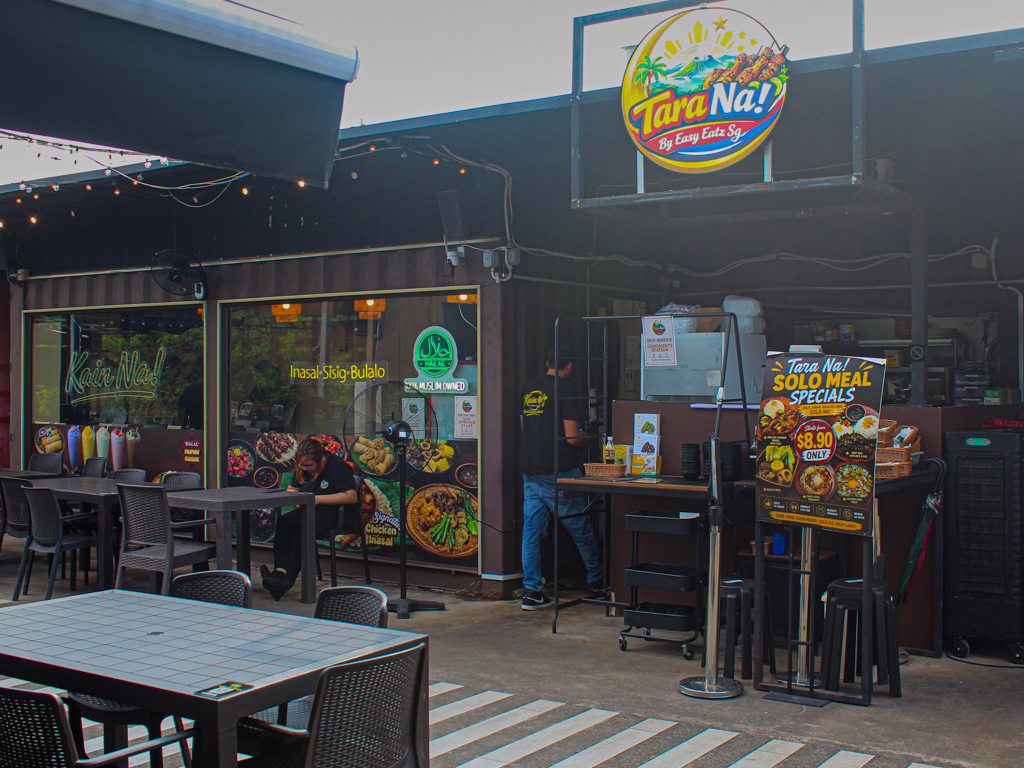
Tara Na! By Easy Eatz is not exactly the easiest place to stumble upon. The Filipino Muslim-owned eatery sits at Punggol East Container Park, situated beside The Smok Hous Barbecue.
Yet, come night, the location doesn’t seem to stop people from making the trip. On some evenings, the queue stretches to the back of the park. Today, the restaurant can seat up to 110 people.
If you choose to come from Thursday to Saturday, you’ll enjoy live band performances in the area, too.
More recently, Tara Na has started getting attention online, thanks to its delicious-looking Filipino dishes that have been making their rounds on social media.
Home-based beginnings
It’s a far cry from where Tara Na started.
Irene (Nurnisa) Jonson, 34, first came to Singapore in 2010 for a university on-the-job training programme, where she met her husband, Imran Gazali, 37. The pair worked together from 2010 to 2016, before Irene moved on to other roles, including stints at Hei Sushi.
The couple had already tried their hand at running a business together in 2015, when they opened a Filipino-Malay food concept. It eventually closed, and Imran later left cooking to pursue engineering.
He eventually found his way back to the kitchen, though.
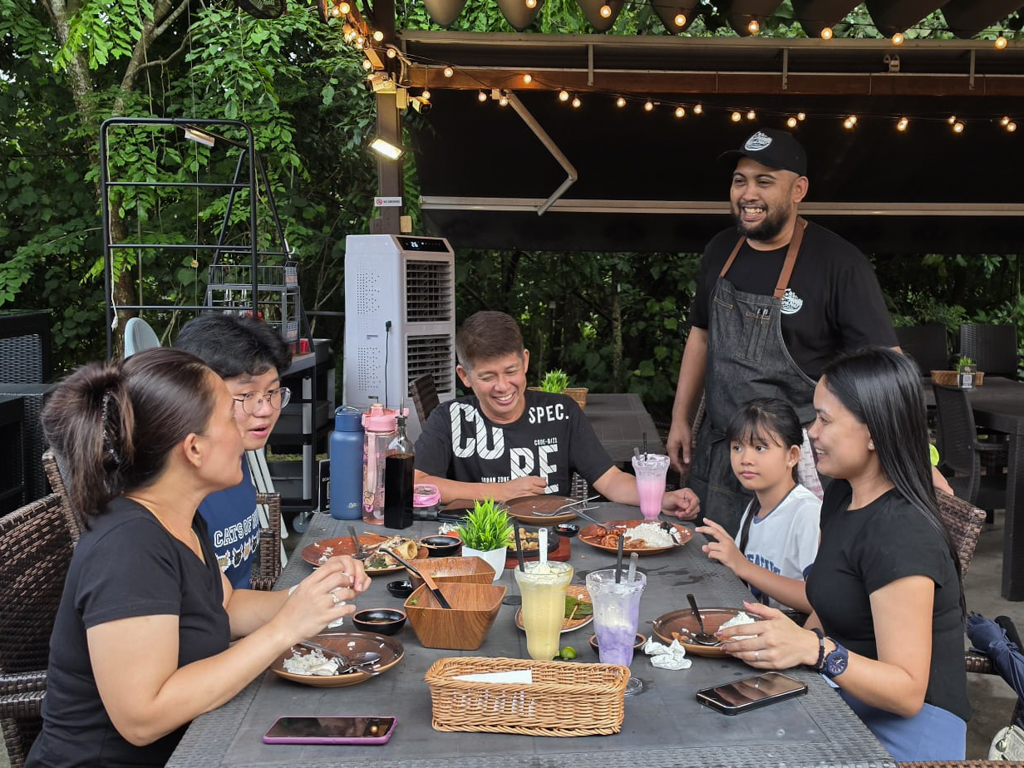
When Imran started cooking Filipino food again, he wasn’t fully convinced that what he was making was enough. Irene, however, encouraged him to put it out there.
Irene is quick to credit him for what the business has become. “He’s my inspiration,” she says of her husband. She says he is “behind all this” — the one who keeps working hard in the kitchen and constantly tries to improve the food.
Imran’s relationship with cooking goes back much further. He started cooking at the age of nine, inspired by his mother preparing and selling packed meals for the family.
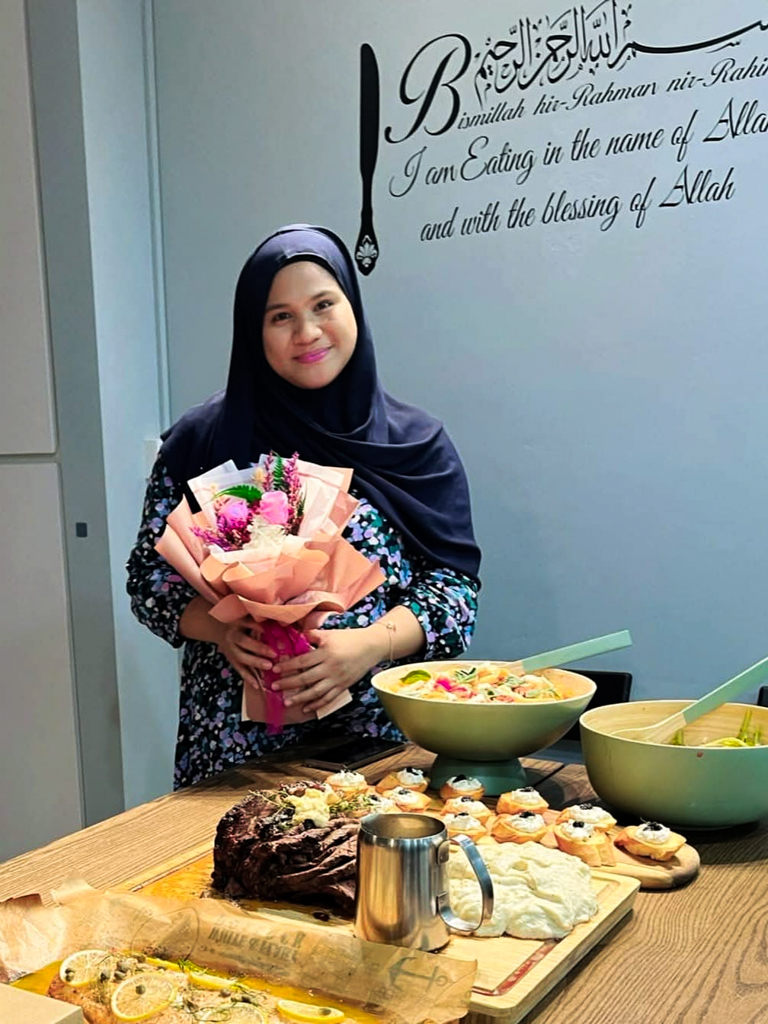
For Irene, it was a matter of giving it another shot. “Why not?” she says. “At least we tried, even if it fails.”
In 2020, the couple started Easy Eatz SG, taking orders from home and gradually building a community of regulars. Irene began marketing the food online, while Imran continued working in the kitchen.
Over the next six years, the home-based business grew through word of mouth and orders from customers who kept coming back.
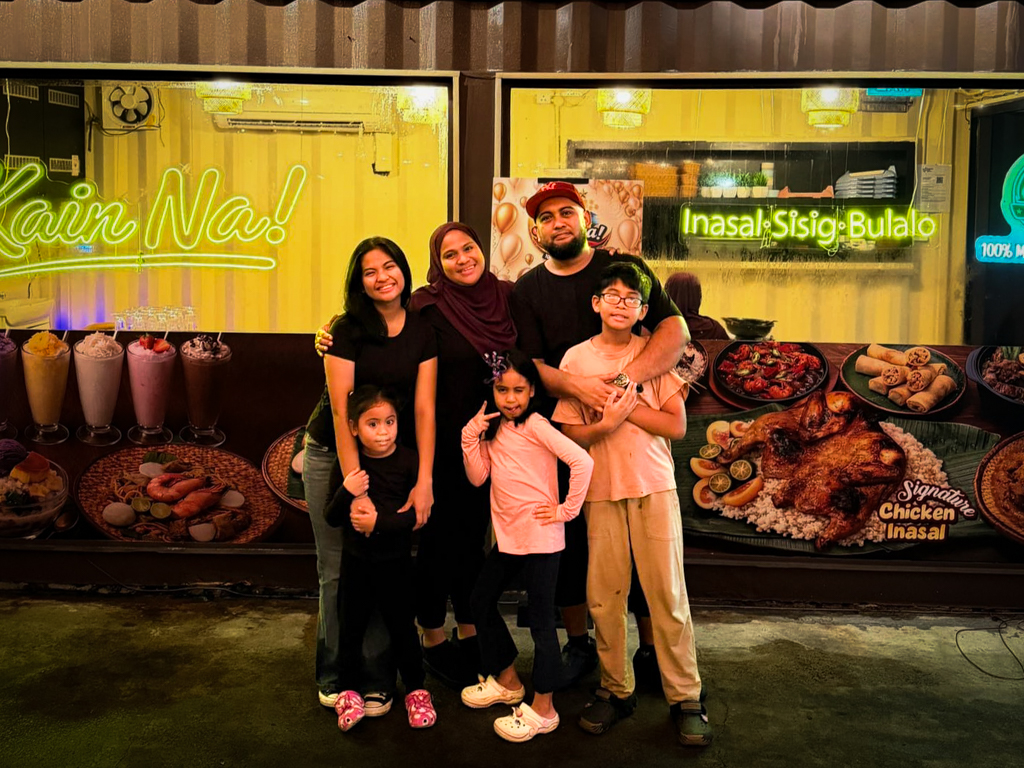
Eventually, there was an opportunity to take Easy Eatz beyond their home kitchen. The family opened their first physical store at Punggol East Container Park in May this year, and named it Tara Na! — a phrase in Tagalog that means “Let’s go!”.
This gave the family more space to serve their growing customer base.
The Easy Eatz name, however, stayed. The founders wanted to keep it for the community that had supported them since those early home-based days.
Filipino food for the Singapore community
Irene says their food is meant to cater to local tastes.
The dishes aren’t made overly sour or salty, making them more approachable for Singaporeans, while still retaining the Filipino flavours they want to share.
This balance has also come from years of listening to customers. During their home-based days, Irene says they took orders through GrabFood and received feedback from customers along the way, taking note of what people liked and what they thought could be improved on.
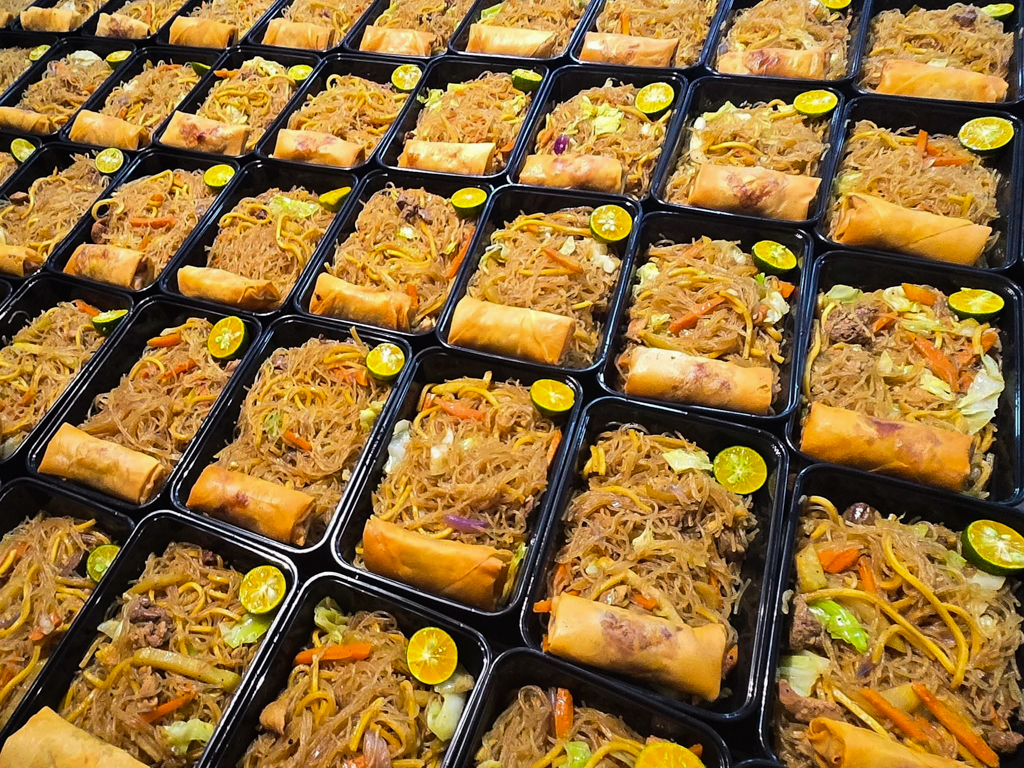
And perhaps, that’s why the crowds at Tara Na feel particularly meaningful. Many of the people who ordered from Easy Eatz in its home-based days have followed them to Punggol.
The physical restaurant is new, but the community around it isn’t.
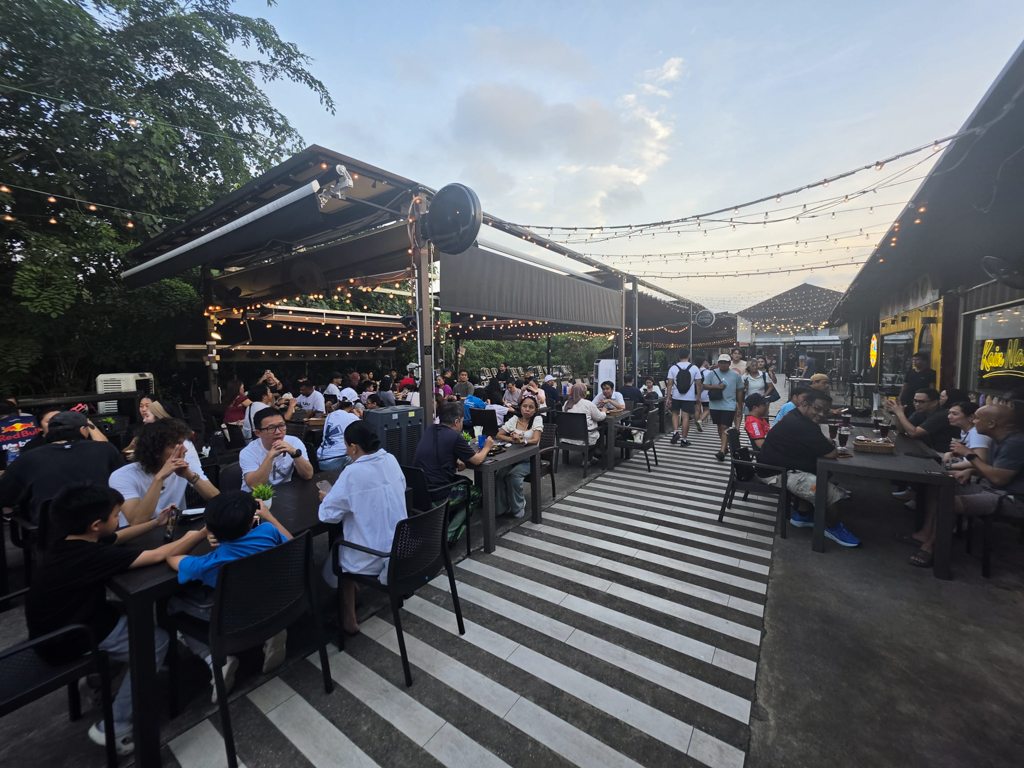
Muslim-owned Filipino food remains a relatively small scene in Singapore, which makes places like Tara Na all the more important.
Alongside other Muslim-friendly Filipino eateries such as Nanay’s Kitchen and Lucky Cafe, Tara Na is part of a small group giving the Filipino-Muslim community more places to find food that reflects their culture and dietary needs.
For Irene and Imran, it’s also about seeing how far they can take something they’ve already spent years building — and after six years of being home-based, finally having a place of their own.
Food I’d come back for
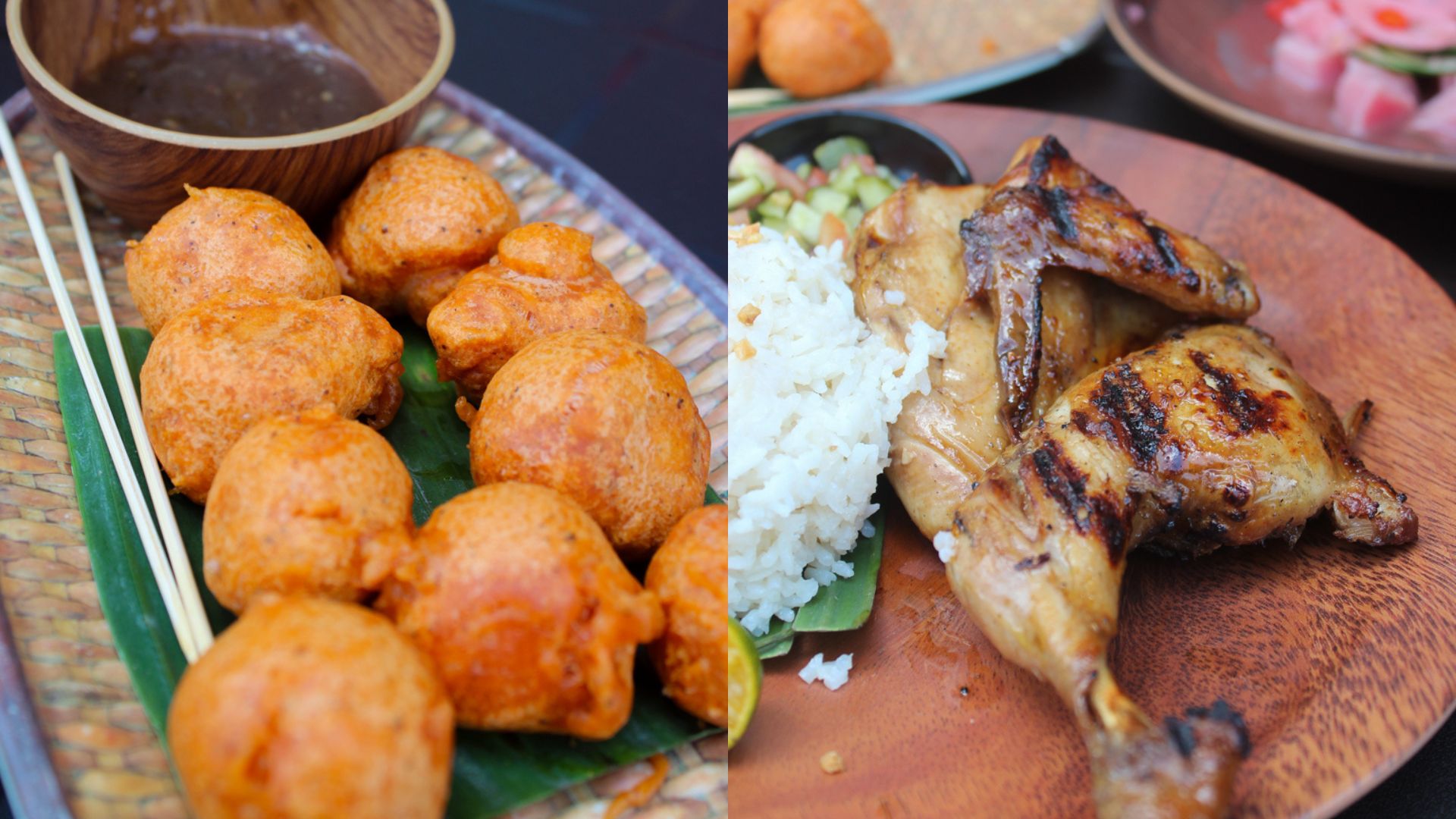
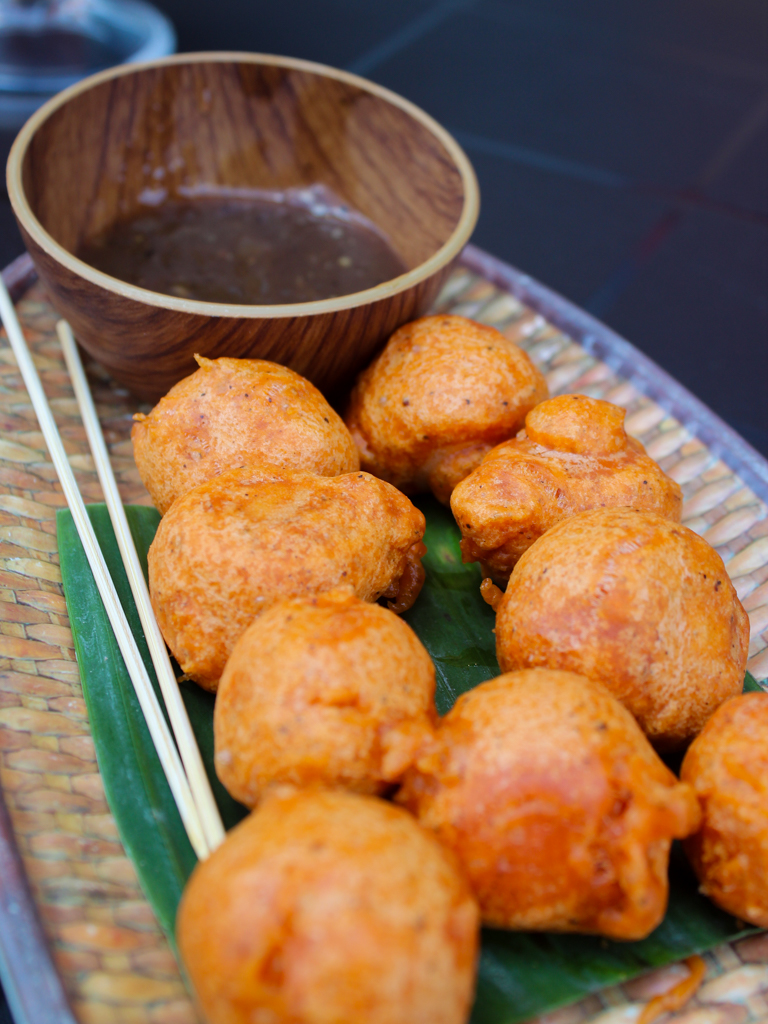
For something more snackable, there’s qwek qwek (six pieces for S$6.50) — fried quail eggs coated in a light batter and served with a vinegar dip. It’s not something you’ll find at many places in Singapore, and makes for an easy snack between dishes.
The vinegar dip is especially good, with enough tang to cut through the fried batter.
Another Filipino street food staple that’s offered is the fishball & kikiam, otherwise known as keropok lekor (S$6.50). Filipino fishballs are quite different from the bouncy, springy fishballs we’re more used to in Singapore — they are flatter and have a more savoury, fish-forward flavour.
The kikiam comes out fresh and hot, with a soft, easy-to-eat texture. I’d definitely get this if it’s your first time trying Filipino street food.
The manong sauce, a sweet dipping sauce commonly served with Filipino street food, deserves a mention, too. It’s sweet and goes really well with the fried snacks — we found ourselves dipping, dipping, and dipping.
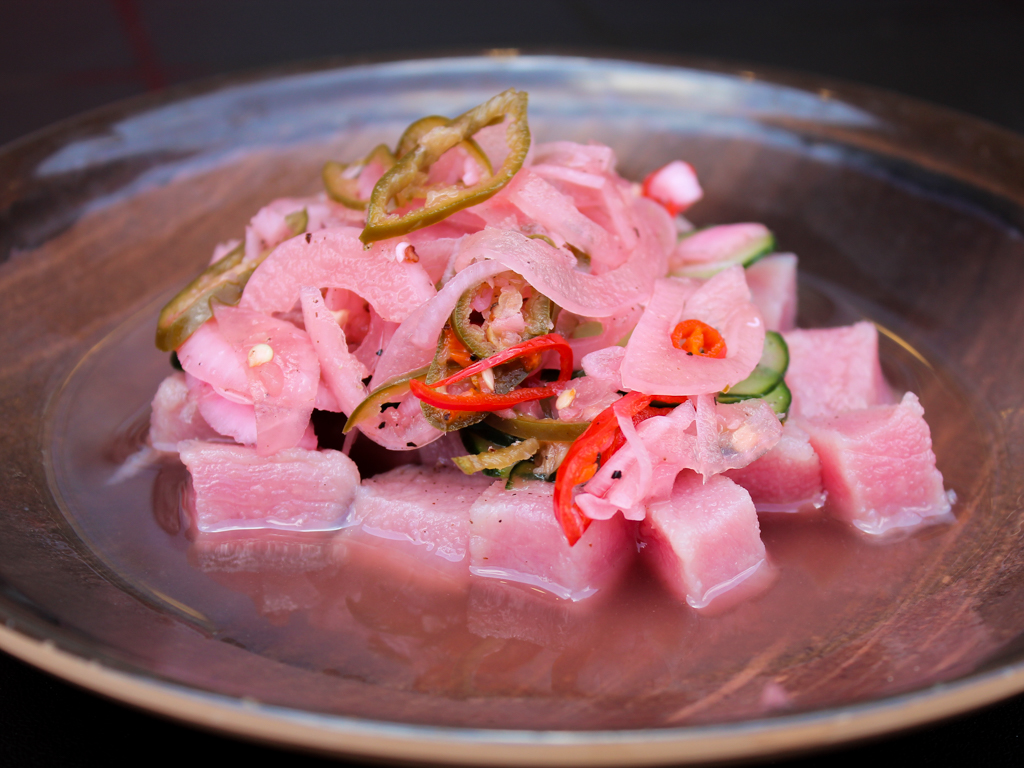
For something light to share, the tuna kinilaw (S$10.50), which is similar to ceviche, is a good choice on a hot day. The refreshing dish uses fresh tuna tossed with tangy vinegar and zesty citrus.
The tuna tasted fresh, too, which is important for a dish like this where the ingredients can’t hide under heavy sauces or cooking.
What really got us going, though, was the half spring chicken inasal (S$8.90).
The chicken is grilled well, with a subtle smokiness coming through without the vinegar flavour being too overpowering.
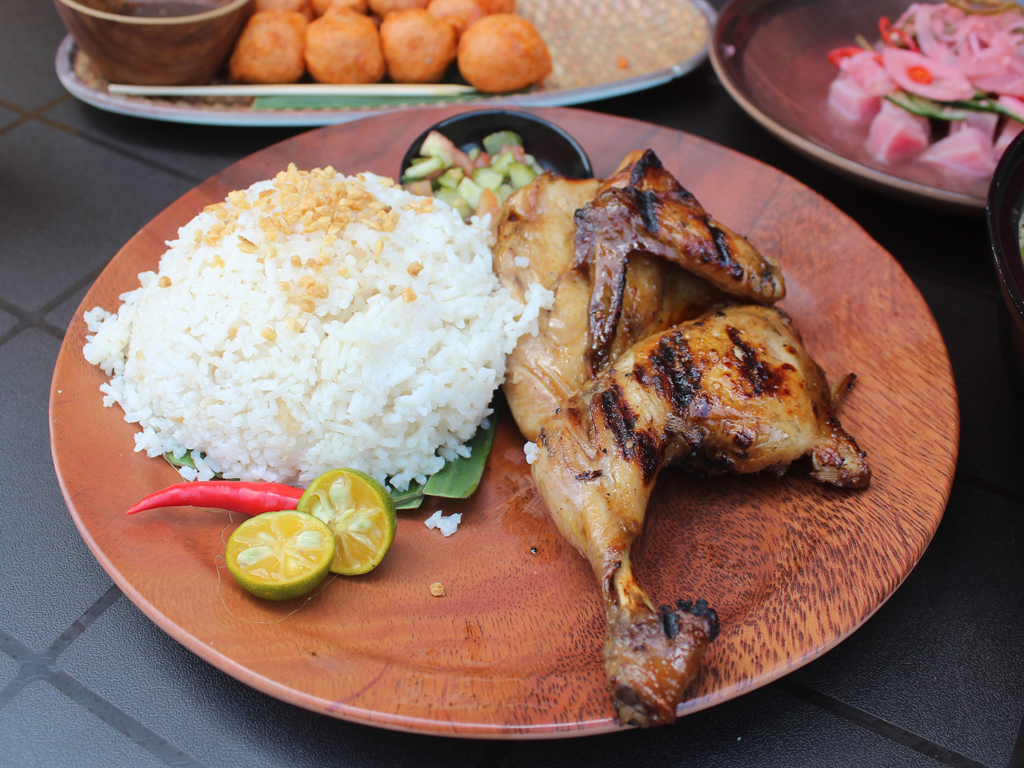
Inasal is typically marinated in vinegar, which can make the flavour quite strong, but Tara Na!’s version is milder — almost like the Indonesian ayam bakar. But you still get that tangy, savoury flavour from the vinegar marinade, along with the smokiness from the grill.
We’d say: Don’t overlook the garlic rice that comes with it. It’s seriously fragrant, and you’ll find yourself polishing it all off even if the chicken is already gone.
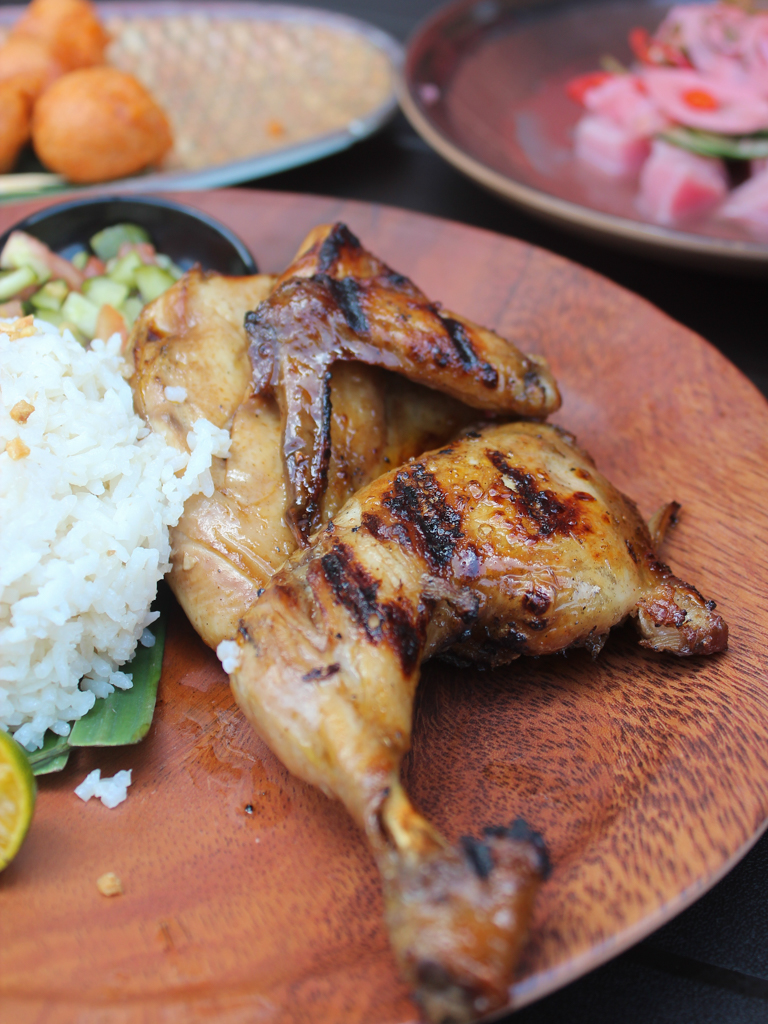
If you’re coming with a bigger group, the signature whole chicken inasal (S$21.90) is available too.
There’s also a self-serve condiment station where you can help yourself to chicken oil, soy sauce, and other condiments to adjust your meal to your liking. We found drizzling the oil atop rice the best way to have it.
If you’re dining alone, the beef tapa (S$9.90) — thinly sliced marinated beef served with garlic rice — is a simple but very satisfying option. The beef is cooked well and has a sweet-savoury flavour that pairs especially well with the fragrant rice.
For something more familiar, there are:
- chicken sisig (S$10.90) — chopped chicken seasoned with calamansi and spices
- chicken adobo (S$9.90) — chicken braised in soy sauce and vinegar
- chicken tinola (S$8.90) — a light ginger-based chicken soup with vegetables
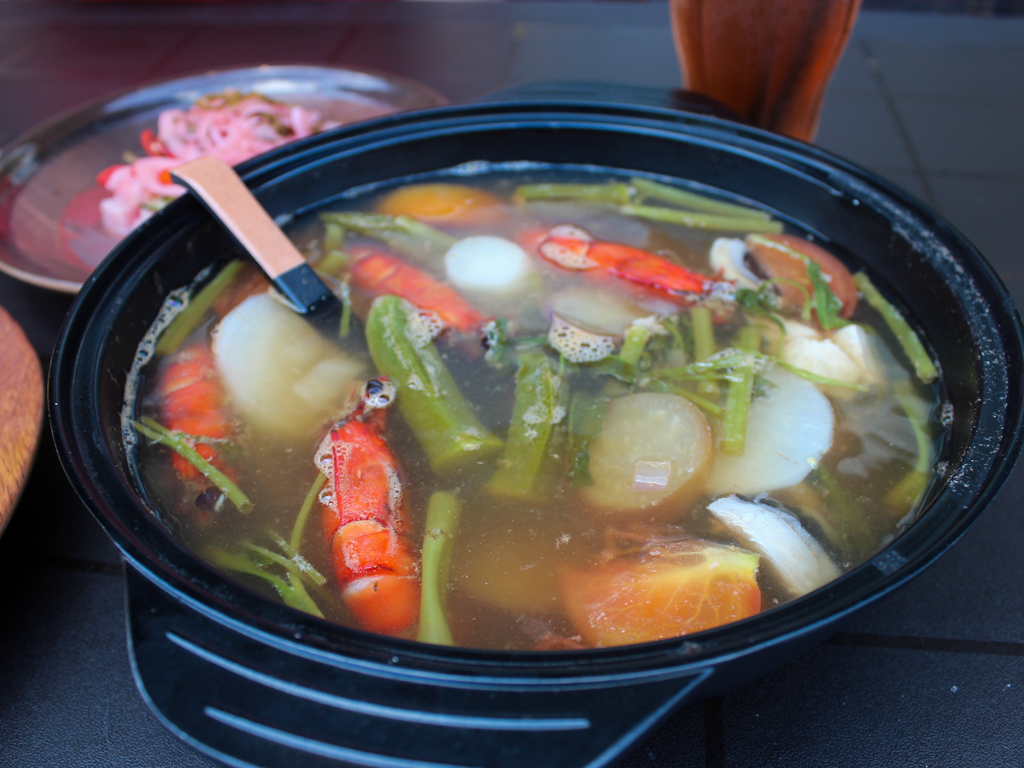
There are several larger dishes that work better for sharing, including the seafood sinigang (S$25.90).
The Filipino sour soup comes with seafood such as prawns and fish, along with fresh vegetables — all sitting in a tamarind-based broth. Tara Na’s version is noticeably less sour than what you might usually expect from a typical rendition, which makes it a little more approachable for Singaporean palates.
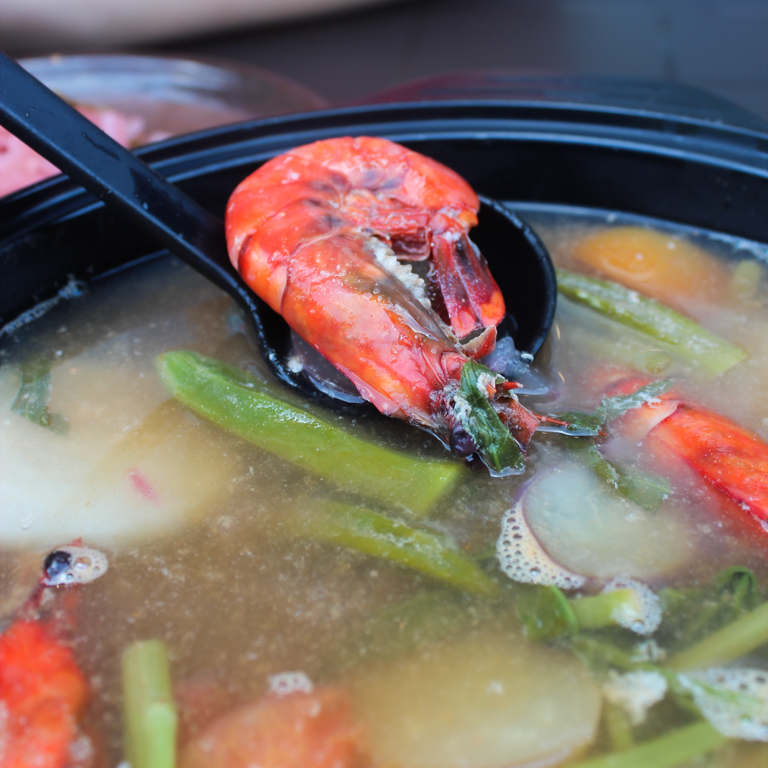
I actually liked the soup for its flavour beyond just the sourness. The seafood and vegetables were also soft and tender, with the prawns particularly easy to peel.
Other sharing dishes include baked bangus relleno (S$23.90), a baked milkfish stuffed with a mixture of vegetables, aromatics, and meat, beef bulalo with bone marrow (S$32.80), beef shank and bone marrow slow-cooked in a clear broth with vegetables, and premium beef ribs kare kare (S$43.90), tender beef ribs in a rich, nutty peanut-based sauce, served with vegetables.
Filipino desserts
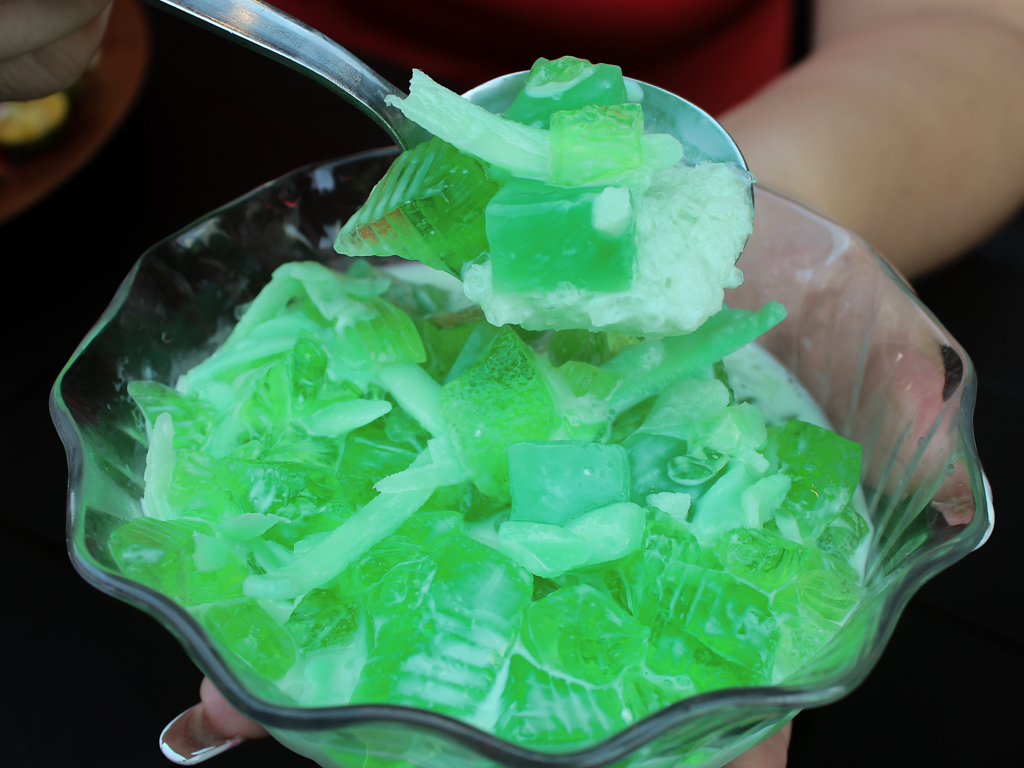
I had to try the buko pandan (S$5.50) — creamy and milky, with bits of jelly running through it. It’s chilled and refreshing, making it a nice way to end the meal.
We were also told that we have to try their halo-halo special with ube ice cream (S$9.90) the next time we visit. Other Filipino sweets on the menu include the ube cheese turon (four pieces for S$6.50) and coffee jelly (S$5.50), among others.
And if you’re bringing the kids along, there’s also a more predictable kids’ menu with familiar options for younger diners.
We loved the food enough that I came back another time to try some of its other dishes.
Tara Na is certainly somewhere I’d return to — for the food, atmosphere, and people behind it. Yes, it’s a little out of the way, but if you’re looking for Filipino food made authentically, I think it’s worth the trip to Punggol.
For more ideas on halal eats, read on Permata’s latest one-for-one buffet menu and Tian Tian Mala Hotpot in Sembawang serving authentic Chinese flavours.
Wed 10am - 9.30pm
Thu 10am - 9.30pm
Fri 10am - 9.30pm
Sat 10am - 9.30pm
Sun 10am - 9.30pm
- Punggol
- Riviera






Angeline loves everything spicy, even though she always ends up crying.
Read more stories from this writer.