The changing face of caviar, through the lens of one of the world’s largest producers

Not too long ago, I thought that caviar was the domain of luxury hotels, Michelin-starred restaurants, and special occasions.
In fact, I experienced my very first caviar bump only in my 30s, at a luxury alcohol event.
So when Chinese beverage label Heytea announced a collaboration with local, award-winning chocolatier Janice Wong on a caviar-topped bubble tea at the end of 2025, I was curious for reasons beyond the drink itself.
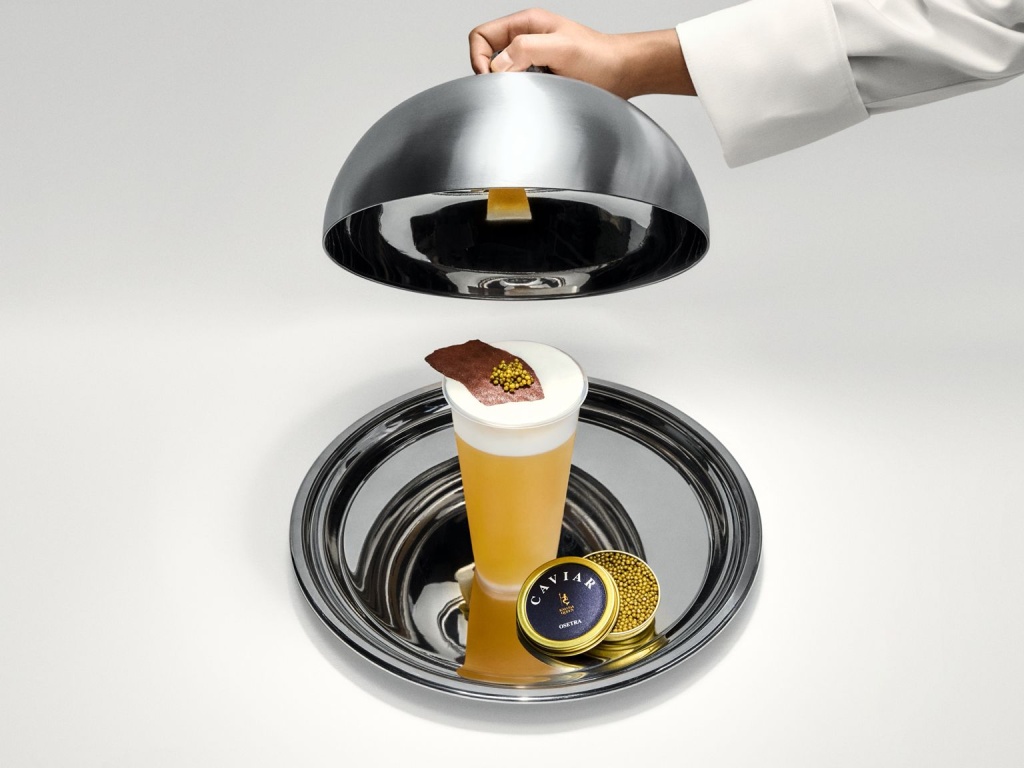
The citron-flavoured drink may have had only a small spoonful of caviar on top, but it generated significant buzz during the few weeks it was available. For many young consumers, the S$9.90 price point was a small price to pay for what was perceived to be a “bougie” item.
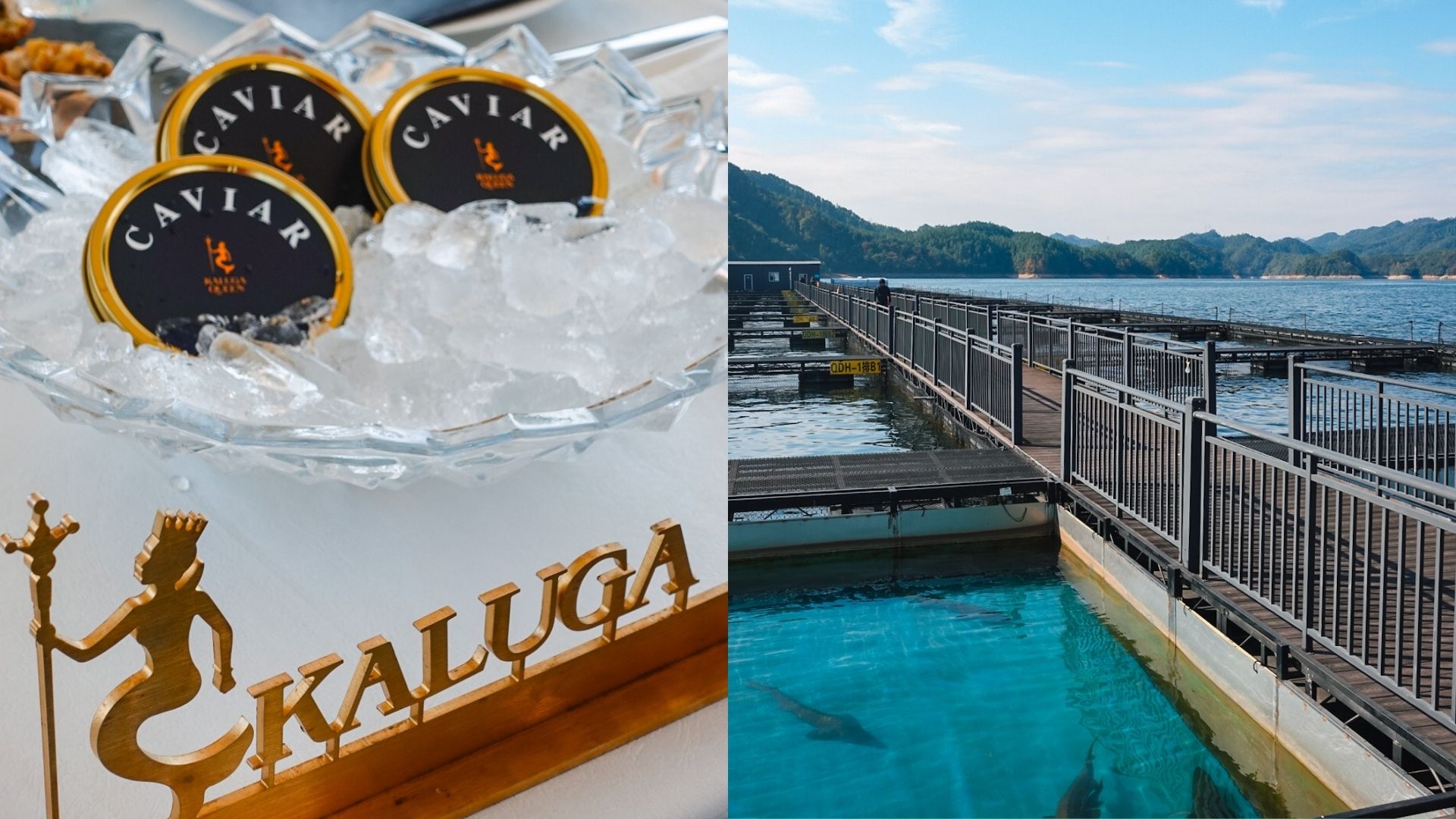
The caviar came from none other than Kaluga Queen, a Chinese producer that supplies to 46 countries and, closer to home, some 100 dining and hospitality partners in Singapore — a market it has been in since 2008.
To understand how caviar went from an indulgence to a seemingly accessible everyday ingredient — that you’d find behind a bubble tea counter, to boot — I travelled all the way to Qiandao Lake in China.
Luxury produced at scale
If there’s anything that shocked me more than the sight of a sturdy, hefty sturgeon leaping above the water, it was knowing that Kaluga Queen produces one-third of the world’s caviar supply, exceeding 260 metric tonnes in 2024.
The company, which was established in 2005, didn’t get there overnight, though.
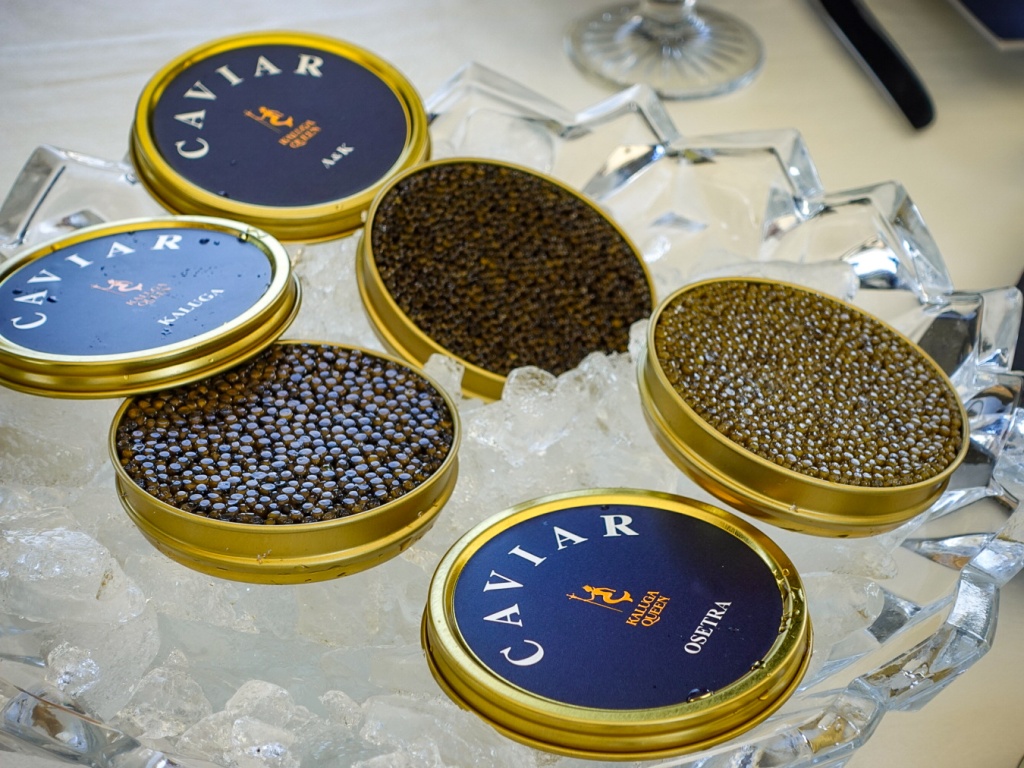
Kaluga Queen often retells the story of how it took them years of work — and several rounds of blind tastings — before they convinced German airline Lufthansa to serve Kaluga Queen’s caviar in its first-class cabins, in 2011.
After all, caviar is commonly considered the preserve of the European elite, fresh out of the Caspian Sea — and not from fish farmed in China.
It also didn’t help that China was hit with a milk-powder scandal in 2008, around the time Kaluga Queen was trying to make its initial strides internationally, casting doubt on products of Chinese origin.
But Kaluga stayed the course. Cathay Pacific came on board in 2019, and our very own Singapore Airlines in 2022, signalling confidence in China-bred caviar to other airlines and other brands around the world.

Standing on one of its farms on Qiandao Lake — a few hours’ drive and a boat ride away from Hangzhou — I began to see how this ascent to becoming one of the world’s biggest producers of caviar was possible.
The lake, which translates to Thousand Island Lake, is so named for the many islands that dot its surface. Its waters are pristine, crystal clear with a visibility of more than 7m, and rich with dissolved oxygen — factors that make it prime for rearing sturgeon.
Here, Kaluga Queen marries nature with technology. A net cage culture method that mimics the sturgeon’s natural habitat is employed, alongside a scientifically backed natural feed management system to ensure quality and yield.
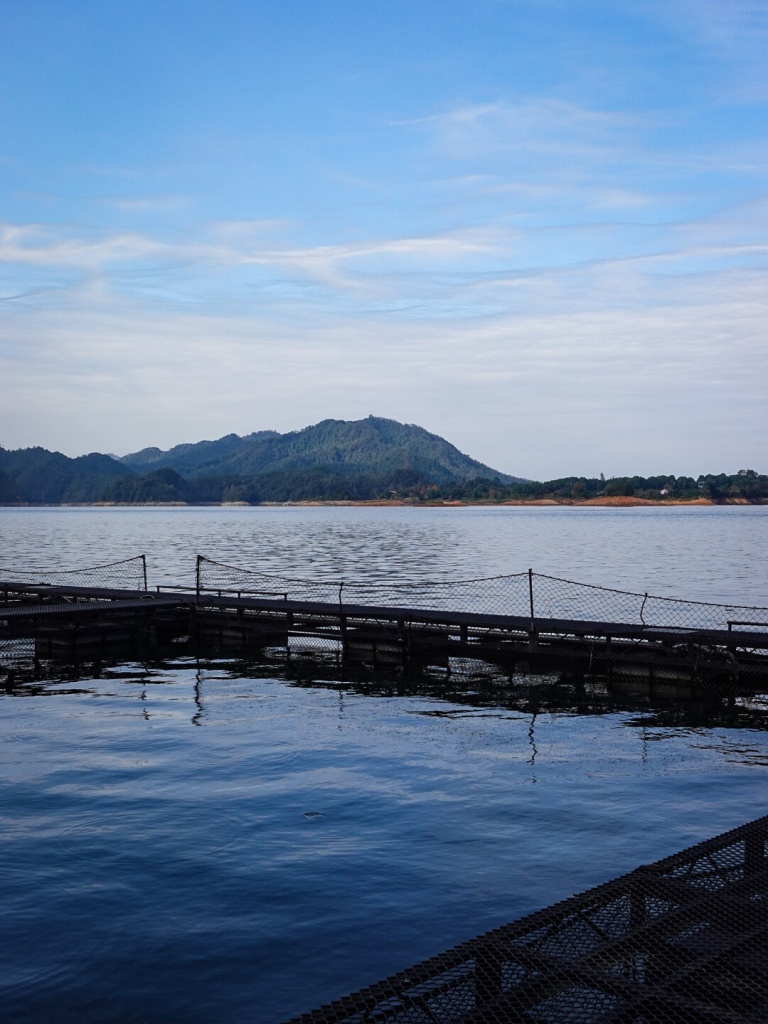
The sturgeon don’t stay in the lake forever. As they near sexual maturity — anywhere from seven to 20 years, depending on the species — they are transported to Kaluga Queen’s caviar processing facility in Quzhou, where the roe is harvested.
At the land farm, though, that’s when the sheer scale of Kaluga Queen’s operation really sinks in.
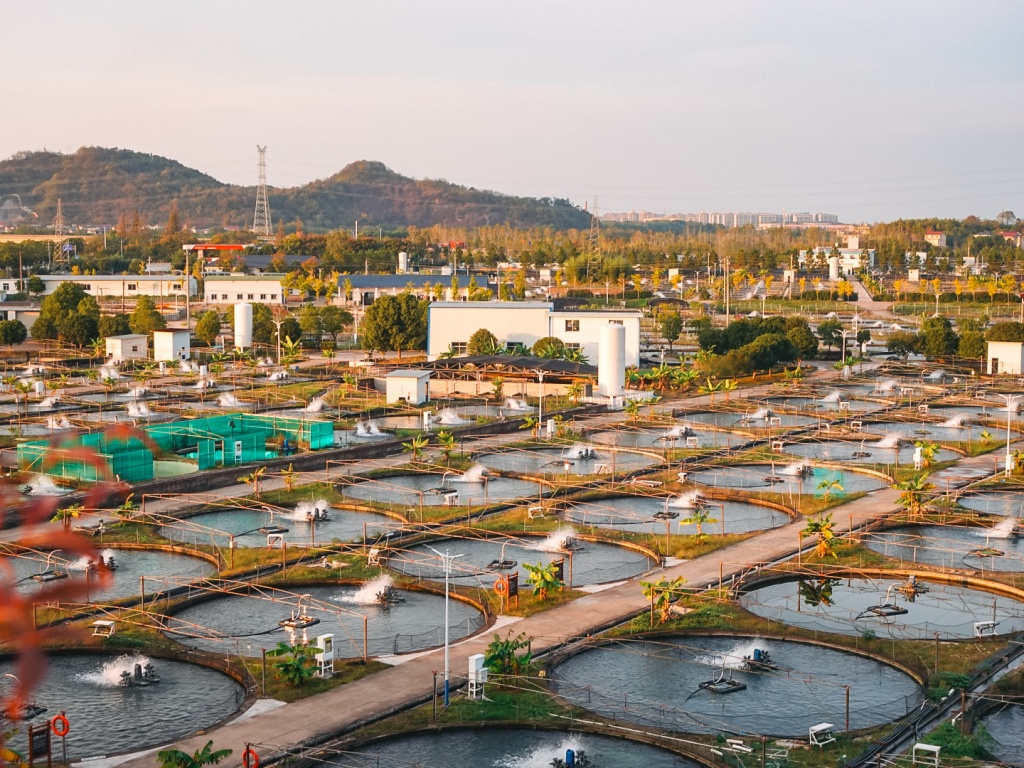
Rows of enclosures stretch across the facility, housing different varieties of sturgeons, such as Kaluga, Amur, Beluga, and Osetra, at different ages. Some 1.18 million fish are harvested each year.
Before we’re allowed a glimpse of the harvesting process, we don bodysuits, hairnets, and undergo multiple rounds of handwashing and sterilisation.
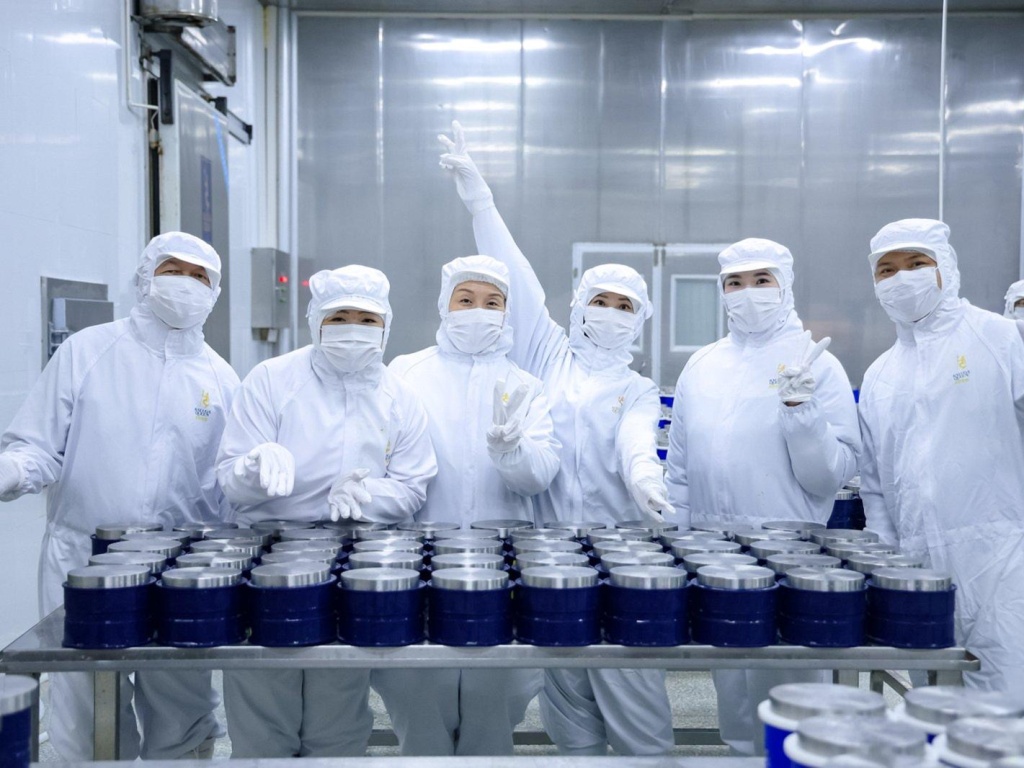
Once we’re on the temperature-controlled processing floor, which is a lot quieter than I expected, workers move quickly but deliberately: Harvesting the roe, quality screening the pearls by hand, salting, then finally, packing it into tins.
It’s intriguing to watch something so precise done entirely by hand, made all the more impressive when you think about its sheer volume. The facility produces some 260 metric tonnes a year, and yet, all of this — a 16-step process that takes 15 minutes, repeated over and over — hasn’t been handed off to a machine, in this day and age.
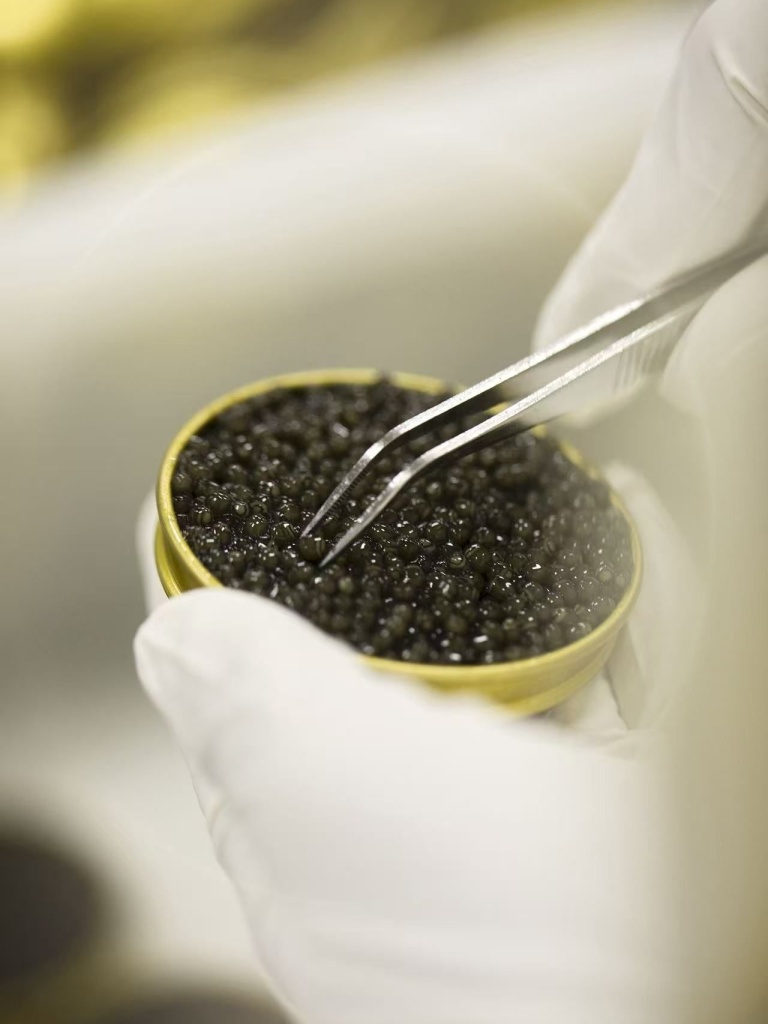
It’s a strange kind of paradox — despite technological advances, caviar production remains as labour-intensive as ever, and the product itself is no less luxurious.
Caviar is simply being made more accessible in more places, to more people, without cutting the corners that make it what it is.
Making caviar approachable
Before the caviar giant’s collaboration with Heytea in Singapore, Kaluga Queen mainly worked with higher-end venues such as Vue Bar & Grill, Level 33, and Lavo and Koma in Marina Bay Sands, through a local distributor.
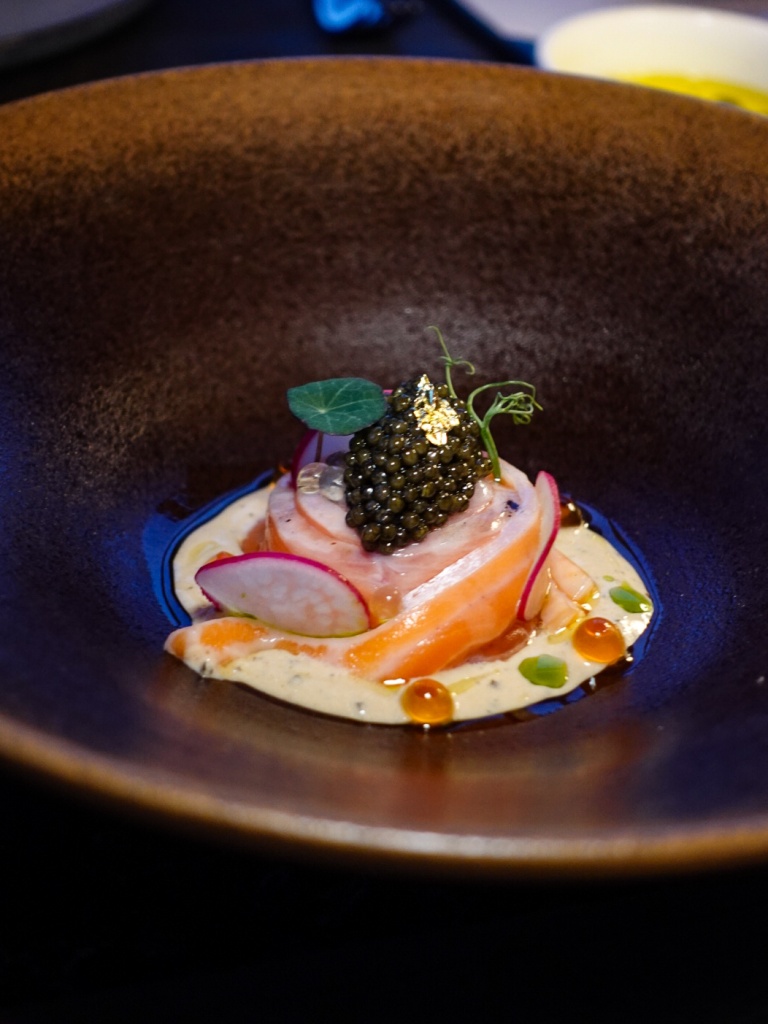
Beyond supplying Singapore Airlines’ first-class cabins, Kaluga Queen saw Singapore as a promising market. It believes consumers here are receptive to premium Chinese products and willing to pay for quality.
More diners were beginning to experience caviar beyond traditional white-tablecloth settings, but barriers remained — whether it was the cost of a fine-dining meal or the perception that caviar was beyond reach.
By working with Heytea on its S$9.90 caviar-topped bubble tea, Kaluga Queen wasn’t just trying to sell a product; it was looking to challenge the perception of caviar as an untouchable luxury, and introduce it to a younger audience.
Closer to its headquarters, Kaluga Queen’s modern concept stores in China, in Quzhou and most recently Hangzhou, adopt the same premise.
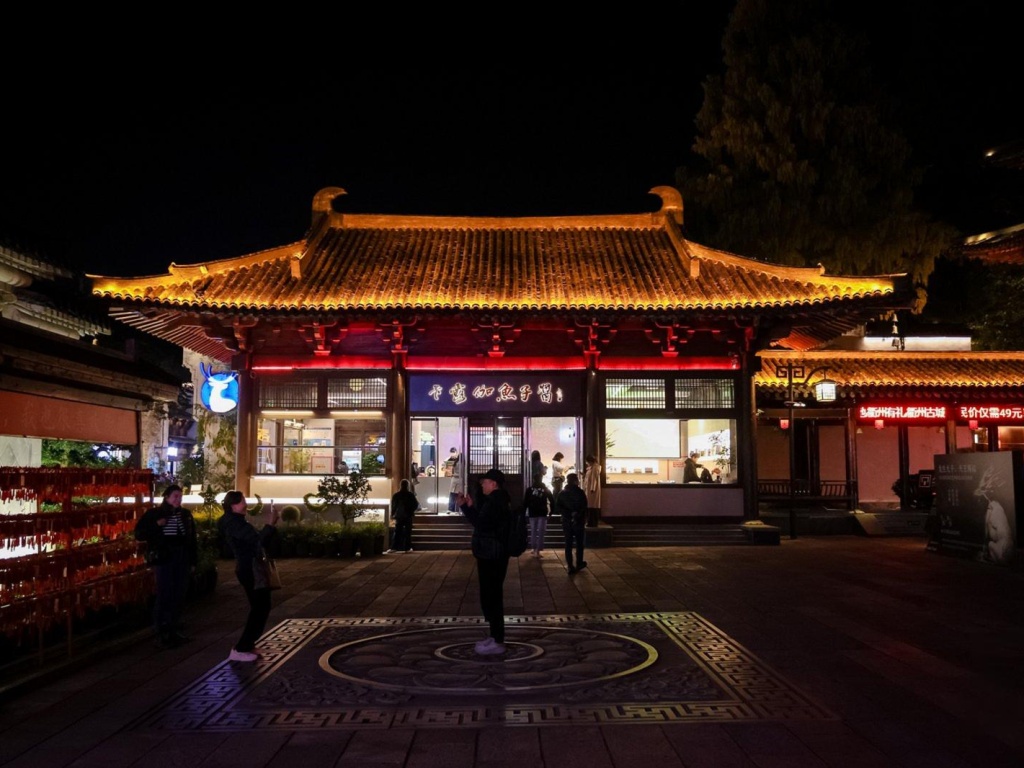
In fact, prices at Kaluga Queen’s Chinese outposts start at just 39 yuan (or S$7.42), for a taste of its prized wares.
At its Hangzhou flagship, that can get you a caviar cone with creme fraiche or a caviar popsicle. Meanwhile, at its Quzhou store, the same amount buys you a caviar egg tart or a caviar hot chocolate.
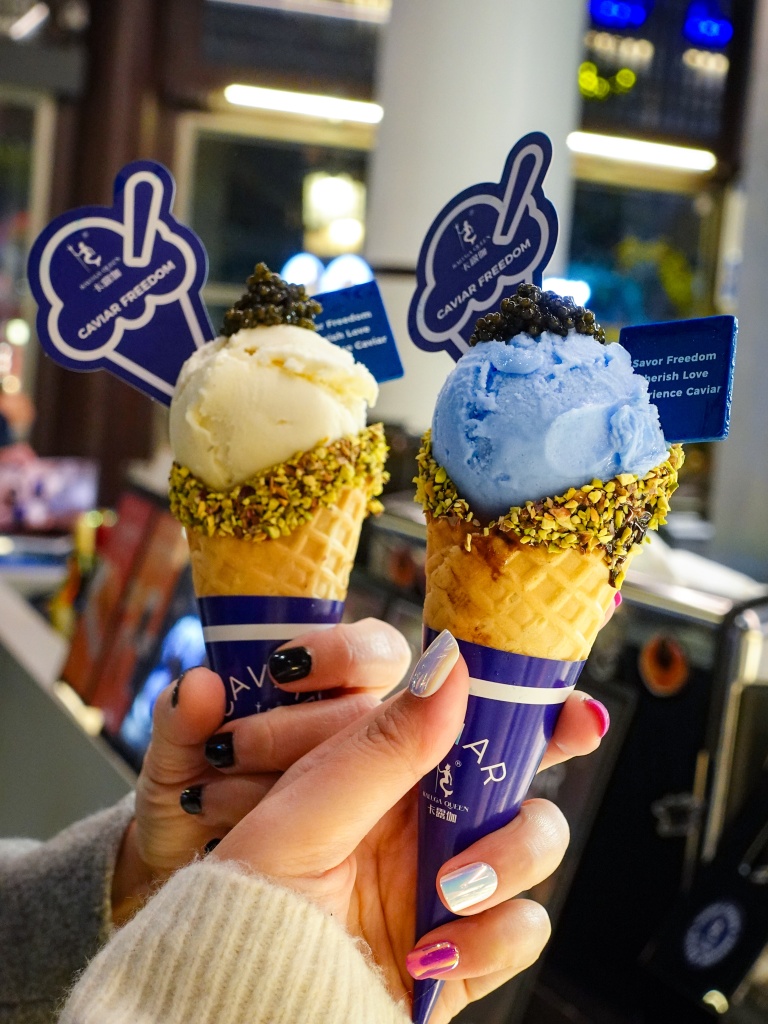
Pairing caviar with familiar flavours is another deliberate choice by the brand since first-timers tend to associate caviar with being fishy.
Neutral ingredients such as cream, or brighter notes such as citrus and vanilla, help temper caviar’s natural salinity, making it more approachable.
According to Kaluga Queen, high quality caviar is almost never fishy. Rather, it should be clean-tasting, briny, and savoury.
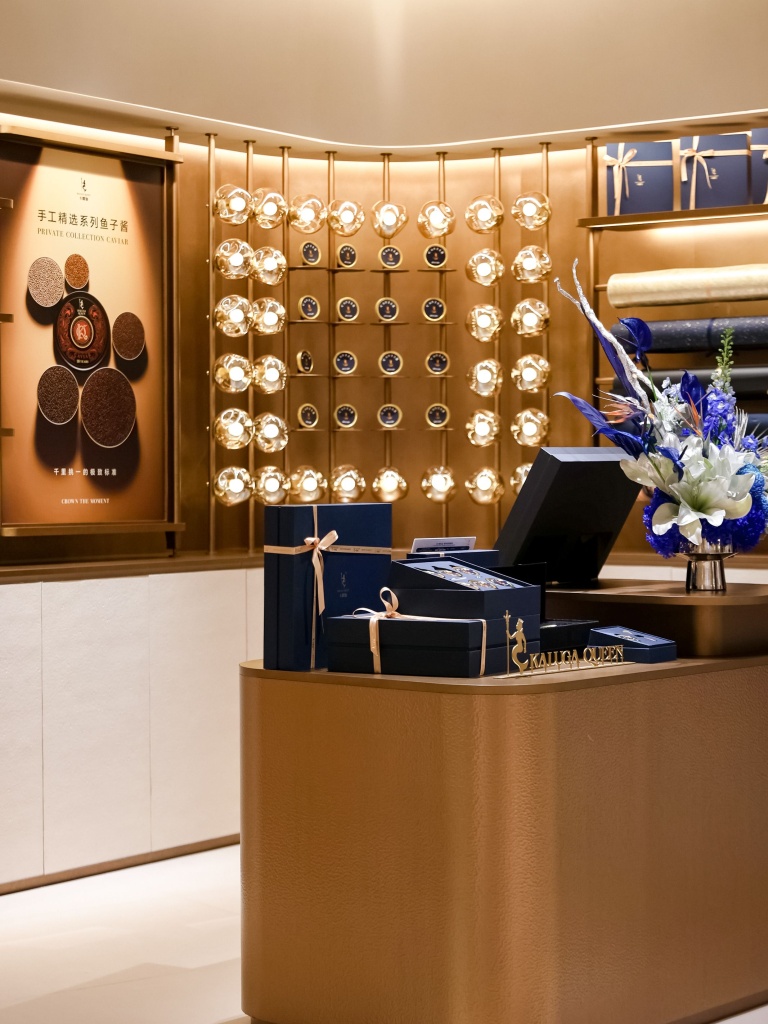
Granted, some of the items might come with just a smidge of caviar, but the experience at its stores is easy, fuss-free, and, most importantly, unintimidating. It is designed to feel no different from any other modern retail concept.
Yet, making a traditionally luxurious ingredient more democratic and accessible to the masses doesn’t mean stripping away its prestige.
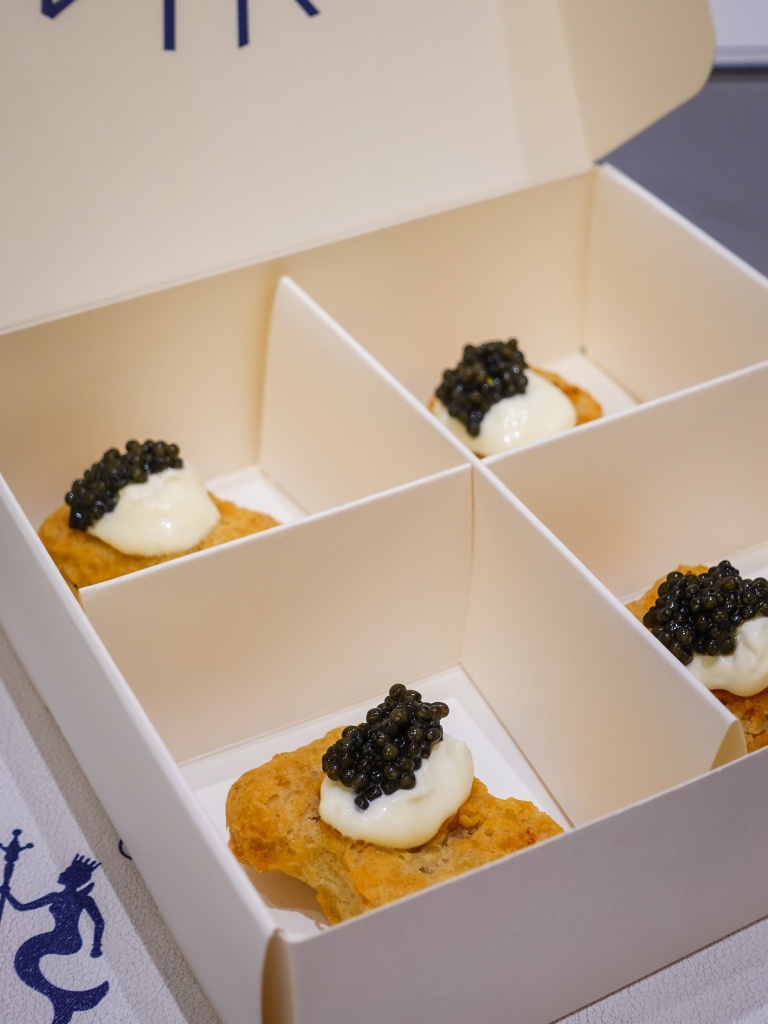
For one, you’ll see Kaluga Queen’s caviar on a nugget in its concept stores, but not on the menus of the Michelin-starred restaurants it works with, where there is still a certain reverence for the ingredient.
Additionally, concept stores are still positioned as experiential ones, clearly targeted at an audience who might not have enjoyed the ingredient prior.
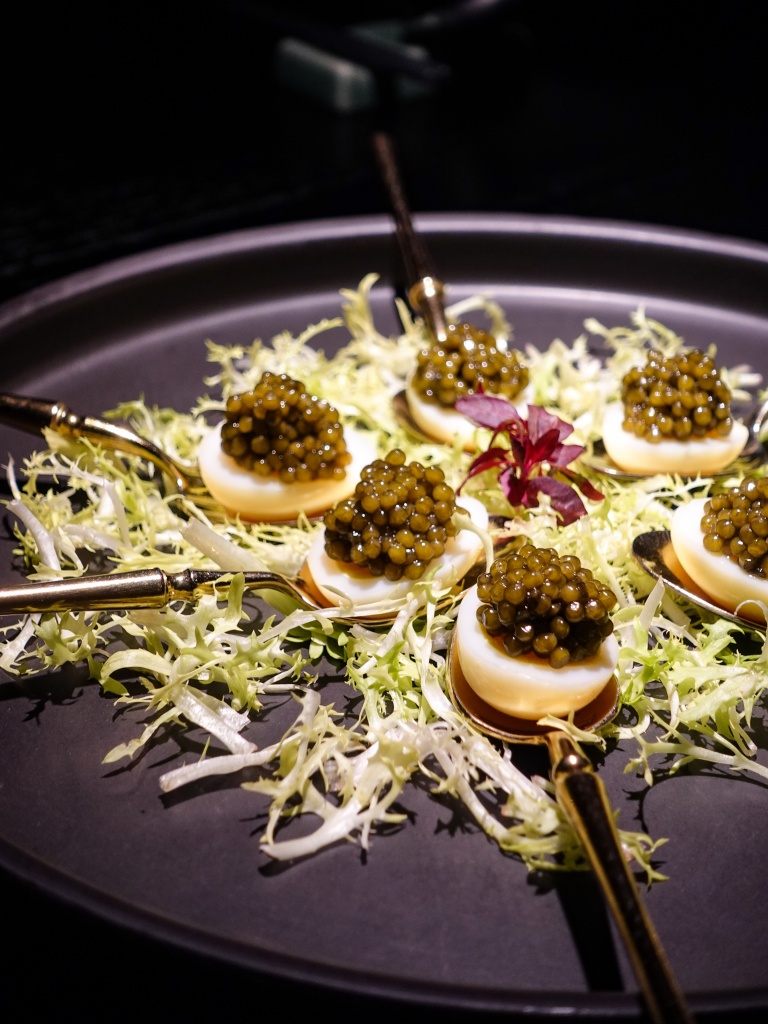
As I think back on every step of production, the years of farming and the intensely manual process from harvest to tin, I can’t help but agree — it really is difficult to see caviar as anything but a luxurious item.
Perhaps what is really changing isn’t the luxury status of caviar itself, but the way we’re now allowed to experience it.
Luxury no longer has to mean exclusivity or waiting for a one-in-a-lifetime occasion — as you might, with a three-starred Michelin meal — to try it.
Sometimes it could just be about enjoying something exceptional in small doses, like a spoonful of caviar on a nugget, on a treat-yourself day.
HungryGoWhere’s visit was hosted by Kaluga Queen, but all opinions expressed are our own.
For more stories, check out our Putian, China trip report where we went directly to the source of the well-loved Putien restaurant’s menu highlights, or explore On the Table, a series where we delve into the stories behind Singapore’s iconic local hawker dishes.

Sarah is constantly seeking out new coffee spots and cocktail bars around the world, and should probably drink more water while at it.
Read more stories from this writer.