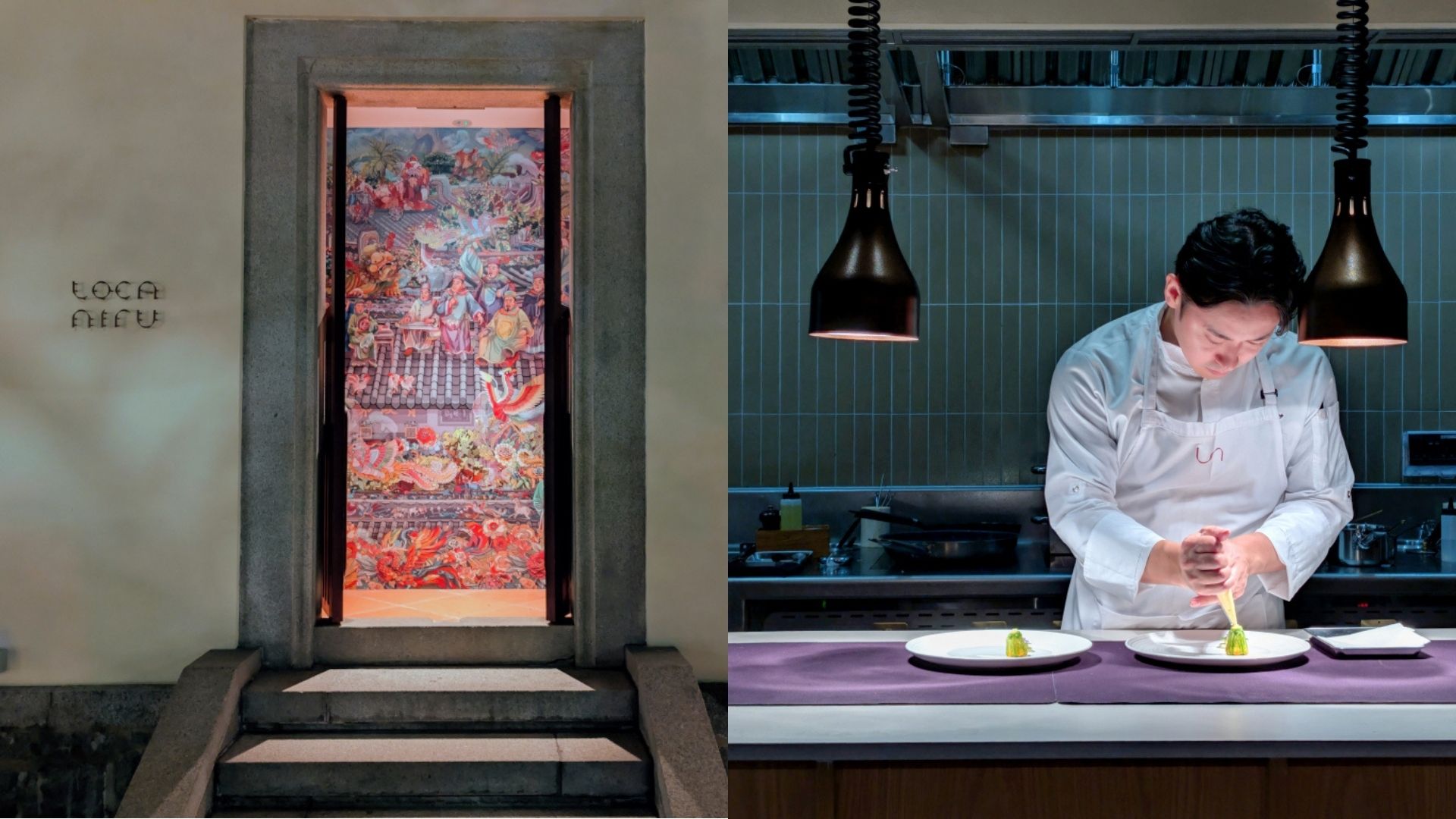
French-Japanese restaurant, Loca Niru, opens in the historied House of Tan Yeok Nee

Singapore’s dining scene has never been short on new openings, but every so often, a restaurant arrives with a sense of occasion. When food, space, and history converge, the experience feels less like a reservation and more like a moment worth pausing for.
That sense of occasion underpins the arrival of Loca Niru, a contemporary Jap-French fine-dining restaurant set within one of Singapore’s most storied landmarks.
Helmed by executive chef Shusuke Kubota, the 36-seat restaurant occupies the second level of the 140-year-old House of Tan Yeok Nee, becoming the first fine-dining concept to open within the national monument since its construction in 1885.
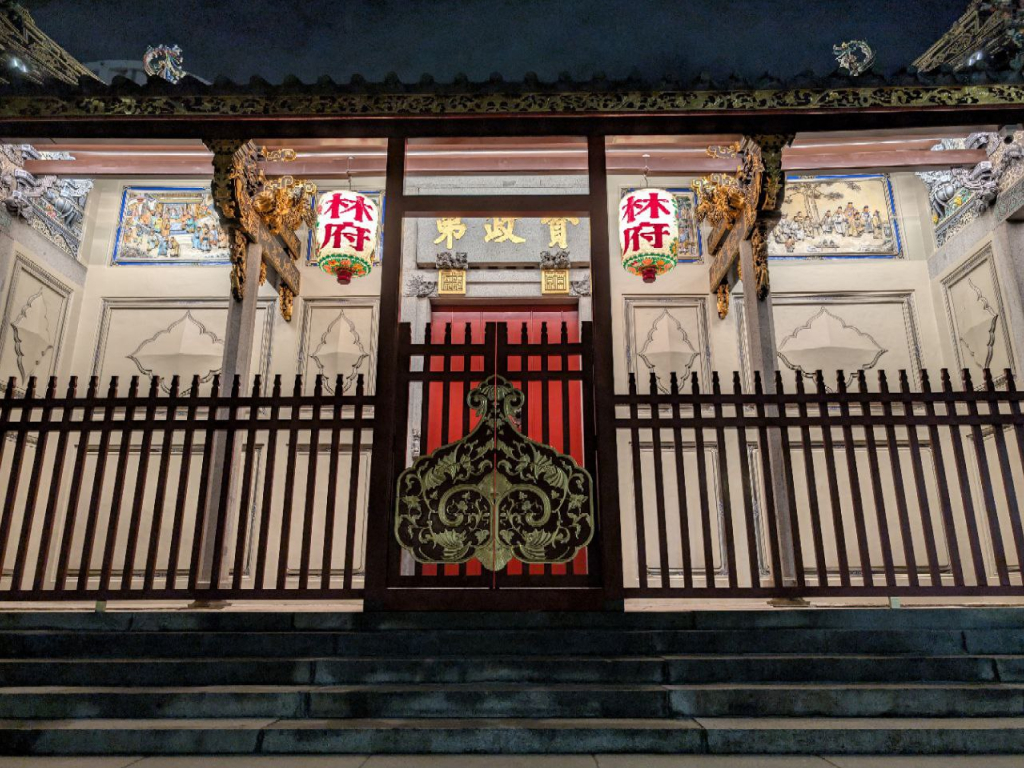
Its opening also coincides with a rare milestone: The House of Tan Yeok Nee is welcoming the public for the first time in its long and layered history, positioning Loca Niru as both a culinary destination and a gateway into a once-private heritage space.
A historic house enters a new chapter
The House of Tan Yeok Nee is the last surviving “grand mansion” of Teochew architecture from its era in Singapore. It was once the residence of Tan Yeok Nee, a prominent Teochew merchant and community leader whose influence extended across commerce, philanthropy, and early civic life.
Over the decades, the house took on multiple roles serving the wider community, before eventually being gazetted as a national monument.
Recently restored by its current owners, the Karim Family, the house has undergone careful conservation to preserve its original architectural features — from its timber structures and traditional carvings, to the spatial layout typical of Teochew mansions — while being sensitively adapted for contemporary use.
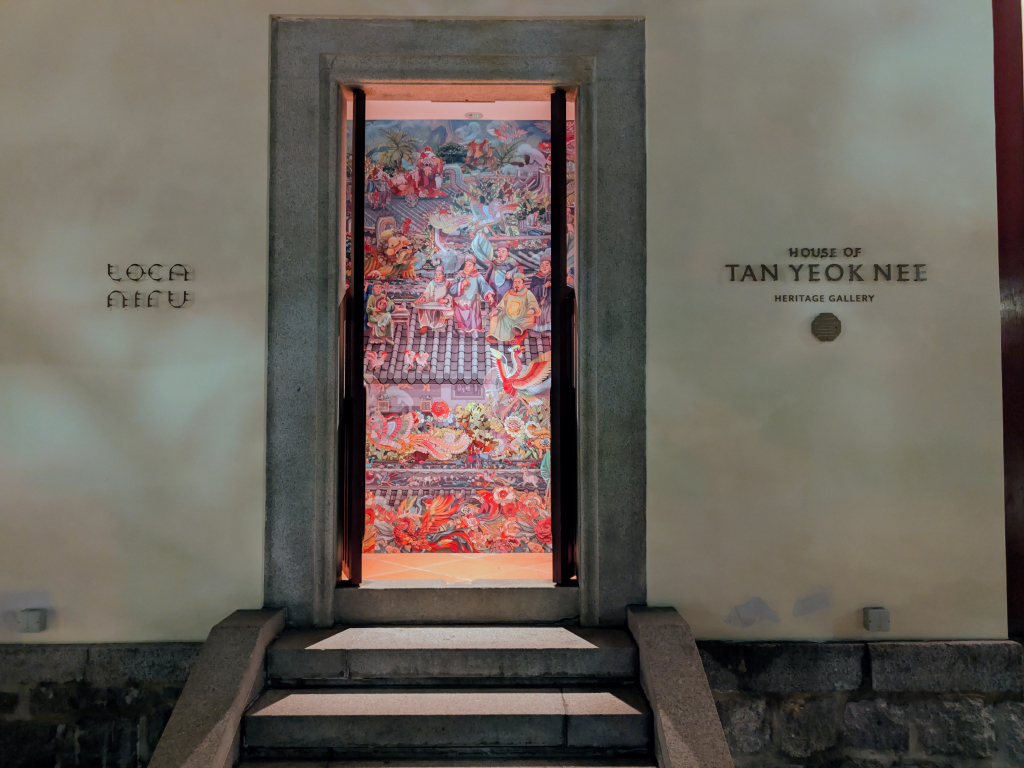
Loca Niru now occupies the “dining room” of this historic home. Much like the house itself, the restaurant aims to bridge past and present: Honouring heritage, craft, and quiet detail while allowing modern design and culinary expression to sit comfortably within its walls.
In the kitchen is executive chef Shusuke, whose own culinary journey mirrors the restaurant’s philosophy of balance between past and present. Born in Nagano, Japan, he trained across Japanese, French, and Southeast Asian kitchens, developing a global sensibility grounded in respect for tradition, technique, and produce.

His most recent stint was as head chef at Omakase @ Stevens, where he developed his unique style of Japanese-French fusion with Southeast Asian influences. Here, he’s guided by the Japanese concept of kotan, a way of living and creating that values quiet simplicity, contemplative peace, and refined subtlety — along with a belief that one must learn from the past to create the future.
A dinner that builds, not rushes
At Loca Niru, the experience is intentionally focused. The restaurant is currently open for dinner only, with diners offered a single eight-course tasting menu priced at S$298 per person.
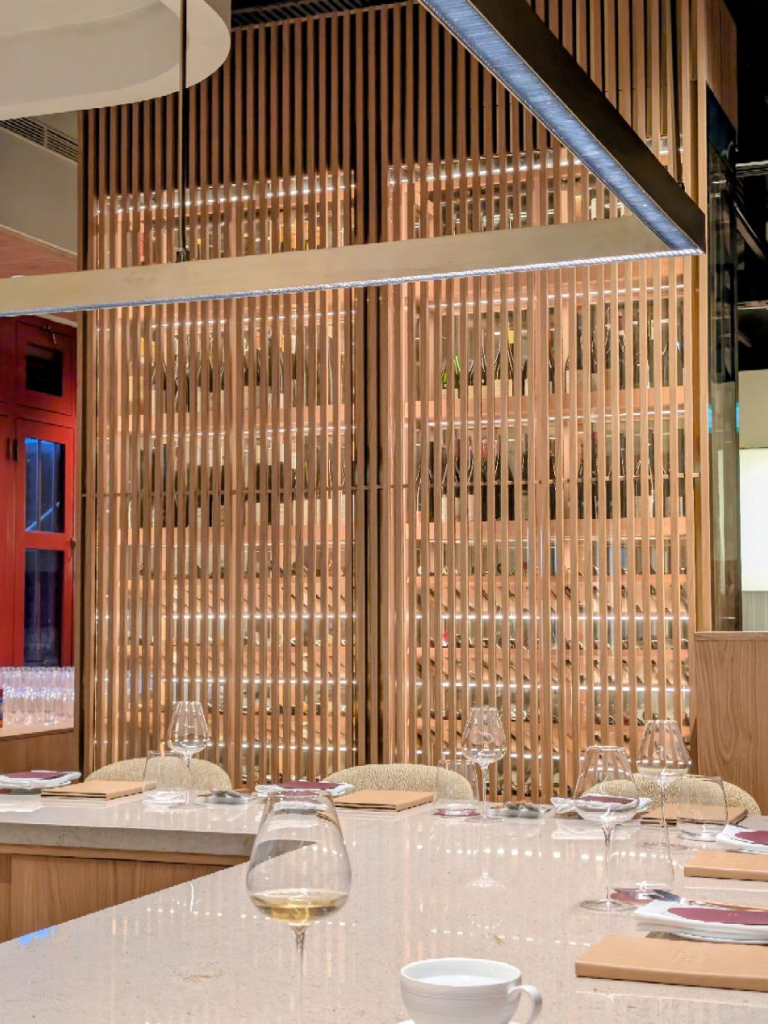
For those opting to pair, there are two curated beverage options: A six-glass sake pairing at S$148 per person, featuring premium labels from across Japan, or a six-glass wine pairing at S$188 per person, drawing from both classic and emerging wine regions.
Dinner opens with Hassun, a trio of bites that quietly sets expectations. First up is a sweet prawn tartare layered onto a crisp tart shell and topped with tosazu (an aromatic Japanese condiment that adds umami and smokiness) jelly and fresh Malaysian pomelo.
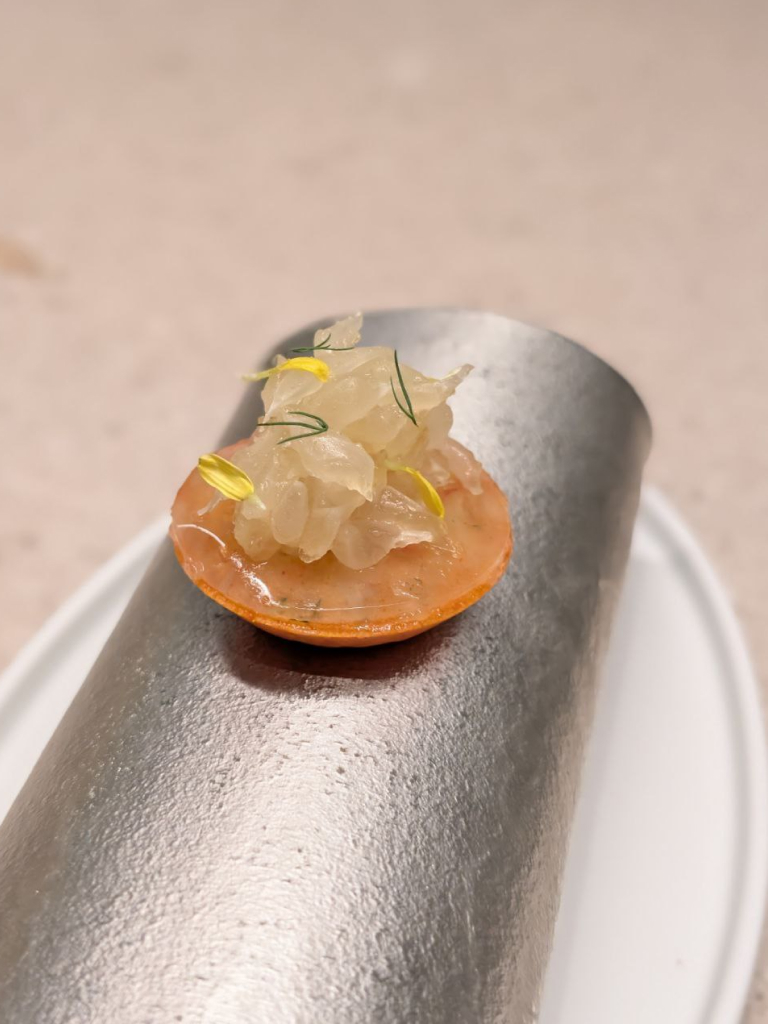
Bright and gently acidic, it wakes the palate without shouting for attention — a pleasant tang that does exactly what it’s meant to do.
That lightness continues with a sturgeon brandade (typically a whipped cod spread) presented in a charcoal pie tee. Smoked Chinese sturgeon replaces the traditional cod, paired with Japanese chestnut puree and celtuce pickles fermented in rice bran.
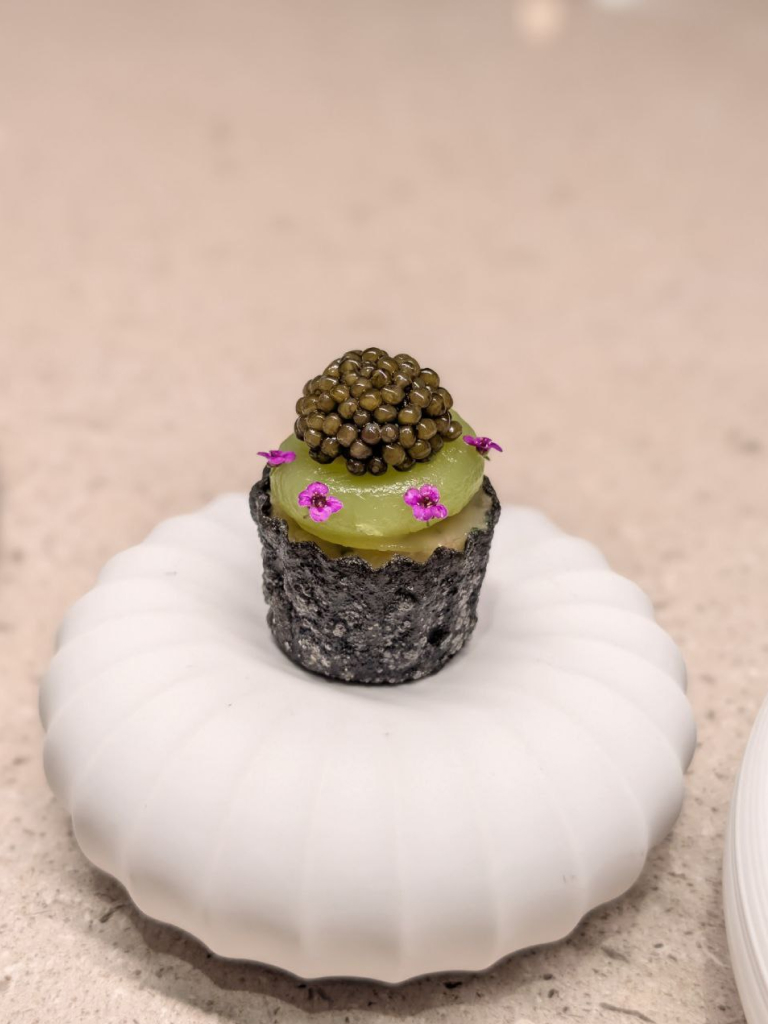
Rooted in French technique, but edged with Southeast Asian and Japanese nuances, it’s savoury, moreish, and disappears far too quickly.
Loca Niru’s third opener takes a playful turn: Frog leg wrapped in crisp kadaif — fine, noodle-like shredded filo pastry — and dusted with shichimi, Japan’s familiar seven-spice blend.
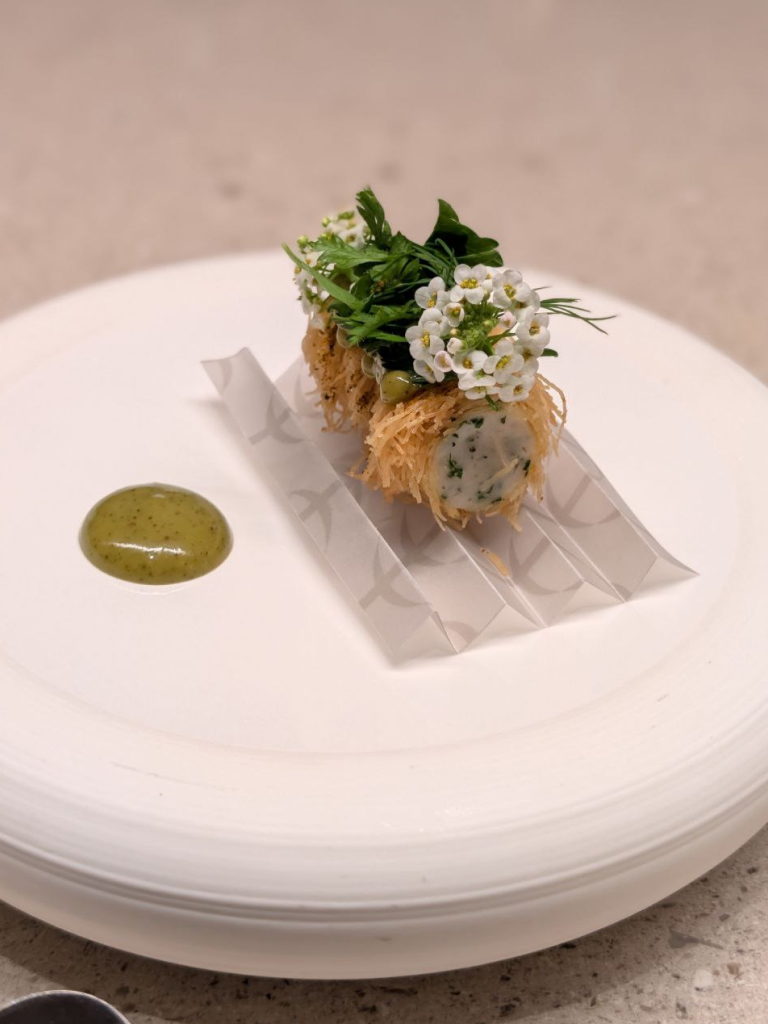
Referencing a dish chef Shusuke encountered frequently during his time in France, it’s re-worked here through Southeast Asian aromatics. The curry leaf aioli adds warmth and familiarity, grounding the dish while letting the delicate frog meat remain the star.
If the opening courses hint at range, the Awabi course confirms it. This is no straightforward chawanmushi.
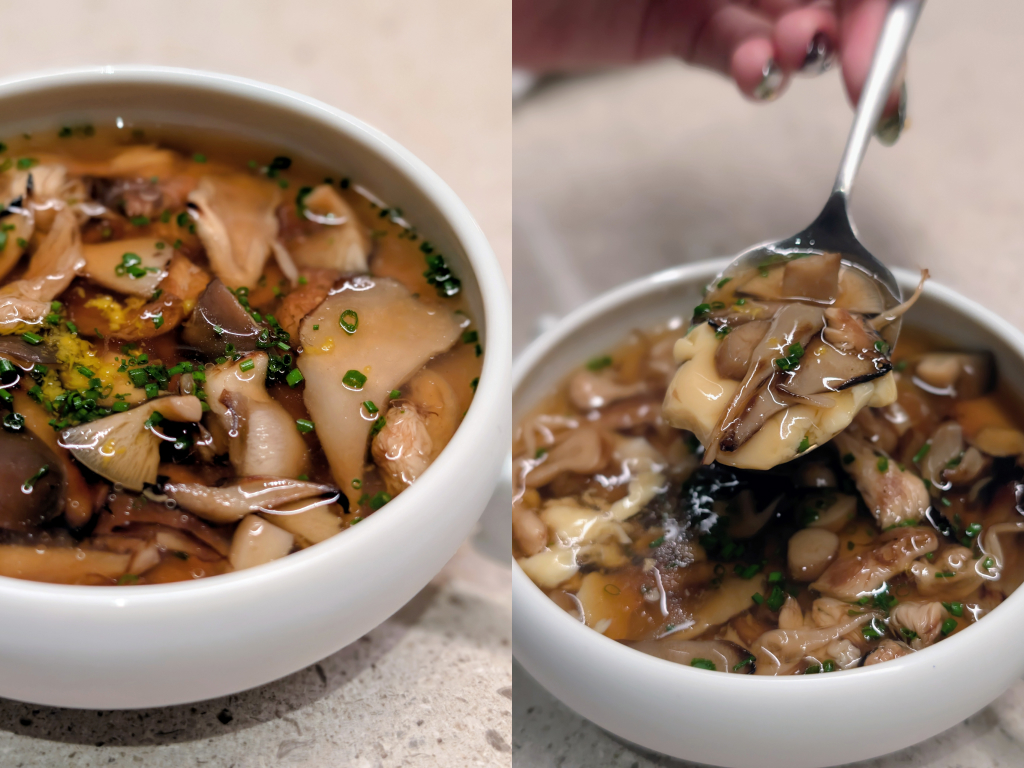
Braised abalone sits beneath a vegetable-based chawanmushi, with traditional dashi replaced by a bouillon de legumes (legume stock) inspired by chef Shusuke’s French training.
Seasonal mushrooms and a clear mushroom consomme bring depth without heaviness, resulting in a dish so deeply umami that it practically asks you to slow down and pay attention — which we happily obliged.
Mindful pacing continues with Oyasai, a vegetarian course that leaves a lasting impression. A steamed dumpling filled with Malaysian burdock, jicama, and yacon (a South American root vegetable) is served in a kombu and soya milk foam, then finished tableside with a chive oil-infused sauce.
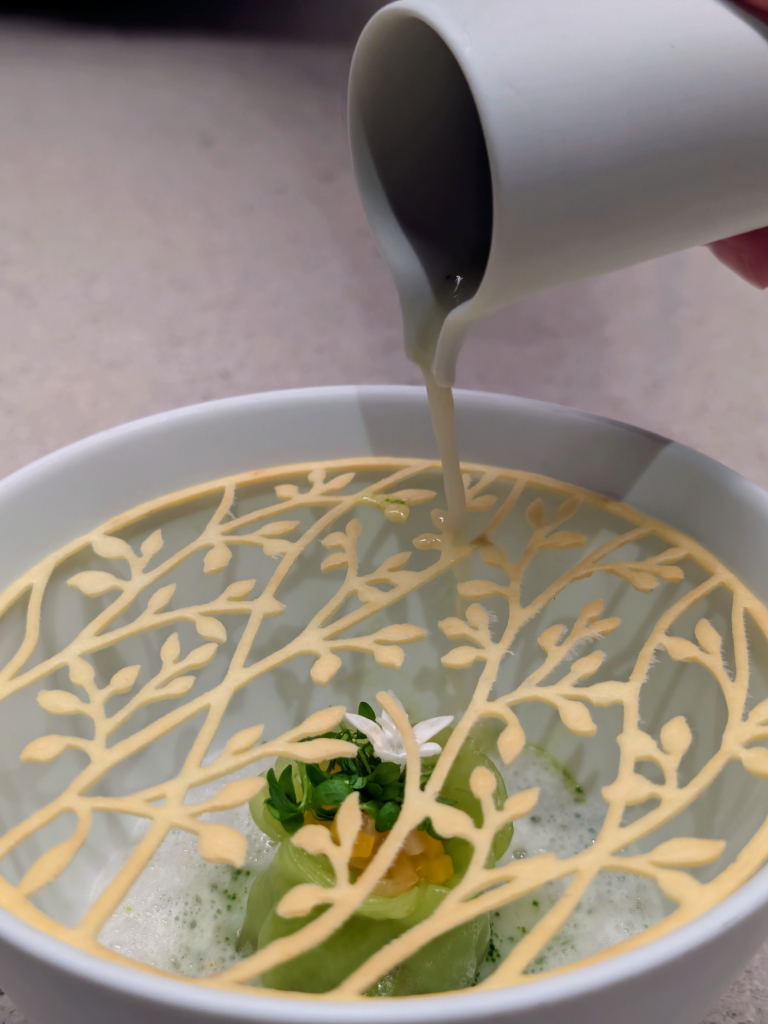
First, have a little fun before tucking in by cracking the fragile potato tuille. Light, earthy, and quietly comforting, it functions as a deliberate pause before the richer mains — and one that deserves to be lingered over.
By this point, the menu has already hit several high notes, but of the two mains, it’s the Isaki that truly swept us off our feet. Pan-seared Japanese grunt fish arrives alongside a zucchini flower stuffed with scallop mousse, finished with a Nyonya beurre blanc (a French emulsified butter sauce).
A side of buah keluak bread comes along for the ride — and for mopping up what follows.
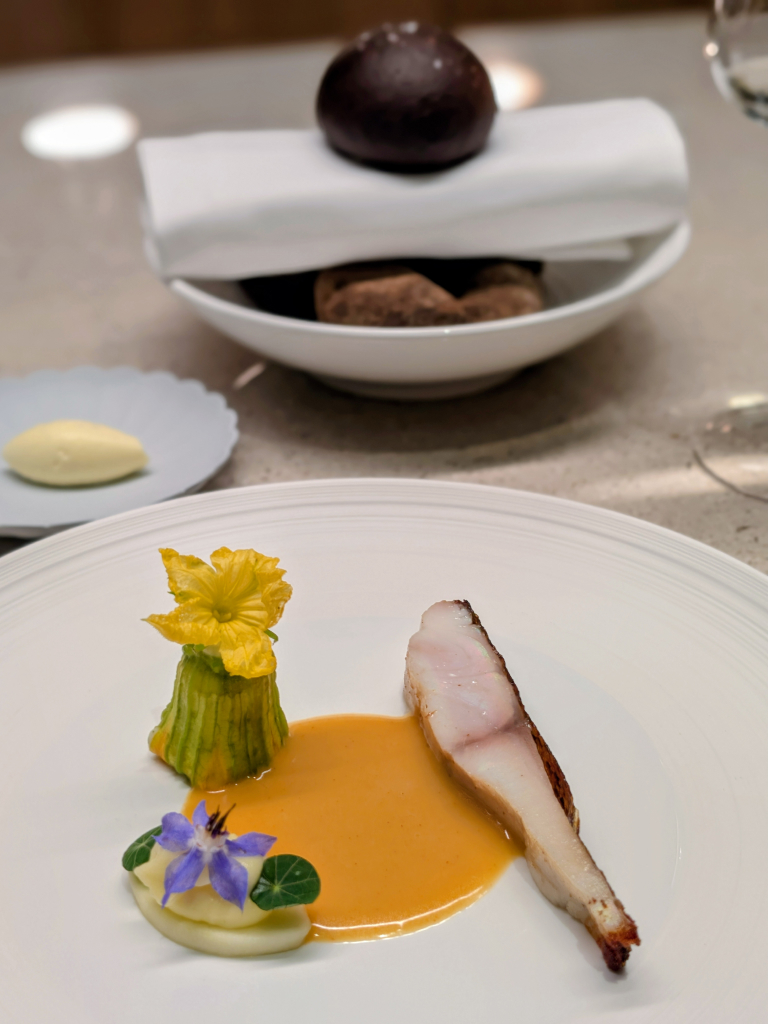
Southeast Asian flavours are folded seamlessly into the French-style sauce, which begins with a fish stock made from grunt fish bones, trimmings, shallots, celery, and fennel. A separate spice paste of ginger flower, lemongrass, blue ginger, shallots, garlic, chilli, gula melaka, lime, and calamansi is then mixed in.
The result is delicate, yet deeply cohesive: Flaky fish paired with a beurre blanc so addictive we wouldn’t have minded a small extra pour — purely for sipping purposes, of course.
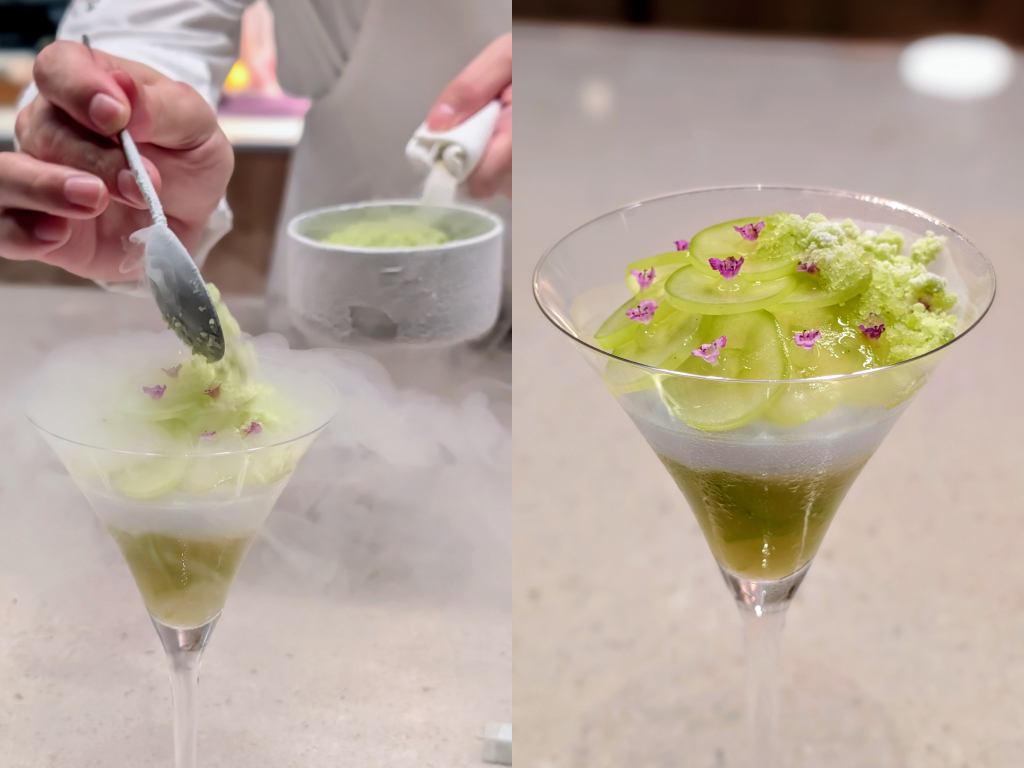
Dessert at Loca Niru leans lighter than expected, beginning with the muscat kedondong. Visually understated, the combination of shine muscat grapes, kedondong (ambarella) jelly, coconut mousse, and shiso delivers tropical acidity and herbal freshness that cleanses the palate beautifully.
After such a satiating meal, we appreciated chef Shusuke’s fondness for shiso and citrus flavours here. While there are three sweet courses to mark the end of dinner, the coconut mousse is so clean and restrained, frankly, it could have closed the meal on its own.
A quietly confident addition to Singapore’s fine-dining scene
Loca Niru doesn’t rely on theatrics or overstatement. Instead, it places its confidence in thoughtful progression, disciplined technique, and a clear sense of balance — between cultures, flavours, and pacing.
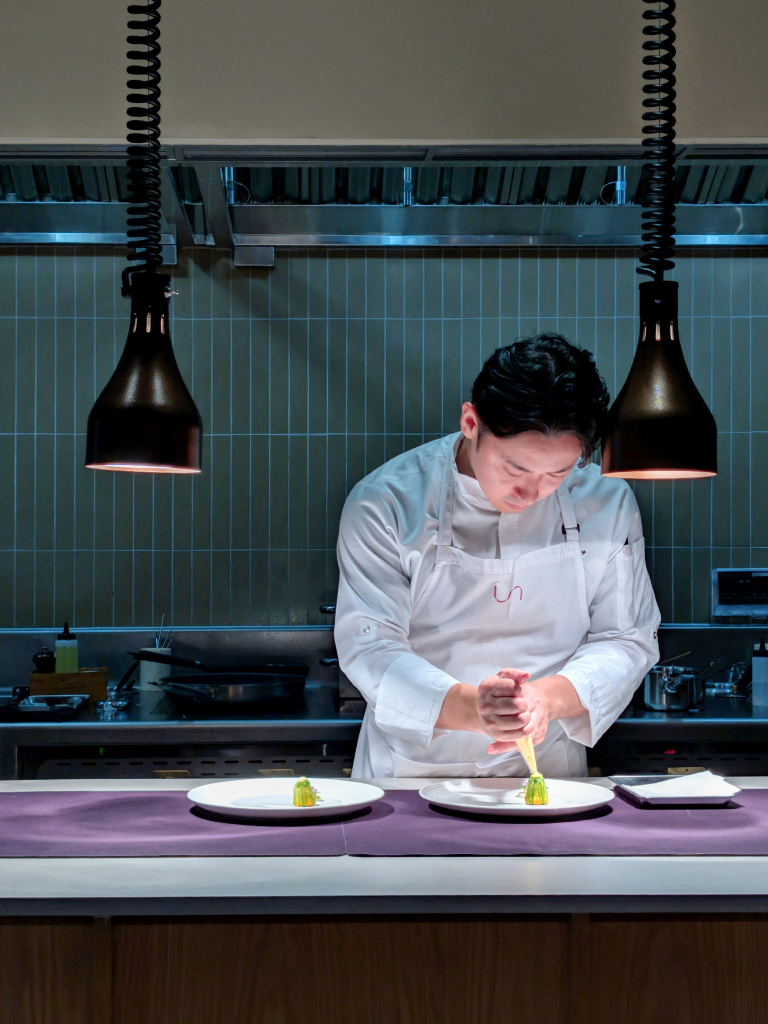
Set within the historic House of Tan Yeok Nee, the restaurant is made for diners who appreciate nuance, restraint, and a menu that unfolds with purpose. Loca Niru makes a compelling case for slowing down and savouring every course along the way.
This was a hosted tasting.
For more ideas on what to eat, check out Cafe Nesuto’s newest branch at Marina Bay Sands, and also check out these 15 Orchard Plaza food spots.
Wed 6pm - 11pm
Thur 6pm - 11pm
Fri 6pm - 11pm
Sat 6pm - 11pm
- Dhoby Ghaut



Wani is a cat lady who loves a good sweat session in the gym, and is still tracking the lead to the elusive cure for wanderlust.
Read more stories from this writer.