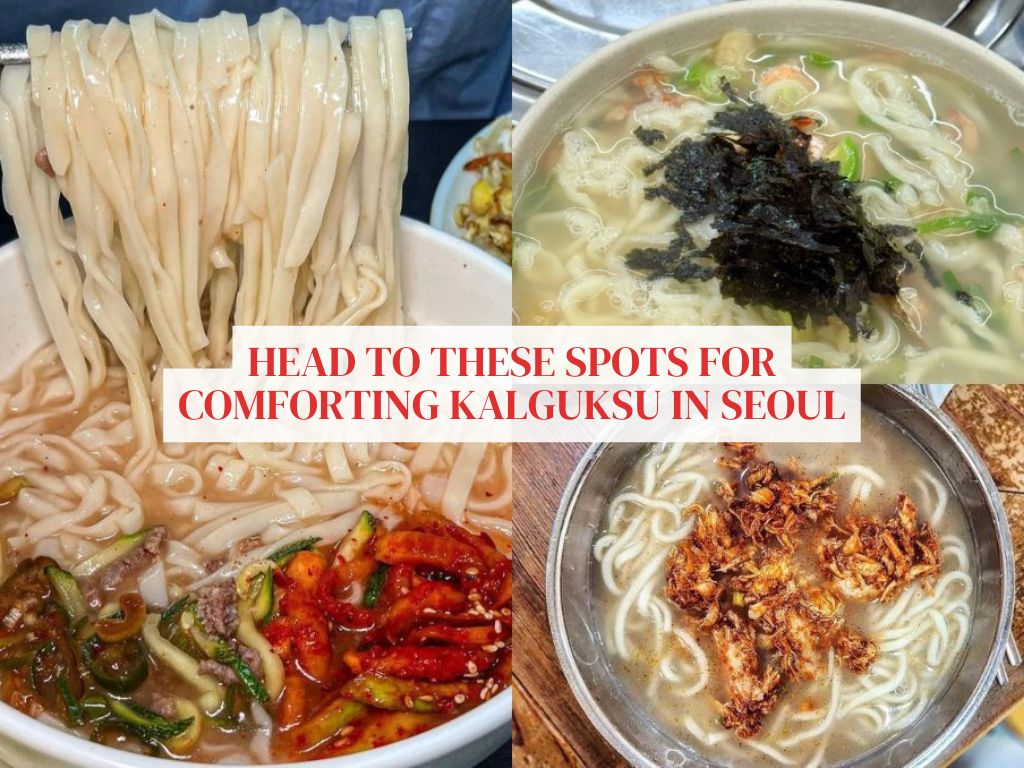
8 kalguksu spots in Seoul for a hearty bowl of noodles

When talking about Korean cuisine, kalguksu, or knife-cut noodles, is probably not the first thing that comes to mind.
Most people would’ve had kalguksu in Myeongdong once at least once during their holidays in Seoul, likely at the all-too-famous Myeongdong Kyoja. However beyond that, it’s not a dish one would go lengths just to find, especially on holiday.
A bowl of handmade, knife-cut noodles with a clear broth might sound unassuming (underwhelming, even), but it just hits the spot when done right. And with the weather turning chilly soon, we think a piping-hot bowl of noodles will come in handy now more than ever.
If we have managed to whet your appetites, here are eight spots for the best kalguksu in Seoul you’ll want to save for the moments when you need a hearty bowl of noodles in Korea’s capital city:
1. Jeongseong Handmade Kalguksu
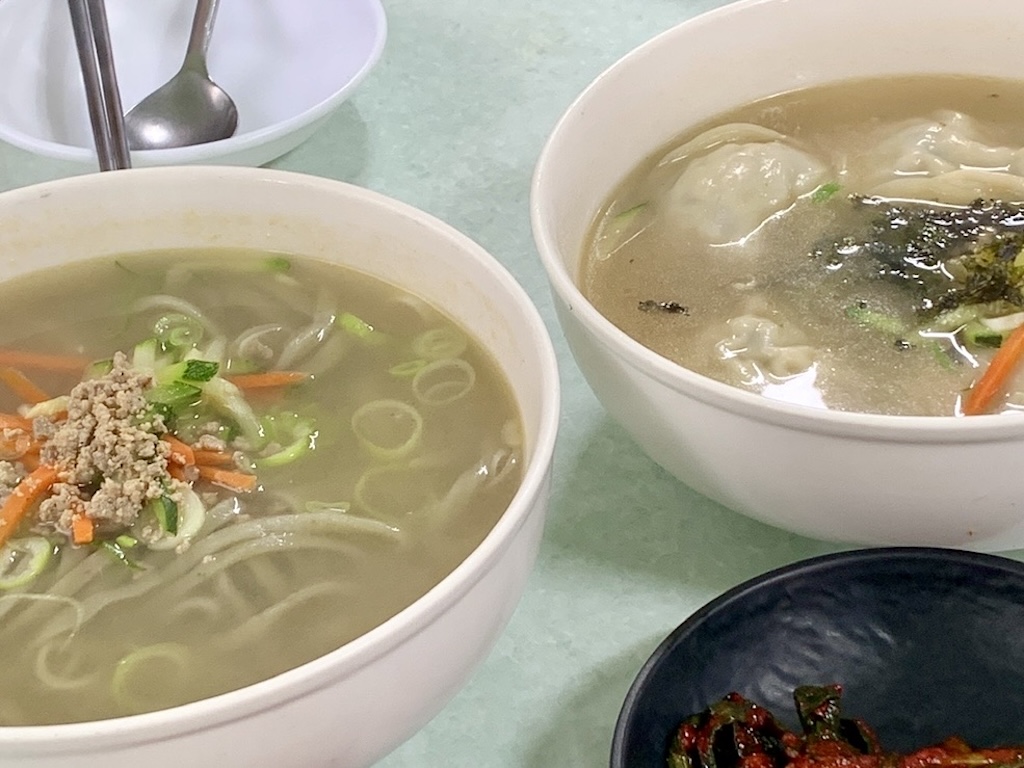
Why visit? Situated along the trendy Yongridan-gil in the Yongsan area and just a stone’s throw from popular eateries such as Teddy Beurre House and Samsamsam, Jeongseong is an old-school dining spot with over 30 years of history, serving simple yet earnest kalguksu in Seoul.
What makes Jeongseong’s kalguksu stand out is that the noodles are made with buckwheat flour instead of plain flour, resulting in a kalguksu that’s slightly greyish in colour compared to the usual white tone. The use of buckwheat also makes Jeongseong’s noodles softer and chewier than your regular kalguksu.
Crowd favourites: Get the Jeongseong kalguksu (10,000 won or S$9.67), which features knife-cut buckwheat noodles in a beef bone broth that tastes best when paired with Jeongseong’s housemade kimchi.
If you’re looking for a little more than just noodles, get the gamjajeon (9,000 won), a thin potato pancake, or the Jeongseong bossam (35,000 won), which is essentially thinly sliced boiled pork served with side dishes and cabbage leaves.
2. Tomaru Seafood Kalguksu
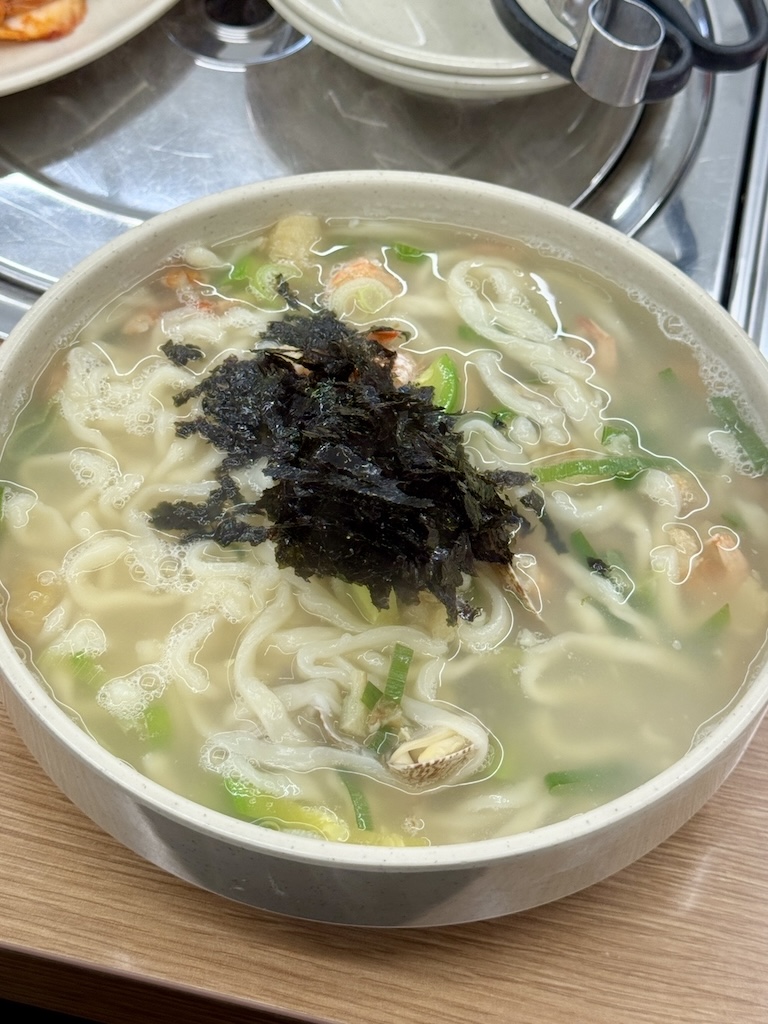
Why visit? Tomaru has been a popular kalguksu spot in Seoul, especially with foodies around the Jamsil area. Located close to Lotte World, it is known for its generous portions and hearty noodles. This family-run business is so popular that even after peak lunch hours on weekdays, you may still find yourself needing to wait in line for a bowl of its delicious seafood kalguksu.
The noodles here are springy and chewy, with a texture that keeps you going back for the next mouthful before you know it.
Crowd favourites: The must-try seafood kalguksu (10,000 won) features Tomaru’s knife-cut noodles with an incredibly generous portion of clams and veggies.
If you’re looking for some sides to go along with your seafood kalguksu, try the meat Wang mandu (10,000 won) or the kimchi Wang mandu (10,000 won), both versions are housemade and generously stuffed with fillings.
3. Guksijip
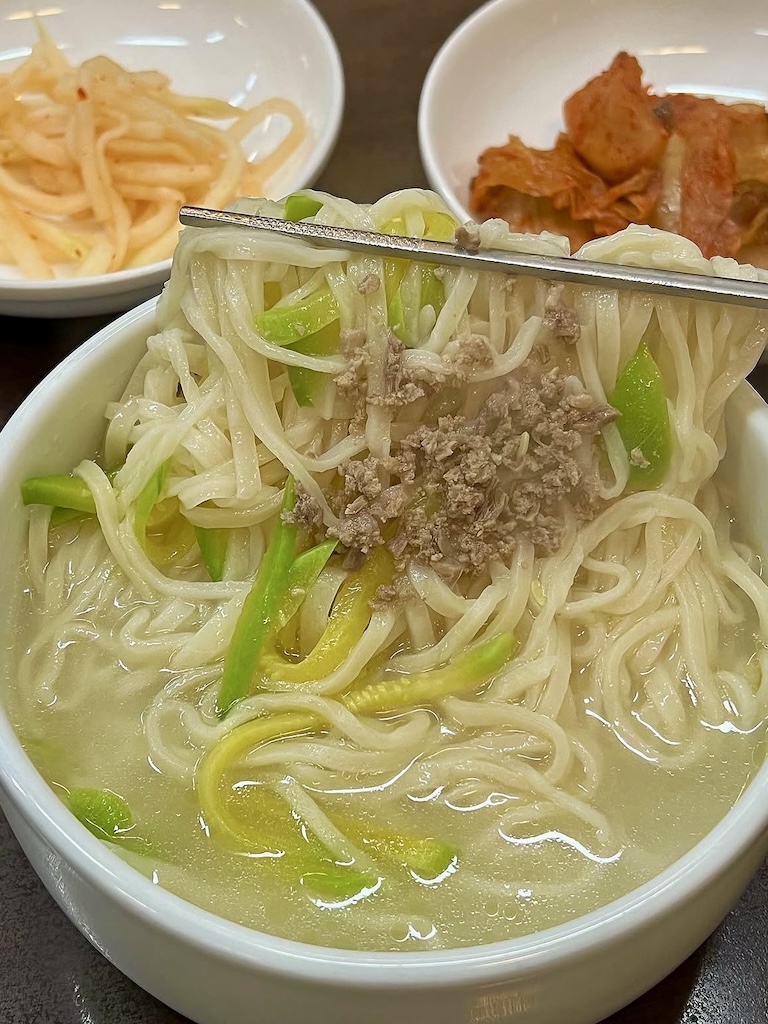
Why visit? With decades of history, Guksijip is one of the original eateries that popularised the flour-based kalguksu noodles commonly seen today. In the past, flour was a precious and expensive resource, so noodles were usually made with either buckwheat, or soybean powder.
It was only during the Korean War in the 1960s that flour started to feature more prominently in Korean dishes due to surplus of flour rations from US food assistance programmes.
It was around that time that Guksijip became one of the first eateries to popularise the thick, flour-based kalguksu noodles we are familiar with today. Guksijip is also said to be one of former Korean president Kim Young-sam’s regular hideouts, so we guess you can say it’s president-approved, too!
Crowd favourites: Guksijip doesn’t have many things on its menu apart from its main noodle item guksi (11,000 won). If you’re visiting Guksijip during summer months, the kongguksu (noodles in a chilled soy milk broth, 11,000 won) is worth a try, too.
4. Songuksi
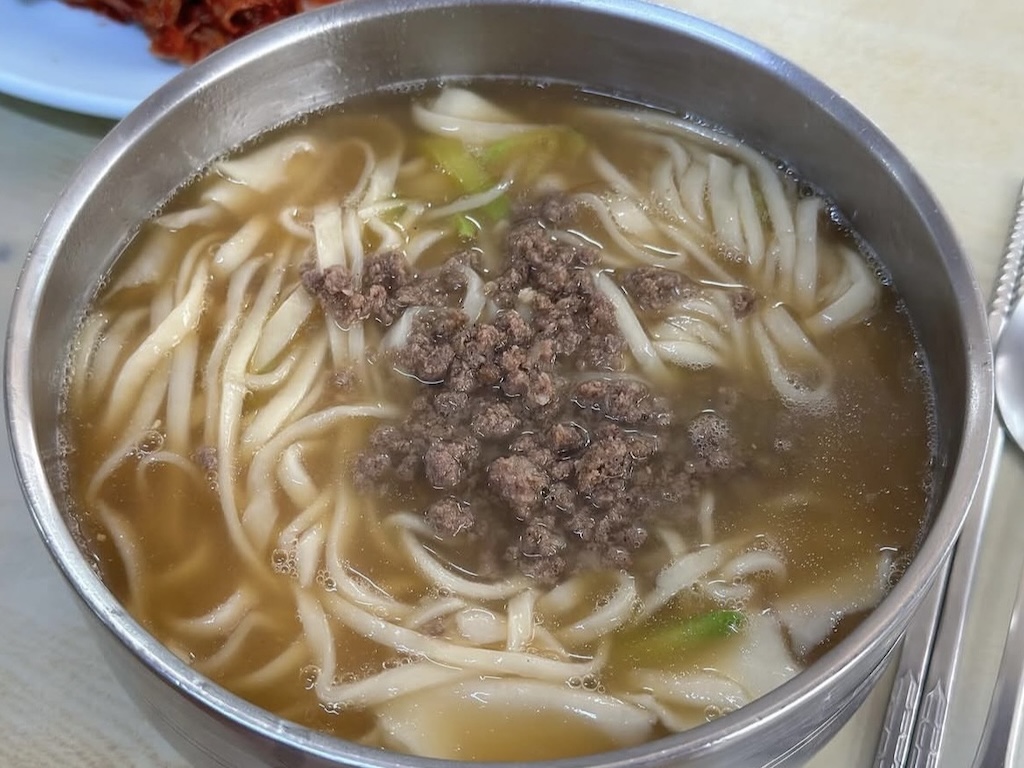
Why visit? For almost 20 years, Songuksi has been a hotspot amongst office workers around the Nonhyeon and Gangnam area, owing to its delicious yet affordable kalguksu in Seoul.
The owner kneads the noodle dough by hand, and only sells noodles made fresh on the day itself. Songuksi’s menu is kept simple and fuss-free, featuring kalguksu, sujebi (hand-pulled dough, similar to the local mee hoon kueh), and kaljebi, which is a mixture of kalguksu noodles and sujebi dough.
Crowd favourites: The kalguksu (10,000 won) is a classic staple here, but the kaljebi (10,000 won) is also particularly popular with customers. The latter has a good mix of textures thanks to the long kalguksu noodle strands and the hand-pulled chunks of dough.
5. Yeongil Bunsik
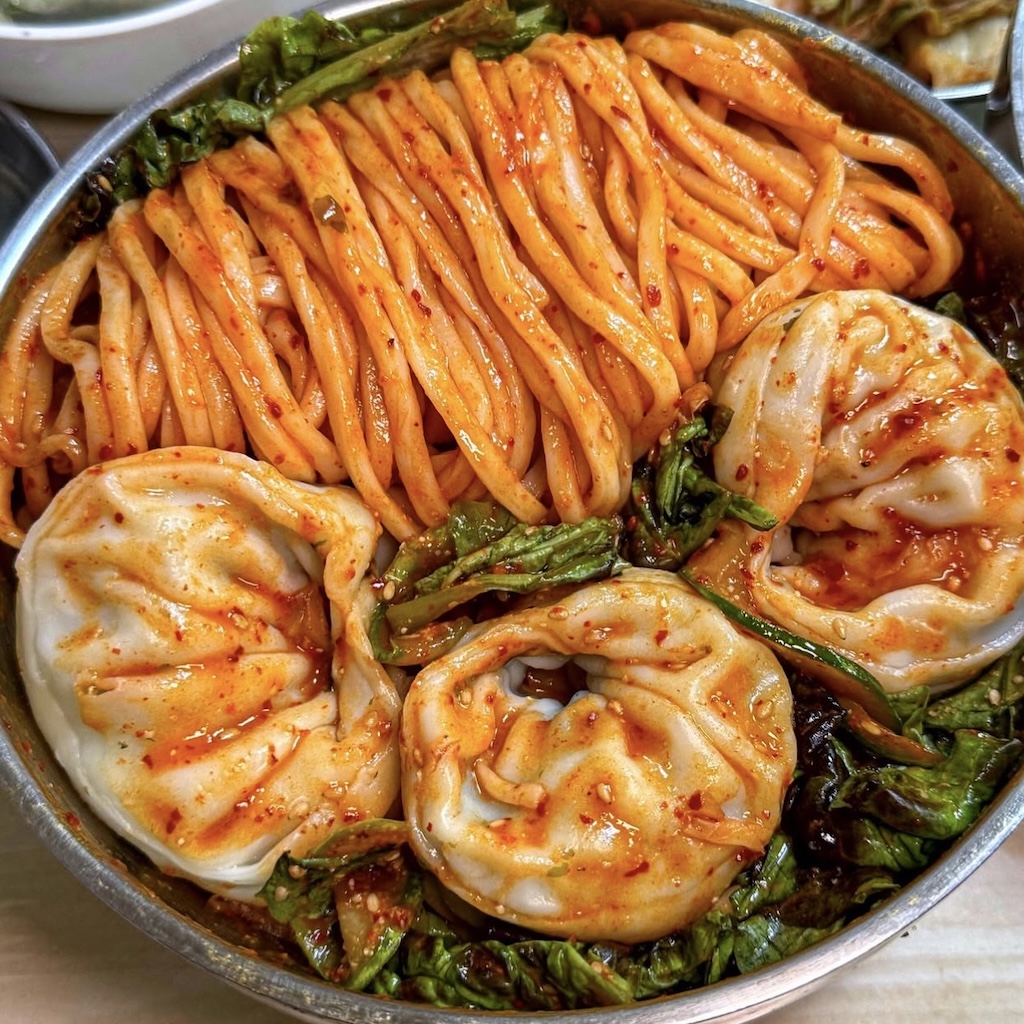
Why visit? Situated between repair workshops in an industrial part of Mullae-dong — which is also up-and-coming thanks to the rising popularity of its industrial-themed cafes — Yeongil Bunsik is a well-loved local eatery with close to 50 years of heritage.
Beyond the classic soup-based kalguksu, Yeongil Bunsik also serves up bibim kalguksu, using thicker kalguksu noodles for this spicy, dry-tossed dish, instead of the usual thin buckwheat noodles it comes with. If you’ve never tried a bibim noodle dish, it’s usually embellished with a spicy and sweet sauce that’s not for the faint of heart.
Fun fact: Popular Korean host and comedian Yoo Jaesuk, who has been on programmes such as Running Man and Jae-seok’s B&B Rules, featured this spot on his programme “You Quiz” a few years back and he really liked the bibim kalguksu here!
Crowd favourites: The classic kalguksu (10,000 won) is a steady seller here, but the bibim kalguksu (10,000 won) is a novel dish that’s also worth trying, especially if you’ve never had bibim noodles or dry-tossed kalguksu before.
6. Nam Buk Tong Il
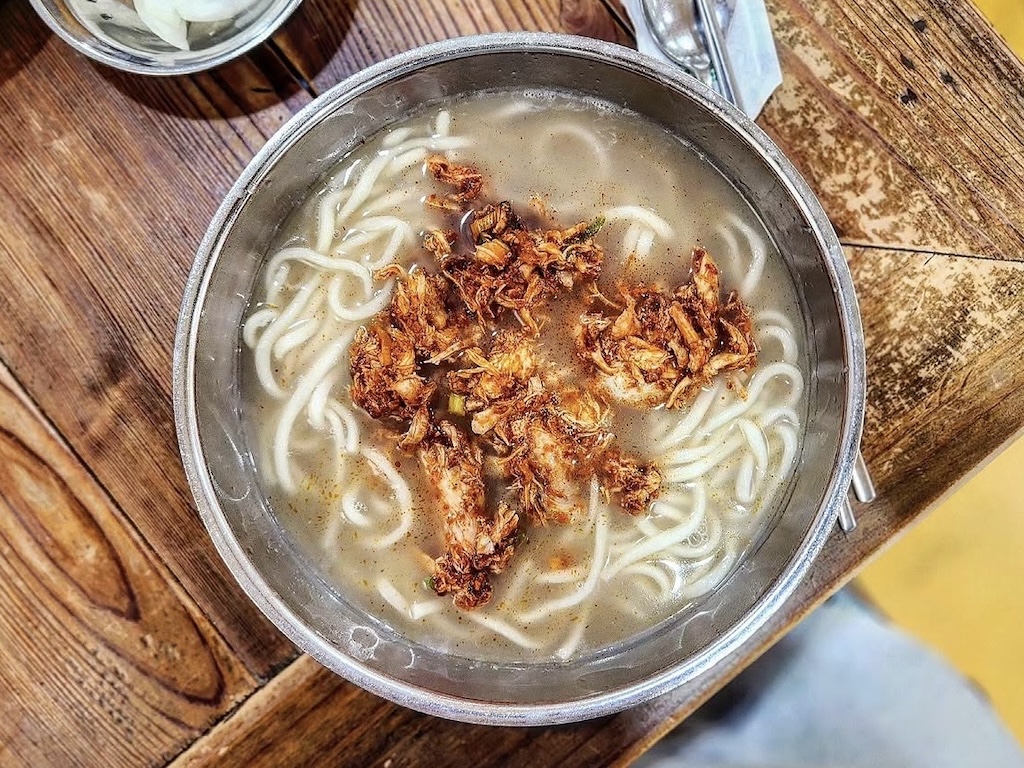
Why visit? Just a few streets down from the bustling shopping streets of Hongdae sits Nam Buk Tong Il, a longstanding spot serving up hearty bowls of kalguksu and North Korean-style mandu.
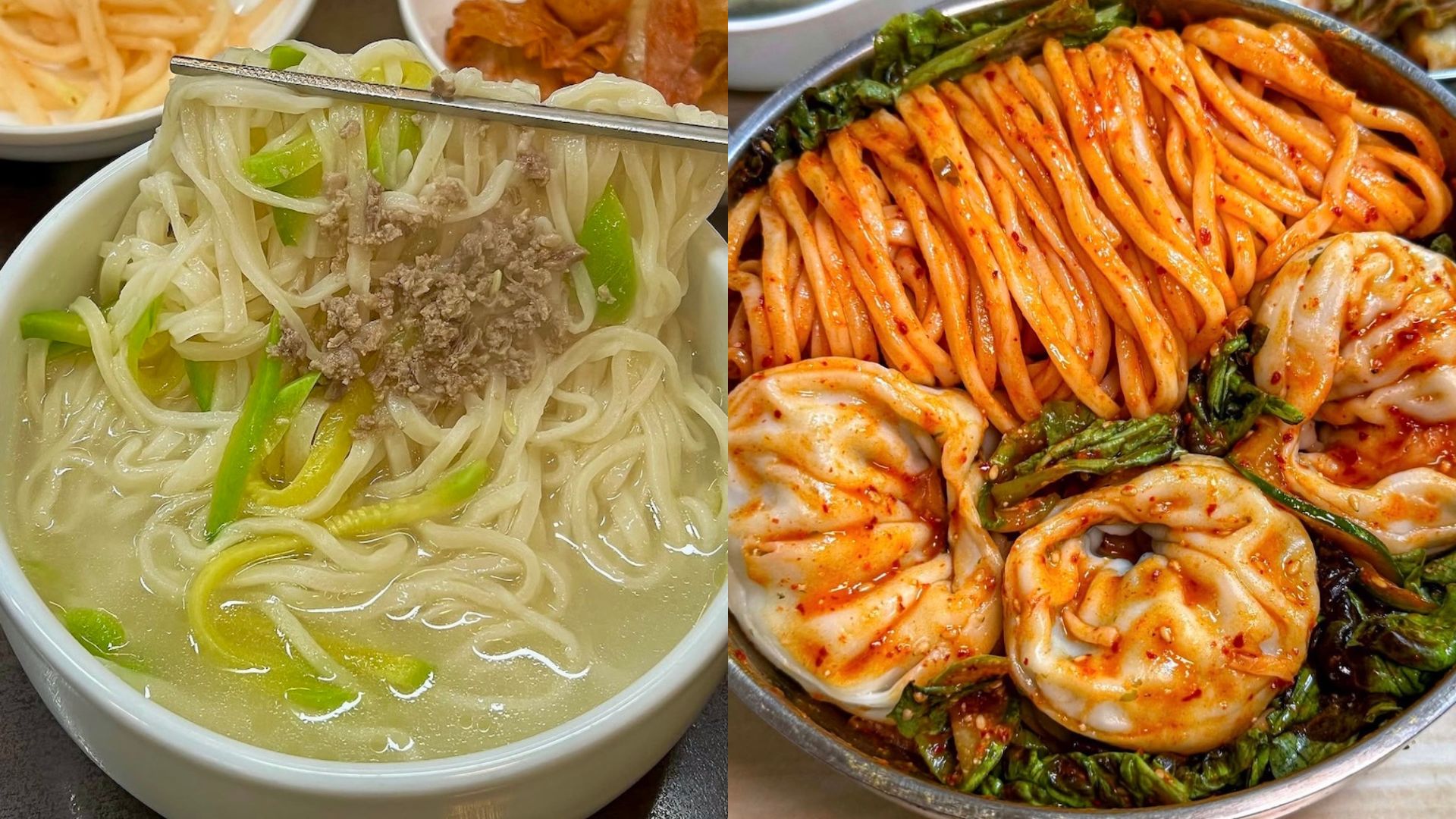
Instead of the usual julienned carrot and zucchini garnish commonly seen in kalguksu, Nam Buk Tong Il’s chicken kalguksu is topped off with a portion of spicy shredded chicken — resulting in a dish that resembles yukgaejang (spicy beef soup, which usually comes topped with shredded beef), but without the spice.
The overall presentation might be unassuming, but don’t underestimate how flavourful the kalguksu here is.
Crowd favourites: The chicken kalguksu (12,000 won) is a hot favourite and goes best with a serving of North Korean-style steamed dumplings (12,000 won).
The mung bean pancake (12,000 won) is also popular with regulars here, the version here is a great choice if you like your mung bean pancake crispy both inside and out.
7. Family Handmade Kalguksu Bossam
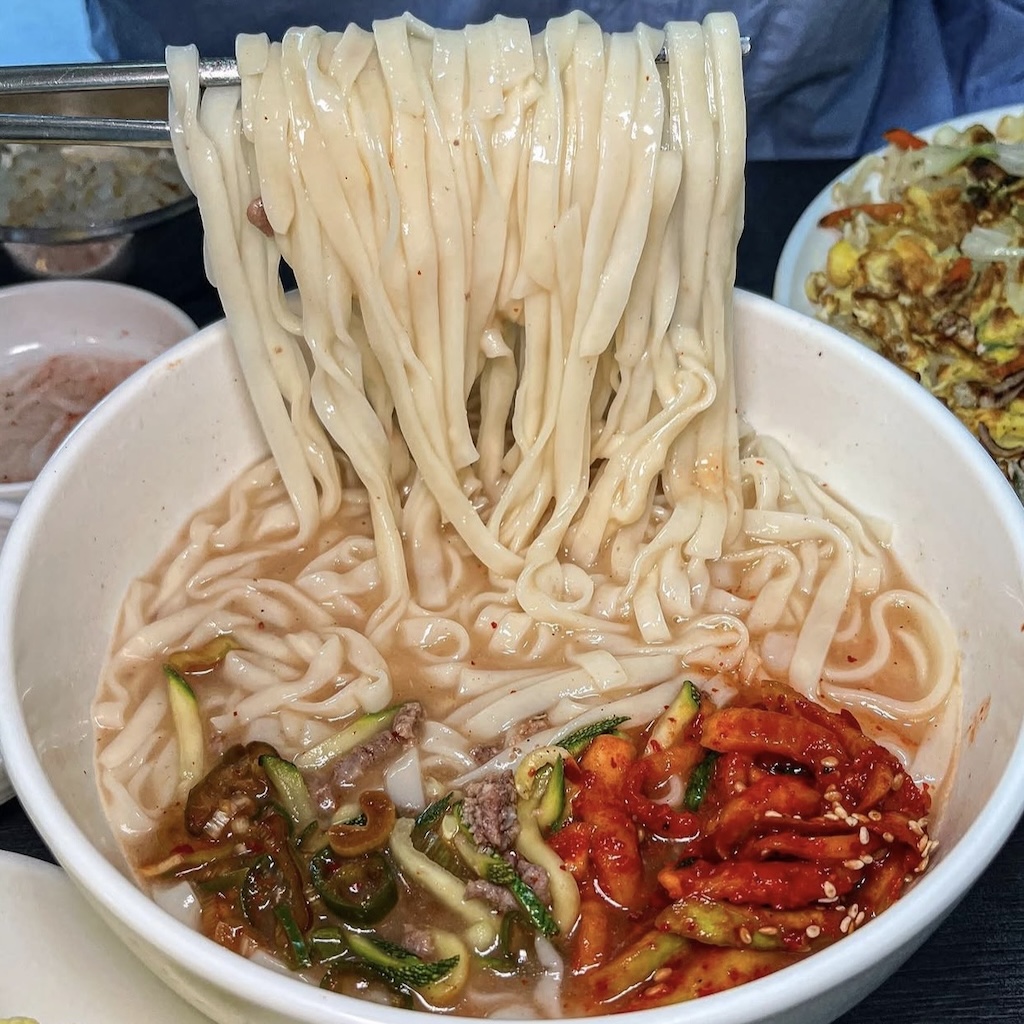
Why visit? The trendy Seongsu district, known for its cafes and shopping, might not be the first Seoul neighbourhood you’d think of when searching up where to go for good food in Seoul, but there are some gems here and there. One such hidden gem is Family Handmade Kalguksu Bossam, a kalguksu spot in Seongsu which draws lines daily because its kalguksu is just that good.
Unlike most restaurants on this list, which typically feature just one main dish, Family doesn’t just specialise in kalguksu, but also bossam.
Crowd favourites: The bossam set meal (15,000 won) is the most popular menu item, giving you a bang for your buck as the set includes both bossam and kalguksu. Kalguksu is also available a la carte at 10,000 won.
8. Plaza Handmade Kalguksu
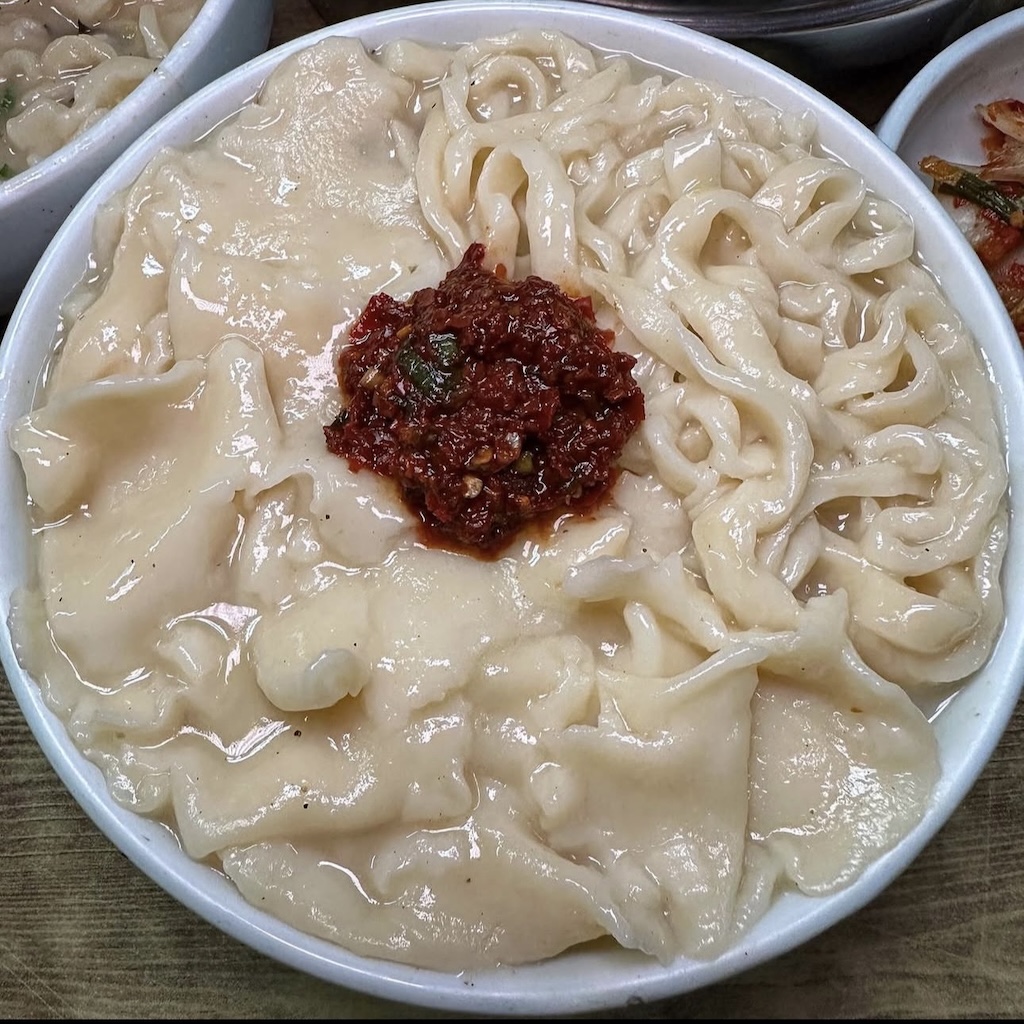
Why visit? Plaza Handmade Kalguksu is a local neighbourhood favourite for kalguksu in Seoul, well-known among those living in the Jamsil area, having been around for over 30 years serving up just one dish — knife-cut noodles.
Plaza’s broth is particularly rich and thick, owing to its use of beef bone broth for its noodle base instead of the usual anchovy broth. That said, it still manages to keep flavours delicate such that it doesn’t overwhelm. Don’t believe us? Just check out the crowds dining in the restaurant everyday.
Crowd favourites: The handmade kalguksu (10,000 won) is Plaza’s signature that has stood the test of time, and it’s best paired with the fresh kimchi that’s housemade.
If you want something different, it also has sujebi (11,000 won), or hand-torn noodles, here, though this is only served after 3pm or 4pm depending on which day you visit.
The rolled dumplings (11,000 won) also make for a great add-on. As its name suggests, they are essentially massive hand-rolled pork dumpling balls which are made fresh daily — if you love dumplings of all kinds, you shouldn’t miss this!
For more places to explore in Seoul, check out our list of unique kimbap spots and Korean bakeries the next time you’re there.

Hannah is constantly on a hunt for good food and vibey cafes, with the occasional mild lactose intolerance being the only thing that interrupts her endeavours.
Read more stories from this writer.